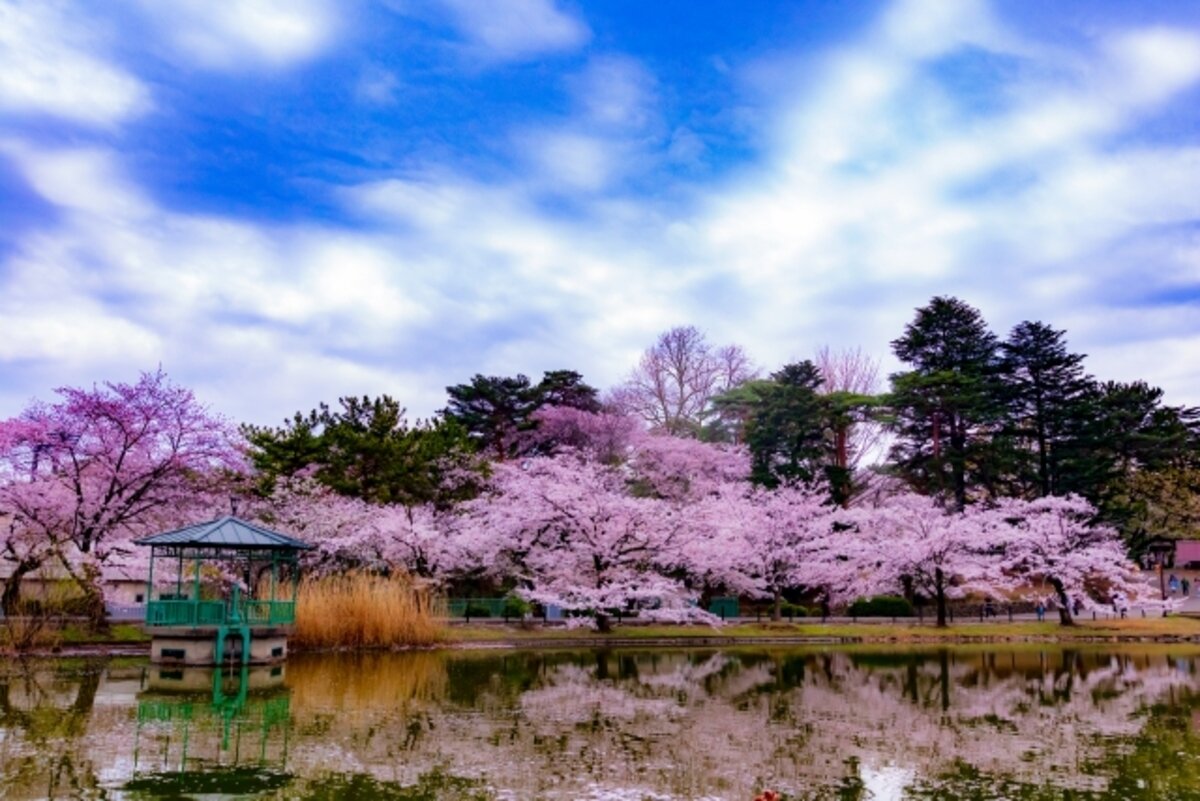
In springtime Japan, the act of "viewing cherry blossoms" is not merely tourism but a cultural experience that celebrates the changing of the seasons. Omiya Park in Saitama City, Saitama Prefecture, is known as a cherry blossom viewing spot that is easily accessible from the Tokyo metropolitan area while retaining the traditional atmosphere of hanami (flower viewing). Because it is adjacent to Omiya Hikawa Shrine and has cherry blossoms scattered throughout the spacious park, visitors can enjoy both the bustling yatai (food stall) area and the peaceful walking area in one day. Furthermore, the peak viewing period is typically from late March to early April, making it worthwhile to visit during this short peak.
This article provides a comprehensive guide to Omiya Park that is easy to understand even for those experiencing "Japanese hanami for the first time." It covers the park's attractions, reasons to enjoy the cherry blossoms, seasonal activities, access, manners, and surrounding sightseeing. It is a practical guide aimed at those who want to fully experience the "Japanese spring feel" near Tokyo.
1. What kind of place is Omiya Park?
Omiya Park is a prefectural urban park located in Omiya Ward, Saitama City, widely recognized as a famous cherry blossom spot. The park has well-maintained walking paths and plazas, changing its appearance with the seasons: cherry blossoms in spring, fresh greenery in early summer, and autumn leaves in fall. While it is mainly focused on during cherry blossom season, it actually features a combination of elements including "shrine visits," "pond surfaces," "Japanese gardens," and "relaxing lawns."
Also, Omiya Park adjoins Omiya Hikawa Shrine. The long approach to Hikawa Shrine, lined with trees, itself enhances the travel experience. During the cherry blossom season, many people enjoy visiting the shrine and viewing the blossoms together, creating an atmosphere typical of "a Japanese spring holiday." It is no surprise that many visitors come with cherry blossoms as their purpose, given that Omiya Park is listed among the "100 Best Cherry Blossom Spots in Japan."
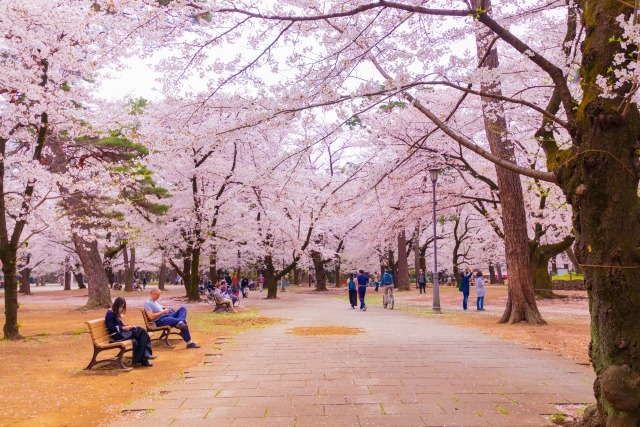
In a word, the park's atmosphere is a "famous spot deeply rooted in the local people's daily lives." While some come to take picture-perfect photos, others spread sheets for meals with family, walk their dogs, or read on benches. Because it is not overly commercialized as a tourist site, it allows visitors to see the everyday spring in Japan just as it is.
2. Reasons to enjoy cherry blossoms at Omiya Park
There are countless cherry blossom viewing spots across Japan. Still, Omiya Park is worth visiting because multiple attractions overlap.
Close to the city yet rich in hanami atmosphere
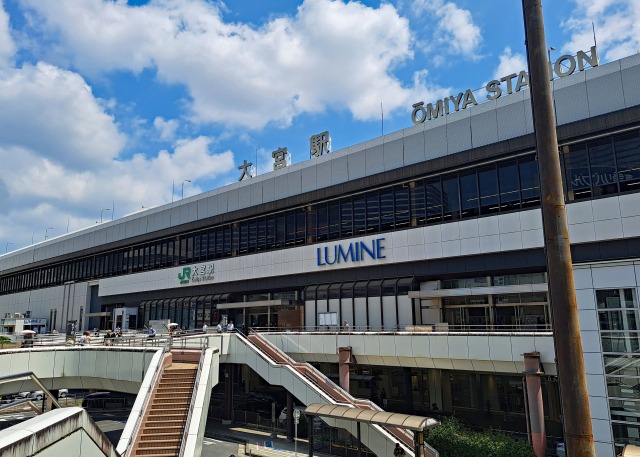
Omiya is one of the major terminals in the Kanto region with an extensive railway network. It is within walking distance from Omiya Station and also accessible from Omiya Park Station and Kita-Omiya Station on the Tobu Urban Park Line. Although it’s easy to get there, once you arrive, the enthusiasm of this “spring event” is palpable. This balance is Omiya Park’s strength.
Clear peak period, easy to plan
Though cherry blossom peaks are often said to be short-lived, Omiya Park is no exception. The usual peak is from late March to early April, providing a practical timeframe for planning a trip.
Of course, actual blooming dates vary with temperature and rain, but local tourism websites update the peak status, so checking just before visiting reduces the chance of disappointment.
Many activities beyond “just seeing cherry blossoms”
First-time hanami visitors often wonder, “The cherry blossoms are beautiful, but what should I do after viewing?” At Omiya Park, walking, yatai, shrine visits, photography, and picnics seamlessly connect within the same grounds and surroundings. Without over-focusing on the perfect moment of full bloom, this place easily offers satisfaction as a “spring day.”
Easy to observe Japanese "hanami culture"
Hanami is not only about taking pictures against cherry blossom backgrounds but also about seeing how people spend spring. Eating under the cherry trees, conversing with family or friends, gathering with coworkers — these aspects can be naturally observed at Omiya Park. For those who want to touch on Japanese seasonal customs, this place offers a high "density of experiences."
3. Things to enjoy during cherry blossom season at Omiya Park
During cherry blossom season, Omiya Park can be enjoyed without focusing on just one purpose. In fact, combining several ways to enjoy it increases satisfaction.
Stroll and savor the unique scenery of each spot
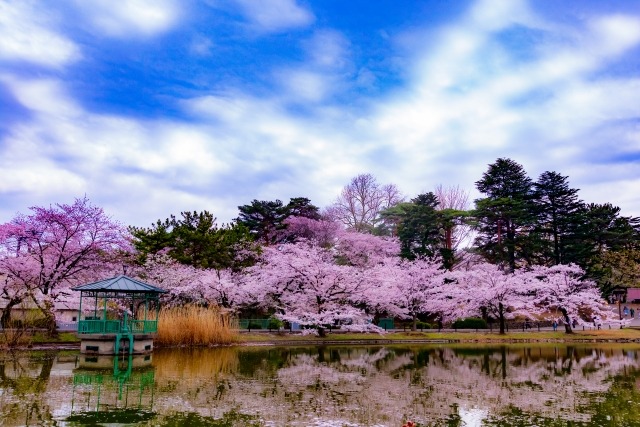
One of Omiya Park’s charms is encountering “different cherry blossom landscapes” the more you walk. Cherry blossoms in an open plaza, reflected with the pond’s surface, or blooming softly among the trees. Alternating between open views and shaded calm spots, the park does not feel monotonous even though it is all in the same place.
A recommended walking style is first to view the busier areas in “tourist mode,” then switch to “rest mode” on slightly quieter walking paths. Staying all the time in crowded areas can tire you out, but Omiya Park allows refreshing your mood with a good pace.
Try "spring flavors" at yatai
One joy of hanami is the food. Eating something under the cherry blossoms instantly makes the experience into an “event.” Food stalls vary year by year but tend to be lively during cherry blossom season, making it easy to nibble on the go.
Typical offerings include yakisoba, takoyaki, kushiyaki (skewered grilled items), and sweet snacks. Japanese yatai often prepare food on-site and serve it hot, with enticing aromas adding to the hanami feeling. To avoid long waits during peak lunchtime, arriving early is advisable.
Experience classic hanami with a picnic
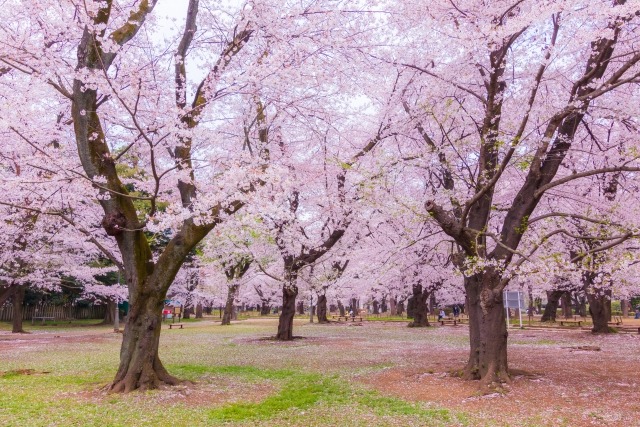
Sitting quietly under cherry trees is an iconic scene of Japanese spring. Spreading a leisure sheet and arranging drinks and light meals makes for a special time. The key here is not “staying long” but simply “sitting under the cherry blossoms even briefly.” That alone creates a real sense of having done hanami.
Buying drinks and rice balls at convenience stores or nearby shops before arriving makes preparation easy. Choosing a spot slightly away from directly under cherry trees — like on grass or near benches — offers a more relaxed atmosphere.
Enjoy the changing atmosphere from evening to night
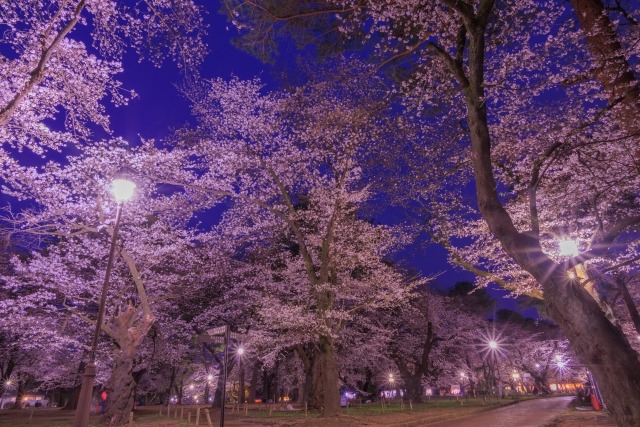
Though cherry blossoms are often considered a daytime attraction, evening light softens the petals’ colors beautifully. Twilight makes photography easier, and the flow of people settles slightly.
Some years, Omiya Park offers night-time cherry blossom light-ups, from dusk until 9 p.m. in past instances.
Night-time cherry blossom viewing reveals a “quiet spring” face distinct from bright daytime spring. If your visit coincides with light-up events, arriving in the evening and spending time until nightfall enriches your experience. Light-up schedules vary, so checking official or tourist info just before travel is advised.
Enjoy cherry blossoms along with the shrine
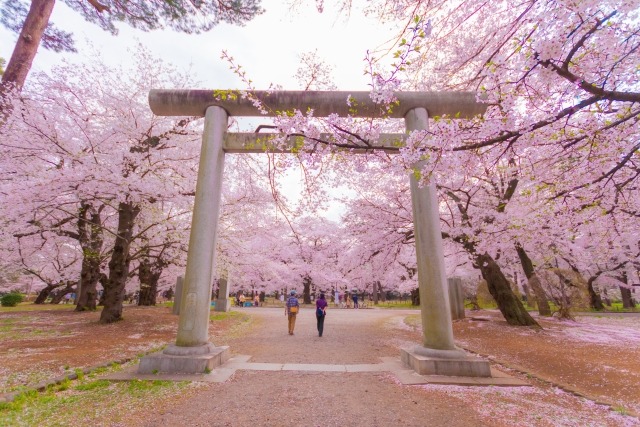
A memorable moment in a Japanese spring trip is when "nature" and "culture" coexist on the same route. As Omiya Park adjoins Hikawa Shrine, visiting the shrine fits naturally within the flow of hanami, or vice versa. The torii gate, approach, and shrine building showcase typical Japanese scenery, followed by the expanse of cherry blossoms. This makes it easy to frame “a Japanese spring day.”
At the shrine, small actions like walking quietly, being considerate when taking photos around buildings and people, or lightly practicing hand-washing etiquette enrich the experience. Perfect mastering of rituals is unnecessary; a sincere attitude is what counts.
4. Tips for visiting Omiya Park
Here we summarize practical tips to avoid troubles on-site. Although hanami is fun, it also frequently brings “typical” challenges like crowds, temperature variations, and rain, so light preparations greatly enhance comfort.
Best timing
Generally, the cherry blossom peak is from late March to early April.
However, for travelers, more important than hitting “the exact full bloom day” is choosing “the best time of day.”
Recommended time slots are:
・Morning (early after park opening)
Few people, perfect for strolling and photography. The air is clear, bringing out beautiful cherry blossom colors.
・Late morning to early afternoon
The yatai are lively, bringing out the strongest hanami atmosphere. Crowds are heavier, but it’s recommended for those wanting to feel the energy of Japanese spring.
・Evening
Soft light makes for excellent photos. Crowd levels begin to ease.
・Night (in years with light-up events)
The atmosphere transforms from sunset to night. In past years, light-ups lasted until 9 p.m.
A convenient itinerary could be: “Visit Hikawa Shrine and approach in the morning → yatai and stroll in Omiya Park at noon → take photos in the evening → night cherry blossoms if you have energy.”
What to bring
Because hanami often involves spending long hours in the park, small items that improve comfort really help.
・Light jacket
Even if warm during the day from late March to early April, evenings can be chilly. Layers you can put on and off are advisable.
・Small leisure sheet
Essential if you want to sit. Avoid large sheets that take up space and bother others; a size for two people works well.
・Cash (small denominations)
Yatai or small shops may prefer cash.
・Trash bags
Trash bins are often scarce in Japanese parks. Carrying your own bag to take trash home is smart.
・Mobile battery
You may use your smartphone more for photos and maps.
・Folding umbrella or rain jacket
Spring weather is variable and rain can affect the flowers.
・Wet wipes
Useful for handling yatai food and picnics.
For photography, a telephoto lens or small tripod for smartphones can expand creative possibilities. However, in crowded areas, be mindful not to block pathways when stopping.
Recommended activities
Deciding “what to do” ahead of time improves satisfaction even amidst crowds at Omiya Park.
・Create themes for your hanami walk
Such as "pond and cherry blossoms," "approach and cherry blossoms," or "yatai and cherry blossoms" to organize photos and memories.
・Enjoy Japanese convenience store food under cherry trees
Onigiri, sandwiches, sweet bread, etc., Japanese convenience stores offer many options that pair perfectly with hanami. A good backup if yatai lines are long.
・Draw a fortune slip at Hikawa Shrine
Briefly engage with Japanese shrine culture. Photographing your result is a nice travel record.
・Capture the "color changes" in the evening
Cherry blossoms appear different at day’s white light, pinkish dusk, and illuminated nighttime.
・Go for dinner near Omiya Station
Lightly eat at the park, then enjoy a proper meal near the station for a well-rounded day.
5. Access Information
The easiest and most reassuring way for travelers to reach Omiya Park is via train. Official guidance states it is a 20-minute walk from JR Omiya Station East Exit, and a 10-minute walk from either Omiya Park Station or Kita-Omiya Station on the Tobu Noda Line (also called Tobu Urban Park Line).
Hanami information also often mentions a 20-minute walk from JR Omiya Station and 10 minutes from Omiya Park Station.
Those who like walking might enjoy heading from Omiya Station while taking in the town scenery. For those with time and a wish to walk the shrine's approach, the natural route is from Omiya Station via Hikawa Shrine to the park. On busy days when conserving energy is key, using Omiya Park or Kita-Omiya stations shortens the trip.
During cherry blossom season, the area can get crowded, so public transport tends to be less stressful than cars. If planning to move between areas, the transport hub functions of Omiya add an advantage.
6. Hanami Manners
Hanami is a free and enjoyable event, but the park is a public space. A little consideration helps everyone enjoy their time comfortably. In Japan, a strong sense of “sharing the space with others” means knowing the manners enhances the quality of your experience.
Keep space reservation modest and be considerate
Occupying large spaces for long periods with big sheets can inconvenience others. Use the minimum necessary area, especially during crowds, and be conscious of giving way. Choose spots that do not block others who only want to take photos.
Take your trash home
Trash bins are often few in Japanese parks, especially during hanami, when litter tends to increase. Prepare trash bags to collect and take your waste with you. Follow separation instructions if displayed.
Avoid loud voices, speakers, excessive drinking
Though the season is festive, families and people seeking quiet also visit. Playing music loudly on speakers or partying late risks trouble. Especially at night, voices carry easily and can ruin the atmosphere, so be mindful.
Do not touch the trees, branches, or flowers
Pulling branches to take photos, shaking flowers, or climbing trees damages the cherry blossoms. These delicate trees can weaken from injuries. To preserve beautiful scenery for the future, keep your distance and enjoy responsibly.
Follow smoking rules
Smoking regulations are often specified in Japanese parks. Always use designated smoking areas and avoid smoking while walking. Many people dislike smoke, and in crowds, it easily causes trouble.
Be mindful of quietness around the shrine
If you visit Hikawa Shrine, behave calmly in the precincts. The shrine is a place of worship as well as a tourist spot. Even where photography is allowed, choose times and locations that do not disturb other worshippers.
7. Recommended sightseeing spots around Omiya Park
For those wishing to add some sightseeing after enjoying cherry blossoms at Omiya Park, here are easily accessible spots and ways to spend your time. The key is not to increase travel distance too much and keep the cherry blossom mood intact.
Omiya Hikawa Shrine
A classic combination adjoining Omiya Park. The shrine approach's atmosphere, torii gate, and main hall gather typical Japanese elements, making it a well-rounded spring walking route. Visiting the shrine after viewing the cherry blossoms allows your trip to naturally flow from “nature to culture,” making memories more distinct.
Recommended is a slow walk along the approach, a deep breath inside the precincts, and a mental reset. The contrast from the bustle of hanami to calmness feels pleasant and strongly embodies the Japanese spirit.
Gourmet and shopping near Omiya Station
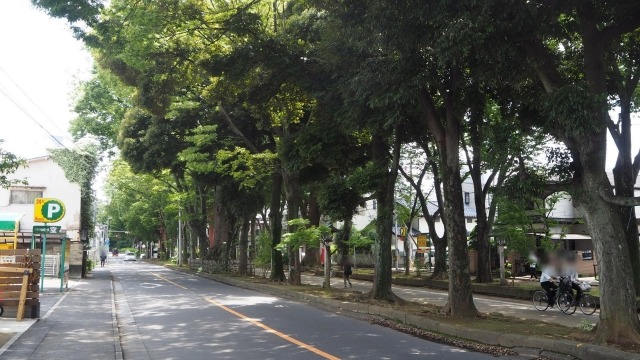
Omiya is a transportation hub with many dining and commercial facilities near the station. Since hanami involves much outdoor time, having dinner indoors where it’s warm helps guests refresh. Omiya has many options also for experiencing Japanese izakaya culture.
Because lunch can be crowded during cherry blossom season, splitting the day into “light snacks in the park” and “a hearty meal near the station at night” is reasonable. Indoor places also serve as useful refuges if weather turns bad.
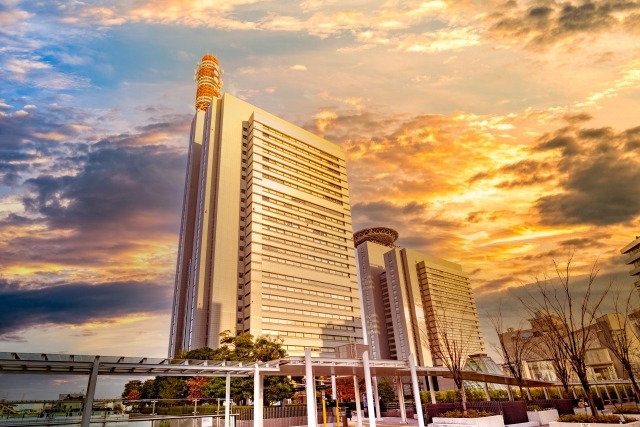
Extend your trip to Saitama Shintoshin area
If time and energy allow, visiting a nearby urban area to compare modern cityscapes can be interesting. After experiencing the “old-fashioned spring” at Omiya Park, a shift to urban scenery reveals how expressions vary even within the same region. This suits travelers who want contrast during their trip.
If you want to savor the cherry blossom afterglow, “organize it at a cafe”
Hanami presents a lot of information and many photos. Taking a break at a cafe after walking and reviewing photos or deciding the next spot makes the trip smoother. Especially during cherry blossom season, crowds and unconscious fatigue increase, so intentional rests improve overall satisfaction.
In Conclusion
The cherry blossoms at Omiya Park hold value not just for their beauty but for allowing visitors to see exactly how Japanese people spend spring. Easily accessible from stations, the park provides connected experiences of walking, yatai, picnics, and shrine visits, leaving memories beyond just “seeing cherry blossoms” even in a short stay. From late March to early April, when the usual peak occurs, the entire town is wrapped in spring’s atmosphere and the park’s bustle rises into a seasonal event.
Even if you miss the full bloom, no worries are needed. Omiya Park’s enjoyment changes with how you walk and what time you choose. Clear morning walks, vibrant daytime flower viewing, soft evening light, and atmospheric nights—with calm shrine spots and convenient station surroundings—all combine to let you tailor a day to your liking. For those seeking to feel both culture and everyday life through cherry blossoms in spring Japan, Omiya Park is a very reliable choice.
Search Restaurants by Destination

Search Restaurants by Popular Cuisines

Search Restaurants by Characteristics