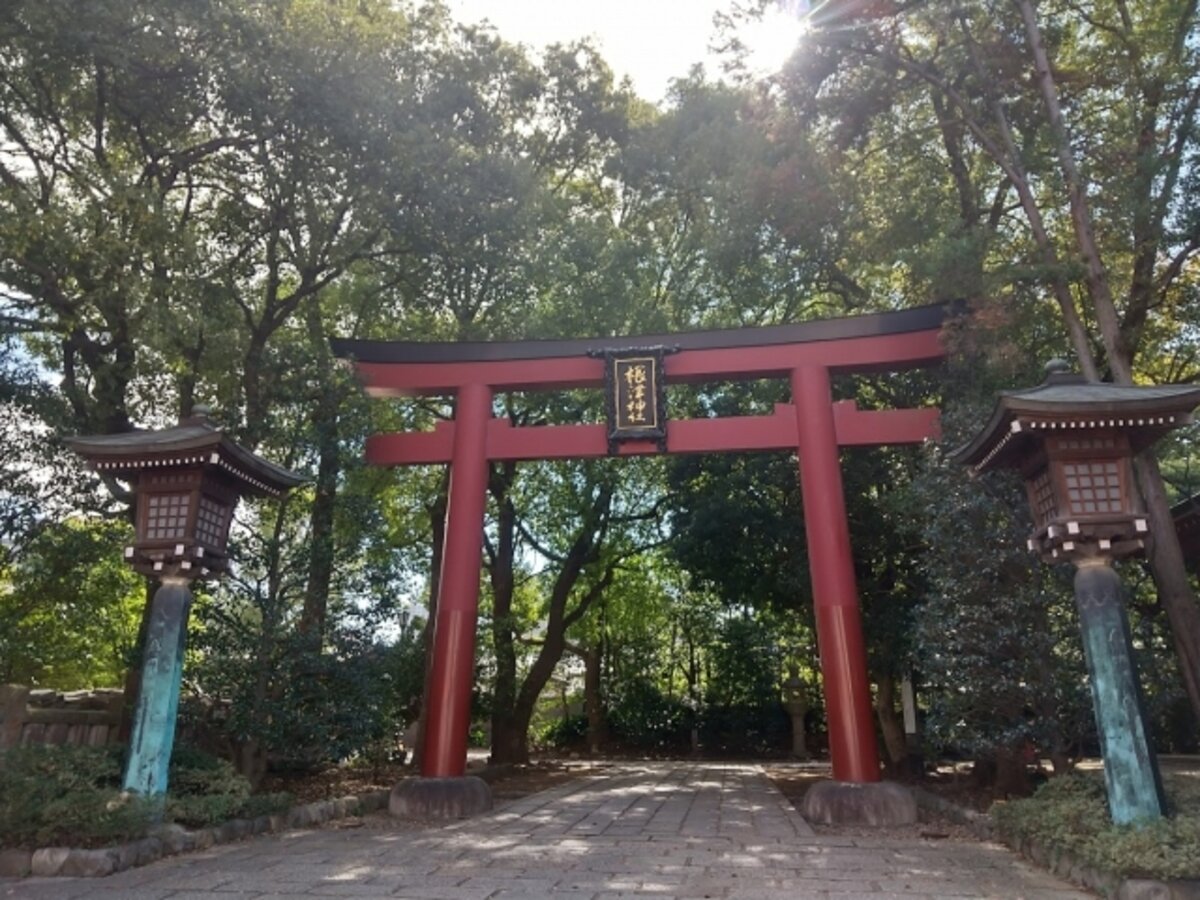
When thinking of famous sightseeing spots in Tokyo, places like Senso-ji and Meiji Shrine often come to mind. However, if you're looking for a quieter and more atmospheric destination, Nezu Shrine is a fantastic choice. With its stunning vermillion torii gates known as the "Senbon Torii," lush greenery throughout the seasons, and historic shrine buildings, there is plenty to see. In this article, we will explore the charm of Nezu Shrine and the best ways to enjoy it.
Overview

Located in the quiet and historical Bunkyo Ward, Tokyo, Nezu Shrine is one of the oldest shrines in the city, with a history spanning over 1,900 years. According to legend, it was originally founded by the mythical Yamato Takeru, a prince of the Yamato dynasty. The current buildings were constructed in 1706 under the orders of Tokugawa Tsunayoshi, the 5th shogun of the Tokugawa Shogunate, and have remarkably remained intact since then—a rare example of Edo-period architecture that survived earthquakes and war.
The shrine is also one of the Tokyo Ten Shrines (Tokyo Jissha), a prestigious group of shrines designated by the Meiji government. Its main hall, offering hall, and worship hall are connected in a style called Gongen-zukuri, and this architectural style, combined with the lavish ornamentation, earned the shrine the status of an Important Cultural Property of Japan.
Despite its proximity to central Tokyo, the lush grounds create a serene atmosphere, making Nezu Shrine a perfect destination for visitors who want to escape the hustle and bustle. Seasonal beauty—especially the Azalea Festival in spring—draws many, but the shrine remains a tranquil spot year-round.
Highlights
1. Senbon Torii (Thousand Torii Gates)
One of the most striking sights at Nezu Shrine is its beautiful row of vermillion torii gates. Though smaller in scale compared to Fushimi Inari Taisha in Kyoto, it offers a similarly mystical experience in a more compact setting.

2. Shrine Building
The shrine building, designated as an Important Cultural Property, preserves the opulent architectural style of the Edo period. The intricate carvings and decorations are also worth admiring.
3. Azalea Garden (Spring)
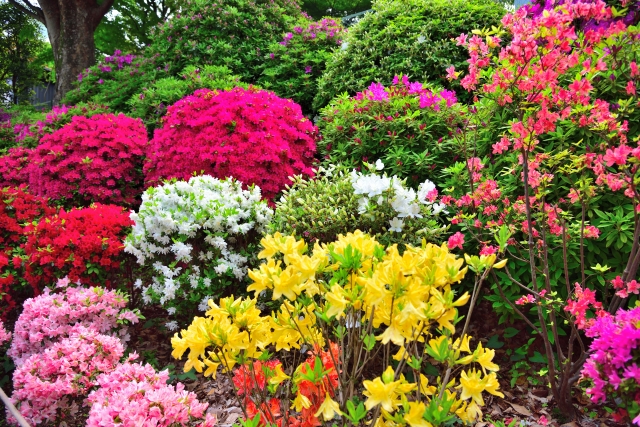
In spring, the shrine’s azalea garden bursts into color with about 3,000 azalea plants from 100 varieties, creating a breathtaking spectacle that attracts many visitors.
How to Enjoy
- Take a leisurely stroll: The shrine is relatively uncrowded, making it an ideal place for a peaceful walk.
- Collect Goshuin (seal stamps): Nezu Shrine offers beautifully designed seal stamps, a great souvenir for shrine enthusiasts.
- Enjoy photography: The vibrant torii gates and the elegant shrine building make for excellent photo opportunities.
Practical Information
- Opening Hours: The shrine grounds are open 24 hours (Office hours: 9:00 AM - 5:00 PM)
- Admission Fee: Free (Azalea Garden has an admission fee during its open season)
- Access:
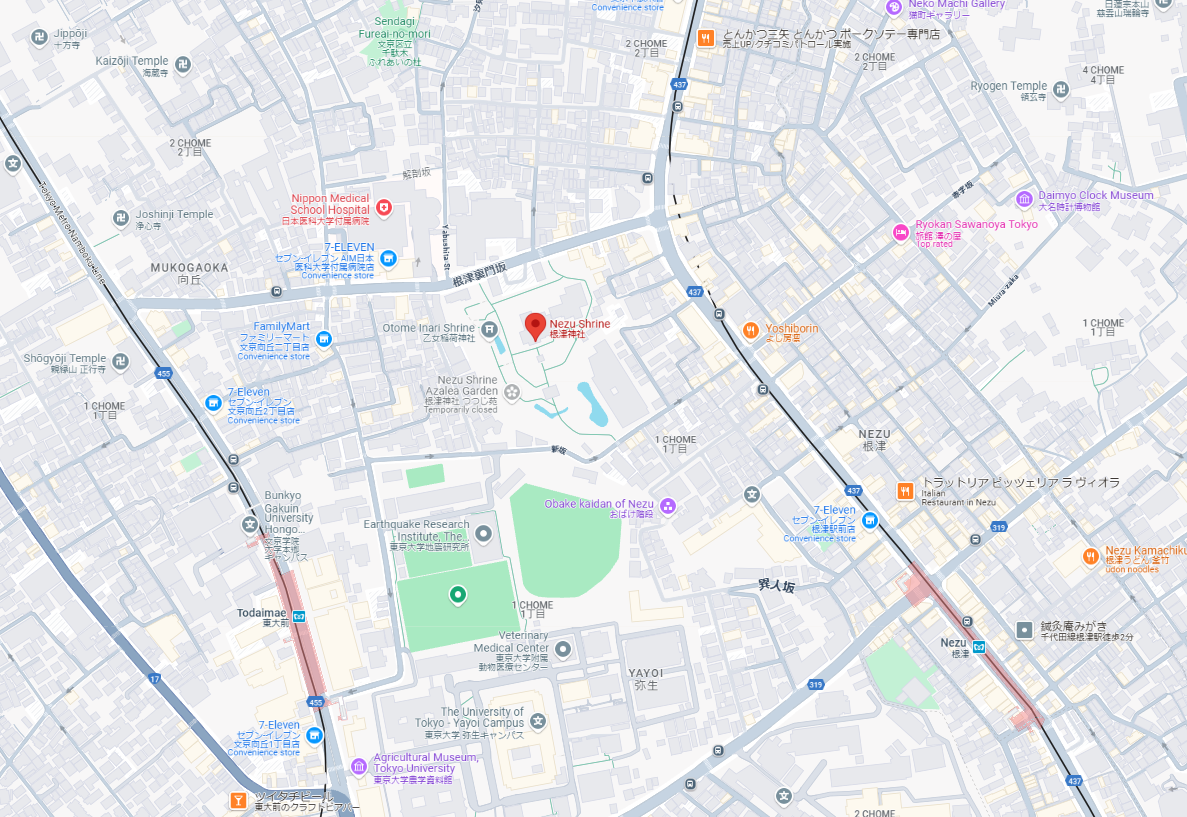
- Tokyo Metro Chiyoda Line: 5-minute walk from Nezu Station or Sendagi Station
Tokyo Metro Namboku Line: 5-minute walk from Todaimae Station
Cultural and Spiritual Etiquette at Nezu Shrine
To truly appreciate Nezu Shrine, it’s essential to understand the Japanese Shinto culture and the proper etiquette involved in visiting a shrine. Shrines are not merely sightseeing spots—they are sacred places where deities reside, and certain manners are expected from visitors.
Before entering the grounds, you will pass through a red gate called a torii, which marks the boundary between the secular world and the sacred space. It is considered polite to avoid walking in the center of the path beneath the torii, as the center is reserved for the deities. A gentle bow before and after passing through is also a sign of respect.
At Nezu Shrine, five deities are enshrined, with Susanoo-no-Mikoto being the principal deity. Among them is Sugawara no Michizane, revered as the god of learning, making this shrine especially popular among students and exam takers. These deities are believed to reside in sacred objects known as “goshintai,” which are kept within the main sanctuary and are not typically visible to the public.
One meaningful way to commemorate your visit is by receiving a Goshuin, a beautifully handwritten seal given by the shrine. It is not just a stamp, but a spiritual record of your visit. You can bring your own Goshuincho (stamp book) or purchase one at the shrine office. It’s recommended to receive it with sincerity and respect, as it represents your connection with the sacred.
Nearby Attractions
- Yanaka Ginza: A traditional shopping street offering a variety of local delicacies and street food.

- Ueno Park: Home to museums, a zoo, and beautiful cherry blossoms.

- The University of Tokyo (Hongo Campus): Explore the historic Red Gate and the picturesque university grounds.
Tips for Visiting
- Best Time to Visit: Early morning or late afternoon for a peaceful experience with fewer crowds.
- Photography Tips: Morning light enhances the beauty of the torii gates; try avoiding backlight for the best shots.
- Footwear Advice: As there are stone paths and stairways, wearing comfortable walking shoes is recommended.
Conclusion
Nezu Shrine is a hidden gem in Tokyo, offering a perfect blend of history and nature. Whether you visit for its seasonal beauty, serene atmosphere, or cultural significance, it’s a must-see spot for anyone exploring the city. Be sure to include it in your Tokyo itinerary!
Search Restaurants by Destination

Search Restaurants by Popular Cuisines

Search Restaurants by Characteristics