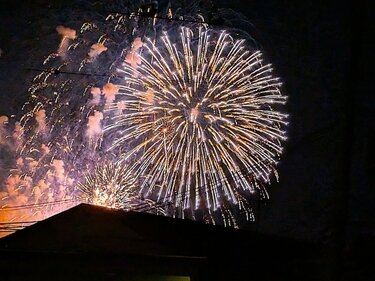
In recent years, the anime "Oshi no Ko" has gained enthusiastic popularity worldwide. Countless fans captivated by its realistic portrayal of the entertainment industry and intricate story are interested in "anime pilgrimages" to visit the actual locations depicted in the series when visiting Japan. This article will sequentially introduce the sacred spots in Tokyo that are said to have appeared in the anime or served as models. Additionally, it includes recommended dining information in the Shibuya area to enjoy as a finale to your anime pilgrimage. We offer an experience where you can immerse yourself in the anime world while also appreciating the charm of Tokyo as a city.
Recommended Anime Pilgrimage Route
The order in which you visit locations is very important to efficiently and movingly tour the sacred spots of "Oshi no Ko." Each spot within Tokyo is smoothly connected by public transportation, so by following the route below, you can cover the main sacred spots in one or two days.
This route is designed so that moving from east to west allows for a smooth path and a "re-experience" as the story gradually unfolds.
1. Toyosu Gururi Park
Access: About 5-minute walk from Yurikamome "Ichiba-mae Station"
Recommended duration: 30 to 45 minutes
2. Odaiba Seaside Park
Access: From Ichiba-mae Station, about 10 minutes on Yurikamome to "Odaiba Kaihin Koen Station," then a 5-minute walk
Recommended duration: 45 to 60 minutes
3. JR Akihabara Station Electric Town Exit & Atre Akihabara
Access: From Odaiba Kaihin Koen Station → Shimbashi Station (Yurikamome) → JR Yamanote Line to Akihabara Station (about 30 minutes)
Recommended duration: 60 to 90 minutes
4. Tokyo Dome
Access: From Akihabara Station → JR Chuo-Sobu Line to "Suidobashi Station" (about 7 minutes)
Recommended duration: 30 to 45 minutes
5. Nippon Budokan
Access: From Suidobashi Station → Toei Mita Line to "Jimbocho Station" → Walk or transfer at Tokyo Metro "Kudanshita Station" (about 10 minutes)
Recommended duration: 20 to 30 minutes
6. Ebisu Garden Place
Access: From Kudanshita Station → Direct Tokyo Metro Hibiya Line to "Ebisu Station" (about 25 minutes) → About 7-minute walk (using Skywalk)
Recommended duration: 30 to 45 minutes
7. Nakameguro Kommae Footbridge
Access: From Ebisu Station → 1 station on Tokyu Toyoko Line "Nakameguro Station" (about 2 minutes) → 10-minute walk
Recommended duration: 20 to 30 minutes
8. Shibuya Scramble Crossing
Access: From Nakameguro Station → Tokyu Toyoko Line (direct) to "Shibuya Station" (about 5 minutes)
Recommended duration: 30 to 40 minutes
9. Shibuya Station East Exit Footbridge
Access: About 5-minute walk from Scramble Crossing (towards Hikarie)
Recommended duration: 20 to 30 minutes
This route can be toured in about 8 to 10 hours if planned smoothly. A plan divided over 2 days according to stamina, weather, and meal timing is also recommended.
1. Toyosu Gururi Park
Google Maps: https://maps.app.goo.gl/ukjzHRXGrupSN1Db6
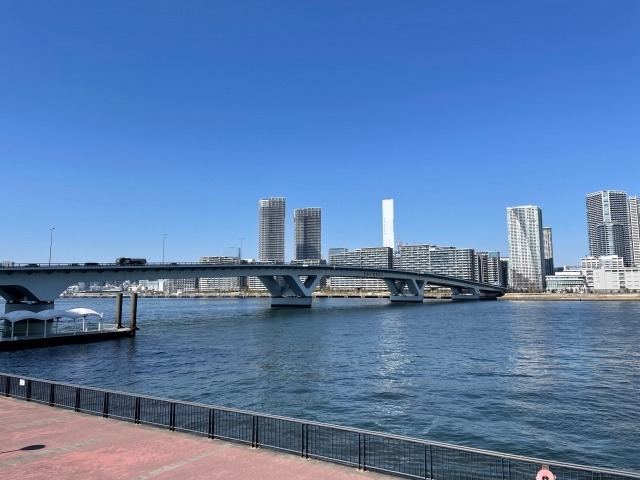
"Toyosu Gururi Park," spreading out on the south side of Toyosu market, is an attractive spot with beautiful seaside scenery and an open atmosphere. Although not explicitly stated in the anime, many fans note its similarity to the background in scenes such as the character gathering in the opening of Season 2, making it a popular unofficial anime pilgrimage spot.
The park is about 4.5 km around and offers breathtaking views of the coastal high-rise buildings and Tokyo Bay. The recommended times to visit are morning or evening. Especially at sunset, when the Rainbow Bridge is dyed in orange, a fantastic scene unfolds.
It is within walking distance from Yurikamome "Ichiba-mae Station." There are also cafes and bakeries around, making it enjoyable to stop by during your stroll.
2. Odaiba Seaside Park
Google Maps: https://maps.app.goo.gl/GMXczMzeGsPkMgXK6
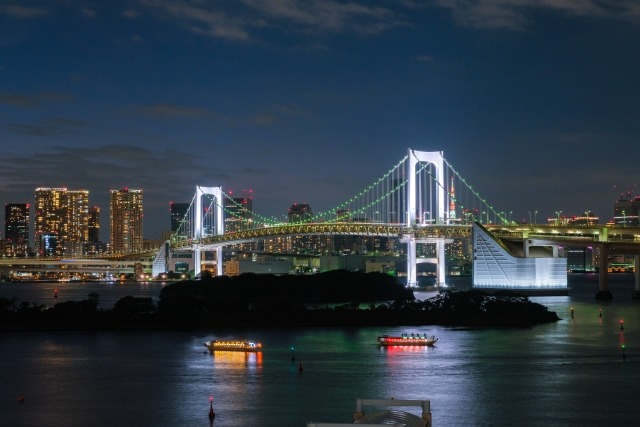
Odaiba is a symbolic Tokyo Bay area depicted in many anime works. In Season 1 of "Oshi no Ko," it appears as the stage of the reality show "LoveNow," featuring Aqua and Akane Kurokawa. The scene where Akane stifles her emotions yet mixes acting and true feelings to confess to Aqua left a strong impression on viewers.
With abundant landmarks like the Rainbow Bridge, Statue of Liberty replica, and the Fuji TV building often appearing in the background, it is an ideal place for photography. Nearby commercial facilities such as Aqua City Odaiba and Decks Tokyo Beach also allow for dining and shopping enjoyment.
The closest stations are Yurikamome's "Odaiba Kaihin Koen Station" or "Daiba Station." While weekends are bustling with tourists, weekdays in the morning tend to be relatively quiet, making for a leisurely anime pilgrimage.
3. JR Akihabara Station Electric Town Exit & Atre Akihabara
Google Maps: https://maps.app.goo.gl/soSuFdhxpWKLJqFe8
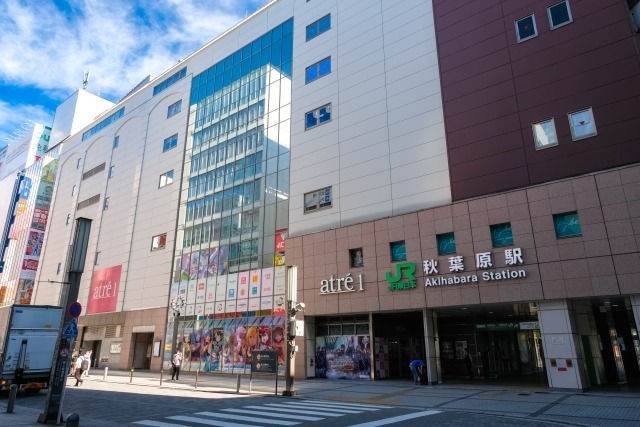
Akihabara is one of the symbolic stages of "Oshi no Ko." One notable scene is the giant advertisement of Ai Hoshino at the beginning of Episode 1. This scene has actually been recreated, and in 2023, Ai Hoshino's visuals were displayed on the wall of Atre Akihabara, becoming a major highlight for anime pilgrimages. Fans gathered there for photos, and it even trended on social media.
In the story, scenes such as the early live performances of the underground idol group B-Komachi and preparations by Ruby and Kana Arima for their idol activities, though not location-specified, strongly reflect Akihabara’s streetscape and atmosphere. The dense anime shops, neon signs, and live-house-type buildings realistically reproduce Akihabara's reality.
Although the name "Akihabara" is not directly mentioned in the anime, it is evident that Akihabara serves as the cultural center where idols and fans interact. Especially around the Electric Town Exit and Atre Akihabara, fans can feel the “origin of oshikatsu” and experience a real stage contiguous with the world of "Oshi no Ko."
4. Tokyo Dome
Google Maps: https://maps.app.goo.gl/zUjvFDctsLFGnHPcA
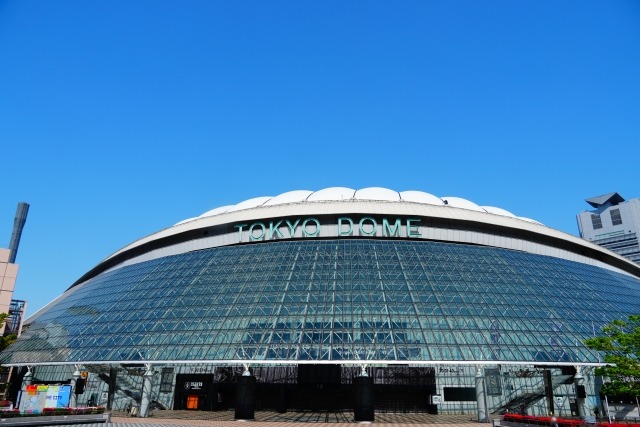
In the story of "Oshi no Ko," Tokyo Dome is not just a symbol but also an important stage that appears in the background. In Episode 1, right after Ai Hoshino says "It’s my dream to perform at Tokyo Dome," a cut showing the exterior of a building resembling Tokyo Dome appears. The white dome roof and surrounding buildings' composition is exactly like the real Tokyo Dome. Although it lacks lettering, anyone can instantly recognize it as Tokyo Dome from the depiction.
This cut strongly impresses as a visual symbol of Ai Hoshino’s desired destination and her unrealized dream. At the same time, it leaves viewers with a poignant yet beautiful moment imagining "What if this dream were reality?"
The anime does not depict B-Komachi, Aqua, or Ruby standing on this dome, but the entire story regards "standing on the Tokyo Dome" as a goal, making this place an anime pilgrimage target for many fans as a “sacred site of the story.”
The real Tokyo Dome has hosted many top idols and is where fans’ and idols’ dreams intersect. Seeing the dome depicted in the anime and the actual scenery before your eyes offers a valuable experience that links the story world and reality.
5. Nippon Budokan
Google Maps: https://maps.app.goo.gl/czcptTPgS7yDHA7C7
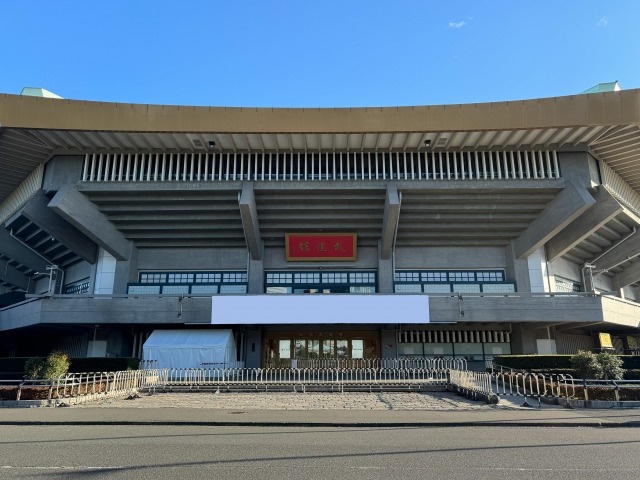
Nippon Budokan is one of the real stages appearing in the story of "Oshi no Ko." In the Season 1 opening, Ai Hoshino is shown performing on stage before an audience, enveloped in light. The distinctive architecture of the Budokan is clearly depicted behind her, symbolically marking it as the “pinnacle stage” she aimed for.
Although this scene doesn’t directly connect to the main story, it is an important portrayal suggesting Ai’s dream future and has left a lasting impact on many viewers.
The real Budokan is a special place regarded by idols and artists as a "dream stage" and "rite of passage." This context is strongly reflected in the world of "Oshi no Ko," implying potential continuation of activities by Aqua, Ruby, and B-Komachi to this stage.
Visiting this place, symbolically portrayed in the story, may allow you to re-experience the “what if” future depicted. Nippon Budokan holds a special, quiet sacred status for fans.
6. Ebisu Garden Place
Google Maps: https://maps.app.goo.gl/6EdKrbrWW4NioYZx8
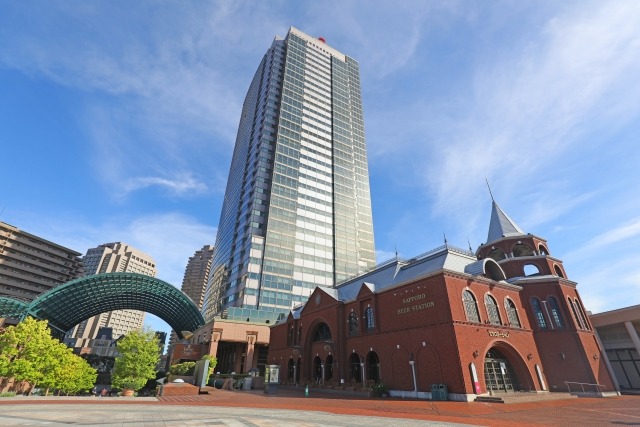
Ebisu Garden Place is a location appearing in the opening of Season 1 of "Oshi no Ko." It appears in a scene where MEMcho is dancing, and is cherished as a sacred spot by fans.
Though it is not directly involved in the main story, it serves as an impressive background coloring the anime’s world and characters’ charm. Visiting the site allows you to feel the anime's atmosphere and walk through a spot imbued with the work’s vibe.
Ebisu Garden Place has a refined atmosphere with many cafes and shops around, making it perfect for a break during your anime pilgrimage. It offers a quiet and special experience where daily life and the work’s world intersect.
7. Nakameguro Kommae Footbridge
Google Maps: https://maps.app.goo.gl/Rok5uwSkwECvCGNf9
The Nakameguro Kommae Footbridge is a real location appearing as a stage of an emotional scene in Season 1 of "Oshi no Ko." In this episode, Akane Kurokawa, hurt deeply by an SNS scandal, attempts suicide by standing on the footbridge in the rain at night. Just as she is about to jump, Aqua rushes to save her.
This scene is one of the emotional climaxes of the anime overall, depicting the characters’ bonds, vulnerabilities, and mutual support. The actual shape of the footbridge and its background are reproduced faithfully, making it known among fans as a "moving stage existing in reality."
The same footbridge appears again in Season 2, used multiple times as a location in the series. Located in Nakameguro, it offers an anime pilgrimage spot where you can experience the urban realism of the work.
8. Shibuya Scramble Crossing
Google Maps: https://maps.app.goo.gl/tSNgoa35aK8f9FUV8
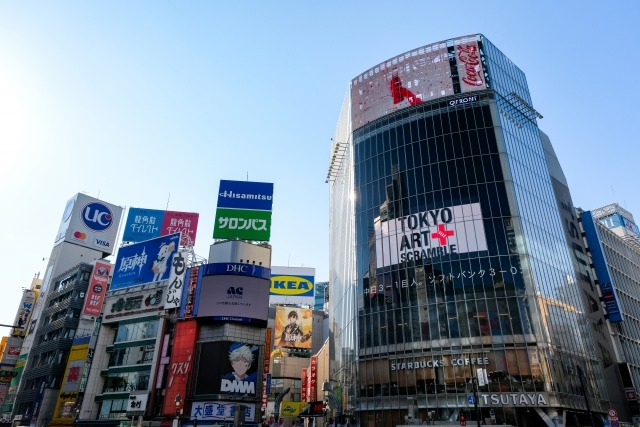
The iconic scramble crossing in Shibuya, Tokyo, appears in Season 1 of "Oshi no Ko." Scenes project Ai Hoshino on the city’s giant video screens, highlighting her presence amid the crowd, strongly impressing the urban scale and reality of the work.
The actual scramble crossing is also known as a center for idol culture and media dissemination and suits the world of "Oshi no Ko" perfectly. Depicting this location as a stage blends real scenery seamlessly into the story, creating an impactful scene.
Shibuya has excellent access and abundant cafes, shops, and entertainment facilities nearby, making it an ideal spot to stop by during your anime pilgrimage. Standing in this bustling crossing lets you feel the idols' presence from the series more tangibly.
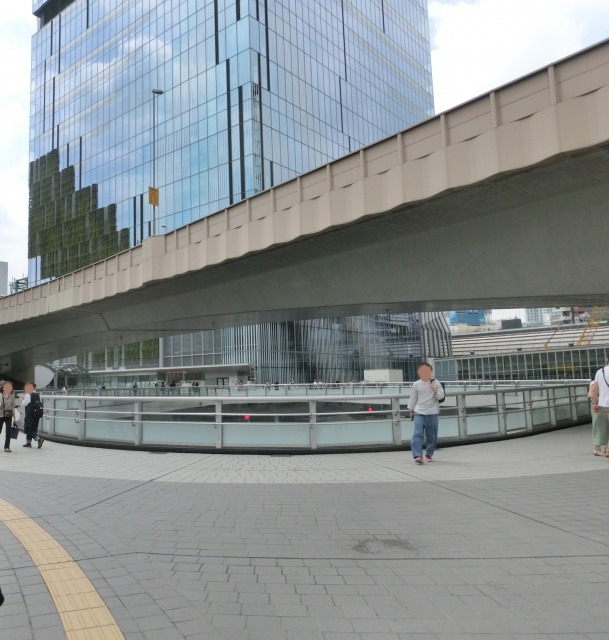
9. Shibuya Station East Exit Footbridge
Google Maps: https://maps.app.goo.gl/WkJbgGk1JrAJmHwk6
The Shibuya Station East Exit Footbridge appears in the teaser visual for Season 3 of "Oshi no Ko." In this visual, Aqua and Ruby stand facing each other in the rain, with the night cityscape of Shibuya impressively depicted in the background.
The handrails, tiles, and curved road structure depicted closely resemble the actual Shibuya Station East Exit scene, attracting attention from fans as a new sacred spot.
Although it has not yet appeared in the anime main story, its depiction symbolizes the characters’ relationships and story development, raising anticipation for the future storyline. At the actual location, you can take photos in the same composition, experiencing immersion into the visual world.
In Conclusion
Anime Pilgrimage to the sacred spots of "Oshi no Ko" is not just a trip to visit animation stages but an experience to feel Japanese urban culture, scenery, and people’s daily lives. Walking through places in Tokyo where the characters likely lived will deepen your attachment to the work.
Through this anime pilgrimage route, along with reaffirming the charm of the work, please also touch upon the extraordinary beauty hidden within the ordinary, as well as the strength and delicacy of a city. These locations might just be points on a map, but as you visit them, they form lines and engrave unforgettable memories.
Travel through the anime world while also encountering the real story of Japan. That kind of experience is best walked with your own feet.
Search Restaurants by Destination

Search Restaurants by Popular Cuisines

Search Restaurants by Characteristics