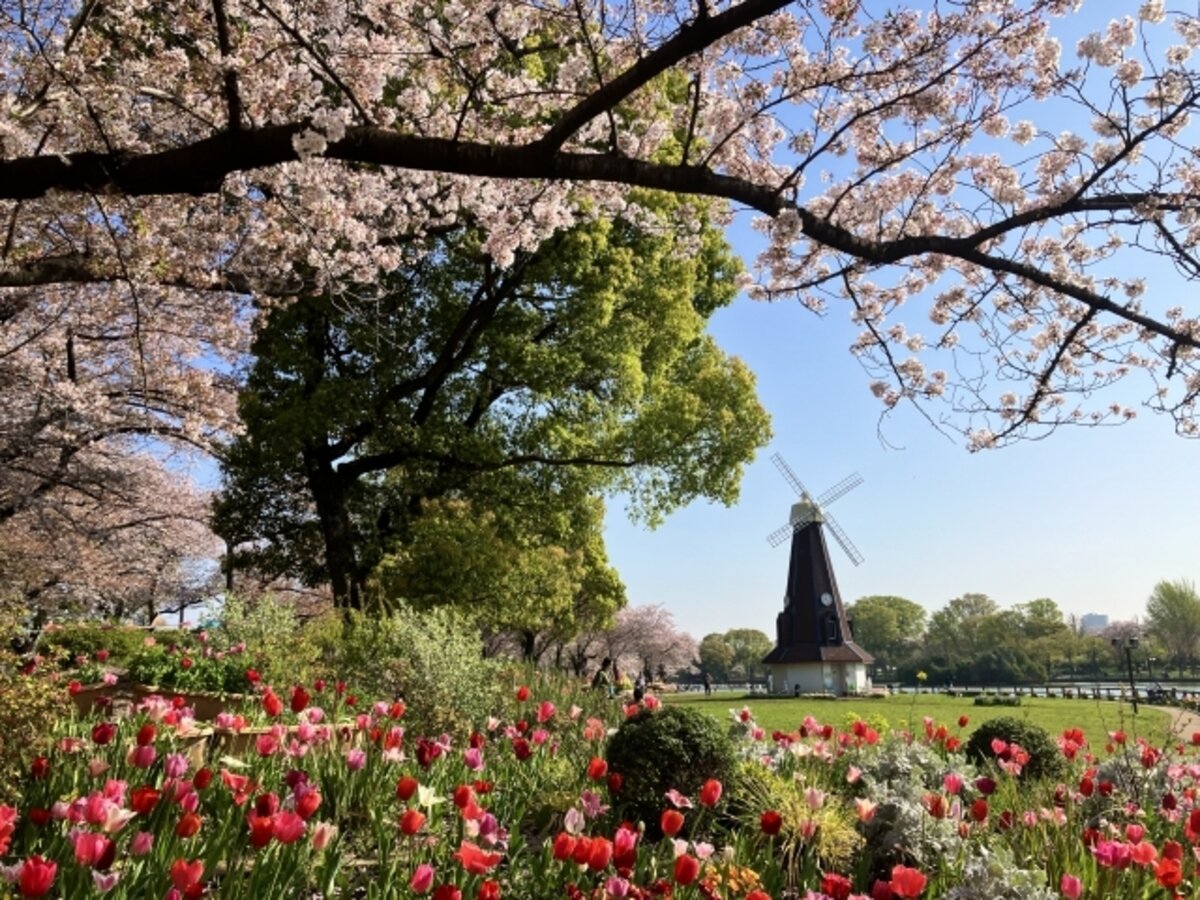
When it comes to viewing cherry blossoms in Tokyo, places like Ueno, Meguro River, and Shinjuku Gyoen might come to mind first. However, for those who want to enjoy the "Tokyo-like spring scenery" that you’d want to capture in photos, away from the crowded central areas and in a relaxed manner, there’s a place we especially recommend. That is the Metropolitan Ukima Park.
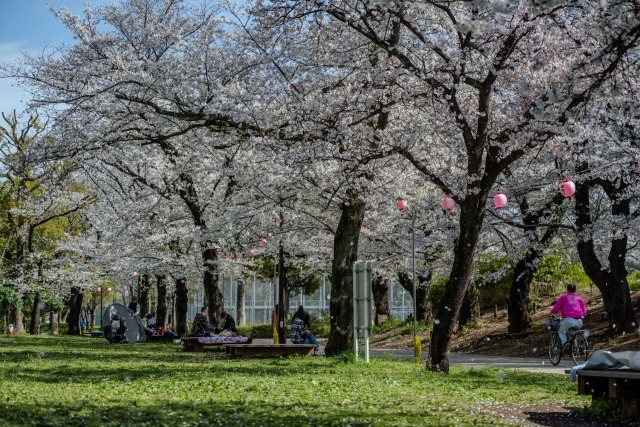
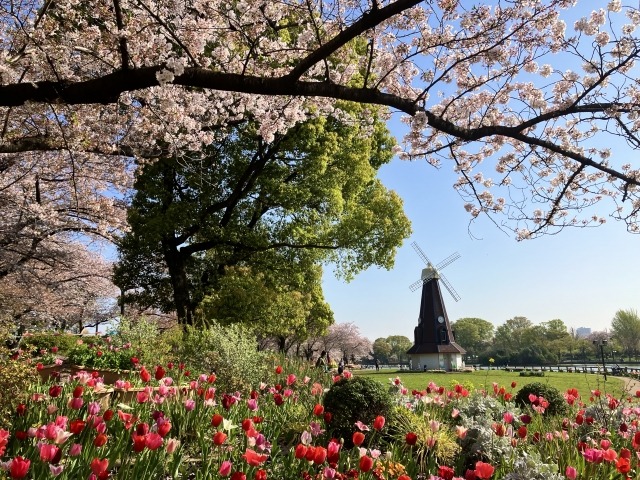
The charm of the cherry blossoms at Ukima Park is not only about the quantity or fame of the flowers themselves. When the surface of the pond (Ukima Pond), the cherry blossom trees lining the embankment, and the park’s symbol, the windmill, all fit into the same frame, a uniquely "tranquil Tokyo" scene emerges here. The park has about 150 Someiyoshino cherry trees, and there are also clustered satozakura (village cherry trees) that bloom later, so it’s enjoyable to visit at different times.
This article carefully summarizes Ukima Park’s basic information, reasons to enjoy cherry blossoms, how to spend the season, what to bring and the manners, access, and nearby sightseeing from a travel perspective, so that even first-time visitors to Tokyo’s cherry blossoms won’t get lost.
1. What kind of place is Ukima Park?
Metropolitan Ukima Park spans Kita and Itabashi wards in Tokyo and is located a stunningly close one-minute walk from JR Saikyo Line’s Ukima-Funado Station. Since the park is visible immediately after exiting the ticket gate, even with a limited itinerary you can "enjoy the season without travel fatigue."
At the center of the park is Ukima Pond. Around the pond there are walking trails that make strolling easy, and locals can be seen running, walking dogs, pushing strollers, reading books, etc. Their everyday lifestyles naturally become part of the scenery. It may be easier to imagine the atmosphere as a place where you can feel air closer to Tokyo’s lifestyle, rather than the "special feeling" of a tourist spot.
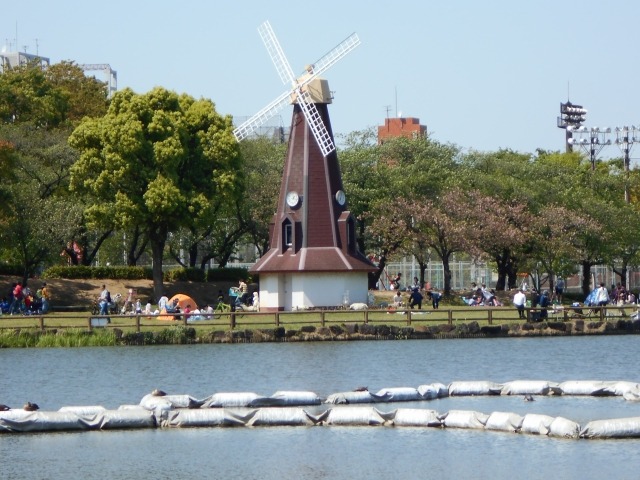
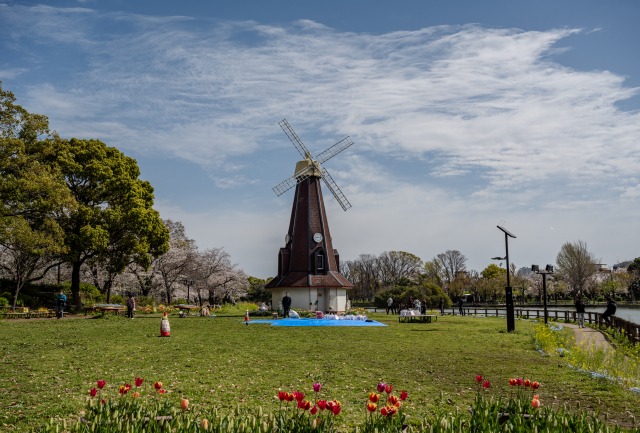
Symbolizing Ukima Park is the windmill. In spring, the presence of the windmill enhances photos as much as the cherry blossoms do. The curve of the pond, the line of the embankment, and the straight lines of the windmill overlap, creating a three-dimensional effect that is more than just "cherry blossoms in bloom." The combination of the pond, windmill, and cherry blossoms is the highlight.
2. Reasons to enjoy cherry blossoms at Ukima Park
Ukima Park is not only valued as a "cherry blossom spot" because of the number of flowers or its proximity to the station. From a travel perspective, here are some points worth deeper exploration.
・A rare scene in Tokyo where pond, cherry blossom row, and windmill coexist simultaneously
Most well-known cherry blossom spots in central Tokyo tend to be near bodies of water (rivers) or gardens, choosing one or the other. Ukima Park has the embankment lined with cherry blossoms by a pond and a strong landmark in the form of a windmill. Multiple subjects exist within the frame but without becoming noisy, creating balance. This is why photos at Ukima Park have a "just right" feel.
・Satozakura bloom after Someiyoshino for a longer cherry blossom season
Generally, when thinking of cherry blossoms, Someiyoshino come to mind, but their peak is short and can pass quickly depending on weather. Ukima Park has about 150 Someiyoshino trees, and also clustered satozakura that bloom about two weeks later along the pond on the Kita ward side, making it easier to have a "second cherry blossom viewing" within the park.
This is an appreciated point for travelers whose itinerary may not be fixed.
・Just a one-minute walk from the station, minimizing travel stress
If you are unfamiliar with the area, you might get lost or become tired from transfers before even reaching a cherry blossom spot. Ukima Park is right outside Ukima-Funado Station making it easy to include even in a day trip.
・An entry point to experiencing Tokyo’s "northern side"
It’s natural for travelers to gravitate toward Shibuya, Asakusa, and Ginza, but if you have time, experiencing the calm air of northern Tokyo can change the impression of your trip. Ukima Park is excellent as this entry point. It’s close to the station, requires little preparation, and lets you see the rhythm of local life. It’s not an exaggerated presentation but a place where the season itself becomes the scenery.
3. Things to enjoy at Ukima Park during cherry blossom season
Just "viewing" the cherry blossoms is enough, but Ukima Park offers many ways to enjoy your time. Here are some travel-friendly options.
・Classic stroll course: slowly walk the pond’s perimeter
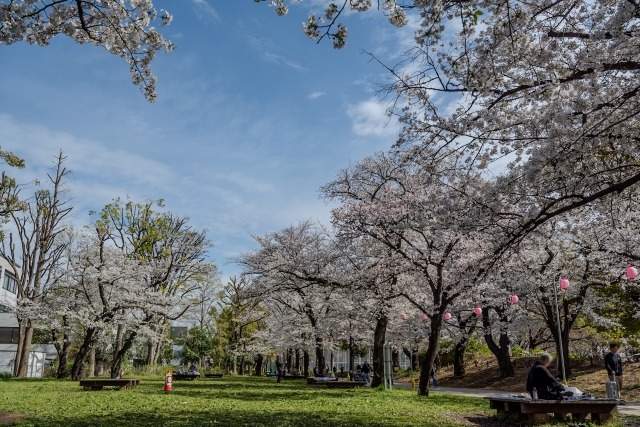
Walking around Ukima Pond, the scenery changes little by little — places where the view opens up, where trees come closer, and where the windmill appears directly ahead. First, make a round trip to find your "hit" scenery. Seeing things change with your walking pace is the charm of parks with ponds.
・Photograph including the windmill
When taking photos, the trick is to find angles that include the windmill. During the day, it pairs well with the blue sky, and in the evening, the water darkens slightly tightening the windmill’s appearance. On smartphones, using a wide angle to capture both windmill and cherry blossoms and angling the subject slightly from below can convey the "scale of the park." For photos with people, positioning the embankment line as background with plenty of space creates a soft sense of Japanese spring.
・Picnic (but follow the rules)
Cherry blossoms and leisure sheets go hand in hand, and Ukima Park has many places that make sitting down and resting easy. However, as noted later, unattended space reservation is prohibited, and there are restrictions on fire use and loud devices. Understanding the rules beforehand makes for a safer visit.
Picnics suit "light breaks during a stroll" more than "long-lasting parties" to fit the park’s atmosphere.
・Enjoy combination of flowers
Ukima Park not only features cherry blossoms but also bursts into color with other spring flowers sometimes. You can aim for photos rich in "spring colors" combining tulips, windmills, and cherry blossoms.
Even on main days for cherry blossoms, looking towards flower beds raises travel satisfaction.
・Night atmosphere (event status varies by year)
Some years feature spring illumination or related events. Since these are not held yearly on a fixed basis, it’s safest to check the latest information just before your trip.
If you visit at night, respect the quietness of the park and behave in a way that does not disturb others to enjoy comfortably.
4. Points when visiting Ukima Park
From here, we will specify "when to go," "what to bring," and "how to spend your time" as practical travel matters. Tokyo’s cherry blossoms depend on weather, and their expressions change with temperature even within the same week. Having some margin in your plans is a helpful trick.
・Best timing
The usual cherry blossom viewing period for Ukima Park is guided around late March to early April.
However, cherry blossoms rarely follow forecasts precisely. For those fixed on their travel dates, consider the following.
・If aiming for Someiyoshino, focus on late March to early April
・If wanting to enjoy slightly later blooms, also consider the period when satozakura might bloom (dates tend to vary within the park)
・Sunny days are strong for photos, while overcast days soften flower whites
・Windy days stir pond surfaces, reducing reflections, but you may catch the "cherry blossom blizzard" effect
Recommended times of day are:
Morning: fewer people, easier photography, often clearer air
Afternoon: more families and picnickers, lively spring feeling
Evening: slanting light casts shadows on flowers and windmill, tranquil water colors tighten photos
・What to bring
Even if Tokyo is warm during the day in spring, it can suddenly get cold or windy in the evening. Don’t underestimate cherry blossom "perceived temperature" for comfort.
・Light outerwear or windproof jacket
・Leisure sheet (small size is easy to handle)
・Wet tissues and hand sanitizer
・Garbage bags (carrying out your trash is recommended)
・Drinks (vending machines exist but may have lines when crowded)
・Mobile battery (to avoid running out of power while taking photos or using maps)
・Masks or eye drops if pollen concerns you
・Lens cloth for camera users (wind can bring pollen and dust)
Note that fire use is prohibited. Cassette stoves and hot plates are also not allowed. If you want to eat warm food, it’s best to buy it and bring it in.
・Recommended activities
Even with the same purpose of viewing cherry blossoms, satisfaction changes by how you spend your time. Here are some easy-to-implement plans depending on your travel style.
・Photo-focused half-day plan
Arrive in the morning and explore compositions around the pond perimeter → shoot with windmill background → leave early before crowds grow. The station’s closeness makes it easy to move on to your next destination.
・Stroll to absorb local atmosphere plan
Circle the pond → rest on benches → slowly return along the cherry blossom row. This is for those wanting to bring back the "seasonal atmosphere" rather than flashy sightseeing.
・Family or group picnic plan
Don’t take up too much space; spread sheets quietly → focus on easy-to-handle meals → take trash home. Unattended space reservation is forbidden, so decide your spot once everyone arrives safely.
・Enjoy after the cherry blossoms plan
Even if Someiyoshino bloom is ending, walk the satozakura area → enjoy flower beds and surrounding scenery. Use the staggered blooming as an advantage.
5. Access information
One of Ukima Park’s strengths is its easy-to-understand access. Official information states it is a one-minute walk from JR Saikyo Line "Ukima-Funado" Station.
After exiting the station ticket gate, cross the street on the rotary side, and from there it’s right away.
・Approximate access from major areas
・From Shinjuku area
Head north on JR Saikyo Line. This route has few transfers and is easy to estimate time-wise.
・From Ikebukuro area
Several stations on JR Saikyo Line. Especially easy for those staying around Ikebukuro.
・From Tokyo Station and Ginza area
Usually transfer at Ikebukuro or Shinjuku on the Yamanote Line etc. While it involves more transit, the short distance from station to park means overall fatigue is lower.
6. Cherry blossom viewing manners
Japanese hanami is "free to enjoy," but at the same time is a culture of "sharing the scenery among surrounding people." In urban parks especially, rules are often clearly indicated. Ukima Park has the following notices during cherry blossom season.
・Unattended space reservation is prohibited. Use of ropes or pegs for reservation is also banned
・Please cooperate in carrying out trash
・Open fires, cassette stoves (including IH), gas bottles, hot plates, and the like are prohibited
・Unauthorized business acts are prohibited. Delivery orders using the park as the pickup location are discouraged
・Use of karaoke, speakers, lighting equipment, generators, and the like is prohibited
There’s no need to feel these rules are harsh. On the contrary, clear rules make it comfortable and safe even for first-time visitors. What matters in your travels is that people who come to see the flowers can peacefully share the same space.
More practical manners:
・Do not pull cherry blossom branches. Avoid touching flowers
・Do not block pathways. Avoid stopping flow too much when taking photos
・Use the smallest sheet size necessary
・Speak quietly and keep conversation volume down
・Check your feet and surroundings before leaving to make sure nothing is forgotten (especially around your leisure sheet)
Such behavior ultimately improves your own photo and experience quality, as only in quiet places can you truly sense the wind, pond surface, and the scent of flowers.
7. Recommended sightseeing spots around Ukima Park
While Ukima Park can stand on its own, combining the surrounding areas allows you to see the attractions of northern Tokyo in a layered way. Here are spots with relatively low travel burden that help you create a travel theme. Distance depends on starting point and route, so checking with a map app is recommended.
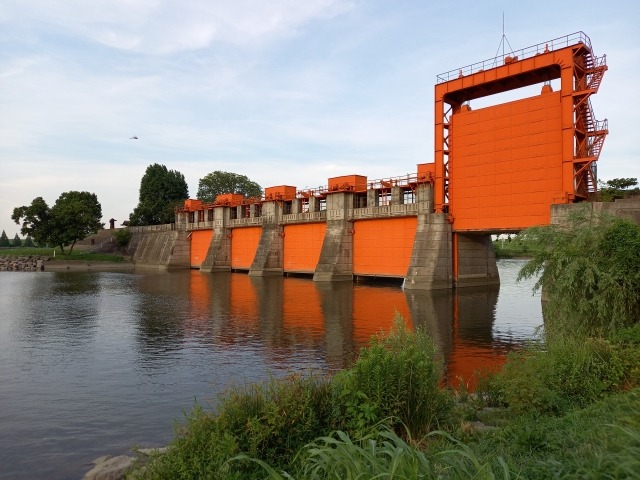
・Around the Old Iwabuchi Watergate (Red Watergate)
Known for its Arakawa riverside view and the striking red watergate.
Photography enthusiasts can experience a shift in style on the same day—from the "soft spring of cherry blossoms" to the "cool architectural beauty" of the watergate.
・Asukayama Park
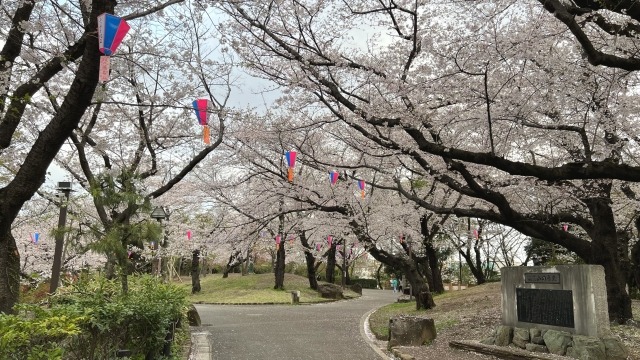
One of Kita ward’s iconic parks and a classic destination for seasonal strolls.
If you plan to visit multiple parks, enjoy the difference by thinking of Ukima Park as "pond and windmill" and Asukayama as "park culture and city liveliness."
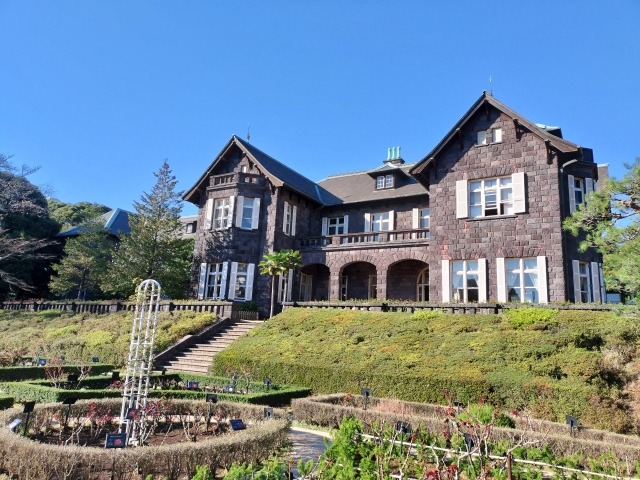
・Old Furukawa Gardens
A spot with a beautiful combination of a Western-style mansion and gardens.
More for those wanting to experience "Japanese garden culture" and "fusion of Japanese and Western styles" than purely cherry blossoms. The garden brightens during flowering season creating stories in photos and your trip.
・Local stroll in Akabane area
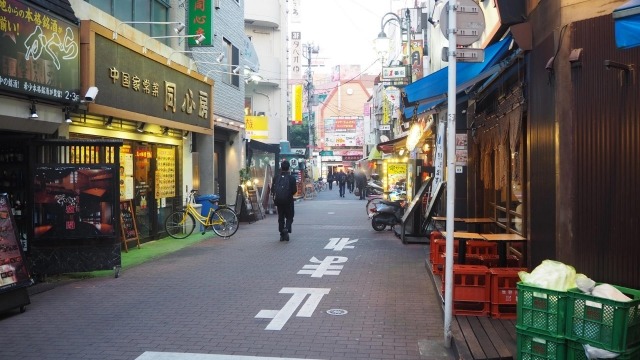
Akabane area has many eateries and shopping streets, which is convenient if you want to enjoy meals away from "tourist prices." After feeling spring at the park, returning to the town to eat creates a very Tokyo-style holiday setup. Starting from the Kita ward sightseeing spots, it’s easy to create your plan by linking interesting places on the map.
In Conclusion
The cherry blossoms at Ukima Park add "waterside tranquility" and the "windmill scene" to the experience of viewing cherry blossoms in Tokyo. While being conveniently just a one-minute walk from the station, walking the pond perimeter slows the tempo of your trip. Not limited to Someiyoshino, the staggered blooming makes it easier to enjoy even with a restricted itinerary, a great advantage for travelers.
Instead of visiting famous Tokyo cherry blossom spots simply because they are famous, choose a location that fits your travel mood. Ukima Park is a perfect spring destination for those who want such a choice. While observing rules and manners, please enjoy the breeze by the pond, the colors of the flowers, and the silhouette of the windmill at your own pace.
Search Restaurants by Destination

Search Restaurants by Popular Cuisines

Search Restaurants by Characteristics