1. What is tonkatsu?
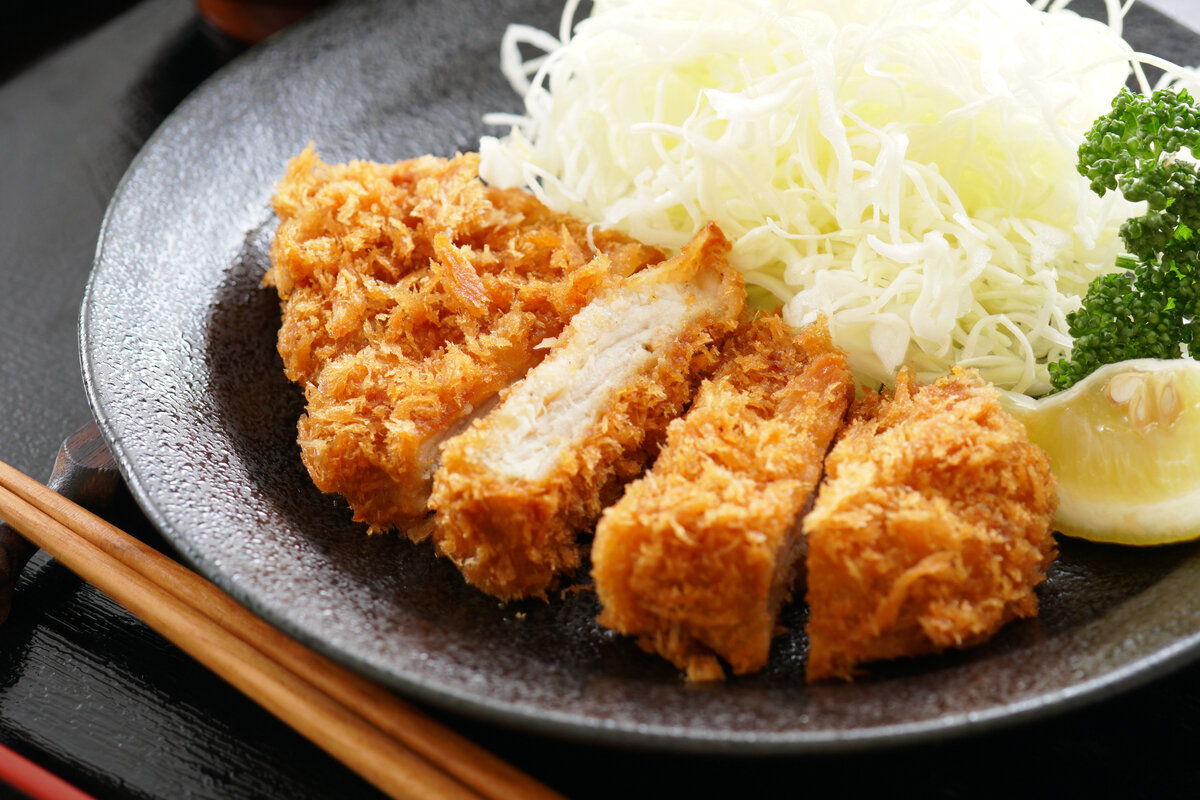
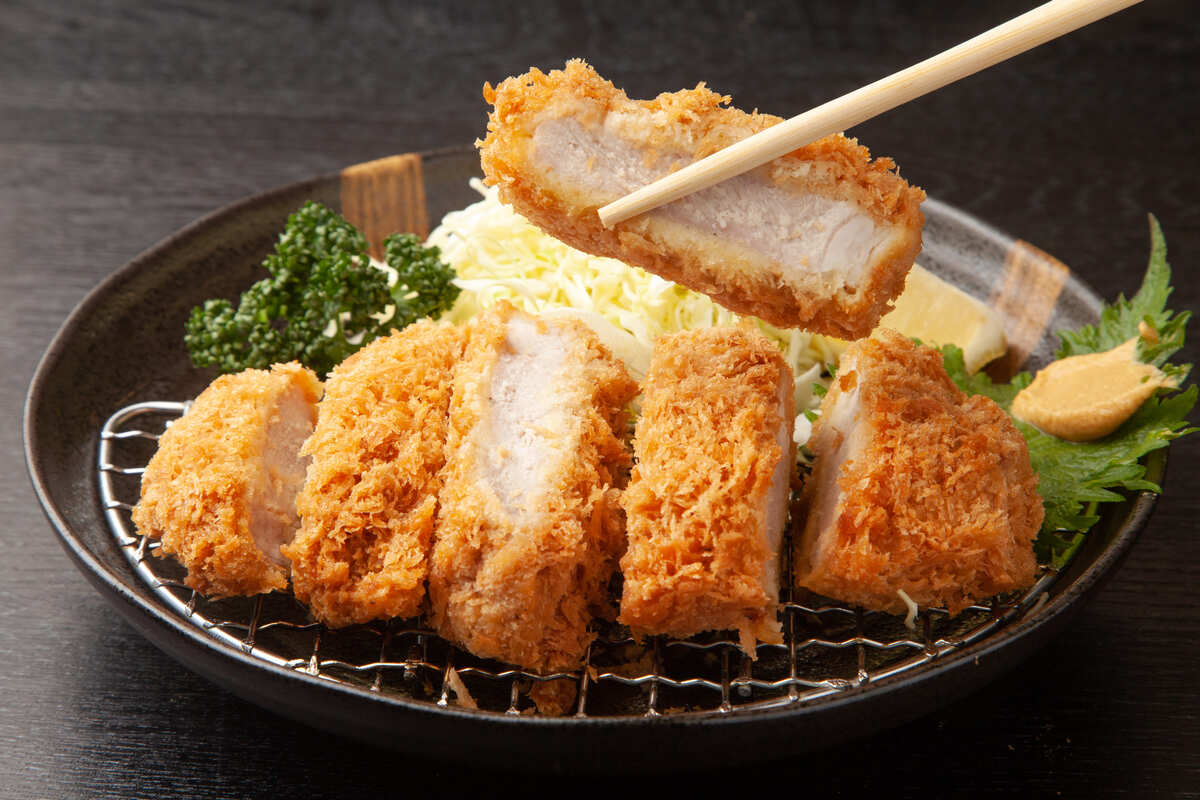
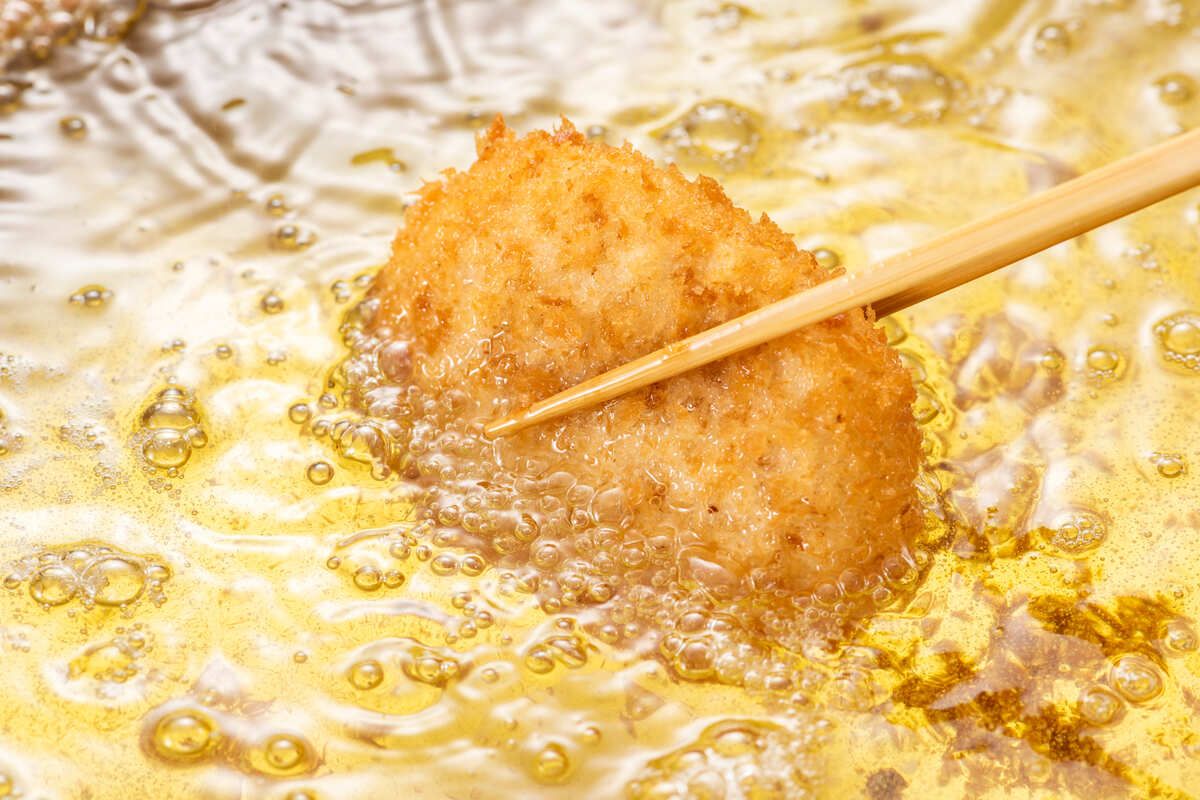
Tonkatsu is a Japanese dish that consists of pork cutlets coated with flour, beaten egg, and breadcrumbs deep-fried in oil.
It is usually served with shredded cabbage and a sauce.
The pork cuts used in tonkatsu are loin and fillet.
Tonkatsu was invented during the Meiji era in the late 19th century when Western culture was introduced to Japan.
The name tonkatsu is derived from the French cutlette, côtelette de veau.
It was originally made with beef, however a pork version of the dish was created.
In recent years, the meat is sometimes fried twice to create a crisper texture.
2. Varieties of tonkatsu
Tonkatsu is not only enjoyed with sauce or salt, but is also used in other dishes.
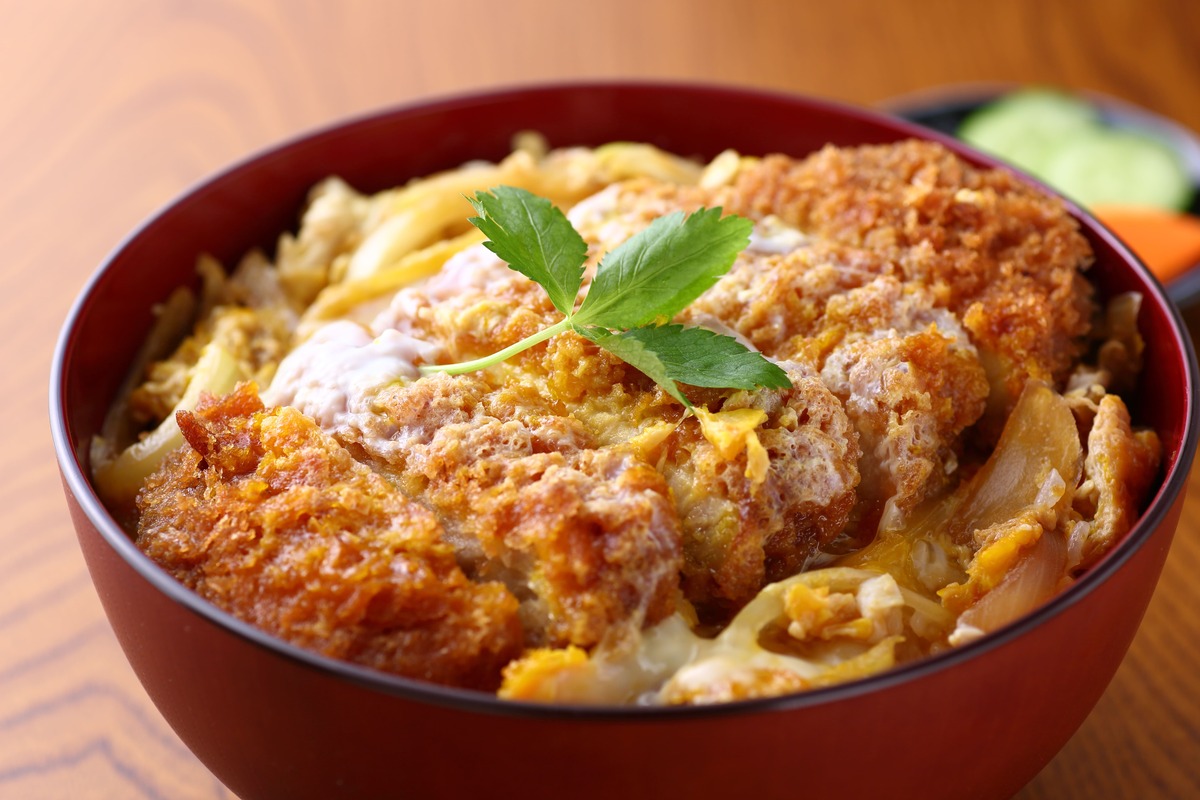
Katsudon (pork cutlet rice bowl)
This dish is made by cooking tonkatsu with dashi broth, onion, and egg, and then served on top of a bowl of rice.
The sweet broth and crispy tonkatsu are perfectly combined in this gorgeous-looking dish.
Sauce katsudon (pork cutlet rice bowl with sauce)
The entire tonkatsu is dipped in sauce and served on a bed of rice.
The tonkatsu sauce has a Worcestershire sauce base, with various other spices and seasonings added.
Shredded cabbage is sometimes placed between the tonkatsu and rice.
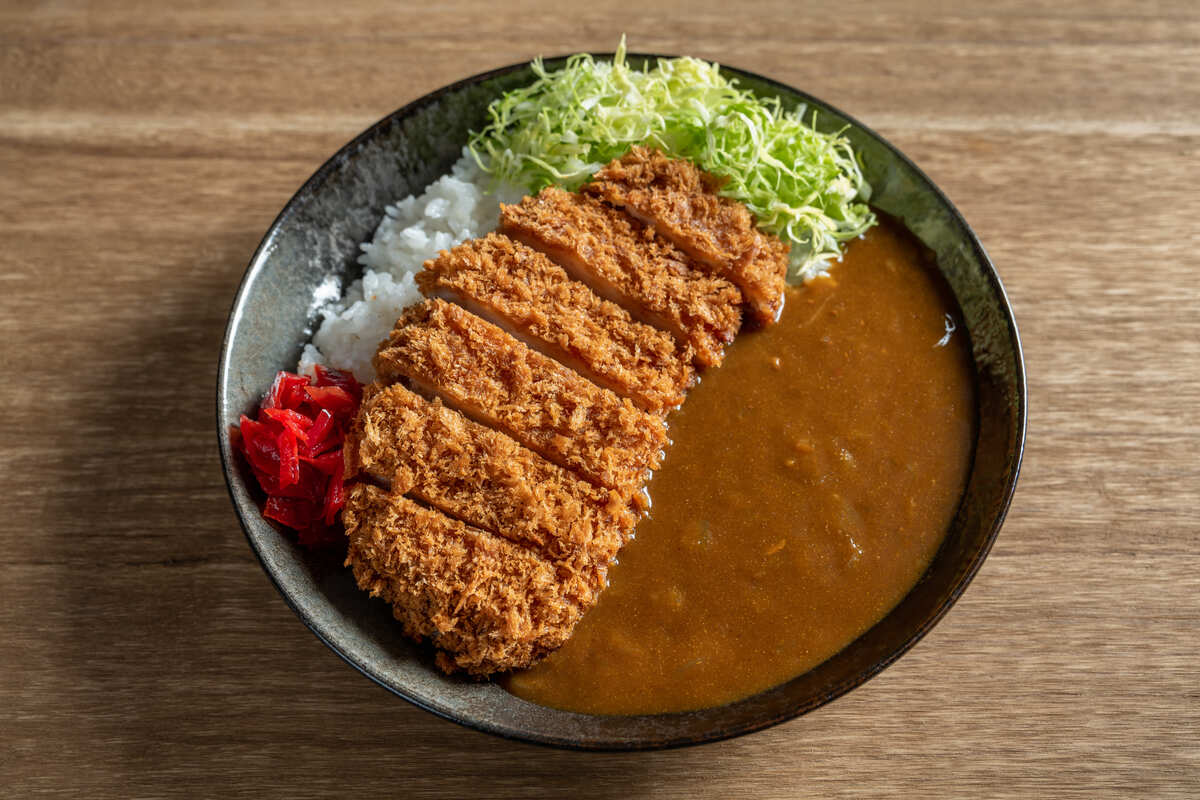
Katasu curry (curry with pork cutlet)
Curry and rice topped with tonkatsu.
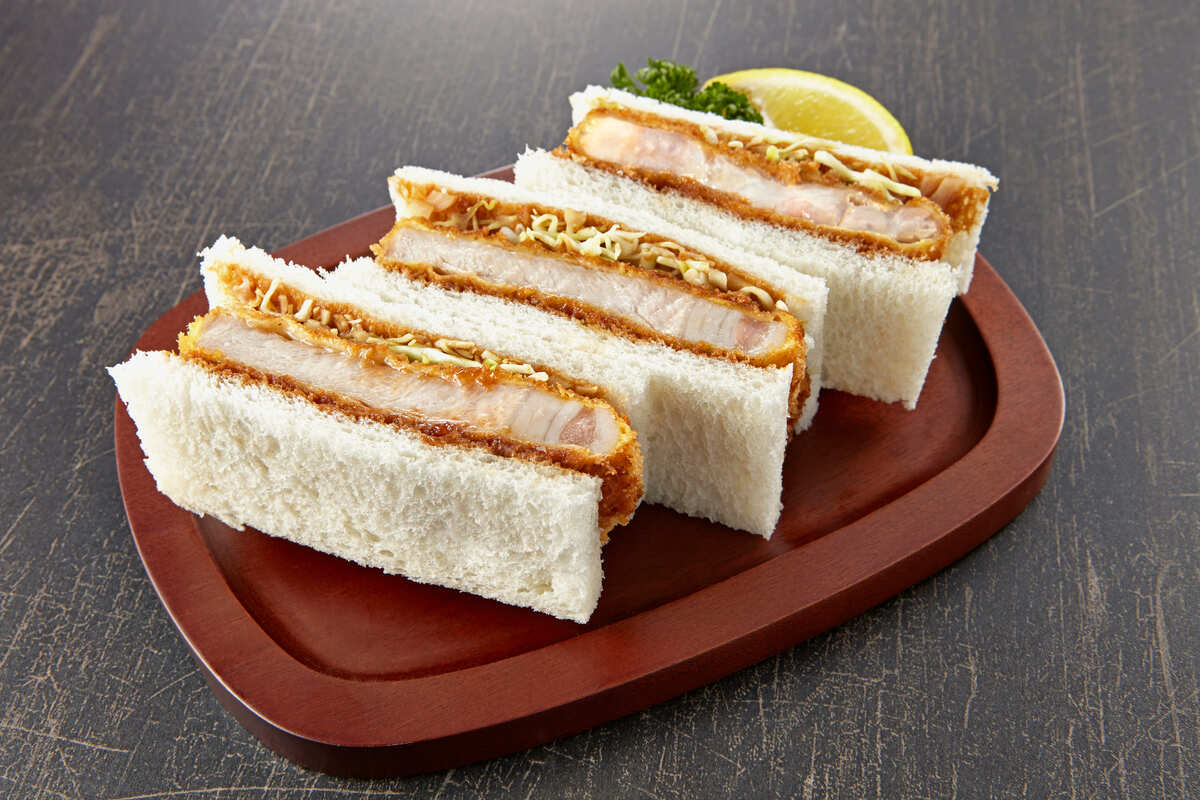
Katasu sando (pork cutlet sandwich)
The sandwich is made by placing tonkatsu coated with sauce, or Worcestershire sauce, between two slices of bread.
Shredded cabbage is sometimes sandwiched with the cutlet.
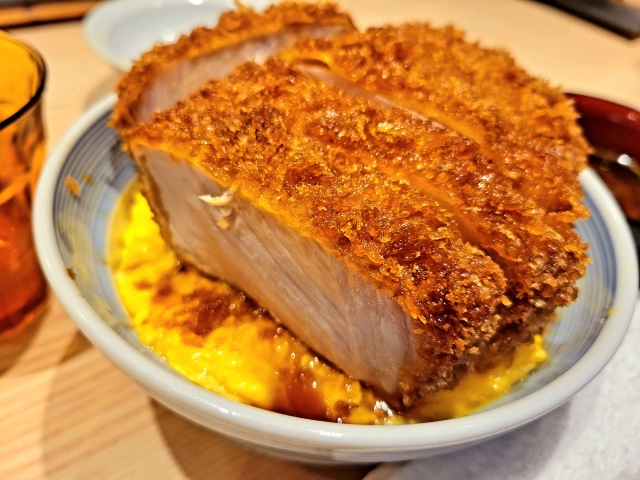
Extra thick tonkatsu
This tonkatsu is thicker than the usual ones and has gained popularity in recent years.
Katsudon (pork cutlet rice bowl) using this type of tonkatsu is so hearty that the lid can't fully close.
3. How to make tonkatsu
Choose pork loin or fillet for tonkatsu.
To prepare the meat, pound it until it becomes tender and even in thickness.
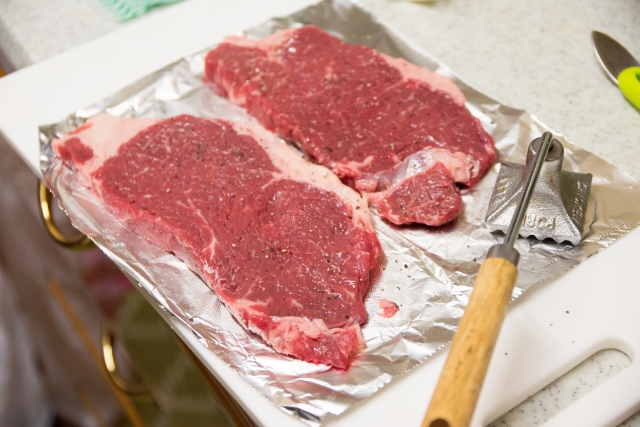
Season the meat with an appropriate amount of salt and pepper, then dredge it in flour, beaten egg, and breadcrumbs in that order.
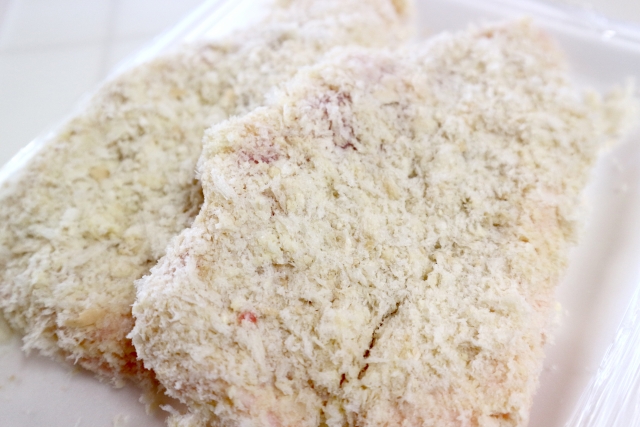
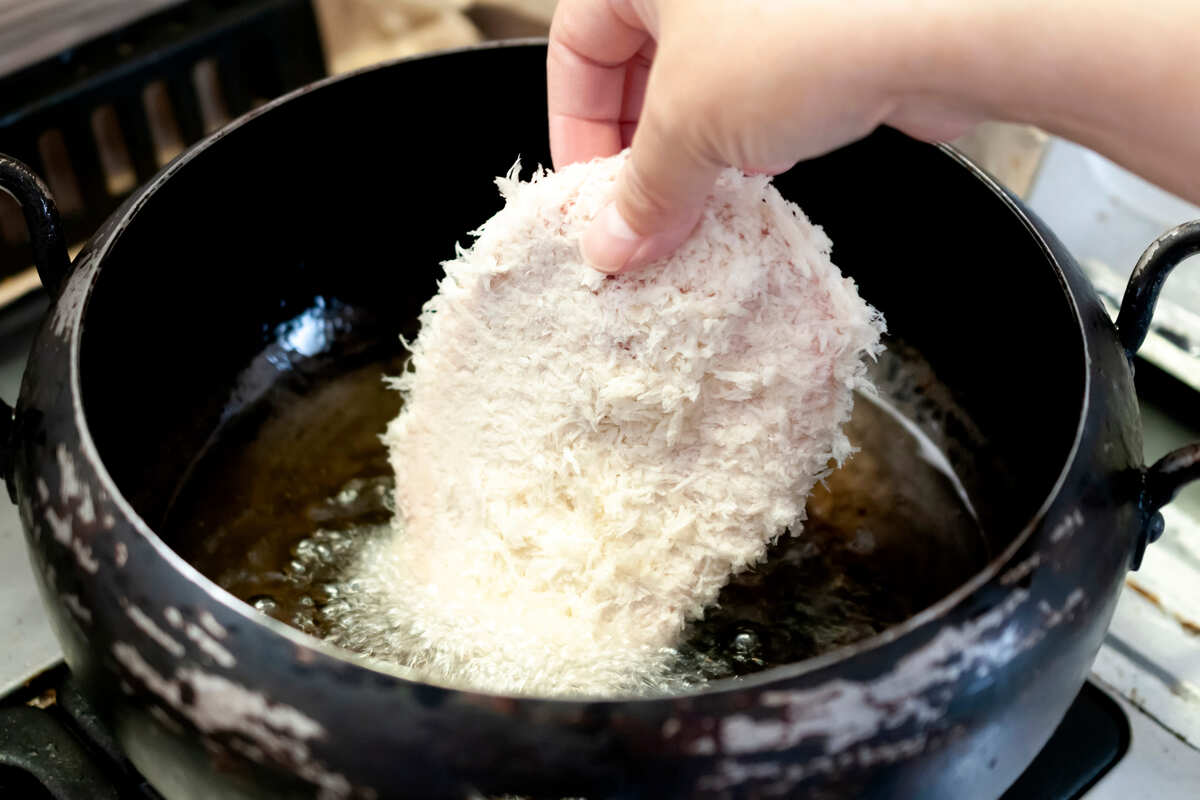
Fry in oil heated to the appropriate temperature until crispy on the outside.
Drain and let it rest for a few minutes to allow excess oil to drain off.
Cut into bite-size pieces and serve with shredded cabbage or other garnishes.
At restaurants, a skilled chef is required to ensure the batter is evenly coated and temperature and frying time are controlled to make the perfect tonkatsu.
4. How to eat tonkatsu
Cut meat
Cut the tonkatsu into bite-size pieces with a knife.
If it has already been cut, you can skip this step.
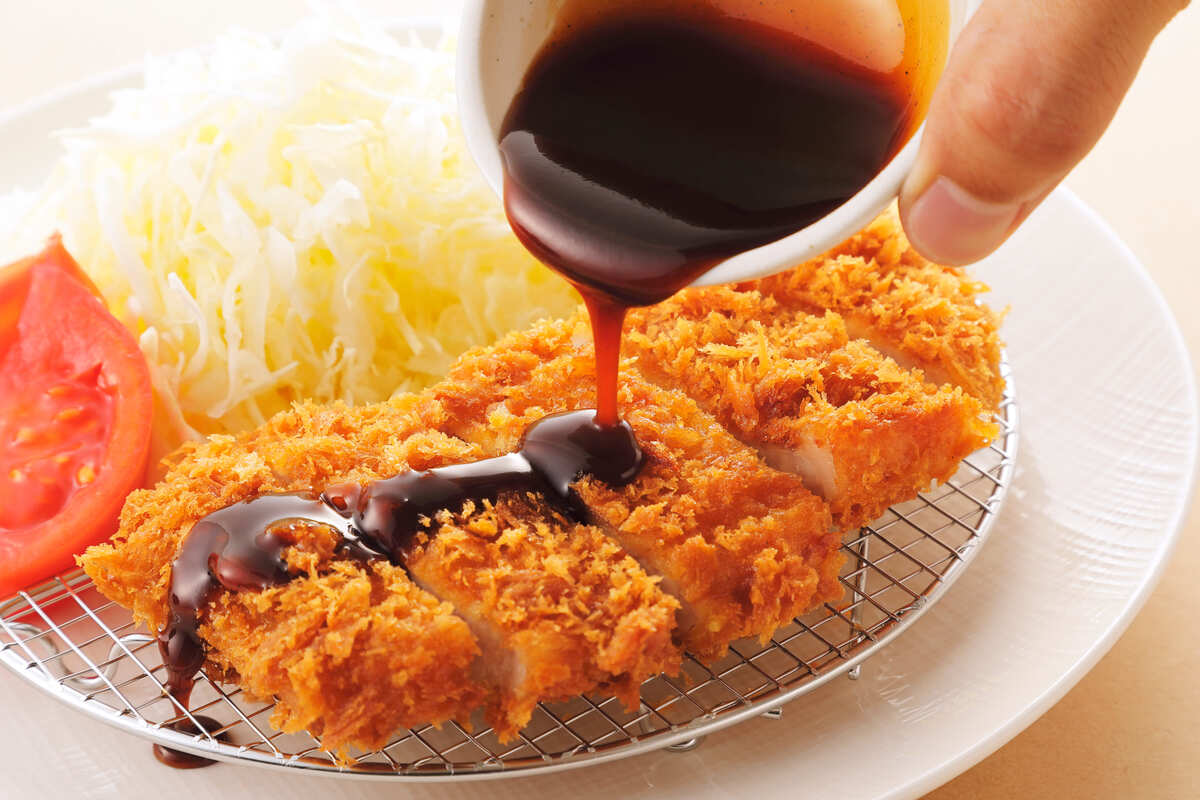
Add sauce or salt
Tonkatsu is usually served with special sauce or salt.
Adjust the amount to your liking.
Eat in bite-size pieces
Eat the cut tonkatsu in bite-size pieces and enjoy the crunchy texture.
Enjoy with cabbage and rice
Shredded cabbage and rice served with the tonkatsu are also eaten together.
Savor pickles and miso soup
For a balanced meal, also enjoy the pickles and miso soup along with the tonkatsu.
5. Types of Seasonings When Eating Tonkatsu
Do you think tonkatsu is just about pouring some tonkatsu sauce on top and eating it? In fact, in Japan, there is a culture of customizing the flavor to your liking by using a variety of seasonings. Each seasoning has its own unique charm, and combining them can lead to delightful new discoveries—that’s one of the joys of eating tonkatsu.
You might wonder, “Which seasoning should I use?” or “What’s the correct way to apply it?” But don’t worry. Below is a simple guide to the most common seasonings you’ll often find at specialty tonkatsu restaurants in Japan, along with their key features.
Common Seasonings and Their Characteristics
Tonkatsu Sauce
Fruity and rich in flavor. This sweet and savory sauce is based on Worcestershire sauce and simmered with vegetables and fruits. It’s the standard condiment for tonkatsu. Many restaurants offer their own house-blended versions, making it fun to compare the different flavors.
Salt (rock salt, matcha salt, etc.)
If you want to bring out the natural umami of the pork, salt is your best bet. Restaurants that use high-quality pork often recommend tasting it with just a bit of salt first. Japanese-style flavored salts such as matcha salt or yuzu salt are also popular choices.
Karashi (Japanese mustard)
With its sharp spiciness, karashi adds a refreshing kick that cuts through the fattiness of the tonkatsu. It’s typically dabbed on the edge of a cutlet before eating.
Ponzu (citrus-based soy sauce)
Ideal for those who prefer a lighter flavor. Especially popular is oroshi ponzu—a combination of grated daikon radish and ponzu—perfect for when the richness of tonkatsu feels a bit too heavy.
People’s reaction when eating
Search Restaurants by Destination

Search Restaurants by Popular Cuisines