What is sushi?
Sushi can be spelled different ways in Japanese, such as "寿司," "すし," "鮨," or "鮓," but it is pronounced same, "sushi."
Generally, sushi is a Japanese dish that consists of rice typically with a seafood topping.
In Japan, rice (vinegared rice) and seafood used for sushi are called:
Rice: shari
Seafood: neta
In addition to fresh seafood, you may find other ingredients like meat, vegetables, and eggs used as ingredients for sushi.
Traditionally, sushi is served with wasabi (Japanese horseradish).
Wasabi adds spiciness to the sushi and helps to remove any fishy smell of the seafood.
It also has a sterilizing effect that helps to prevent food poisoning.
If you do not like wasabi, you can ask the cook or waiter to avoid using it.
The origins of sushi date back to ancient times, when people in Southeast Asia used to ferment fish with salt and rice.
This preservation method was later introduced to Japan and incorporated into Japanese cuisine as narezushi between the 8th and 13th centuries.
The base of modern sushi was formed around 1800, when the style of nigiri-zushi, known as edomae-zushi, was created using fresh fish.
During this period, sushi gained popularity as a fast food.
In recent years, people have been enjoying a new style of sushi called kaiten-zushi, where sushi is carried to your seat on a rail.

Varieties of sushi
You will find various types of sushi in Japan.
The following explains some of the most common ones.
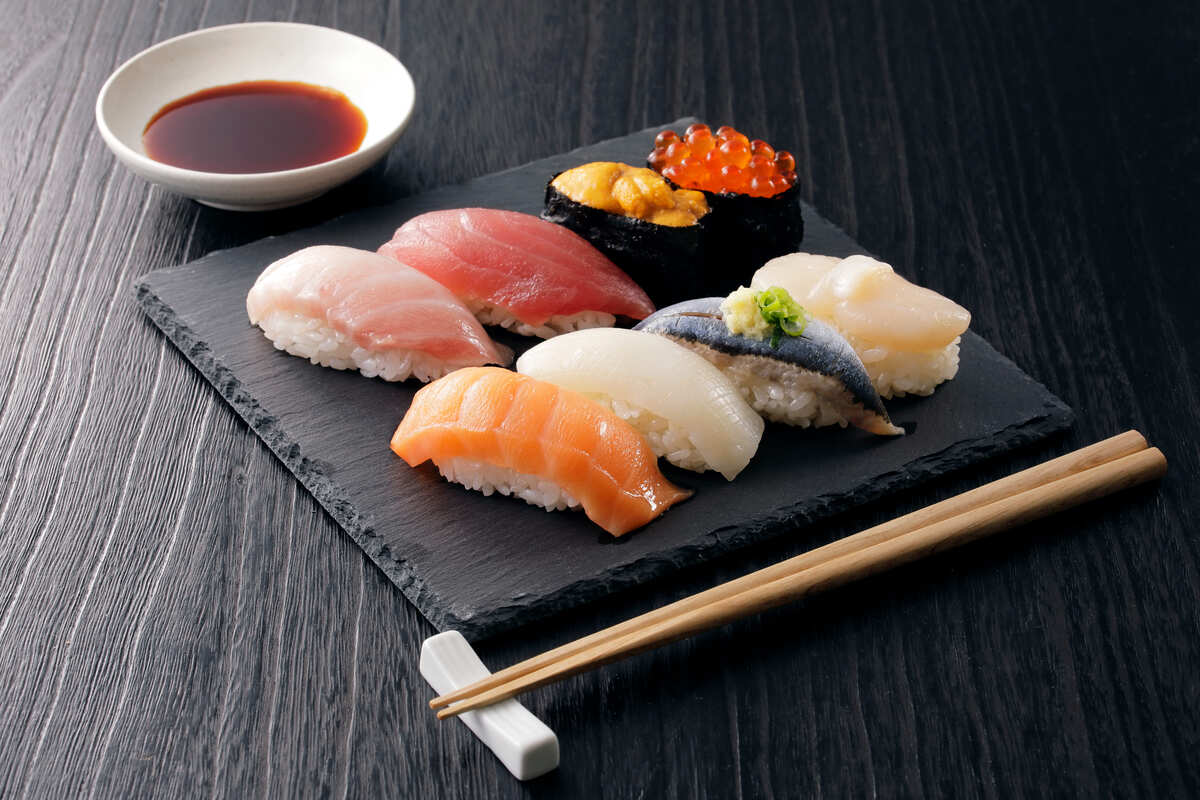
Nigiri-zushi (hand-pressed sushi)
This is one of the most popular types of sushi, consisting of hand-pressed shari (vinegared rice) topped with a variety of fish or seafood.
Tuna and salmon are among the most popular ingredients.
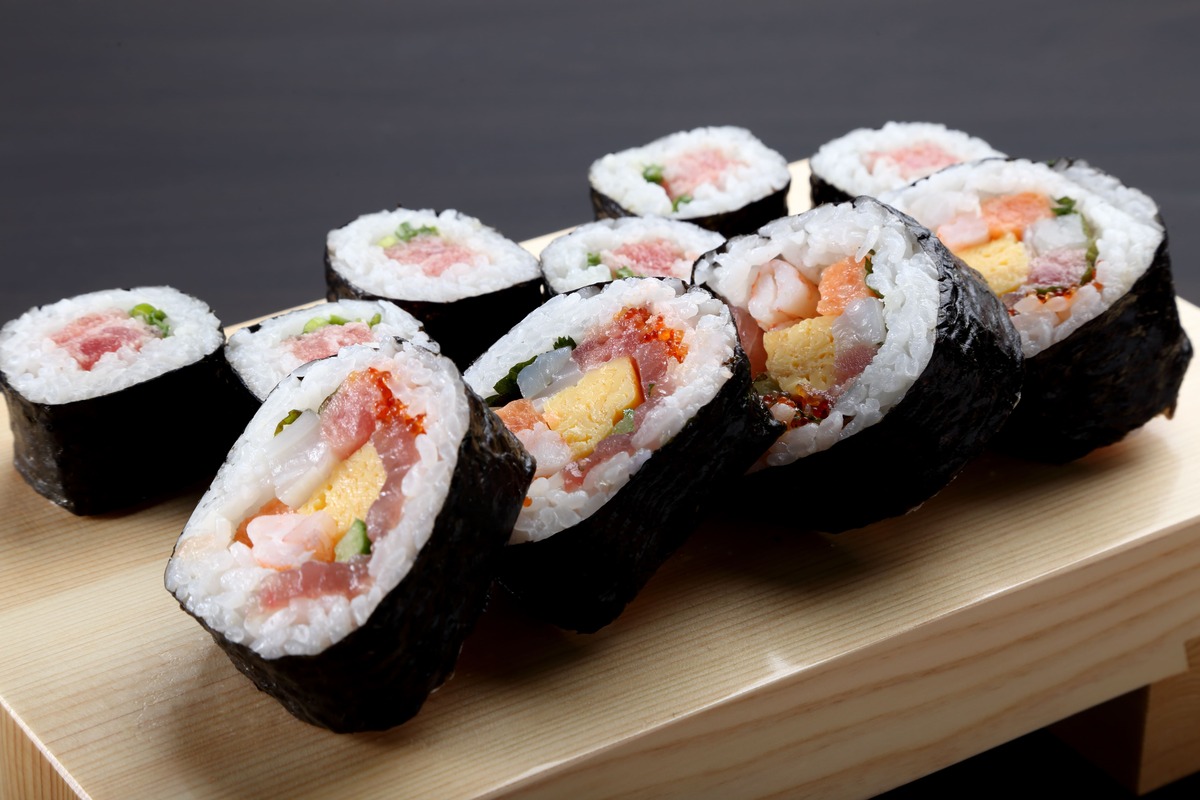
Maki-zushi (rolled sushi)
This type of sushi is made by wrapping rice and ingredients in a strip of nori seaweed and is available typically in thin or thick rolls.
Hosomaki (thin roll) is a simple style of wrapping one type of ingredient.
Futomaki (thick roll) is rolled with multiple ingredients such as fish, fried egg omelet, and vegetables, giving it a colorful appearance.
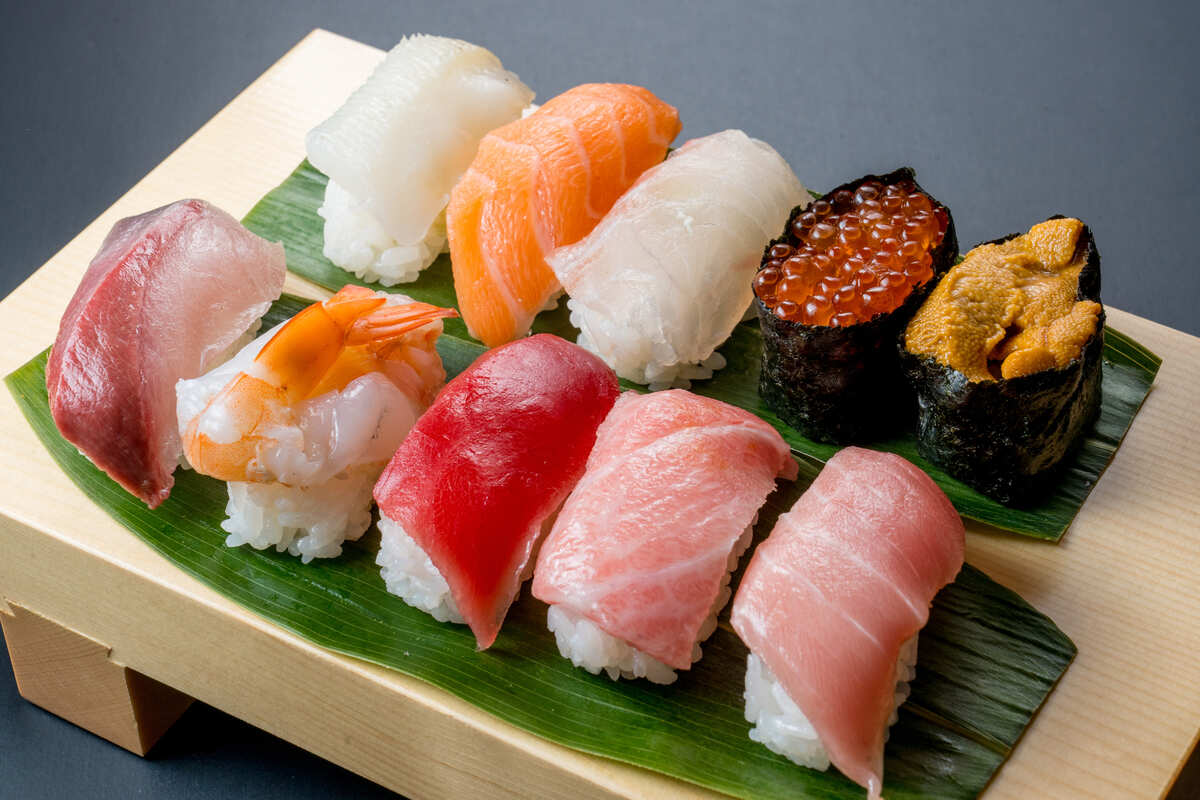
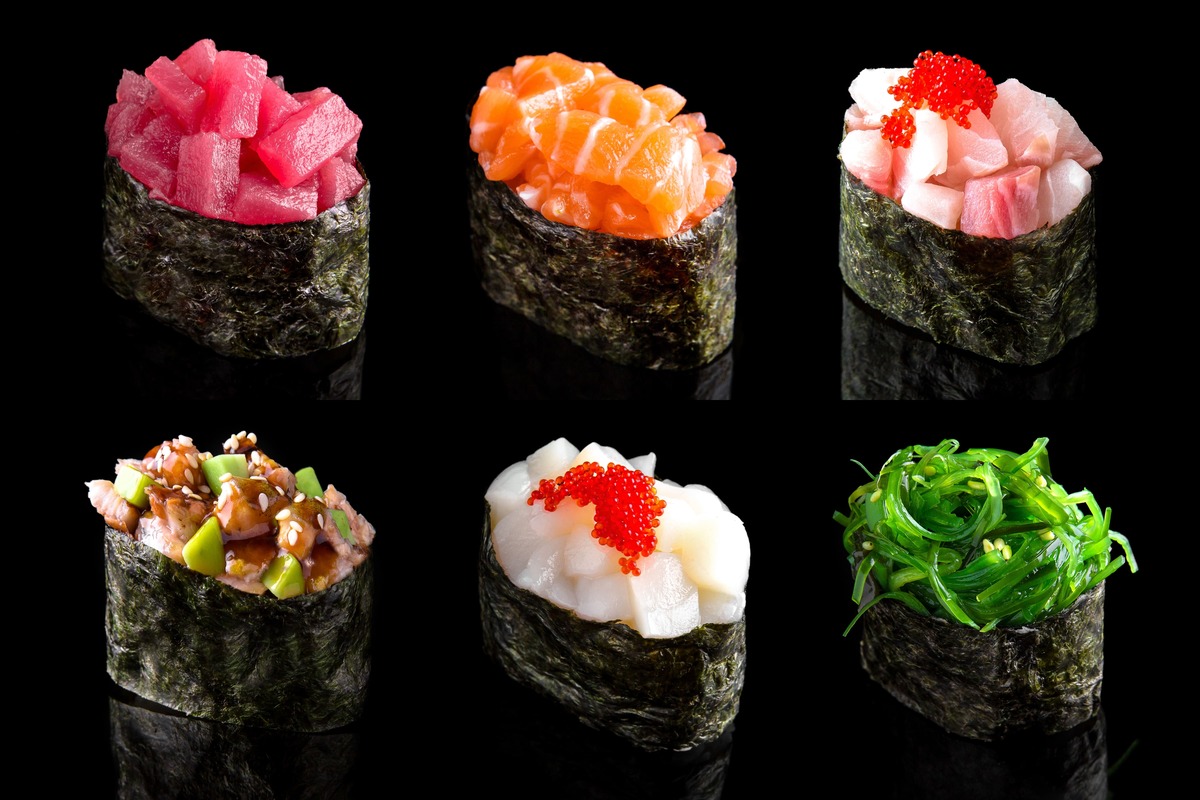
Gunkan-maki (“boat-shaped” sushi)
A type of sushi that has a small strip of nori seaweed wrapped around the side.
It is topped with salmon roe, sea urchin, or other ingredients.
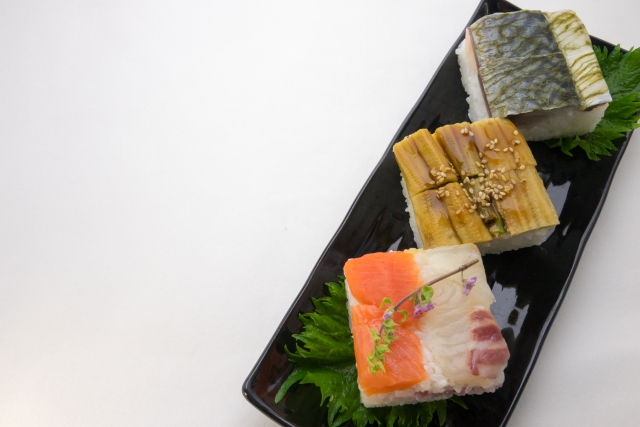
Oshi-zushi (pressed sushi)
A style of sushi where rice is pressed into a rectangular mold and topped with ingredients.
It is commonly found in the Kansai region, and mackerel and conger eel are often used in this type of sushi.
Examples of oshi-zushi include battera made with mackerel or vinegared mackerel, and hako-zushi (box sushi) made by layering multiple ingredients.
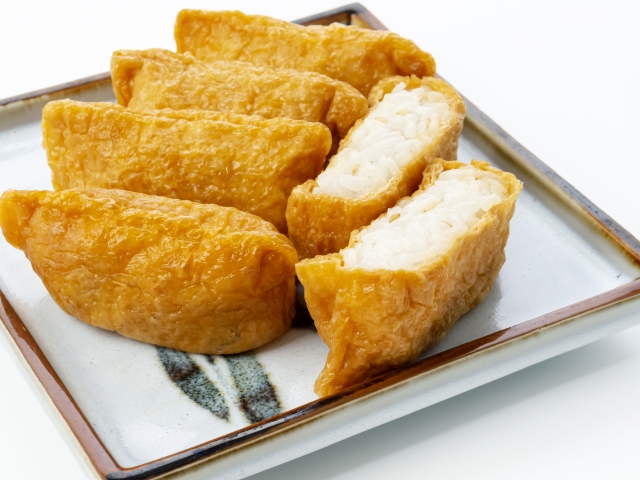
Inari-zushi (sushi wrapped in fried tofu)
This type of sushi is made from a bag of deep-fried tofu stuffed with vinegared rice.
You can also find inari-zushi with vegetables and other ingredients.
It is widely popular among both children and adults.
What’s the Difference Between Conveyor Belt Sushi and High-End Sushi?
When it comes to sushi, there’s a wide range of ways to enjoy it—from casual conveyor belt sushi to refined high-end sushi experiences. Both styles have their own charm, and understanding the differences between them can help you choose the type of restaurant that best suits your needs.
What Is Conveyor Belt Sushi?
Conveyor belt sushi, known in Japan as "kaiten-zushi," is a casual dining style where plates of sushi are placed on a moving conveyor belt, and customers pick the ones they want. With prices starting at around 100 yen per plate, it offers an affordable and approachable way to enjoy sushi. These days, many restaurants also have touch panels for ordering, and ordered items are delivered via a separate rail system, making the experience even more fun and interactive.
- Menus often include pictures and multilingual support, making it easy for international visitors
- A wide variety of side dishes like udon, ramen, and desserts are available
- Ingredients are bought in bulk to keep costs low, so quality can vary
Conveyor belt sushi is ideal for those who want to enjoy sushi casually and without stress. It’s a great option for families with young children or first-time travelers to Japan who want an easygoing introduction to sushi.
What Is High-End Sushi?
In contrast, high-end sushi restaurants typically offer an OMAKASE style experience, where a skilled chef prepares each piece of sushi individually right in front of you. Every detail—from the temperature and firmness of the rice (shari), to the way each topping is sliced and pressed—reflects the chef's craftsmanship and dedication. The atmosphere in these establishments is calm and refined, offering a special, memorable dining experience.
- Courses feature seasonal ingredients carefully selected by the chef
- The order of each dish and the flavor balance are thoughtfully curated
- Service and ambiance are of the highest standard, creating a sense of luxury and exclusivity
Prices generally start from around 5,000 yen for lunch and range from 10,000 to 30,000 yen for dinner. While this makes it a more expensive option, the quality and experience are well worth it. It’s perfect for those seeking an authentic, top-tier sushi experience for a special occasion.
How to make sushi
The following explains how to make nigiri-zushi.
It requires the skill and artistry of a sushi chef.
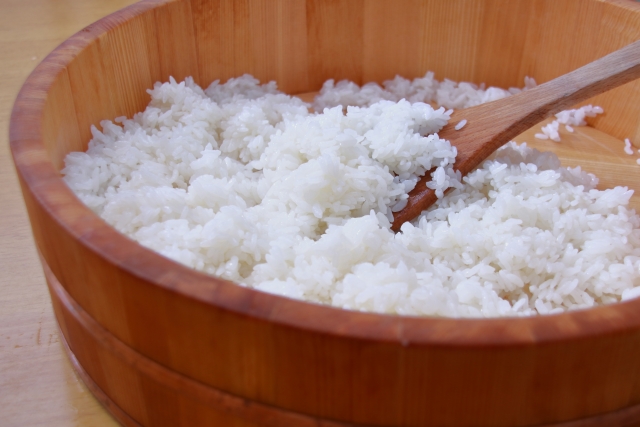
The first step is to prepare sushi rice (shari).
It is important to keep the rice at the proper temperature and vinegar content.
Sushi chefs adjust the perfect balance of sour and sweet tastes in sushi rice, and ensure the rice stays at the right temperature.
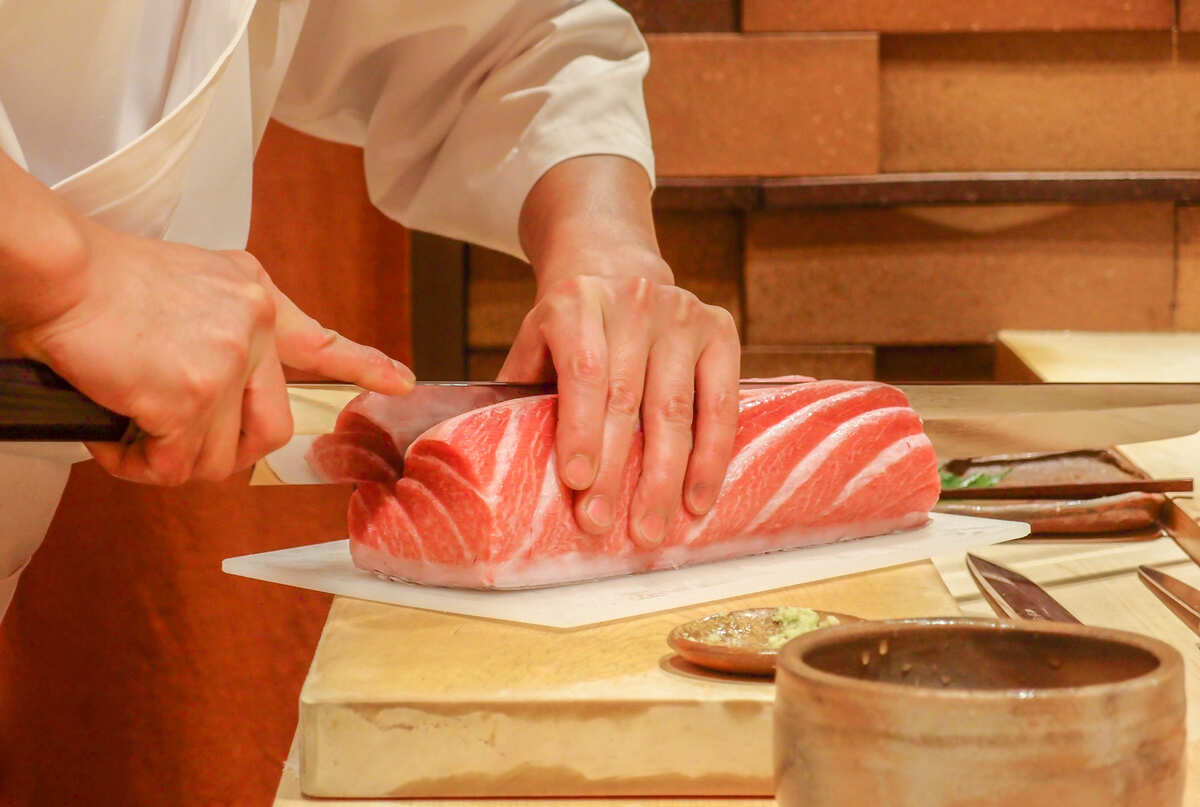
Next, the neta (ingredients) is prepared.
Chefs prepare fresh seafood and slice it into the appropriate thickness and size according to the type of fish.
It requires in-depth knowledge and skills in selecting fresh ingredients, proper cutting techniques, and storage.
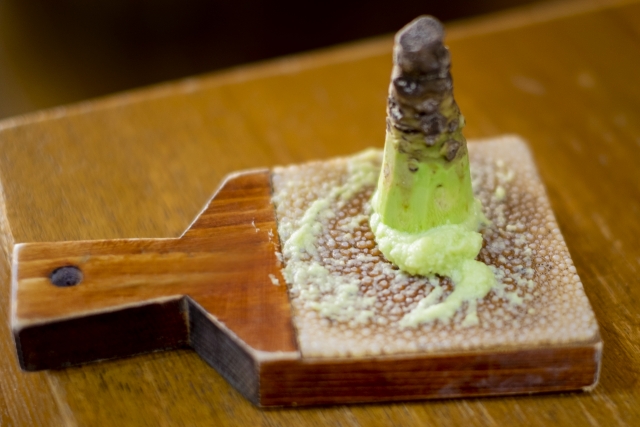
Then, wasabi is prepared.
High-end restaurants offer fresh, high-quality raw wasabi.
The outer skin of the raw wasabi is removed and grated with a grater in a circular motion.
It is important to handle it delicately, without using excessive force.
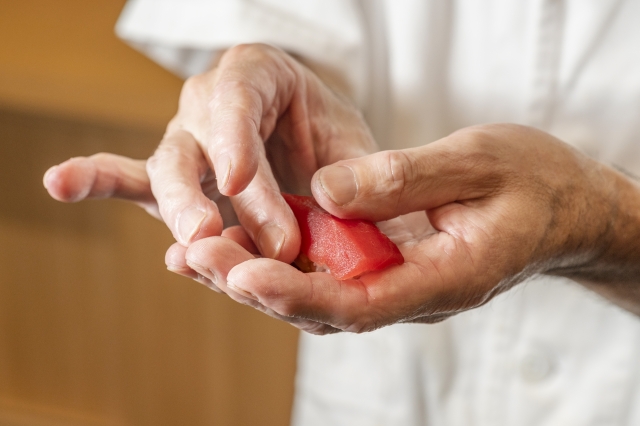
Next step is to form the rice.
A chef takes the rice with their left hand, measures out a certain amount, and forms the rice.
This is done by feel, and the amount of rice must be the same from piece to piece.
Wasabi is placed on top of the rice, with the amount adjusted according to the customer's preference.
A topping is placed on the rice to be pressed.
The chef takes the sliced topping in their right hand and places it on top of the rice held in their left hand.
The position and angle of the topping are also important, as it affects the appearance and texture.
The grip must be delicate, so that the rice does not fall apart, but is also not too firm.
How to eat sushi
Order
For a la carte menu, order the neta you want to eat.
Be sure to tell the chef or staff if you do not need wasabi.
Prepare soy sauce
Prepare soy sauce in advance on a serving plate.
If the sushi is served with soy sauce, you may skip this step.
Pick up sushi
Tip the sushi over with chopsticks or your hand and hold the whole piece.
Either way is acceptable.
Dip in soy sauce
Dip the topping side in the soy sauce.
It is best to dip the topping side in the soy sauce rather than the rice side to avoid making the rice crumbly and too salty.
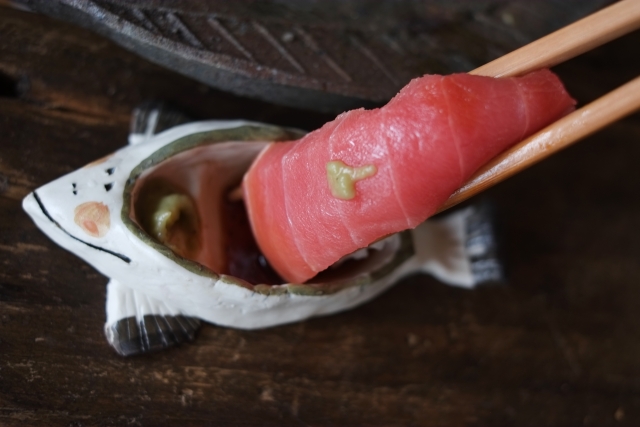
Eat in one bite
Bring the sushi to your mouth and eat it in one bite.
Some people say that by flipping a sushi upside down, with the topping facing downwards, you can taste the savor the flavor of the topping directly on your tongue.
People’s reaction when eating
Search Restaurants by Characteristics


Search Restaurants by Popular Cuisines