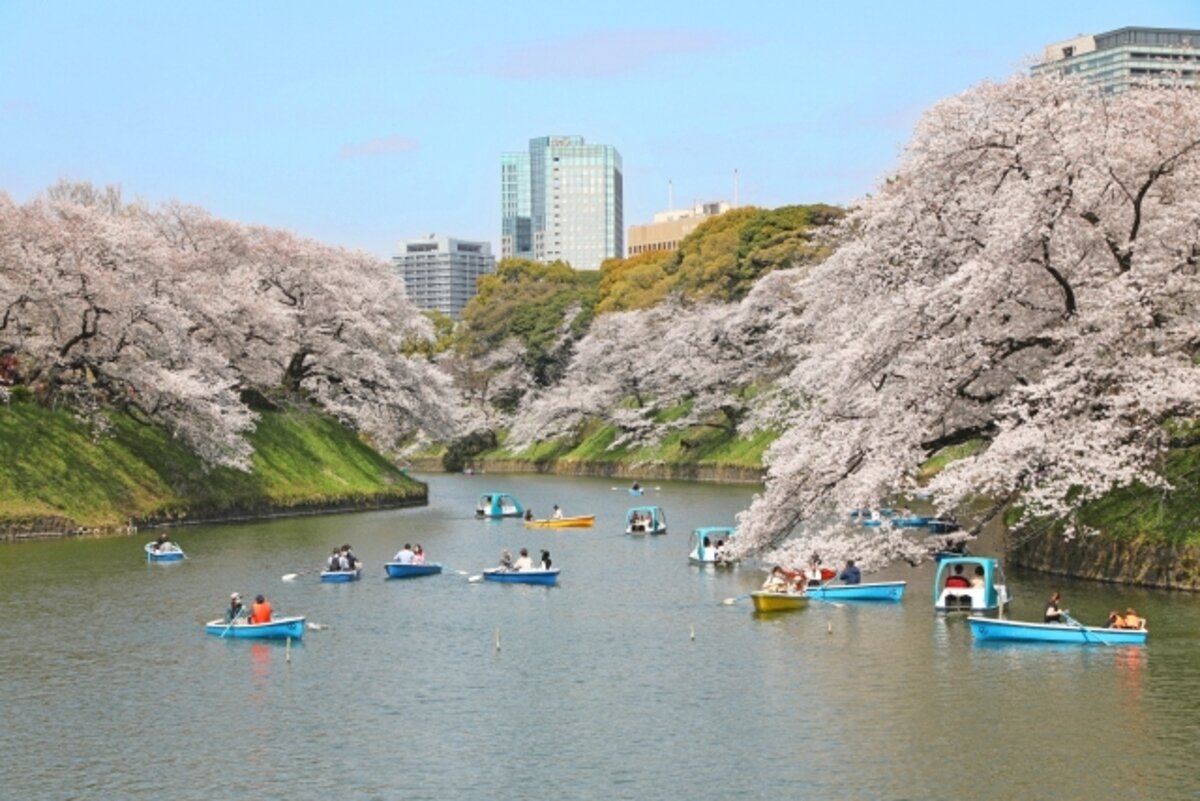
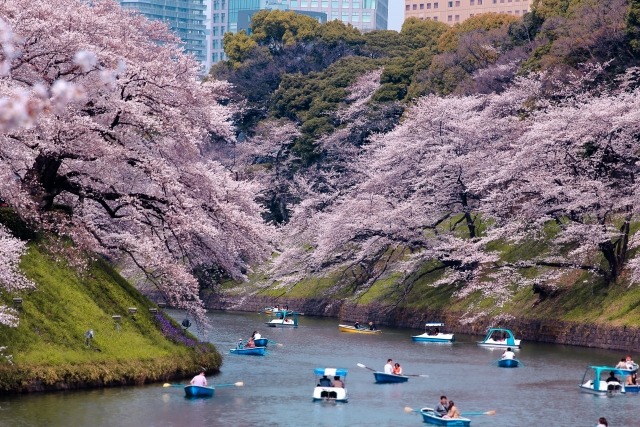
Tokyo has many famous cherry blossom viewing spots, but Chidorigafuchi Greenway is a special place where the "waterside" and the "density of tree-lined streets" stand out. The approximately 700m promenade along the Imperial Palace moat in spring sees cherry blossoms extending their branches overhead, tinting the view with a pale pink just by walking.
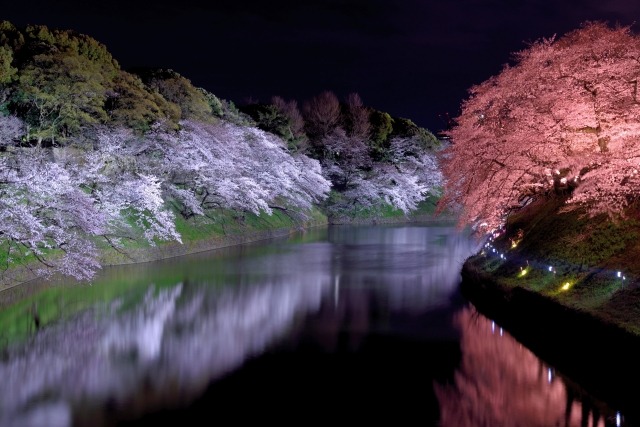
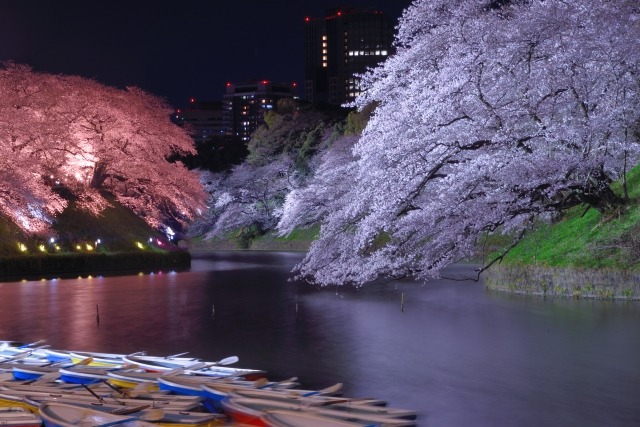
During the day, you can enjoy the cherry blossoms reflected on the water and the calm atmosphere of the city center, and at night, the scenery changes dramatically with lighting. Petals illuminated by lights float in the darkness, and the moat's black water surface reflects the light like a mirror, creating a magical world different from daytime. The lighting is usually from sunset (around 6 p.m.) to 9 p.m., but this may change or be canceled depending on the blooming situation.
Moreover, although this area is at the heart of Tokyo, attractions such as the Outer Gardens of the Imperial Palace, Kitanomaru Park, Nippon Budokan, and the Museum of Modern Art are concentrated nearby. Even if you visit solely for cherry blossoms, half a day to a whole day will pass quickly, making it easy to organize a sightseeing schedule, which is another appeal.
This article carefully compiles basic information about Chidorigafuchi Greenway, reasons to enjoy cherry blossoms, how to spend the season, key points for a comfortable visit, access, manners, and nearby sightseeing from a local perspective, so first-time cherry blossom viewers in Tokyo won't get lost.
1. What kind of place is Chidorigafuchi Greenway?
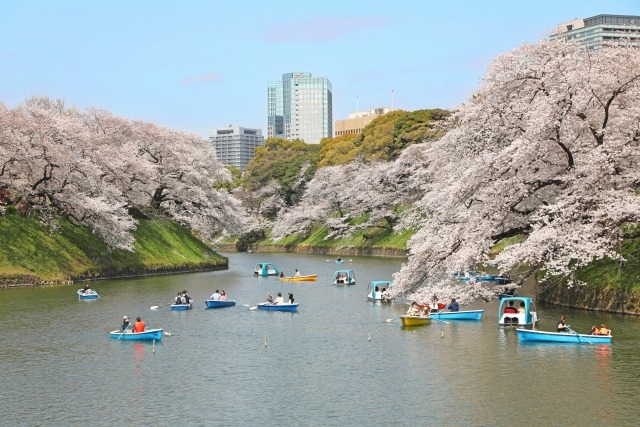
Chidorigafuchi Greenway is a promenade maintained along the moat called "Chidorigafuchi," which extends west of the Imperial Palace. It is maintained continuing from Yasukuni-dori side along Kitanomaru Park, and despite being very close to a highly trafficked area of the city center, it is cherished as a walk surrounded by greenery and water. The promenade is about 700 meters long.
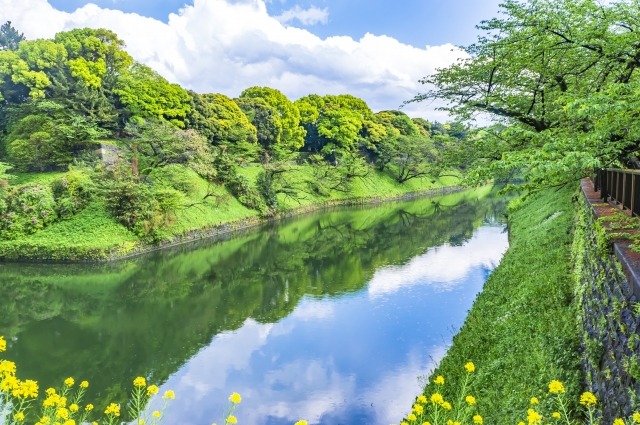
The main attraction here is, of course, the cherry blossoms; however, Chidorigafuchi's charm also exists in seasons when the cherry blossoms are not blooming. The stone walls along the moat, the gentle water surface, shadows of trees, the soft spring breeze, and occasional bird calls provide a strong sense of walking through a historic landscape rather than an urban park, making even a short distance very satisfying.
Also, Chidorigafuchi Greenway is a "linear spot." Rather than a picnic-style hanami in a large plaza, a style of walking while appreciating the sights, stopping to take photos, and continuing walking fits naturally here. In other words, it is easy to include in travel schedules and allows experiencing "Tokyo’s spring" even in a short time.
The number of cherry trees varies depending on the source, but according to the Chiyoda City Tourism Association, about 230 Somei Yoshino cherry trees and others are planted.
Since the scope of the "Chidorigafuchi" area and how counts are made vary, these numbers should be taken as approximate.
Additionally, the "Chidorigafuchi Boat Pier" is often mentioned together with Chidorigafuchi. Experiencing the cherry blossoms from the water by venturing out onto the moat shows a completely different aspect of the same scenery. The boat pier is operated as a facility by Chiyoda City.
2. Reasons to enjoy cherry blossoms at Chidorigafuchi Greenway
There are clear reasons why Chidorigafuchi Greenway is called a "must-visit cherry blossom spot." It's not just because of the large number of cherry trees or good access; the quality of the experience is high.
Depth unique to the waterside
The cherry blossoms at Chidorigafuchi use the moat's water surface not as a background but as a "stage." The water reflects the color of the sky and the flowers, and sways with the wind. Photos include reflections and streaks of light that add depth, not just the cherry blossoms themselves. During the day, bright light blue and pink flowers; at dusk, gradients; at night, beautiful reflections from lights create atmospheric changes at the same place depending on the time.
Close branches create a "cherry blossom tunnel"
Since the cherry blossoms spread along the promenade, flowers are at eye level and overhead, giving a strong immersive feeling. Among Tokyo's famous spots, few places offer a sensation where branches are so close and surrounded by flowers. Walking pace naturally slows because the scenery is rich in informational content.
Nighttime illumination changes the scenery
The Chidorigafuchi nighttime illumination of cherry blossoms is known as a spring tradition in Tokyo. The Chiyoda Sakura Festival notes that illumination is performed along Chidorigafuchi Greenway, basically from sunset (around 6 p.m.) to 9 p.m.
Pedestrian one-way traffic to reduce weekend congestion and entrance restrictions may also be implemented.
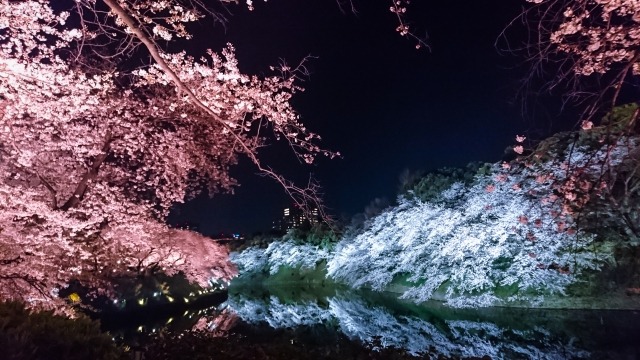
The allure at night is that the flower color appears closer to white. Somei Yoshino cherry blossoms, which look pink during the day, change to a transparent white due to the lighting’s color temperature and surrounding darkness. The dark water surface acts as a background, making the flowers seem to float, giving a feeling completely different from the daytime.
Great location for Tokyo sightseeing
Chidorigafuchi is located in central Tokyo and is easily accessible by subway. Moreover, nearby are attractions such as walking around the Imperial Palace, museums, Budokan, historic facilities, and shopping areas, making it very easy to include in travel plans. The official Tokyo tourism site also features walking under the cherry blossom tunnel, nighttime viewing, and rental boats as highlights.
3. Things to enjoy during cherry blossom season at Chidorigafuchi Greenway
While just "seeing" the cherry blossoms is valuable enough, Chidorigafuchi offers many ways to enjoy. You can design plans to increase satisfaction according to your travel style.
Enjoy the walk; the journey itself becomes the goal
Although the promenade is only about 700 meters, it may seem short on a map. However, during cherry blossom season, the number of stops increases. Flower density, water reflections, stone wall lines, overlapping branches, and petals dancing in the wind change impressions with different viewpoints, and every few minutes there are spots you want to photograph. As a result, a slow walk naturally takes 30 minutes to an hour.
A tip for deciding the walking route is to match the entrance and exit with your next destination. Entering from Kudanshita side and exiting toward Kitanomaru Park makes it easy to connect to Budokan or park walks. Conversely, exiting toward the Hanzomon side allows for a calm stroll around the Imperial Palace and smooth subway transfers to other areas.
"Looking up at cherry blossoms" by boat
At Chidorigafuchi Boat Pier, you can row a boat out onto the moat. According to Chiyoda City and tourism association information, the hours are generally 10 a.m. to 5 p.m., with the last受付 (reception) 30 minutes before closing, and closed on Mondays (or the next weekday if a holiday).
Also, fees may differ during cherry blossom season.
The charm of being on the water is that the cherry blossoms appear to "cover you from above." What looks like beautiful tree-lined rows from land turns into a huge ceiling when on the boat. The feeling of petals falling when the wind blows, the sound of oars cutting water, and the slight dimming of surrounding noise make you forget you're in the city center.
Note that boats are very crowded at peak bloom. You must follow the day's guidance on ticket purchasing, waiting times, and operation rules, so planning with plenty of time is safer. Also, boats are susceptible to weather conditions, so it’s wise not to go out in strong wind or rain.
Nighttime cherry blossom illumination and photography enjoyment
The illumination makes the walk itself a "nighttime event." The Chiyoda Sakura Festival mentions the illumination and environmental initiatives related to power usage.
While at night the crowds increase, the range of photographic expression expands. Cherry branches cast shadows, light filters through the petals, and the water surface sparkles with reflections. Smartphones take good photos, but using night mode or anti-shake techniques greatly improves results.
For night photography, consider these subjects to bring out the "Chidorigafuchi character":
- Include water reflections to create compositional depth
- Target overlapping branches to emphasize the tunnel effect
- Include small human silhouettes to show scale
- Zoom out slightly to include stone wall lines, evoking the location's historicity
When crowded, longer stops make it easier to block others. When photographing, take a few shots quickly and shift position gradually to be considerate and diversify your photos.
Feeling the seasonal atmosphere and the "fleetingness of flowers"
Cherry blossoms are not only beautiful when in full bloom. The freshness when buds begin to open, the lightness at 70% bloom, the impact of full bloom, and the swirling petals at fall—all have their charm. By the water at Chidorigafuchi, fallen petals sometimes gather on the surface, drifting like a pale pink band. This so-called "hanaikada" scene is a different kind of luck from full bloom and often becomes a memorable instant during your trip.
4. Points when visiting Chidorigafuchi Greenway
Here are practical tips useful when you visit. These thinking points reduce stress and increase satisfaction, even for first-time Tokyo visitors or short stays.
Best timing
The peak cherry blossom viewing period at Chidorigafuchi is generally from late March to early April. This is also the guideline given by the Chiyoda City Tourism Association.
However, blooming times differ yearly, so it’s wise not to fix your schedule rigidly on "when it will be full bloom." If your stay span allows, adjust your visiting day according to weather and bloom information to increase success.
Recommended time of day depends on your purpose:
- For calm photography: morning to mid-morning
- To enjoy both sky color and cherry blossoms: evening (blue hour)
- To experience an extraordinary atmosphere: lighting time (confirm event days)
Night illuminations attract crowds. One-way pedestrian traffic and other controls are sometimes implemented on weekends, so check local postings and official updates.
What to bring
Chidorigafuchi is urban but by the water, the perceived temperature may drop after sunset. Spring in Tokyo has large temperature differences between day and night, so having layers to adjust body temperature affects comfort.
- A jacket you can wear over clothes (thin is fine, but windproof is convenient)
- Comfortable walking shoes (stable footwear is essential as you may not walk at your own pace in crowds)
- Mobile battery (battery drains easily with photos and maps)
- Small towel or handkerchief
- Rain gear (rain jacket preferable to folding umbrellas for ease in walking)
For night photography, checking your smartphone’s night mode, lens-cleaning cloth, and a small grip to reduce shake are handy. Large tripods may obstruct surroundings in crowds, so use discretion to avoid trouble.
Recommended activities
To deepen your Chidorigafuchi experience beyond a "single hanami," these combinations are especially recommended.
- Walk + Boat
First walk the Greenway to get an overview, then experience looking up at the cherry blossoms from a boat. Comparing the land and water views gives a three-dimensional experience. Follow the boat pier’s hours (10 a.m. to 5 p.m.,受付30 minutes before closing) and guidelines. - Daytime Chidorigafuchi + Nighttime illumination
Enjoy the daytime water clarity and flower colors, then see another expression with lighting at night. On days with ample time, you can rest at nearby museums or cafes and return after sunset. Illuminations are basically from sunset (around 6 p.m.) to 9 p.m., but schedules may vary or be canceled annually. - Increase satisfaction with walking around the surrounding area rather than picnic-style hanami
Chidorigafuchi offers more satisfaction in walking-style hanami rather than party-type. Exiting toward Kitanomaru Park and wandering green areas or feeling the landscape near the Imperial Palace allows you to enjoy "nature and history at Tokyo’s center" together.
5. Access information
Chidorigafuchi Greenway is conveniently accessible by subway from major areas. According to Chiyoda City facility info, Kudanshita Station Exit 2 is a 3-minute walk, and Hanzomon Station Exit 5 is a 5-minute walk.
However, tourism association guides list both stations as a 5-minute walk. Experiences vary depending on exit, route, and detours in congestion, so adapt according to the situation.
Image from major stations
- Kudanshita Station (Tokyo Metro Tozai & Hanzomon Lines, Toei Shinjuku Line)
Exit 2 is recommended. On busy days, the flow after exiting the station is important. - Hanzomon Station (Tokyo Metro Hanzomon Line)
Exit 5 is recommended. It generally offers a calmer approach, but entrance restrictions may be enforced during illumination periods, so check day-of guidance.
Notes during cherry blossom season
During peak bloom, traffic restrictions may be enforced for visitor safety. The Chiyoda Sakura Festival mentions vehicle restrictions aligned with illumination periods and pedestrian one-way traffic on weekends in some years.
Such measures may limit entrances and routes, so please follow staff and posted instructions. Incorporate possible delays from station to Greenway entrance in your travel plans for peace of mind.
6. Hanami manners
Japanese hanami is not just an event for photos but a culture of sharing the season. Chidorigafuchi Greenway is especially crowded and narrow in places, so small considerations greatly affect overall comfort. Here are manners easy for first-time visitors to follow immediately.
Your impression depends on how you stop
In crowds, stopping suddenly blocks people behind and increases the chance of collisions. When taking photos, if possible, move to the side and find a spot that does not block the path. Especially at night when it is dark and footing is hard to see, choosing where to stop relates directly to safety.
Avoid loud voices and noise
While some cherry blossom spots are festive, Chidorigafuchi is a "walking-type" atmosphere. Loud conversations and music disturb others' experience. Even when taking photos or videos, respecting others' conversations and walking rhythm helps you blend naturally into the atmosphere.
Always take your trash home
It’s common for Japanese parks and sightseeing spots to have few trash bins. It’s smart to keep the packaging of drinks and snacks in a bag to carry them out. Especially during cherry blossom season, cleaning becomes difficult, so each person's behavior protects the scenery.
Do not touch or pull cherry branches
You may want to pull branches closer for photos, but cherry trees are delicate and branches get damaged under stress. Taking photos beautifully without touching is better and makes your photos more elegant. Protecting the cherry trees also protects next year’s spring.
Check rules for smoking and drinking
Rules vary by area on smoking and alcohol drinking. Chidorigafuchi Greenway often gets crowded with walkers, and smoke or smells can cause trouble. Follow posted signs and avoid if unsure.
7. Recommended sightseeing spots around Chidorigafuchi Greenway
Chidorigafuchi’s value extends beyond cherry blossoms. The surrounding area is rich in "history, culture, nature, and events" with little transit burden, making it easy to accumulate travel satisfaction. Here are places recommended to visit alongside hanami.
Kitanomaru Park
If Chidorigafuchi Greenway is a linear spot, Kitanomaru Park is an area spot. Having a nearby wide green space to recover your breath after the excitement of the Greenway is a big advantage. Staying in crowds too long can be tiring, so exiting toward Kitanomaru Park for a peaceful walk completes hanami as "healing."
In spring, not only cherry blossoms but also the soft colors of fresh leaves create attractive photo backgrounds without monotony. Just by stepping slightly off the flow of people, you can regain bird calls and wind sounds.
Nippon Budokan
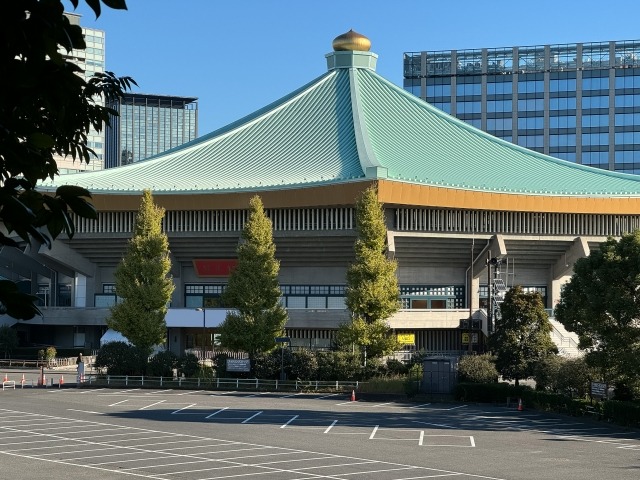
Adjacent to Kitanomaru Park, Nippon Budokan is known as Japan’s hall of martial arts and is also famous as a music concert venue. Events on your visit day may change the surrounding atmosphere, which is also a Tokyo charm. The building’s unique façade is photogenic, and during cherry blossom season, the "Spring Budokan" scene is special.
Imperial Palace Surroundings
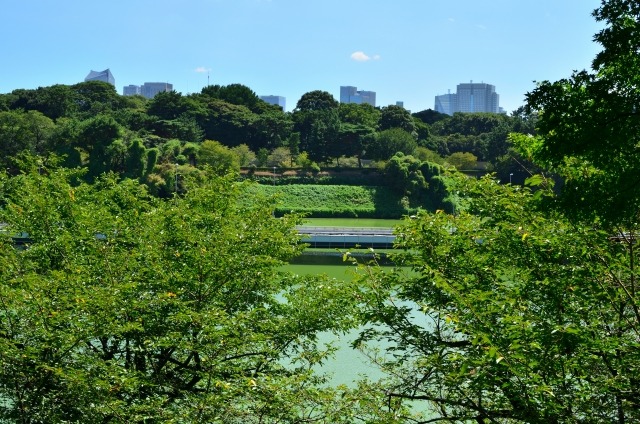
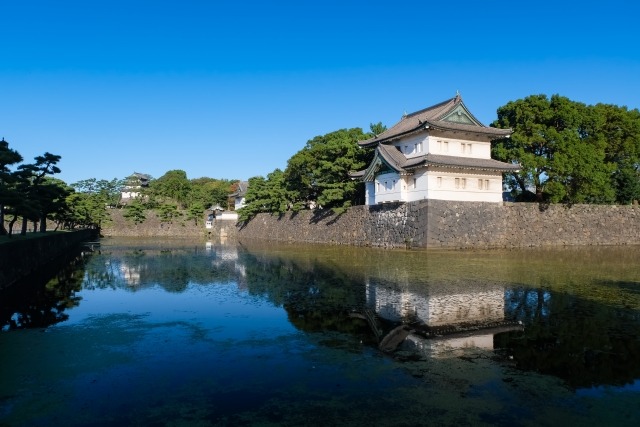
Chidorigafuchi lies along the moat of the Imperial Palace. Walking a little from here naturally leads you into the Imperial Palace area. Even where skyscrapers are visible, the sky feels vast—a unique charm of the Imperial Palace surroundings. If you have time, take a short walk around here after viewing cherry blossoms for a feeling of stepping away from Tokyo’s fast pace.
The National Museum of Modern Art, Tokyo
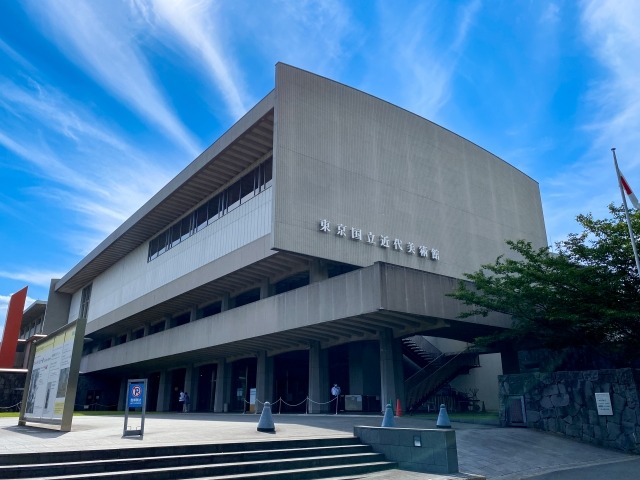
Cherry blossoms are natural art, but combining museum visits on the same day connects your travel theme. Around Kitanomaru Park is a museum district that is a great refuge on rainy or crowded days. Since hanami depends on weather, including cultural facilities helps adjust your day to be good regardless of conditions.
Yasukuni-dori and Kudanshita surroundings
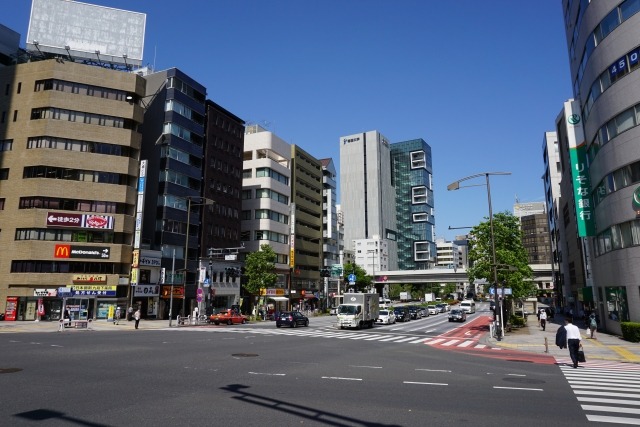
Peak cherry blossom season requires a lot of walking and can be unexpectedly tiring. Kudanshita area is a transit hub with many dining and resting options. Overexertion amid crowds reduces satisfaction, so securing sit-down time before or after hanami is an advanced travel technique. For those targeting nighttime illumination, resting once around Kudanshita then resuming walks after sunset is easy to organize.
In Conclusion
The cherry blossoms at Chidorigafuchi Greenway offer a special experience of spring wrapped in water, greenery, and history at the heart of the huge metropolis Tokyo. The continuous promenade's blossoms change expression as you walk, and the same view becomes a completely different story, with bright water surfaces and pink flowers by day, and magical illumination at night.
The key to enriching your time here is not merely "going to see cherry blossoms," but designing a whole day connecting walks and nearby sightseeing, and above all remembering to be considerate in this crowded famous spot. The season is short, blooming fluctuates yearly, but that uncertainty is exactly the cherry blossoms' allure. The spring moment you encounter at Chidorigafuchi will remain a long-lasting image in your Tokyo memories.
Search Restaurants by Destination

Search Restaurants by Popular Cuisines

Search Restaurants by Characteristics