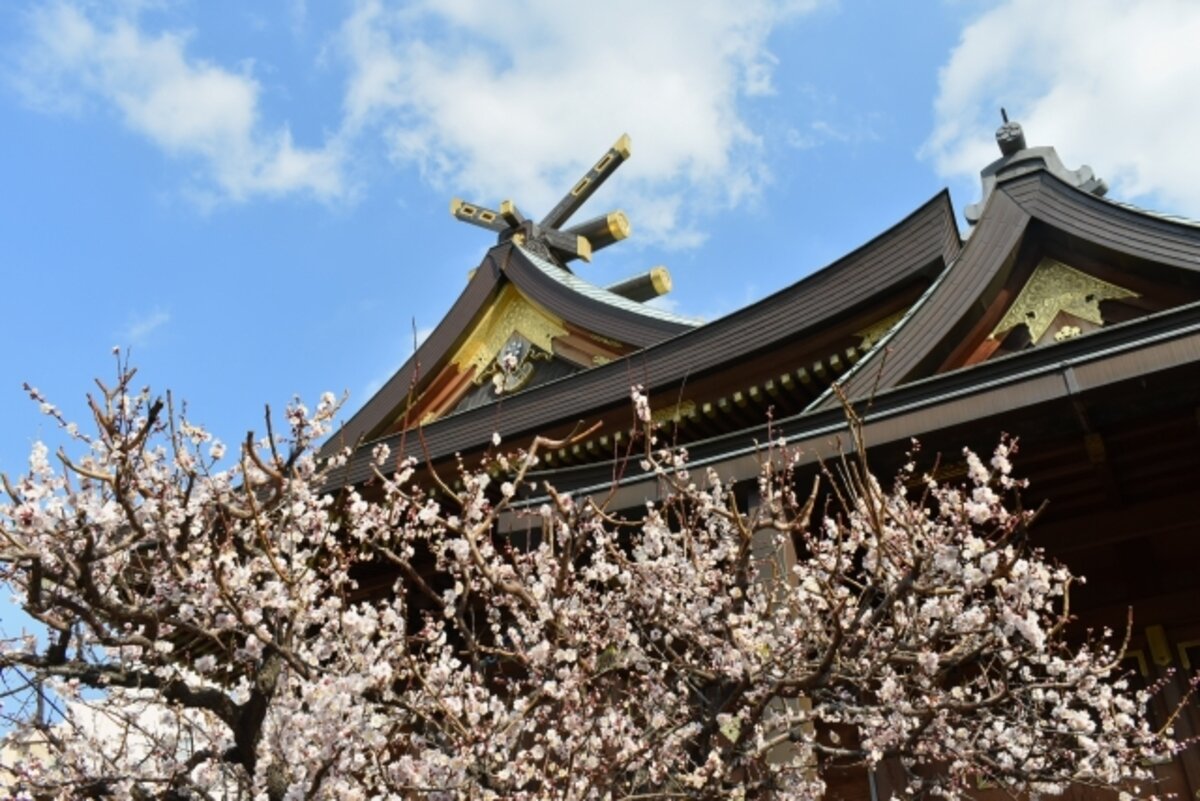
In February, as the cold winter air gradually softens, the signs of spring begin to drift through the city. In Tokyo, the "ume(plum) blossoms," which bloom slightly earlier than the cherry blossoms, gently soothe people's hearts. Since ancient times in Japan, ume has been regarded as a symbol of "endurance" and "hope," and its dignified bloom amid severe cold has been cherished.
Ume varies in fragrance, color, and blooming style depending on the variety, quietly stimulating the sensibilities of those who see them. The brilliance of red ume, the purity of white ume, the elegance of weeping ume. Each beauty stands out against the backdrop of the remnants of winter.
There are many places in Tokyo where you can enjoy such ume. Old shrines and temples, gardens preserving the atmosphere of Edo, parks rich in nature. Each place offers the unique tranquility and colors of ume in bloom season.
This article introduces 10 representative spots where you can enjoy ume in Tokyo. Each location offers history, culture, and photogenic scenery. These are perfect destinations for those who want to spend a slow, relaxed time while feeling the seasons.
1. Yushima Tenjin
Located in Bunkyo Ward, Yushima Tenjin has long been known as a famous spot for ume. It is famous for enshrining Sugawara no Michizane, the god of scholarship, and has a deep connection with ume, with about 300 ume trees planted within the precincts.
The ume starts blooming around mid-February every year. White and red ume color the stone steps and around the shrine buildings, and a faint fragrance drifts on the wind. At night, the flowers are illuminated, allowing visitors to enjoy a fantastic atmosphere different from daytime, which is one of the attractions.
From early February to early March every year, the "Ume Festival" is held, featuring traditional cultural events like tea ceremonies, dances, and calligraphy exhibitions. Stalls line up, bustling with locals and popular among foreign tourists as well.
Along with prayers for academic success, it is a place where you can feel the old, good atmosphere of Tokyo while gazing at beautiful ume.
Google Maps: https://maps.app.goo.gl/chm1rfLQ5edKkece6
2. Kameido Tenjin Shrine
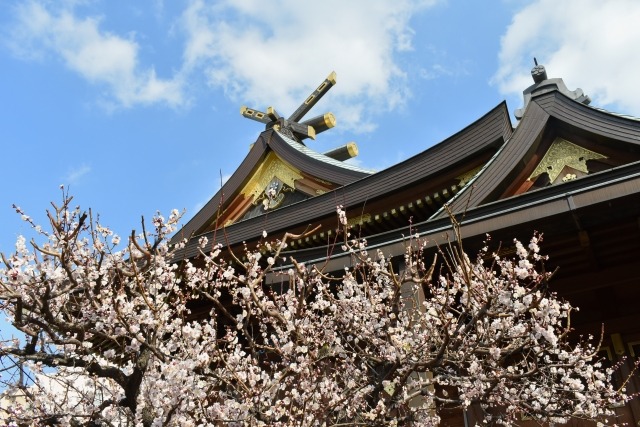
Located in Koto Ward, Kameido Tenjin Shrine is also called "Tokyo's Dazaifu." Due to enshrining Sugawara no Michizane, the god of scholarship, it has a deep relationship with ume, with about 300 ume trees in full bloom on the grounds.
The best viewing period is from mid-February to early March. Red and white ume bloom profusely, and the composition with the Sky Tree in the background over the arched drum bridge is popular as a uniquely Tokyo photo spot. The scenery where ume flowers and modern architecture appear in the same frame is a truly Tokyo-style contrast.
At the "Kameido Tenjin Ume Festival," stalls selling amazake and Japanese sweets appear, enveloping the entire precinct in a festive atmosphere. At night, lantern lights illuminate the ume, gently highlighting the petals.
It is an elegant ume spot where the atmosphere of Edo and modern Tokyo intersect.
Google Maps: https://maps.app.goo.gl/a7GCQJrMJn77kTnCA
3. Koishikawa Korakuen
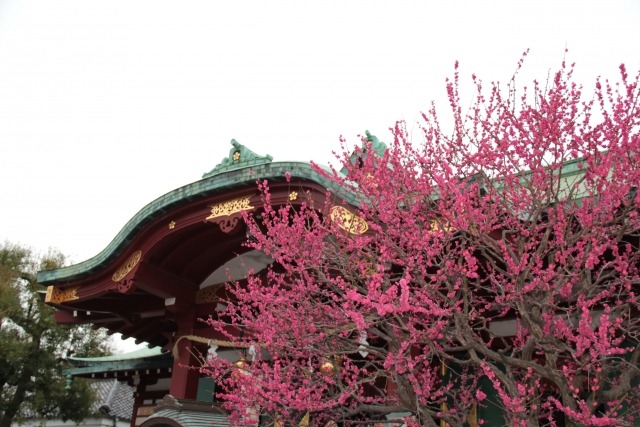
Koishikawa Korakuen in Bunkyo Ward is a Japanese garden built by the Mito Tokugawa family in the early Edo period. Known for its pond-strolling style garden that can be enjoyed in four seasons, the ume season is especially special.
About 90 ume trees are planted within the garden, and the red and white ume harmonize with the garden's pond, bridges, and stone lanterns to create a splendid landscape. By mid-February, the garden is known as the "Garden Fragrant with Ume," as the fragrance fills the air.
It is recommended to take a leisurely walk feeling the historical background of the garden. Especially near the "Umenbayashi" (plum grove) and the "Saiko-no-tsutsumi" (West Lake embankment), it is popular with photographers.
Located in central Tokyo, it is a place where you can feel serenity and the changing seasons—a true "hidden ume paradise" in the city.
Google Maps: https://maps.app.goo.gl/1YJCdYHVdroHKvoP6
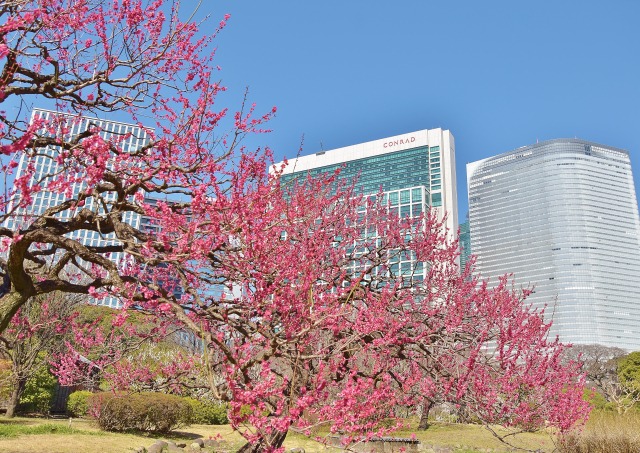
4. Hamarikyu Gardens
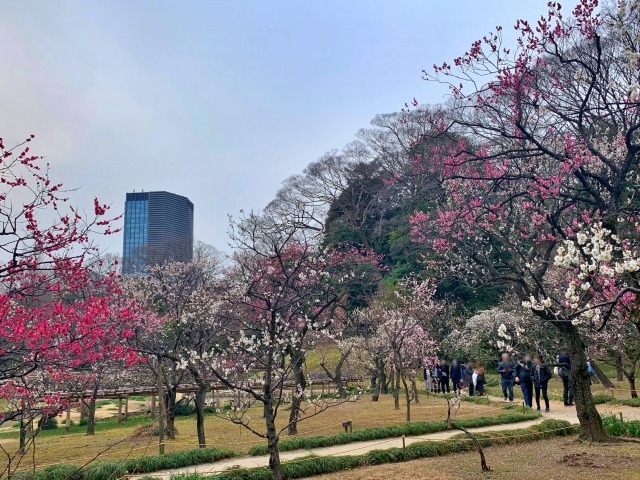
Located in Chuo Ward, Hamarikyu Gardens is a garden maintained by the Tokugawa shoguns during the Edo period, known for its distinctive seawater pond filled by tidal water.
Although there are about 120 ume trees, not many, the ume blossoms fragrant with the sea breeze have a unique charm found only in this garden. Especially, the contrast with the early spring rape flower fields is magnificent, with yellow, white, and red colors heralding the arrival of spring.
The best viewing period is from early to late February, and the ume blooming against the backdrop of the Tokyo Bay’s water surface is a scenery rarely seen in other gardens. It's also recommended to spend a relaxed time enjoying matcha at the garden tea house.
A quiet ume spot with an impressive harmony of urban skyscrapers and traditional gardens.
Google Maps: https://maps.app.goo.gl/QDeEduMkgUSFccSx7
5. Ikegami Baien
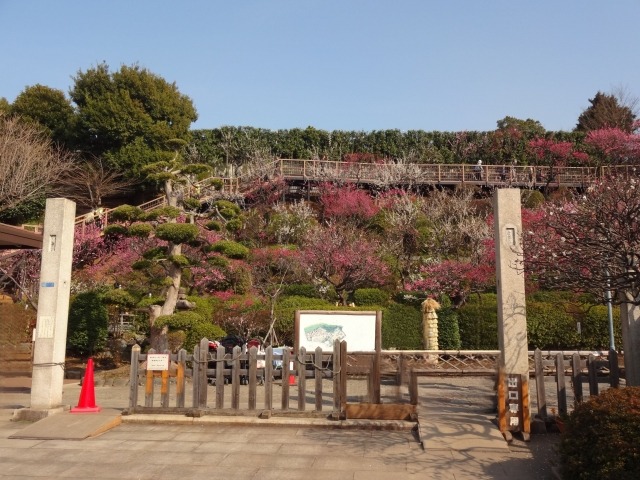
Ikegami Baien in Ota Ward is a quiet ume spot nestled in a residential area. About 370 ume trees are planted on sloped terrain, and the scenery of red, white, and weeping ume blooming level by level is truly a sight to behold.
The usual best viewing period is from mid-February to early March. The garden is stepped, and looking down from the top, a beautiful gradation of white and red spreads out. The garden has a tea house and waterfall, offering a Japanese sense of tranquility with seasonal nature.
It is perfect for people who want to enjoy a quiet walk wrapped in the fragrance of ume. It is a relatively calm hidden gem away from the bustle for tourists.
Google Maps: https://maps.app.goo.gl/1oqPki2HzrQ7s9Ti7
6. Mukojima Hyakkaen
Located in Sumida Ward, Mukojima Hyakkaen is a garden created by Edo period intellectuals. Known for enjoying seasonal flowers, the ume season is also very popular.
Over 200 ume trees of about 40 varieties are planted, including early and late blooming types, allowing you to enjoy them from early February to early March. It's also fun to compare differences between varieties like weeping ume and double-flowered ume.
The walking paths in the garden are finely maintained, with an appearance preserving the atmosphere of Edo. A quiet and calm air flows, making you forget you are in the city.
Since it's located along the Sumida River, it is also recommended to take a riverside walk after viewing the ume.
Google Maps: https://maps.app.goo.gl/LJgczSg2L3pkqU628
7. Hanegi Park
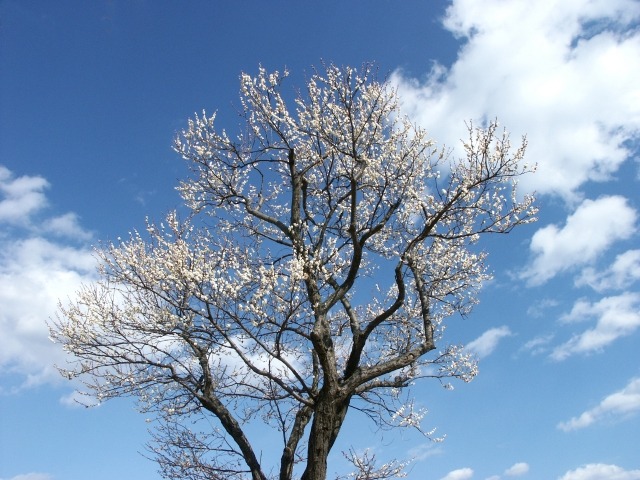
Hanegi Park in Setagaya Ward is one of the parks in Tokyo with especially many ume trees. About 650 trees of more than 60 varieties bloom in splendour, and the annual "Setagaya Ume Festival" held from mid-February to early March is a regional event.
The park is spacious and bustling with people enjoying picnics and families. In the ume grove area, white and red ume mix, and on sunny days, the contrast with the blue sky is very beautiful.
Also, the local warm atmosphere from handmade markets and amazake sales is attractive. It can be said to be a typical Tokyo ume spot where gorgeousness and friendliness coexist.
Google Maps: https://maps.app.goo.gl/WQ5Cqbc9vzPM7bKS8
8. Kyodo no Mori Museum Ume Garden
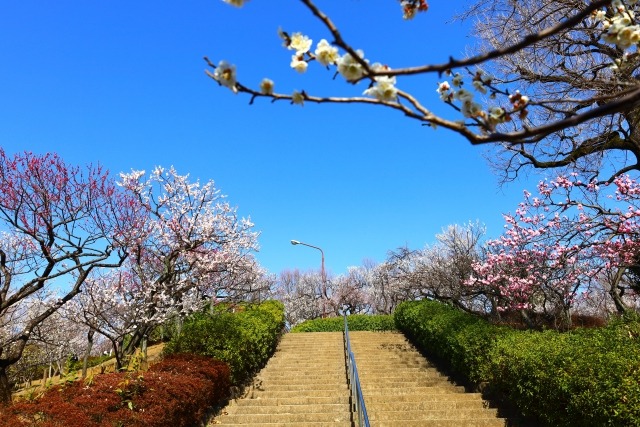
Kyodo no Mori Museum in Fuchu City is a complex facility where historic buildings, museums, and nature coexist in a vast area. The ume garden there boasts about 1,100 ume trees in full bloom, making it one of Tokyo's leading ume gardens.
During the "Ume Festival" period, ume tunnels and fragrant paths are arranged, giving a feeling as if walking surrounded by flower fragrance. When white ume, red ume, and weeping ume all bloom at once, it creates a truly paradisical landscape.
Popular with families as well, it allows you to enjoy both learning at the museum and natural walks simultaneously. The best viewing period is from mid-February to early March.
Google Maps: https://maps.app.goo.gl/NdAZg3kxbF2kaoKD9
9. Jindai Botanical Gardens
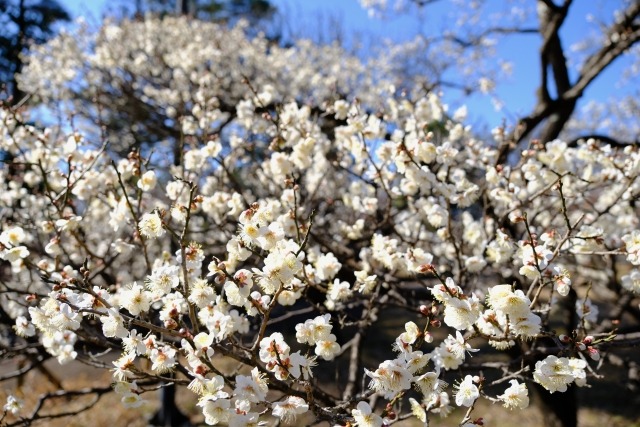
Jindai Botanical Gardens in Chofu City is a vast botanical garden where you can enjoy about 4,800 kinds of plants. The ume garden inside has about 180 ume trees, with red and white flowers welcoming visitors.
What stands out is the variety of species. Early blooming 'Yaekanbai' and late blooming 'Shirakaga' are among them, allowing long enjoyment by staggering their flowering times. Visiting from mid-February to mid-March reveals ume flowers of diverse colors.
Walking through the spacious garden while feeling the ume fragrance and nature is exquisite. It is also recommended to take a rest at the cafe in the garden.
Google Maps: https://maps.app.goo.gl/gxi3aM5YsmgNpdYg8
10. Yoshino Umegou
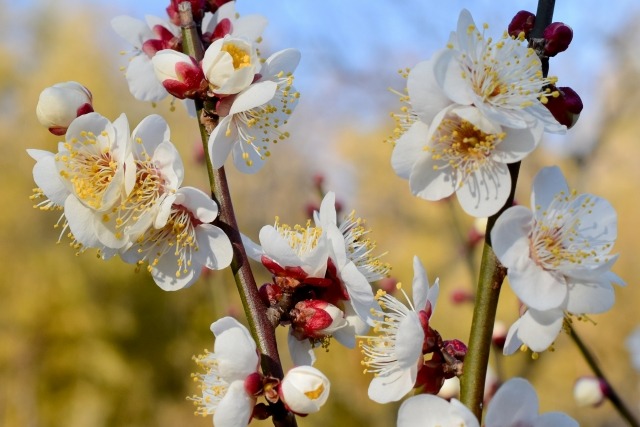
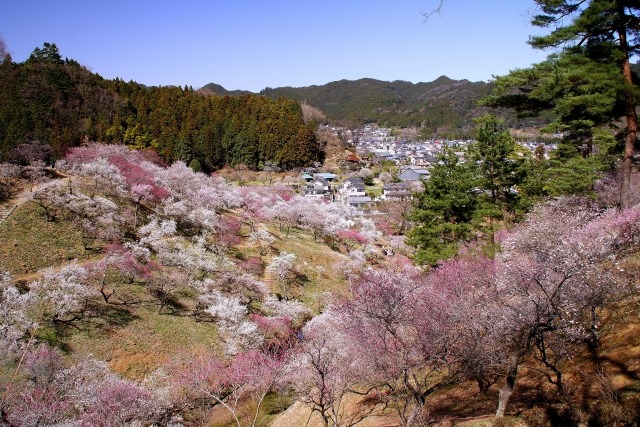
Yoshino Umegou in Ome City is a representative ume village in Tokyo. It was once known as a major ume viewing area with about 25,000 ume trees in full bloom, but due to disease, all were once cut down. However, thanks to the efforts of local people, recovery has progressed and now over 1,500 trees bloom beautifully.
The best viewing period is from late February to late March. The mountain slopes are dyed with red and white flowers, spreading a picturesque scene. The view of the Okutama mountains beyond the ume flowers is a natural beauty beyond what you would expect from Tokyo.
There is also a course where you can enjoy hiking while viewing ume, making it a perfect place to feel the seasons in nature.
Google Maps: https://maps.app.goo.gl/kY6yDcUHt9v3Puoj8
11. Precautions and Manners
Photography Etiquette
Ume trees are delicate. Touching branches or forcing yourself close for photography may damage the flowers. When shooting, do not enter areas prohibited by ropes and take photos from positions that do not disturb other observers.
Also, many places restrict tripod use, so it is important to check in advance.
Crowded Times and Areas
Popular spots tend to be especially crowded around noon on weekends and holidays. If possible, visiting by around 9 AM allows relatively quiet ume viewing.
Places with light-ups also become congested after sunset, so early admission is recommended.
Behavior During Crowds
During crowded times, it is polite to keep walking slowly without stopping. When taking photos, do not forget to check if people are lined up behind you.
Others
Refraining from wearing perfume or strong-smelling products enhances enjoyment of the natural ume fragrance. Always take your trash home and cherish the feeling of quietly appreciating the flowers.
In Conclusion
Tokyo has many ume spots where the good old Japanese atmosphere and modern urban scenery blend. At shrines and gardens, you can feel ume along with history, and in parks and local facilities, you can enjoy flowers coexisting with nature.
Ume blossoms are the first to announce the arrival of spring. Their strong blooms amid lingering cold warm the hearts of viewers. A moment quietly gazing at the flowers and feeling their fragrance is an unforgettable experience even within the city of Tokyo.
Please find your own "start of spring in Tokyo" with your own sensibility.
It will be a time to feel a calm and profound Japanese beauty, not flamboyance.
Search Restaurants by Destination

Search Restaurants by Popular Cuisines


Search Restaurants by Characteristics