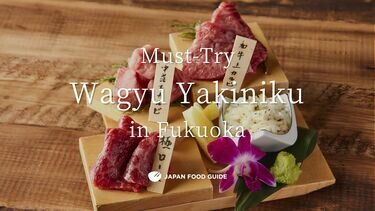
What is Yakiniku?
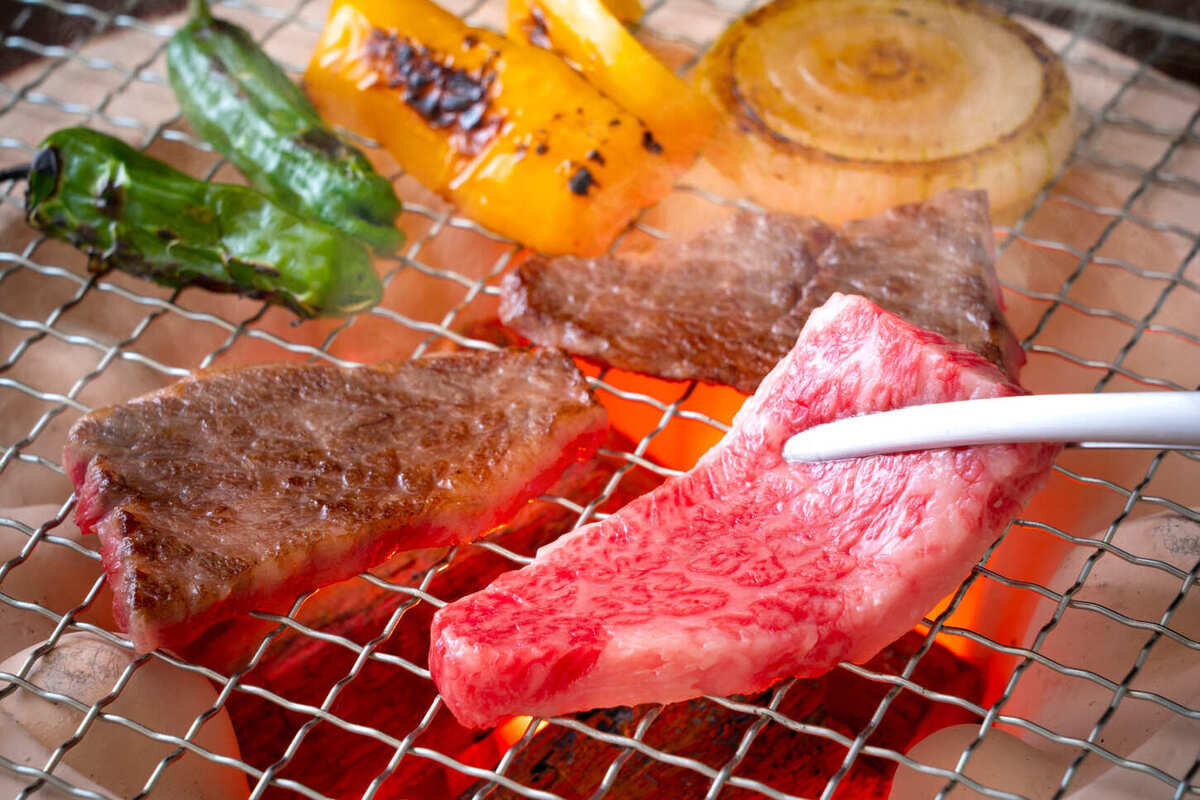
Yakiniku is a dish in which beef, pork, chicken, or other meat and internal organs are grilled or stir-fried over an open flame.
In Japanese, the term "yaki" is used to describe the cooking of food over a fire, and "niku" refers to meat from animals.
Therefore, yakiniku means meat that has been cooked over a fire.
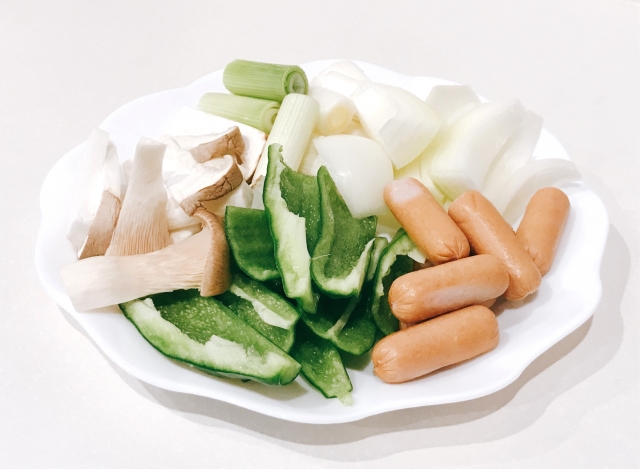
In addition to meat, you will also find seafood and grilled vegetables on the menu at Japanese yakiniku restaurants.
One distinguishing feature of Japanese yakiniku restaurants is that you cook your own meat before eating it.
Each table is equipped with a stove or a grill, allowing you to cook the meat to your desired level of doneness.
Some yakiniku restaurants provide charcoal grills instead of stoves.
Charcoal grills produce far-infrared rays, which help cook food evenly and thoroughly.
They are also said to increase umami (savory) flavor in food.
The term yakiniku originally referred to Western-style barbecue, but later became popular as a dish of Korean origin (Korean barbecue) in the early Showa period (1926–1989).
The current style of Japanese yakiniku restaurants is derived from Korean restaurants opened around 1945 in Osaka and Tokyo by Koreans living in Japan.
Varieties of Yakiniku
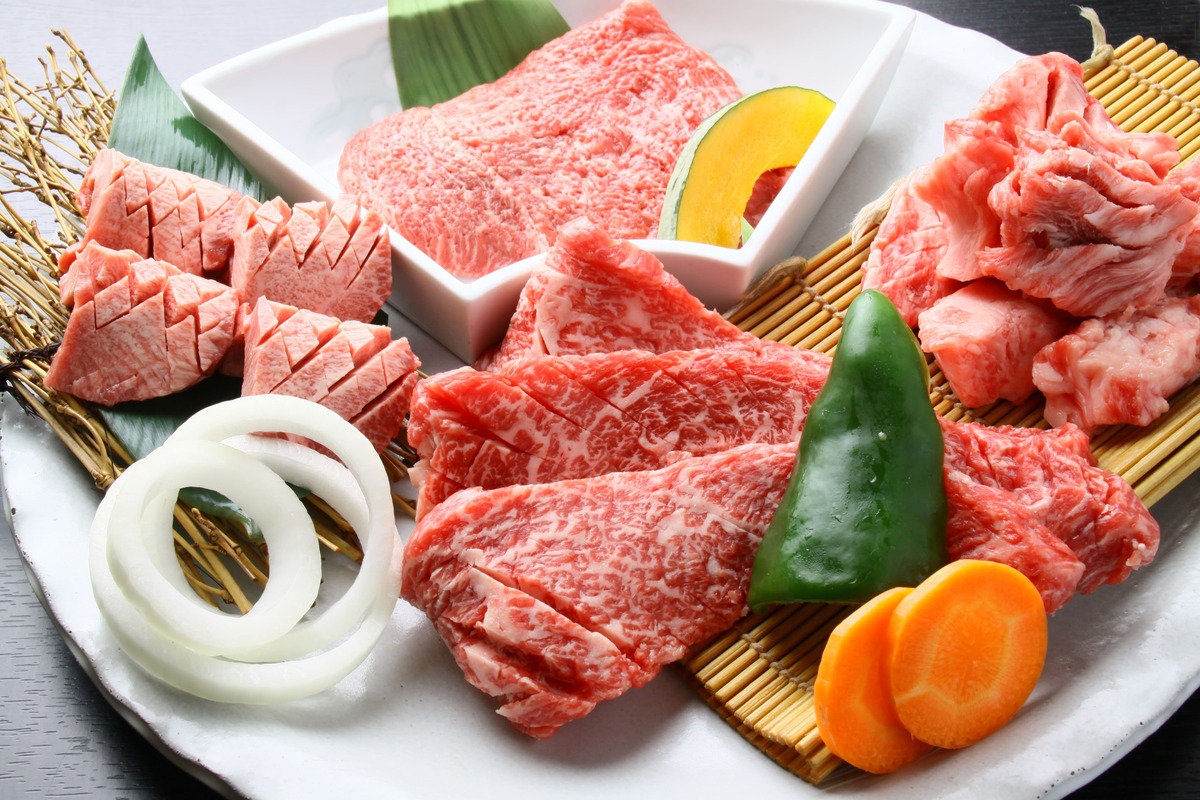
In Japan, beef is divided into smaller more specific cuts.
The following explains the main beef cuts commonly served in Japanese yakiniku restaurants.
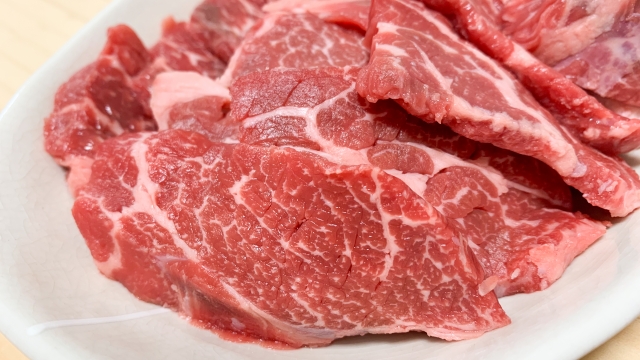
Karubi (boneless short ribs)
The rib portion of beef.
The meat is marinated in a special sauce and grilled, providing a sweet and savory flavor when chewed.
The richly flavored fat and juicy meat characterize this part.
The rib-side portion of the shoulder loin is called zabuton or premium karubi, and the part between the ribs is nakaochi-karubi.
Loin
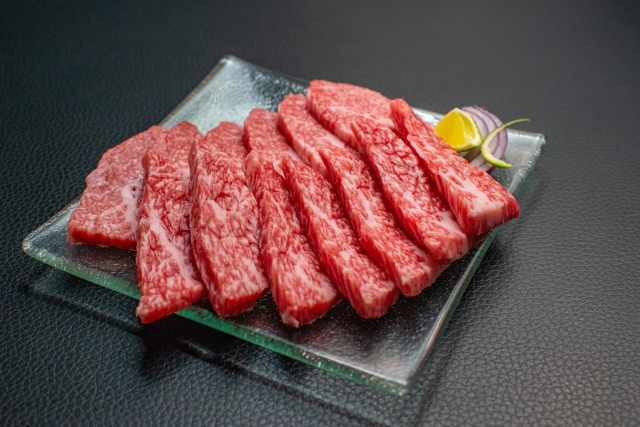
Cut from the back side of the beef, above the ribs.
This extremely tender meat melts in your mouth, as the fibers of the meat unravel easily when you chew it.
The shoulder part of the loin is called rib roast, and the back loin is sirloin.
Tongue
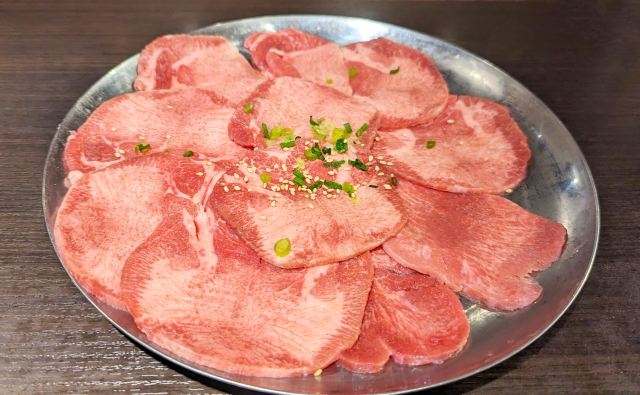
The tongue of beef or pork.
It has a chewier texture than other meat parts, and thicker slices provide a firm and satisfying bite.
Fresh tongue has less smell and is often simply seasoned with salt and pepper.
Horumon (offal)
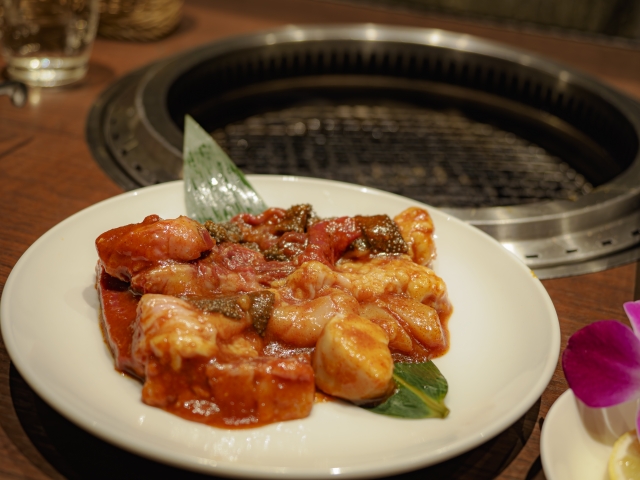
This is beef or pork organ meat.
The meat includes organs such as the intestines, stomach, liver, and heart.
The texture can be chewy, but it varies depending on the part of the organs.
The taste is rich and has a flavor unique to offal.
Fresh horumon, however, has less smell while retaining the meat's natural flavors.
Pork, chicken, and vegetables
In addition to beef, pork and chicken are also grilled and enjoyed as yakiniku.
Vegetables such as lettuce, bell peppers, onions, and shiitake mushrooms are often grilled to bring out the ingredients' sweet and savory flavors.
Learn the Basics of Yakiniku: Origins, Culture, and Styles
The Origins and History of Yakiniku: Korea vs. Japan
When people hear "yakiniku," many immediately think of Korea. In fact, the roots of yakiniku can be traced back to Korean dishes like bulgogi and samgyeopsal. After World War II, Korean residents in Japan opened restaurants featuring grilled meat, which gradually evolved into a uniquely Japanese style of yakiniku.
Compared to the Korean style, Japanese yakiniku is more focused on beef, and it's common to grill the meat at your own table and dip it into various sauces. The culture also emphasizes the different flavors and textures of each meat cut. High-quality yakiniku using wagyu is one of the biggest attractions.
Unique Features of Japanese Yakiniku: Sauce and Cuts
One of the distinctive characteristics of Japanese yakiniku is the detailed categorization of meat cuts on the menu. For example:
- Kalbi (カルビ): Juicy, fatty short ribs. A customer favorite.
- Harami (ハラミ): Skirt steak, tender with rich red meat flavor.
- Tan (タン): Thinly sliced beef tongue, typically served with lemon.
Flavoring generally comes in two main styles: sauce (sweet, medium-spicy, garlic, etc.) or salt (often with lemon or wasabi soy sauce). Switching between these depending on the cut enhances the overall experience.
Grilling Styles: Do It Yourself or Let the Staff Handle It?
At most yakiniku restaurants, there's a grill in the center of the table, allowing you to cook the meat yourself. This gives you full control over how well it's cooked and adds to the fun when dining with friends or family.
Recently, however, more upscale restaurants offer staff-cooked service, and there are even solo yakiniku restaurants catering to individual diners. For first-time visitors to Japan, having the option to let the professionals handle the grilling is a reassuring alternative.
Side Dishes and Drinks That Go Perfectly with Yakiniku
Delicious Side Dishes to Complement the Meal
Yakiniku is about more than just meat. The variety of side dishes available is also worth exploring:
- Kimchi: Spicy fermented cabbage, a perfect match for rich, fatty meats.
- Namul: Seasoned vegetable appetizers like bean sprouts or spinach. Great for a palate refresher.
- Cold Noodles: A popular refreshing dish to finish off your yakiniku meal.
- Bibimbap: A Korean-style rice bowl with vegetables, meat, and egg. Excellent paired with yakiniku.
Recommended Drinks to Pair with Yakiniku
These drinks go especially well with yakiniku:
- Beer: The classic pairing—Japanese lager beers are particularly popular.
- Sake: Matches beautifully with wagyu, enhancing its umami.
- Oolong Tea: A non-alcoholic choice that helps cut through the richness of grilled meat.
- Lemon Sour or Plum Wine: These tangy alcoholic drinks complement yakiniku perfectly.
Yakiniku is not just about eating—it's an immersive cultural experience in Japan. Be sure to enjoy it to the fullest by pairing your meal with tasty side dishes and the perfect drink.
How to make Yakiniku
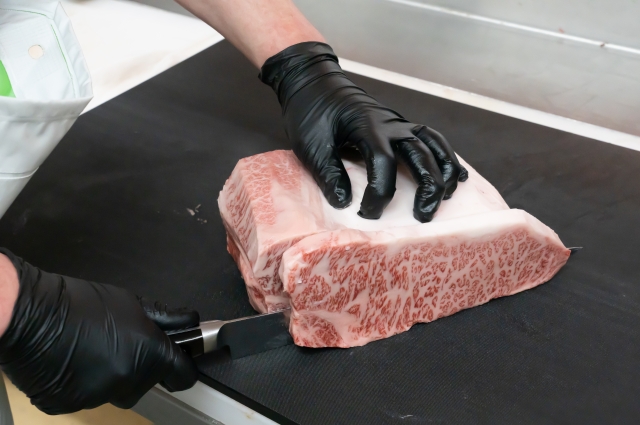
Yakiniku meat is cut and served in appropriate sizes and thicknesses based on the part.
The freshness of the meat, selection of meat parts, and aging method are all carefully controlled to maximize the natural flavors of the meat.
Homemade sauces and seasonings play a crucial role in defining the unique personality of a yakiniku restaurant, and each restaurant is dedicated to creating a distinct flavor through its own recipes.
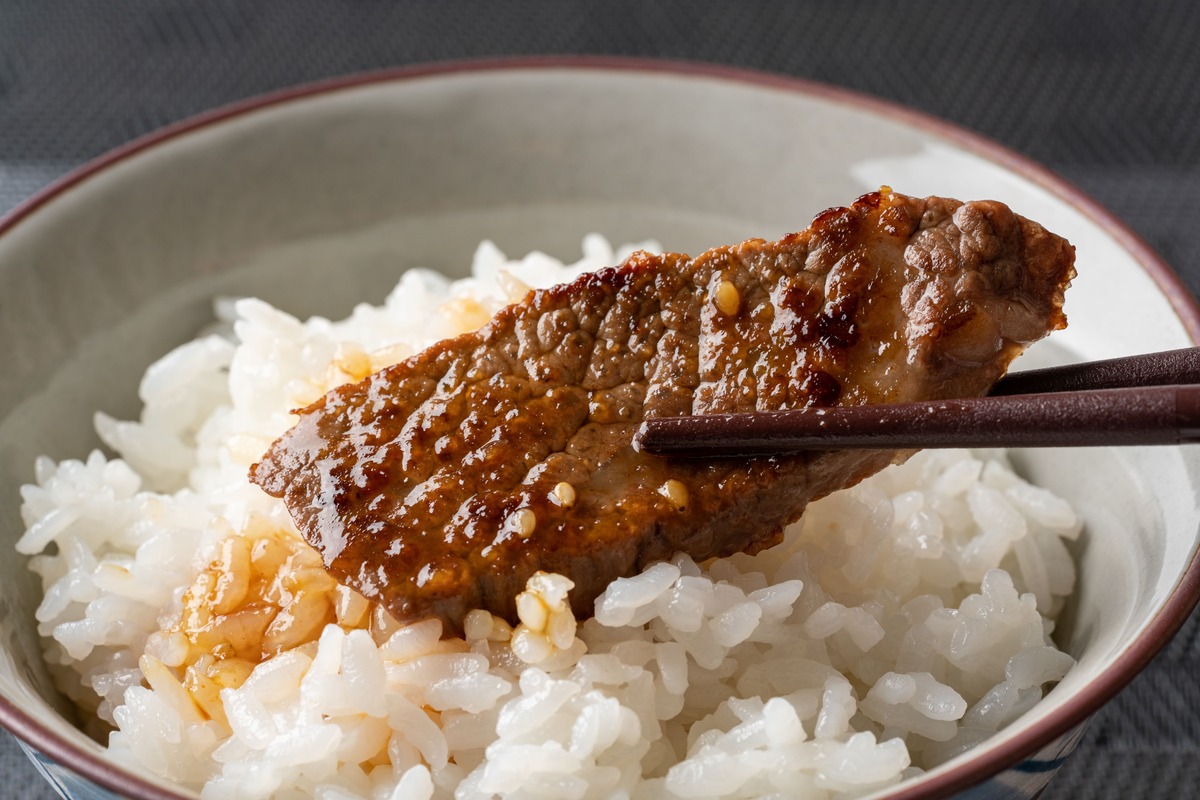
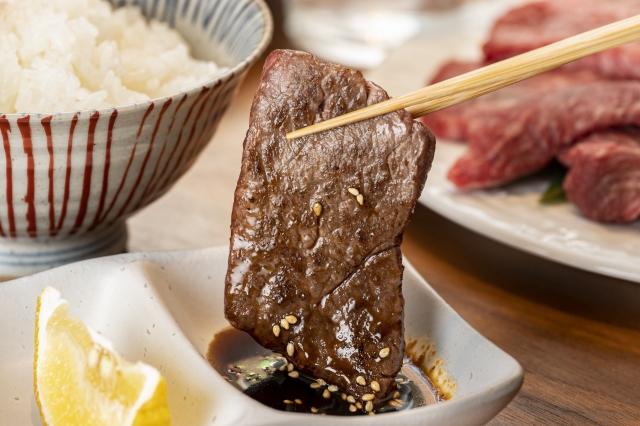
Typically, yakiniku sauce is soy sauce-based containing ingredients such as sake, mirin (sweet rice wine), sugar, garlic, fruit juice, and sesame seeds creating a salty-sweet flavor that enhances the taste of yakiniku.
At most yakiniku restaurants, the provided meat is cooked yourself at your table.
However, at more high-end restaurants, the staff may grill the meat for you.
You can maximize the flavor of the meat by adjusting the heat and grilling time for each cut.
How to enjoy Yakiniku
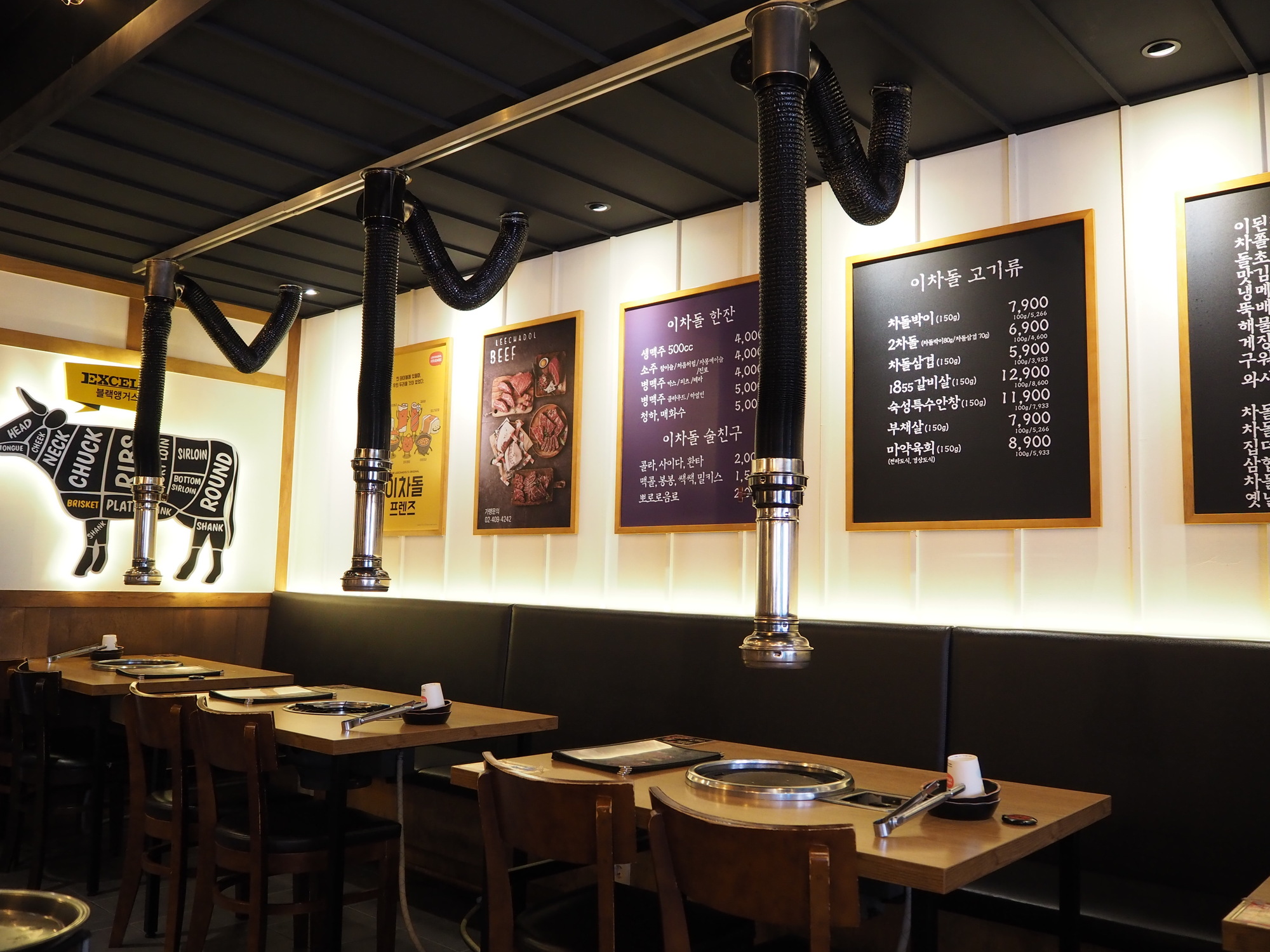
Yakiniku restaurants are perfect for enjoying with your family, friends, or even alone.
Large seating areas and private rooms are suitable for families and friends, while small counter seating areas are designed for a single person.
In recent years, one-person yakiniku (called hitori yakiniku) is growing in popularity, partly because restaurants can now offer smaller quantities of meat.
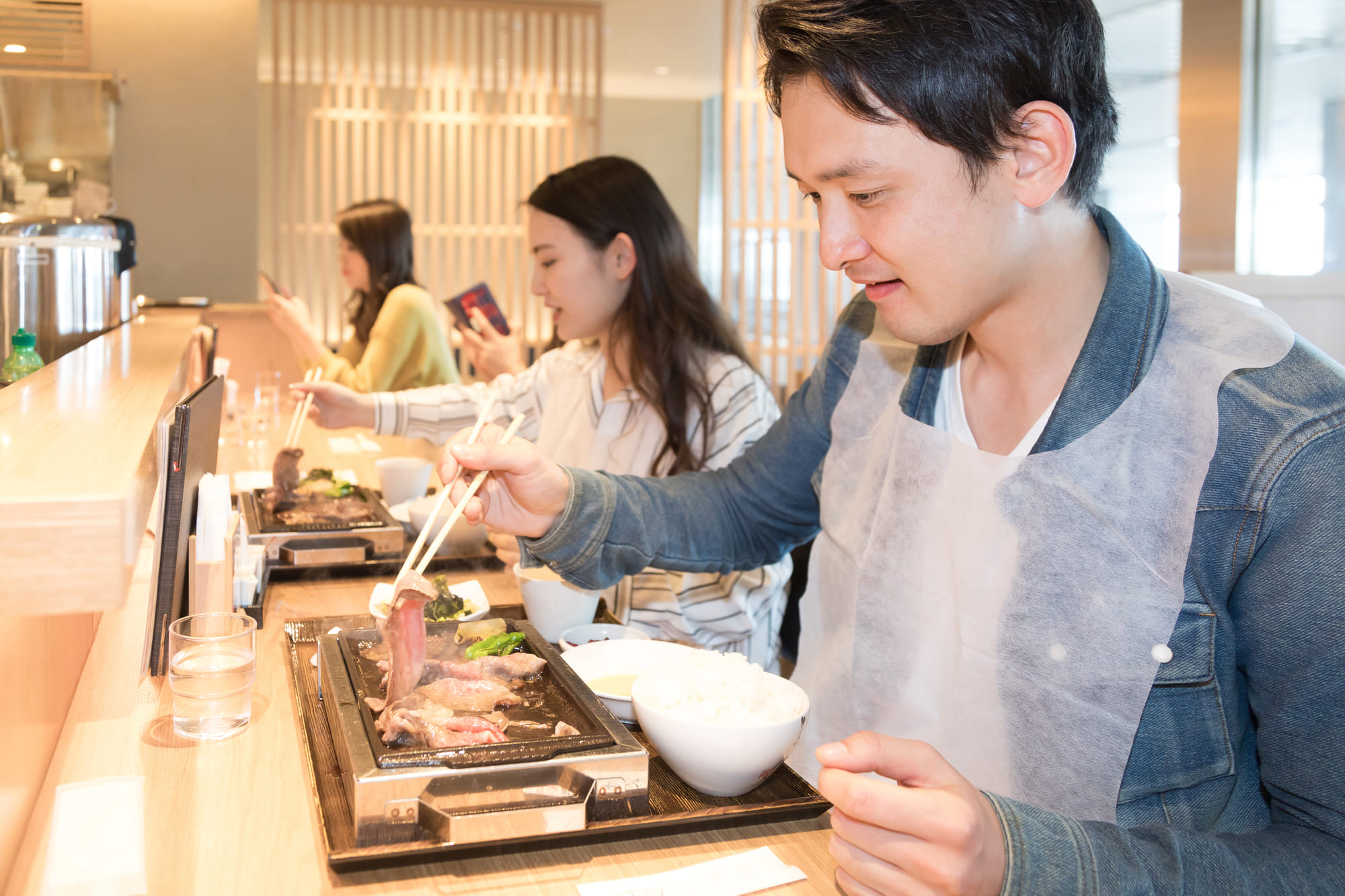
How to grill yakiniku
Grilling equipment, or roasters, can vary from one restaurant to another and are broadly classified into gas and charcoal grills.
A gas grill is fueled by gas, which allows the temperature to be easily adjusted.
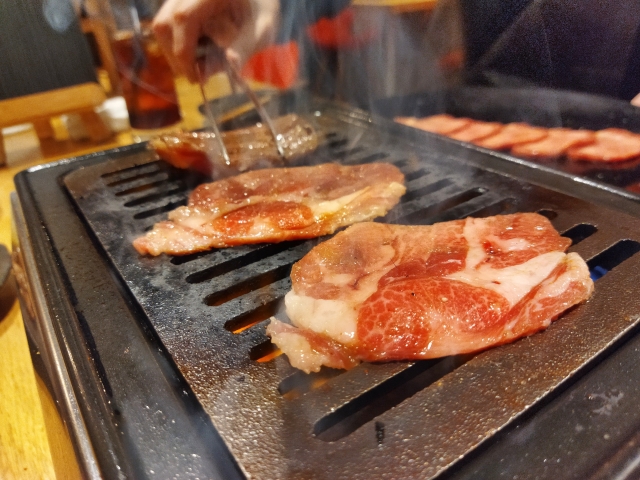
A charcoal grill uses charcoal as fuel, which gives the meat a unique savory flavor.
There is also a traditional Japanese charcoal grill called a shichirin.
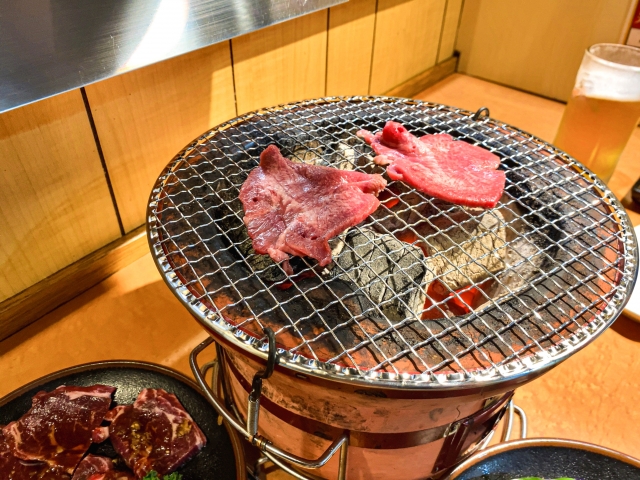
Although there are recommended grilling methods for different cuts and types of yakiniku, the most important thing is to grill the meat the way you like it and enjoy it with your favorite sauce and seasonings.
Loin (sirloin)
Slowly grill over medium heat to bring out the flavor of the meat and preserve its tenderness.
Be careful not to overcook it; cook until the meat is slightly crispy on the outside and juicy on the inside.
Karubi (boneless short ribs)
Because of its high fat content, it is recommended to grill over high heat for a shorter period.
The fat melts out causing the meat to become more fragrant.
Take care not to let the flames rise, as the dripping fat tends to stoke them.
Harami (diaphragm)
A meat cut with a strong muscular flavor.
Grill over medium heat until crispy on the outside and tender on the inside for the best result.
Seasoning is generally simple with salt and pepper to enjoy the natural flavor of the meat.
Tongue
The key is to cook a thinly sliced tongue quickly at a high temperature.
Avoid overcooking, as it makes the meat tough.
Turn over when the surface is slightly browned, and grill until both sides are lightly browned.
Squeeze lemon juice, sprinkle with salt, and enjoy the delicate flavor of beef tongue.
You may be served with a special sauce for tongue.
Horumon (offal)
Because of its high fat content, grill slowly over medium heat to cook through the inside while retaining the juiciness.
Cook until crispy, but avoid overcooking as the fat tends to render off.
Chicken (thigh, breast, etc.)
Grill evenly over medium heat, as it tends to dry out easily when overcooked.
Start grilling from the skin-side first, allowing it to crisp up before cooking thoroughly inside.
Vegetables
Vegetables usually require less grilling time than meat.
Grill eggplant and peppers over medium heat, while onions should be grilled slowly over low heat to bring out their sweetness.
For mushrooms, quickly grill over medium heat to create a savory flavor while retaining moisture.
People’s reaction when eating
Search Restaurants by Characteristics