What is unagi?
Unagi(Eel) is a type of fish with a long, slender body, characterized by its dark back and white belly. It is a freshwater species belonging to the eel family. In Japan, unagi has long been valued as a highly nutritious stamina-boosting food. It is most commonly prepared as kabayaki, in which the eel is filleted, grilled, and coated in a sweet-savory sauce. This method brings out a fluffy texture and rich flavor that is uniquely satisfying.
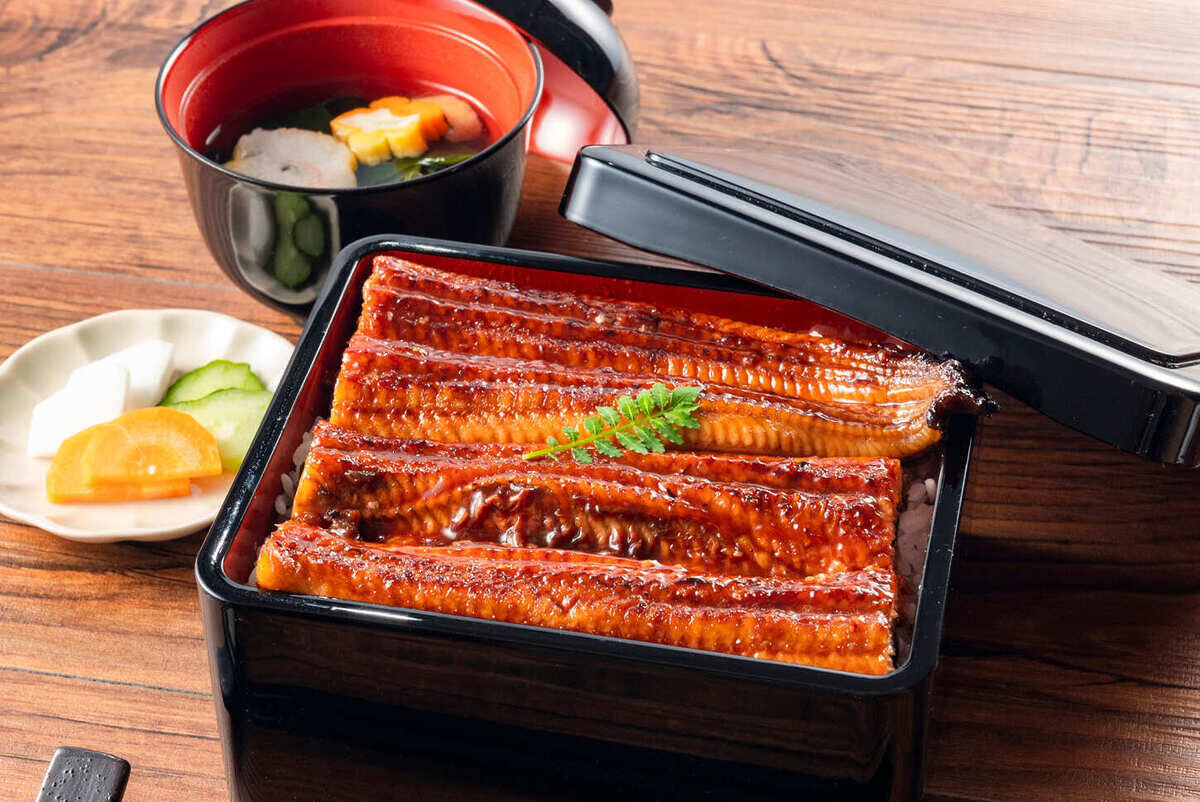
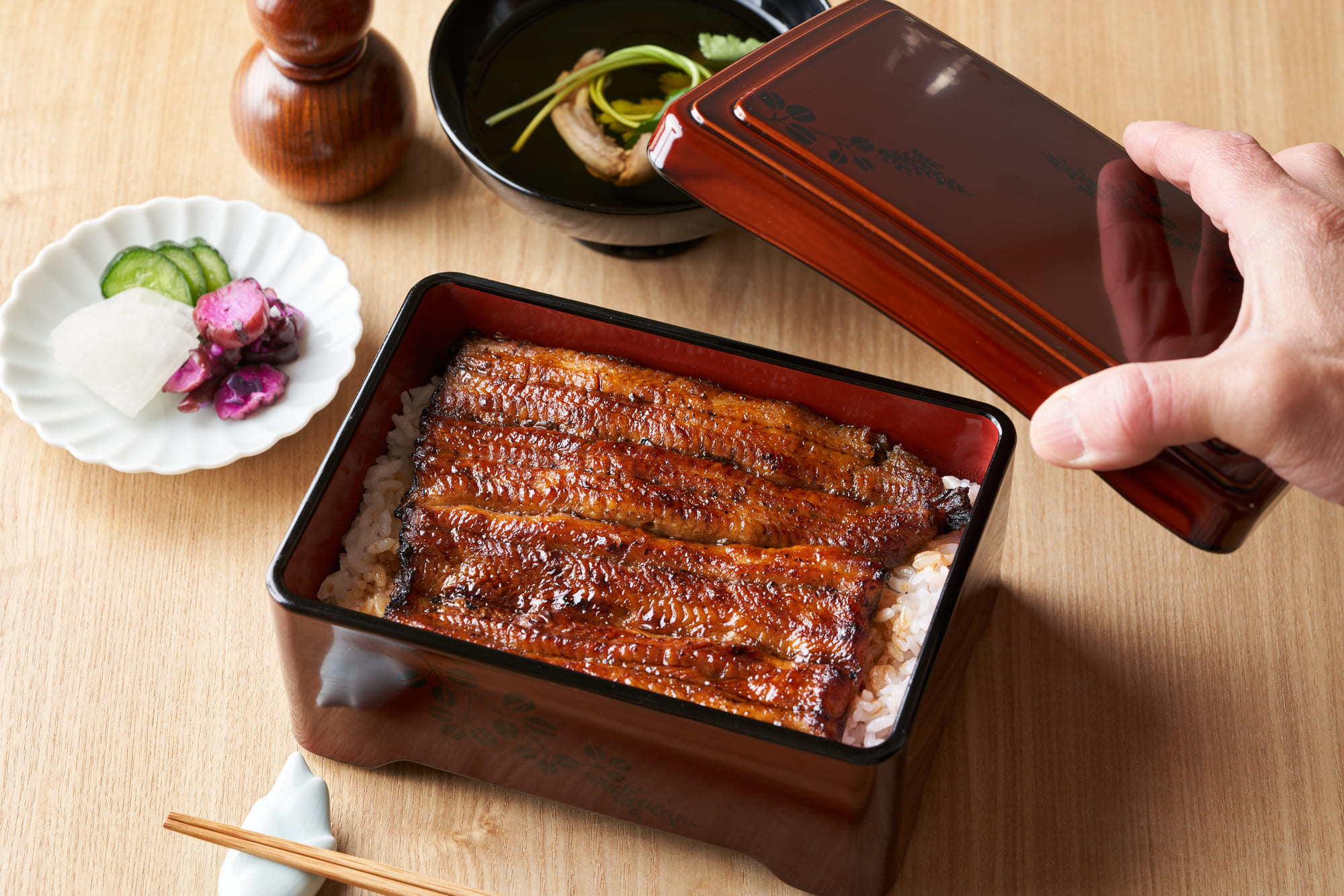
The most popular unagi dishes are unaju and unadon—both feature kabayaki placed over a bed of white rice. Unaju is served in a lacquered box, making for a visually refined and premium presentation.
The history of unagi cuisine dates back to the Edo period (1603–1868), when it became a popular energy-boosting meal during the hot summer months. This tradition continues today, especially on “Doyo no Ushi no Hi” (the Midsummer Day of the Ox), when eating unagi is believed to help combat fatigue.
Nowadays, in addition to the traditional kabayaki style, various other preparations have emerged. These include shirayaki, which uses only salt to bring out the natural flavor of unagi, and hitsumabushi, a Nagoya specialty enjoyed in multiple ways, such as with broth and condiments.
Varieties of unagi
You will find various dishes using unagi in Japan. Some of these are explained below.
Unaju (rice topped with unagi)
A dish of kabayaki (broiled unagi seasoned with salty-sweet sauce and grilled) served on a bed of rice. It is often considered a luxurious meal, typically served in a jubako (layered) bento box. The unagi is seasoned with salty-sweet sauce and grilled thoroughly to make it crispy on the outside and fluffy on the inside.
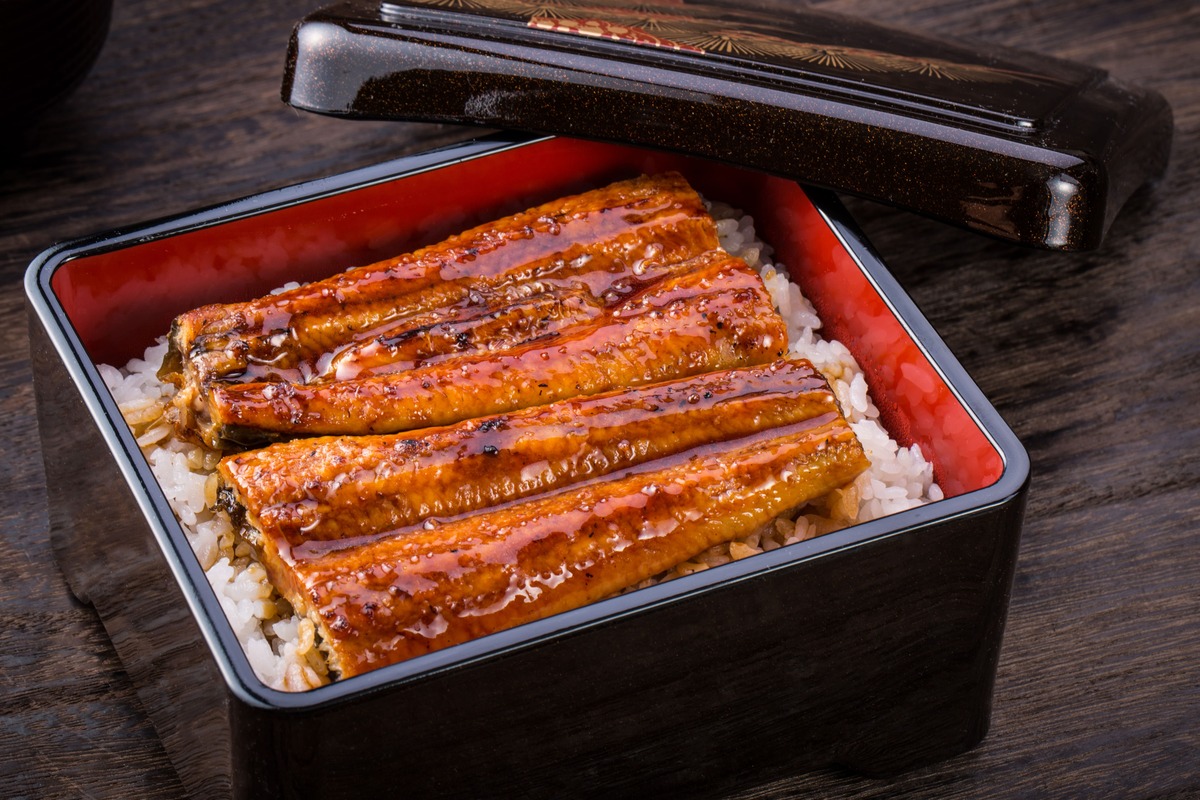
Unadon (rice bowl topped with unagi)
Unadon is similar to unaju, but is typically served in a more casual manner. The dish also consists of kabayaki topped on rice.
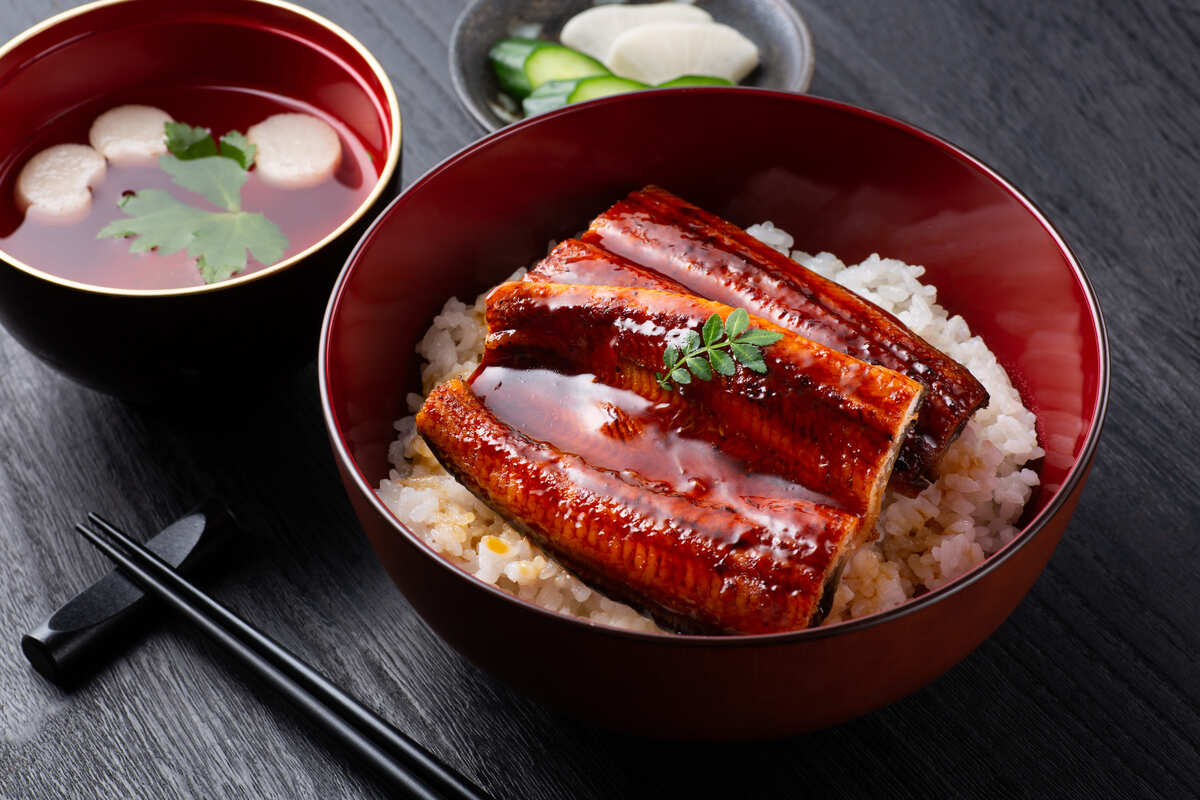
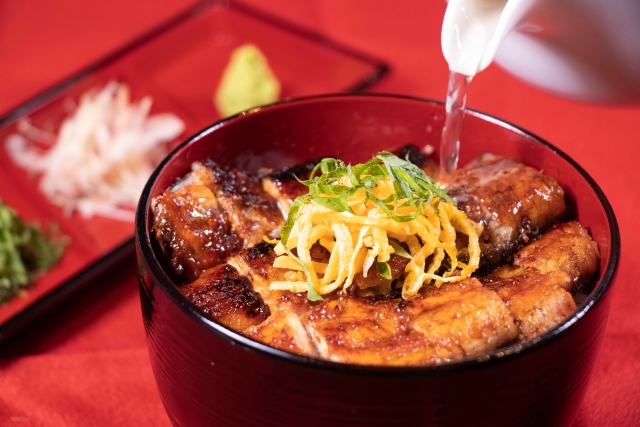
Hitsumabushi (rice topped with chopped kabayaki)
Charcoal-grilled kabayaki is cut into long, thin slices and served on a bed of rice in a mountain shape. One bowl of hitsumabushi can be enjoyed in multiple ways and eaten in three steps. It can firstly be enjoyed as is, secondly with condiments such as green onions and wasabi, and thirdly with dashi broth. This dish is popular mainly in Nagoya, Japan.
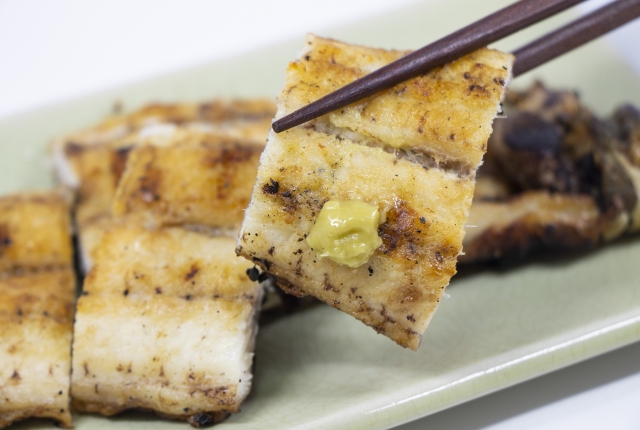
Shirayaki (grilled unagi seasoned with salt)
The unagi is grilled and seasoned only with salt, not a sauce. You can enjoy the true taste of unagi with a simple yet rich flavor.
Unagi-kinshidon (rice bowl topped with unagi and fried egg)
A rice bowl topped with kabayaki and a fried omelet.
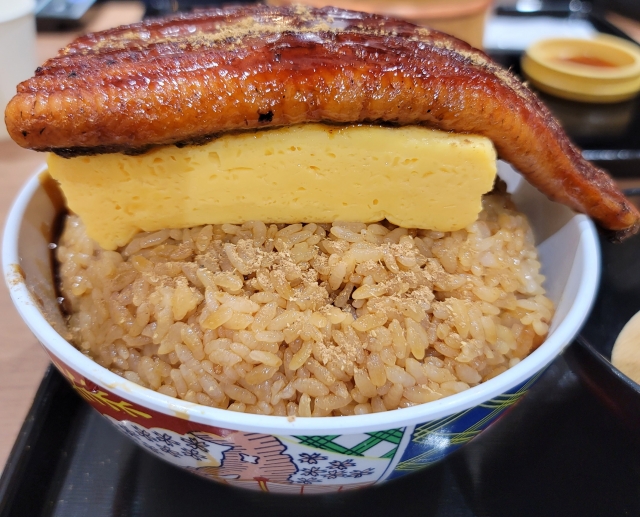
Differences Between High-End Unagi Restaurants and Casual Chain Shops
When enjoying unagi in Japan, the experience can vary significantly depending on where you go. Broadly speaking, you can choose between a high-end unagi restaurant or a casual dining option, such as a gyudon (beef bowl) chain restaurant offering seasonal unagi dishes. Each style has its own characteristics and merits.
1. High-End Unagi Restaurants: A Premium Culinary Experience
Price Range
Typically between ¥5,000 and ¥10,000 or more. Premium unaju or full-course meals can exceed ¥10,000.
Preparation Method
Each eel is carefully hand-prepared by skilled chefs.
In Kanto-style, the eel is steamed before grilling to remove excess fat and enhance tenderness.
In Kansai-style, it is grilled directly, resulting in a more robust flavor.
The sauce is often a “secret recipe” aged and enriched over decades.
Taste and Texture
The meat is soft and fluffy, while the skin is crisp and aromatic.
There is no muddy taste, and the richness is delicately balanced.
Presentation Style
Served in elegant lacquerware or jubako boxes.
Often comes with soup, pickles, and small side dishes for a full, leisurely meal.
Atmosphere
Quiet, traditional Japanese interiors, sometimes with private or tatami rooms.
Many offer attentive service with English menus and multilingual staff.
2. Casual Unagi at Gyudon Chains: Affordable and Accessible
Price Range
Typically ¥1,000–¥2,000. Usually offered as a limited-time seasonal menu item.
Preparation Method
Pre-cooked, vacuum-sealed or frozen unagi is reheated in-store.
Processes like steaming or charcoal grilling are usually omitted.
Taste and Texture
Flavor leans sweeter with a stronger sauce presence.
Soft and somewhat fragrant, but consistency may vary between servings.
Presentation Style
A basic unadon-style bowl, served on a tray within a few minutes of ordering.
Quick and efficient—ideal for busy travelers.
Atmosphere
Available at chain locations nationwide—easy to access anywhere.
Casual and lively environment; ideal for solo dining or a quick bite.
If you're looking for a memorable and authentic unagi experience, high-end restaurants are highly recommended.
But if you're traveling on a budget or just want to try unagi casually, gyudon chains offer a convenient and satisfying option.
How to make unaju
The following explains how to make unaju, Japan’s most classic unagi dish.
First, cut the unagi into pieces. Cut off the head and tail, and open the body from the dorsal-side to the belly. Thoroughly remove the entrails and clean out the blood.
This process requires expert skill.
Skewer the cut unagi (this process is called kushiuchi).
Sometimes the skin is grilled to make it shrink as a pre-treatment. This removes excess fat and tightens the meat.
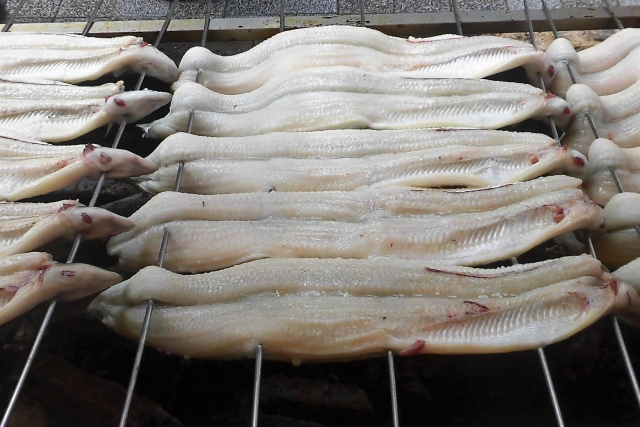
Steam the unagi. Steaming unagi tenderizes the meat and removes excess fat.
The steaming time depends on the size of the unagi, but it generally takes about 20 to 30 minutes.
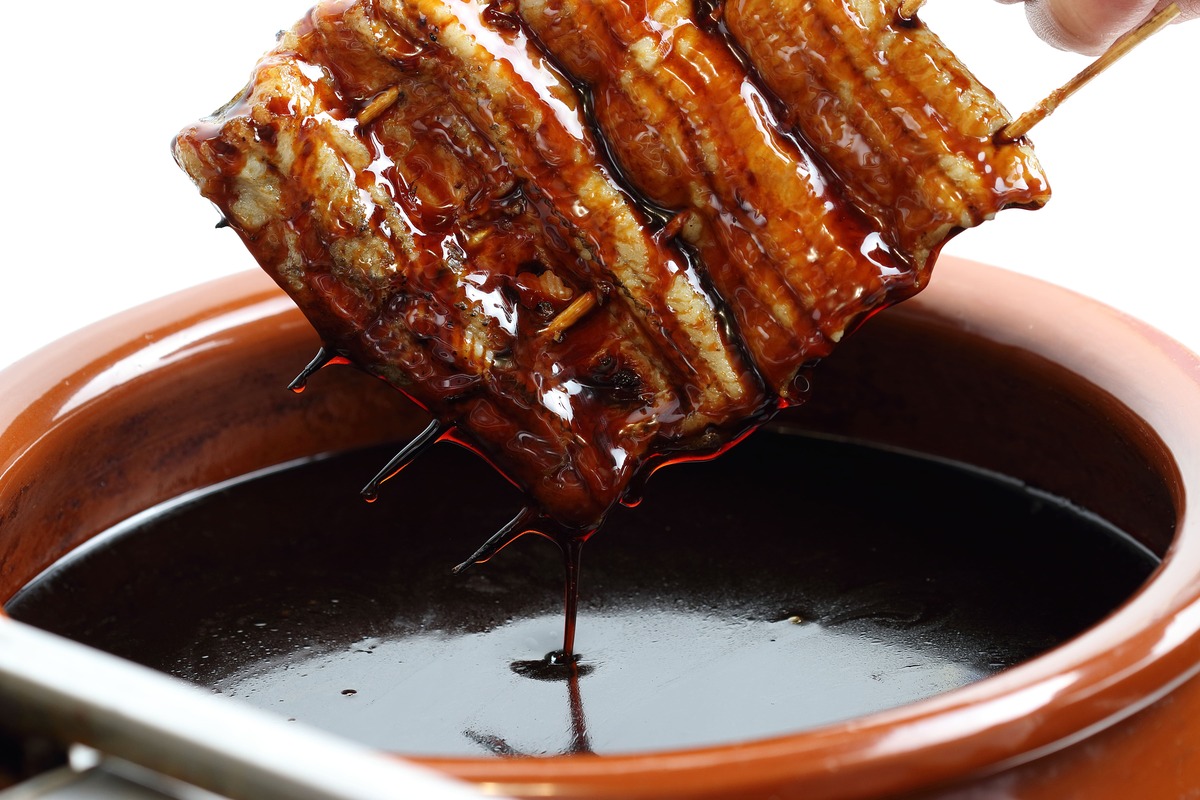
Prepare the sauce for dipping the unagi. Unagi restaurants have their own unique, secret recipe for sauce. It is made by boiling down soy sauce, mirin (sweet rice wine), sugar, and sake. At restaurants, the same sauce is used for years (by making and adding to it) to deepen its unique flavor.
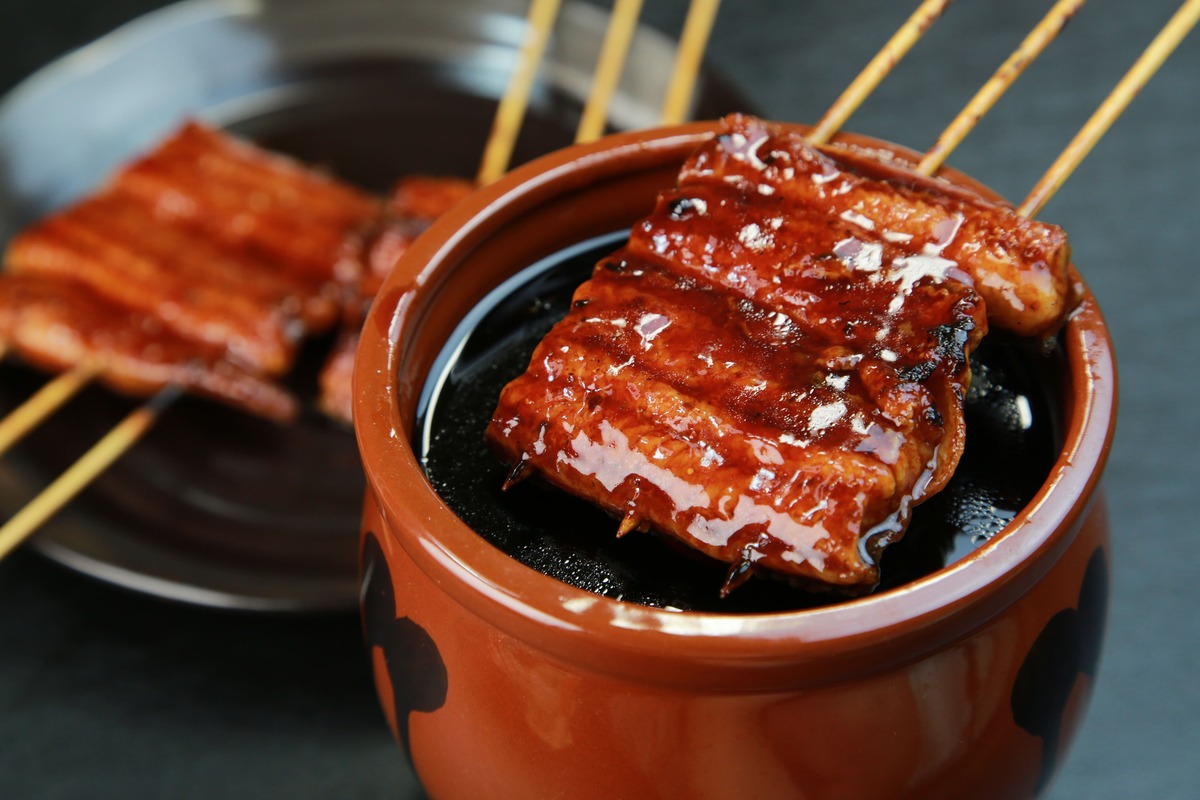
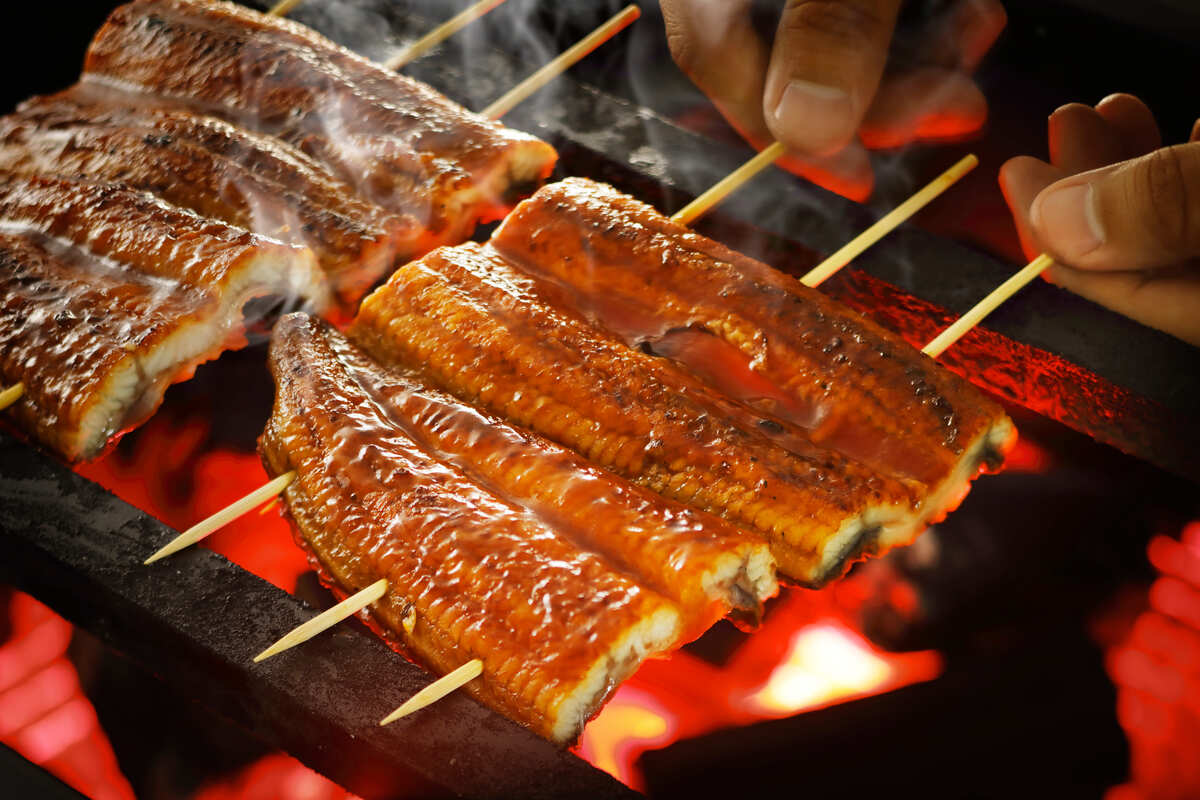
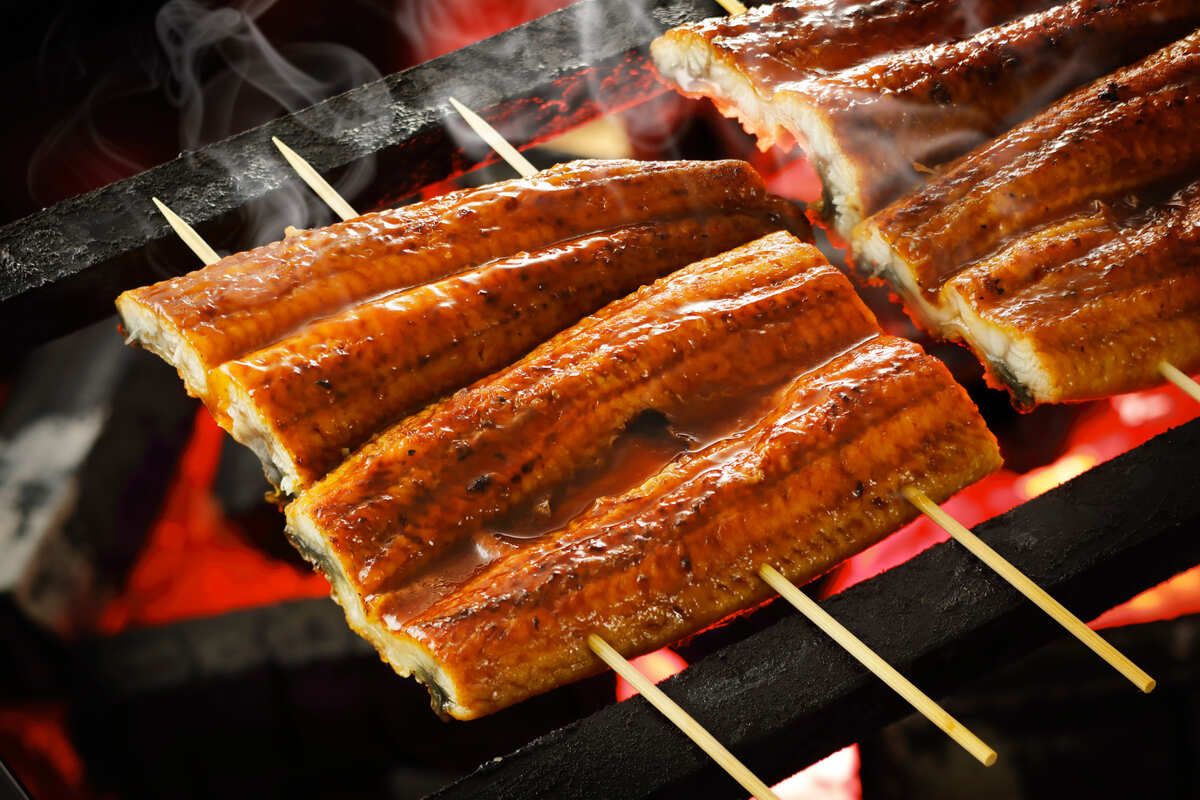
Grill the unagi. Grill the unagi over a gas or charcoal, spreading multiple coats of sauce. This makes the outside crispy and the inside soft. Apply the sauce repeatedly while grilling the unagi to create a glossy and deep flavor.
Serve rice in a jubako bento box and carefully place the grilled unagi on top of the rice. It is important to make it look beautiful.
Finally, pour the slightly warmed sauce over the whole dish and garnish with condiments.
How to eat unaju
Remove lid from jubako bento box
When served with a jubako box of unaju, start by removing the lid.
Eat unagi
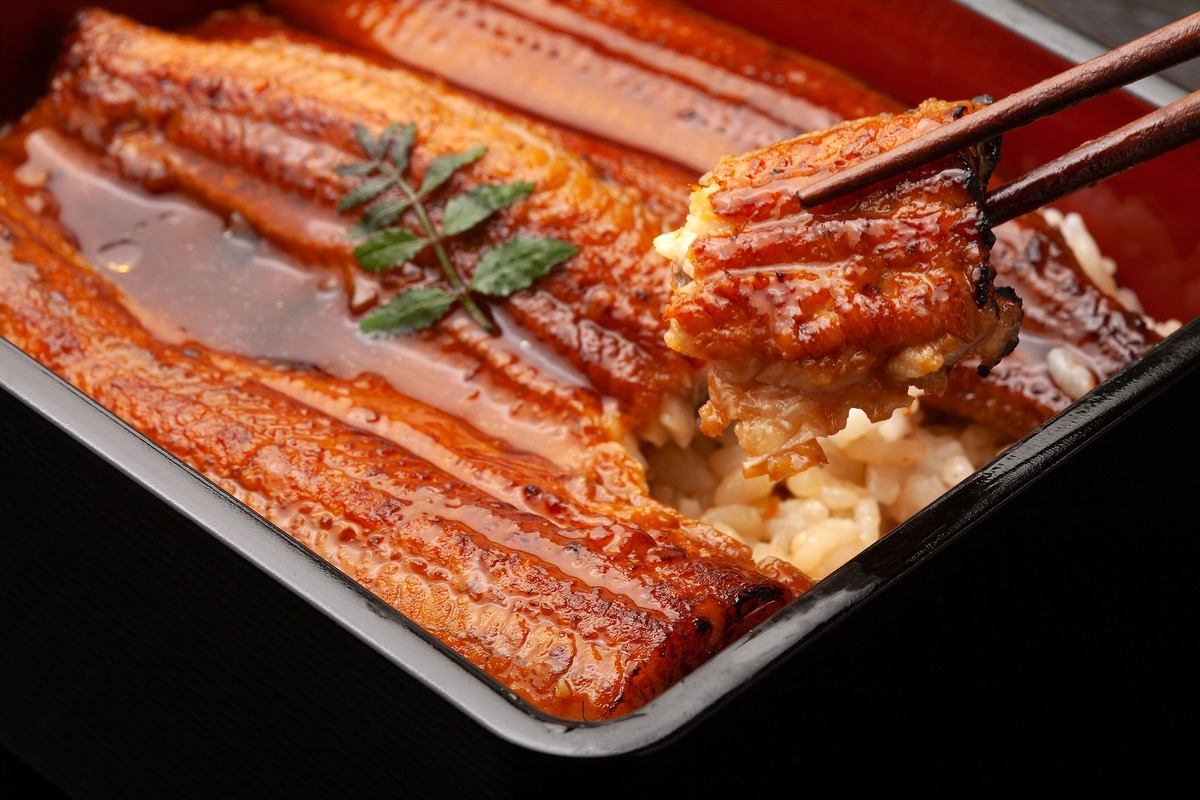
Take a small portion of the unagi and taste its crispiness and delicious sauce.
Eat with rice
Eat the unagi and rice together. This gives you a different flavor, as the rice is also soaked with the sauce.
Add condiments and sauce
Unaju often comes with condiments (e.g., chopped green onion, sansho spice, etc.). Sprinkle a modest amount of these on top to enhance the flavor and add variety to the taste. If you prefer a stronger flavor, add additional sauce to the unagi or rice.
People’s reaction when eating
Search Restaurants by Destination

Search Restaurants by Popular Cuisines