One of the most eagerly anticipated gourmet experiences for travelers visiting Japan is undoubtedly sukiyaki. Imagine thinly sliced, melt-in-your-mouth beef gently simmered in a luscious sweet and savory sauce, then dipped into a silky, softly beaten raw egg—this uniquely Japanese way of savoring flavors captures the heart of Japan’s rich culinary tradition. Along with sushi and tempura, sukiyaki ranks as one of the most beloved Japanese dishes that visitors dream of trying at least once.
More than just a dish, sukiyaki is a cultural treasure deeply woven into the fabric of Japanese dining, with fascinating history and regional nuances. From the Kanto style of Tokyo to the Kansai style prevalent in Osaka and Kyoto, each approach offers a distinct tasting journey, enriching your travel experience across Japan.
In this article, we’ll dive deeply into sukiyaki’s charm—exploring its roots, classic ingredients, regional cooking styles, and must-visit restaurants perfect for tourists eager to indulge in this iconic Japanese meal.
1. What is Sukiyaki?
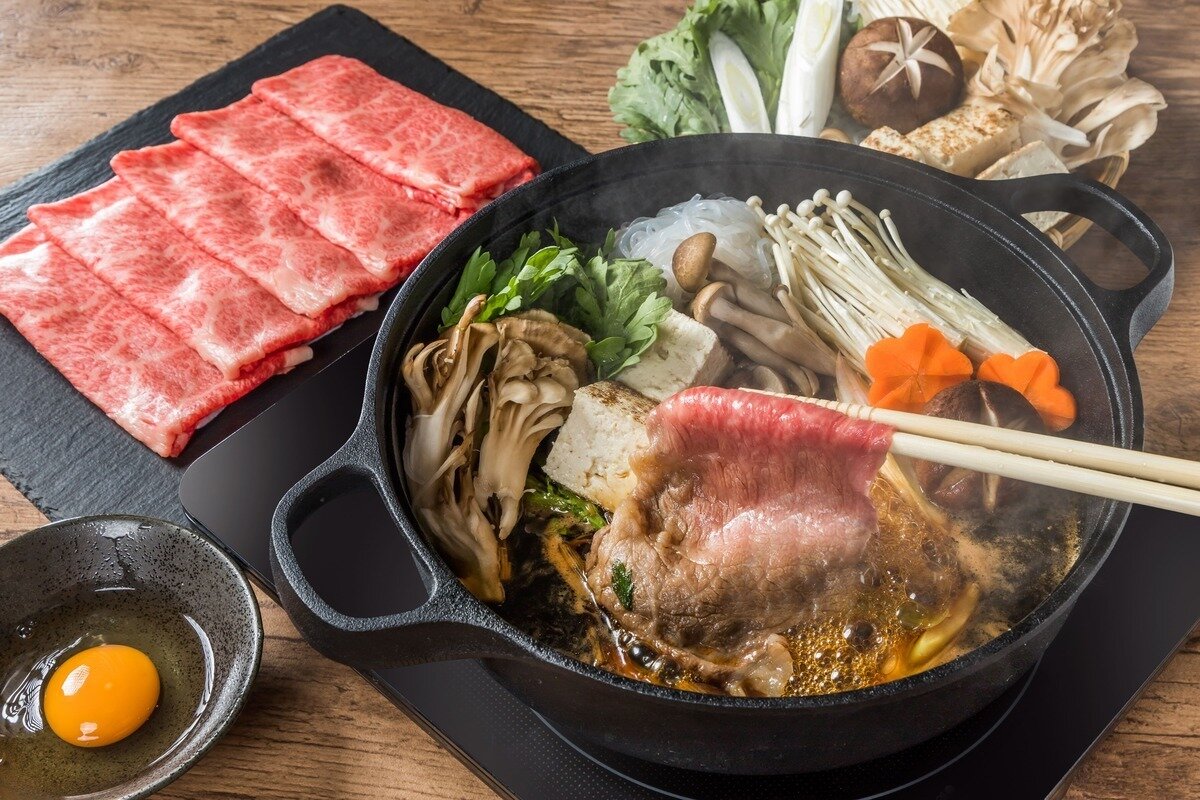
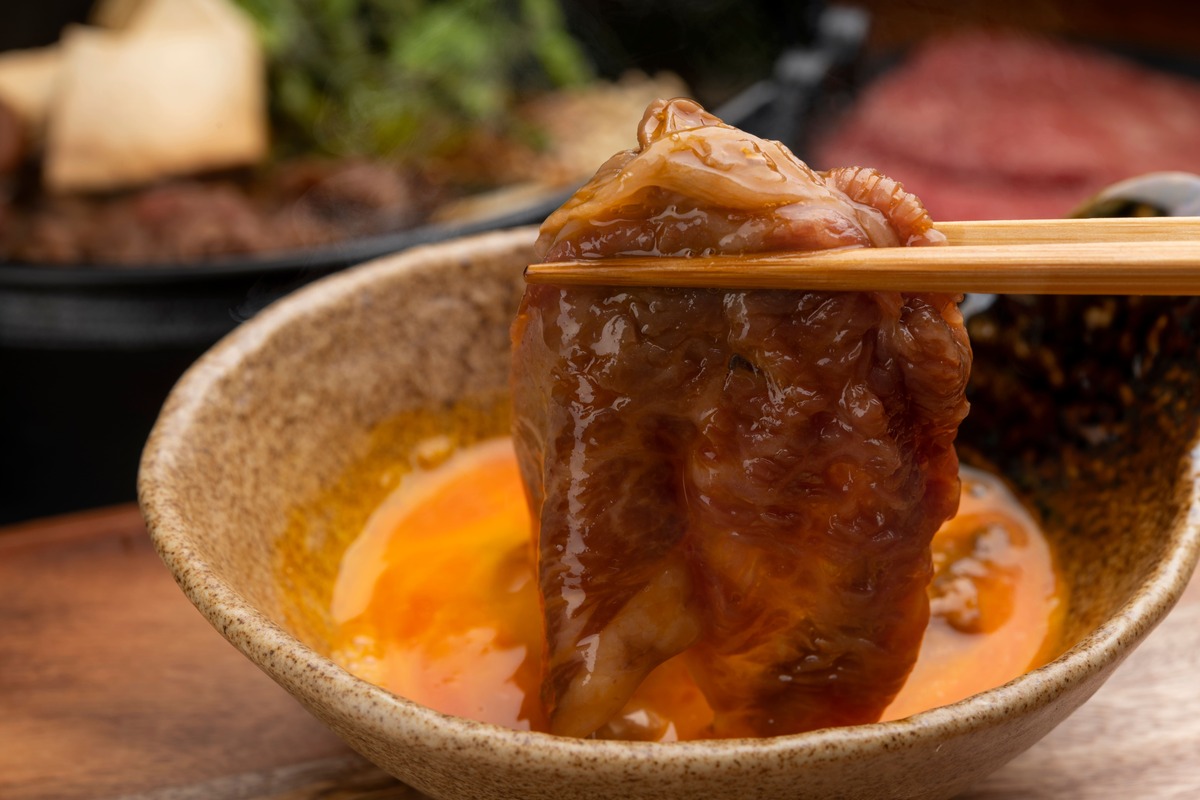
Sukiyaki is a traditional Japanese hot pot where tender slices of beef and fresh vegetables are gently simmered in an iron pot, then dipped into raw egg for a velvety finish. The heart of the flavor lies in "warishita," a harmonious blend of soy sauce, sugar, mirin, and sake, delivering a rich, sweet-savory delight. This dish shines in homes across Japan and graces the tables of specialty eateries and upscale ryotei, which often feature premium A5 wagyu beef.
Origin of the Name
The term "sukiyaki" intriguingly traces to the agricultural tool "suki" (plow). Historically, farmers used iron plows as cooking plates, grilling vegetables and fish directly on them during breaks—which likely inspired the name we cherish today.
Connection with Beef Culture
While meat consumption faced restrictions due to Buddhist influences for centuries, the Meiji Restoration marked a cultural shift as Western influences introduced beef into Japanese diets. Sukiyaki emerged as a beloved way to enjoy this new delicacy, becoming emblematic of Japan’s evolving culinary landscape.
2. History of Sukiyaki
Prototype in the Edo Period
Sukiyaki’s origins reach back to the Edo period, when grilled fish and vegetables cooked on iron plates seasoned with miso or soy sauce laid the groundwork for today’s recipe.
Popularization in the Meiji Period
The Meiji era brought "gyunabe-ya" (beef hot pot shops) thriving in bustling districts like Asakusa, Tokyo, making sukiyaki accessible to the common people and cementing its place in Japanese food culture.
International Recognition
In the 1960s, Kyū Sakamoto’s internationally acclaimed song "Ue o Muite Arukō," known as "Sukiyaki" in the West, introduced global audiences to Japan’s culinary charm, making sukiyaki synonymous with Japanese cuisine worldwide.
3. Classic Ingredients of Sukiyaki
The magic of sukiyaki unfolds in the perfect balance between savory meat and fresh vegetables.
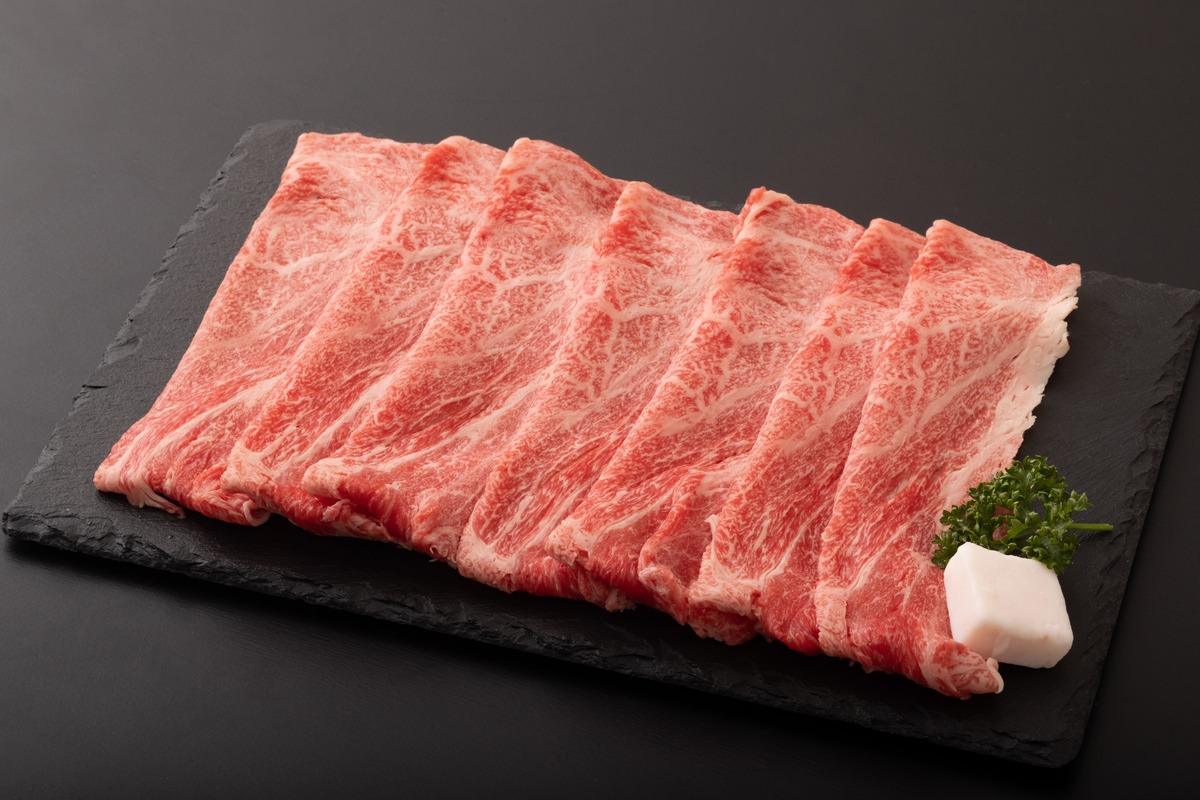
Beef
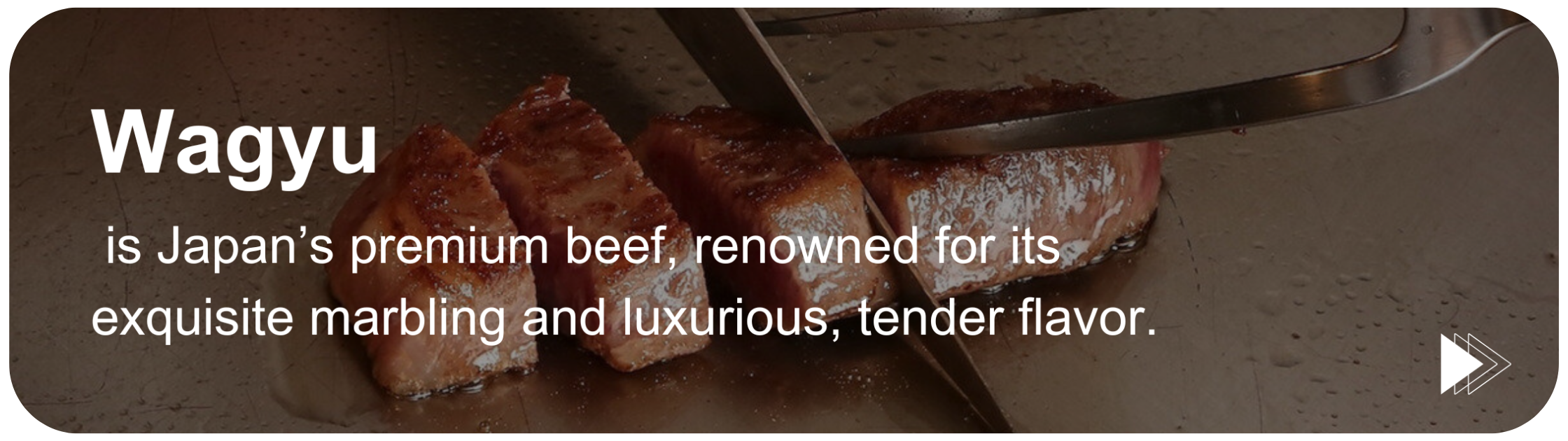
- Ideal cuts are thin slices of marbled A5-rank kuroge wagyu (black-haired Japanese beef), prized for their tenderness and rich umami.
- The beef’s flavor harmonizes exquisitely with the sweet-savory sauce, creating a heavenly taste sensation.
Vegetables
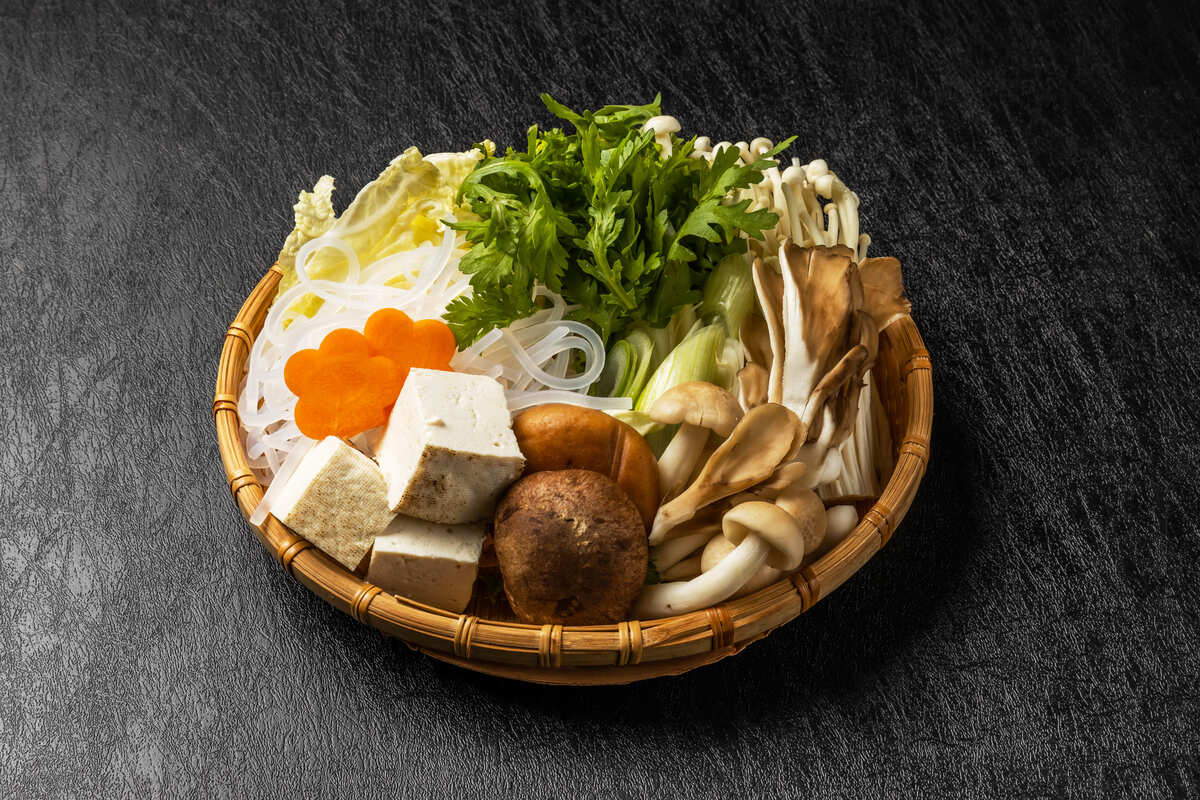
- Long green onions: Sweeten upon heating, enhancing the meat’s rich umami.
- Napa cabbage: Soaks up the broth, becoming tender and gently flavorful.
- Chrysanthemum greens (shungiku): Their subtle bitterness adds refreshing complexity, essential for authentic sukiyaki.
- Shiitake and shimeji mushrooms: Infuse the broth with deep, earthy umami notes.
Others
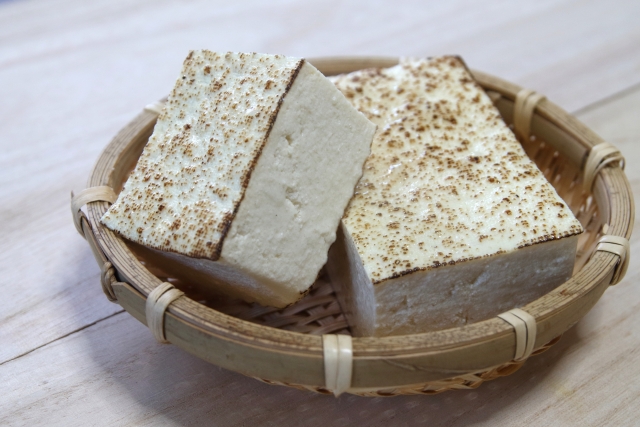
- Tofu: Absorbs the rich warishita sauce, offering a soft and comforting texture.
- Shirataki (konjac noodles): Low in calories, providing a satisfying chewy contrast.
- Fu (wheat gluten): Absorbs the broth and softens, spreading layers of flavor.
4. Regional Style Differences
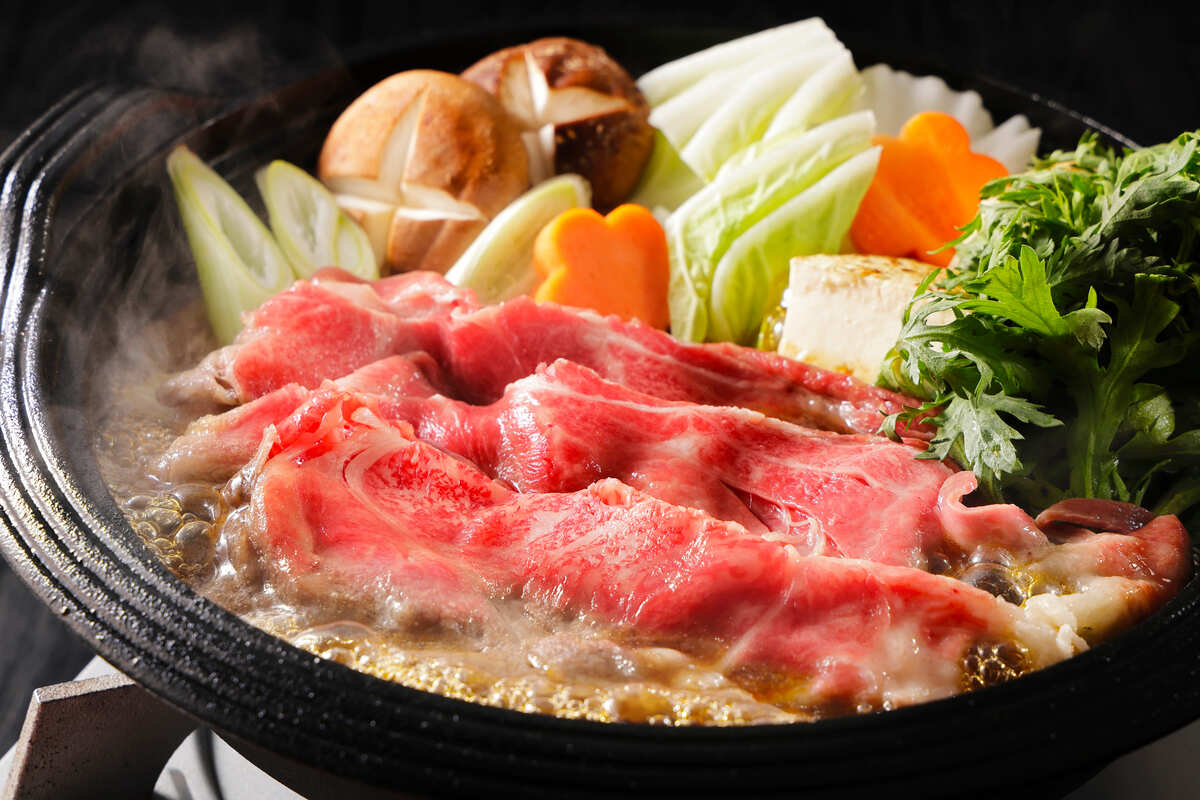
Kanto Style Sukiyaki
- Warishita sauce is poured first, with meat and vegetables simmered directly within it.
- This method infuses every ingredient evenly, producing a sweet and savory finish that pairs deliciously with steamed rice.
- Commonly enjoyed around Tokyo and surrounding areas.
Kansai Style Sukiyaki
- Meat is first fried in beef fat, then sweetened with sugar and soy sauce.
- Vegetables are added afterward to simmer, enriching the broth with intense meat umami.
- This style flourishes in Kyoto and Osaka, offering a distinct dining experience.
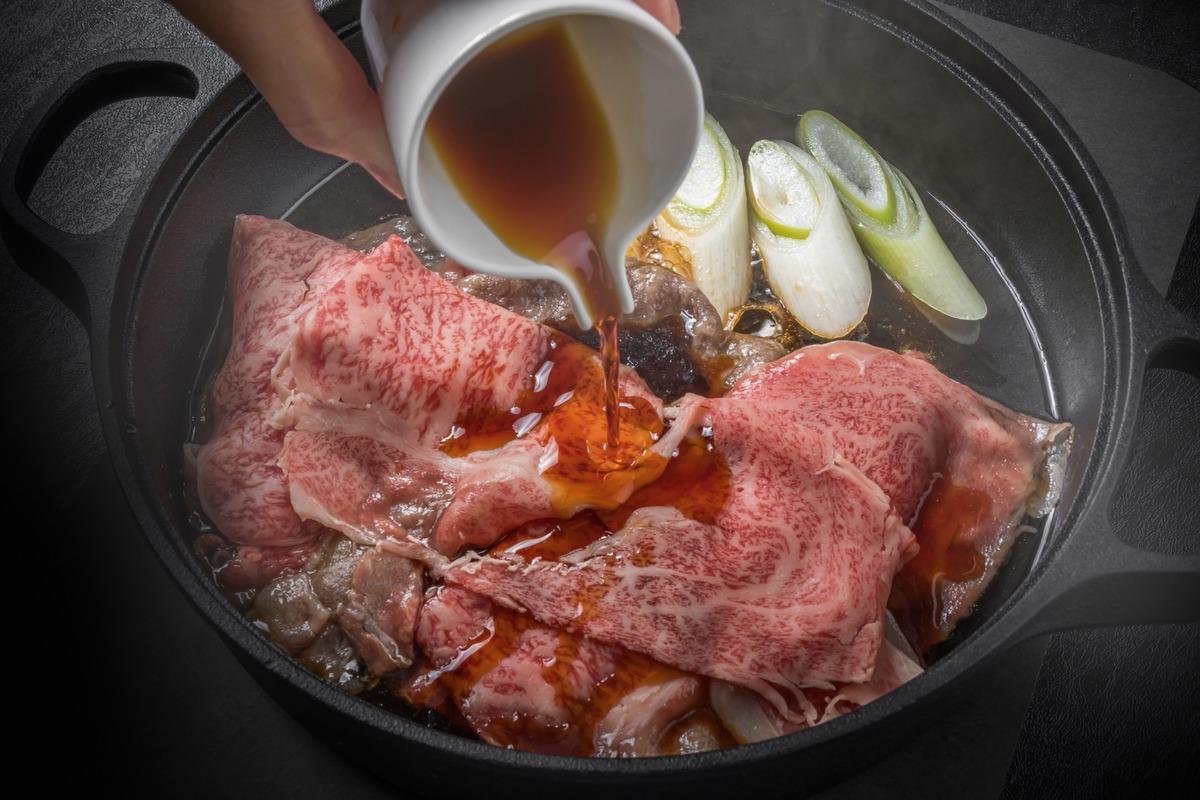
To remember easily: Kanto style glorifies the warishita sauce, while Kansai style highlights the rich flavors of the meat itself.
5. Guide to Eating Sukiyaki
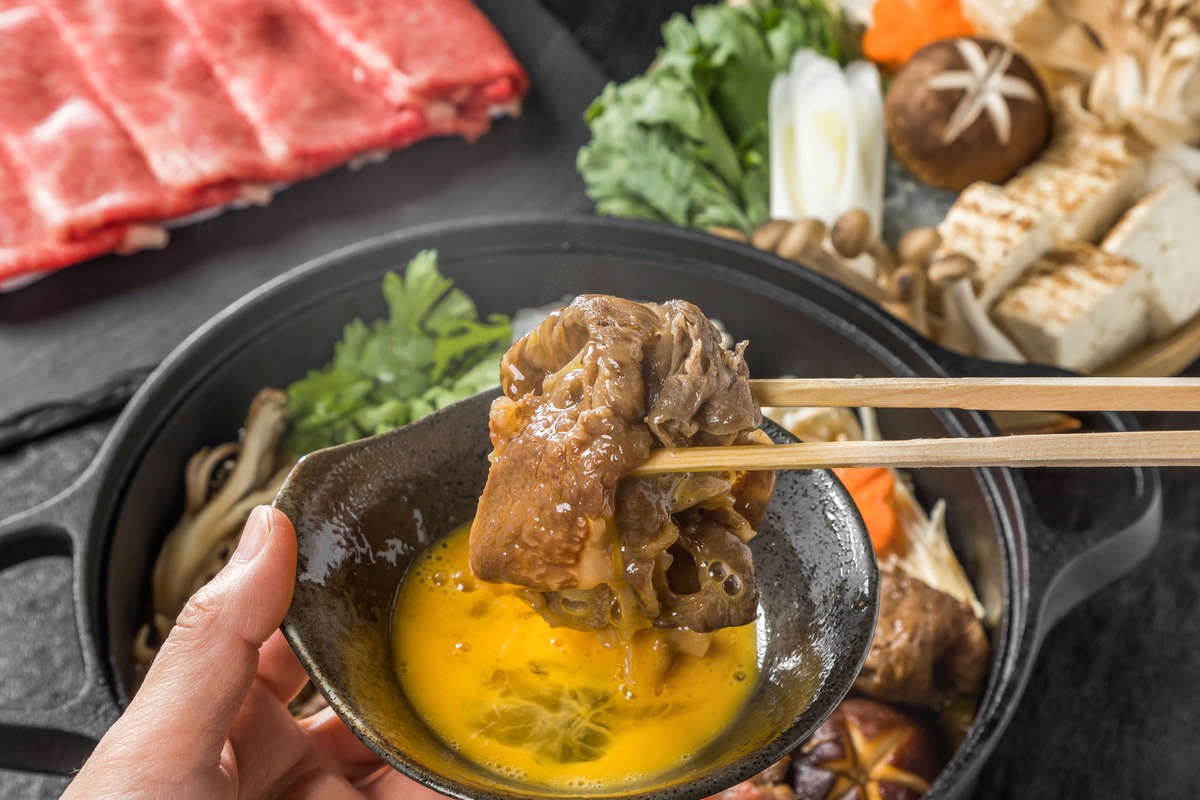
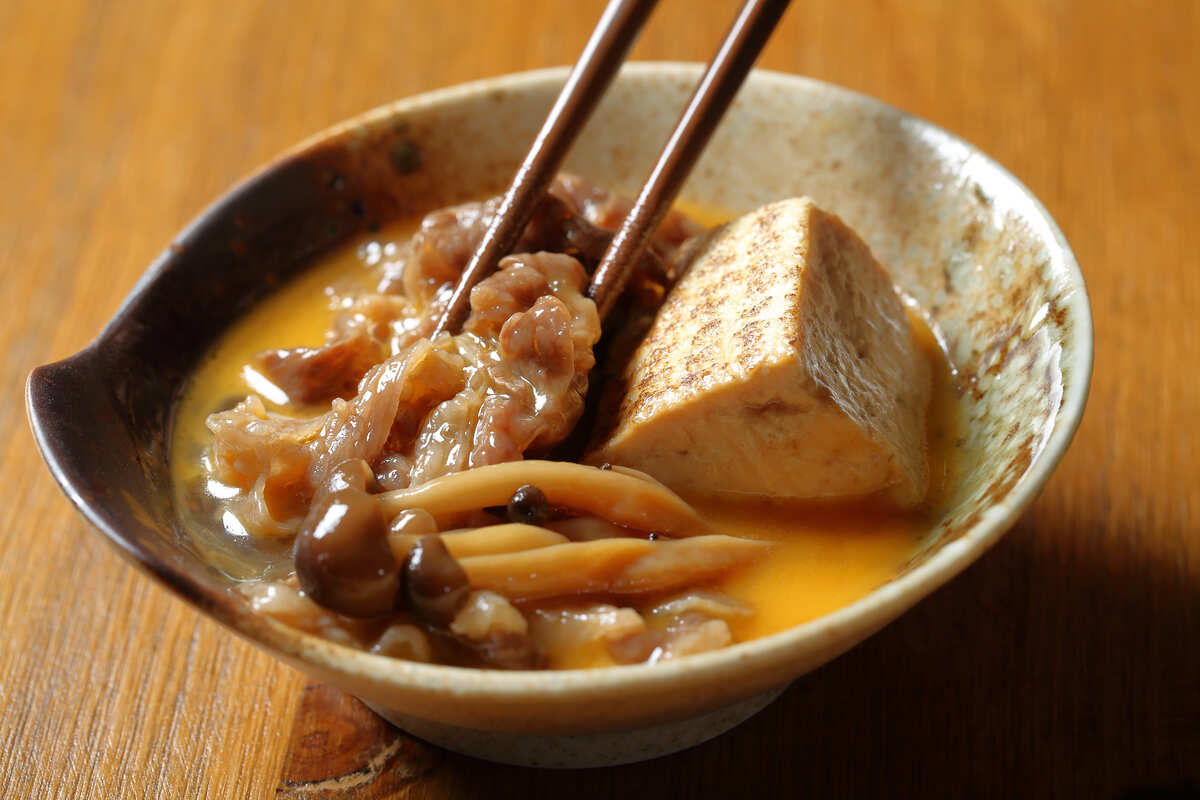
One of the most curious and delightful aspects for foreigners is the tradition of "dipping in raw egg," which enhances sukiyaki’s flavor and texture.
How to Eat
- Pick up a piece of simmered meat or vegetable from the pot.
- Dip it smoothly into the beaten raw egg prepared in your bowl.
- Experience the blissful combination—sweet and savory notes perfectly balanced with the rich creaminess of the egg, creating a truly unforgettable bite.
Enjoying the Final Dish (Shime)
- When you’ve relished most of the meat and vegetables, add udon noodles to the remaining warishita for a rich, satisfying last course.
- Some prefer adding rice to create "zosui," a comforting rice porridge that captures every lingering flavor.
- This final savoring moment embodies sukiyaki’s charm—leaving you completely satisfied.
6. Sukiyaki and Japanese Culture
Sukiyaki transcends being merely a meal; it is a powerful symbol of connection and hospitality.
- Gathering Culture: Sharing sukiyaki around a communal pot with family and friends deepens bonds and creates lasting memories.
- Seasonal Celebrations: It’s the perfect festive dish for New Year’s parties and year-end gatherings, enriching joyful occasions.
- Omotenashi: Known as Japan’s spirit of hospitality, sukiyaki often welcomes international visitors, inviting them to savor authentic warmth and culture.
7. When Do Japanese People Eat Sukiyaki?
A “Special Treat” for Special Occasions
Sukiyaki is not an everyday meal in most Japanese households—it’s typically reserved as a celebratory dish for special occasions.
For example:
- New Year’s and year-end holidays
- Birthdays or family anniversaries
- Celebrations for passing exams or getting a new job
- When extended family gathers after a long time
In moments like these, when people say, “Today feels like a special day,” sukiyaki often makes its way to the table.
A “Taste of Memories” Shared with Family
“I remember sitting around the hot pot at grandma’s house when I was a kid.”
“Dad got really excited and bought more expensive wagyu than usual.”
Sukiyaki is also a dish deeply tied to the hearts of Japanese people—it’s often remembered as a family flavor passed down through generations.
Sharing one pot at the table naturally brings people closer, creating warm moments full of conversation and connection.
Everyday Luxury as a Little Reward
These days, sliced beef for sukiyaki and ready-made sauce are easily available at supermarkets, making it more accessible for families to enjoy at home as a small luxury.
“I worked hard today—let’s have sukiyaki!”
“It’s cold out, and I want something warm and comforting.”
Sukiyaki is often chosen as a reward meal for those little victories or simply to lift the mood.
More Than a Dish—A Moment to Treasure
Sukiyaki is more than just a Japanese meal—it’s a dish that helps create precious moments.
When you understand the emotions and intentions behind how Japanese people share sukiyaki, you’ll likely feel the warmth that comes with it when you try it for yourself.
“What kind of feelings are packed into this one dish?”
With that perspective, you may begin to experience a deeper, more meaningful taste of Japan.
8. Recommended Sukiyaki Spots for Tourists
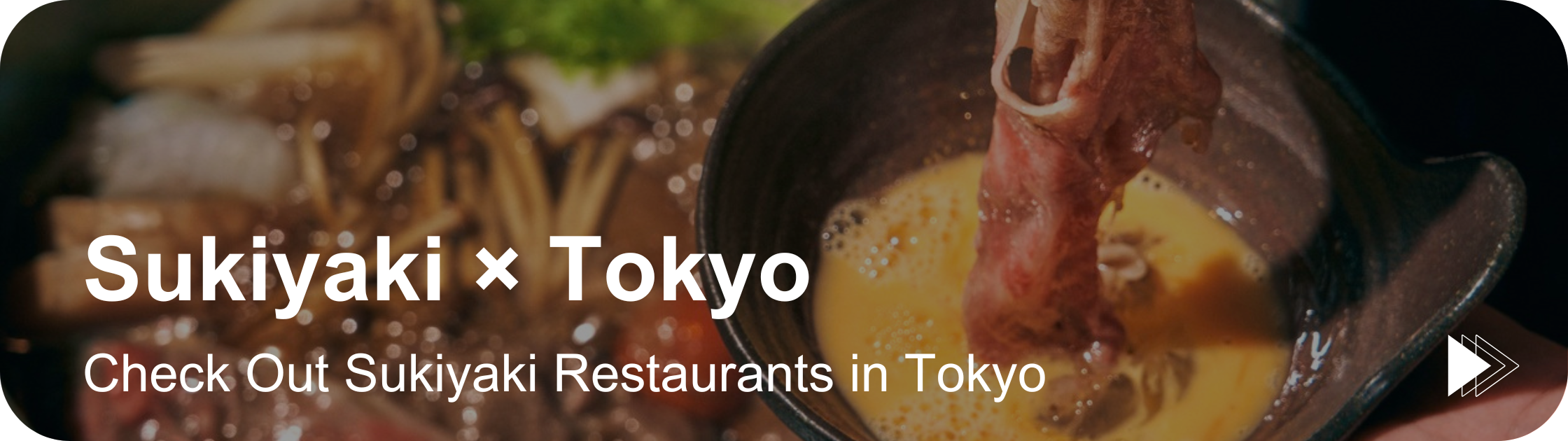
Tokyo
- Discover long-established sukiyaki restaurants nestled in Ginza and Shinjuku, offering luxurious courses featuring the finest wagyu beef.
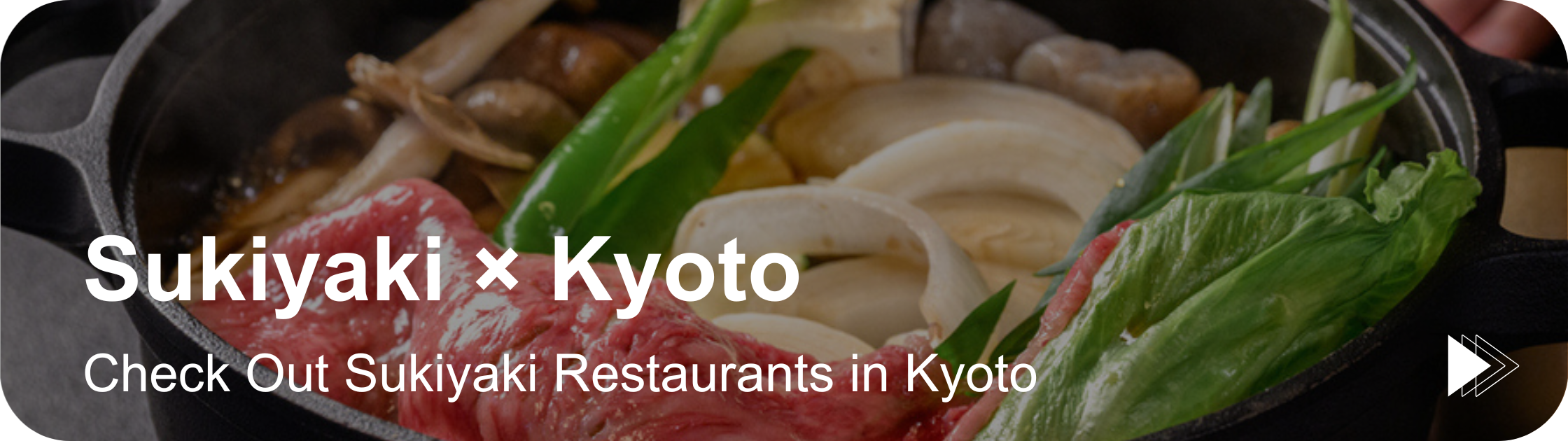
Kyoto
- Experience traditional Kansai-style sukiyaki in charming venues renovated from classic townhouses, immersing yourself in authentic atmosphere.
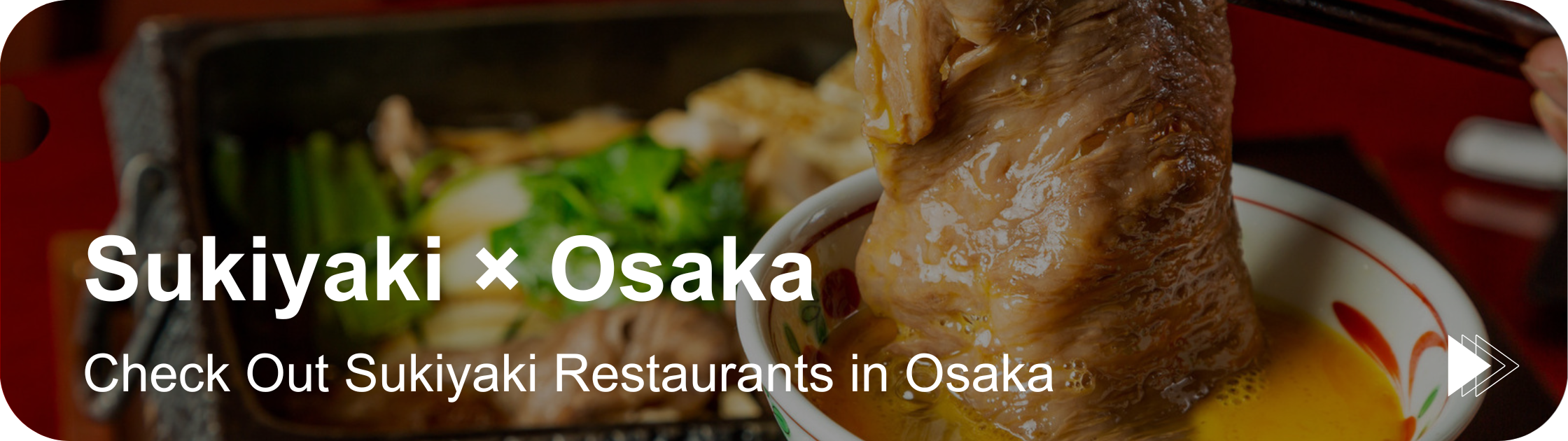
Osaka
- From casual all-you-can-eat joints to historic establishments, Osaka presents a lively sukiyaki scene that complements its energetic city vibe.
9. FAQ: Common Questions from Travelers
Q. What is the difference between sukiyaki and shabu-shabu?
A. Sukiyaki is simmered in a sweet-savory sauce and enjoyed dipped in raw egg, while shabu-shabu involves briefly swishing thin meat slices in kelp broth, then dipping in sesame or ponzu sauce.
Q. Is it safe to eat raw eggs?
A. Yes, Japanese eggs undergo strict hygienic controls designed for raw consumption, making them safe to enjoy.
Q. Can vegetarians enjoy sukiyaki?
A. Absolutely! Many restaurants offer "vegetarian sukiyaki" featuring tofu and fresh vegetables without beef, capturing the essence of the dish.
10. In Conclusion
Sukiyaki is a captivating Japanese hot pot where tender beef and fresh vegetables meld in a luscious sweet and savory sauce, complemented by a creamy raw egg dip. Tracing back to the Meiji era, it offers distinct regional styles: the rich, sauce-soaked Kanto style in Tokyo and the meat-focused Kansai style in Kyoto and Osaka.
During your visit to Japan, savoring authentic sukiyaki is more than a meal—it’s an immersive journey into Japan’s history, culture, and heartfelt hospitality. Let each bite tell a story and ignite your passion to explore the true flavors of Japan.
People’s reaction when eating
Search Restaurants by Characteristics
Search Restaurants by Destination

Search Restaurants by Popular Cuisines