What is shabu-shabu?
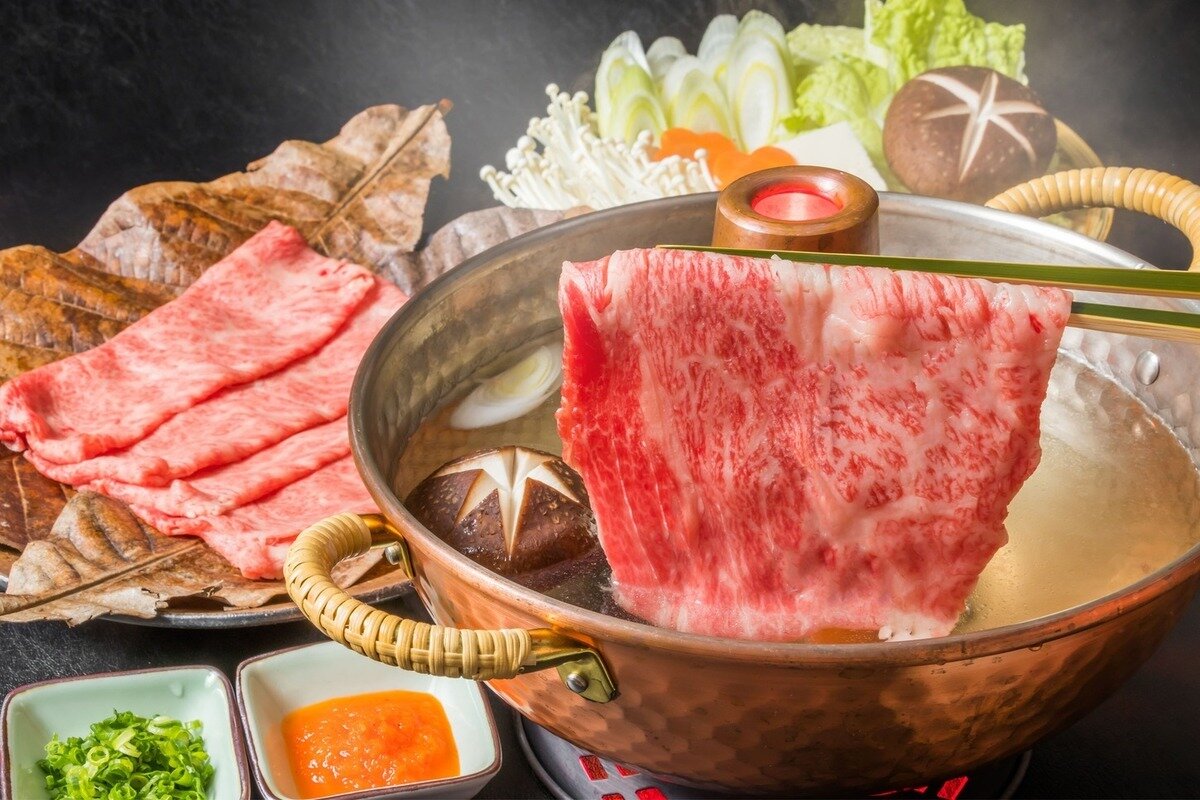
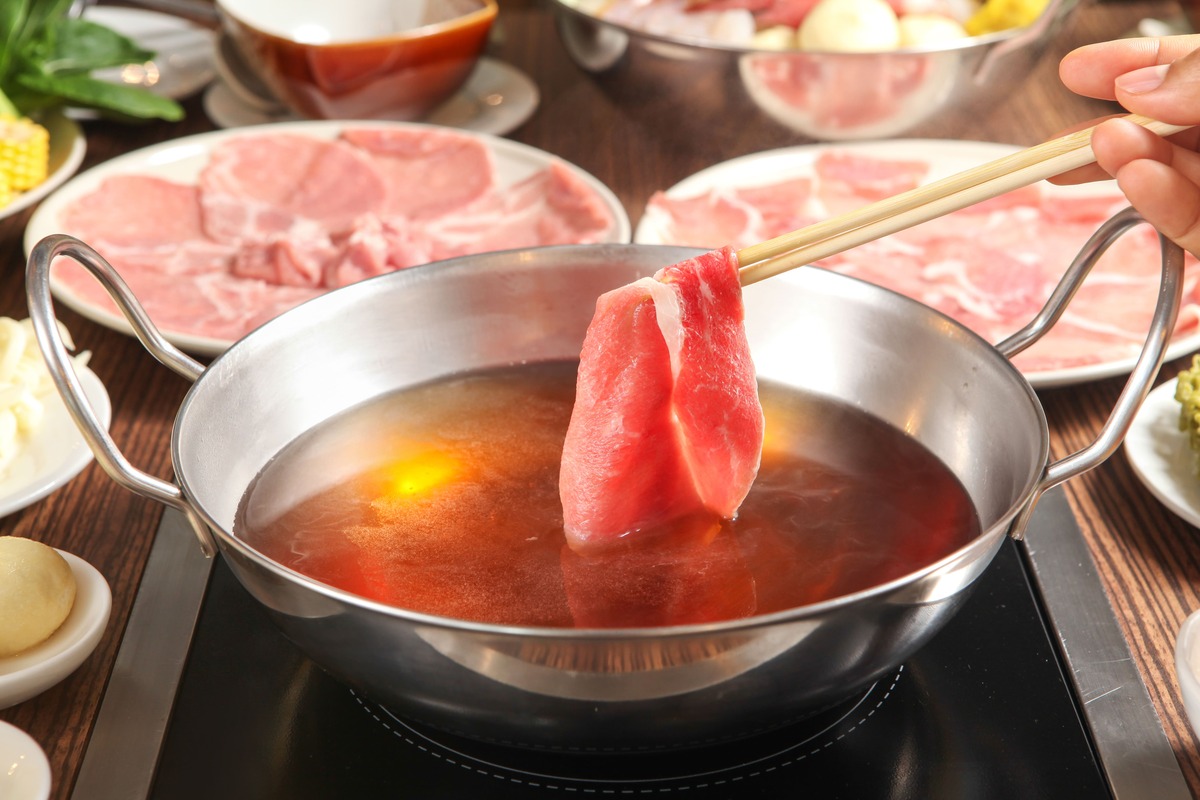
Shabu-shabu is one of Japan’s traditional hot pot dishes, where thinly sliced meat and fresh vegetables are briefly swished through a pot of boiling broth, then dipped into sauces such as ponzu or sesame sauce before eating. As the name suggests, “shabu-shabu” comes from the sound of swishing the meat in the hot broth.
While beef and pork are the most common meats used, variations with chicken, lamb, and even seafood have become increasingly popular. Common vegetables added to the pot include Chinese cabbage, chrysanthemum greens, long green onions, tofu, shirataki noodles, and various kinds of mushrooms.
The most distinctive feature of shabu-shabu is that it allows you to enjoy the natural flavor and texture of the ingredients. Since the meat and vegetables are not simmered for long, their freshness remains intact. Shabu-shabu is widely enjoyed both at home and at restaurants in Japan, and is especially popular among visitors to Japan as a form of “experiential cuisine” shared with family and friends. In recent years, more restaurants have begun offering single-serving pots and all-you-can-eat courses, making it easier for first-time visitors to try.
The Difference Between Shabu-shabu and Sukiyaki
Shabu-shabu and sukiyaki are both Japanese hot pot dishes that use thinly sliced meat, but they differ significantly in terms of preparation, flavor, and how they are eaten. Though they may look similar at first glance, the actual dining experience is quite different.
In shabu-shabu, ingredients are cooked individually by dipping them into a light broth made from kombu (kelp). The meat and vegetables are not pre-seasoned; instead, diners season each bite themselves using sauces like ponzu or sesame sauce. This results in a very light, refreshing flavor that allows the natural taste of the ingredients to shine.
In contrast, sukiyaki is prepared by simmering meat and vegetables together in a sweet and savory soy-based sauce called warishita. The ingredients absorb this rich flavor during cooking. It's also common to dip the cooked meat into raw egg before eating, adding a smooth texture and mellow taste. The overall flavor of sukiyaki is more intense and goes well with rice.
Another key difference is the serving style. Shabu-shabu is typically eaten at a relaxed pace, adding and cooking ingredients a little at a time. Sukiyaki, on the other hand, often involves cooking all the ingredients together at once and enjoying them as a group.
By understanding these differences in flavor and eating style, you can gain a deeper appreciation of Japanese food culture. Both dishes are iconic parts of Japanese cuisine, so we highly recommend trying both during your trip and comparing the experiences for yourself.
Varieties of shabu-shabu
Meat
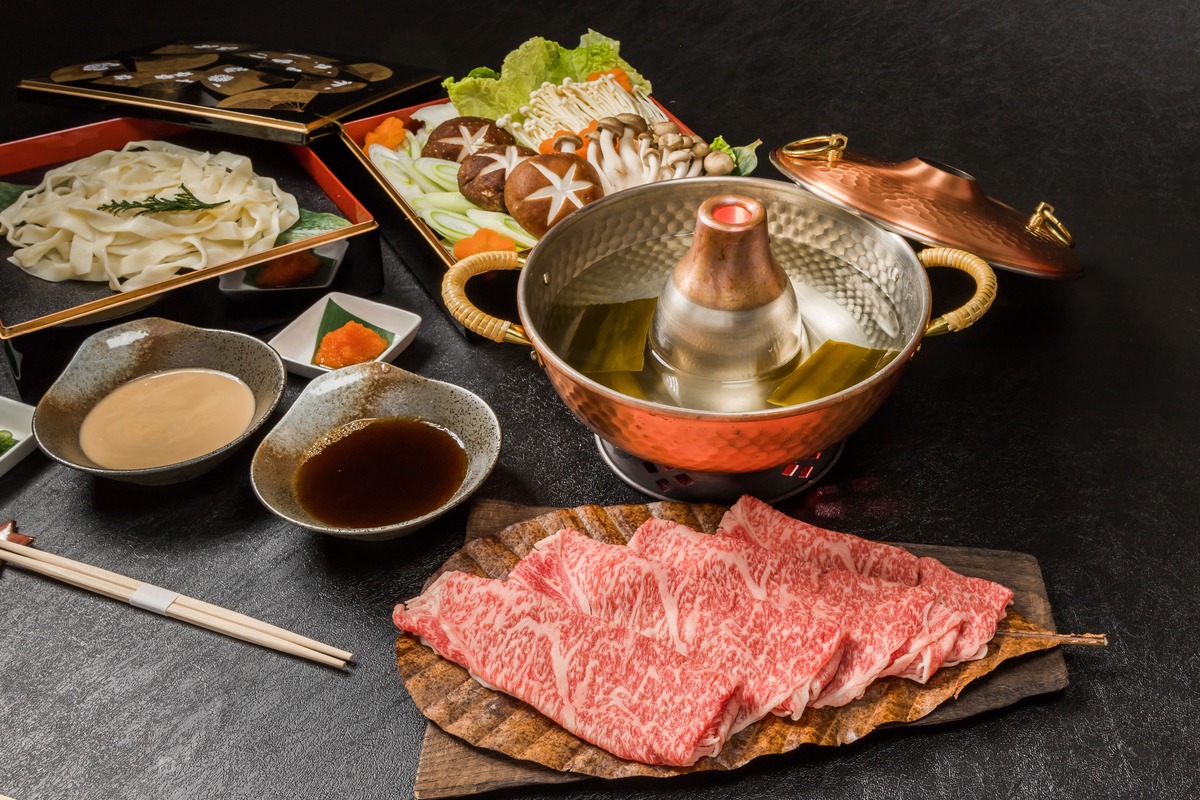
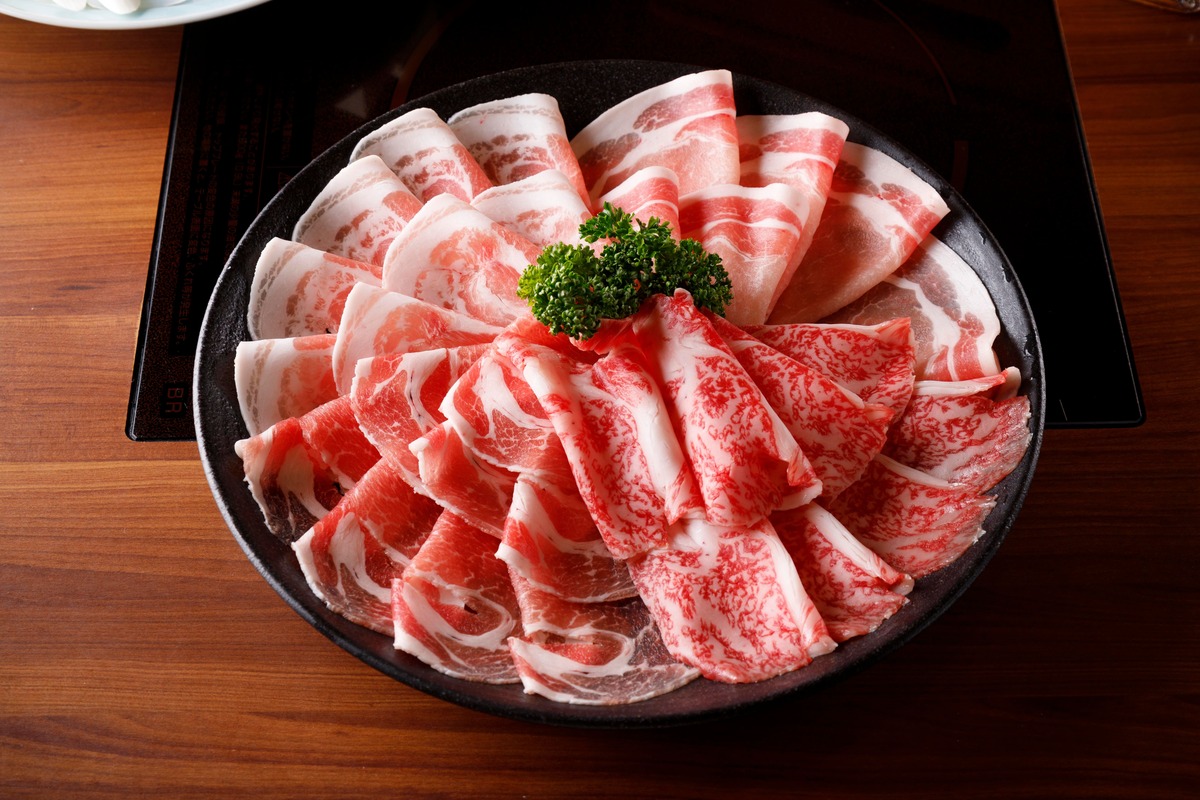
Thinly sliced beef is the most commonly used meat in shabu-shabu, although pork, chicken, and lamb are also common options.
Fresh and lean meat is preferred for this dish.
In recent years, shabu-shabu using thinly sliced beef tongue has also become popular.
Seafood
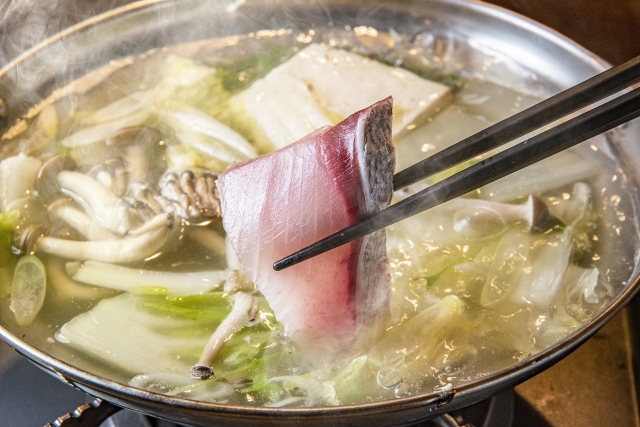
Seafood can also be used instead of meat.
Octopus is sometimes used in Hokkaido, and yellowtail in Toyama.
Vegetables
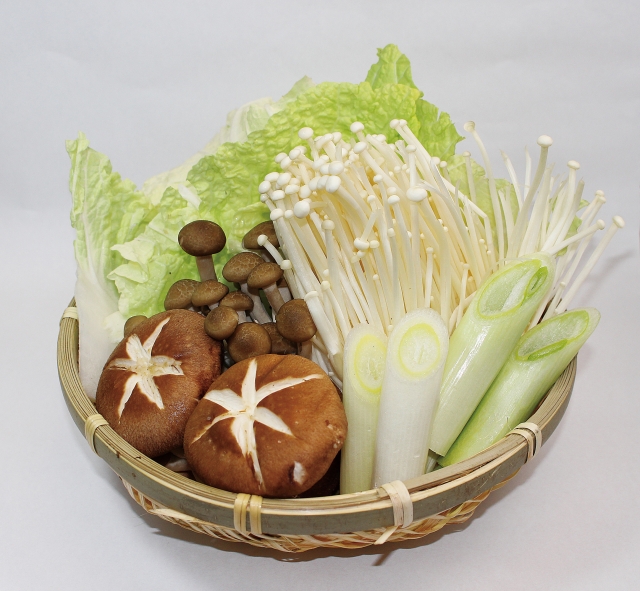
A variety of vegetables are used, including Chinese cabbage, leeks, shiitake and enoki mushrooms, shungiku (garland chrysanthemum), pumpkins, carrots, and vermicelli.
These vegetables can be quickly cooked in the shabu-shabu broth and serve to complement and enhance the flavor of the meat.
Tofu and other processed foods
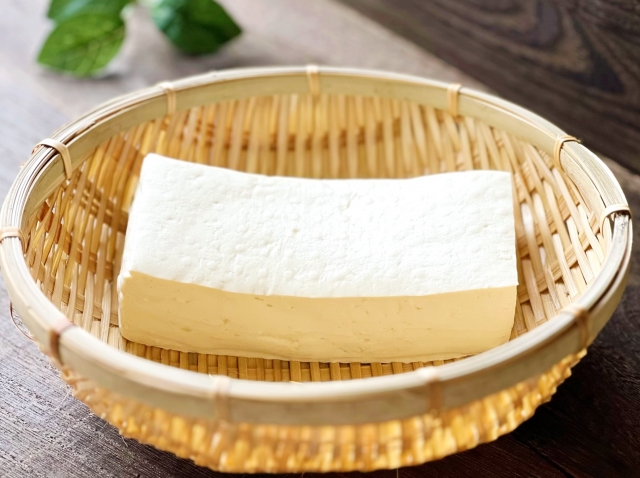
You may also find various types of tofu and konnyaku (konjac), as well as other ingredients such as kamaboko and chikuwa fishcakes made from fish paste, added to shabu-shabu.
Noodles
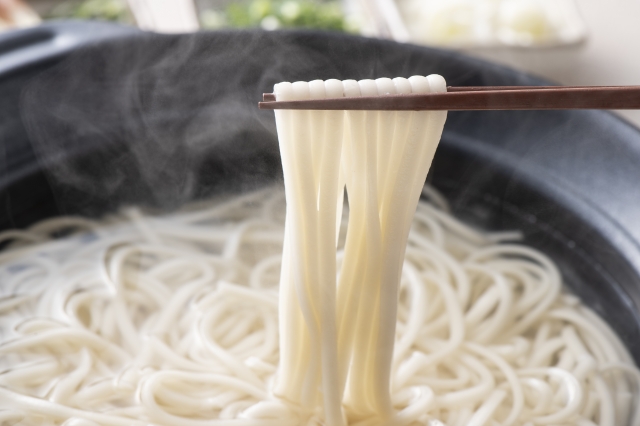
Udon, soba, or ramen noodles may also be served in shabu-shabu.
These are often enjoyed after boiling in the broth at the end of the meal.
How to make shabu-shabu
Thinly slice meat and seafood.
Rinse vegetables and cut them to into a moderate size.
Prepare other ingredients.
Since all of the ingredients are perishable, pay attention to temperature and other factors to keep them fresh.
Make the dashi broth by boiling water with kombu kelp, chicken stock, beef bones, and other ingredients.
The key role of the broth is to bring out the flavor of the meat.
Ponzu (citrus soy sauce) and sesame sauces are usually unique to each restaurant.
Ponzu is a soy sauce-based sauce flavored with citrus juice.
It has a light acidity that neutralizes the fatty taste of meat and other ingredients.
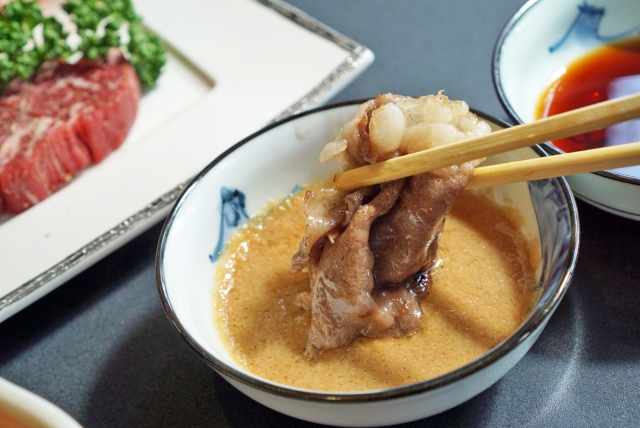
Sesame sauce is a mixture of soy sauce, vinegar, sugar, mirin (sweet rice wine), sesame oil, and more with a base of sesame paste.
It has a rich and intense flavor that enriches the taste of the meat.
The seasoning of a sauce is essential, as it greatly affects the flavor of shabu-shabu.

How to eat shabu-shabu
Boil broth
Begin by bringing the provided broth to a boil over a fire.
Prepare sauces
Pour ponzu sauce and sesame sauce into the provided bowls.
Add condiments such as green onion, grated daikon radish, and ichimi spice to the ponzu sauce, and green onion and garlic to the sesame sauce to your liking.
Add vegetables
Place vegetables and tofu in the pot and simmer until tender.
Cook meat
Cook meat and seafood by stirring ("shabu-shabu") them in the pot with chopsticks for a few seconds.
Remove the meat when it changes color being careful to not cook too long.
Eat
Dip the cooked ingredients in a sauce prepared in advance and enjoy.
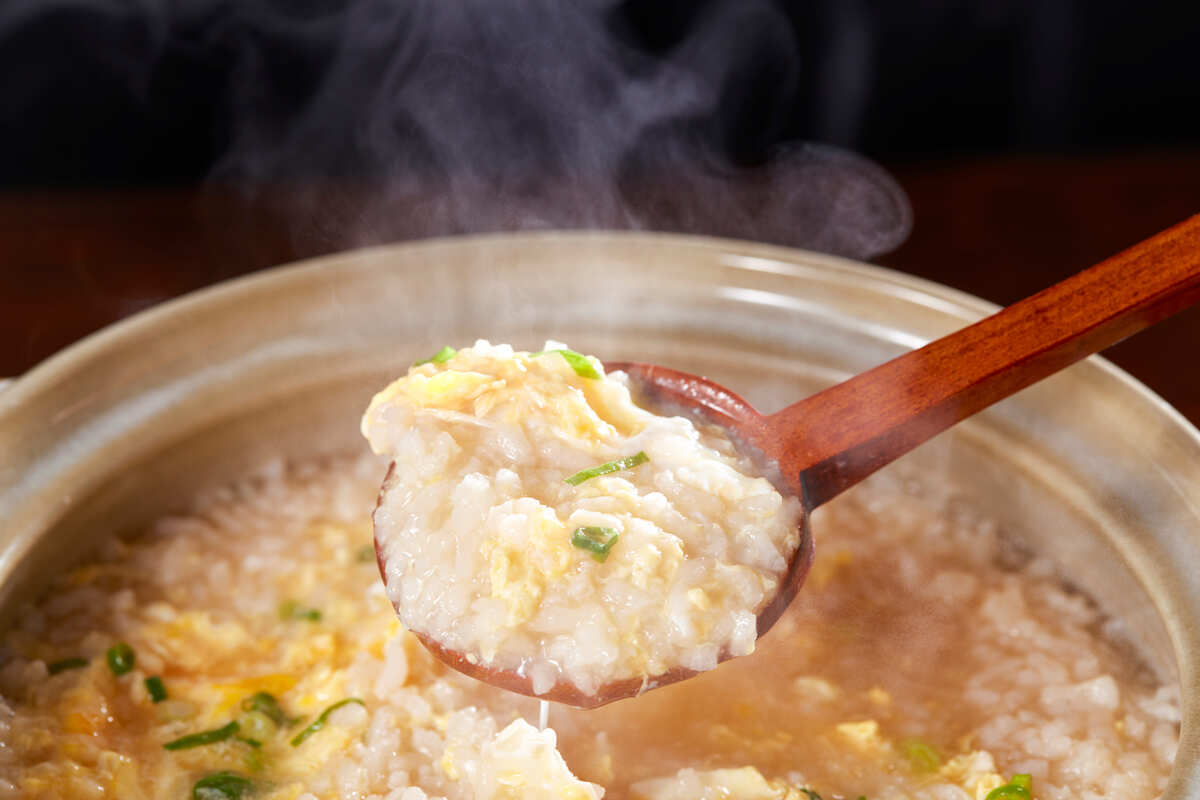
Add rice or noodles
After finishing the meat and vegetables, add rice, udon noodles, or other noodles to the broth remaining in the pot and heat.
For rice, cook until soft.
If you have an egg, beat it and add to the pot.
Once the egg is cooked, add condiments such as green onions and sesame seeds.
Dish out the food in bowls.
For noodles, cook until they are soft, then add condiments.
People’s reaction when eating
Search Restaurants by Destination

Search Restaurants by Popular Cuisines