What is kushikatsu(kushiage)?
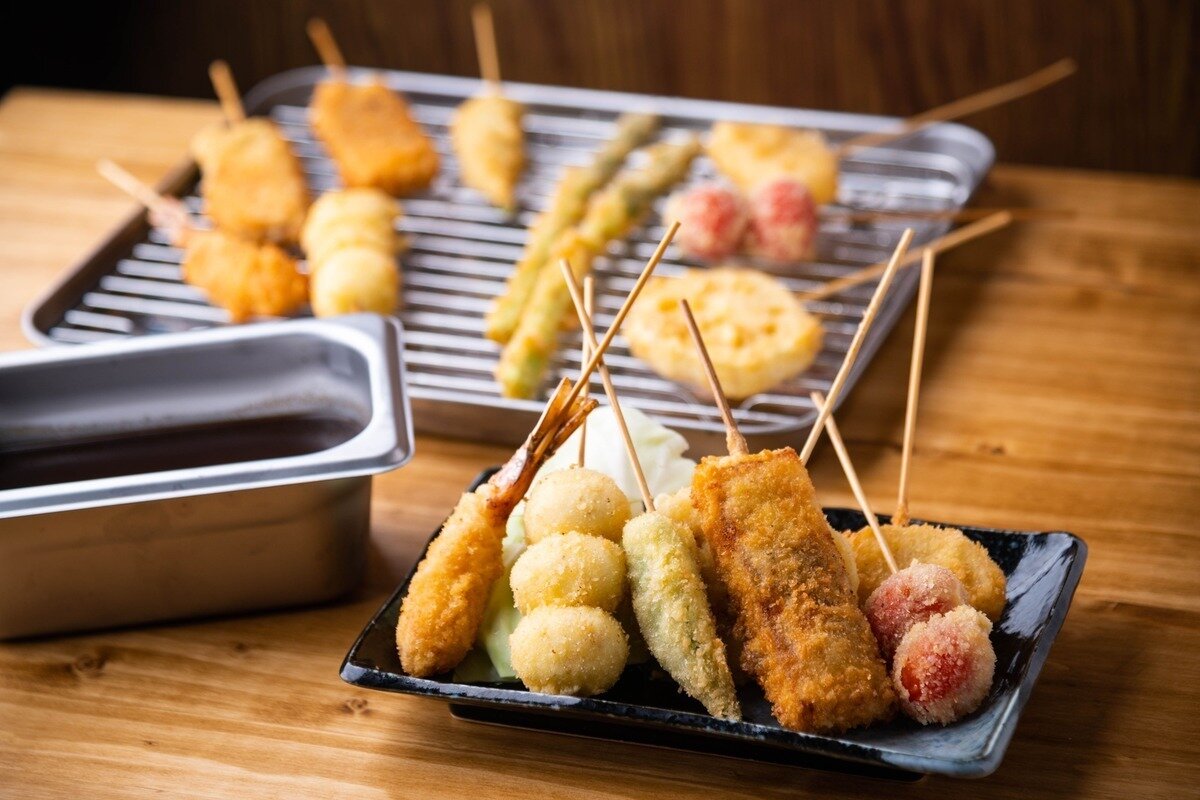
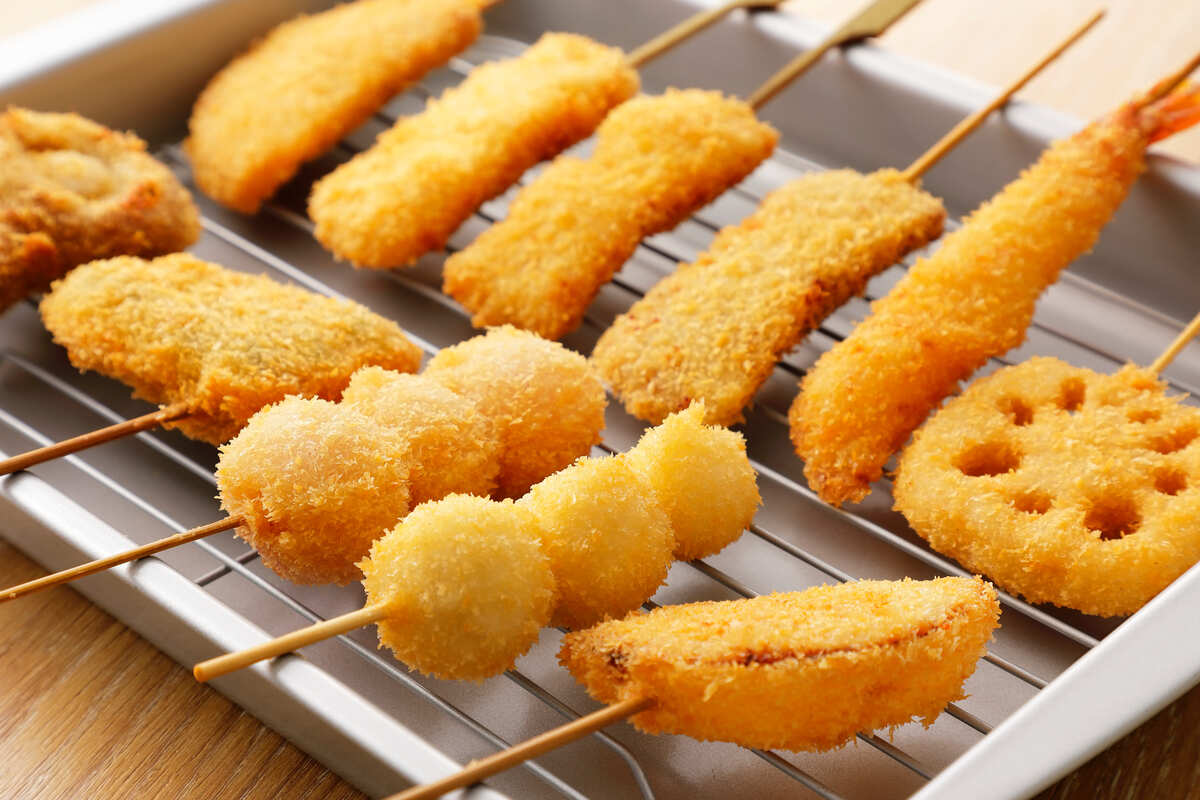
Kushikatsu(Kushiage) is a dish in which ingredients are cut into bite-sized pieces, skewered on bamboo skewers, coated with breadcrumbs, and deep-fried in oil.
Ingredients used for the dish include seafood, meat, and vegetables.
The origin of kushikatsu can be traced back to stand-up-eating tempura at a food stall.
Although the origin of the dish is not clear, some believe that foods prepared similarly have been eaten in downtown Tokyo since around the 19th century.
Originally, only deep-fried beef skewers were called kushikatsu, but later the term came to refer to kushikatsu skewers in general.
In recent years, not only traditional food stalls, but fashionable and high-end kushikatsu restaurants have also increased in popularity.
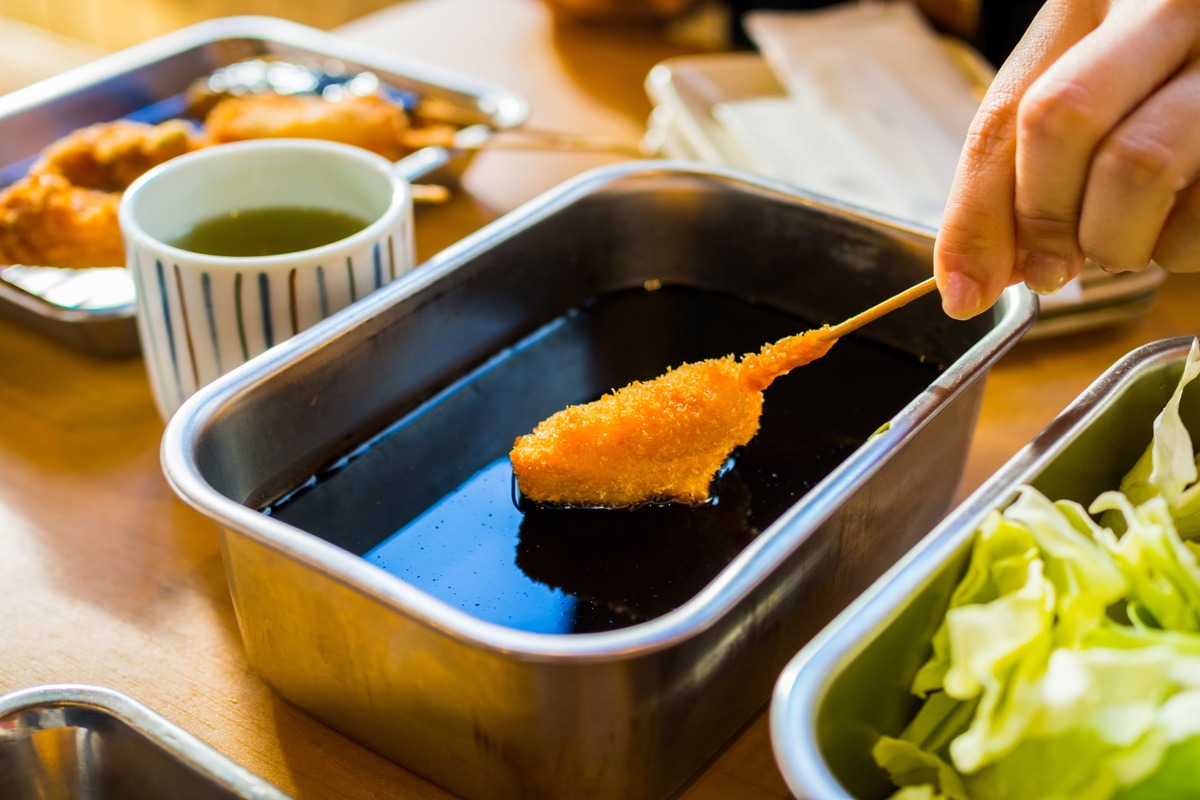
Varieties of kushikatsu
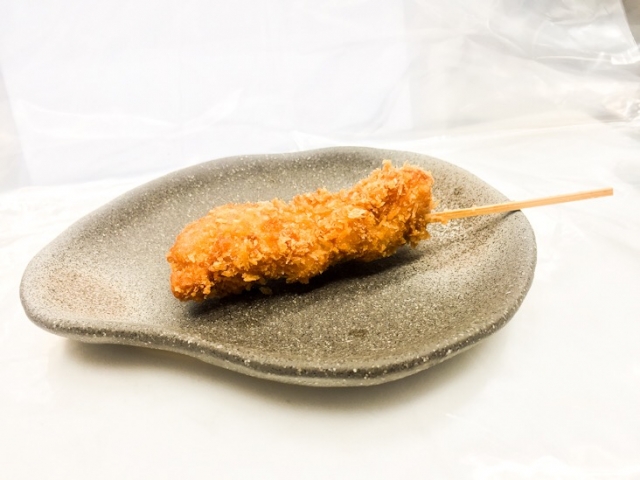
Meat
The most commonly used meat ingredients for kushikatsu are pork and beef.
Both have a juicy, savory flavor that will surely be relished.
There is also a kushikatsu skewer with pork belly wrapped around vegetables or other ingredients, which is then deep-fried.
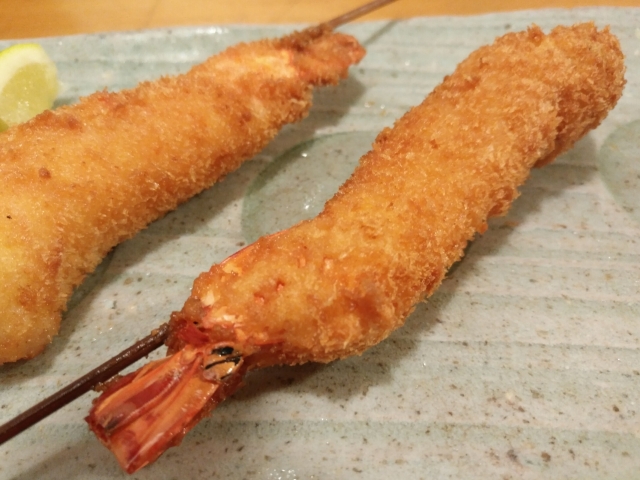
Seafood
Seafood kushikatsu is characterized by its freshness and diverse ingredients.
The common ingredients include shrimp, squid, octopus, scallops, horse mackerel, and sand borer.
Skewers with plump shrimp and crispy sand borer are especially popular.
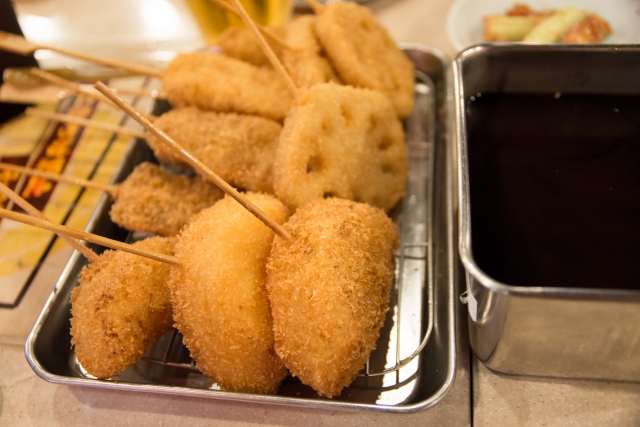
Vegetables
Vegetable kushikatsu utilizes a wide variety of flavors and textures of the used ingredients.
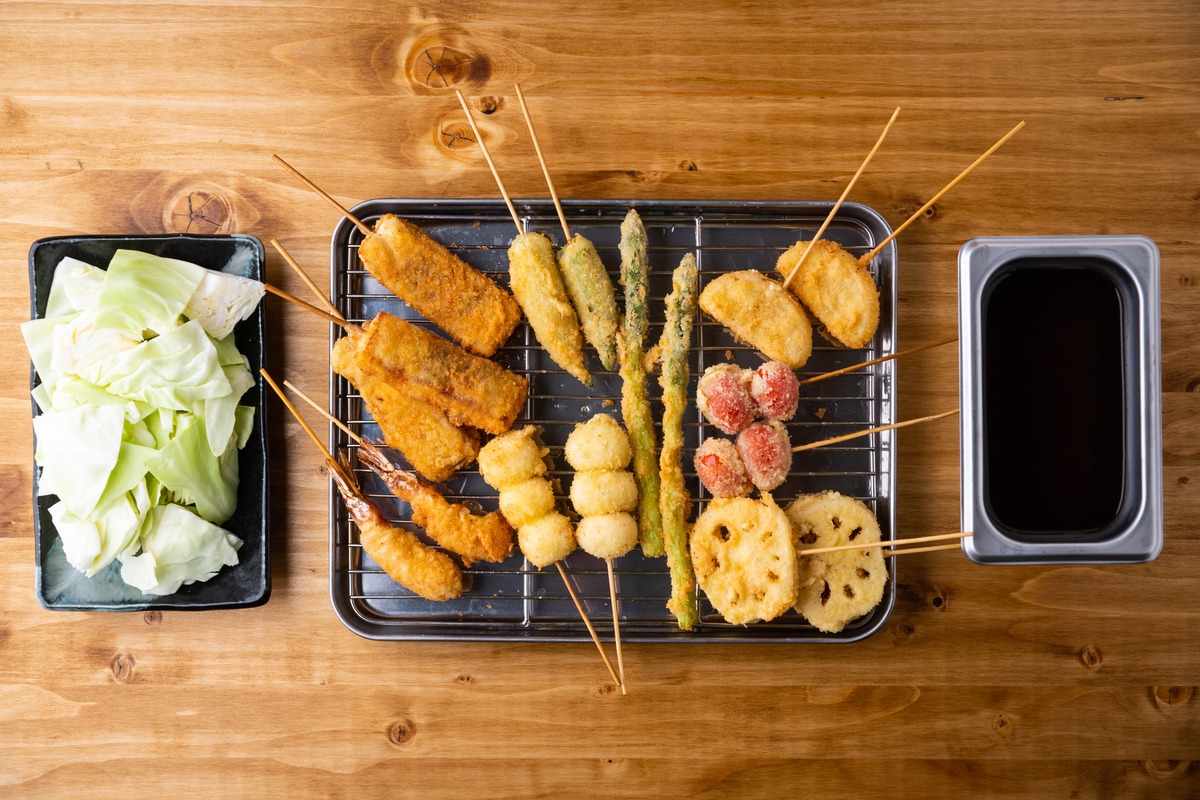
Asparagus, renkon (lotus root), onion, shiitake mushroom, and cherry tomato are the most common ingredients.
Enjoy the crispiness of the fried batter and the texture of the natural flavors of the vegetables.
Other
There is also a wide variety of other kushikatsu, including those made with mochi (rice cake), hanpen (traditional Japanese soft fish cake), cheese, and quail eggs, which are unique to Japan.
Many of the ingredients used have a distinctive texture.
How to make kushikatsu
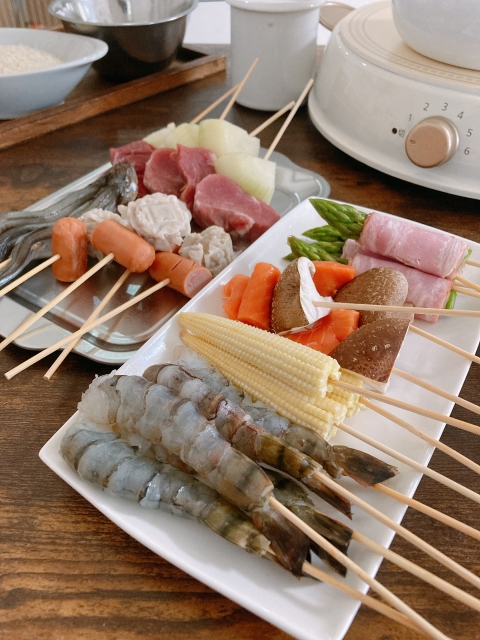
First, prepare the ingredients for frying.
Cut the gristle from the meat, debone the fish, and cut the vegetables into appropriate sizes.
For seafood, carefully handle and process it to keep it fresh.
You will need to perform detailed work for shrimps, such as removing the back veins.
Next, skew the prepared ingredients.
Skewer a cut ingredient onto a skewer.
Make sure to skewer meat and vegetables evenly. For seafood, skewer it with care to avoid it falling apart during the cooking process.
Make the batter for coating.
Prepare flour , beaten eggs, and breadcrumbs (or another specialized crumb).
Season the ingredients as needed.
You can use salt, soy sauce, or a special sauce for seasoning.
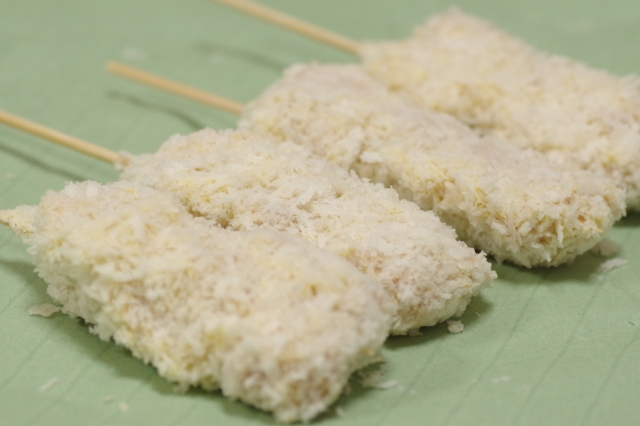
Dip skewers in flour, beaten egg, then breadcrumbs (or the other specialized crumb).
The key is to coat the ingredients with batter evenly and thinly.
Once coated, deep fry.
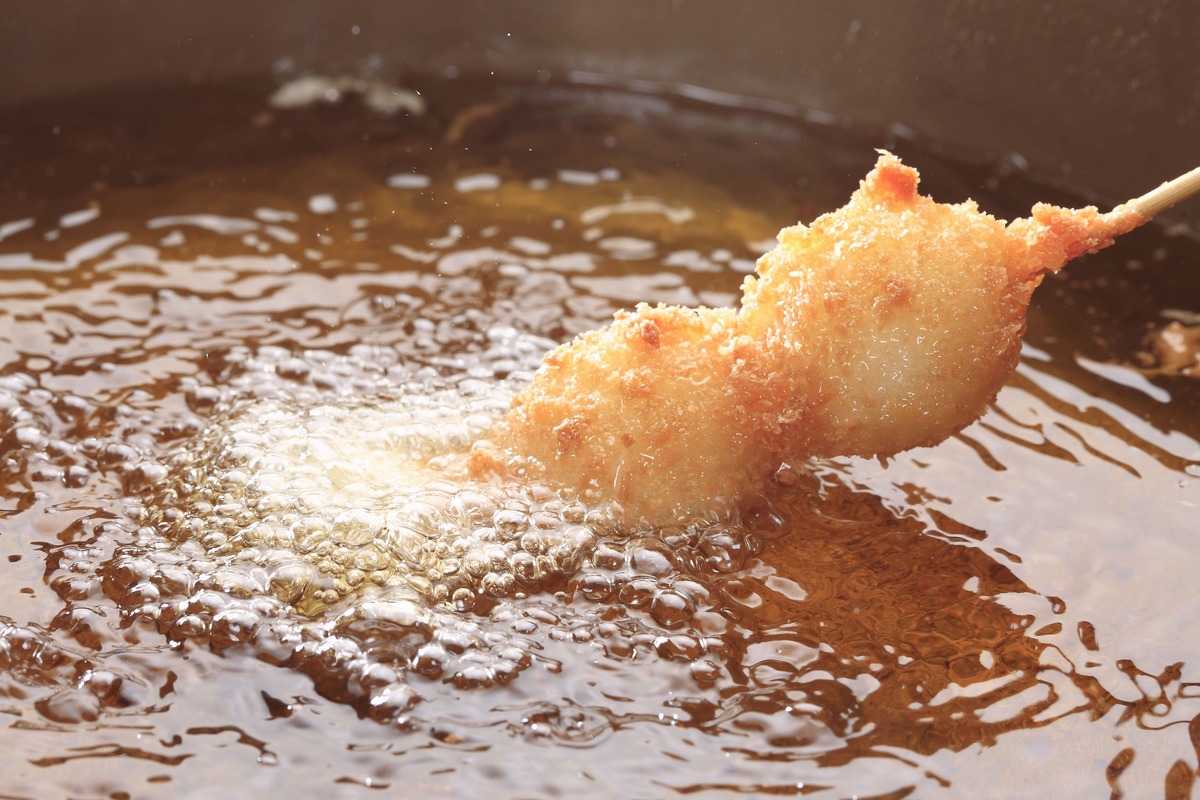
Bring the oil to the proper temperature.
Generally, the temperature is adjusted between 160 and 180°C.
Place skewers in the heated oil.
It is important to fry them for the appropriate amount of time for type of ingredient.
Avoid stirring them during frying to ensure even browning.
This process requires expert skill.
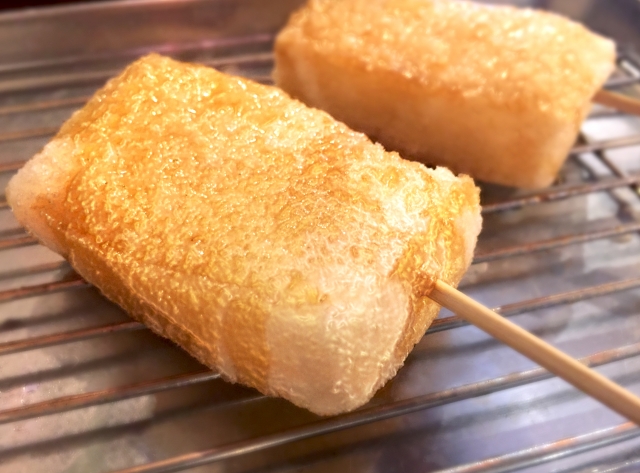
Place the fried skewers on a plate or wired rack to drain oil.
Serve with sauce or salt as condiments for the skewers.
Each restaurant has its own unique recipe for kushikatsu sauce, which is typically made of vegetables, fruits, spices, and more.
How to eat kushikatsu
Put salt, sauce, or other condiments on skewers
Prepare some salt, sauce, or other condiments on a small plate and put them on your skewers.
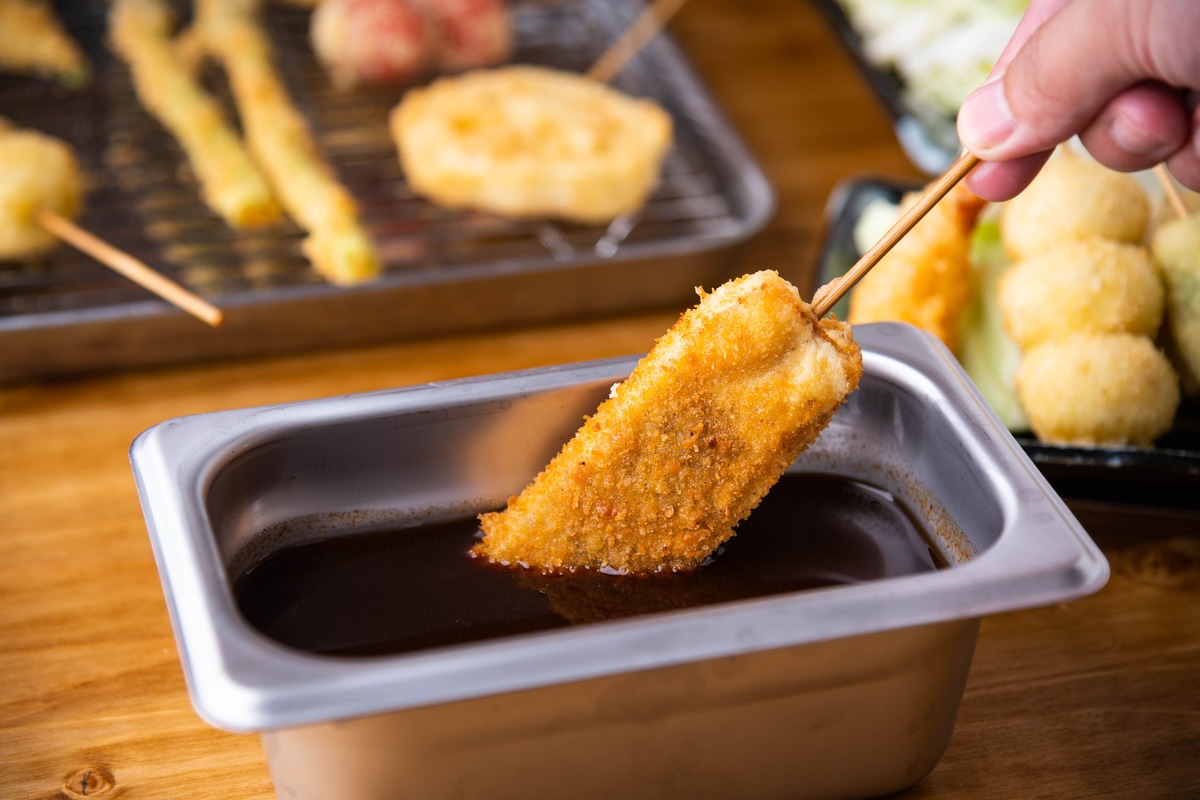
If there is sauce in an aluminum can available on the table, you can dip your skewers into it.
However, keep in mind that it is often not allowed to dip them twice.
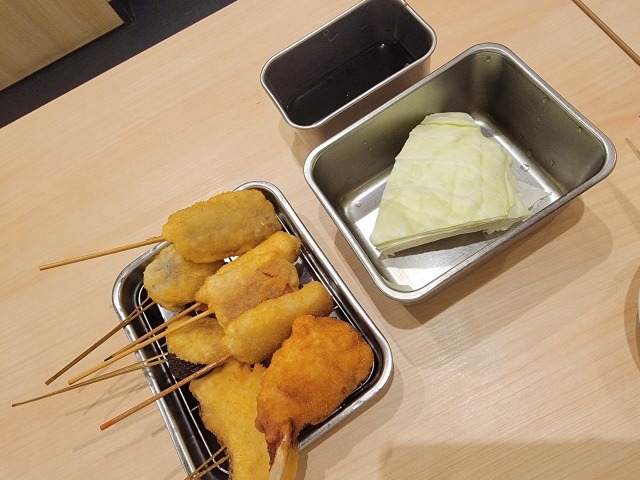
Dip your skewer once, or you can also use the cabbage provided to scoop some and put it on your skewer.
Enjoy while freshly fried
Kushikatsu skewers are best when enjoyed hot.
This way, you can appreciate the crispiness on the outside and the juiciness on the inside.
You can either eat the food directly from the skewer or remove it if it's difficult to eat.
Eat garnish
Cut cabbage is often served with kushikatsu.
While having kushikatsu, enjoy it as well by dipping in the sauce.
First-Time Kushikatsu Ordering Guide: 5 Tips to Enjoy Without Confusion
“I want to try a kushikatsu restaurant, but I don’t know how to order…”
Many first-time visitors to Japan feel this kind of uncertainty. But don’t worry—ordering kushikatsu is actually very simple. Here’s a clear and easy guide to help even beginners enjoy the experience with confidence.
1. Choose Between OMAKASE or À la Carte After Being Seated
At kushikatsu restaurants, you typically order in one of two styles:
- OMAKASE Course: Recommended skewers are served one by one in a set order. It continues automatically until you say stop. This is perfect for beginners who want to try a variety of items.
- À la Carte Ordering: You choose your preferred skewers freely from a menu or signs displayed at the counter.
Note: Even with OMAKASE, many restaurants will accommodate ingredient preferences if you mention dislikes in advance.
2. Place Your Order Verbally or by Check Sheet
At counter-style restaurants, it's common to tell the staff your order directly.
At table seating, you might fill out a paper order sheet with quantities.
Tip: More and more restaurants now offer English or photo menus.
3. Skewers Are Served Gradually—Enjoy at Your Own Pace
Ordered kushikatsu are not served all at once. Instead, they come out one or two at a time as they are freshly fried.
Take your time and enjoy at a comfortable pace.
4. Say "Stop" When You’re Full
If you choose the OMAKASE course, it’s up to you to let the staff know when you want to finish.
A simple “Stop, please” is enough.
Ending with a “Thank you for the meal” is a polite and appreciated gesture.
5. Unsure What to Order? Ask the Staff for Recommendations
If you’re not sure what to pick, try asking:
“Which kushikatsu do you recommend?”
Popular options like shrimp, lotus root, and cheese are great places to start and are usually well-liked.
With just a few simple tips, kushikatsu becomes an approachable and delicious part of Japanese food culture.
Even if language is a concern, most staff are friendly and happy to help—so don’t hesitate to give it a try!
People’s reaction when eating
Search Restaurants by Destination


Search Restaurants by Popular Cuisines