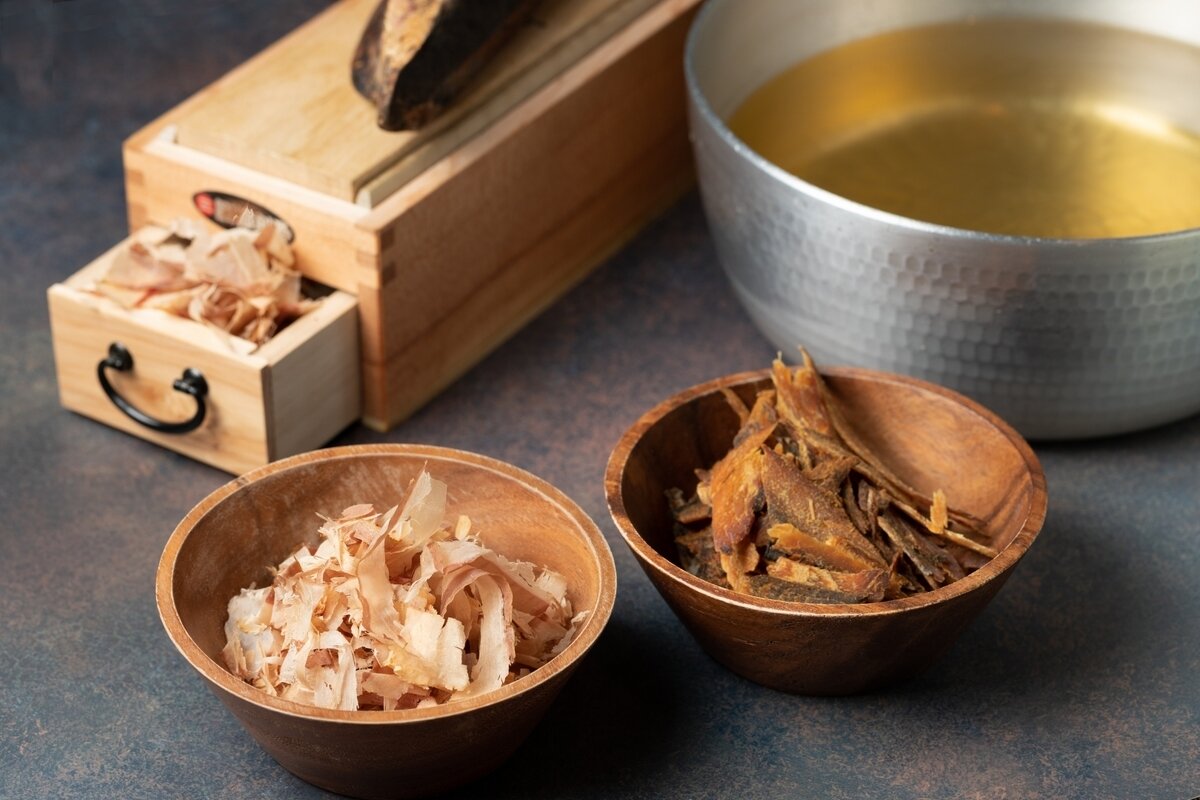
Katsuobushi, or dried bonito flakes, is one of the key ingredients that supports the distinctive flavors of Japanese cuisine. It serves as the base of umami in many dishes—such as miso soup, udon, and soba broth—and its aroma and depth of flavor can be found throughout the meals travelers enjoy across Japan. Crafted through a highly time-consuming traditional process, katsuobushi is even known as one of the hardest foods in the world.
In markets and small eateries, visitors may encounter the uniquely Japanese sight of freshly shaved katsuobushi dancing atop steaming dishes, or chefs adding freshly shaved flakes right before serving to enhance the aroma. Regions such as Yaizu and Makurazaki are famous production areas, offering a deeper look into the craft behind this iconic ingredient.
In this article, we not only introduce the appeal of katsuobushi but also explain how travelers can encounter, enjoy, and bring it home during their trip. Through katsuobushi, we hope you experience the tradition and craftsmanship that form the foundation of Japanese flavor.
What is Katsuobushi?
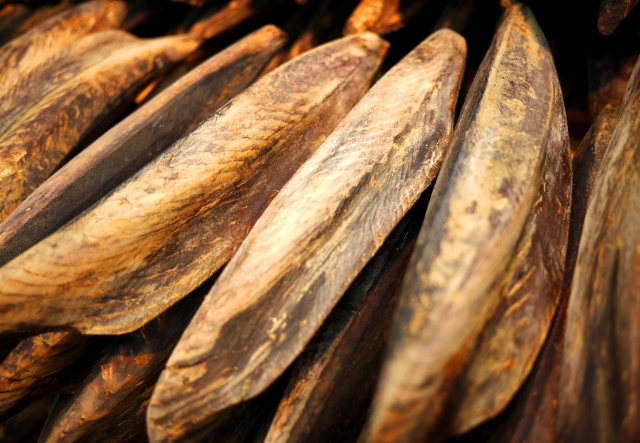
Katsuobushi, a dried food product made from bonito fish, is an essential ingredient in Japanese cuisine.
It's primarily used to make dashi (broth), which serves as the flavorful base for many Japanese dishes.
The taste and aroma of katsuobushi can vary significantly depending on the preparation method and type.
Types of Katsuobushi
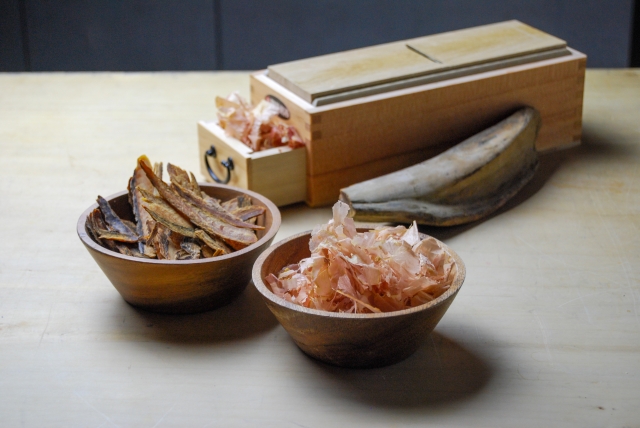
There are several types of katsuobushi.
Broadly speaking, it can be classified into two main categories: "arabushi" and "karebushi."
Arabushi is made relatively quickly, while karebushi undergoes repeated mold application and drying, resulting in a deeper flavor.
Additionally, katsuobushi comes in various forms depending on how it’s shaved, including "hanakatsuo" (flower flakes), "itokatsuo" (thread flakes), and "ko-katsuo" (powdered flakes).
There is also a variety called "sodabushi," made from a fish called blue mackerel.
Sodabushi has a richer and deeper flavor than katsuobushi, boasting over three times the umami components.
It is also used to make dashi, especially suited for dishes that require a more intense flavor.
History of Katsuobushi
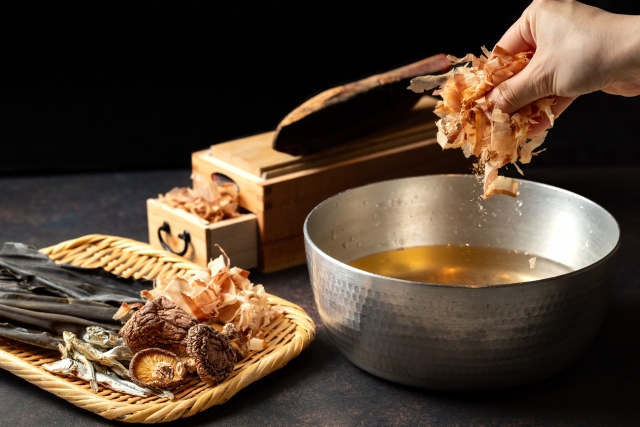
The history of katsuobushi dates back to ancient times, with its origins traceable to the Heian period (794-1185).
Back then, katsuobushi primarily served as a preserved food.
During the Sengoku period (1467-1603), it was highly valued as a portable food for samurai.
In the Edo period (1603-1868), the current production method was established, and katsuobushi became widely used in everyday households.
The Making of Katsuobushi and the Craftsmanship Behind It
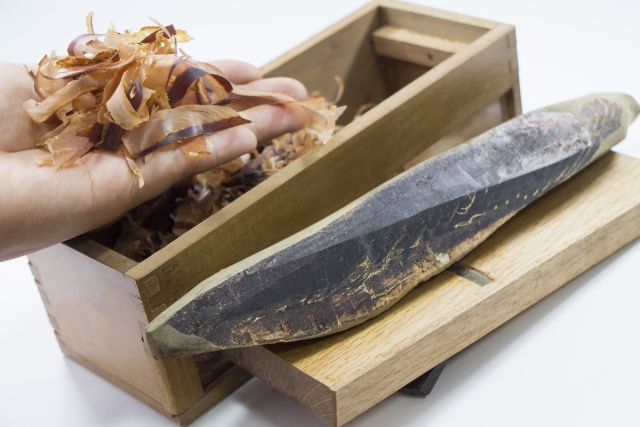
The process of making katsuobushi is labor-intensive.
It starts with boiling the bonito fish, then removing the bones and skin.
The fish is then repeatedly dried to remove moisture, followed by a mold application process.
This mold application is crucial in defining the flavor of katsuobushi, showcasing the craftsmanship of the artisans.
The repeated process results in katsuobushi that is hard and aromatic.
Katsuobushi in Dashi
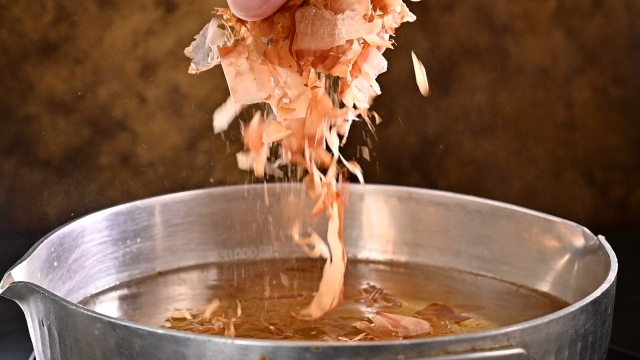
In Japanese cuisine, katsuobushi is indispensable for making dashi.
Dashi is a fundamental broth used as a base in various dishes such as nimono (simmered dishes), miso soup, udon, and soba.
The dashi made from katsuobushi is rich in inosinate, an umami component that enhances the depth of flavor in dishes.
Katsuobushi is also used in ramen broths, particularly in Japanese-style and seafood-based ramen, where its flavor is especially pronounced.
Types of Dishes Using Katsuobushi
Katsuobushi is not only used to make dashi but can also be used directly in various dishes.
For example, "okaka onigiri" are rice balls mixed with soy sauce-seasoned katsuobushi.
Katsuobushi is also a key topping for "takoyaki" and "okonomiyaki."
Additionally, it can be sprinkled on "hiyayakko" (chilled tofu) or added to "ohitashi" (blanched greens).
The versatility of katsuobushi makes it a staple in Japanese cuisine.
Okaka Onigiri
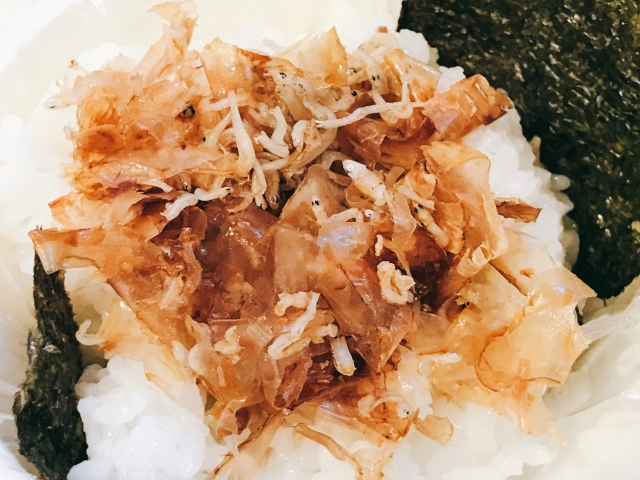
Rice balls filled with katsuobushi mixed with soy sauce.
Takoyaki
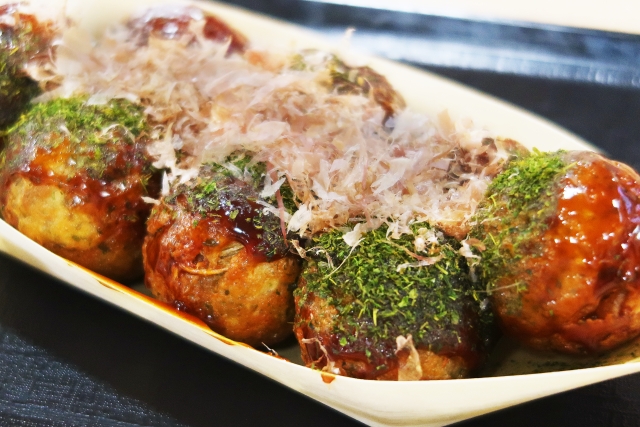
Sprinkle katsuobushi on top of freshly cooked takoyaki.
Okonomiyaki
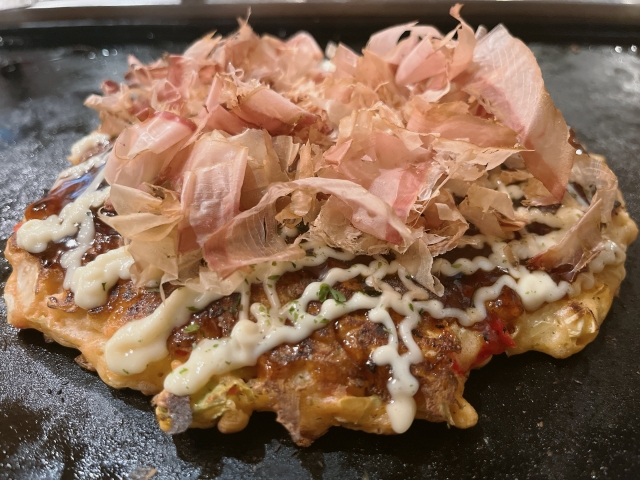
Add katsuobushi on top of okonomiyaki for extra flavor.
Hiyayakko
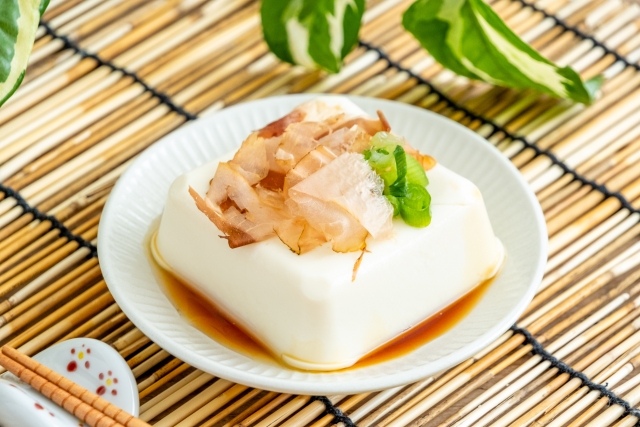
Top chilled tofu with katsuobushi and soy sauce.
Ohitashi
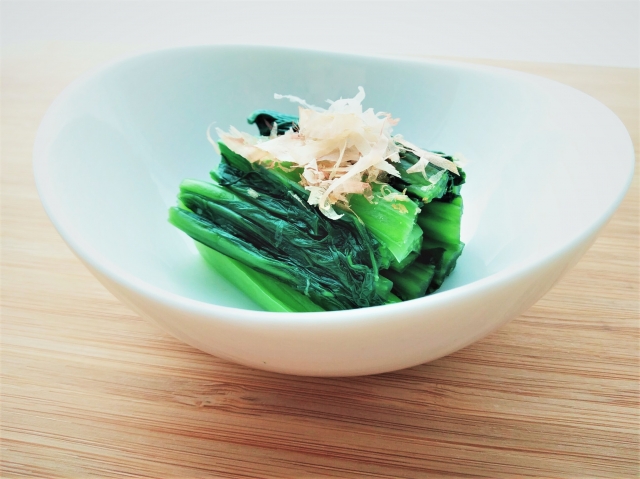
Add katsuobushi to blanched spinach or other vegetables.
Katsuobushi, or dried bonito flakes, is a key ingredient in Japanese cuisine, known for its distinct aroma, deep umami flavor, and long tradition. Made through a meticulous, time-honored process, it plays an essential role in dishes like miso soup, udon, and soba broth, forming the foundation of authentic Japanese cooking.
Its history, production methods, and regional varieties show how deeply katsuobushi is rooted in Japanese food culture. Whether enriching dashi or adding freshly shaved flakes to hot dishes, katsuobushi highlights the versatility and richness of Japanese cuisine.
For travelers visiting Japan, discovering katsuobushi is an excellent way to understand Japanese flavor. By enjoying dashi and dishes made with katsuobushi, visitors can experience the craftsmanship, tradition, and cultural significance behind this iconic ingredient.