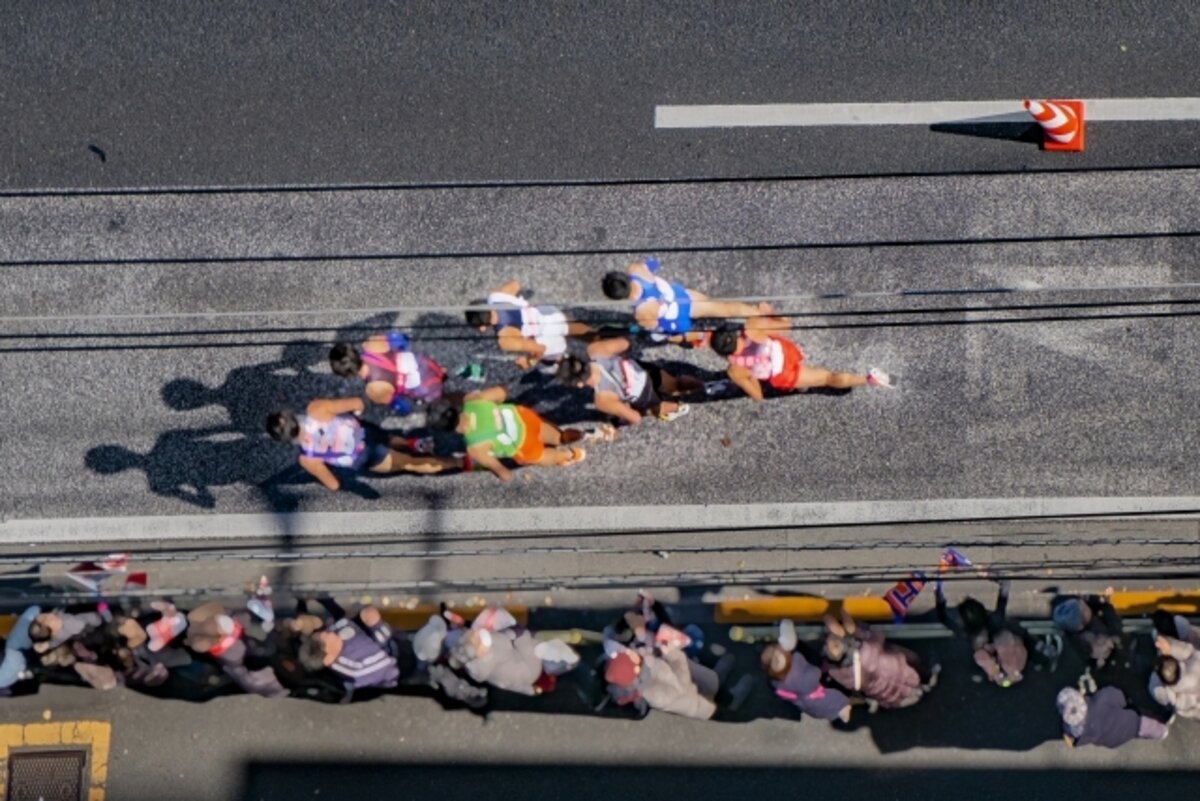
Every January, many people in Japan gather in front of their TVs or along the roadsides to watch a special sports event. That is the “Hakone Ekiden(Tokyo-Hakone Round-Trip College Ekiden Race).”
In Japan, “Ekiden” is not just a long-distance relay race. It is a “New Year’s tradition” filled with teamwork, endurance, strategy, and emotion. Much like a drama, the human stories woven by the runners captivate people’s hearts endlessly.
The Hakone Ekiden is a grand race where Japanese university students run approximately 217 km round trip from Tokyo to Hakone, passing the sash (tasuki) between runners. Its television broadcast excites a large audience regardless of age or gender.
This Ekiden contains “human feelings” more than just victory or defeat. Therefore, even those visiting Japan for the first time can experience moments that move their hearts beyond words.
This article will explain the basics of Ekiden, the history of the Hakone Ekiden, its highlights, how to watch it, and etiquette, making it easy to understand for first-timers.
Why not try a somewhat different emotional experience in Japan at the start of the year?
*All images in this article are for illustrative purposes only.
1. What is Ekiden?
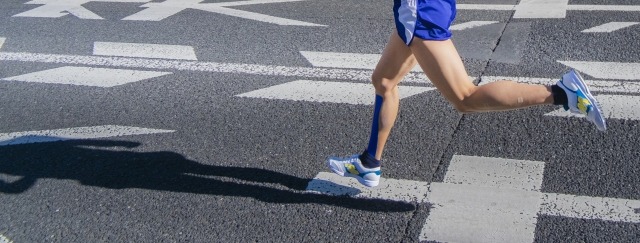
Japan’s unique sport “Ekiden” is a long-distance race where multiple runners run in a relay style at each exchange station. The rules are simple. Runners within a team run a designated section and pass on a cloth called “tasuki” to the next runner, progressing the race.
This “tasuki” is not merely a relay tool. For the runners, it symbolizes the team’s spirit, comrades’ efforts, and personal goals. Passing the tasuki without dropping it can sometimes be valued even more than winning.
In Japan, Ekiden is particularly popular among student sports and is held at many levels, from elementary school to university. At the pinnacle of these is the “Hakone Ekiden.”
The appeal of Ekiden lies not only in individual strength but also in teamwork, pace management, and adaptability to weather, among many factors intertwined to determine victory or defeat. Because of that, spectators experience a rollercoaster of emotions and cannot take their eyes off until the end.
2. What is the Hakone Ekiden?
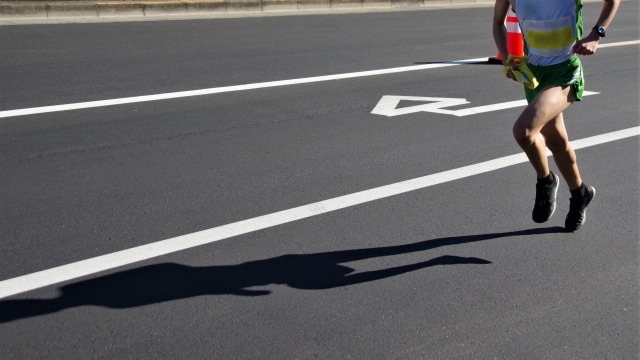
The “Hakone Ekiden” is officially called the “Tokyo-Hakone Round-Trip University Ekiden Race.” It started in 1920 and will mark its 101st race in 2025, making it one of Japan’s most historic sports events with over 100 years of history.
This Ekiden features teams primarily from universities in the Kanto region competing in a grueling race over two days and ten sections between Otemachi in Tokyo and Ashinoko in Hakone, Kanagawa Prefecture, and back.
It is not just a long-distance run but a special stage where athlete development, university prestige, and regional support tightly intertwine. That is the essence of the Hakone Ekiden.
Also, TV broadcasting has greatly contributed to establishing it as a regular New Year’s event in Japan. By introducing each runner’s efforts and backgrounds, many emotionally engage and cheer for their favorite universities and notable runners nationwide during the race.
3. Basic Information about the Hakone Ekiden
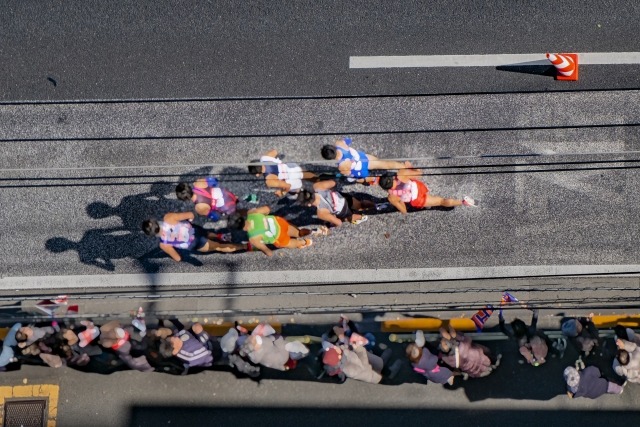
The Hakone Ekiden is held over two days, January 2nd and 3rd, every year. Here is an overview.
Dates
- Outbound: January 2nd
- Return: January 3rd
Start Time
- Starts at 8 AM both days (subject to weather changes)
Number of Universities
- Main race participants: 20 schools (10 seeded + 10 qualifiers from preliminaries)
- Kanto Student United Team (open participation): 1 team
Course Details
- Starts in front of Yomiuri Shimbun in Otemachi, Tokyo
- Follows National Routes 1 and 15, reaching the relay site at Ashinoko, Hakone, Kanagawa Prefecture
- Returns the same way back to Tokyo over a total of 10 sections
Total Distance
- Outbound: approx. 107.5 km
- Return: approx. 109.6 km
- Total: approx. 217.1 km
The course includes flat urban streets, mountain trails, and coastal areas. Particularly, sections 5 (mountain ascent) and 6 (mountain descent) involve steep altitude changes and are known as “specialty sections” which often decide the outcome.
4. History of the Hakone Ekiden
The Hakone Ekiden began in 1920 with only four universities. The proposer was Shisou Kanaguri, a pioneer in Japanese marathon running. He proposed a race where university students run long distances to strengthen Japan’s marathon capabilities, which became the foundation of the Hakone Ekiden.
The 1st race adopted the format of running from Tokyo to Hakone over two days. Since then, while maintaining this structure, the event developed gradually alongside the increase in participating schools and improvements in transport infrastructure.
Some years were canceled during the war, but after the war, it was revived as a “symbol of reconstruction,” delivering emotion to people again and eventually growing into a nationally recognized event.
From 1987, Nippon TV started nationwide broadcasts, further popularizing Ekiden’s appeal. Especially from the 2000s onwards, stories of runners’ human dramas and coaches’ tactics have drawn viewers in with storytelling, cementing its popularity.
5. Highlights of the Hakone Ekiden
The Hakone Ekiden has many highlights that go beyond mere athletics.
- Dramatic developments in each section
The race has 10 sections, each with its own characteristics. Section 5 is a grueling mountain climb with a rapid altitude increase, section 6 is a speed battle on a steep descent, and flat urban areas feature strategic battles. - Feelings embedded in the tasuki
The “tasuki” connects the spirits of team members. Each university has its color, and dropping or failing to arrive with it can lead to disqualification. Moments when the tasuki is passed just in time often bring tears. - The passion unique to student sports
Most runners are around 20 years old. Some aim to become professionals, while others participate in their last competition. Their serious attitude moves many viewers. - University rivalries
Strong schools such as Aoyama Gakuin, Komazawa, Waseda, and Toyo battle fiercely every year. The strategies for winning, ace deployment, and coaches’ decisions add layers beyond athletic competition. - Storytelling through live commentary and explanations
The TV broadcast introduces each runner’s background and efforts, adding narrative depth. People unfamiliar with Ekiden can naturally empathize as if watching a drama.
6. Can You Watch the Hakone Ekiden in Person?
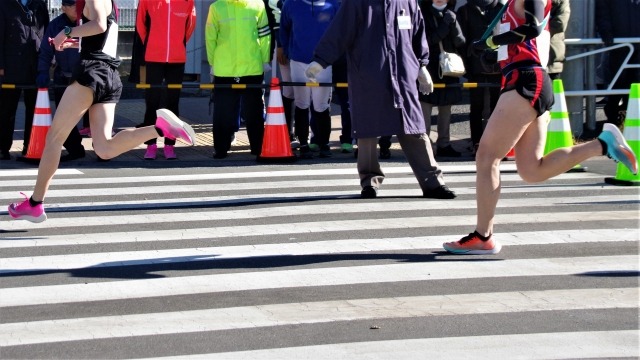
Of course. Since the Hakone Ekiden is basically held on public roads, you can watch it for free from the roadside. Starting in Otemachi, Tokyo, and passing through Shinagawa, Yokohama, Fujisawa, Odawara, and Hakone, you can stand anywhere along the course to see the runners in action.
Especially popular viewing spots include:
- Start point (Otemachi, Tokyo): You can experience the race atmosphere but it gets very crowded.
- Totsuka exchange station and Tsurumi exchange station: Rare points to see runner exchanges.
- Sections 5 (mountain ascent) and 6 (mountain descent): Key sections deciding the race outcome, where cheering gets intense.
- Finish point (Otemachi, Tokyo): Experience the emotional finale up close.
However, many people reserve spots early in the morning at popular locations, so acting promptly is necessary to secure the best viewing position.
Also, since it is a cold season, taking measures against the cold is essential. Bringing warm drinks and disposable warmers is recommended while watching.
7. Etiquette and Notes When Watching the Hakone Ekiden
Anyone can enjoy watching the Ekiden, but there are manners and precautions to observe for a safe and smooth event.
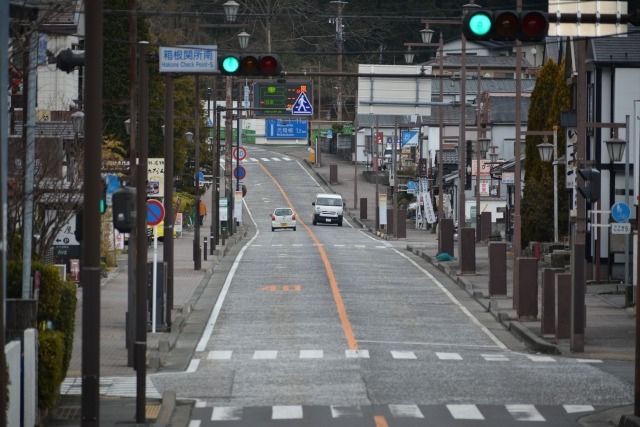
- Do not enter the roadway
Avoid any behavior that obstructs the runners. Do not step onto the road; cheer from sidewalks or safe areas. - Be mindful when using cheering goods
When using flags or cheering boards, ensure they do not block the view of other spectators or passersby. - Take your trash home
Littering on roads or near stations is strictly prohibited. Keep public spaces clean. - Photography and video etiquette
Photography is allowed, but avoid using flashes as they may distract runners. Selfie sticks and tripods may be banned in some places. - Be aware of traffic restrictions
Some roads are closed during the race. Check traffic information beforehand when moving around. - Keep your cheers moderate
Loud cheers energize the runners but be sure not to disturb those around you.
By following these manners, more people can enjoy the Ekiden comfortably. Watching is not only about the race but also a chance to experience Japanese manners and public etiquette.
In Conclusion
The Hakone Ekiden is one of the events symbolizing the New Year in Japan.
It is not just a competition but a cultural event packed with runners’ passion, pride between universities, and connections with local communities.
If you’re in Japan during the New Year, try standing along the roadside at least once. The cold wind blowing through, hearing the runners’ breaths, and the warm applause from spectators create an atmosphere beyond words that remains in your heart.
Watching on TV or cheering in person, this unique “Ekiden culture” in Japan will surely become a special memory for visitors.
If you spend the New Year in Japan, be sure to experience this “running drama” called the Hakone Ekiden. It will surely be an unforgettable experience.
Search Restaurants by Destination

Search Restaurants by Popular Cuisines