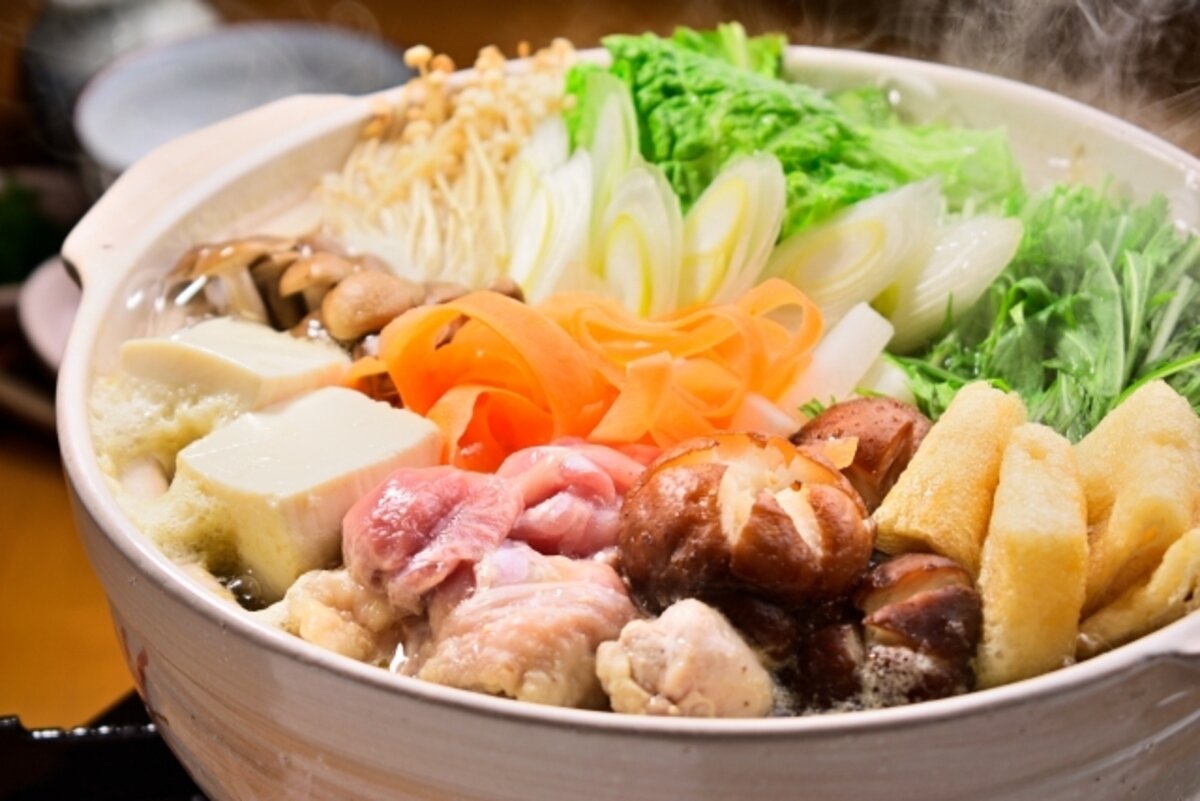
As the chill of winter descends, across Japan, the comforting scene of friends and family gathered around steaming hot pots appears everywhere. This beloved tradition is known as "Nabe Ryouri" (hot pot cuisine). More than just a meal, it’s a captivating cultural experience—where everyone gathers around a simmering pot, sharing warmth, stories, and the joy of cooking together.
From the tantalizing aroma of rich broths to the burst of umami from fresh ingredients, every bite tells a story. And when the meal draws to a close, there’s the heartwarming "shime"—the finale where the rich soup is transformed into a satisfying rice or noodle dish. Recently, nabe has gained heartful recognition from not only locals but travelers seeking an authentic taste of Japan’s soul.
This article invites you to dive into the world of Japanese hot pot cuisine—to uncover its diverse styles, eating rituals, and deep-rooted food culture. You won’t just savor a meal, you'll create a cherished memory that warms both body and spirit.
1. What is Hot Pot Cuisine
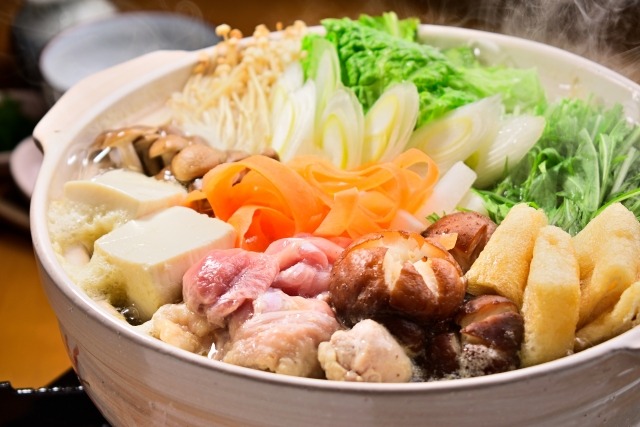
Hot pot cuisine encompasses dishes where fresh vegetables, meats, and seafood gently simmer together in a large communal pot. In Japan, "nabe ryouri" is a beloved comfort food enjoyed at home and in restaurants alike. Especially during cold winters, it’s cherished for its ability to warmly nurture from the inside out.
Every pot is unique—the broth base (dashi), seasoning, and combination of ingredients vary from region to region and family to family, offering delightful surprises at every table. Many Japanese relish the lively pleasure of watching ingredients cook before their eyes as flavors deepen with each simmer.
But hot pot cuisine goes beyond ingredients—it’s about gathering together. Sharing a pot sparks bonds, fuels heartfelt conversations, and creates an inviting, cozy atmosphere. This sense of connection is truly the heart of the nabe experience.
2. Characteristics and Charm of Hot Pot Cuisine
The greatest allure of hot pot cuisine lies in its unique "sense of togetherness." Placing one steaming pot at the center naturally draws people close, sparking lively conversations and warm smiles. Whether among friends, family, or even new acquaintances, nabe effortlessly breaks the ice, embodying the Japanese spirit of "Wa" (harmony).
Nabe also shines for its simplicity and nutrition. You can include a colorful array of ingredients—vegetables, seafood, meats, tofu, and mushrooms—making it well-balanced and nourishing.
The variety of broths is vast—kelp dashi, bonito, miso, soy sauce, kimchi, soy milk—and you can customize flavors to match your mood or health needs. This adaptability means nabe remains endlessly enjoyable, perfect for daily meals or special occasions.
And then there’s the eagerly awaited "shime." After savoring the ingredients, the remaining umami-rich broth transforms into a comforting rice or noodle dish, closing the meal on a high note—a true signature of Japanese nabe culture.
3. History of Hot Pot Cuisine
The roots of hot pot cuisine stretch back centuries. Pottery unearthed from the Jomon period shows early boiling techniques. By the Heian era, "nabemono" was reserved for aristocrats, and samurai even enjoyed it on battlefields.
During the Edo period, nabe spread widely among commoners, with sukiyaki and yosenabe emerging as popular home cooking. The Meiji era saw Western influence introduce more beef, turning sukiyaki into a celebration dish for many households.
Following the Showa period, household refrigerators and gas stoves made nabe preparation easier. Diverse nabe restaurants flourished, offering shabushabu, motsunabe, chanko nabe, and other specialties. Recently, convenience has grown with instant sauces and individual tabletop stoves, bringing nabe to solo diners and new audiences.
4. Types of Hot Pot Cuisine
・Shabushabu
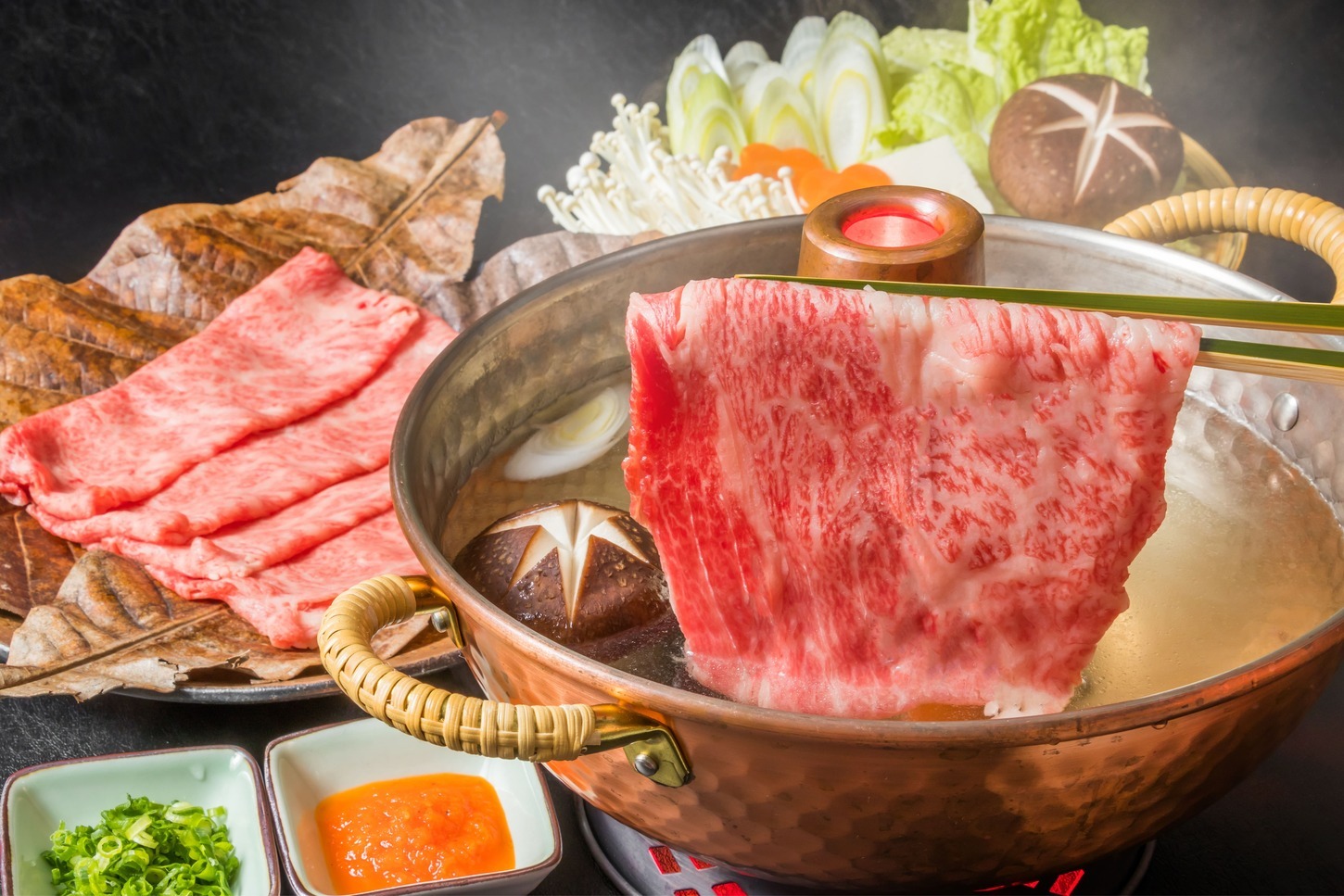
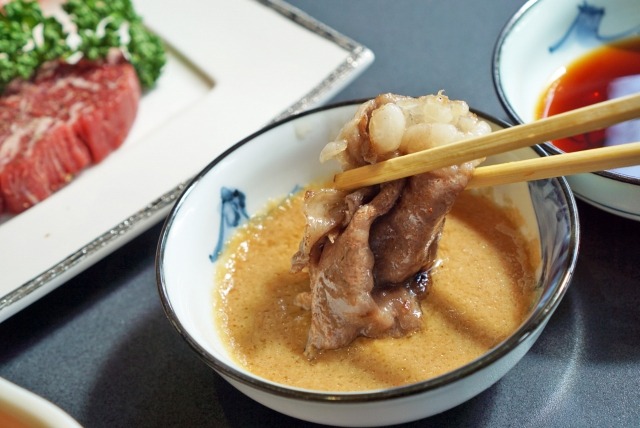
Shabu-shabu is a Japanese hot pot dish where thinly sliced beef or pork is briefly swished in a pot of boiling broth and dipped in ponzu citrus sauce or rich sesame sauce.
Despite its simplicity, the dish offers a deep and satisfying flavor that highlights the natural umami of the meat.
It is typically enjoyed with vegetables, tofu, and chrysanthemum greens, and the meal is usually finished with udon noodles or zosui (rice porridge) cooked in the flavorful remaining broth.
・Sukiyaki
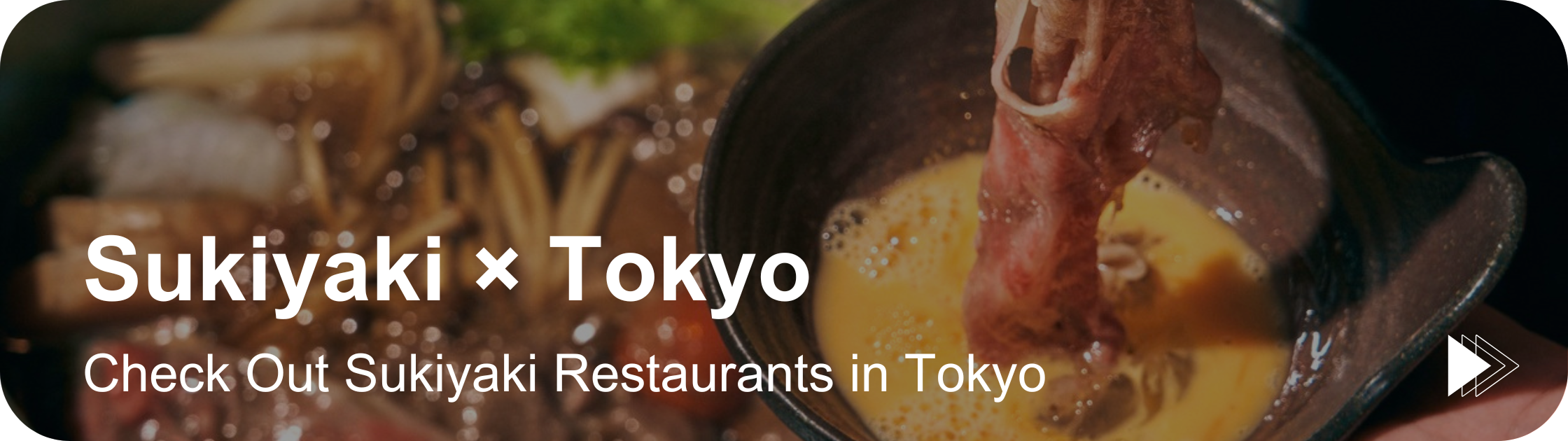
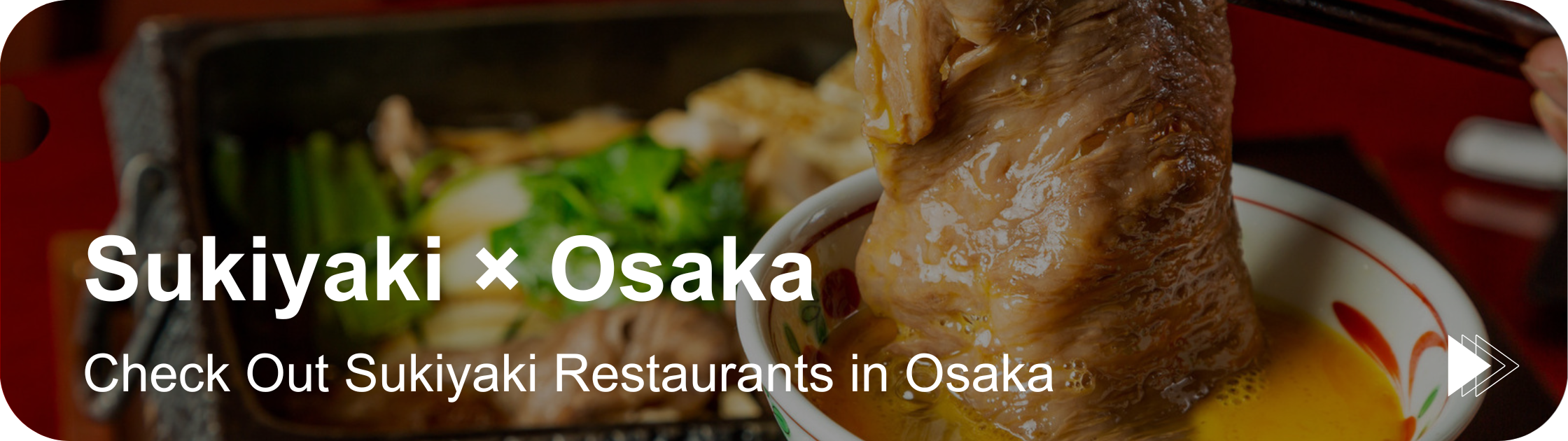
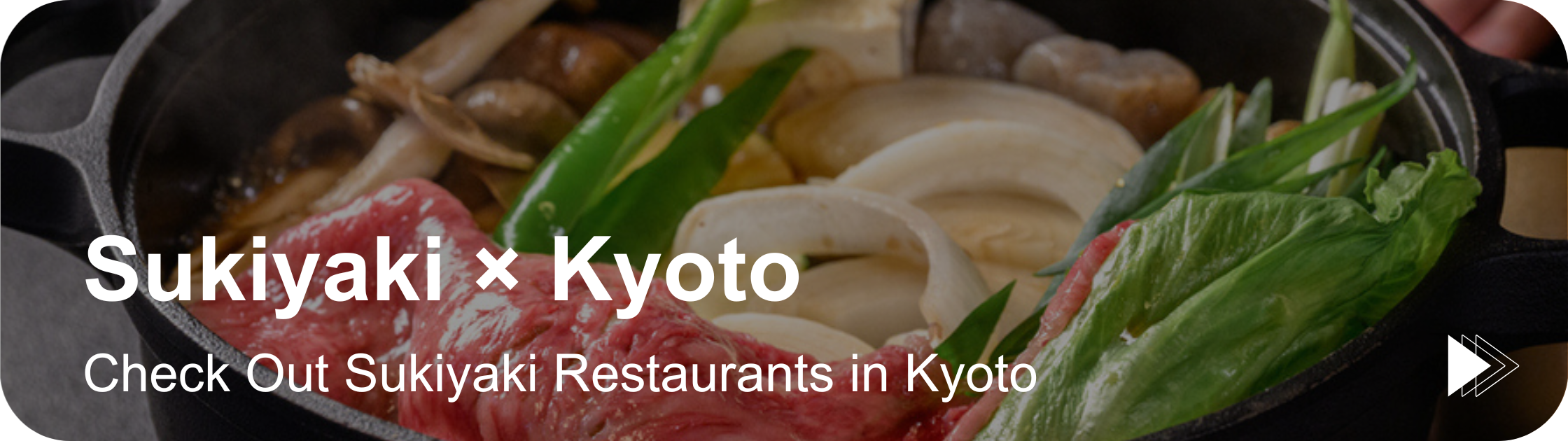
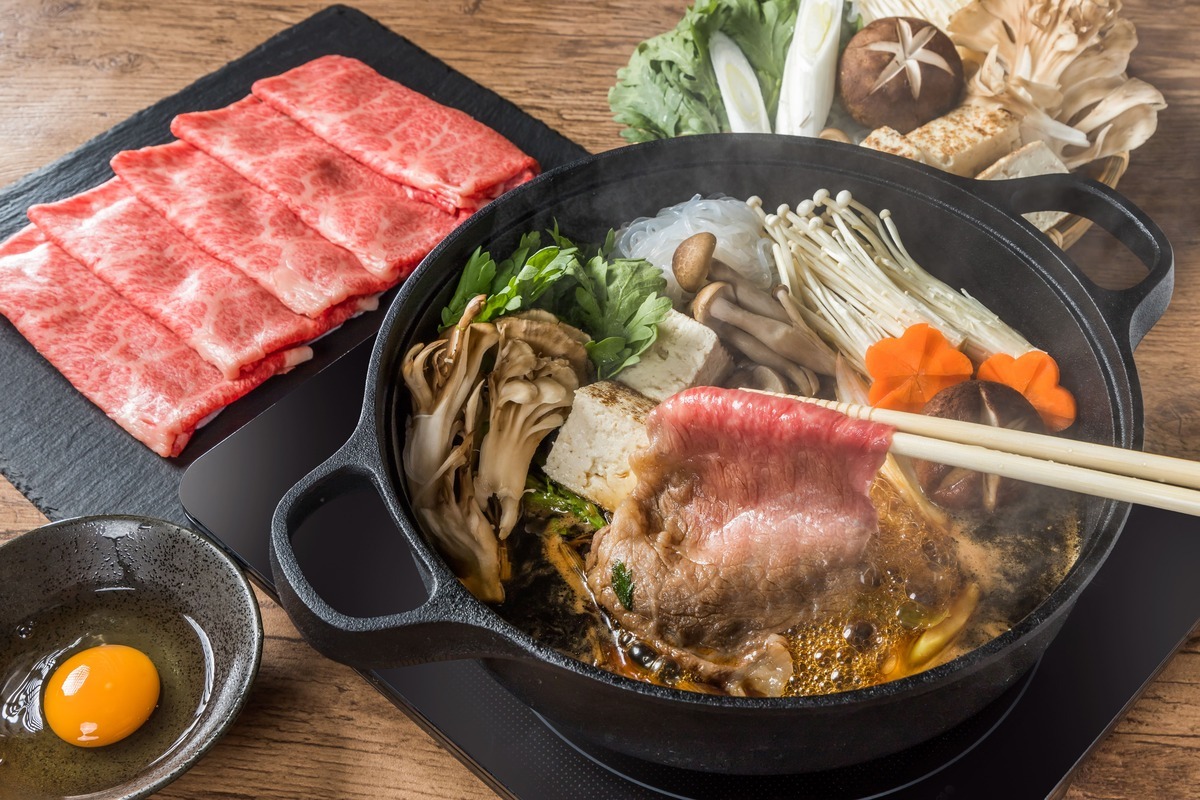
Sukiyaki is a beloved Japanese hot pot dish in which beef, green onions, shirataki noodles, tofu, and other ingredients are simmered in a sweet and savory sauce called warishita, then dipped into raw egg before eating.
There are notable regional differences between Kanto and Kansai in terms of seasoning and cooking methods, and preferences vary across the country.
Because it uses premium ingredients, sukiyaki is often enjoyed on special occasions or holidays as a luxurious meal.
・Motsunabe
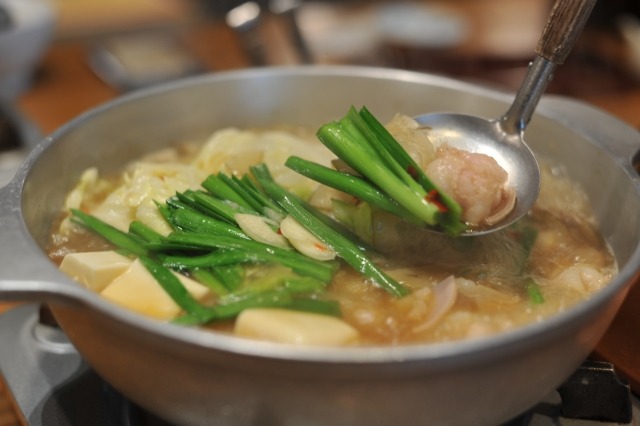
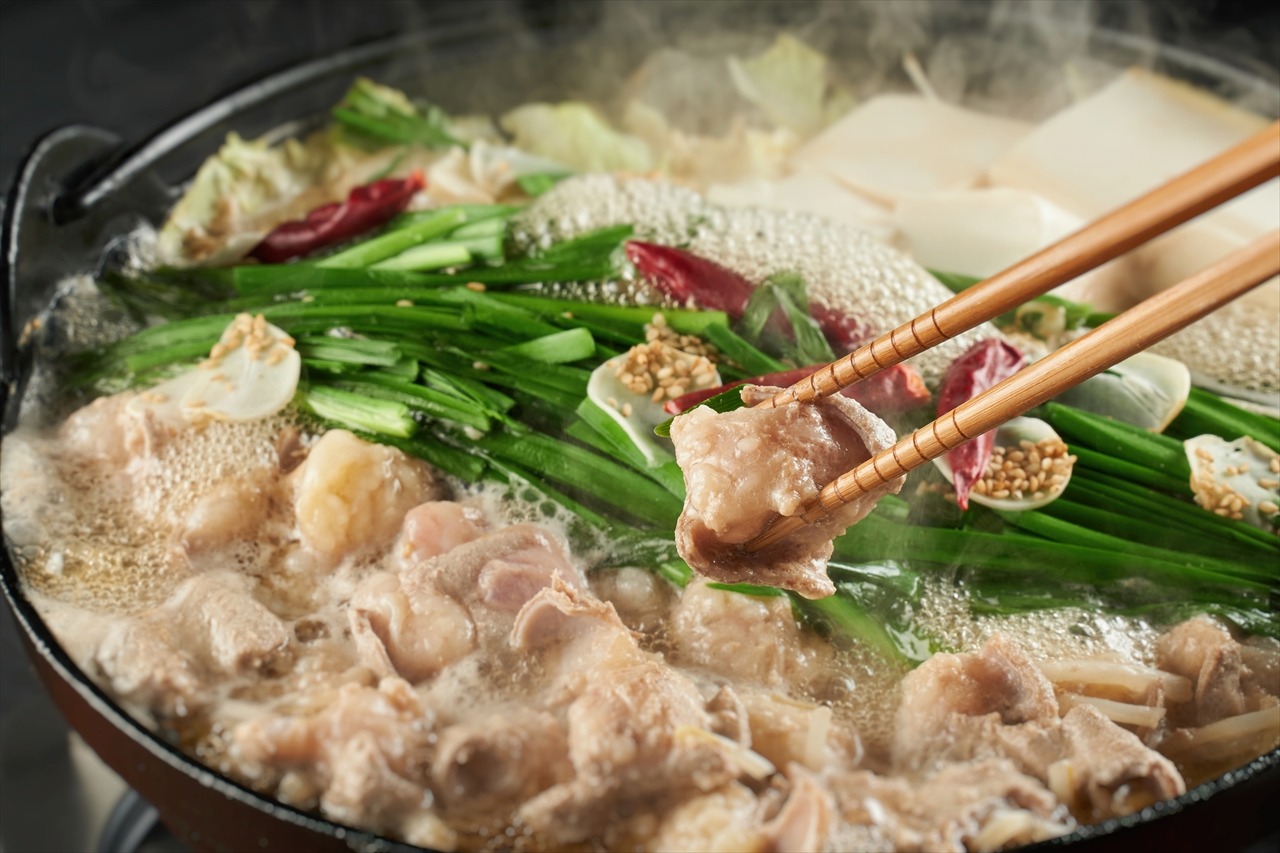
Motsunabe is a signature hot pot dish from Fukuoka, made by simmering beef or pork offal with garlic chives, cabbage, and garlic in a flavorful broth—commonly seasoned with soy sauce, miso, salt, or kimchi. Its deep umami flavor and high collagen content have made it especially popular among those seeking both hearty comfort food and beauty-enhancing benefits.
・Mizutaki
Mizutaki is another hot pot specialty from Fukuoka, made by simmering chicken and vegetables until the broth becomes a rich, milky white. It is typically enjoyed with ponzu, a citrus-based sauce that balances the deep flavor of the soup. As you continue eating, the broth becomes even more flavorful, and the meal traditionally ends with zosui—rice cooked in the remaining soup—making it a comforting dish perfect for warming the body and soul.
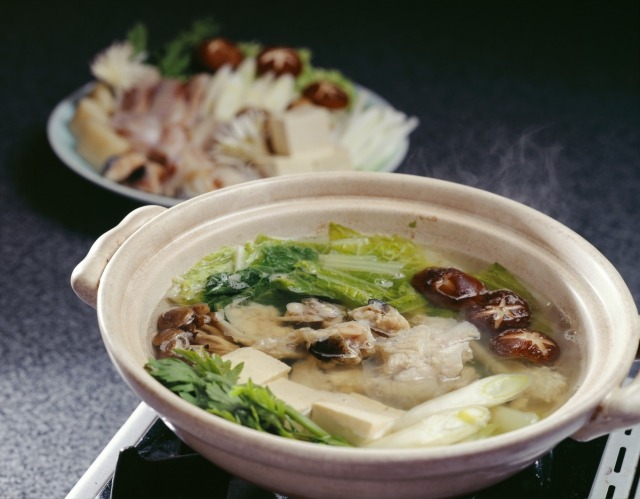
・Crab Nabe
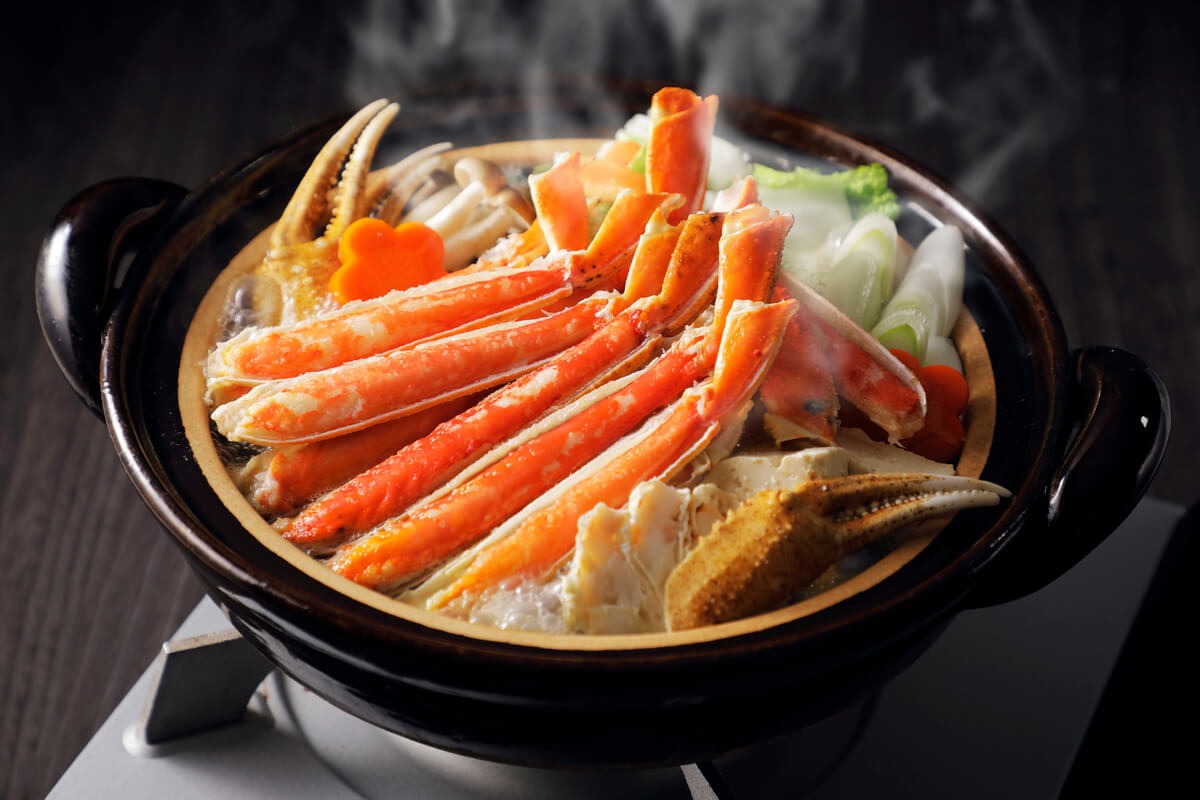
Crab nabe is a beloved wintertime hot pot dish that features snow crab and king crab simmered in a simple broth. The crabs’ natural umami infuses the soup, creating a rich and satisfying flavor without the need for heavy seasoning. While enjoyed across Japan, it's especially popular in Hokkaido and the Hokuriku region, where the crab is exceptionally fresh and flavorful.
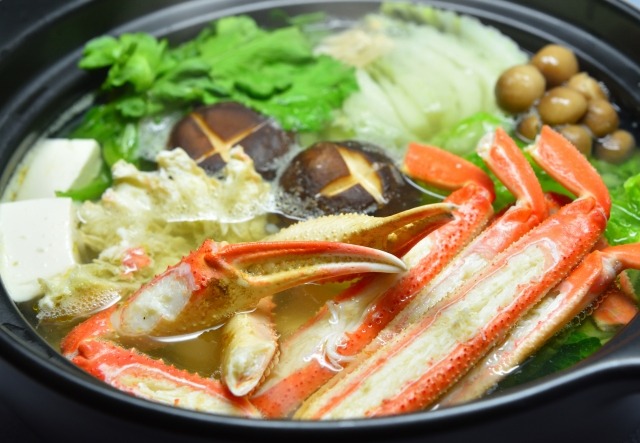
・Fugu Nabe (Tecchiri)
Fugu nabe is a premium hot pot made with the delicate pufferfish known for its subtle flavor and deepening umami with each bite. Because fugu preparation requires a special license, only certified restaurants are permitted to serve it. One of the highlights of this dish is the zosui—a rice porridge made from the rich broth extracted from the fish’s bones—considered by many to be the ultimate expression of fugu’s flavor.
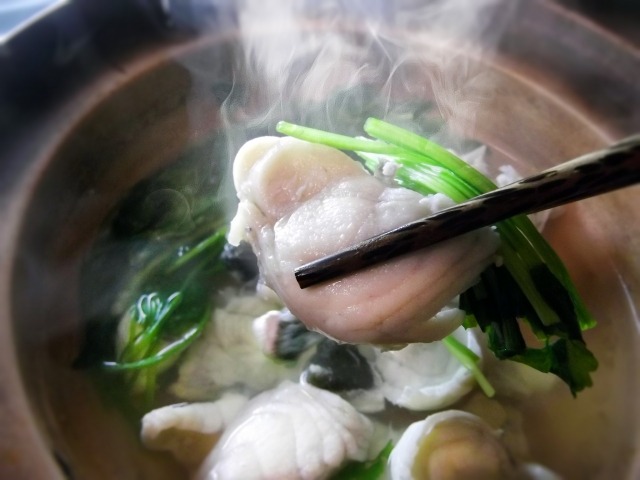
・Tsuufuu Nabe (Gout Hot Pot)
This attention-grabbing hot pot is named after “tsuufuu” (gout), a condition caused by excessive purine intake—reflecting the ingredients it features: sea urchin, milt (shirako), monkfish liver (ankimo), salmon roe, and oysters, all rich in purines. Though the name is meant humorously, the dish itself is intensely rich and indulgent, offering a rare combination of luxury and guilty pleasure. Its bold flavor and unforgettable experience make it a must-try for adventurous foodies seeking something truly decadent.
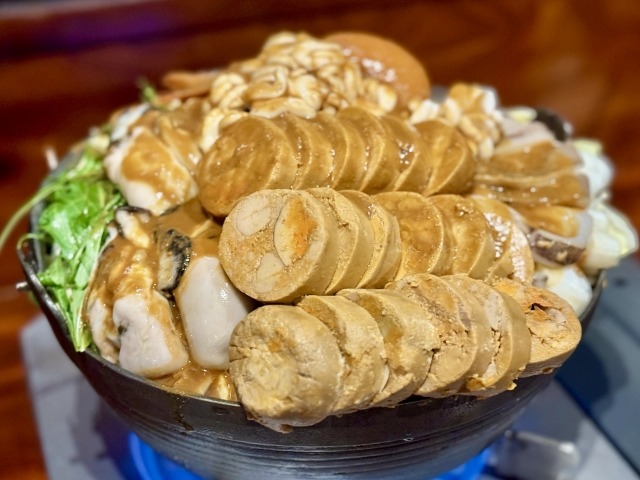
・Ishikari Nabe
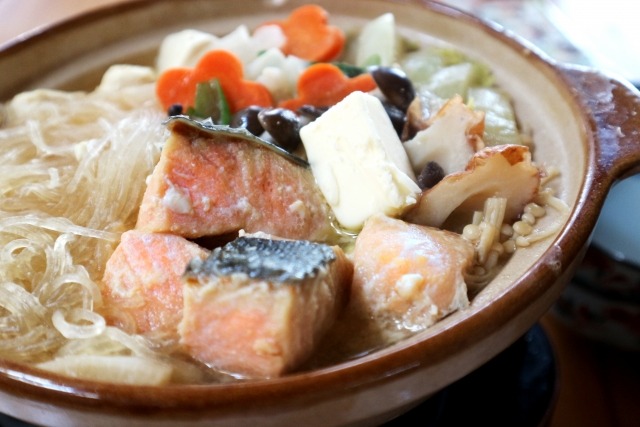
Ishikari Nabe is a traditional hot pot dish from Hokkaido, named after the Ishikari region near the mouth of the Ishikari River. It features a miso-based broth simmered with salmon, potatoes, onions, cabbage, and other vegetables. The rich umami of salmon blends beautifully with the deep flavor of miso, creating a warming dish perfect for cold northern winters. Originally made by local fishermen using freshly caught salmon, it remains a proud symbol of Hokkaido’s culinary heritage.
・Kiritanpo Nabe
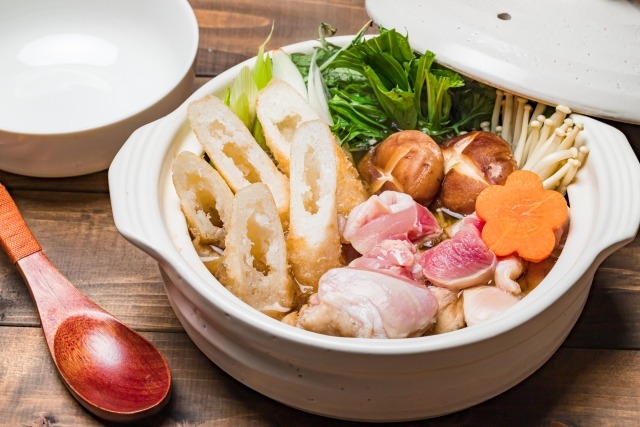
A beloved regional hot pot from Akita Prefecture, featuring "kiritanpo"—mashed rice molded onto sticks and grilled over charcoal—simmered with chicken and vegetables in a soy sauce-based broth. Simple yet deeply satisfying, its rustic flavor and the distinctive aroma of grilled rice make it a comforting dish that reflects the unique food culture of northern Japan.
・Kamo Nabe
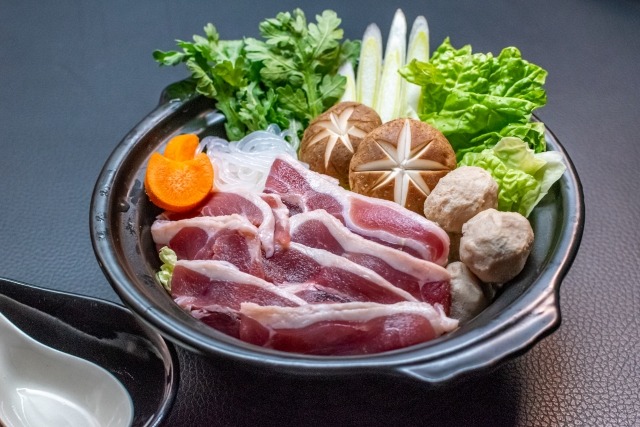
Kamo nabe is a fragrant hot pot dish that highlights the rich flavor of duck meat.
The duck fat adds a deep umami without being overly heavy, harmonizing perfectly with a soy sauce-based broth. It’s typically cooked with long green onions and burdock root, allowing the savory essence of the duck to soak into the vegetables. The result is a refined and satisfying flavor that showcases the elegant simplicity of Japanese winter cuisine.
・Chanko Nabe
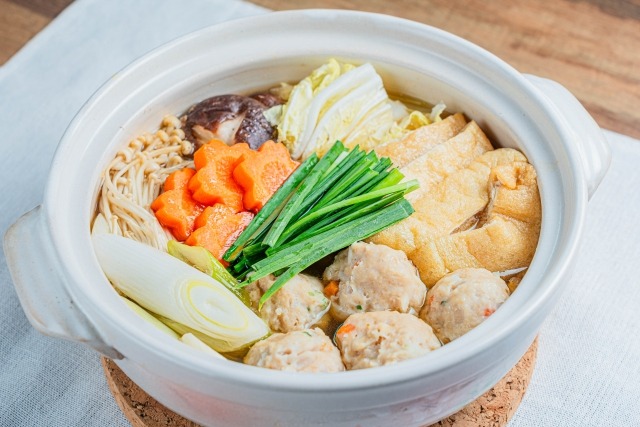
Chanko nabe is a traditional hot pot dish famously eaten by sumo wrestlers as part of their daily diet. It typically includes generous portions of chicken, fish, vegetables, tofu, and other ingredients, making it both hearty and well-balanced in nutrition. The broth can be flavored with miso, soy sauce, or salt, and the taste often varies depending on the restaurant or family preparing it. Originally developed in sumo stables (called heya), it has become a must-try experience for those interested in Japanese food culture. As for the name “chanko,” a widely accepted theory is that it comes from the term used to refer to the person (often a senior wrestler or coach) who prepared meals in the sumo stable.
・Yosenabe
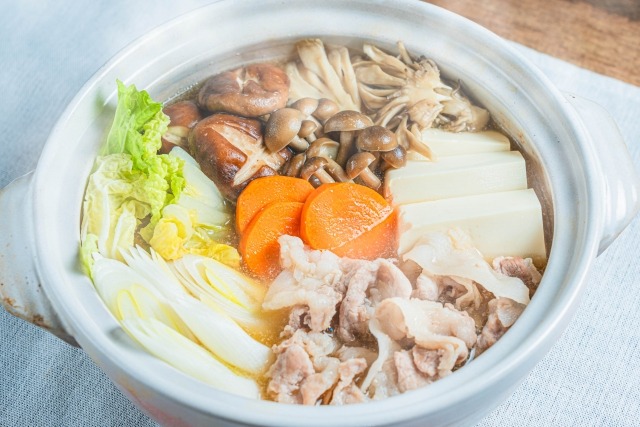
Yosenabe, which literally means "gathered hot pot," is one of the most basic and familiar types of Japanese hot pot. It features a wide variety of ingredients such as seafood, chicken, tofu, vegetables, and mushrooms—all added freely based on personal taste. The broth is typically light, made with kelp or bonito stock and seasoned with soy sauce or salt, allowing the natural flavors of the ingredients to shine. Its name comes from the way various ingredients are "gathered together" and simmered in a single pot. Popular both as a homemade meal and in restaurants, yosenabe is a comforting and accessible introduction to Japan’s hot pot culture.
5. How to Eat Hot Pot Cuisine
Hot pot cuisine is best enjoyed by "cooking and eating together." The pot sits at the center; ingredients are added gradually as you gather around. Simmered bites are passed into personal bowls—using serving chopsticks is courteous.
Flavor your ingredients with condiments like ponzu, sesame sauce, or yuzu kosho according to your preference. The cozy ritual of gently cooling each steaming morsel before savoring is a moment to dive deeply into Japanese dining culture.
6. What is Shime in Hot Pot Cuisine
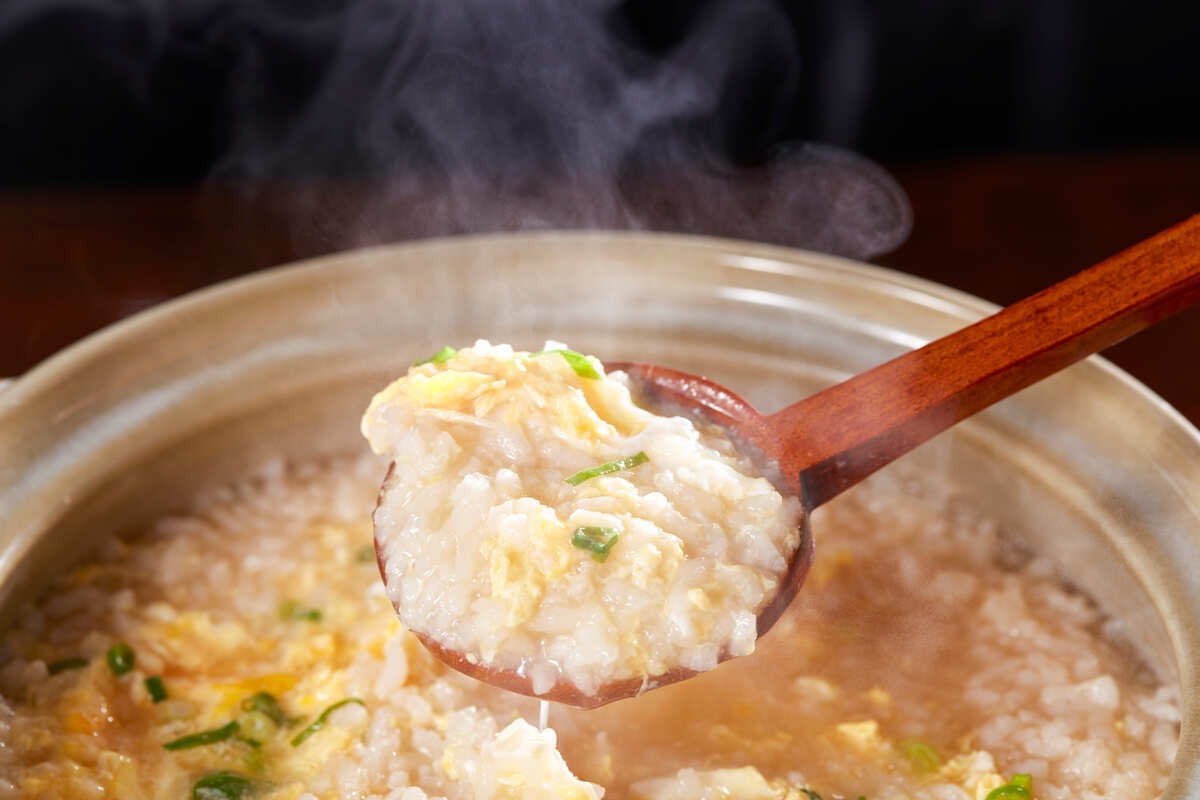
A beloved highlight of nabe is the "shime," or concluding dish. Once the broth has absorbed the full umami of the ingredients, rice, udon, or ramen is added to create a flavorful finale. Beaten egg and green onions often crown the zosui (rice porridge), offering delight both visually and in taste.
More than an ending, shime is a comforting crescendo—nourishing your body and soul, a perfect close to the shared warmth of hot pot cuisine.
In Conclusion
Japanese hot pot cuisine is far more than a warm dish—it's a heartfelt food experience weaving together deep human connection, the blessing of local climates, and centuries of culture.
Within a single pot lies a world of flavors, traditions, and seasons. Each nabe meal invites you to taste the very essence of Japan and connect with the warmth of its people. That is the true charm of this communal feast.
Gathering around a hot pot naturally sparks smiles and lively conversation—moments that become treasured memories, etched in warmth and friendship.
If you get the chance to visit Japan, don’t miss the opportunity to experience hot pot cuisine that warms your heart as much as your body.
Search Restaurants by Destination


Search Restaurants by Popular Cuisines

Search Restaurants by Destination