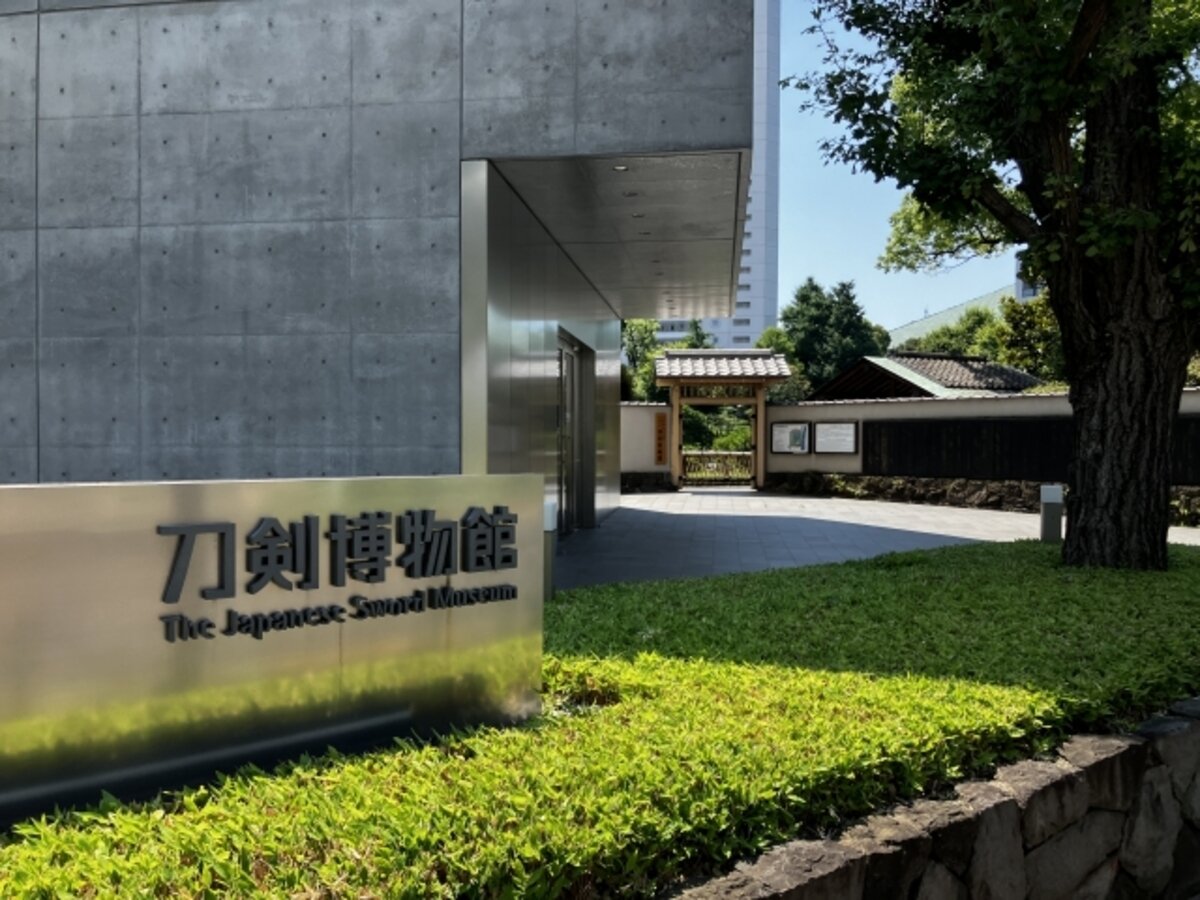
Tokyo has many museums, but among them, the "Japanese Sword Museum" stands out as a unique presence.
When people think of Japanese swords, many might associate them with "tools for fighting," but in reality, they are also works of art, cultural heritage, and a mirror that reflects the spirit and aesthetic sense of the Japanese people.
The Japanese Sword Museum located in Sumida Ward offers the chance to fully appreciate the charm of Japanese swords right in front of you, in a quiet space. It is an ideal spot for those interested in Japanese culture, those drawn to swords through anime or games, and those who want to spend intellectual time in a peaceful place.
This article provides detailed information about the Japanese Sword Museum, including basic information, highlights, and nearby spots. To avoid any confusion during your visit, we comprehensively cover access methods and manners as well.
*Photos in the article are for illustrative purposes.
1. What is the Japanese Sword Museum?
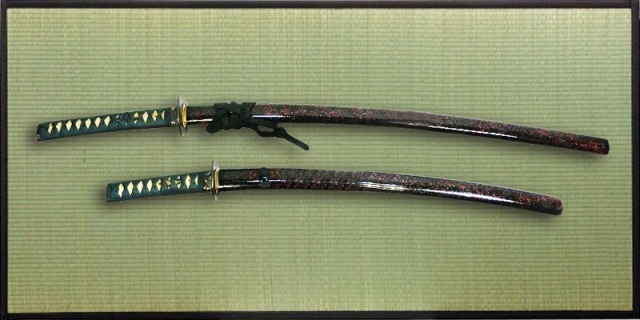
The Japanese Sword Museum is a specialized museum for Japanese swords operated by the Public Interest Incorporated Foundation “Nihon Bijutsu Token Hozon Kyokai (NBTHK).” Its purpose is the preservation and promotion of the traditional craft of Japanese swords. The swords on display are not merely old items but are highly valued as works of art, each having cultural and historical significance.
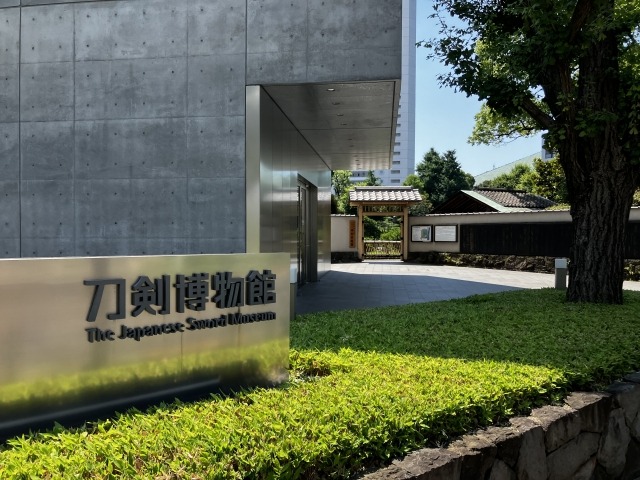
In 2018, it was relocated and newly built in Yokozuna, Sumida Ward. The building itself boasts a beautiful Japanese modern design, providing a serene atmosphere ideal for appreciating the exhibits in depth.
Inside, visitors can learn not only about the Japanese swords themselves but also about sword fittings (such as tsuba, handles, sheaths), the sword-making process, and polishing techniques. You can experience the delicate craftsmanship of artisans and deeply appreciate Japanese culture.

2. Basic Information about the Japanese Sword Museum
・Location
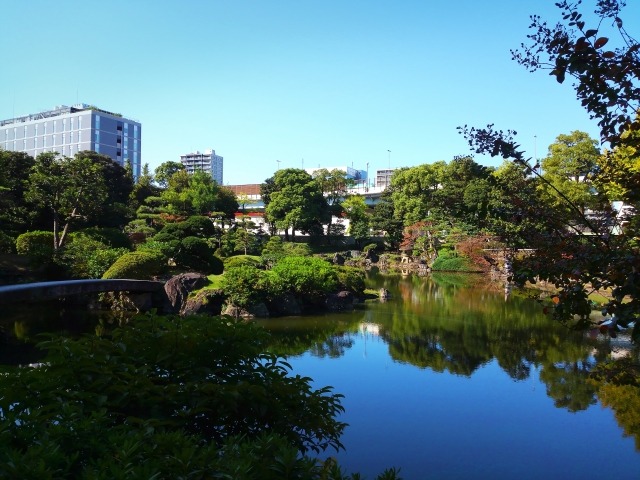
The Japanese Sword Museum is located at 1-12-9 Yokozuna, Sumida Ward, Tokyo. Situated near the Sumida River, it stands quietly in a peaceful environment. Facing it is the “Old Yasuda Garden,” and nearby is the “Ryogoku Kokugikan,” a district rich in tradition and culture.
Google Maps: https://maps.app.goo.gl/BwgoCH5vU9njAqvb7
・Nearest Stations and Access
There are two nearest stations.
- JR Sobu Line “Ryogoku Station” West Exit, about a 7-minute walk
- Toei Oedo Line “Ryogoku Station” A1 Exit, about a 5-minute walk
Both lines offer good access from central Tokyo, and you can reach the museum with just one transfer from Asakusa or Akihabara, making it easy to include in your sightseeing route.
・Opening Hours
Open from 9:30 to 17:00 (last admission at 16:30).
It is recommended to visit with ample time. It is not very crowded, but the morning is the best time to view the exhibits thoroughly.
・Closed Days
The closing days of the Japanese Sword Museum are as follows:
- Every Monday (open on holidays and closed the following Tuesday)
- During exhibition changes (irregular)
- Year-end and New Year holidays (approximately late December to early January)
Since it may be closed depending on the timing of your visit, especially if coming from afar, it is advisable to check the latest opening information on the official website beforehand for peace of mind.
・Admission Fee
Admission fees as of January 2026 are:
- General: 1,000 yen
- High school and university students: 500 yen
- Junior high school students and younger: free (though accompanied by a guardian is recommended)
Fees may change during special exhibitions, so please check the official website before visiting.
・Reservation Requirement
No reservation is required for regular admission. However, group visits or participation in lectures may require advance booking.
Also, during busy periods or events, numbered tickets may be distributed to alleviate congestion.
・English Support Availability
Guidance signs and exhibition explanation panels inside the museum are available in both Japanese and English.
English pamphlets are also provided, so you can understand the basic information without difficulty.
However, guided tours are generally only in Japanese. To deeply understand specialized content, it is recommended to study the basics of Japanese swords beforehand for greater enjoyment.
・Official Website
https://www.touken.or.jp/museum/
3. Highlights and Characteristics of the Japanese Sword Museum
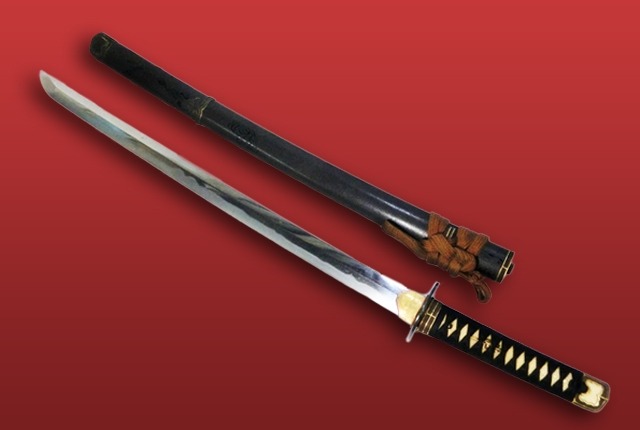
The biggest appeal of the Japanese Sword Museum is the opportunity to closely view genuine Japanese swords. Many of them are nationally designated Important Cultural Properties or Important Art Objects. The polished hamon (blade patterns), exquisite curves, and excellent state of preservation reveal a beauty that photos can never fully convey.
Moreover, the exhibits are not limited to just "swords," featuring distinctive elements such as:
- Exhibition of sword fittings: The beauty of decorative sword fittings is also worth noting. Pay attention to intricate engraving techniques and different materials used.
- Different types of swords: Learn the differences in use and shape of tachi, uchigatana, tanto, wakizashi, and others.
- Explanation of sword-making and polishing processes: Panels and videos introduce the steps to complete a sword, offering a glimpse into the artisan world.
- Special exhibitions: Regularly held themed exhibitions such as "Newly Designated Important Sword Exhibition" explore sword charms from different angles.
Additionally, the exhibition space is designed with calm lighting and sophisticated interiors, allowing visitors to engage deeply with the swords. Photography is prohibited, ensuring a unique time experienced only in that space.
4. How to Enjoy the Japanese Sword Museum
When visiting the Japanese Sword Museum, you can increase your satisfaction by enjoying it in the following ways.
First, use the pamphlet you receive at the entrance to check the layout and highlight exhibits. By having an overview, you can tour the exhibition efficiently.
At the 3rd-floor exhibition room, you can borrow a monocular free of charge, enabling you to clearly observe subtle details of the hamon patterns and material differences that are hard to see with the naked eye.
Pay attention to the "Viewing manners lecture" and regular appreciation meetings held on the second Saturday every month. These allow you to view swords with expert commentary, greatly deepening your knowledge. Event details and schedules are posted on the official website, so checking in advance is recommended.
At the gift shop, you can purchase art catalogs, postcards, and other goods. There are also many specialized books, some in English, making for great souvenirs.
5. Cautions and Manners
The Japanese Sword Museum maintains a quiet atmosphere similar to an art museum. Please observe the following manners during your visit.
- Remain quiet inside. Avoid loud conversations and phone calls.
- Photography is prohibited. Make sure to imprint the experience in your memory.
- Do not touch exhibit cases or walls.
- No eating or drinking allowed. Avoid bringing PET bottles inside unless necessary, in which case use the lobby.
- If bringing children, please supervise them to prevent running and noisy behavior.
As the exhibits are extremely valuable and the preservation environment is strictly managed, it is important to treat cultural assets with respect.
6. What is the Old Yasuda Garden?
The “Old Yasuda Garden” in front of the Japanese Sword Museum is a Japanese garden dating back to the Edo period. Admission is free, making it a perfect spot to visit along with the museum.
The garden features a strolling pond-centered style with scenic views enjoyed throughout the seasons. Especially popular among photography enthusiasts is the spring cherry blossom and autumn foliage season.
It is recommended for those who want to take a walk in nature and refresh themselves after viewing the museum. There are benches available, making it an ideal place to rest your tired feet.
7. Nearby Tourist Spots
The Ryogoku area where the Japanese Sword Museum is located is a town with a rich traditional Japanese culture. Visiting the following spots together will make for a more fulfilling day.
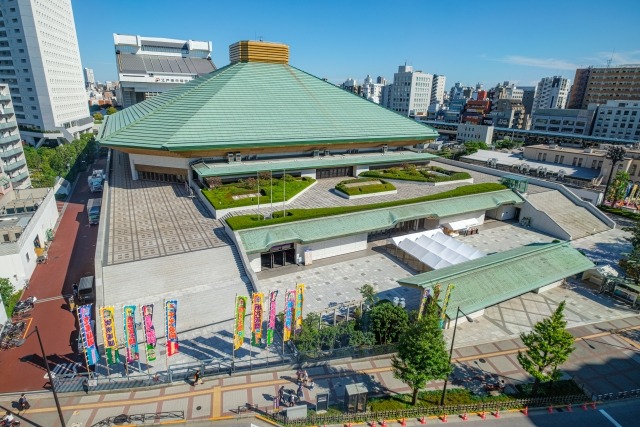
Ryogoku Kokugikan: The sacred place of sumo. Tickets are required during Grand Sumo tournaments, but the Sumo Museum is permanently open.
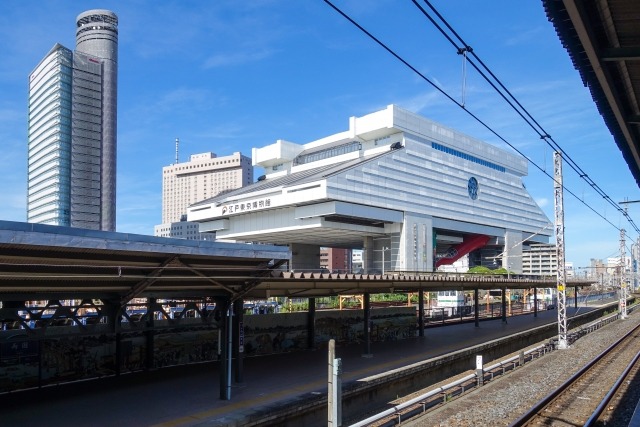
Edo-Tokyo Museum: A large museum where you can learn about the history of Tokyo from the Edo period. As of January 2026, it is closed for extensive renovations but is scheduled to reopen renewed on March 31, 2026.
Sumida Hokusai Museum: Introduces the works and life of the world-famous ukiyo-e artist Katsushika Hokusai.

Tokyo Skytree: Not within walking distance but accessible quickly by train. You can enjoy the observation deck, aquarium, and shopping at Solamachi.

In Conclusion
The Japanese Sword Museum is a highly sophisticated facility that exhibits and introduces Japanese swords not just as weapons but as works of art and cultural treasures. The design of the building, the exhibition arrangements, and the staff’s hospitality are all refined, allowing visitors to spend quiet and profound time.
With good access from central Tokyo, it’s an ideal location to drop by during sightseeing. There are many gardens and historical spots around, making it a perfect area to enjoy Japanese culture for a whole day.
If you have even a slight interest in Japanese culture, we highly recommend visiting at least once. By actually visiting, you can surely feel how beautiful and deeply meaningful Japanese swords are.
Search Restaurants by Destination

Search Restaurants by Popular Cuisines

Search Restaurants by Characteristics