Tokyo is always known as a cutting-edge city, but beneath it lies a history and culture that has been continuously passed down for over 400 years.
To deeply understand present-day Tokyo, it is essential to know its starting point in the Edo period, as well as the transitions through the Meiji, Taisho, and Showa eras.
A place where you can experience the history of Tokyo all at once is the "Edo-Tokyo Museum".
Located in the historic town of Ryogoku, it offers exhibits that recreate the streets and lives of people during the Edo period, giving visitors a sense as if they have time-traveled.
This museum, enjoyable for both children and adults, is especially recommended for those seeking "culture and learning" during their Tokyo sightseeing.
As of January 2026, the facility is undergoing extensive renovation due to aging. With its renewal opening scheduled for March 2026, the exhibits and facilities are expected to greatly evolve, once again attracting a lot of attention.
This article carefully explains everything from the basic information about the Edo-Tokyo Museum, highlights of the exhibits, to nearby sightseeing spots and gourmet information.
It also introduces manners and points to note in advance, so even first-time visitors can feel at ease.
*Photos in the article are for illustrative purposes.
1. What is the Edo-Tokyo Museum?
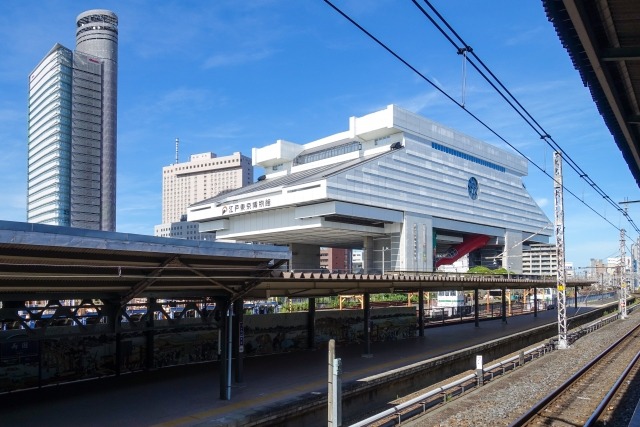
The Edo-Tokyo Museum is a history-specialized museum established by the Tokyo Metropolitan Government in 1993.
It introduces the changes in Tokyo’s urban landscape and the lives of its people from the Edo period to the present, utilizing numerous precious materials and life-sized restored models.
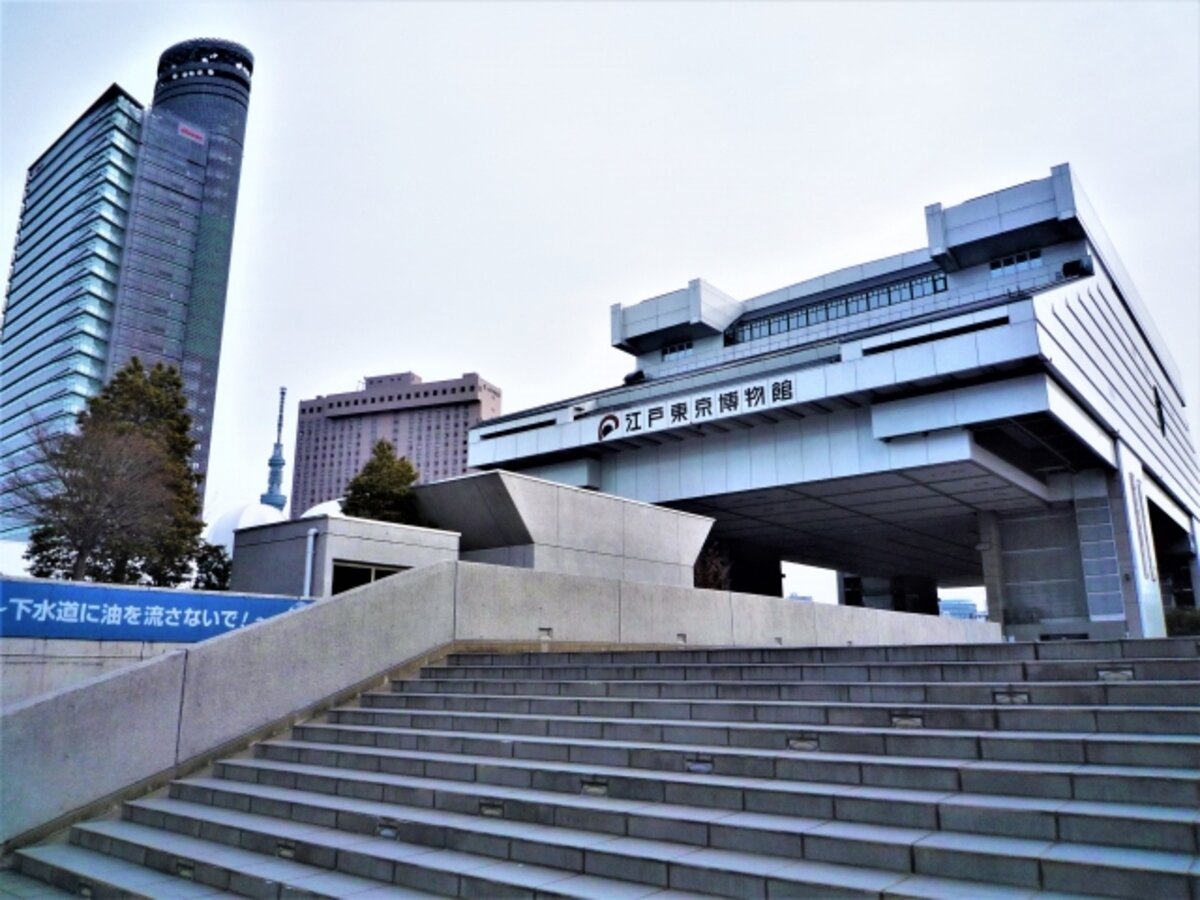
The building was designed by architect Kiyonori Kikutake, and its exterior is a unique structure evoking an "elevated warehouse." Its impactful appearance leaves a strong impression on first-time visitors.
Inside, the permanent exhibits are divided into the "Edo Zone" and the "Tokyo Zone," allowing visitors to experientially learn about the background, urban development, culture, and lifestyles of each era.
Features include a giant model of Nihonbashi Bridge that visitors can actually walk across and a recreation of an Edo-period townhouse interior, making it visually very enjoyable.
Special exhibitions and planned exhibits sometimes cover themes related not only to Tokyo but also to history and culture from all over Japan and abroad, making the museum popular even among repeat visitors.
The Edo-Tokyo Museum is loved by many as a museum that emphasizes "experiencing history" rather than just viewing displays.
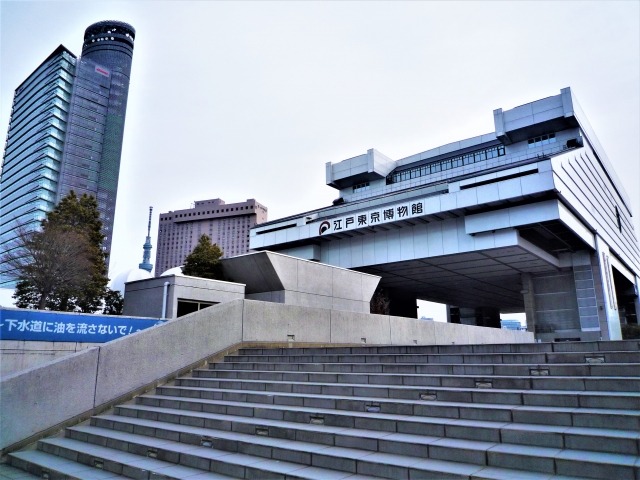
2. Basic Information About the Edo-Tokyo Museum
・Location
The Edo-Tokyo Museum is located at 1-4-1 Yokoami, Sumida City, Tokyo.
It is right next to the Ryogoku Kokugikan Sumo Arena, surrounded by sumo-related facilities and Japanese gardens, in an area rich in culture and history.
Google Maps: https://maps.app.goo.gl/jCWQWgNQTbBUUYfC9
・Nearest Stations and Access
- 3-minute walk from JR Sobu Line "Ryogoku Station" West Exit
- 5-minute walk from Toei Oedo Line "Ryogoku Station" Exit A3
It also has excellent access, about 20 minutes by train from Tokyo Station.
The location is relatively convenient for moving with suitcases, and there are many hotels and restaurants nearby.
・Renewal Opening Date
As of January 2026, the Edo-Tokyo Museum is closed for large-scale renewal construction.
Finally, the renewal opening is scheduled for Tuesday, March 31, 2026.
The new exhibits will incorporate interactive experiences using digital technology, enhanced universal design, expanded multilingual support, and aim to evolve into a museum that is "easy to understand and enjoy" for a wider audience.
・Official Website
Latest information, exhibition schedules, ticket information, and more can be confirmed on the official website below.
3. Highlights and Features of the Edo-Tokyo Museum
The greatest appeal of the Edo-Tokyo Museum is the abundance of "life-sized restored exhibits" and "interactive exhibits."
Rather than just displaying materials, the exhibits are designed so that visitors can “immerse” themselves in the lifestyles of the Edo or Meiji periods right there.
Edo-period tenement houses and merchant houses, firefighting equipment, lanterns, kamishibai (paper plays) — the daily lives of ordinary people are reproduced in detail, with features that even those not interested in history can enjoy.
The Tokyo Zone richly introduces recent history such as the Great Kanto Earthquake, the Tokyo Olympics, and life during the rapid economic growth period, giving visitors a feeling of connecting the "Tokyo they know" with the "past Tokyo they didn’t know."
Multilingual explanation panels and audio guides are well-prepared, supporting English, Chinese, Korean, and more. After the renewal, multilingual and barrier-free support will be further strengthened.
4. How to Enjoy the Edo-Tokyo Museum
To enjoy this museum more deeply, it is good to keep a few points in mind.
First, follow the route when viewing exhibits. Since the exhibits are arranged chronologically, progressing from the entrance helps visitors naturally understand the flow from Edo to the present.
Next, don’t miss the interactive exhibits. For example, some karakuri (mechanical) models and rickshaw exhibits can be touched or operated, not just viewed. This ensures even small children won’t get bored.
The museum shop sells books, miscellaneous goods, and traditional crafts related to Edo culture and Tokyo. Unique stationery and goods are recommended souvenirs.
5. Points to Note and Manners
The Edo-Tokyo Museum is operated so that many people can comfortably enjoy their visit. Please pay attention to the following when visiting.
- There are areas within the museum where photography is allowed and others where it is not. Please check signs to confirm if photography is permitted.
- Eating and drinking are prohibited inside. If you want a snack, please use either the cafe space inside or nearby restaurants.
- Do not run inside and observe quietly. Many exhibits and models should not be touched, so please follow the instructions carefully.
- Large luggage can be conveniently stored in coin lockers (free to about 100 yen).
- The facility is designed for smooth movement with strollers and wheelchairs, and rentals are available.
6. Nearby Sightseeing Spots
The Ryogoku area, where the Edo-Tokyo Museum is located, is full of tourist spots where you can experience culture and history.
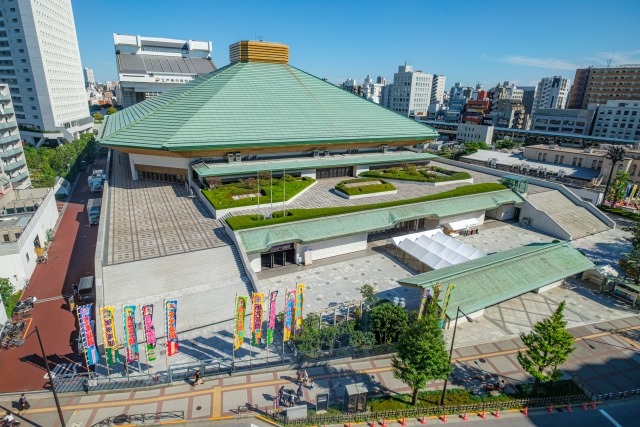
Ryogoku Kokugikan: The hall of Japan’s national sport sumo. If timing is right, you can watch a honbasho (official sumo tournament).
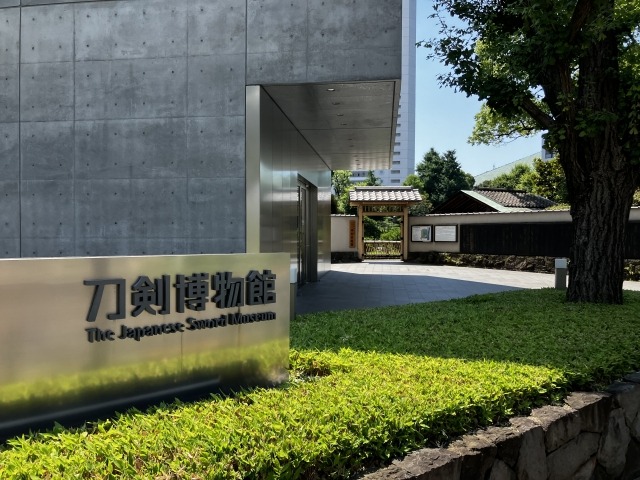
Sword Museum: A specialized museum where you can deeply learn about the beauty and history of Japanese swords. The quiet and calm space is attractive.
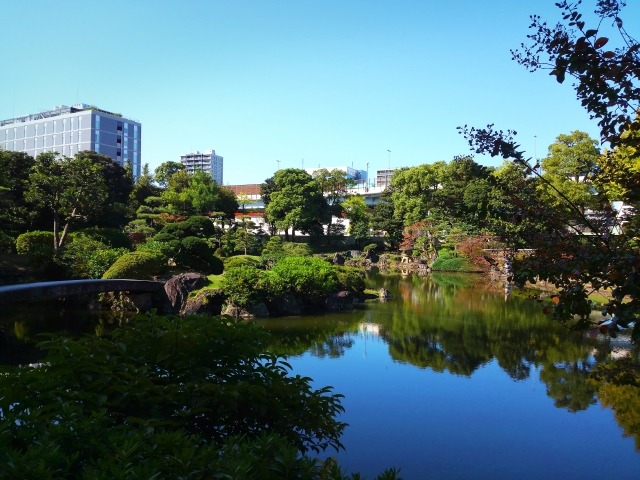
Former Yasuda Garden: A spot where you can enjoy a Japanese garden for free. The beautiful scenery changes with the seasons, and many visit it along with the museum.
Sumida Hokusai Museum: A museum where you can encounter the works and life of the world-famous ukiyo-e artist Katsushika Hokusai.
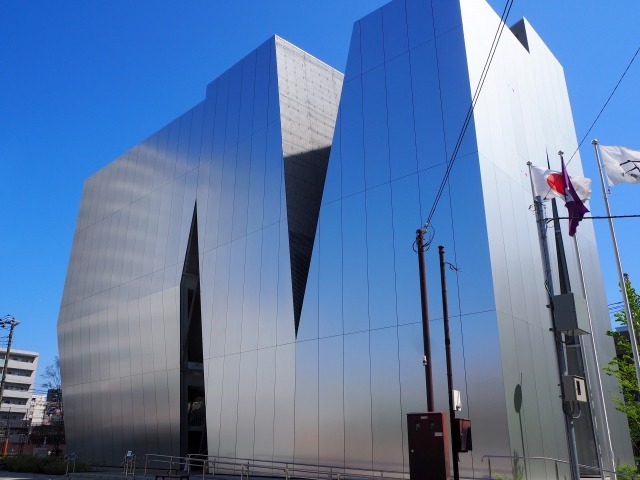
All are within walking distance, allowing multiple cultural experiences in one day.
In Conclusion
The Edo-Tokyo Museum is an extremely valuable spot where you can experience the cultural depth of Tokyo. The exhibits allow you to not just "see" but "feel" the streetscape of Edo and modern life, and its structure is enjoyable even for those not well-versed in history.
Furthermore, with the renewal on March 31, 2026, the quality of the exhibits and the range of experiences will greatly improve, evolving into a museum that anyone can enjoy more than ever before.
During Tokyo sightseeing, by incorporating such "intellectual travel time" along with lively shopping and gourmet experiences, overall satisfaction with your trip should increase significantly.
The Ryogoku area where the museum is located is a very attractive area where culture, history, and food gather. Why not enjoy a full day centered around the Edo-Tokyo Museum?
Search Restaurants by Destination
Search Restaurants by Popular Cuisines
Search Restaurants by Characteristics