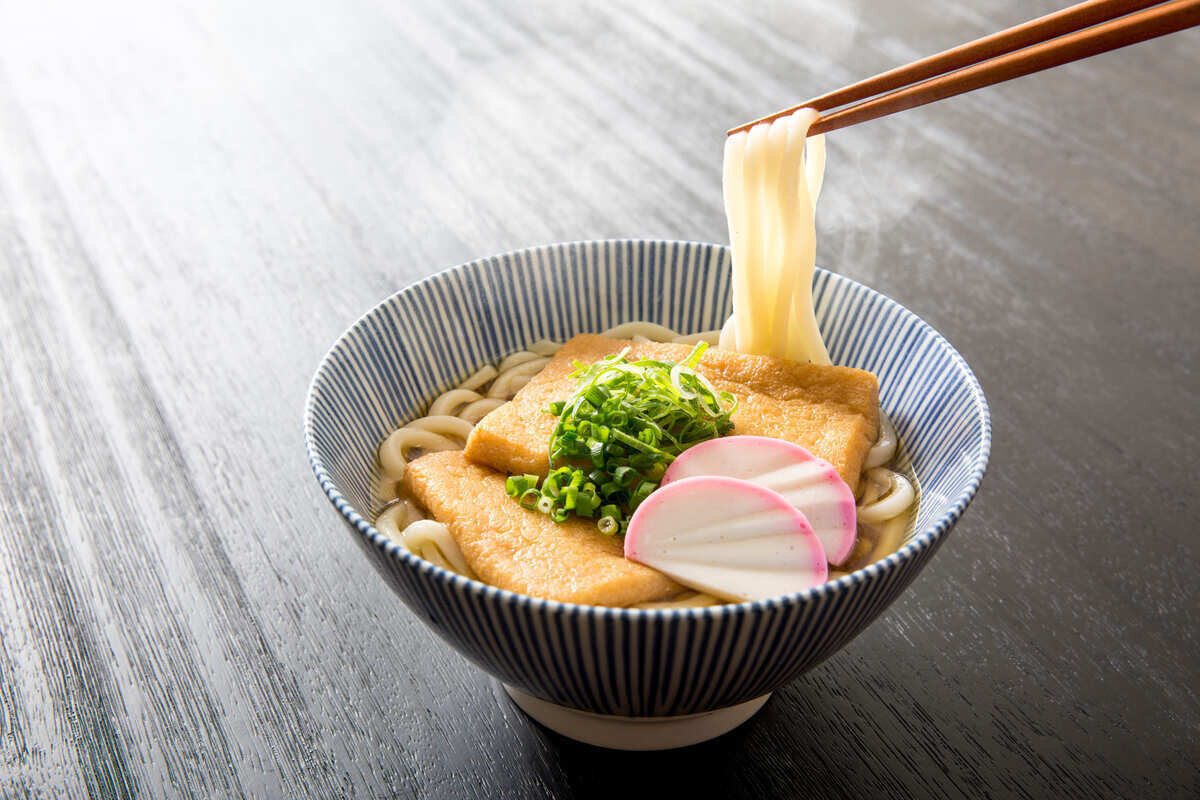
What is udon?
Udon is a dish made by adding a small amount of salted water to wheat flour, kneading it into noodles, and boiling.
The noodles are typically served in a bonito broth seasoned with soy sauce.
Udon is believed to have been introduced from China in the 700s.
Later, it was served in court and became extremely popular among the common folk during the Edo period (1603–1868), leading to the development of udon unique to various parts of Japan.
Examples by region: Sanuki udon (Kagawa Prefecture), Inaniwa udon (Akita Prefecture), Himokawa udon (Gunma Prefecture), and Goto udon (Nagasaki Prefecture).
In recent years, a variety of udon noodles with different flavors have appeared.
Udon has been incorporated with new flavors like tomato, curry, and cheese, which are not typically found in traditional Japanese cuisine.
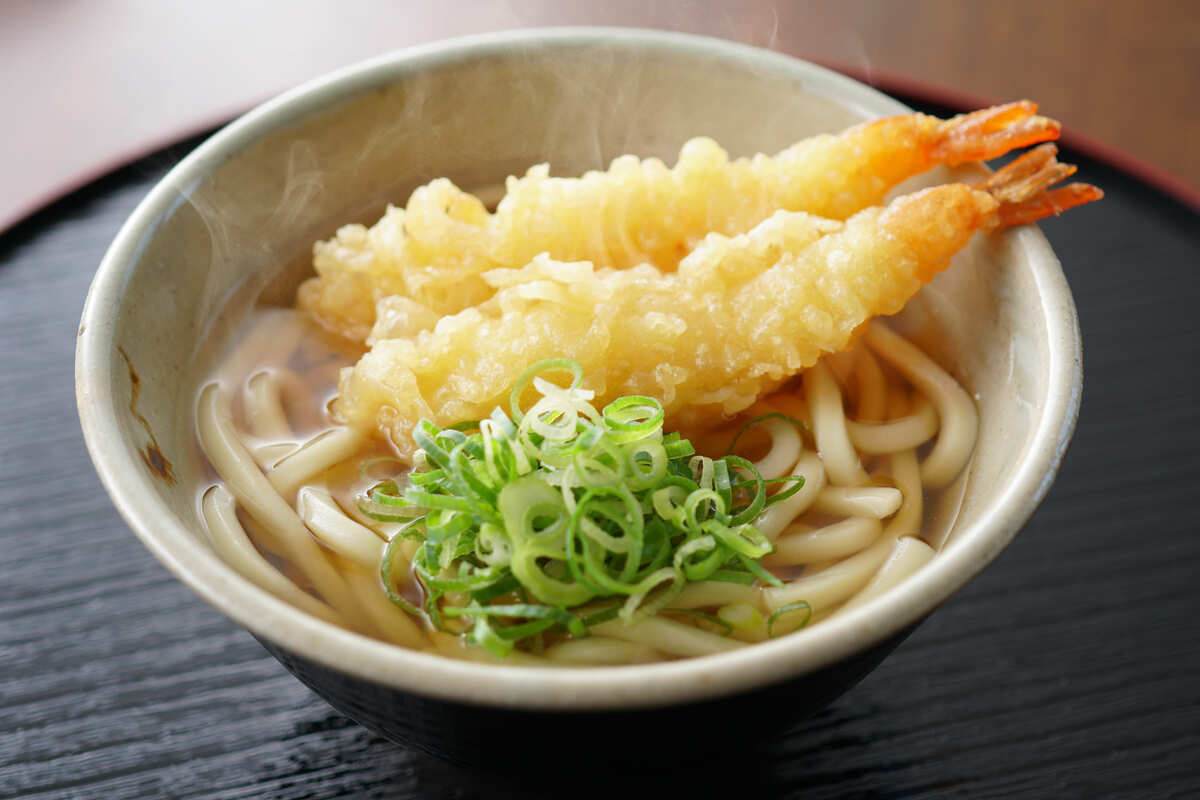
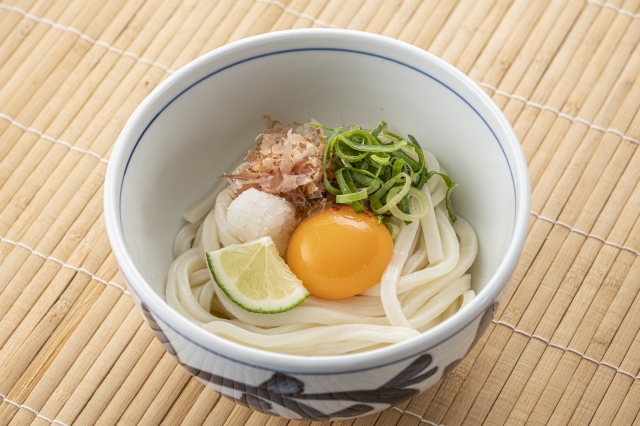
Udon vs. Soba: The Deeply Rooted “Noodle Culture” Loved by the Japanese
Japan’s noodle culture is famously divided into two major camps: udon lovers and soba lovers. This isn’t just a matter of personal taste — it reflects a deeper connection to regional identity, history, and lifestyle. In short, it’s a window into Japan’s food culture.
● Udon and Soba Culture by Region
Kanto (Tokyo area) = Soba Culture
Back in the Edo period, the bustling townspeople of Tokyo favored soba, which could be eaten quickly. The soup is typically made from dark soy sauce and has a strong, rich flavor.
Kansai (Osaka and Kyoto) = Udon Culture
In contrast, Kansai’s udon features a clear broth made from kombu and light soy sauce, offering a gentle and refined taste. The emphasis is on savoring the umami of the dashi.
This contrast still appears in modern train station eateries and chain restaurants, making it an interesting cultural experience for travelers.
Regional Udon Tells Stories of Food and Tradition
Across Japan, you’ll find countless local udon varieties, each with its own story — shaped by history, climate, and the rhythms of daily life. Here are just a few examples:
● Kagawa Prefecture (Sanuki Udon)
Known affectionately as “the Udon Prefecture,” Kagawa treats Sanuki udon as an everyday staple. Self-service udon shops are everywhere, and locals often eat udon twice a day. Unique customs like “morning udon” or “udon hopping” reflect the region’s deep love for this dish.
● Akita Prefecture (Inaniwa Udon)
Smooth, silky, and made using a traditional hand-stretched method, Inaniwa udon was originally crafted for feudal lords and high-ranking samurai. Today, it’s a popular premium souvenir.
● Gunma Prefecture (Himokawa Udon)
This visually striking wide noodle is often served at festivals and community events. Its distinctive shape and texture make it a favorite in home cooking as well.
● Nagasaki Prefecture (Goto Udon)
Made with camellia oil kneaded into the dough, Goto udon has a glossy surface and firm texture. The noodles reflect the craftsmanship and sea breeze of the remote Goto Islands — truly an “island flavor.”
Experiencing Udon as a Cultural Insight
Asking a Japanese person “What kind of udon do you like?” can reveal surprising insights into their hometown and upbringing.
“I want something light and easy today, so let’s go with udon.”
“New Year’s just isn’t the same without soba.”
This is how deeply udon and soba are woven into Japanese everyday life.
When visiting Japan, be sure to try the local udon unique to each region. You won’t just be tasting a dish — you’ll be tasting the culture itself.
Varieties of udon
There are a wide variety of udon types.
Some will be introduced below.
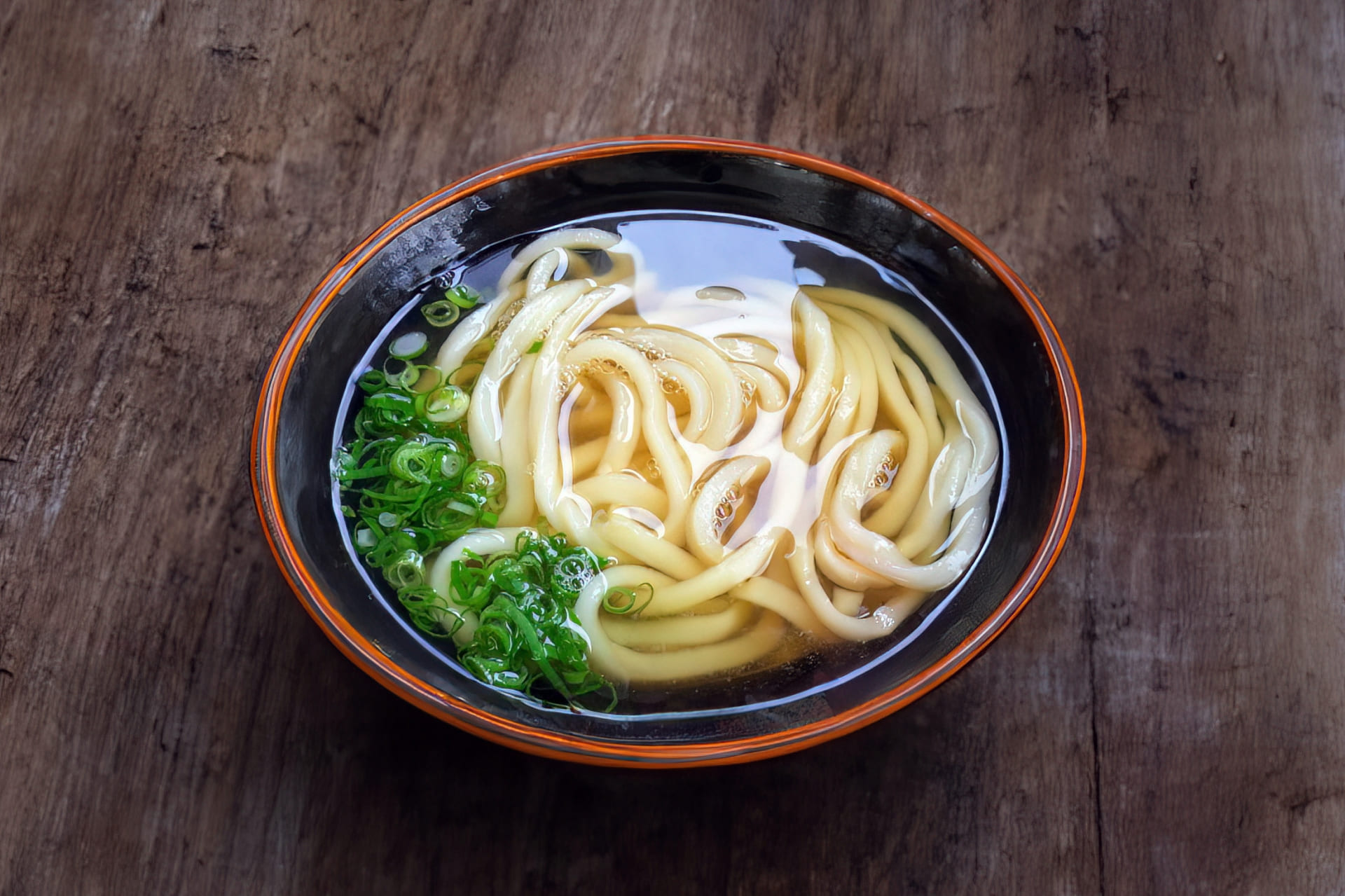
Kake udon (udon noodle soup)
Noodles are served in a hot dashi broth.
The broth is made from kombu kelp and dried bonito flakes, added with soy sauce, a small amount of mirin (sweet rice wine), and sugar.
Commonly used toppings include leek, tenkasu (tempura flakes), soft-boiled egg, and ginger.
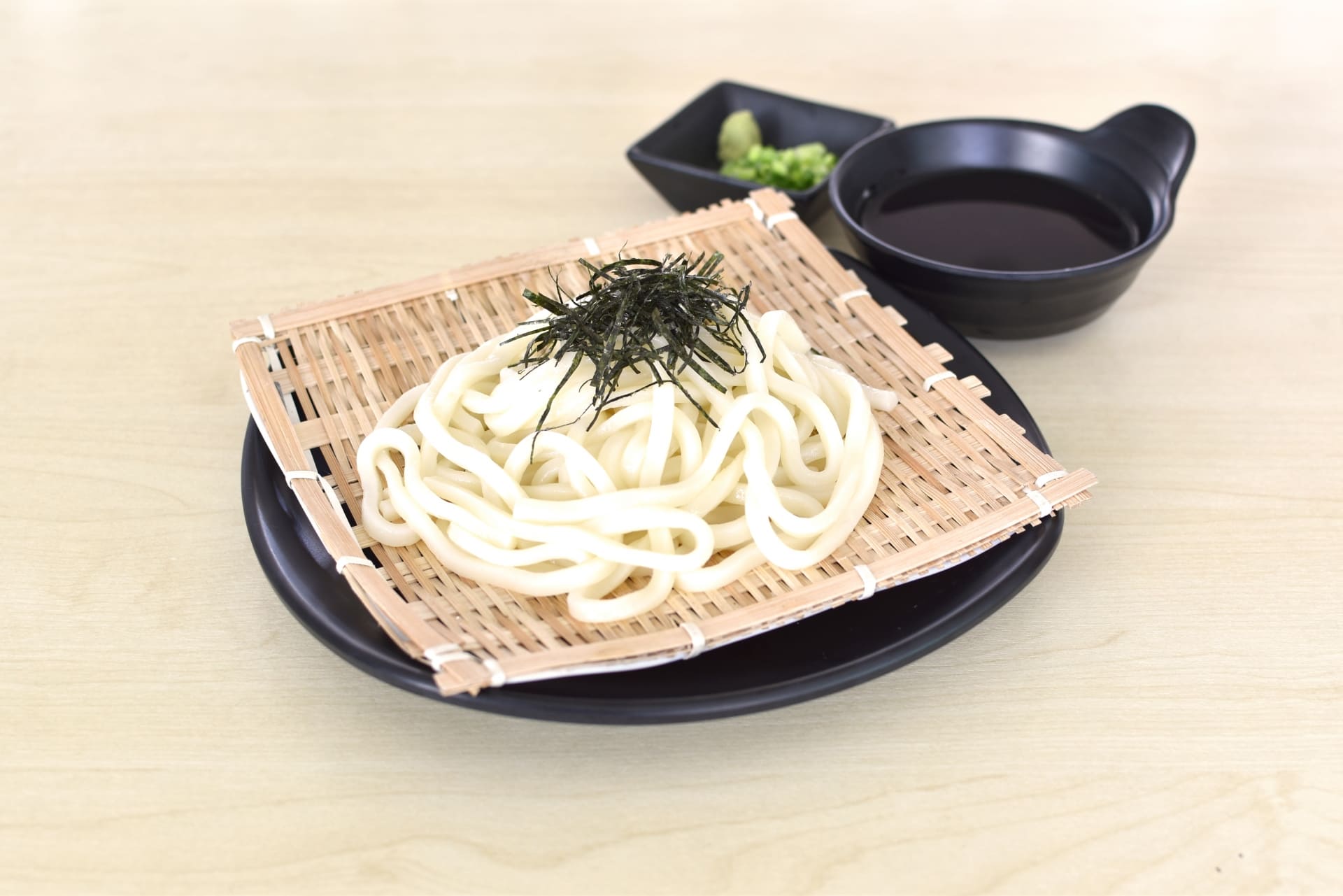
Zaru udon (cold udon noodles)
The noodles are boiled, cooled in cold water, and served on a bamboo basket on a tray.
To eat them, dip the udon noodles in the sauce that is served separately.
Leek, grated daikon radish, ginger, wasabi, and other toppings are commonly used as garnish.
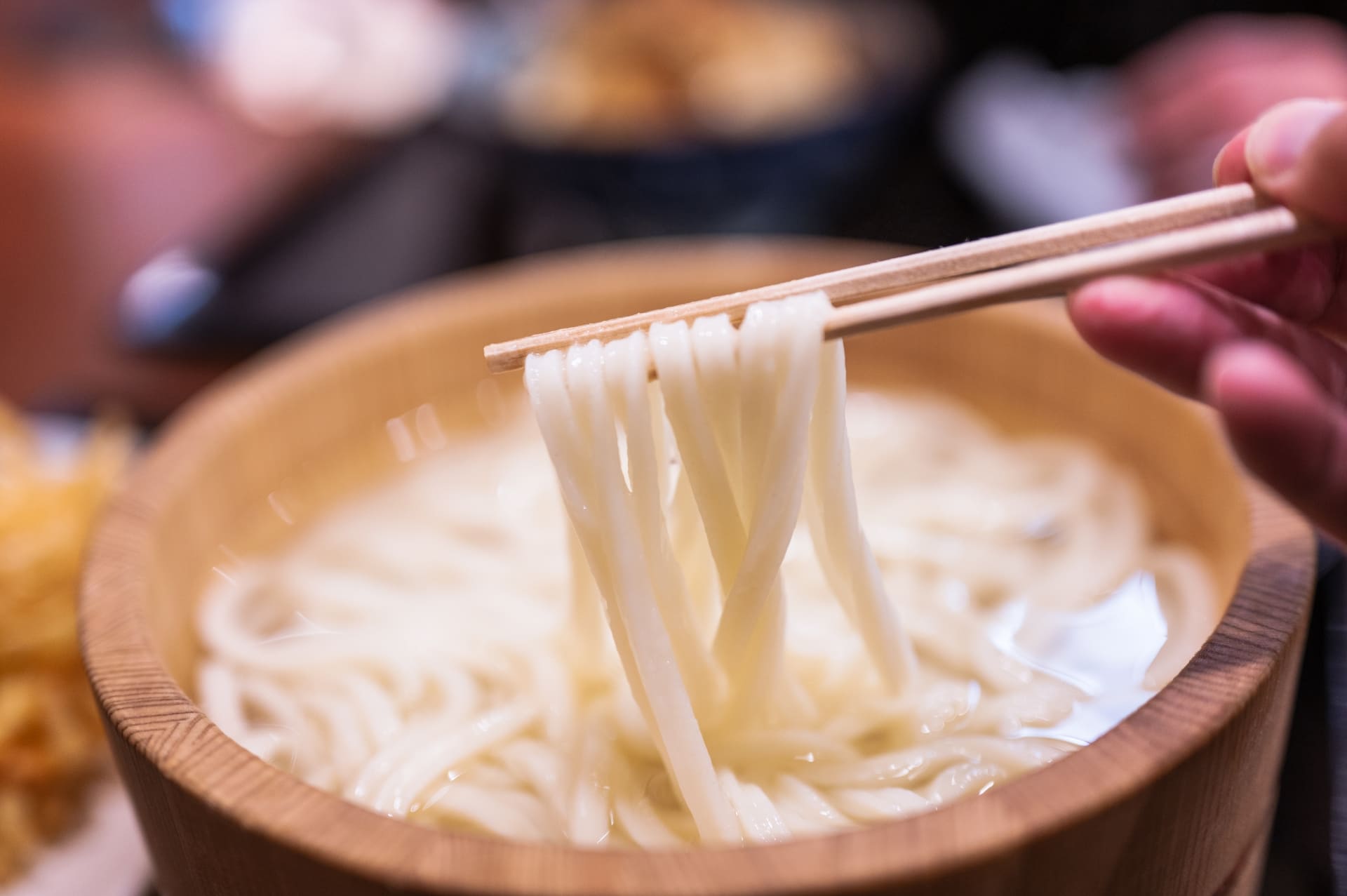
Kamaage udon (straight-from-the-pot udon noodles)
Freshly cooked noodles are served straight from the pot.
To eat them, dip them in the sauce that is served separately.
Leek, wasabi, and ginger are commonly used as garnish.
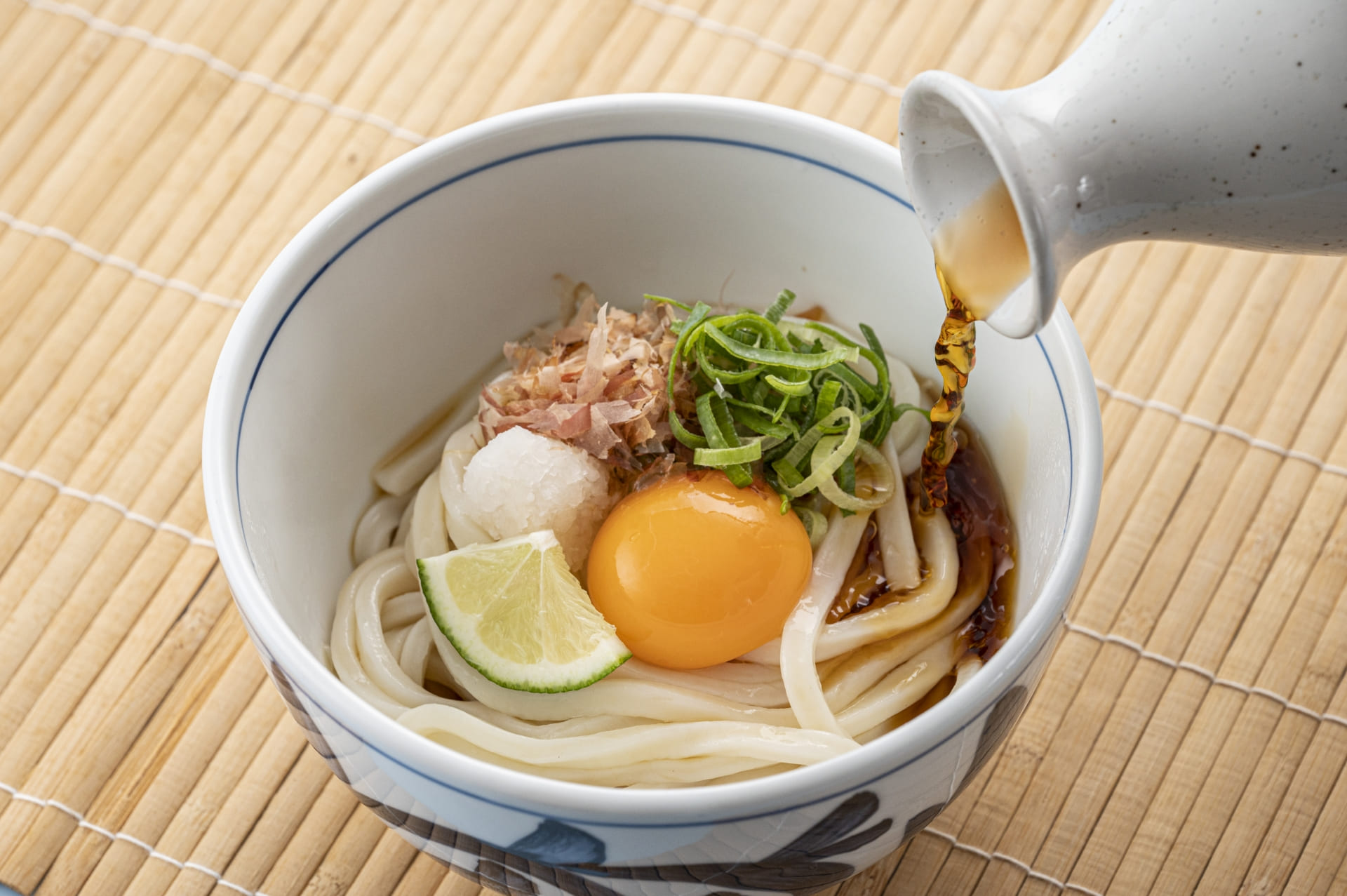
Bukkake udon (udon noodles with a rich broth)
The noodles are eaten by pouring cold or hot dashi broth over them.
The broth is typically prepared to be thick.
A variety of toppings are used, including leek and tempura.
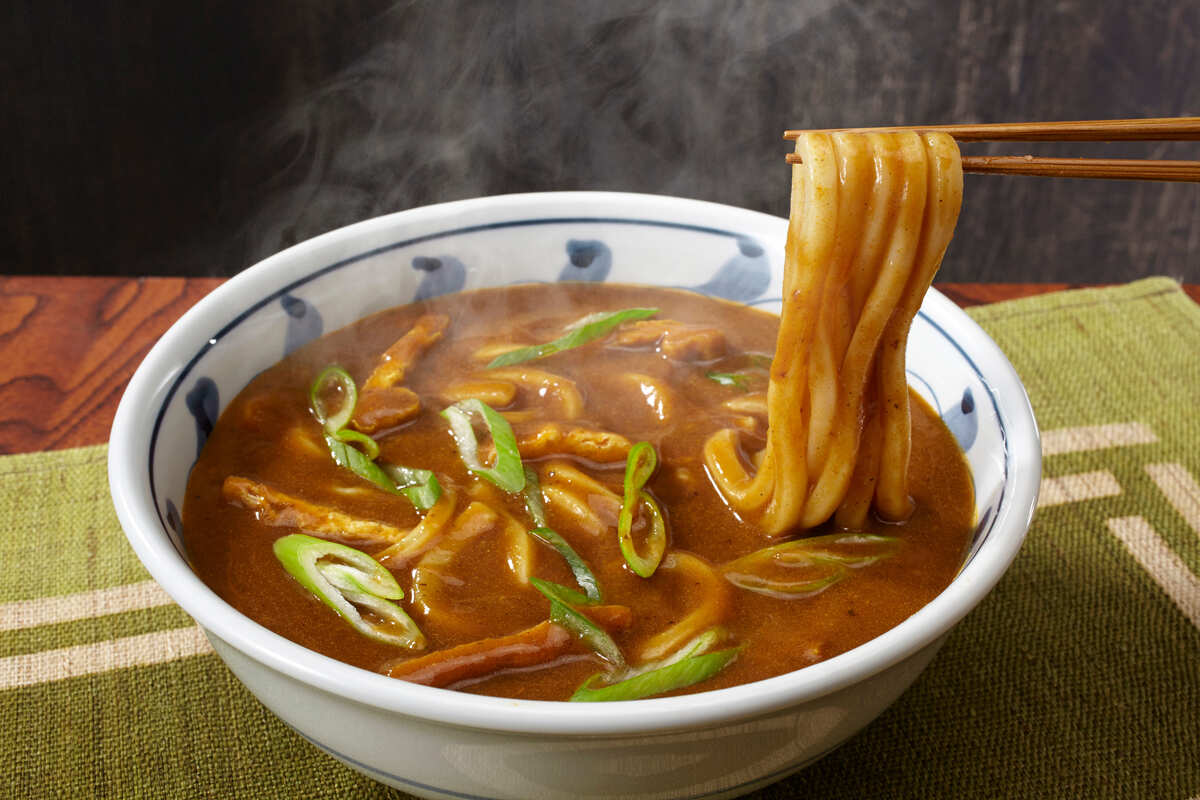
Curry udon
Udon noodles that are served in a thick curry soup.
The soup is typically made using Japanese-style curry and sometimes added with dashi broth.
Meat, vegetables, and fried foods are often used for toppings.
How to make udon
The way udon is made in a restaurant relies heavily on the skill and experience of the udon chef.
First, make the udon noodle dough.
Mix the flour and salt water together in the proper proportions.
Knead the dough thoroughly to make it elastic and smooth.
This process is very important, as it directly affects the texture of noodles.
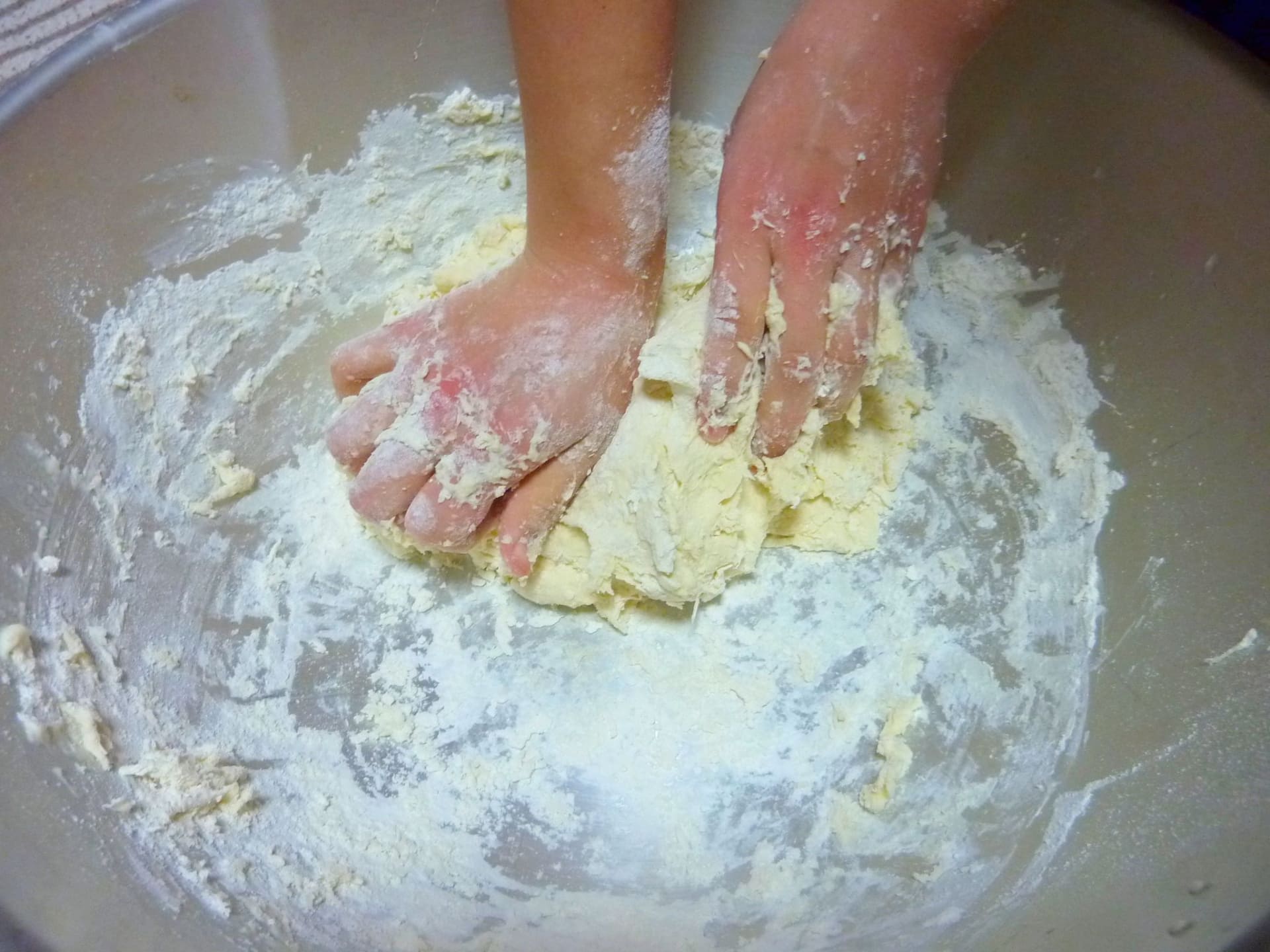
Allow the kneaded dough to rest for a certain amount of time to help the gluten in the flour fully work.
This gives the noodles a firm and chewy texture.
Roll the rested dough to an even thickness.
Chefs use specialized tools and techniques to produce delicate noodles with an even thickness.
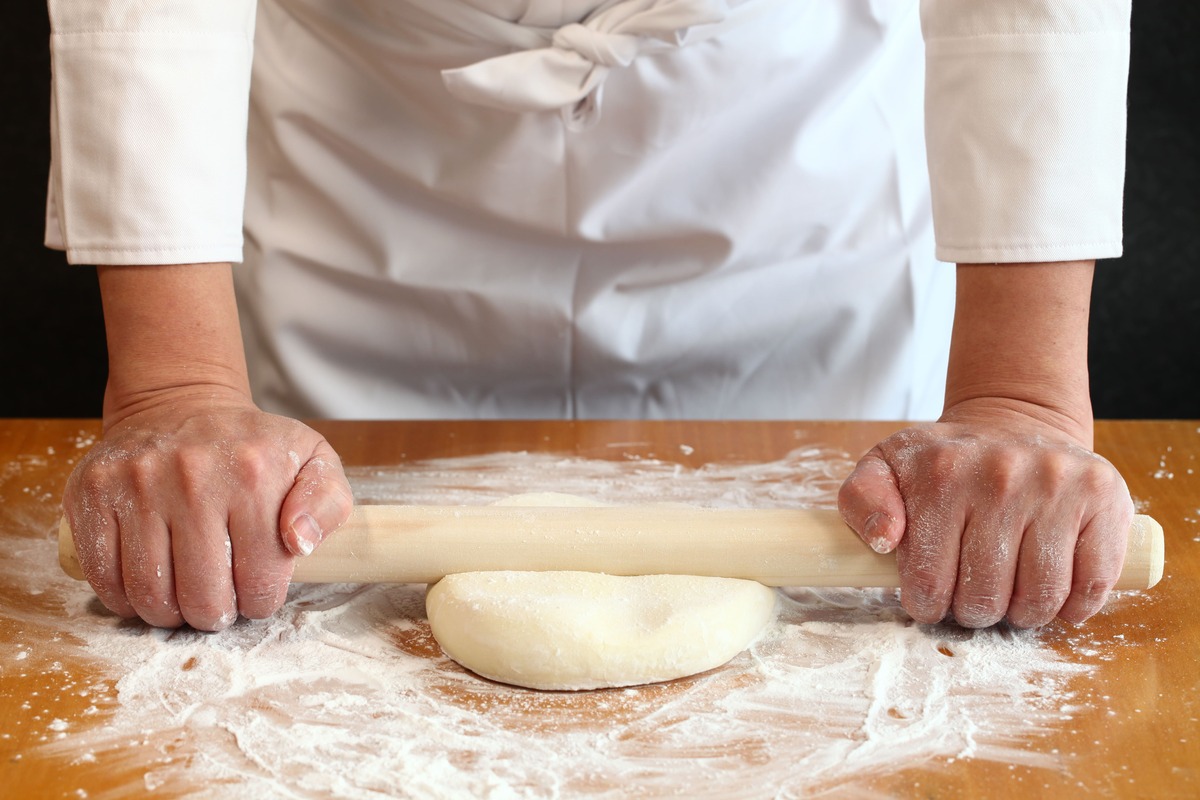
Cut the stretched dough into strips in the desired width.
The way of cutting udon noodles varies depending on the type of udon, but it is important to cut them to equal thickness to avoid an uneven texture.
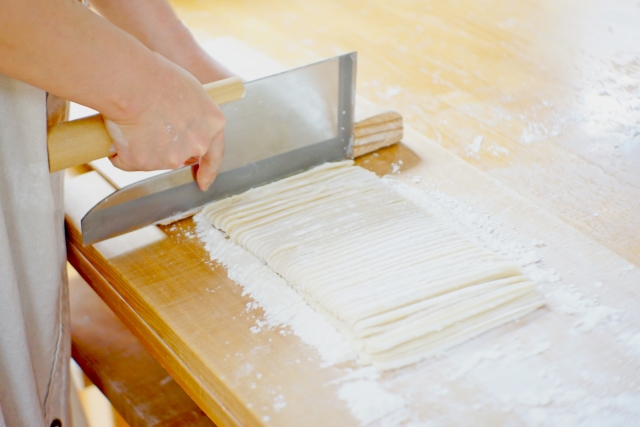
Boil the noodles in a large amount of water.
Boiling time depends on the thickness of the noodles and the desired firmness.
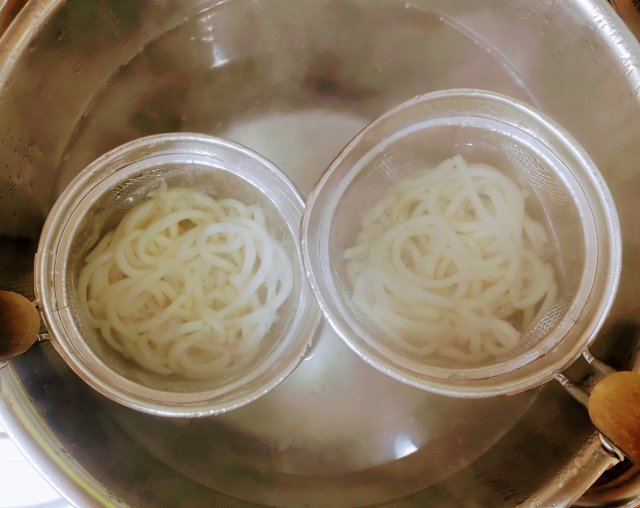
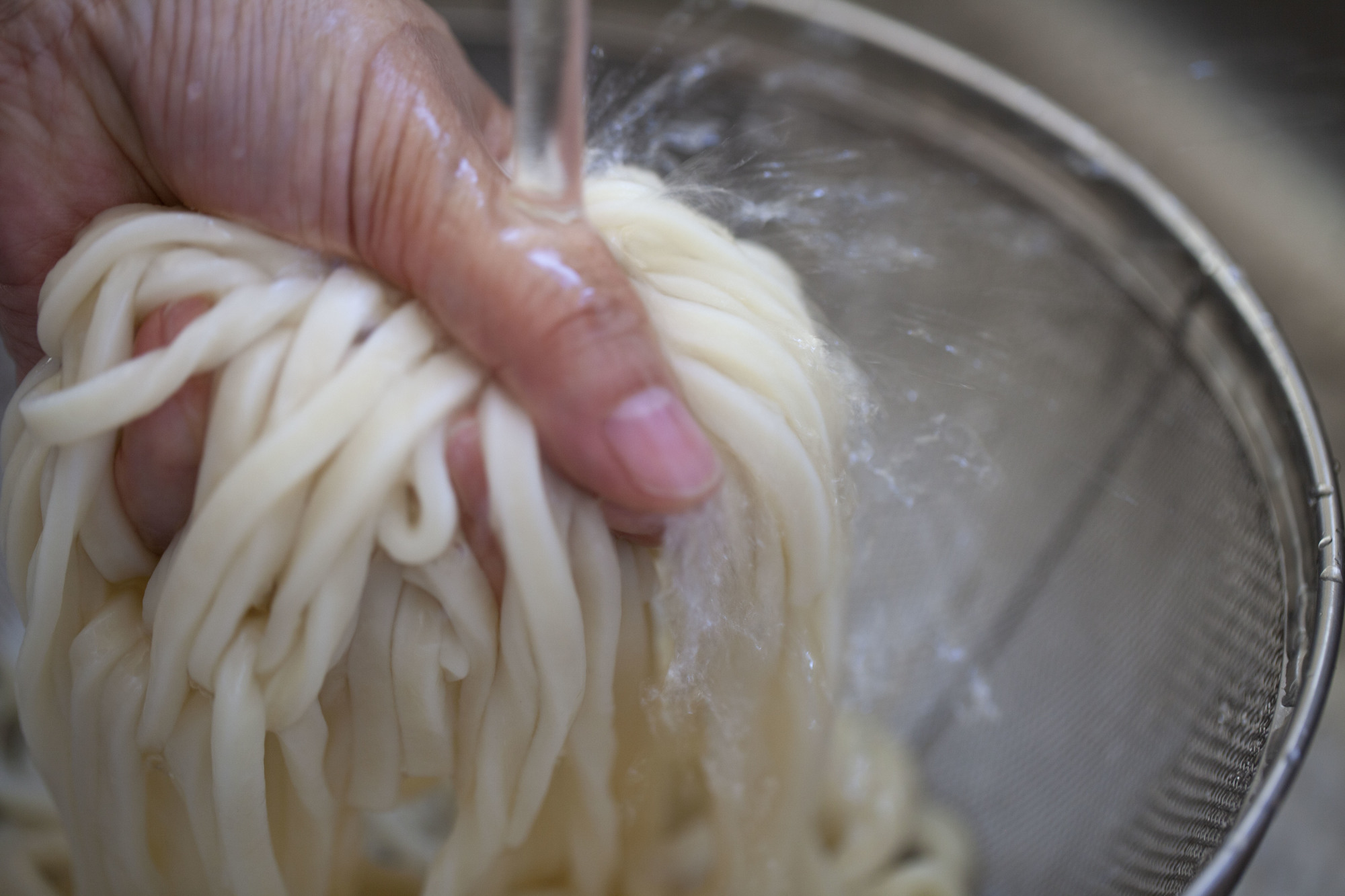
After boiling, cool and tighten the noodles with cold water to give them a firmer texture.
Prepare the dipping sauce and toppings.
The sauce can be either warm or cold, depending on your recipe for the udon.
For toppings, prepare items such as tempura and fried tofu.
Serve the noodles with the sauce and toppings.
How to eat udon
Buy meal ticket
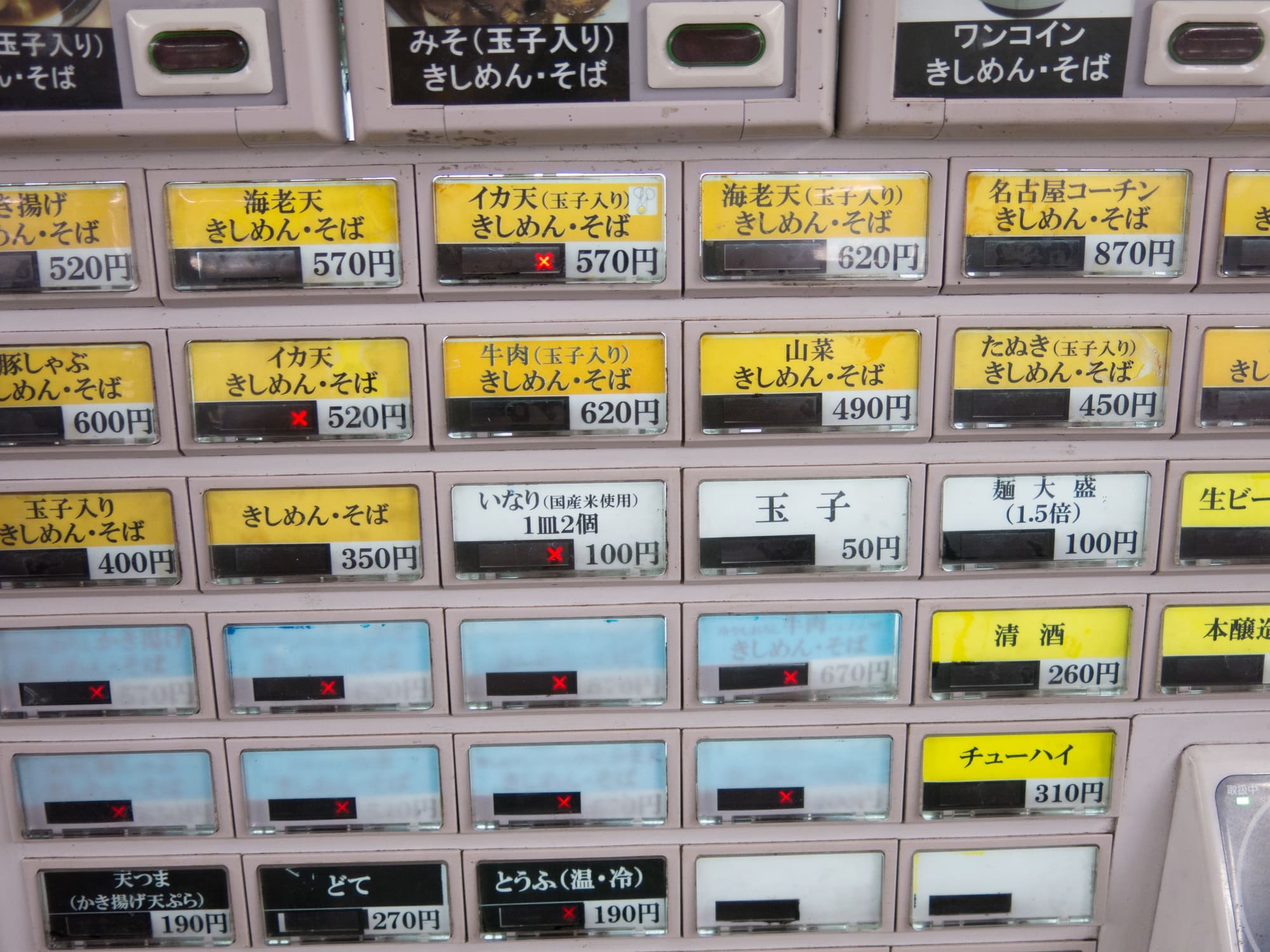
Depending on the restaurant, you can find a ticket vending machine near the entrance, just like a ramen shop.
Select a menu item from the ticket machine and purchase a meal ticket.
You can also buy toppings and sides from the machine.
Hand meal ticket to staff
Once you are seated, give your meal ticket to the staff.
Wait
Wait until the udon you ordered is served.
If the restaurant has a self-service water station, you can grab a drink at this time.
Eat
The way you eat the noodles depends on the type of udon you order.
Add toppings such as wasabi, ginger, and leek to the dipping sauce as you eat the noodles.
For kake udon and curry udon, slurp the noodles with your chopsticks.
For zaru udon and kamaage udon, dip the noodles in the separately served sauce before eating.
For bukkake udon, pour the dashi broth that is served separately over the noodles before eating.
People’s reaction when eating
Search Restaurants by Destination

Search Restaurants by Popular Cuisines