What is Taiyaki?
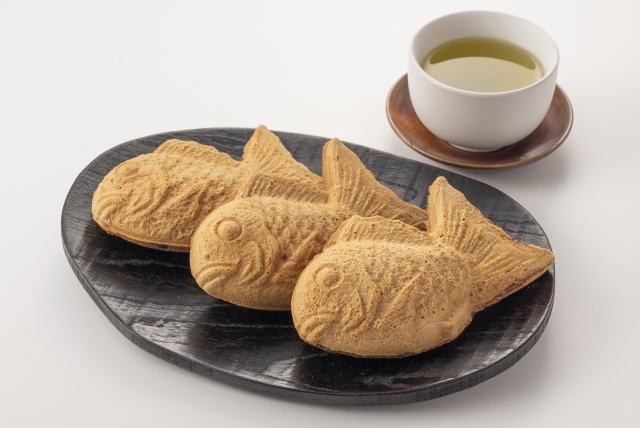
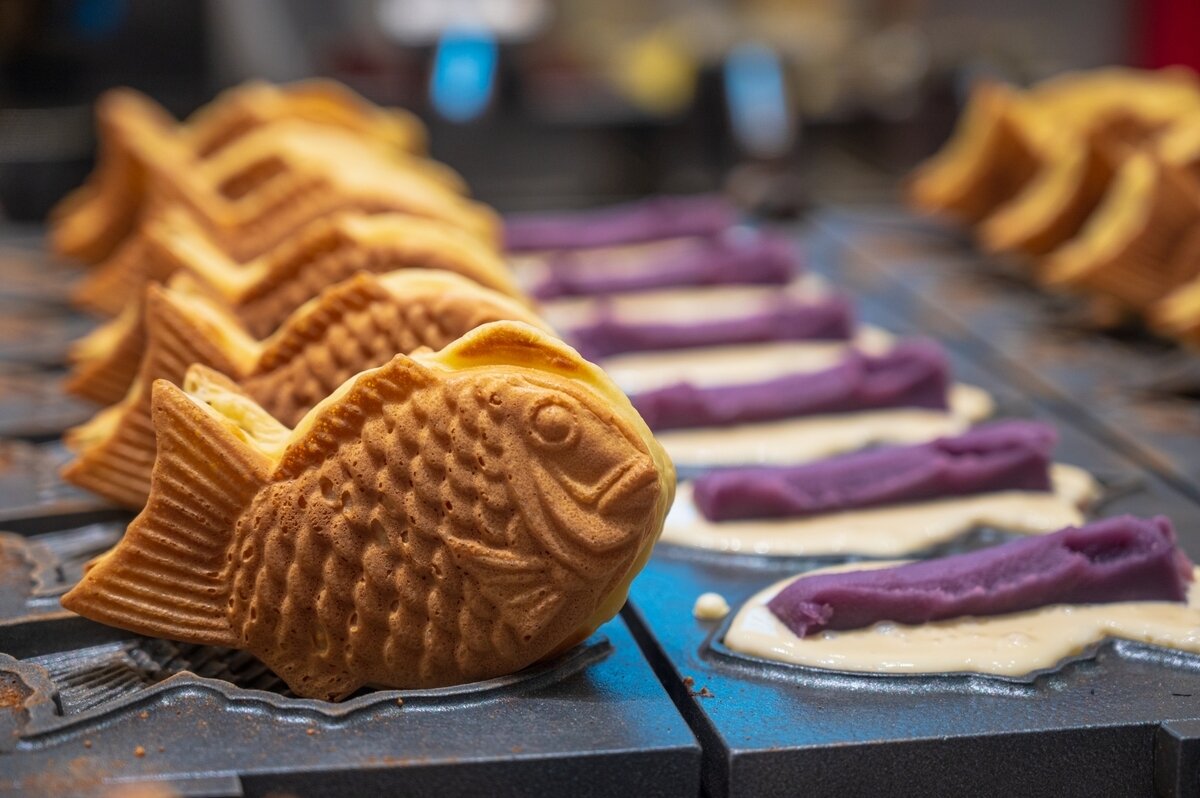
Taiyaki is a widely loved Japanese baked sweet shaped like a fish. A batter made from flour, sugar, eggs, and water is poured into a fish-shaped mold, filled with sweet red bean paste or cream, and baked on both sides. The outside becomes lightly crisp, while the inside stays warm and soft, making taiyaki an easy-to-enjoy treat loved by many people.
The flavor and impression of taiyaki are not defined by a single factor. The batter’s recipe and texture, the type and sweetness of the filling, the way it is baked, and even the symbolic meaning of the fish shape all come together to create its unique character. Because of this combination of elements, taiyaki differs from shop to shop, giving people the fun of comparing different versions.
In Japan, the sea bream (tai) is known as a fish that symbolizes good fortune. Being able to casually enjoy a sweet shaped like this auspicious fish is one of taiyaki’s unique charms. Its friendly shape, the warmth of the freshly baked pastry, and its gentle Japanese sweetness make taiyaki a popular sweet for travelers who want to experience something authentically Japanese.
Although taiyaki is made from simple ingredients, it brings together flavor, texture, and cultural background, making it a sweet with depth that is uniquely Japanese.
The History of Taiyaki
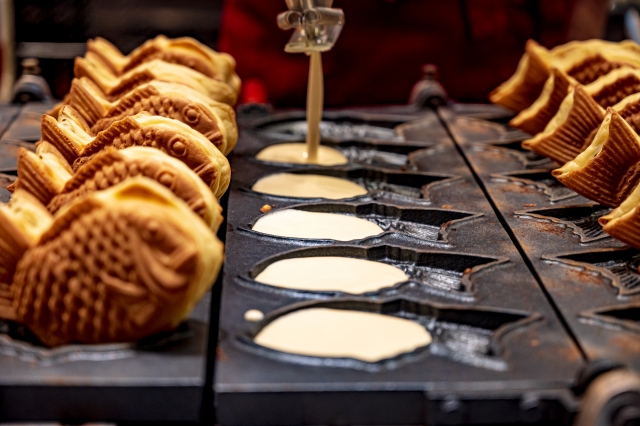
Taiyaki is believed to have originated in the late Meiji era.
The first taiyaki was created by Naniwaya Souhonten, a shop in Azabu-Juban, Tokyo.
The story goes that they were trying to find a solution to leftover imagawayaki (a similar pastry) and decided to use a fish-shaped mold to create a new kind of confectionery.
The sea bream shape, symbolizing good fortune in Japan, combined with the delicious taste, quickly made taiyaki popular.
By the early Showa period, taiyaki had spread throughout Japan, thanks to the expansion of the railway network and sales at department stores.
In particular, Yanagiya in Asakusa, Tokyo, played a significant role in mass-producing taiyaki, further increasing its popularity.
The 1975 release of the hit song "Oyoge! Taiyaki-kun" boosted taiyaki's fame, making it a household name.
Recent Trends
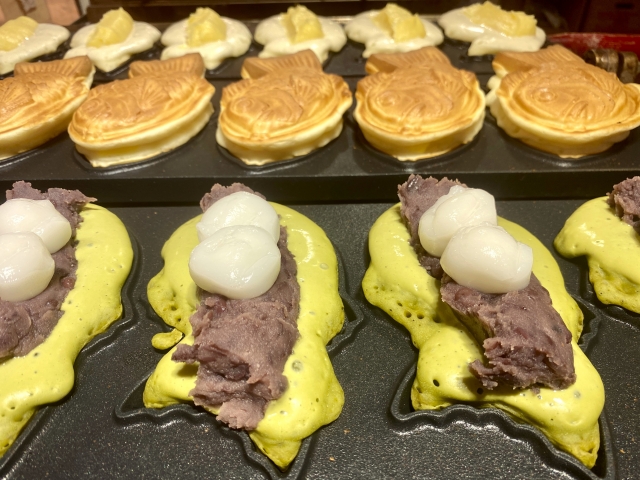
In recent years, there has been a growing trend towards premium taiyaki, made with carefully selected ingredients and crafted meticulously by skilled artisans.
These taiyaki often feature a thin, crisp outer shell with fillings made from rare azuki beans or high-quality sugar.
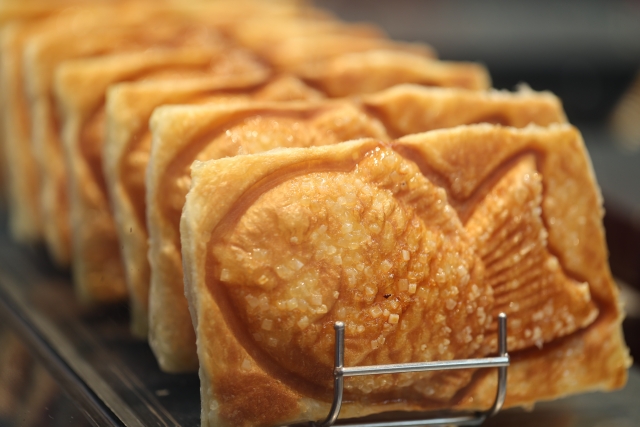
Innovative versions of taiyaki have also emerged, such as croissant taiyaki, which uses croissant dough for a flaky exterior, and taiyaki sandwiches filled with ingredients like anko and butter or ham and cheese.
These modern twists on the traditional treat offer a satisfying combination of crispy and soft textures.
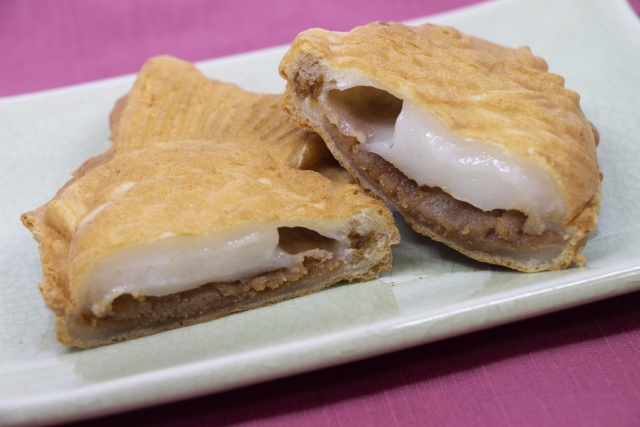
The number of taiyaki specialty shops has been on the rise, offering not just the classic anko filling but also seasonal flavors and fillings made with local ingredients.
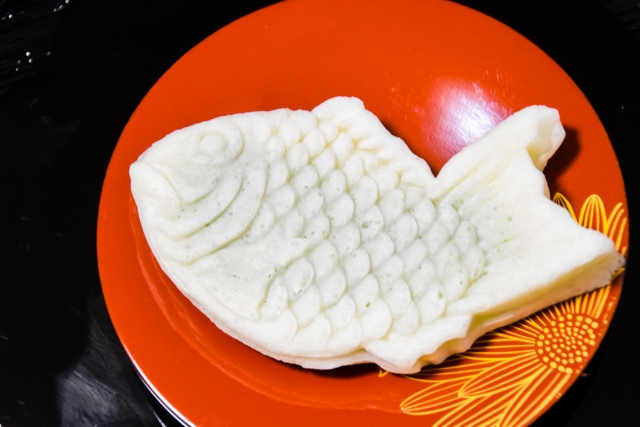
Some taiyaki now come in various shapes and designs, adding a fun and visually appealing element to this beloved snack.
How It's Made
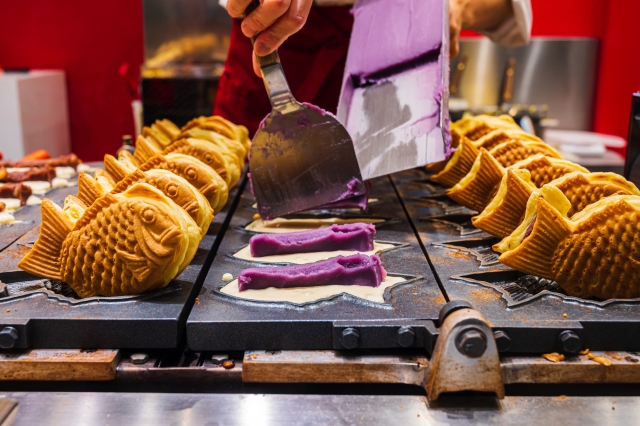
The process of making taiyaki is a labor of love, with careful attention to every detail from ingredient selection to the final baking.
First, premium ingredients like carefully selected flour, sugar, eggs, and milk are mixed together to create a smooth batter.
The proportions are subtly adjusted depending on the season and temperature to ensure the batter is always in its best possible condition.
The batter is then allowed to rest overnight, which helps achieve a moist and tender texture.
The filling, typically made from Hokkaido-grown azuki beans, is slowly cooked to bring out the natural flavor of the beans with just the right amount of sweetness.
This balanced filling is key to enhancing the overall taste of taiyaki.
A thin layer of oil is brushed onto a preheated taiyaki mold before the batter is poured in.
The filling is then generously added, and another layer of batter is poured over the top before the mold is closed.
The baking time varies depending on the heat and type of mold used, but experienced artisans rely on the color, sound, and aroma to determine the perfect moment to flip the taiyaki.
Once baked, each taiyaki is carefully removed from the mold, excess oil is drained off, and it is then ready to be served to the customer.
How to Enjoy It
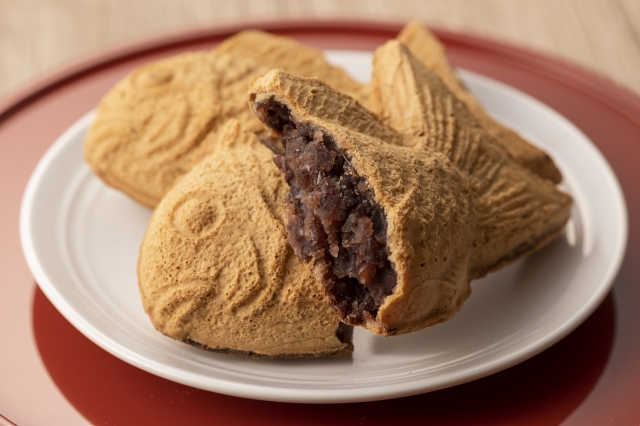
Taiyaki is best enjoyed fresh off the grill while it’s still hot.
The crisp, golden exterior contrasts beautifully with the soft, moist interior and the gentle sweetness of the anko (sweet red bean paste) inside.
While taiyaki is delicious even when it has cooled down, you can reheat it in the microwave or lightly toast it in a toaster oven to bring back that fresh-baked taste.
For an extra treat, try serving taiyaki with a scoop of ice cream, a dollop of whipped cream, or alongside fresh fruit.
Types of Taiyaki
Taiyaki comes in a variety of flavors.
Beyond the classic sweet red bean paste (anko), you can find fillings like custard cream, chocolate, and even more unconventional options like cheese and curry.
Recently, seasonal fillings and taiyaki made with regional ingredients have also become popular.
Classic Anko Fillings
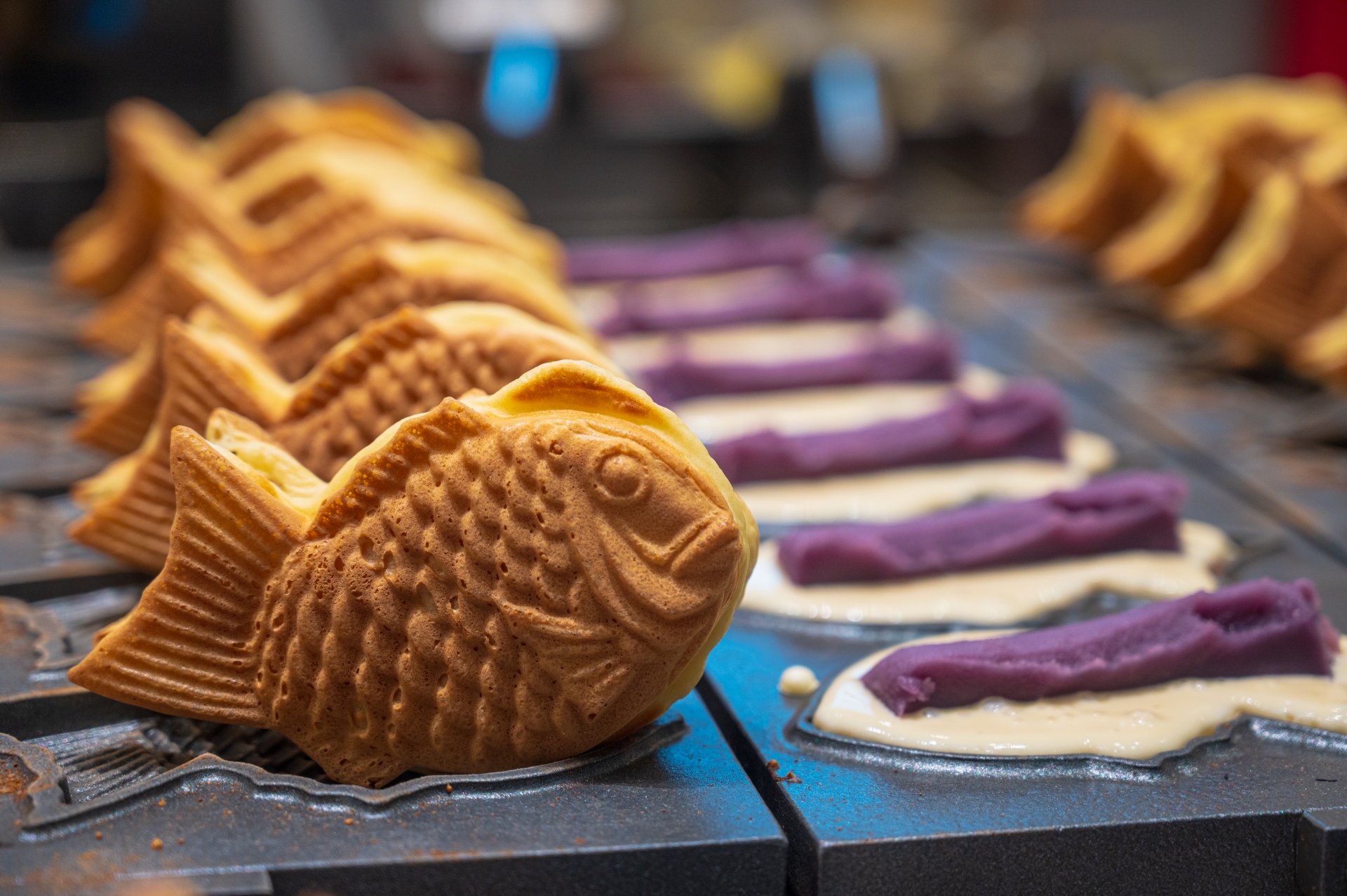
Tsubuan (Chunky Red Bean Paste)
This filling retains the texture of whole azuki beans, providing a satisfying bite.
Koshian (Smooth Red Bean Paste)
Made by removing the skins of the beans, this filling has a silky, smooth texture.
Shiroan (White Bean Paste)
Made from white kidney beans, this filling offers a more delicate, refined sweetness.
Cream-Based Fillings
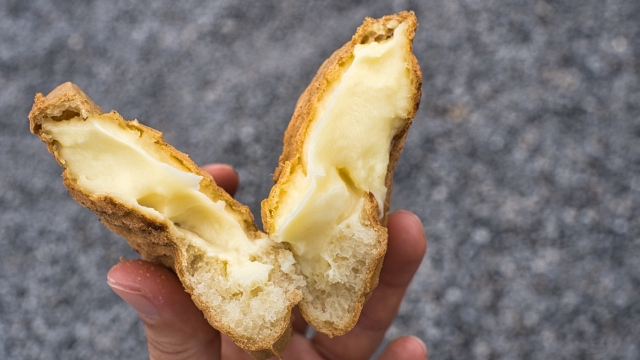
Custard Cream
A rich and creamy filling made from eggs and milk.
Fresh Cream
Light and fluffy cream made from milk, offering a soft and airy texture.
Matcha Cream
A slightly bitter filling made from matcha, providing a unique and sophisticated flavor.
Chocolate-Based Fillings
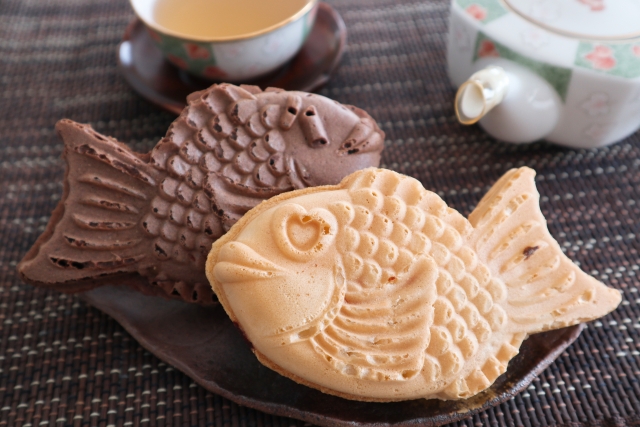
Chocolate Cream
A rich and decadent chocolate filling.
Chocolate Chip
A creamy filling with added chocolate chips for an extra bit of texture.
Unconventional Fillings
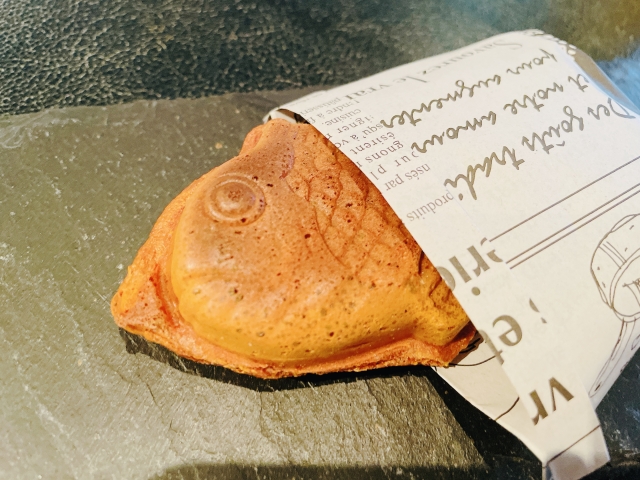
Cheese
Options include cream cheese or Camembert cheese for a savory twist.
Sweet Potato
Enjoy the flavors of autumn with a filling made from sweet, simmered sweet potatoes.
Apple
A refreshing and slightly tangy filling made from apple compote.
Curry
A spicy and savory filling made with curry powder and minced meat.
Conclusion
Taiyaki is a traditional Japanese sweet that symbolizes Japan’s food culture. This fish-shaped pastry is widely loved across the country. A batter made with flour, sugar, eggs, and water is filled with sweet red bean paste or cream, then baked on both sides until the outside becomes crisp and the inside warm and soft. Because each shop varies in batter composition and baking style, the flavor and texture of taiyaki differ from place to place, making it enjoyable to compare different versions.
One of its unique charms comes from Japanese culture itself. The sea bream (tai) has long been considered a symbol of good fortune, and enjoying this auspicious shape as a casual sweet adds a sense of familiarity and cultural meaning to taiyaki.
Taiyaki can be found throughout Japan and is especially popular as a quick snack during sightseeing. Holding a freshly baked taiyaki adds warmth and sweetness to your travel experience, allowing you to enjoy a small taste of Japanese food culture.
With its simple ingredients, fragrant aroma, and cultural significance, taiyaki is a sweet you should try when visiting Japan.
During your journey, be sure to enjoy a warm, freshly baked taiyaki and savor a truly Japanese moment.