The beginning of a new year holds a special magic in every country. In Japan, this magic is celebrated through "Shogatsu," the New Year festival steeped in centuries-old tradition. For the Japanese, Shogatsu is a sacred time to gather with family, reflect on the past, and pray for health and good fortune in the year ahead.
If you find yourself in Japan during this enchanting period, you’ll witness a cultural experience that gracefully departs from everyday life. From serene visits to shrines wrapped in crisp winter air, to savoring exquisite traditional dishes and marveling at vibrant decorations — every moment is imbued with uniquely Japanese spirit and charm.
This article will guide you through the heart of Japan’s Shogatsu: its essential customs, vibrant celebrations, ways locals spend this special season, and must-visit spots brimming with authentic cultural atmosphere — all explained clearly so even first-time visitors can immerse themselves comfortably and confidently.
1. What is Shogatsu
Shogatsu, or the New Year, is one of Japan’s most treasured annual celebrations. It marks a fresh beginning, with heartfelt prayers for family health, business success, and bountiful harvests during this joyous season.
Shogatsu originally honored the "Toshigami-sama," the revered god of the New Year. Today, the main festivities take place over the first three days of January, known as "Sanganichi," though regional and familial traditions sometimes extend celebrations until the 7th or even the 15th.
Schools and workplaces mostly close during this time, allowing people across Japan to indulge in the blissful tranquility and tradition of the New Year holidays.
2. Traditional Events and Culture of Shogatsu
・Hatsumode (First Shrine Visit of the Year)
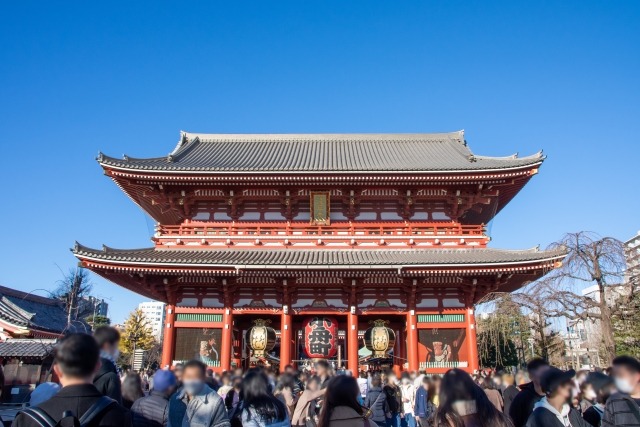
One of the most iconic Shogatsu customs is Hatsumode — the first shrine or temple visit of the year. Starting from New Year's Day, throngs of people make their way to popular shrines, offering prayers for health and good luck. Although the crowds can be substantial, the lively buzz combined with the calm spirituality creates an unforgettable scene uniquely characteristic of Japan’s New Year.
Participants toss offerings into a donation box, ring the bell to invite the gods, and perform the ritual of two bows, two claps, and one final bow. Many also purchase omamori (protective charms) and try their luck with omikuji (fortune slips) — charming traditions that invite you into the heart of Japanese culture.
・Osechi Ryori and Ozoni
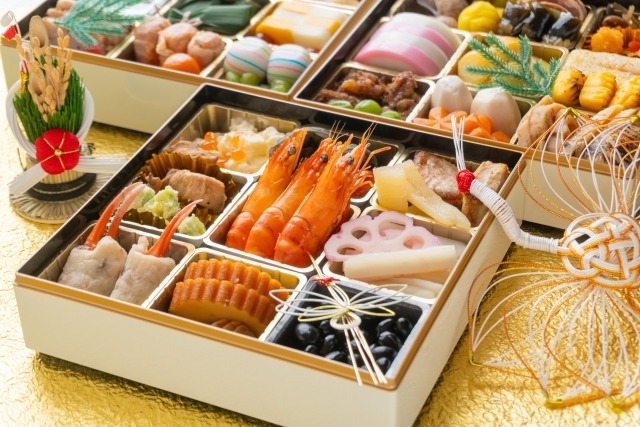
No Japanese New Year is complete without indulging in osechi ryori — beautifully arranged traditional dishes served in elegant stacked boxes called jubako. Each dish is rich with symbolism: kuromame (black soybeans) stand for health and diligent work, while kombumaki (kelp rolls) carry wishes for joy and happiness.
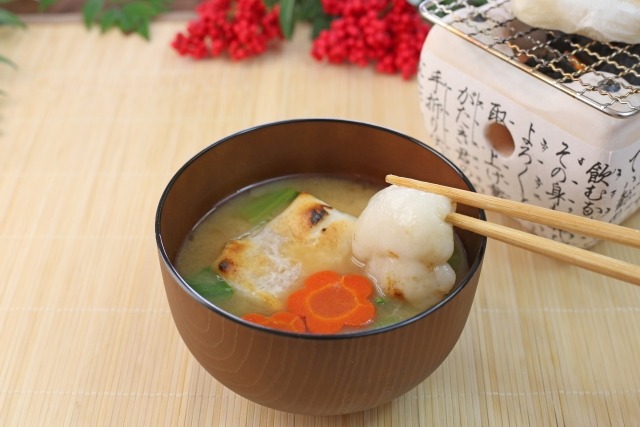
Complementing osechi is ozoni, a comforting soup featuring mochi rice cakes. Its flavors and ingredients vary by region — from white miso to soy sauce bases, and comforting grilled or fluffy round mochi — highlighting the diversity of local traditions.
・Otoshidama (New Year's Money Gift)
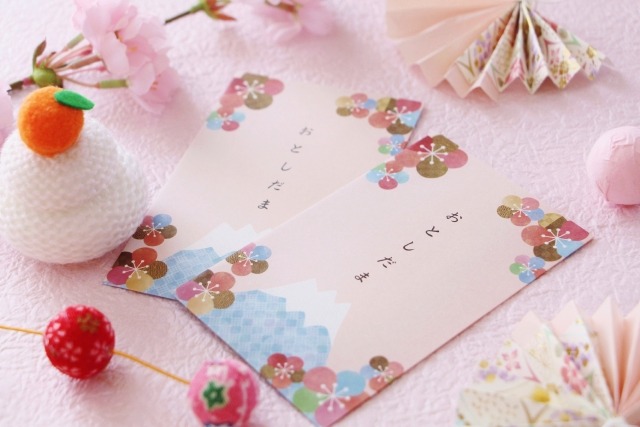
Otoshidama is a heartfelt tradition where adults gift children money tucked into charming envelopes known as pochibukuro. The amounts vary by age, and for children, it’s one of the most eagerly anticipated parts of the New Year.
This practice traces back to "O-toshidama" — offerings of mochi to Toshigami-sama, shared with loved ones.
・New Year Decorations (Kadomatsu, Shimenawa, Kagami Mochi)
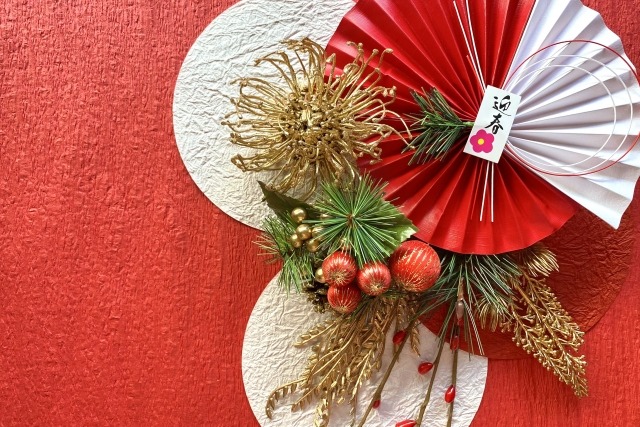
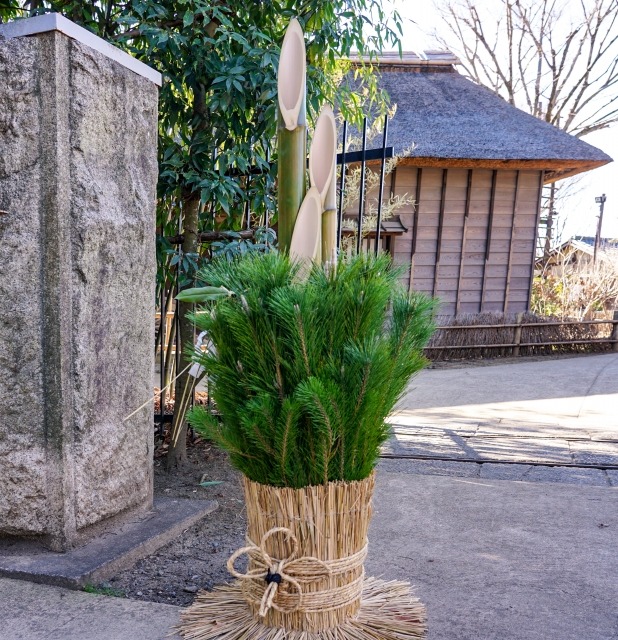
Japanese homes are adorned with beautiful New Year decorations signaling hopes and protection. Kadomatsu — made of bamboo and pine — grace entrances, inviting prosperity. Shimenawa, sacred ropes hung on doors, ward off negative energies.
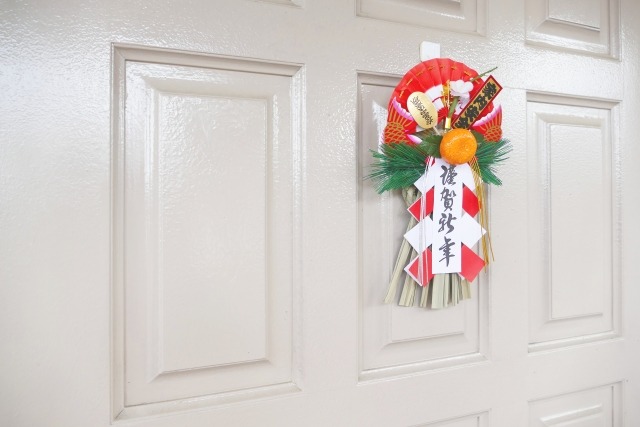
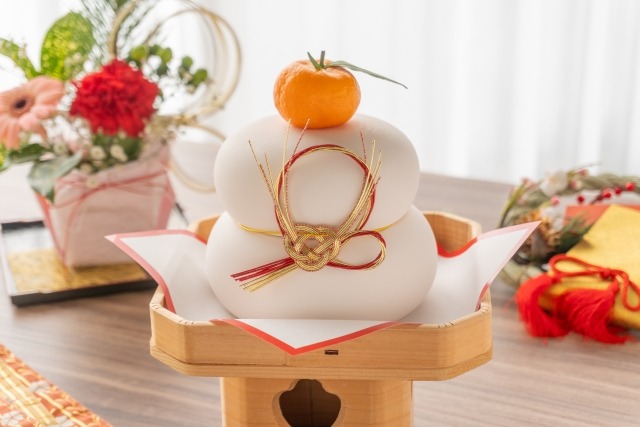
Inside, the iconic kagami mochi — two round mochi stacked with a daidai (bitter orange) on top — serve as offerings to Toshigami-sama, symbolizing continuity and prosperity. Together, these decorations warmly welcome the new year's guardian into the home.
・Mochitsuki (Rice Cake Pounding)
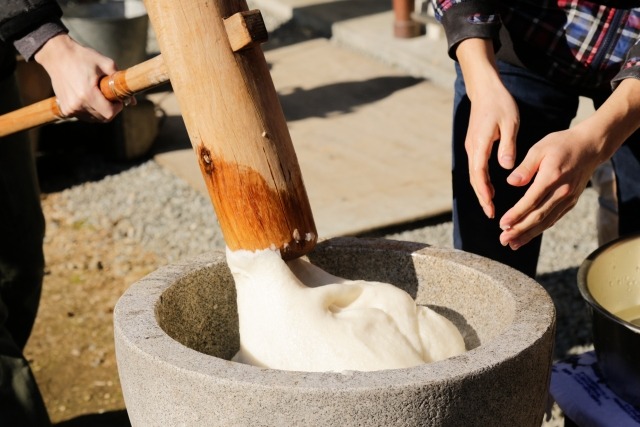
One of the most festive events is mochitsuki, where participants rhythmically pound steamed glutinous rice with wooden mallets. Often held at local gatherings, anyone can join in the spirited teamwork.
The freshly made mochi is soft and chewy, frequently enjoyed on the spot coated in kinako (roasted soybean flour) or sweet red bean paste — a delicious taste of tradition.
・Nengajo (New Year's Greeting Cards)
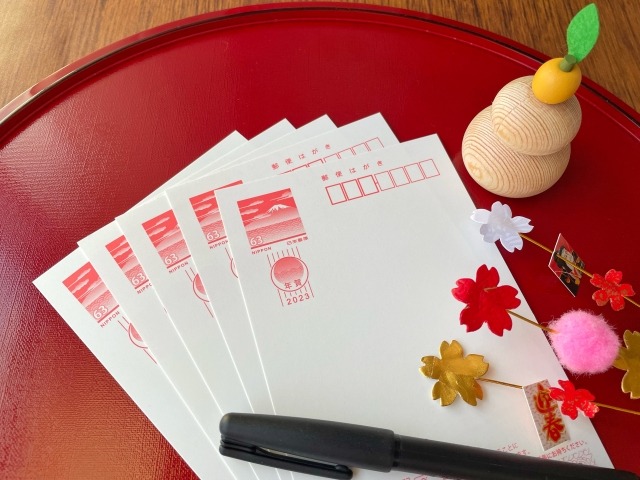
Exchange of New Year’s cards, known as nengajo, remains a cherished practice. These heartfelt messages convey gratitude and hopes for health to friends, family, and colleagues.
Thanks to Japan’s special postal system, these cards often arrive precisely on New Year's Day, preserving a warm, personal touch amid the digital age.
・Takoage, Hanetsuki, Fukuwarai
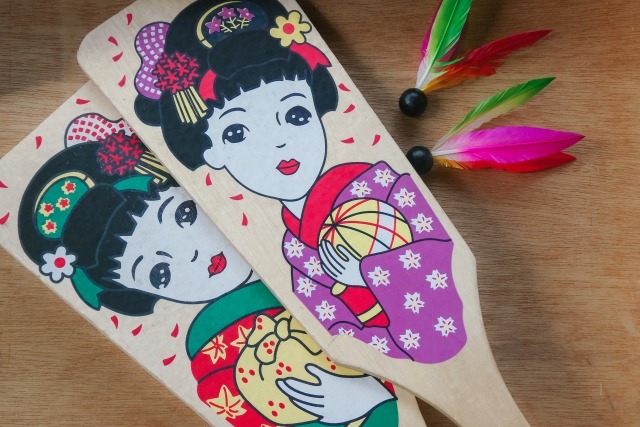
Traditional New Year's games bring joy, especially to children. Takoage is the exhilarating pastime of kite flying across open skies. Hanetsuki is a lively shuttlecock game played with wooden paddles called hagoita — inspiring friendly rallies.

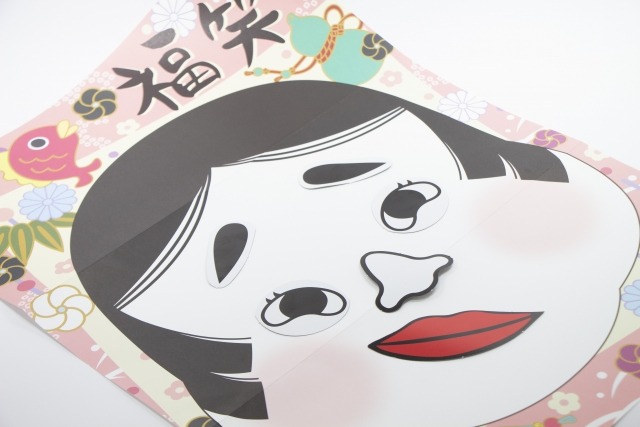
Fukuwarai invites laughter as blindfolded players place facial features on a blank face — the resulting whimsical creations light up the room with joy.
・Kakizome (First Calligraphy of the Year)
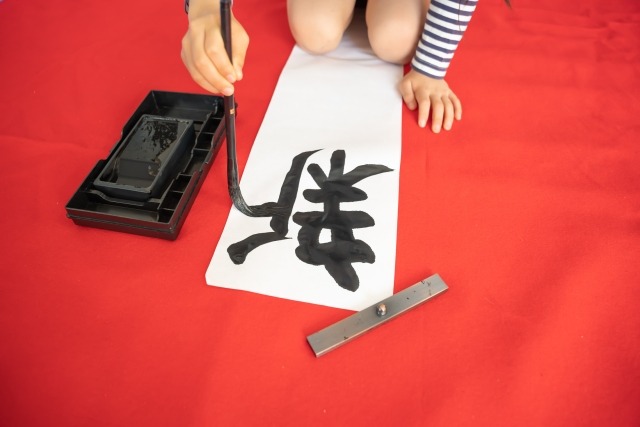
Kakizome is the artful tradition of writing one’s New Year’s resolutions or favorite phrases using brush and ink. Schools hold kakizome sessions to nurture students’ spirit and penmanship during this reflective season.
For visitors, participating in kakizome offers a hands-on cultural experience, inviting you to connect with Japan's artistic heritage.
3. How Japanese People Spend Shogatsu
The New Year holiday stretches from late December through early January, offering a welcome pause from everyday life. On New Year's Eve, families gather to enjoy toshikoshi soba — long buckwheat noodles symbolizing longevity — while the gentle toll of the Joya no Kane bell ushers in the new year.
New Year's Day unfolds quietly at home, with loved ones savoring osechi ryori and ozoni while watching traditional television programs. The following days often include Hatsumode visits, family get-togethers, and lively shopping at first annual sales.
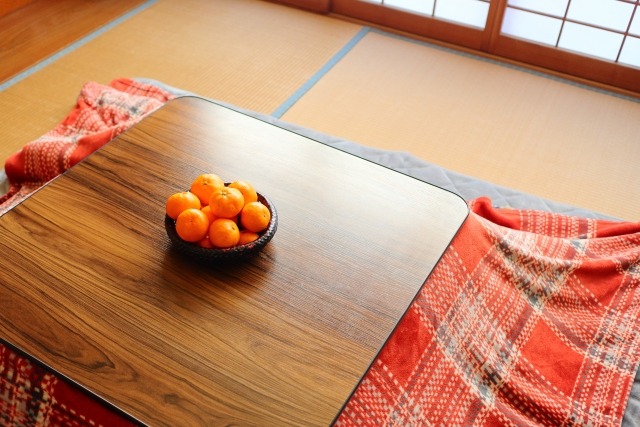
Imagine sitting by a kotatsu, the warm heated table, peeling and eating juicy mikan (mandarins) — a comforting image that captures the heart of a Japanese winter.
4. Differences Between the Japanese New Year and Abroad
While many countries usher in the New Year with boisterous countdowns and fireworks, Japan’s Shogatsu offers a more serene and reflective celebration. Instead of raucous parties, people quietly visit shrines or stay home, embracing a solemn and hopeful atmosphere that sets a peaceful tone for the year ahead.
Unlike many Asian neighbors who observe Lunar New Year celebrations, Japan follows the Gregorian calendar with January 1st marking the start of the year. This means visitors can experience a unique and early New Year celebration.
The presence of distinct customs like nengajo greetings and placed significance on osechi ryori further highlight Japan’s singular approach to welcoming the year.
5. Recommended Spots to Visit During Shogatsu
To fully immerse yourself in Shogatsu’s warmth and tradition, consider visiting these celebrated locations:
Meiji Shrine in Tokyo — Japan’s most popular Hatsumode destination, buzzing with festive energy and traditions
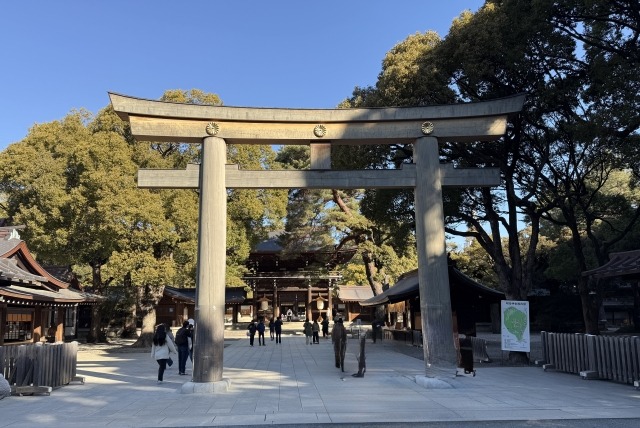
Fushimi Inari Taisha in Kyoto — Famous for its mesmerizing torii gate tunnels, offering perfect moments for photos and spiritual contemplation
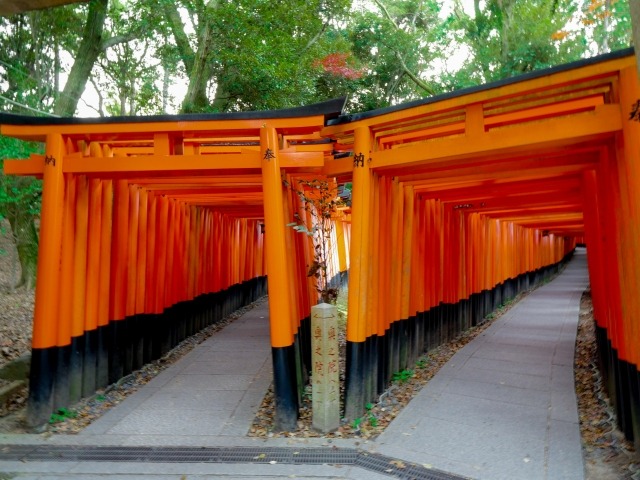
Kasuga Taisha in Nara — A tranquil sanctuary harmonizing nature and spiritual heritage
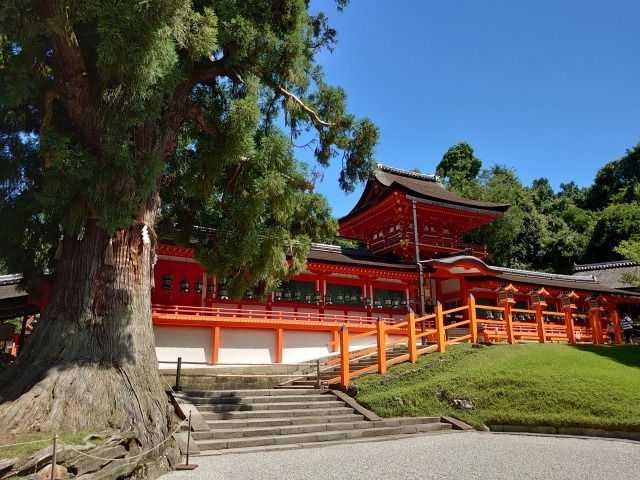
Local hot spring resorts like Hakone, Kusatsu, and Beppu — perfect for enjoying New Year’s exclusive cuisine and festive events amid soothing natural surroundings
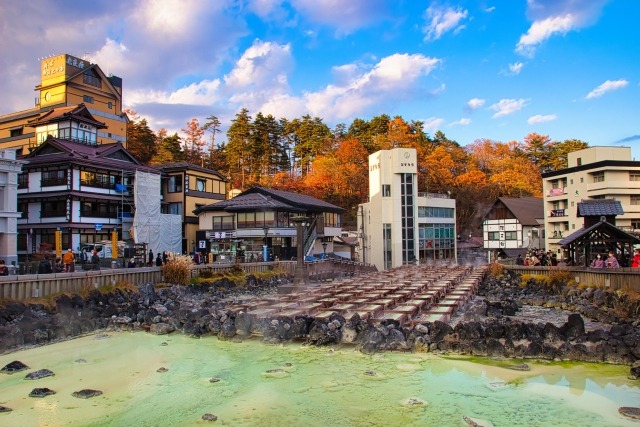
Asakusa Nakamise Street — A lively traditional shopping street where you can stroll, sample delightful treats, and pick up charming souvenirs
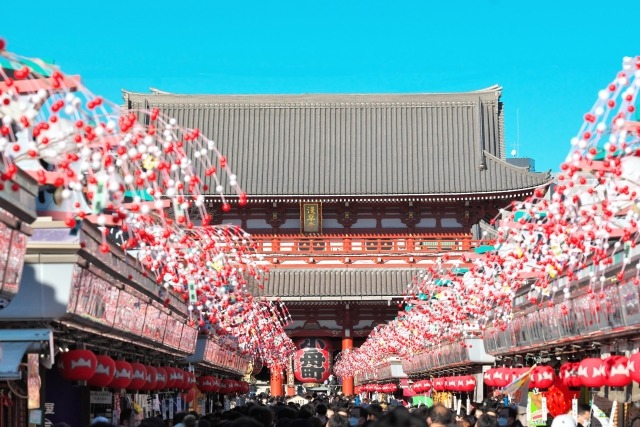
Each of these destinations dazzles with Shogatsu’s signature decorations and festive mood, offering visitors an authentic window into Japan’s living traditions.
6. Things to Keep in Mind When Touring During Shogatsu
Planning ahead is key since many shops and tourist spots may be closed or operate on limited hours during New Year. Double-check opening times when arranging your itinerary.
Shrines can be very crowded, especially around noon, so visiting early morning or evening offers a calmer experience. Note that public transportation often runs on modified schedules, so acquaint yourself with these changes to move smoothly.
Because this period is a popular travel time, booking accommodations and transport early ensures you won’t miss out on the magic of the season.
In Conclusion
Shogatsu embodies the spirit of Japan — a time to pause, reflect, and celebrate quietly yet deeply with family, food, and cherished customs. From the solemn prayers at shrines to laughter-filled games and sumptuous feasts, the season offers visitors an intimate glimpse into Japan’s soul.
If you have the chance to visit Japan during this season, dive heart-first into these traditions. Shogatsu is more than a festival — it’s a unique moment to experience the living culture of Japan beyond the typical sightseeing highlights.
Search Restaurants by Destination

Search Restaurants by Popular Cuisines