What is takoyaki?
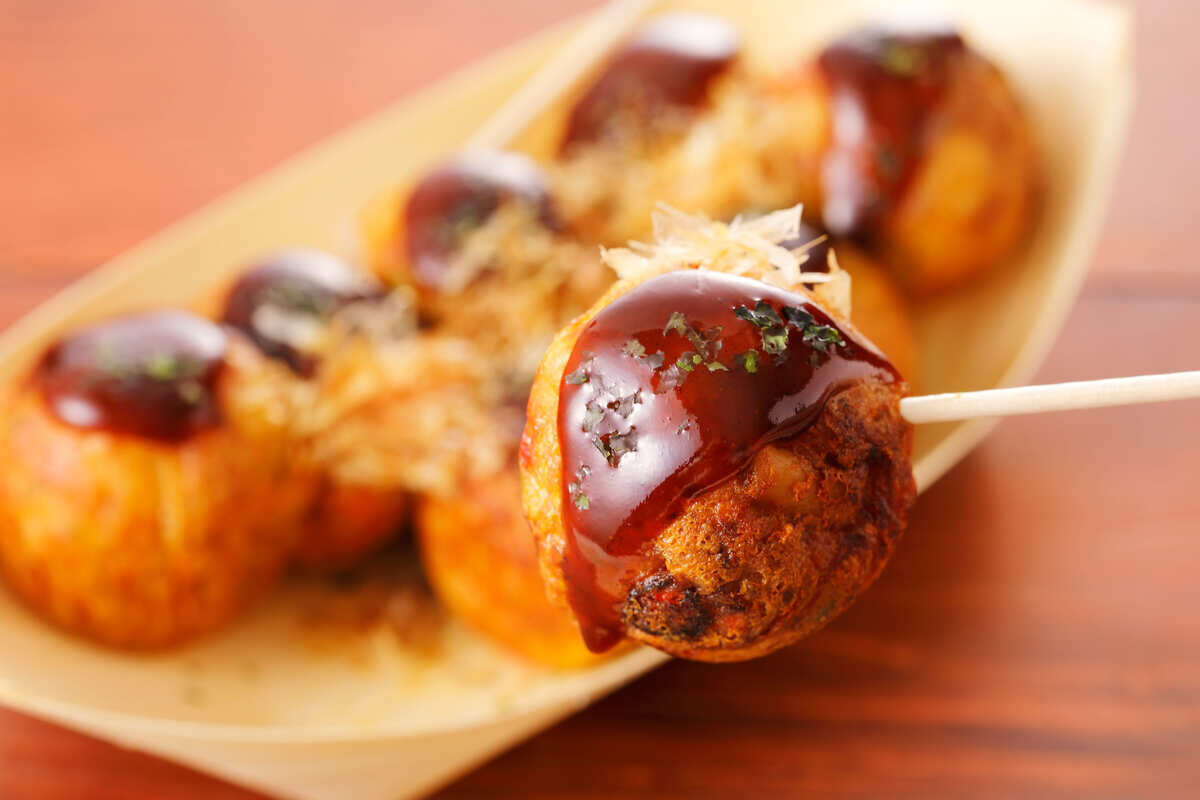
Takoyaki is a dish made of flour dough filled with octopus and condiments, fried into a round shape.
The dish is usually seasoned with a sauce, mayonnaise, aonori (green laver), and more.
It is a specialty of Osaka and one of the most popular yatai foods (street food).
It is said that takoyaki was invented in Osaka in the 1930s, by the owner of a food cart restaurant, by modifying the traditional teppan-yaki (iron plate grilling) dish in a unique way.
This new dish quickly became popular among the people of Osaka, as it was inexpensive and satisfying.
From then on, takoyaki has spread throughout Japan, giving rise to many variations.
Why Takoyaki Is Considered the “Soul Food of Osaka”
The reason takoyaki holds a special place in Osaka lies in the development of what is known as konamon culture—a food culture centered on flour-based dishes—and the long-standing presence of street stalls. In Osaka, especially in the years following World War II, inexpensive and simple dishes made from wheat flour became a common way for ordinary people to fill their stomachs amid the food shortages and local eating habits of the time.
“Konamon” refers to dishes that use wheat flour as the main ingredient. These include okonomiyaki, takoyaki, udon, and kushikatsu. Among them, takoyaki has been loved not only as a quick snack but also as a home-cooked dish and a classic street food, becoming an integral part of the region’s food culture.
Even today in Osaka, you can still find small takoyaki shops and street vendors where skilled cooks make each ball by hand on a specialized iron griddle. This sense of “live cooking” and the charm of street food give takoyaki an identity that goes far beyond ordinary fast food—it becomes a true “taste of the region.”
Because of this history and cultural background, takoyaki has come to symbolize “Osaka-ness” and the everyday lives of its people, earning its place as one of the city’s beloved soul foods.
Varieties of takoyaki
There are many different types of ingredients used in takoyaki.
Some of these are explained below.
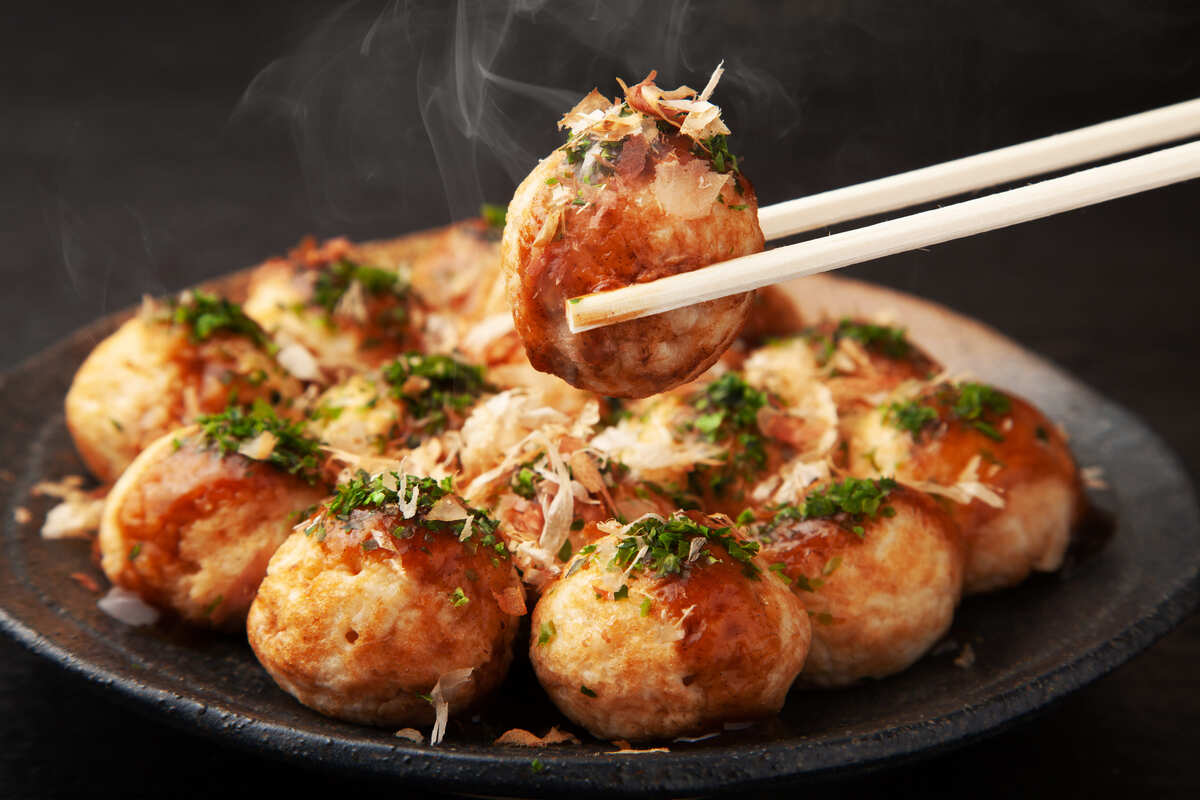
Takoyaki
The basic takoyaki is made of octopus cut into small pieces, tenkasu (tempura flakes), green onions, ginger, takoyaki sauce, mayonnaise, bonito flakes, and aonori (green laver).
Depending on the takoyaki shop, they can have a fluffy or crispy texture as the balls are fried using more oil.
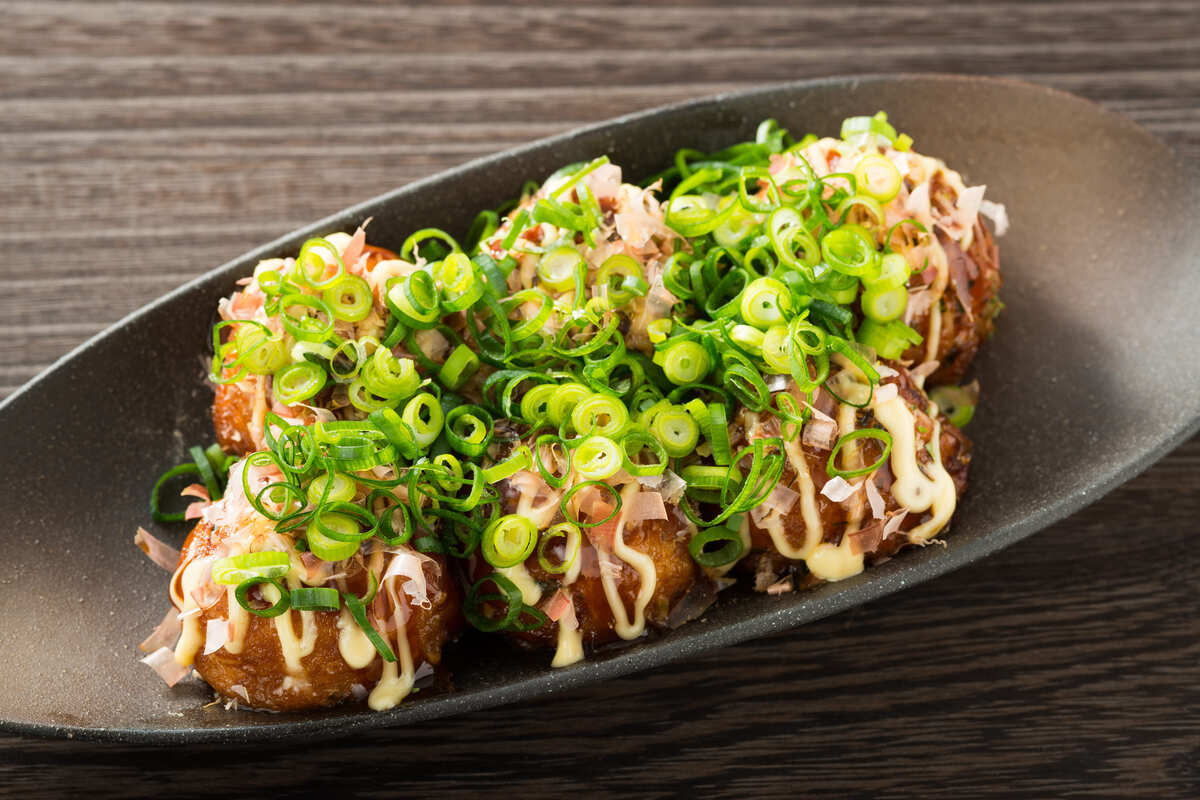
Negi-takoyaki (scallion takoyaki)
A takoyaki topped with plenty of fresh green onions, which gives a rich flavor.
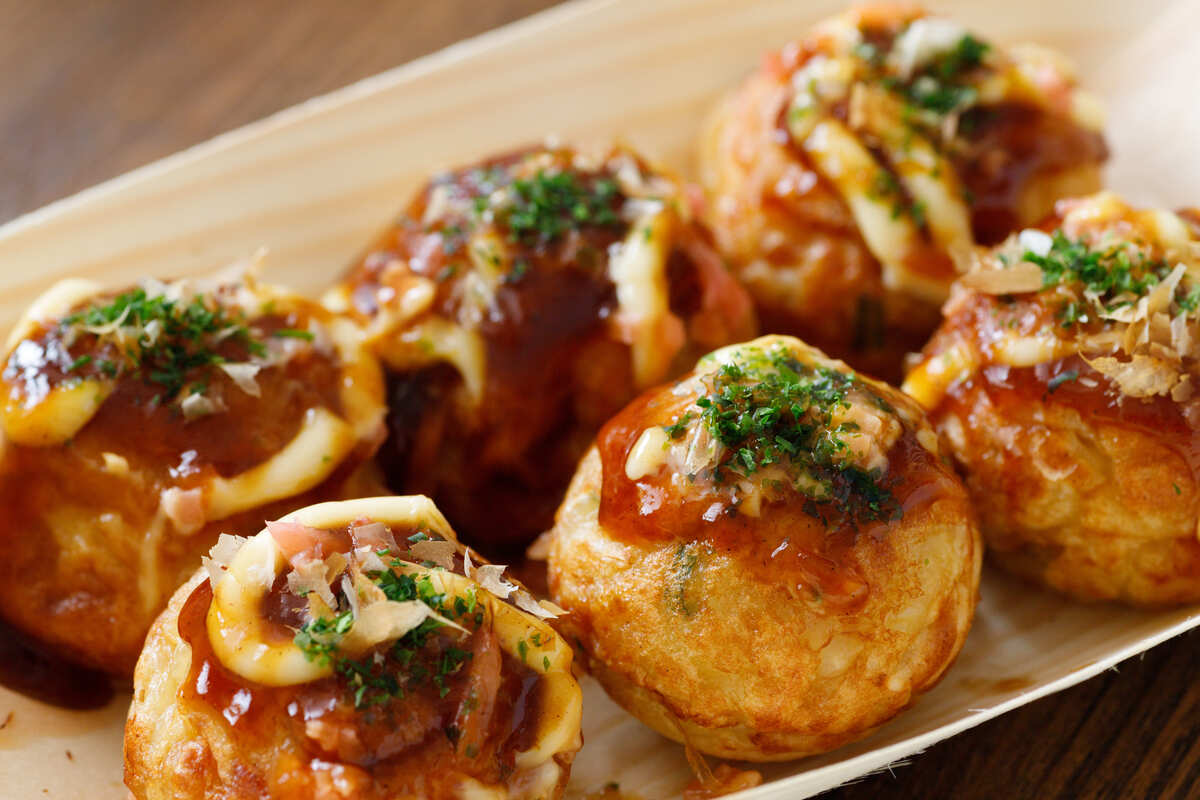
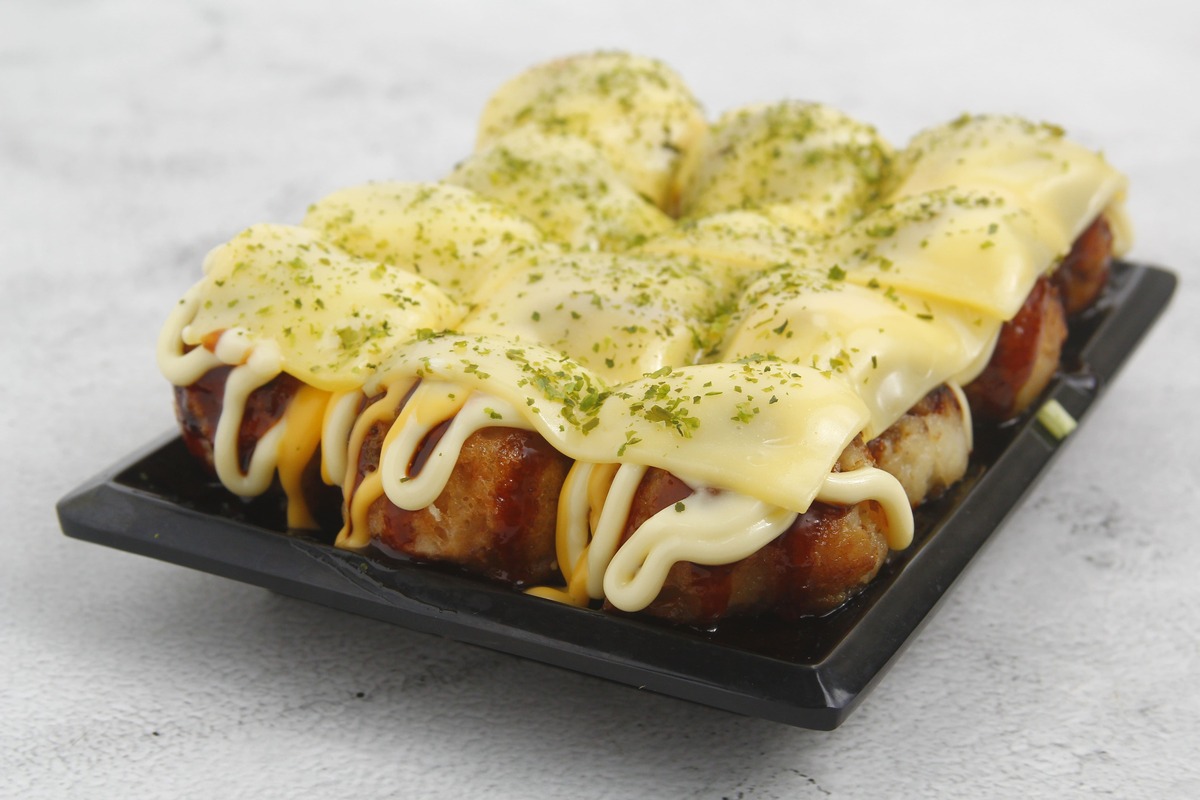
Cheese takoyaki
This is takoyaki with cheese inside, topped with cheese, or with cheese sauce on the outside.
You can enjoy the texture and flavor of the stretchy cheese.
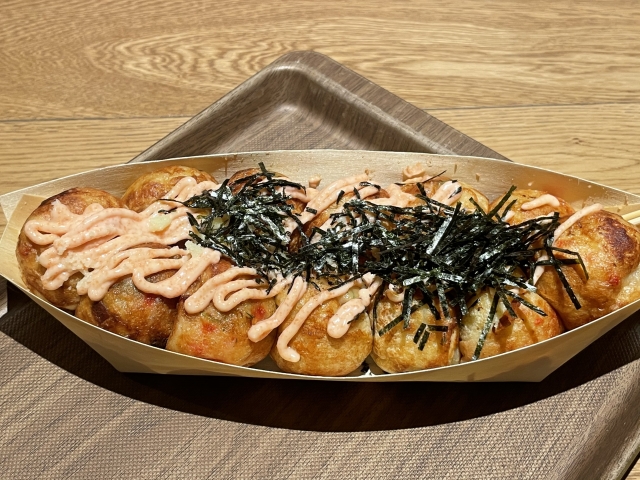
Mentaiko takoyaki (spicy cod roe takoyaki)
Takoyaki topped with mentaiko (spicy cod roe) sauce or mayonnaise with mentaiko.
You can enjoy the spiciness of mentaiko.
A Similar Dish — How Akashiyaki Differs from Takoyaki
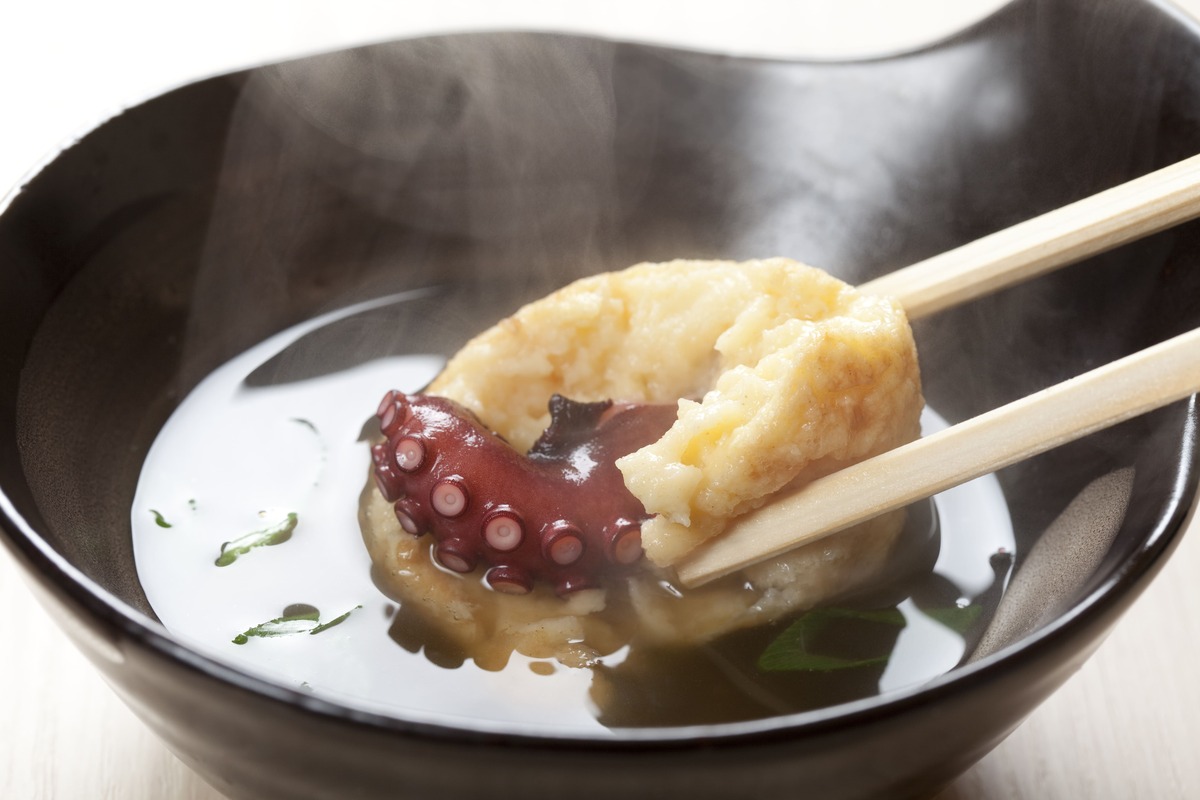
A dish that looks similar to takoyaki is Akashiyaki, which originated in Akashi City in Hyogo Prefecture. Akashiyaki (also known as “tamago-yaki”) is made by mixing plenty of eggs into the batter along with pieces of octopus, cooking it into round shapes, and dipping the finished pieces into hot dashi broth before eating.
- Differences in Batter and Texture
Takoyaki:
Typically made with a wheat flour–based batter mixed with dashi, water, and eggs. It is characterized by a lightly crispy exterior and a soft, fluffy interior.
Akashiyaki:
Contains a higher ratio of eggs and often uses “jinko,” a refined wheat starch. This results in a very soft and delicate texture. The appearance is paler and more yellow than takoyaki, and the pieces are often slightly flattened rather than perfectly round.
- Differences in How They Are Eaten
Takoyaki:
After cooking, the balls are usually topped with sauce, mayonnaise, aonori, and bonito flakes, and eaten as they are.
Akashiyaki:
The standard way to enjoy it is by dipping the pieces into hot dashi broth. Sauce is not used; instead, you savor the gentle flavor of dashi and egg.
How to make takoyaki
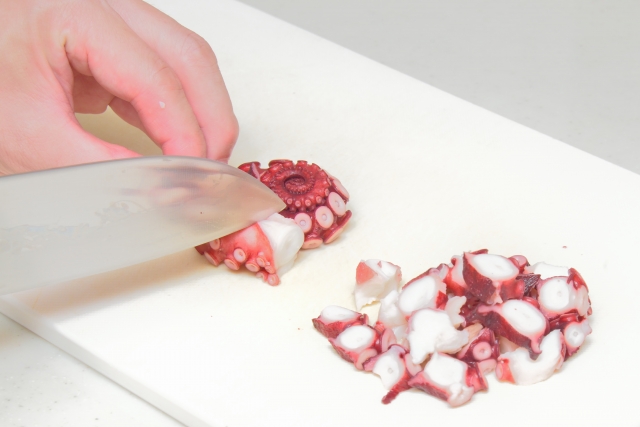
First, prepare the octopus.
Boil octopus and cut into bite-sized pieces.
Make sure to cut them in the same size as the texture is important.
Next, prepare the batter.
Takoyaki chefs sometimes use commercial takoyaki flour, but they also make the batter using their own original recipe.
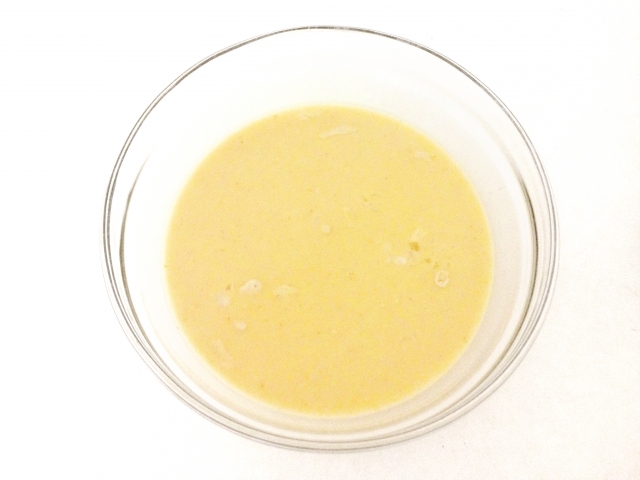
The batter contains flour, water, and eggs, with the proportions being exceedingly important.
The thickness of the batter is a key factor in determining whether the texture becomes fluffy or crunchy.
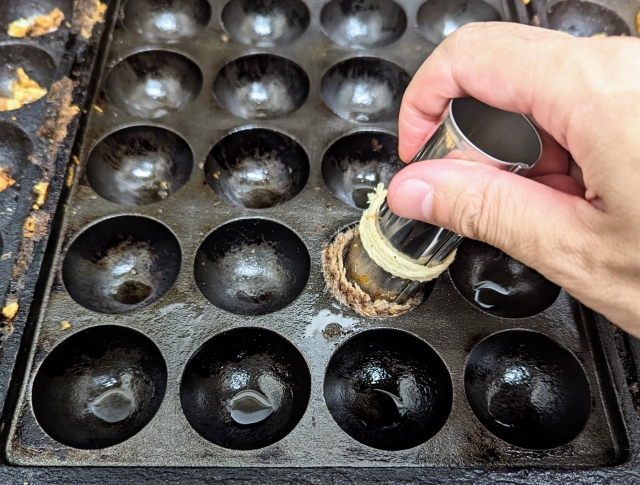
Heat up a griddle to fry the takoyaki.
Maintaining an even temperature on the griddle is essential, as the takoyaki will quickly lose its shape if it burns at a temperature or if the temperature is too low.
When the griddle is warm, oil the entire surface.
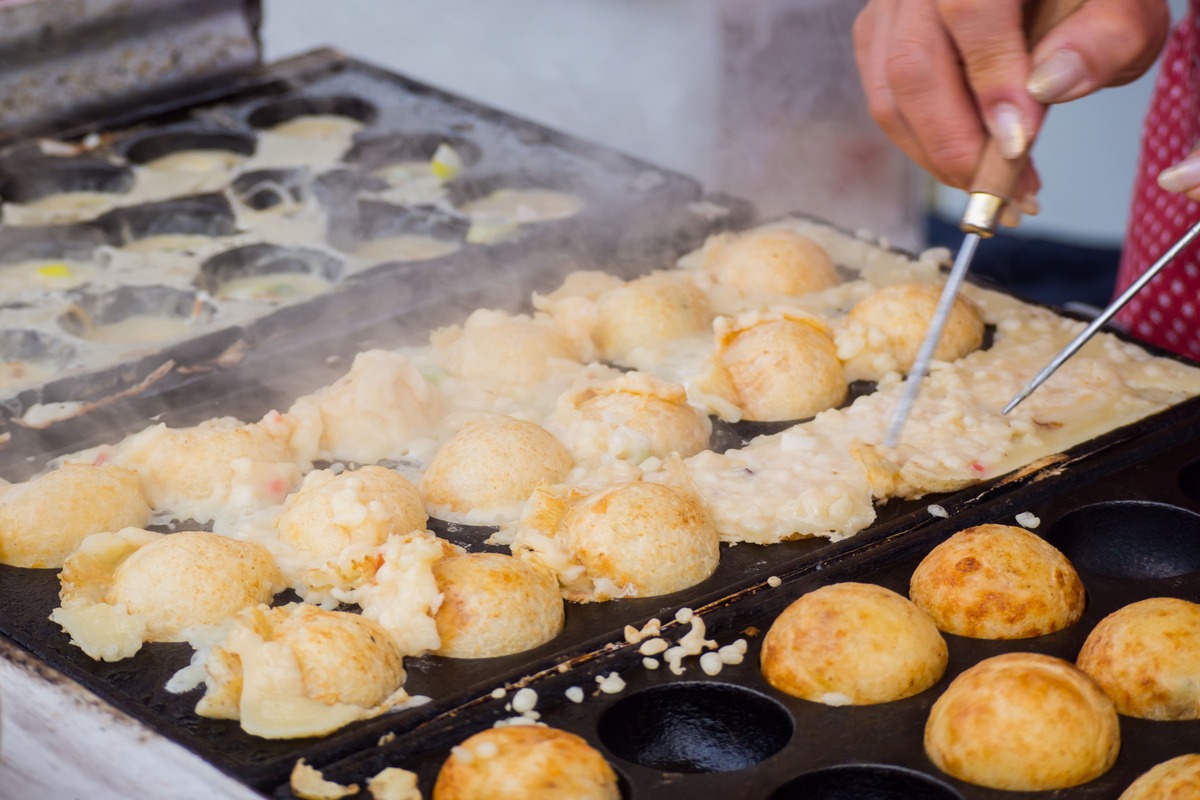
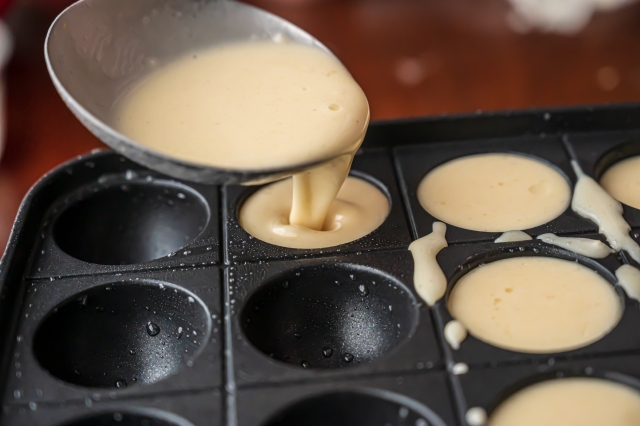
When the oil on the griddle is heated, pour the batter into the holes of the griddle.
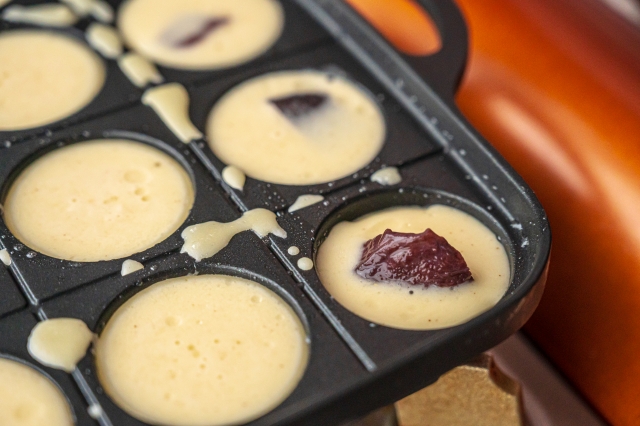
Place octopus, tenkasu, green onion, and red ginger evenly in the holes.
Once the batter is cooked and beginning to harden, rotate the takoyaki and heat the unset areas.
Rotate the balls with a pick while they are still cooking to form a round shape.
Rotate the balls several times to cook them evenly.
Rotating takoyaki is the most important skill in making the dish.
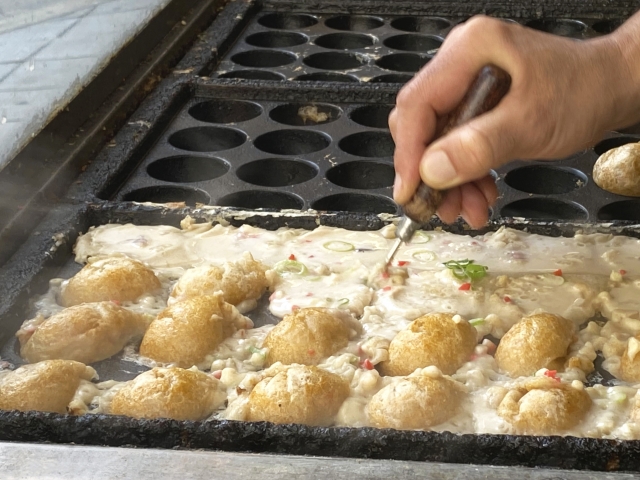
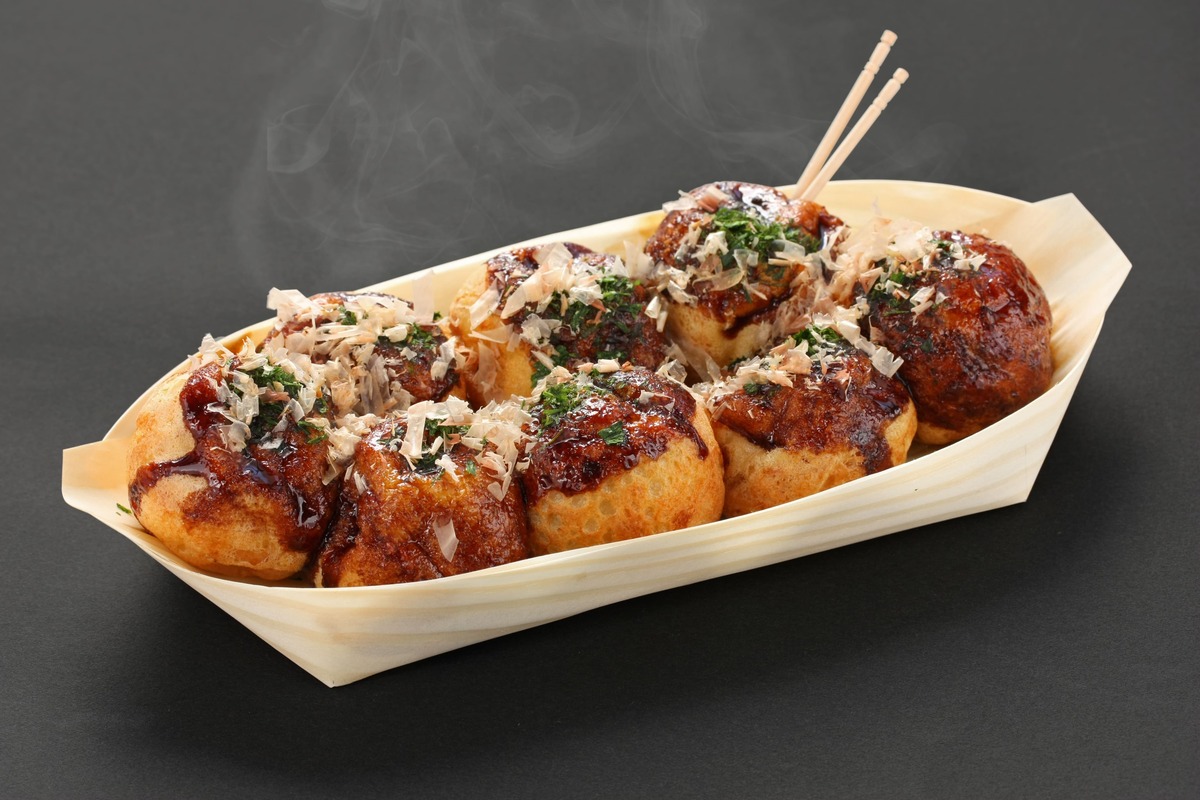
When cooked, use a pick to pick up the balls and serve them onto a special plate (boat-shaped wooden, thin plate).
Add toppings such as sauce, mayonnaise, aonori, and bonito flakes on top.
How to eat takoyaki
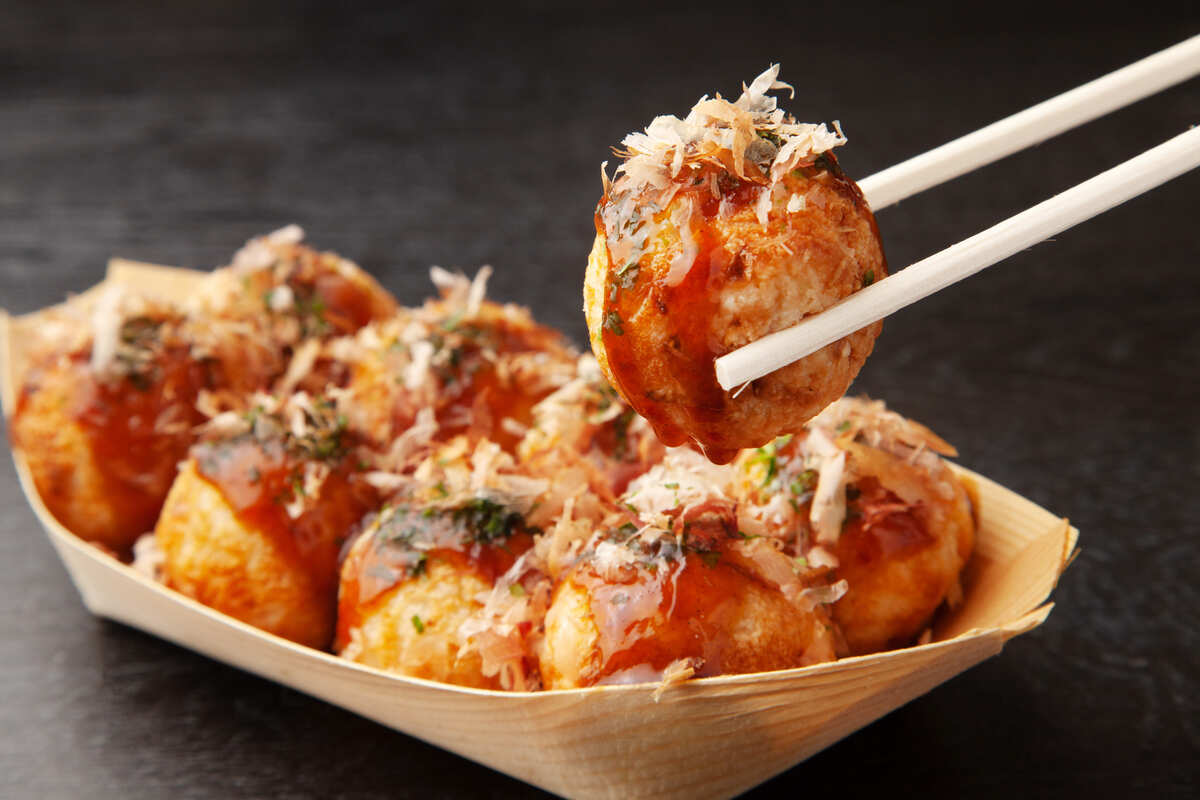
Eat with wooden skewers (toothpicks), a pick, or chopsticks.
Be careful not to burn yourself, as takoyaki balls are quite hot when freshly made.
Although the balls are bite-sized, we recommend cutting a ball a little to release the steam inside before eating in one bite.
People’s reaction when eating
Search Restaurants by Destination
Search Restaurants by Popular Cuisines