What is Jingisukan (Genghis Khan)?
Jingisukan (Genghis Khan) is a popular dish in Japan, particularly in Hokkaido.
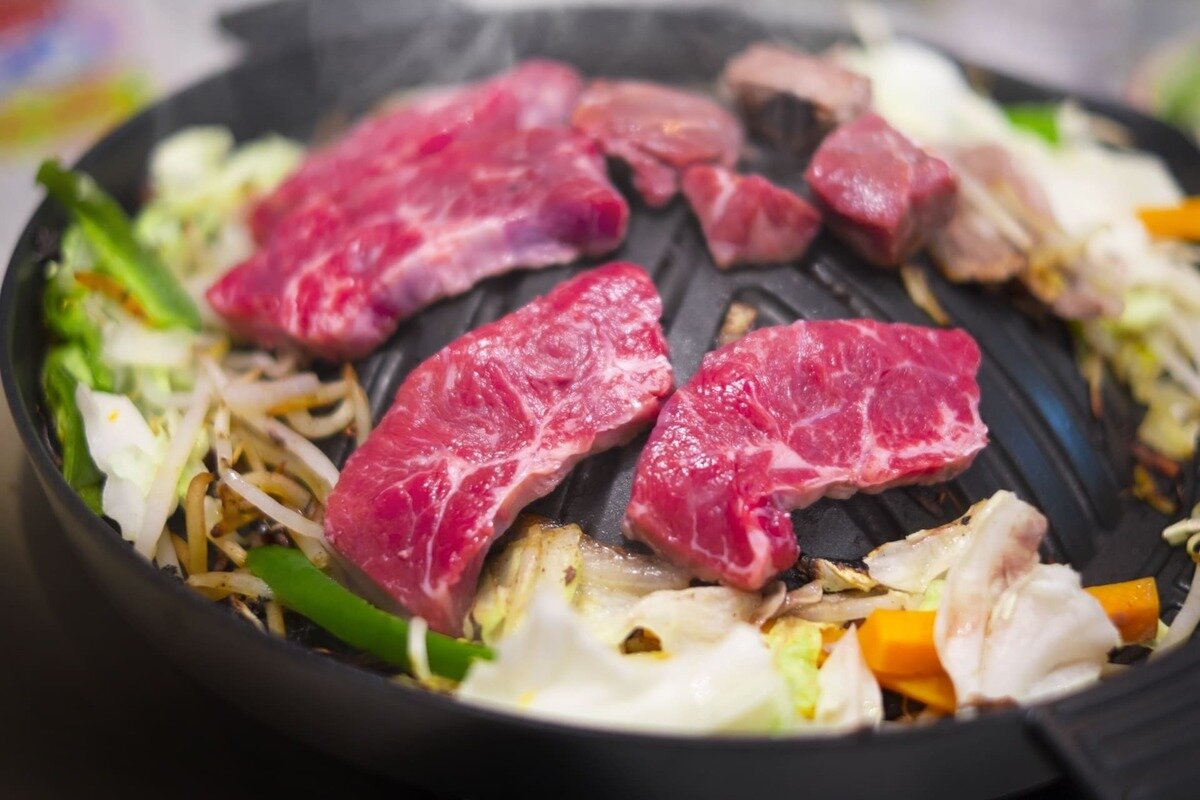
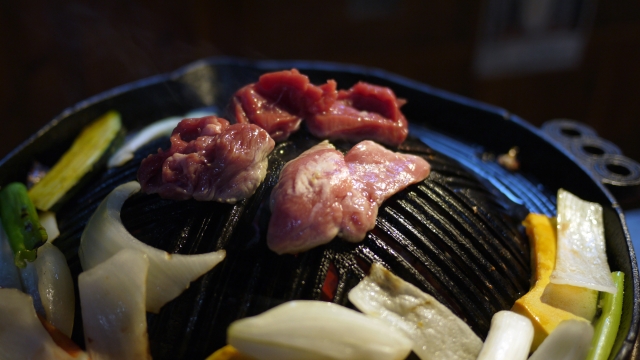
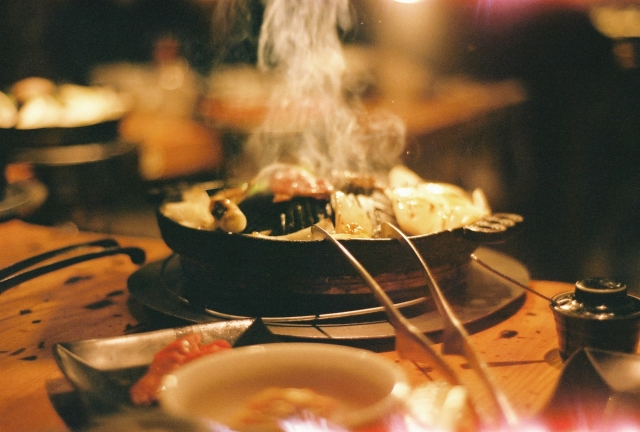
It is made by grilling lamb and vegetables on a special iron plate called the Jingisukan pot.
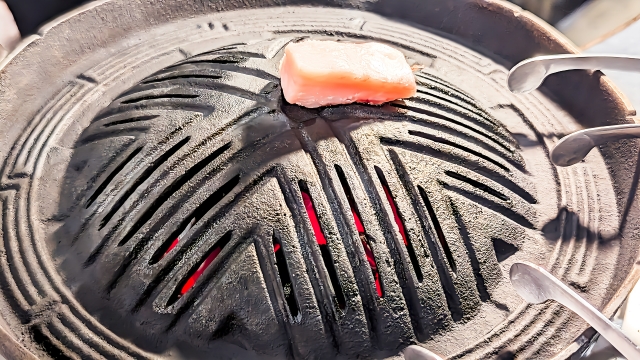
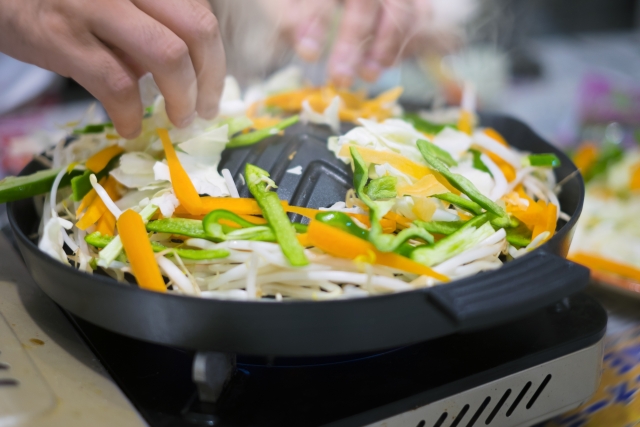
The pots have a distinctive raised center with grooves around it to hold the vegetables.
Lamb has a juicy, flavorful taste and is a relatively less-consumed meat in Japan.
In addition to lamb, the dish is usually served with vegetables such as cabbage, bean sprouts, carrots, and onions.
The meat and vegetables are seasoned with sesame oil or special soy sauce-based sauce and often grilled at the table.
There are different beliefs about where Jingisukan comes from.
One theory suggests that the origin of Jingisukan is in mainland China, and it is believed to have been adopted by the Japanese from a Chinese dish with roast mutton when the Japanese Army entered the former Manchuria (now northeastern China).
Around 2005, Jingisukan became a booming food due to its healthy image of low-fat content compared to beef, but the boom died out in around 2010.
The Origins of Jingisukan and Its Development as a Part of Hokkaido’s Food Culture
The rise of Jingisukan as a signature dish of Hokkaido is closely tied to the increased demand for wool from the pre-war era through the post-war period. During that time, Japan required wool for military and industrial use, which led to active sheep farming across Hokkaido. As sheep were raised for wool, people began exploring ways to make the best use of the resulting sheep meat, and these efforts eventually evolved into what is now the Jingisukan culture.
Although the cooking style of grilling sheep meat quickly over high heat was influenced by Chinese and Mongolian food traditions, it developed uniquely in Hokkaido. Using a specially shaped grill and cooking the meat together with vegetables became a popular method—efficient and ideal for enjoying warm food in Hokkaido’s cold climate. Over time, Jingisukan took root in daily life, becoming a beloved home-cooked dish as well as a staple of outdoor barbecues.
Differences Between “Lamb,” “Mutton,” and “Hogget” and How to Choose
Jingisukan uses three main types of sheep meat: lamb, mutton, and hogget. Each offers distinct flavors, aromas, and textures, making it enjoyable to choose based on your preference.
• Lamb
Lamb comes from sheep less than one year old and is the most tender with very mild flavor. It is ideal for first-time sheep-meat eaters or those who believe lamb has a strong odor. Its natural sweetness and juiciness become more pronounced as it cooks, making it especially recommended for Jingisukan beginners.
• Mutton
Mutton is from sheep over two years old. Compared to lamb, it has a richer taste and a distinctive aroma. It is perfect for those who want to enjoy the deep, robust flavor characteristic of sheep meat. It also pairs well with marinated Jingisukan styles and is popular among fans of traditional Hokkaido-style Jingisukan.
• Hogget
Hogget comes from sheep aged one to two years—positioned between lamb and mutton. It offers an excellent balance of tenderness and flavor, with a taste that is “more than lamb, less than mutton.” While less commonly distributed in Japan, restaurants that serve hogget allow guests to enjoy unique taste-comparison experiences.
How to Choose?
For first-timers or those sensitive to strong flavors → Lamb
For those who want the full aroma and richness of sheep meat → Mutton
For a balanced flavor or tasting several varieties → Hogget
Even with the same cooking style, the flavor of Jingisukan changes dramatically depending on the type of meat. If multiple types are available on the menu, try comparing them to find your personal favorite.
Varieties of Jingisukan
The type of ingredients used for Jingisukan varies from restaurant to restaurant.
Below are some of the typical ingredients.
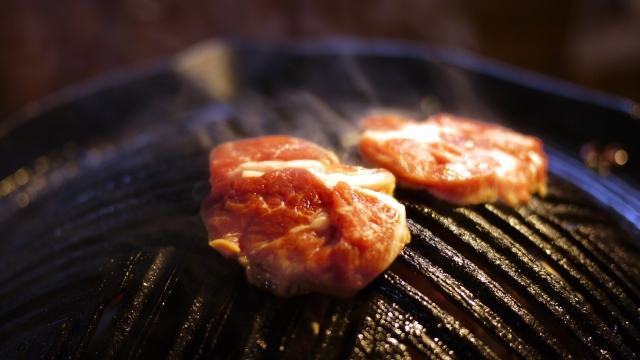
Lamb
This is the main ingredient of the dish and is usually sliced thin.
Typically used meat cuts are the thighs and shoulders.
These cuts are tender and easy to grill.
Lamb has a distinctive flavor, which gives the dish its unique taste.
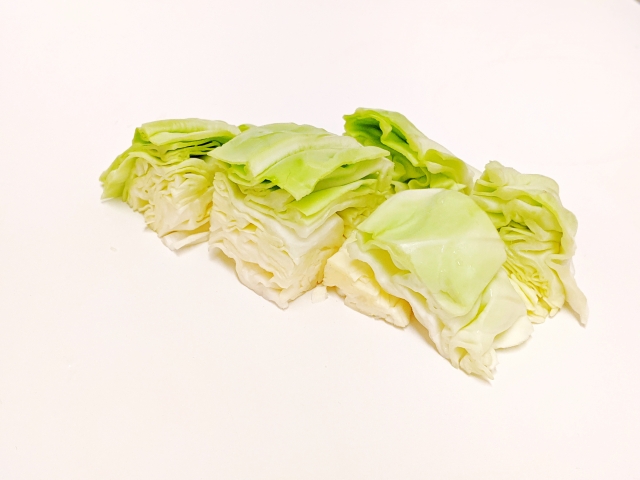
Cabbage
It is characterized by its crispy texture and sweetness.
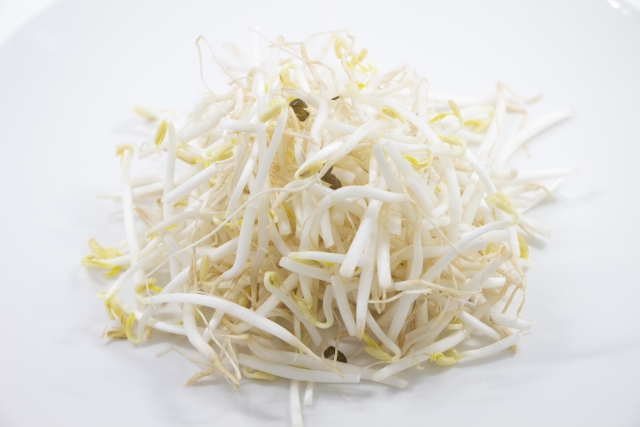
Bean sprouts
They add a light texture and unique flavor.
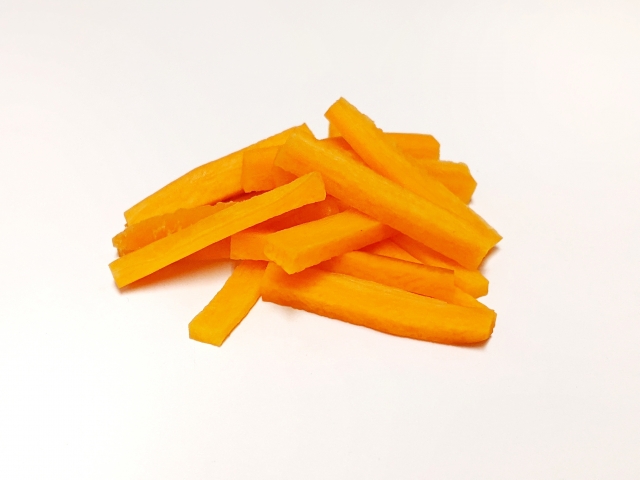
Carrot
Provides sweetness and color.
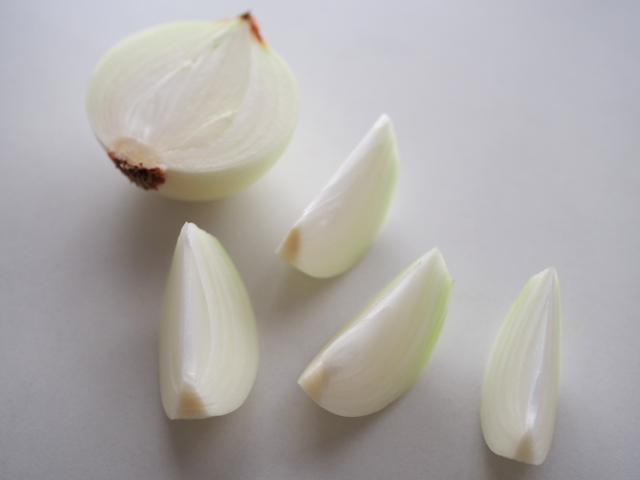
Onion
Onions are grilled until they are sweet and tender to enhance the flavor.
How to make Jingisukan
The following shows a typical method of preparing Jingisukan.
In most cases, the restaurant prepares the ingredients and sauce, while customers grill the ingredients themselves.
First, the lamb is thinly sliced.
Some restaurants marinate the meat in a special sauce to enhance the flavor.
The vegetables are also cut into bite-size pieces.
Next, the sauce is prepared.
The flavor of the sauce varies from restaurant to restaurant, but generally a combination of soy sauce, sake, mirin (sweet rice wine), garlic, and other seasonings used to create a uniquely flavored sauce.
How to eat Jingisukan
Below are some common ways to enjoy Jingisukan.
Generally start by grilling the ingredients in the Jingisukan pot.
Heat up pot
Heat the Jingisukan pot.
After some time, grease the entire pot with oil (or pork fat while melting it with heat).
This keeps the meat and vegetables from sticking to the pot.
Place vegetables
Place the vegetables on the outer (hollow) part of the pot.
Keep grilling the vegetables on the outer part.
Place lamb
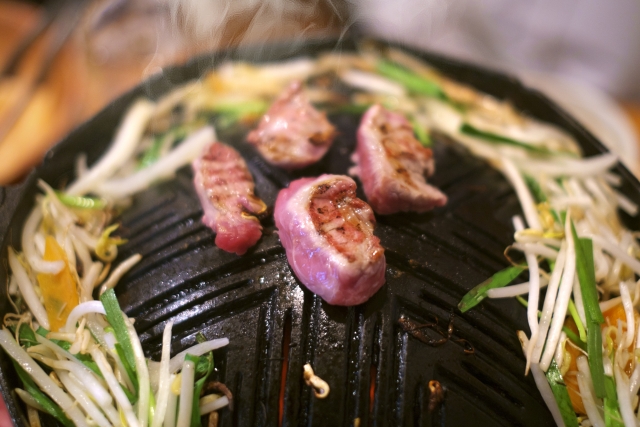
Place the lamb on the inner (raised) part of the pot.
The fat from the lamb naturally runs off into the outer part, helping to cook the vegetables.
You can grill the lamb first as there are no strict rules for the timing of placing the vegetables and lamb.
Dish out
When the lamb and vegetables are cooked to your liking, serve them on a small plate.
Dip in sauce and eat it
Dip the ingredients in the sauce and enjoy.
People’s reaction when eating
Search Restaurants by Destination

Search Restaurants by Popular Cuisines