As the New Year begins, in Japan, you will see people visiting shrines and temples all at once. They quietly line up and put their hands together with a sacred feeling even in the cold sky. This is called "Hatsumode."
Hatsumode is a uniquely Japanese traditional event where people express gratitude and wishes to gods and Buddha at the beginning of the new year. For Japanese people, this time is a sacred ceremony to pray for safety and happiness throughout the year and an opportunity to reaffirm connections with family and society.
If you plan to visit Japan and happen to stay during the year-end and New Year holidays, Hatsumode is one of the cultural experiences you should definitely try. You can experience the depth of tradition, the strength within the quietness, and the characteristics of each region, touching the faith and aesthetics embedded in the daily lives of Japanese people.
This article explains in detail what Hatsumode is, its historical background, how to choose a place to visit, manners and precautions on the day. It is structured so that even beginners can participate without anxiety and with confidence, so by the time you finish reading this article, you will want to try it yourself.
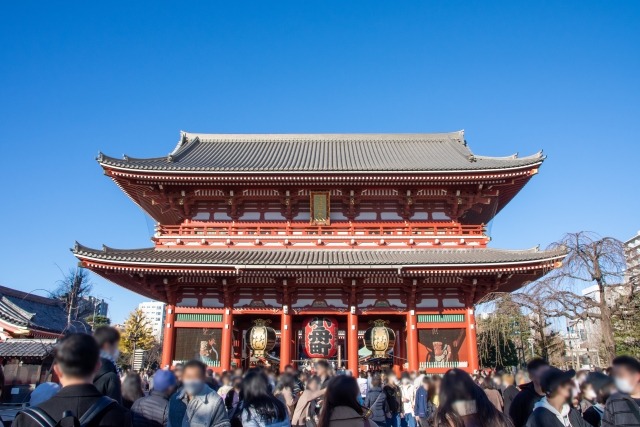
1. What is Hatsumode
Hatsumode refers to the act of visiting a shrine or temple for the first time after the year has begun and offering prayers to gods or Buddha. The point of "first" here is important, meaning literally the first visit within a year.
Many Japanese people carry out Hatsumode between January 1st to 3rd, known as "Sanganichi," one of the representative events of the Japanese New Year. Some people visit immediately after midnight on New Year's Day, and some shrines open from the moment of the year change so people can worship right after the year turns.
For Japanese people, Hatsumode is not just a religious ritual but a ceremony to "adjust their feelings" and "set goals" at the start of the year. Standing before the deity with various wishes such as good luck, health, romantic fortune, work luck, and family safety, they truly feel the beginning of the New Year.
It is also common to go with the whole family, and after Hatsumode, it has become customary to enjoy light meals at nearby food stalls or experience New Year's seasonal events.
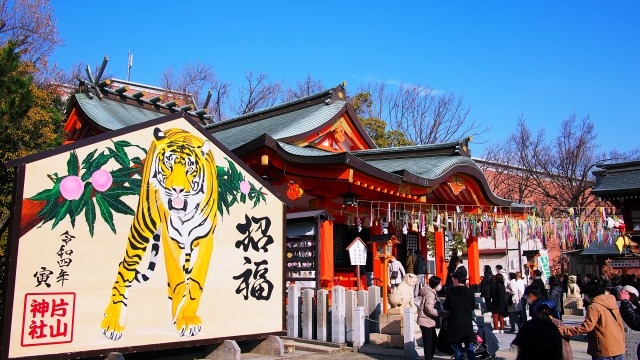
2. Origin and History of Hatsumode
The origin of Hatsumode dates back to ancient Japan. At that time, there was a custom called "Toshigomori," where the head of the household would stay at the shrine from New Year's Eve to New Year's Day to pray for safety and a bountiful harvest throughout the year.
This Toshigomori gradually divided into “Joya Mode” (visiting on New Year's Eve) and “Ganjitsu Mode” (visiting on New Year's Day). The current form of Hatsumode, which refers to the first visit after the year begins, became established after the Meiji era.
At that time, Japan's railway network started to develop, making it easier to access distant shrines and temples. This led to the popularity of "long-distance Hatsumode" to visit famous urban shrines and temples, and many people traveled for Hatsumode.
In other words, the background of Hatsumode includes not only faith but also social aspects nurtured along with Japan's modernization, such as the development of transportation infrastructure and the formation of urban culture.
3. Where Should You Go for Hatsumode?
There are over 80,000 shrines and tens of thousands of temples throughout Japan. Therefore, there is no clear correct answer to where you should go for Hatsumode.
Traditionally, it is basic to visit the shrine that enshrines the local deity (Ujigami) protecting the area where you live. This reflects the Japanese culture that values connection with the local community.
On the other hand, people living in urban areas or visitors often visit famous shrines or temples. Particularly popular places host large-scale Hatsumode events attracting millions of people.
It is good to consider the following points when choosing a place.
- Ease of access from your accommodation (within walking distance or near main stations)
- Whether there is English guidance
- Whether you can experience cultural elements like food stalls or fortune slips
- Whether there is an Instagrammable scenery
Also, many people don’t know the difference between shrines and temples: shrines are Shinto facilities, while temples are Buddhist facilities. At shrines, people clap their hands to pray; at temples, they put their hands together quietly. However, for Hatsumode, you are welcome at either, so please feel free to visit.
4. What You Do at Hatsumode
Hatsumode is not just about praying; it is filled with many cultural enjoyments. Here, we introduce representative experiences that Japanese people do during Hatsumode.
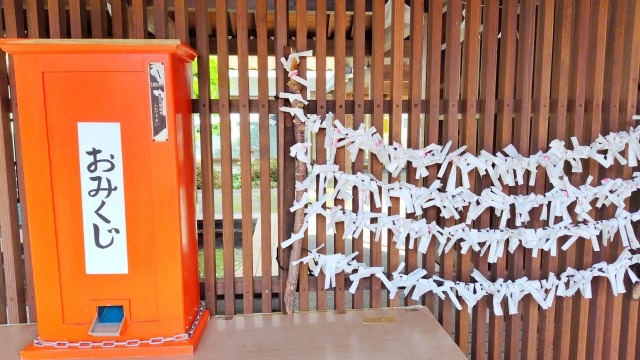
・Drawing an Omikuji
Omikuji is a traditional paper fortune slip to predict your luck for the year. When you draw a slip, it shows your luck ranging from "Great blessing," "Blessing," "Middle blessing," "Small blessing," "末吉 (Suekichi: Late blessing)," to "Curse."
In addition to overall luck, it includes details on love, health, work, money, and studies, so you can know your specific fortune for the year.
If the result is good, you carry it in your wallet or the like. If bad, the custom is to tie it at a designated place within the shrine grounds. This means entrusting your bad luck to the gods.
・Buying an Omamori
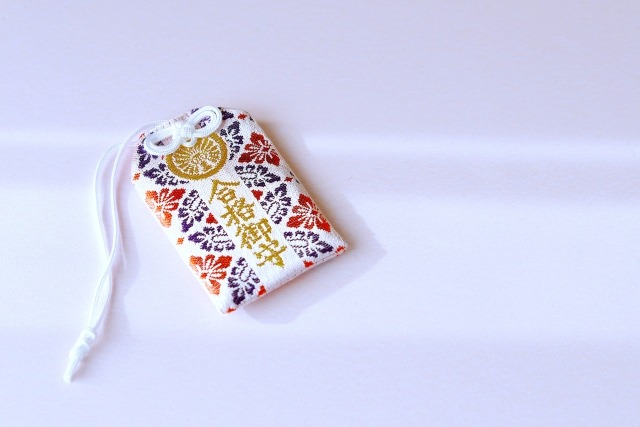
Omamori is a small pouch believed to provide protection from gods and Buddha when carried. Inside are prayer-inscribed papers or cloth, and it should not be opened.
There are many types based on purpose such as health, safe childbirth, traffic safety, love fulfillment, and exam success. It is common to buy a new omamori during Hatsumode and return the previous year’s one.
For international tourists, omamori with unique designs and handmade impressions are popular as souvenirs.
・Enjoying Food Stalls
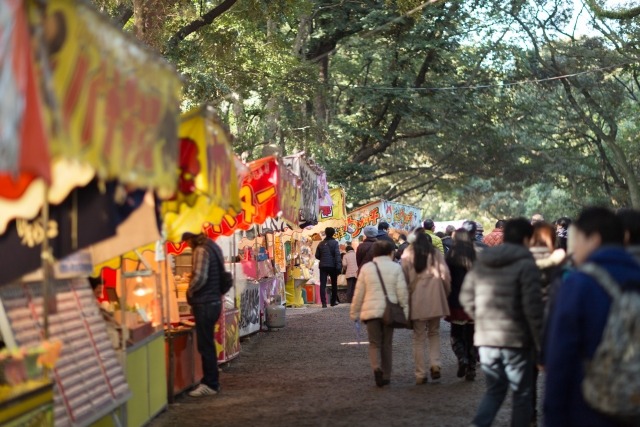
One of the pleasures of Hatsumode is the food stalls lined up near shrines and temples. In large shrines, you will find Japanese B-grade gourmet like takoyaki, yakisoba, grilled squid, amazake, taiyaki, candied apples, and karaage.
Hot amazake eaten in the cold is especially delightful; since it contains hardly any alcohol, children and those who don't drink alcohol can enjoy it safely.
Japanese food stall culture is often seen during festivals, and New Year's is one of the most lively times. It is a highly satisfying experience for tourists as well.
・Purchasing Zodiac Goods and Offering Ema
The Zodiac (Eto) is the Chinese-origin twelve zodiac animals, with the animal changing every year. Many people buy decorations and figurines featuring the zodiac as souvenirs.
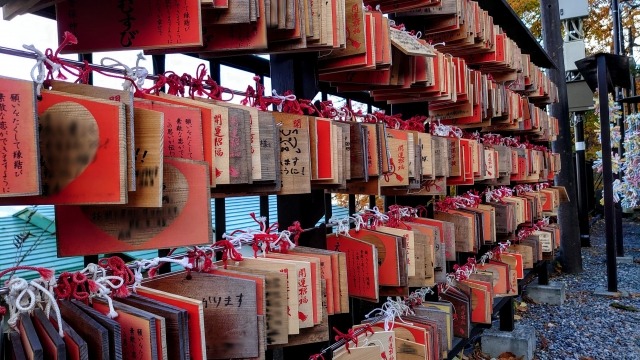
Also, shrines and temples have wooden plaques called "Ema," on which you write your wishes and offer them. Many people's wishes are written on Ema, and reading them is a valuable experience to touch the values and life views of Japanese people.
5. Manners and Etiquette of Hatsumode
When visiting shrines or temples, including for Hatsumode, it is important to know basic manners and etiquette. Although many Japanese do not strongly depend on religion, these actions have deep meaning and represent respect for tradition.
First, the praying method differs between shrines and temples.
・Shrine Visiting Procedure
- Bow once in front of the Torii gate
You must lightly bow your head before entering the shrine through the Torii gate. This is to greet the gods saying, "I am going to enter now." - Do not walk in the center of the approach path
The center of the path is considered the path for the gods to pass through. It is courteous to walk on the side. - Purify yourself at the Temizusha (water basin)
At the shrine entrance, there is a Temizusha. Using a ladle, first cleanse your left hand, then your right hand, then pour water into your left hand to rinse your mouth. After rinsing, wash your left hand again and return the ladle to its original position. - Offer a donation to the offertory box
Quietly put money (usually 5 yen, 10 yen, 100 yen coins) into the offertory box. There is no need to throw the money noisily; put it in gently. - Two bows, two claps, one bow
Bow deeply twice, clap your hands twice, and bow deeply once more. You silently pray for your wishes in your heart during this.
・Temple Visiting Procedure
- Bow once in front of the Sanmon gate
Temples have a gate called Sanmon at the entrance. Bow here before entering. - Purify yourself at the Temizusha (same as at shrines)
- Light incense sticks at the incense burner (if available)
The smoke from the lit incense is believed to protect health and ward off evil. - Offer a donation quietly
- Pray with hands together (no clapping)
Pray quietly with your hands together without making any noise.
By following these procedures, you can show respect for the culture and act harmoniously with those around you.
6. Things to Be Careful About at Hatsumode
Because Hatsumode is a major event in Japan, many people move all at once. Knowing specific precautions and crowd control measures allows you to enjoy it more comfortably.
・Prepare for Crowds
Especially at popular shrines and temples, hundreds of thousands of people gather during Sanganichi (January 1 to 3). It is not unusual to wait two to three hours depending on the time. If possible, try visiting during:
- Early morning (6 am to 9 am)
- Weekdays after January 4
When aiming for these times, you can visit more smoothly.
・Dress Warmly
Winter in Japan is cold, especially early morning and late night when temperatures can drop below freezing. Considering long outdoor waiting times, use down jackets, scarves, gloves, hand warmers, etc.
・Prepare Coins
You will need cash (especially 100 yen and 10 yen coins) for offerings and buying food at stalls. Although cashless payments are advancing in Japan, cash is still strongly preferred during Hatsumode.
・Maintain Quietness
Shrines and temples are sacred places. Taking photos is often allowed, but avoid flash photography and blocking walkways. Also, refrain from live streaming and loud conversations.
7. When Should You Go?
There is no strict rule for the period of Hatsumode, but the general thoughts are as follows.
・Sanganichi (January 1 to 3)
This is the period when most people visit and is often broadcast on TV due to the large crowds. Many people want to start the new year energetically by visiting during this period.
・Matsunouchi (Until January 7 or 15)
Matsunouchi is the period to keep New Year's decorations (like Kadomatsu), varying by region. It is generally until January 7 in Kanto and January 15 in Kansai.
Visiting within this period is fully accepted as a "New Year’s visit."
・The idea that anytime in January is OK
Recently, more people avoid crowds and visit relaxedly, and there is a growing attitude that visiting anytime in January is fine. Especially for tourists, visiting at a convenient time for their travel schedule is the best choice.
8. Recommended Spots for Hatsumode
You can experience Hatsumode anywhere in Japan, but here are six famous shrines and temples where you can enjoy both sightseeing and cultural experiences.
・Meiji Shrine (Tokyo, Harajuku)
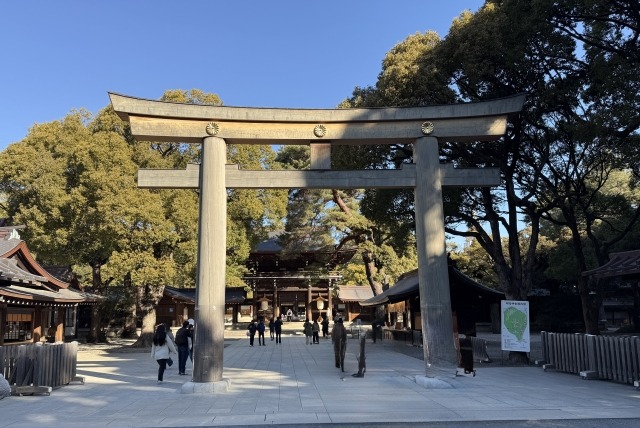
The shrine with the largest number of Hatsumode visitors in Japan, attracting over three million people annually. It is surrounded by nature on a vast site, yet just a short walk from Harajuku station, making access very convenient. It is a space where tranquility and solemnity coexist, allowing you to experience the essence of Japanese "Shinto culture."
・Sensoji Temple (Tokyo, Asakusa)
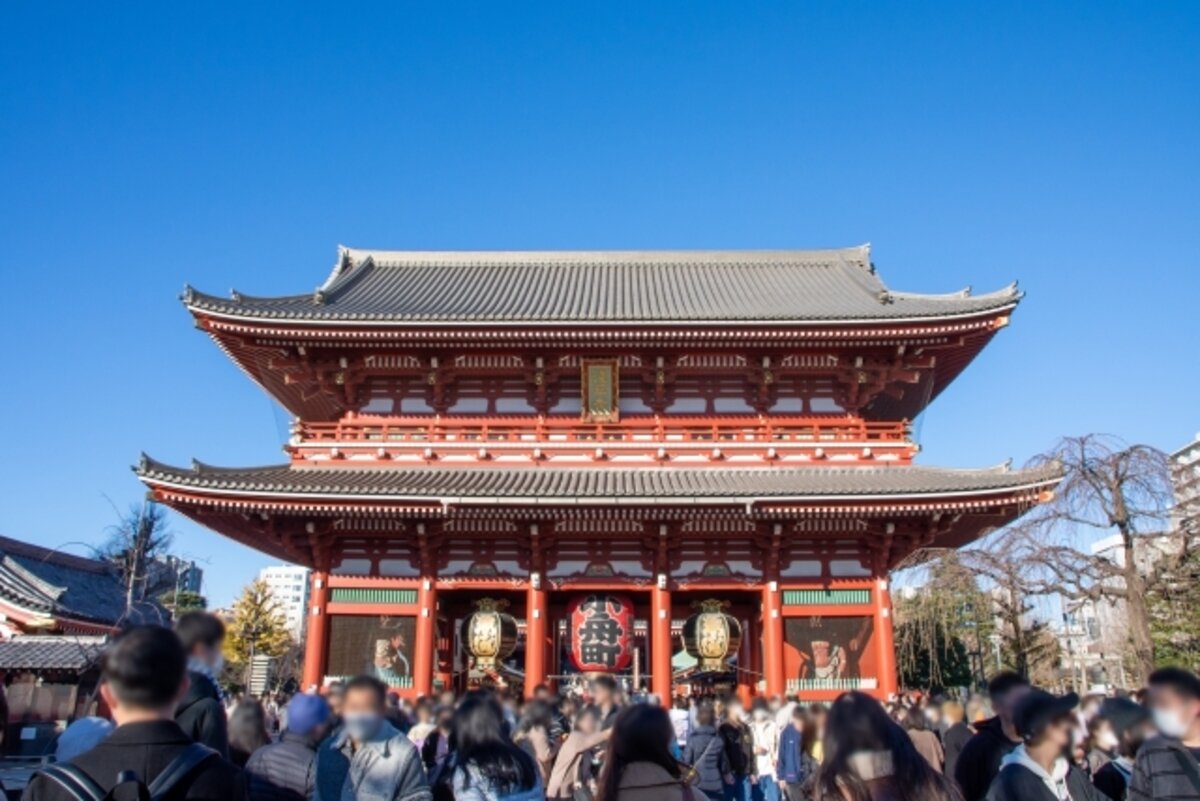
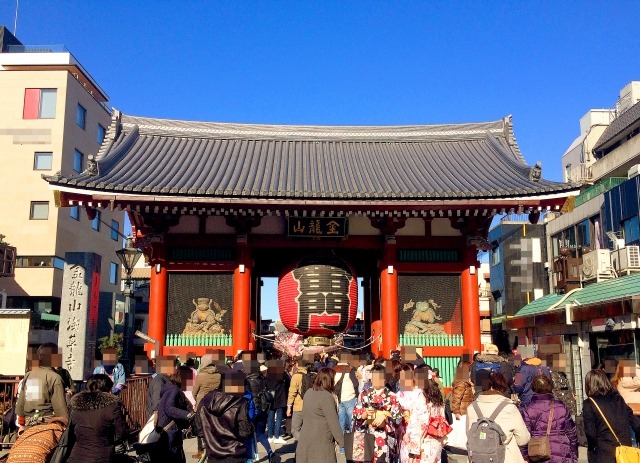
Known as the oldest temple in Tokyo, the Kaminarimon and Nakamise Street are very popular among foreign tourists. You can also enjoy shopping for traditional Japanese sweets and crafts before and after praying. As it is a temple, do not clap but quietly pray with hands together when visiting.
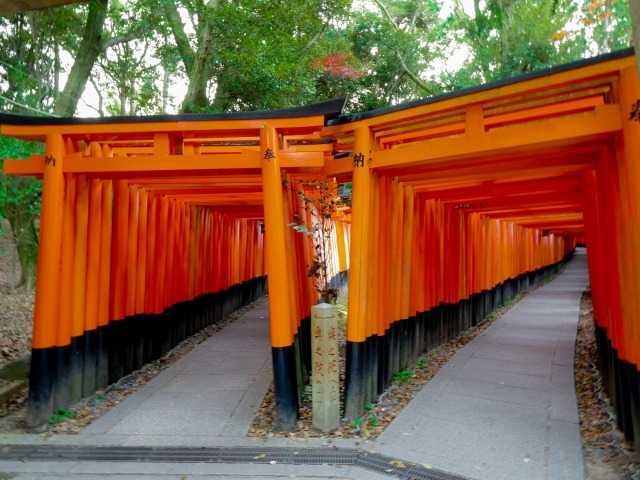
・Fushimi Inari Taisha (Kyoto)
World-famous for its "Thousand Torii gates," it is a famous Kyoto landmark. The scenery is picturesque all year round, and during Hatsumode it is enveloped in a magical atmosphere. It offers blessings for business prosperity and family safety, making it an ideal shrine for the start of the year.
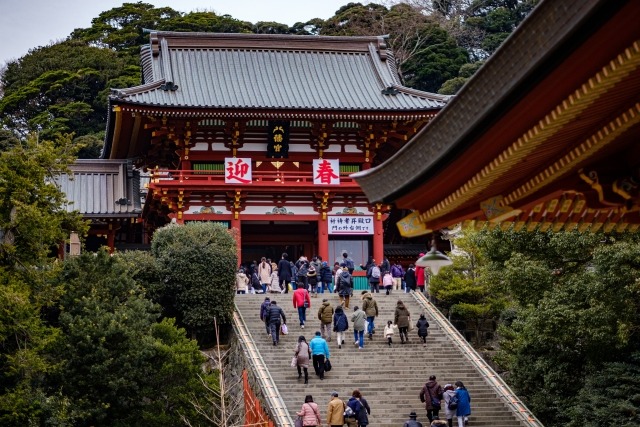
・Tsurugaoka Hachimangu (Kanagawa, Kamakura)
A shrine renowned as the god of the samurai, connected to Minamoto no Yoritomo. You can see the sea from the shrine grounds, and many sightseeing spots like the Great Buddha of Kamakura and Komachi Street are nearby. It is perfect for a short trip combined with Hatsumode.
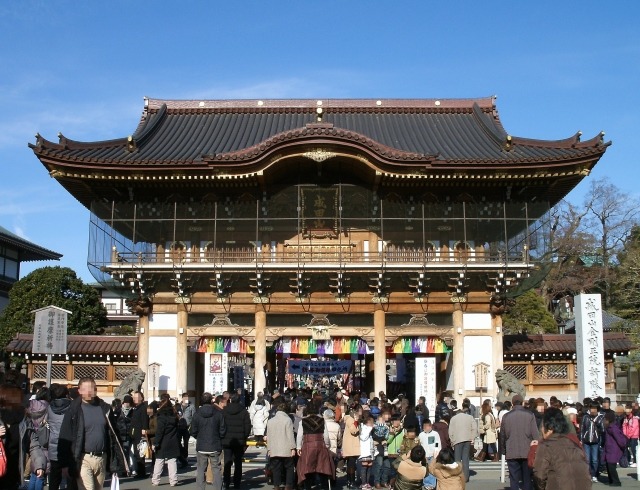
・Naritasan Shinshoji Temple (Chiba)
Easily accessible from Narita Airport and popular among foreign travelers. The Goma fire ritual (a fire-based purification ceremony) held on the temple grounds is thrilling. The approach street is lined with eel dishes and traditional Japanese sweets shops, offering rich gastronomic delights.
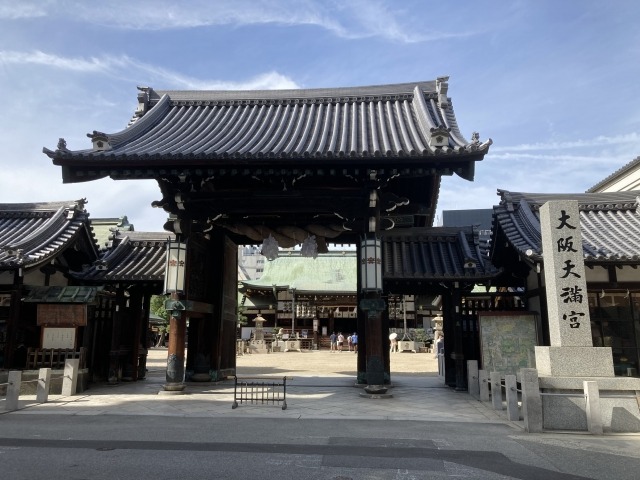
・Osaka Tenmangu Shrine (Osaka)
Dedicated to Sugawara no Michizane, the god of scholarship; popular among exam takers and students. It features a casual, down-to-earth atmosphere typical of Osaka, and the lively nearby shopping district is also attractive. This is the ideal Hatsumode spot for those looking to visit the Kansai area.
In Conclusion
Hatsumode is an important Japanese culture filled with many meanings and emotions even within quietly putting hands together. It is a time at the start of the year to look back on the past and think about the future. That is Hatsumode.
For Japanese people, this event is a time to adjust their minds and a ritual to celebrate the new year with family and friends. By experiencing the scene and participating, you can get closer to the deep layers of culture beyond just tourism.
There is no set place to visit; whether shrine or temple, it is important to pray sincerely as you feel. If you follow manners and pray with gratitude, surely those moments will become beautiful memories of Japan that remain in your heart.
To feel the New Year in Japan more deeply and warmly, try including the cultural experience of Hatsumode in your trip. It will surely bring quiet emotion to your journey.
Search Restaurants by Popular Cuisines