Japan’s premium wagyu, Kobe Beef, has become a world-famous delicacy, often topping the bucket list of food-loving travelers visiting Japan. But what exactly is Kobe Beef? Beyond the name and the reputation lies a rich story of strict certification standards, centuries-old heritage, exceptional rarity, and unforgettable flavor. In this article, we’ll dive deep into the allure of Kobe Beef and help you understand why it’s worth adding this culinary experience to your Japan itinerary.

1. What Is Kobe Beef? The Strict Criteria Behind the Name
When people hear “Kobe Beef,” they often picture the finest, most luxurious wagyu imaginable. And they’re not wrong—but there’s a lot more to it than just premium quality. To be officially called Kobe Beef, the meat must meet very specific and rigorous criteria. In fact, all genuine Kobe Beef comes from a particular breed called Tajima-gyu, a purebred strain of black-haired Japanese cattle raised in Hyogo Prefecture.
Only Tajima cattle that meet all the following conditions can be certified as Kobe Beef:
- Born and raised in Hyogo Prefecture
- Either a virgin female or a castrated male
- Carcass weight must be between 270kg and 499.9kg
- Yield grade must be A or B, and meat quality grade must be 4 or higher
Marbling (BMS score) must be 6 or above
Cattle that qualify receive a unique ID number and an official certificate issued by the Kobe Beef Marketing & Distribution Promotion Association. In other words, even though the name “Kobe Beef” is known worldwide, authentic Kobe Beef is extremely limited—even within Japan.
2. The Origins and Cultural Background of Kobe Beef
The story of Kobe Beef traces back to Japan’s Edo period. In the Tajima region of Hyogo, cattle were historically bred as work animals for agriculture. These Tajima cattle would eventually become the genetic foundation of today’s Kobe Beef.
In the late 1800s, as Japan opened its ports during the Meiji era, foreign residents in the city of Kobe began to take an interest in local beef. Legend has it that foreign sailors who tasted the meat were blown away by its flavor, giving birth to the name “Kobe Beef.”
Over time, breeding techniques and lineage management advanced significantly. By the 1990s, Kobe Beef had earned an international reputation for excellence, and today, it’s a staple at luxury restaurants around the globe.

3. One of the Rarest Meats in the World
Part of what makes Kobe Beef so revered is its sheer rarity. Only about 5,000 to 6,000 cattle are certified as Kobe Beef each year. Compared to the total number of wagyu cattle in Japan, that’s a drop in the bucket.
And only a tiny fraction of that limited supply is ever exported. You can’t just walk into any restaurant abroad and expect to find the real deal—only select butchers and restaurants are authorized to sell it. That’s why enjoying Kobe Beef in Japan is considered a once-in-a-lifetime experience for many visitors.
Its scarcity has led many to call Kobe Beef the “phantom beef,” elevating its prestige even further.
4. Why Kobe Beef Stands Out Among Wagyu Brands
Japan is home to several top-tier wagyu brands: Matsusaka Beef, Yonezawa Beef, Omi Beef, Miyazaki Beef, and more. Each has its own loyal following and unique characteristics. So what makes Kobe Beef so globally iconic?
First, it has unmatched brand recognition. Thanks to Kobe’s history as an international port city, the name “Kobe Beef” was one of the first wagyu brands introduced to Western audiences as far back as the 19th century. For many, it was their first encounter with Japanese beef—and the name stuck.
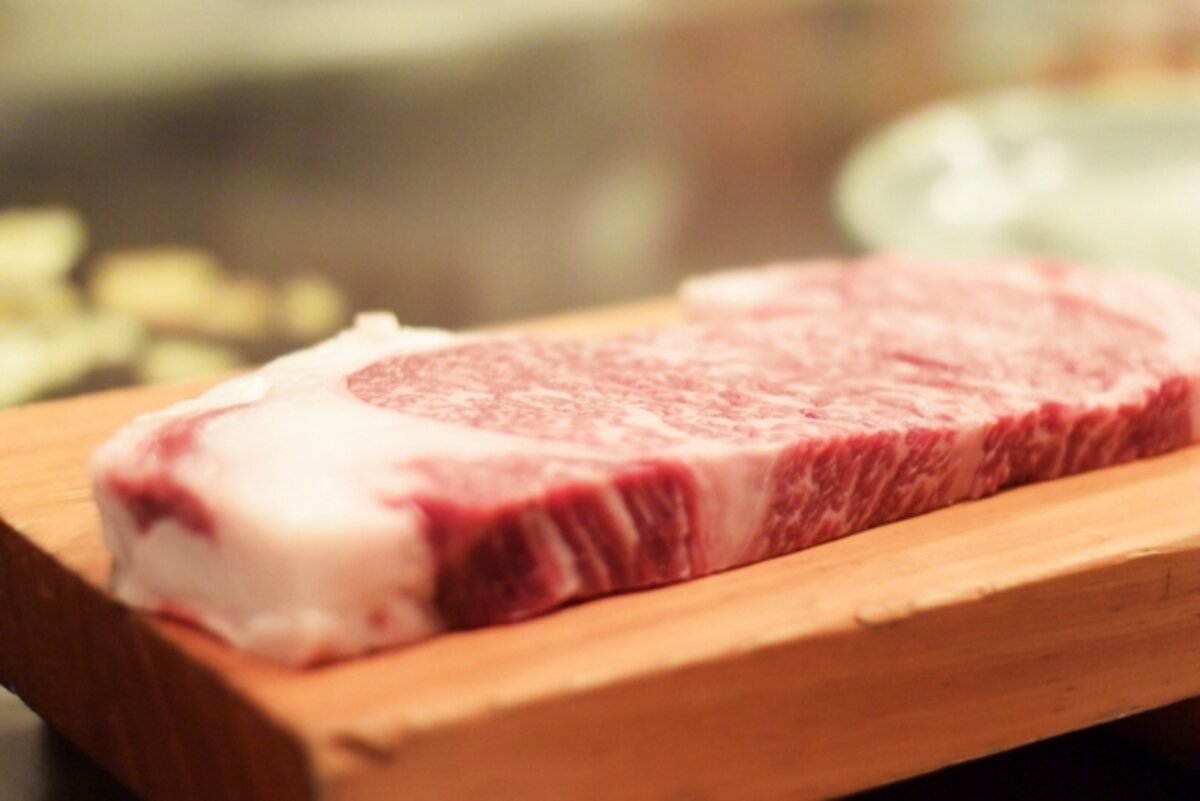
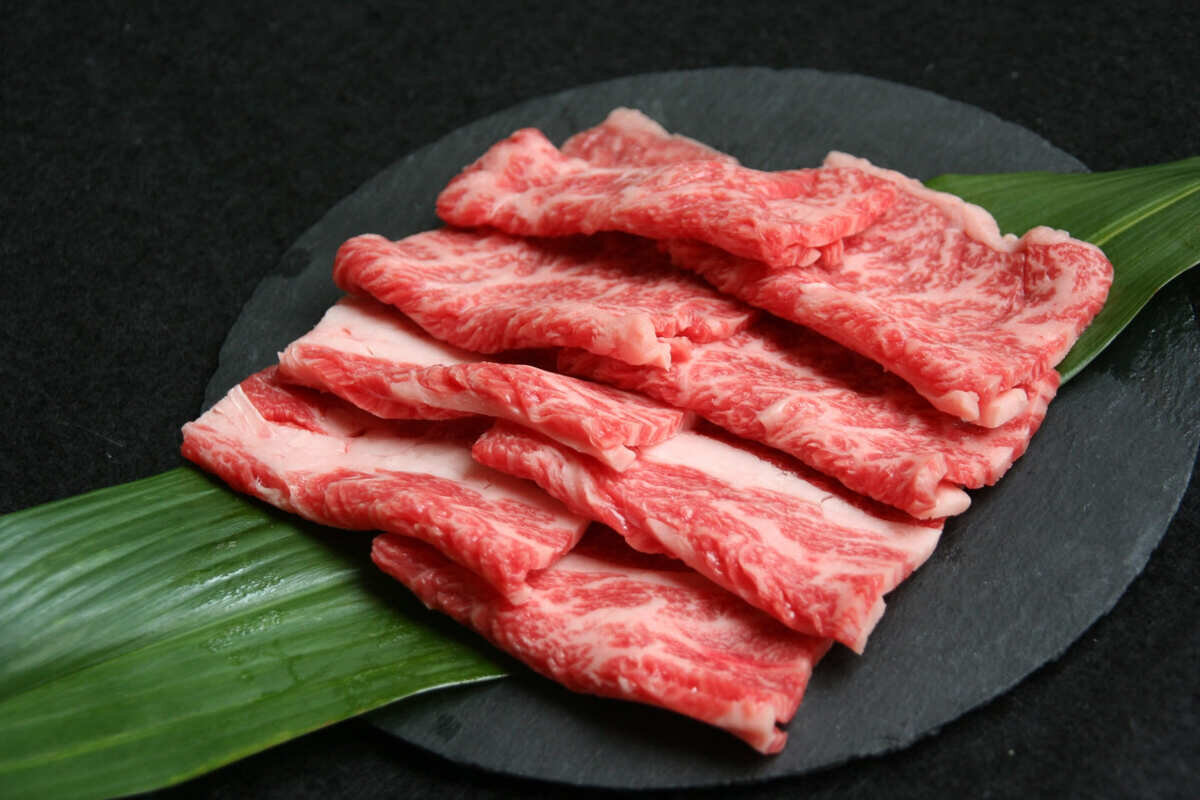
Second, there's the perfect balance of marbling and flavor. Thanks to the Tajima bloodline, Kobe Beef boasts incredibly fine marbling that melts like butter in your mouth. It’s not just visually stunning—its delicate fat creates an unbelievably tender, rich, and clean taste.
Third, it’s all about strict quality control. Kobe Beef’s certification system ensures that only beef that passes meticulous standards can carry the name. That level of trust and authenticity enhances its reputation even further.
Combined, these factors have made Kobe Beef the ultimate gourmet experience for foodies worldwide.
5. How to Enjoy Kobe Beef—and What It’ll Cost You
Thanks to its delicate fat and deep umami, Kobe Beef can be enjoyed in many forms. Here are some of the most popular ways to experience it, along with typical price ranges:
Steak (Teppanyaki Style)
The best way to savor Kobe Beef in all its glory is as a steak, especially prepared teppanyaki-style right in front of you. The sizzling sound, the chef’s precision, the aroma—it’s dinner and a show.
- Lunch: ¥7,000–¥15,000
- Dinner: ¥15,000–¥30,000+
High-end courses may include appetizers, desserts, and wine pairings for a full-on luxury experience.

Sukiyaki
Simmered in a sweet and savory soy-based broth, sukiyaki enhances the natural sweetness of Kobe Beef fat. It’s a beloved traditional dish with deep Japanese roots.
- Price: ¥8,000–¥15,000 per person
Often served as part of a course meal, with seasonal veggies and rich, silky raw egg for dipping.

Shabu-Shabu
Thinly sliced beef is briefly swished through hot water, then dipped in ponzu or sesame sauce. This method lets you truly appreciate the texture and quality of Kobe Beef’s fat.
- Price: ¥6,000–¥12,000 per person
Lunchtime sets are often more affordable and offer a relaxed way to enjoy Kobe Beef.
Kobe Beef Burgers & Skewers
In recent years, Kobe Beef has made its way into street food and casual bites at tourist spots and food festivals. Think juicy burgers, flavorful skewers, or even croquettes—gourmet with a street-food twist.
- Burgers: ¥1,500–¥3,000
- Skewers: ¥500–¥1,000 per stick
Perfect for travelers who want a taste of Kobe without splurging on a full-course meal.
Whether you're dining at a high-end teppanyaki restaurant or grabbing a Kobe Beef skewer from a local market, one thing is clear: this isn’t just food—it’s a cultural experience.
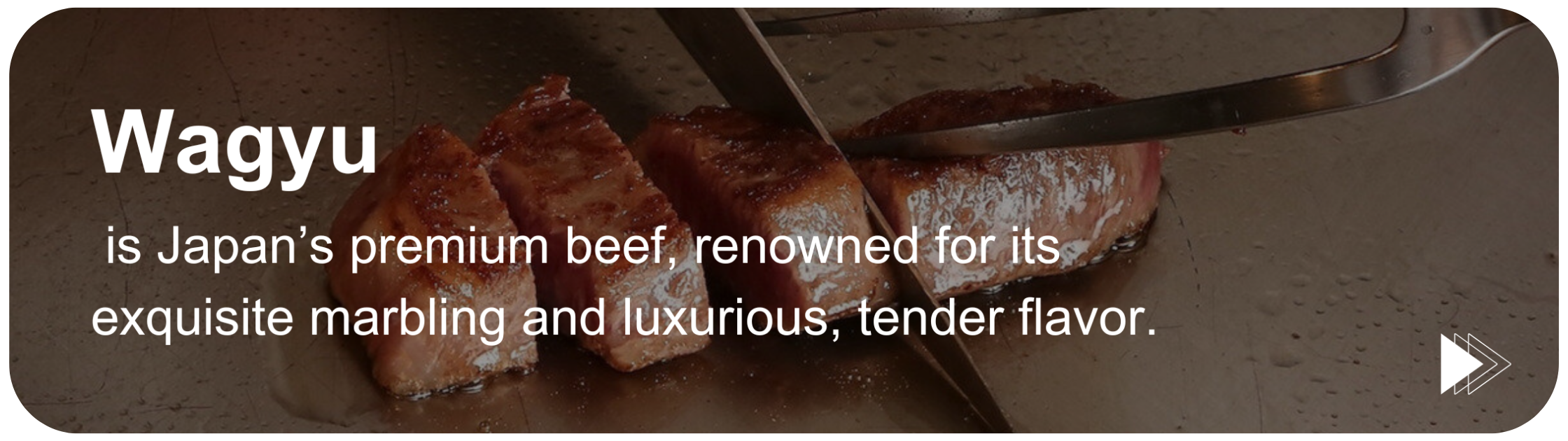
What is Wagyu?
Search Restaurants by Popular Cuisines