Kawagoe, which can be visited as a day trip from Tokyo, is a popular spring area where you can enjoy the townscape retaining Edo-period charm along with the cherry blossom scenery along the river at the same time. Rather than simply seeing the cherry blossoms and leaving, the dense experiences even in a short stay include Kurazukuri streetscapes, temples and shrines, wagashi, matcha, photogenic alleys, as well as seasonal limited events and spring delicacies.
This guide carefully summarizes, from a traveler’s perspective, an easy-to-follow route for first-timers centered around the representative cherry blossom spots along the Shingashi River, enjoyment unique to the cherry blossom season, tips for transportation, what to bring, etiquette, and nearby sightseeing. Use it as practical information to not only "see" but also "walk, eat, and feel" the spring of Japan.
1. What kind of place is Kawagoe?
Kawagoe is located in the southwest part of Saitama Prefecture and has excellent access, being about an hour by train from central Tokyo, while retaining a townscape rich in historical scenery. It is also known as "Koedo(Little Edo)" because it thrived as a commercial city from the Edo period to the Meiji era, with fire-resistant Kurazukuri buildings lining the city center, where you can still feel the atmosphere of that time.
The charm of Kawagoe is not just the “theme park feel” made as a tourist destination. The atmosphere where everyday life and history mix enriches the trip—shopping streets and markets where locals live, streets where students pass after school, and old residential-style cafes in narrow alleys.
Also, Kawagoe is characterized by many temples and shrines. Historic temples and shrines are scattered around, and in the cherry blossom season, the approach and precincts, as well as paths along the river, are dyed in gentle spring colors. Since the town is not too large in scale, it is easy to walk around, and even a short time gives a satisfying sense of having "traveled on your own feet."
The main bases for travel are mainly three stations.
・Kawagoe Station
・Hon-Kawagoe Station
・Kawagoe-shi Station
You can tour from any of these stations, but to enjoy cherry blossoms and town walks together, choosing the station with attention to bus and walking access makes transportation smoother.
2. Reasons to Enjoy Cherry Blossoms in Kawagoe
The reason Kawagoe’s cherry blossoms feel special is because the "combination of scenery" is beautiful. While Japan has many famous cherry blossom spots, Kawagoe naturally incorporates rivers, bridges, traditional townscapes, temples and shrines, and human life into the background of the cherry blossoms. Whether captured in photos or stored in memory, it becomes a spring landscape with a certain narrative.
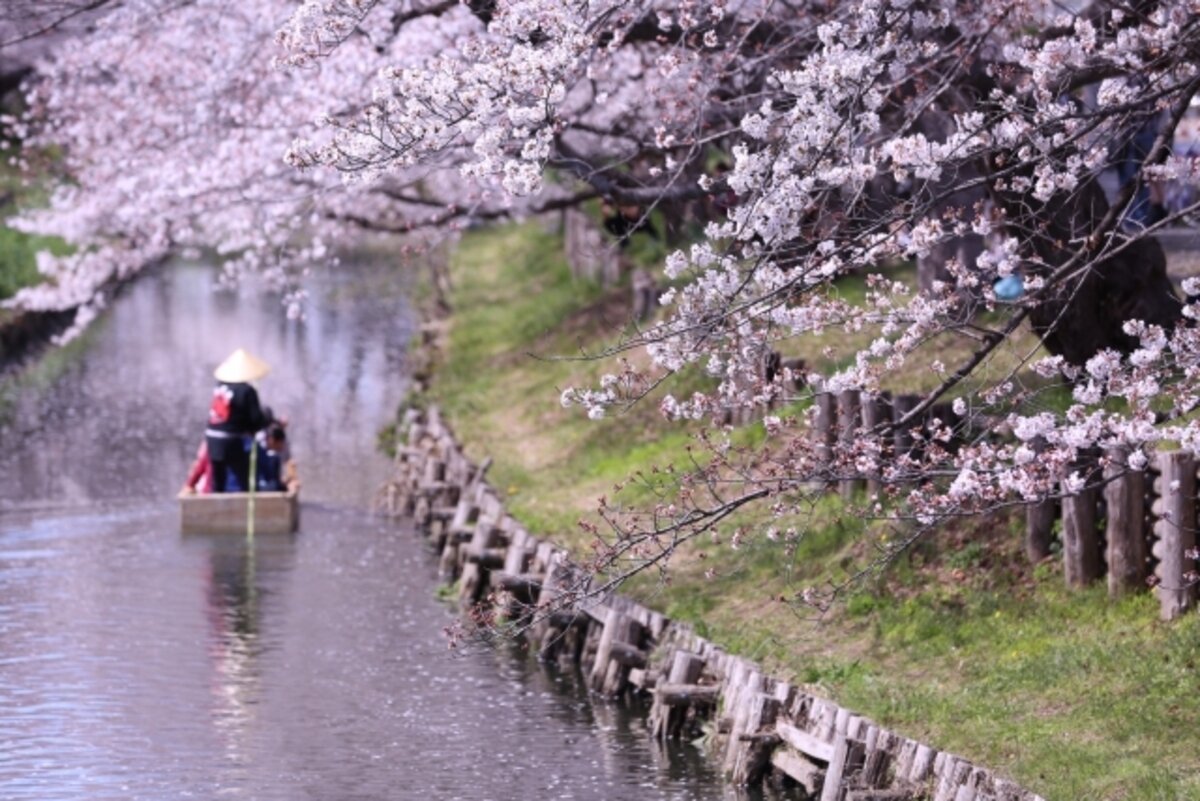
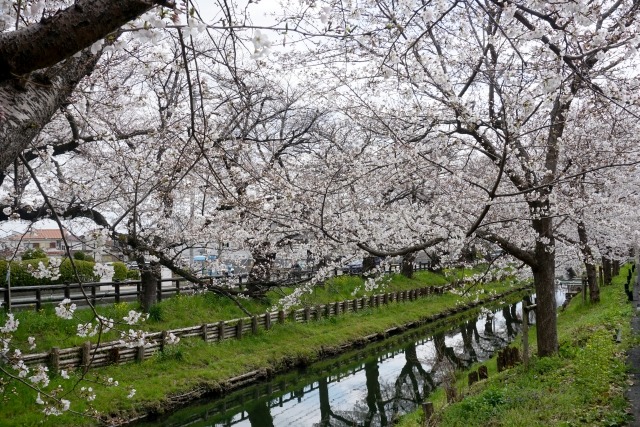
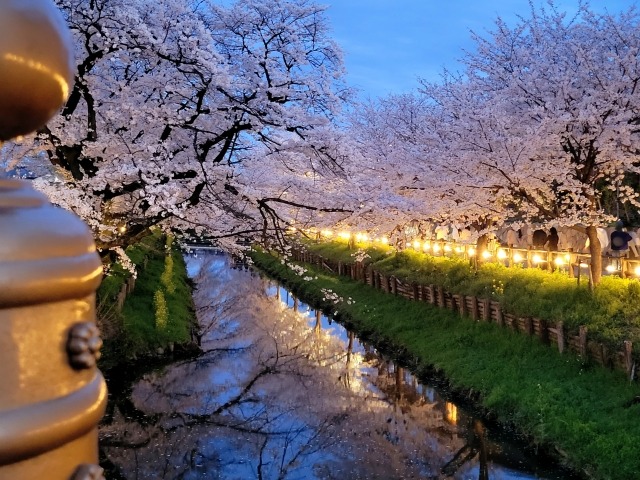
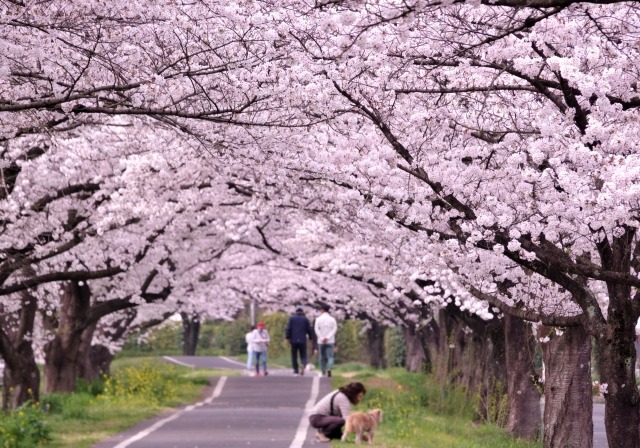
Especially symbolic is the cherry blossom avenue along the Shingashi River. The path lined with cherry trees on both sides of the river naturally slows your walking pace. When the wind blows, petals fall onto the river surface and can spread like a ribbon floating with the flow. In Japan, this is called "Hanaikada," cherished as a special scene seen only during the late blooming period of cherry blossoms. Kawagoe’s cherry blossoms allow you to enjoy not only full bloom but also the beauty of the beginning of scattering petals.
Furthermore, Kawagoe is the type of travel destination where “you don’t travel far just for cherry blossoms,” but “the charm of the town is completed with cherry blossoms added.”
・Eating spring wagashi on Kurazukuri street
・Viewing cherry blossoms in the quietness of temples
・Walking along the river then resting at an old town cafe
・Seeing the deepening colors of cherry blossoms and tile roofs in the slanting light of evening
These experiences seamlessly connect throughout the day. Because there is less stress in moving around, cherry blossoms can be savored not as “part of tourism” but as “the atmosphere of the journey,” which is a big reason why we recommend Kawagoe.
3. Things to Enjoy in Kawagoe During Cherry Blossom Season
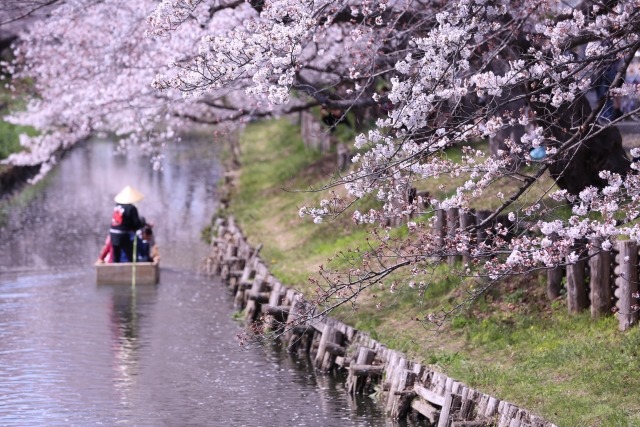
When visiting Kawagoe during the cherry blossom season, satisfaction rises if you don’t just "go to see cherry blossoms" but focus on experiences possible only in spring. Here, we introduce spring enjoyment easily experienced in Kawagoe, following the flow of walking around the town.
Walking the Cherry Blossom Avenue of Shingashi River
An iconic spring walk in Kawagoe is along the promenade beside the Shingashi River. The river flow is gentle, and you can enjoy reflections on the water surface and views from the bridges as you walk. It is recommended to alternate between time spent viewing cherry blossoms up close and time viewing them slightly from a distance. Up close, the density of the flowers impresses, and from a bit farther, the rhythm of the lined trees appears beautiful. Bridges serve as good transition points.
When taking photos, the following perspectives are helpful.
・Aim for a nearly symmetrical composition including water reflections
・Include the bridge’s railing in the foreground to add depth
・During petal falling time, use a slightly faster shutter speed to capture the dancing petals
・On cloudy days, the softness of the white flowers comes out well and it helps skin tones look nice
Weekends during full bloom tend to be crowded, but Kawagoe has several walking routes. Avoid fixating on a single path and reduce congestion stress by alternating routes: river→temples and shrines→townscape→cafe.
Enjoy a “Quiet Spring” with Temples, Shrines, and Cherry Blossoms
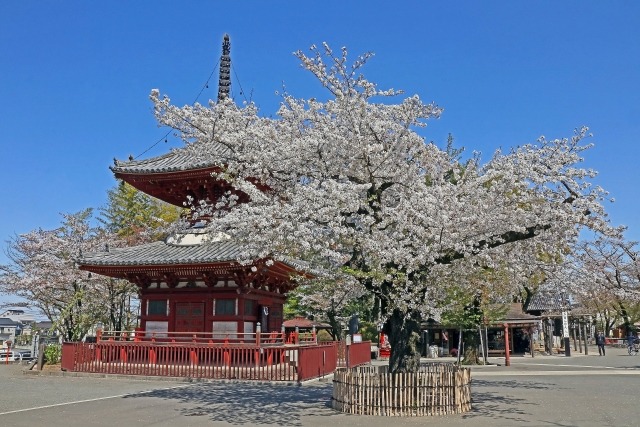
Kawagoe has many historic temples and shrines, whose precincts brighten up during cherry blossom season. Even if not flashy as a cherry blossom spot, quiet places to view flowers deepen travel memories. Among these, Kawagoe Daishi Kita-in Temple is a recommended cherry blossom spot.
When visiting temples and shrines, you naturally see Japanese-style architecture such as torii gates, main gates, stone steps, and lanterns overlapped with cherry blossoms. Photos are easier to take, and walking slows down, giving time to catch your breath during the journey.
If you don’t know the flow of worship, just imitate the actions of those around you. The important thing is to act quietly so as not to break the atmosphere of the place. Detailed etiquette is explained later in section "6. Cherry Blossom Viewing Etiquette."
Kurazukuri Townscape and Spring Food Sampling
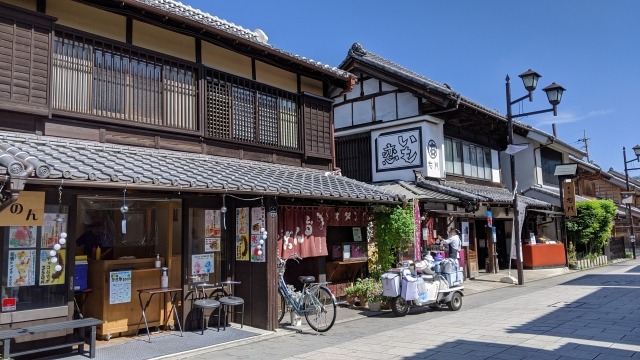
Kawagoe’s classic is walking around Kurazukuri street and around the Toki no Kane bell tower. During cherry blossom season, spring limited wagashi, strawberry sweets, and sakura-flavored drinks often appear, letting you taste the season.
However, food sampling is not “free anywhere.” The streets tend to be crowded, and eating or drinking while walking can be dangerous. Using designated spaces in front of shops, benches, or rest areas makes it enjoyable.
Kawagoe is also famous for sweet potatoes, and sweet potato sweets are available year-round, but in spring, products combining sakura and sweet potato sometimes appear. Paired with matcha or hojicha, the sweetness doesn't feel heavy, making it easy to eat during a walk.
Take a “Hanami Break” in Retro Cafes
You walk more than expected during cherry blossom season. The riverside can feel chilly on windy days, so the quality of breaks impacts travel comfort. Kawagoe has many old private house cafes and machiya-style cafes, and just resting there becomes sightseeing itself, in both exterior and interior.
Since cherry blossom season is crowded, these tricks help.
・Avoid peak lunch hours by entering at 11 a.m. or 2 p.m.
・Take out and move to a quiet nearby place
・Shorten stays but increase the number of visits, inserting small breaks
On days of full bloom, you tend to spend more time standing still than walking. Including breaks in your plan gives extra time and mental space for photos.
Enjoy the “Spring Afterglow” at Night
While many people visit Kawagoe for day trips, the town becomes calmer in the evening. It is not a cherry blossom spot with large-scale constant light-up, but the changing color of the sky at dusk and the soft shadows on the cherry blossoms are beautiful.
Also, at night the lights of the street lamps fall on the tile roofs and walls on Kurazukuri street, showing a different expression from daytime. Instead of forcing nighttime photography directly of cherry blossoms, the flow of "evening cherry blossoms → night town walk" lets you capture both seasonal feeling and Kawagoe's character.
4. Points to Consider When Visiting Kawagoe
This section introduces specific points to plan your trip, divided into best timing, what to bring, and recommended activities. Kawagoe is fun to explore on foot, but during cherry blossom season there are crowds and temperature differences, so a little preparation greatly improves comfort.
Best Timing
The best time to see cherry blossoms varies from year to year but generally peaks from late March to early April. The same applies to Kawagoe; in warm years the peak comes early, and in cold years later. When planning your trip, it's safer to think of enjoying a range before and after full bloom rather than trying to hit the exact full bloom day. While full bloom is indeed gorgeous, other stages have their own merits.
・Start of blooming: branch outlines are visible and the blue sky is easy to include. Relatively fewer people
・Half bloom: flower density begins and photos become more “spring-like”
・Full bloom: most brilliant. Weekends tend to be crowded
・Beginning to fall: petals dance. Higher chance to see Hanaikada
・Leafy cherry: gradient of flowers and young leaves is beautiful. Calm walking
Morning to forenoon is good for photography and walking. Whereas late morning to noon tends to be peak tourist time, so to avoid crowds, walking the river early, then moving to temples and cafes as crowds build, followed by alleys and nearby spots in the afternoon is a stable flow.
What to Bring
In cherry blossom season, although daytime is warm, mornings and evenings can be chilly. The river area tends to be windy and feels colder, so focus on “warmth” and “walking” in what you bring.
・Comfortable walking shoes: to prepare for cobblestones, steps, and long walks
・Light jacket: easy to put on and take off
・Folding umbrella: weather changes easily in spring
・Mobile battery: easily drained by maps, translation, payments, and photography
・Small leisure sheet: convenient for rest but follow place and rules
・Pollen allergy measures: masks and eye drops if you have hay fever
・Some cash: cashless payments are increasing but small shops may prefer cash
・Trash bag: carry your trash home; a small bag is handy
For clothing, bright colors go well with cherry blossoms if you consider photos. Pale beige, white, light gray, pastel tones can blend a bit too much but create a soft overall impression. Navy and black tighten the look but lack spring lightness, so balance with bright accessories.
Recommended Activities
To make your cherry blossom trip in Kawagoe highly satisfying, decide first “what to prioritize.” Here are example activities organized by purpose.
・Classic spring walk: Cherry blossom avenue along Shingashi River → Around Hikawa Shrine → Kurazukuri street → Toki no Kane bell tower → Kashi-ya Yokocho sweet shop alley
・Photo-focused: Morning at Shingashi River → Wide-angle shots on a bridge → Quiet shots at temples and shrines → Evening in the Kurazukuri town
・Food sampling focused: Light eating in town center → Move to alleys if crowded → Cafe break → Finally buy wagashi souvenirs
・Relaxed style: Short walk by river → Deep breath at temples and shrines → Longer cafe breaks → Extend walk into less crowded areas
・Half-day model: Cover best spots by river and townscape in the morning, then head elsewhere in the afternoon
Trying to do everything during cherry blossom season tires you due to moving and waiting. Since Kawagoe is a highly walkable town, focus on the pleasure of walking paths rather than trying to do too much for a successful trip.
5. Access Information
Access to Kawagoe is simple and not difficult even for first-timers. There are multiple lines from the city center, and you can choose according to time and origin. Here we summarize main routes and local movement considerations.
Typical Ways from Tokyo Area
・From Ikebukuro area: Tobu Tojo Line to Kawagoe Station or Kawagoe-shi Station
・From Shinjuku or Shibuya: JR Saikyo Line and Kawagoe Line to Kawagoe Station (there are direct trains during some times)
・From Seibu Shinjuku: Seibu Shinjuku Line to Hon-Kawagoe Station
Recommended station depends on the base of your trip.
・If you want to take the bus to the town center (Kurazukuri area, Toki no Kane): Kawagoe Station or Hon-Kawagoe Station are convenient
・If you want to walk around and include the river: starting around Kawagoe-shi Station also works well
・If you want to shop or dine on the way back: Kawagoe Station area has many facilities
Considerations from Airports
If heading directly to Kawagoe from Narita Airport or Haneda Airport, it’s typical to transfer via the city center. If you have luggage, prioritize routes with fewer transfers to reduce fatigue. Day trips to Kawagoe are possible, but with a lot of luggage, it’s easier to enjoy if you stay overnight and take day trips from there.
Movement within Kawagoe City
Touring Kawagoe mainly involves walking, but there is some distance from stations to the town center. Here, local buses are convenient. Since buses can get crowded, the following approach is helpful.
・Take the bus to the center on arrival, and walk back to the station on return
・When crowded, walk from the station to the center to enjoy "scenery en route"
・If focusing on the river area, plan to walk from the start without using the bus forcibly
Also, during peak tourist times, roads get congested and buses may be delayed. Allow extra time and take early action if you have reservations or train rides planned.
6. Cherry Blossom Viewing Etiquette
Japanese cherry blossoms are valued not only for their scenery but also for the atmosphere of the place. Since Kawagoe’s local life and tourism closely coexist, following etiquette directly links to travel satisfaction. There aren't so many difficult rules; being considerate of your surroundings is enough.
Basic Principles
・Do not break or shake cherry blossom branches
・Do not enter prohibited areas
・Do not make loud noises (especially near temples, shrines, and residential areas)
・Take photos without obstructing others’ passage
・Take your trash home or discard it in designated places
Since pulling branches can weaken cherry trees, avoid doing so for photos. For petal-on-hand photos, use fallen petals rather than damaging the tree, which is smarter.
Photo-taking Etiquette
During cherry blossom season, many people take photos, causing congestion on bridges and narrow paths.
・Move to the side when stopping
・Tripods can be dangerous when crowded; if using, choose less crowded times and places
・If concerned about other people appearing in photos, change background or take photos early in the morning
・Some temple or shrine precincts prohibit photography; check signs
Getting caught up in photography may unintentionally block movement. Taking a step back and looking around before shooting greatly reduces trouble.
Eating and Resting Etiquette
The center of Kawagoe has a culture of food sampling, but eating while walking in crowded places can cause collisions or spills and is dangerous. Use spaces prepared by shops, benches, or calm places for safer enjoyment.
Also, when sitting along the river, choose places not obstructing passage and avoid long stays. Quiet strolls fit Kawagoe better than large group parties.
Behaving in Quiet Places
Near temples, shrines, and residential areas, keep your volume down. Lower the volume of phone calls or videos, and when talking in groups, adjust to the surroundings to greatly improve travel impressions. In Japan, shared quietness is highly valued, especially in historic places.
7. Recommended Tourist Spots Around Kawagoe
Kawagoe is not a town that can be fully enjoyed only during cherry blossom season. Visiting with cherry blossoms creates a multidimensional journey. Here, we introduce spots that are easy to combine, from classic to slightly unusual, for you to choose from according to your available time.
Kurazukuri Townscape
This area is the core of Kawagoe sightseeing. Just walking through the streets gives a great atmosphere, but the more closely you look at shop facades, sign designs, and building materials, the more interesting it becomes. Crowds increase in cherry blossom season, but you can find quiet scenery by entering back alleys.
After evening, the lighting changes, allowing different photos than daytime. Visiting after seeing cherry blossoms lets you transition to the town’s charm while maintaining the spring afterglow.
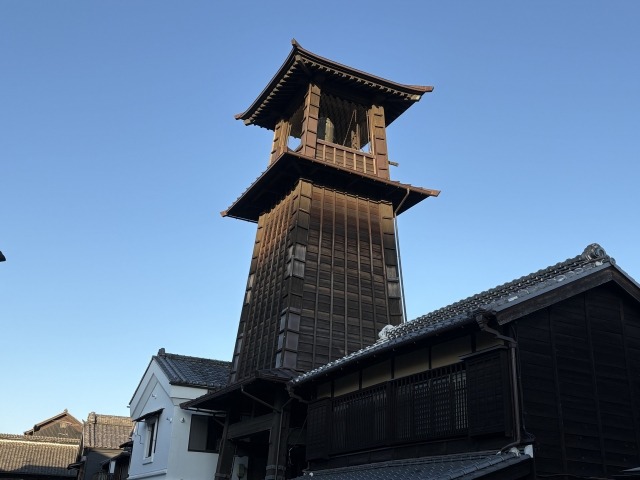
Toki no Kane Bell Tower
An iconic landmark of Kawagoe. The surrounding area is popular and crowded but it gives a strong sense of “having arrived.” When taking photos, include not just the front but also some angled shots that capture the depth of the street to show Kawagoe's character. Although the cherry blossoms often do not directly appear in the background, visiting after seeing them ties the whole journey together.
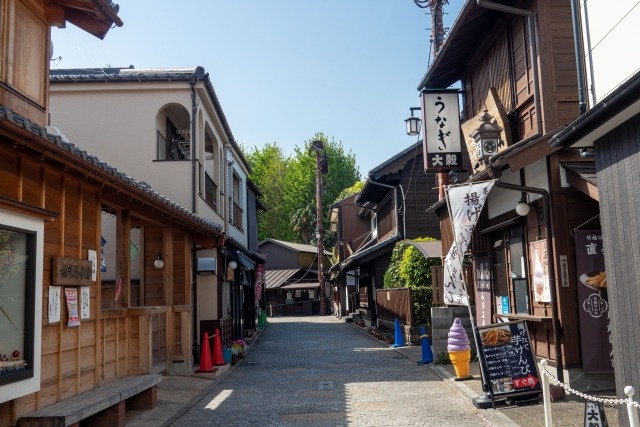
Kashi-ya Yokocho Sweet Shop Alley
A small alley gathered with confectionery shops, with a simple and nostalgic atmosphere. Seasonal limited flavors and strawberry items may appear in spring. The slow flow of people, along with the scents and sounds, remain memorable here.
Enjoying sweets you buy there is best with careful choice of where to eat for a pleasant experience.
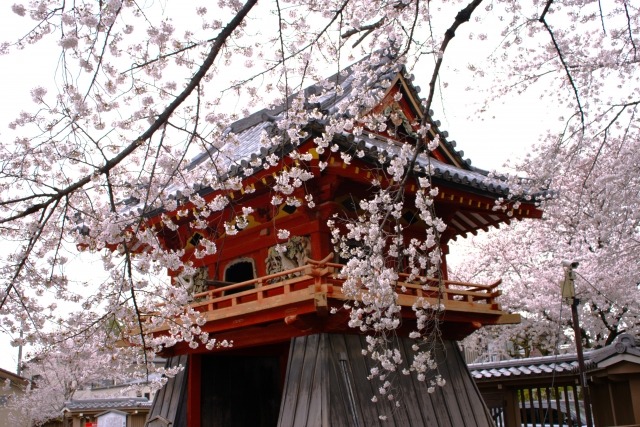
Around Kawagoe Hikawa Shrine
Known as one of the shrines characteristic of Kawagoe, this area pairs well with walking around. It connects naturally on foot with the cherry blossom avenue along the Shingashi River. Spring is comfortable for visiting, not as severe as winter, nor as hot as summer. Even without knowing shrine etiquette, just quietly following the flow is fine.
Around Kita-in Temple
Known as a historic temple with a calm atmosphere. Since it is a bit away from the bustle of the center, it is a refuge when tired of crowds. During cherry blossom season, the precincts and surroundings become brighter, letting you enjoy a quiet spring. Suitable for those seeking time to compose their mind rather than showiness.
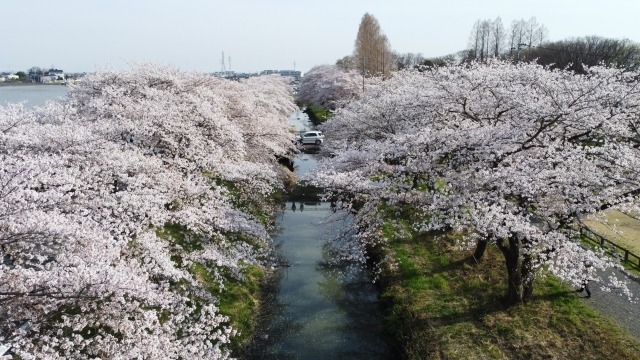
Isanuma Pond
Recommended for those who want to stretch their legs and see an open view. Waterside views pair well with cherry blossoms, and the experience remains in memory with the wind and wide sky. Since it is away from the center, it’s good as a choice for days with enough time or to avoid crowds. Transportation is by bus, taxi, or based on your overall itinerary.
Combining with Nearby Areas
Kawagoe is typical for day trips, but you can enjoy it as part of a “Saitama spring trip” by combining it with surrounding towns and sightseeing spots. Stopping over at other stations before returning to the city center offers high freedom in trip planning. Since peak cherry blossom days tend to be crowded for transportation, avoid cramming and focus on Kawagoe as the main destination for stable satisfaction.
In Conclusion
Kawagoe’s cherry blossoms have value beyond just “pretty flowers.” The spring landscape created by the water surface and cherry blossom avenue of the Shingashi River, combined with Kurazukuri townscape, the quietness of temples and shrines, the sweetness of wagashi and matcha, the scent of alleys, and the evening light, all weave into a story of your trip memories. Accepting the range from first bloom to petal fall rather than aiming just for full bloom increases the chances of encountering unique expressions like Hanaikada and dancing petals. With comfortable shoes, some warmth, thoughtful timing to avoid crowds, and consideration for others, you can enjoy an astonishingly pleasant day in Kawagoe’s spring, leaving lasting impressions both in photos and in your heart.
Search Restaurants by Destination

Search Restaurants by Popular Cuisines

Search Restaurants by Characteristics