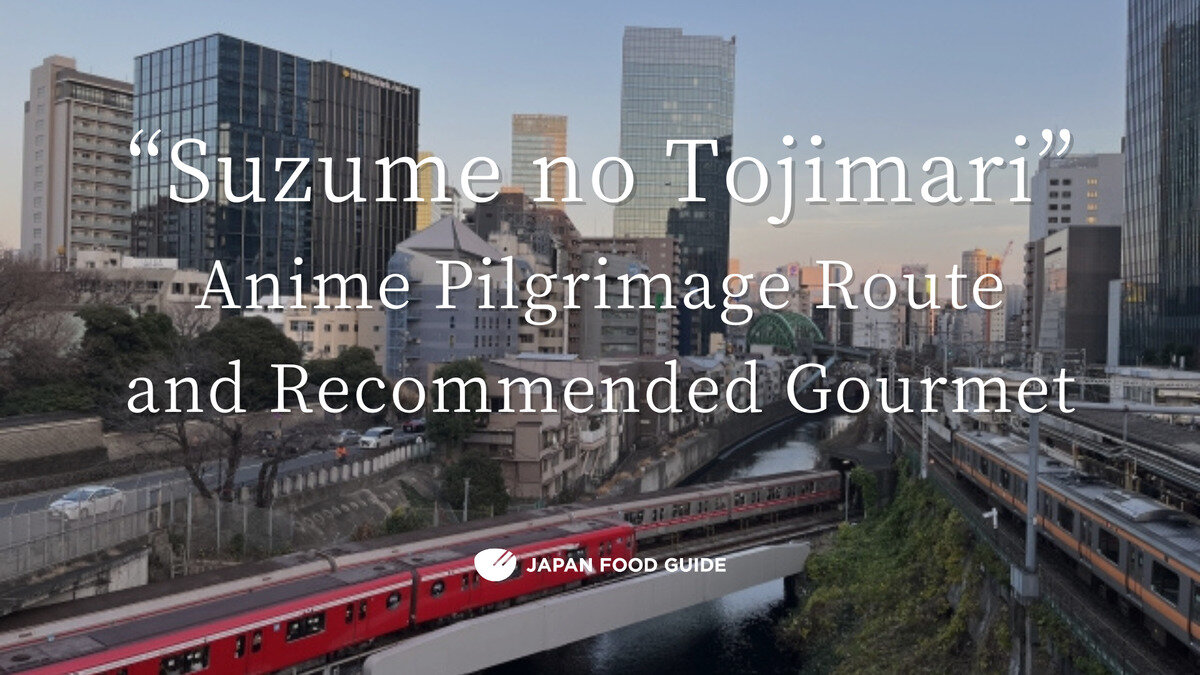
Makoto Shinkai’s 2022 animated film "Suzume" is a grand road movie set across Japan, featuring very realistic cityscapes with many real locations appearing throughout. Among these, Tokyo is depicted as a key turning point in the story, with many memorable scenes unfolding there.
This article introduces anime pilgrimage spots in Tokyo where you can truly feel the world of the movie, along with recommended dining spots nearby each location. Walking through Tokyo after watching the movie will surely revive your excitement with “So that’s where that scene was.”
By combining “sightseeing” and “story experience,” discover a deeper enjoyment of your journey in Tokyo.
Recommended Anime Pilgrimage Route Tracing the Movie
Here is a simple anime pilgrimage route efficiently covering Tokyo spots appearing in "Suzume." It takes about half a day. Use public transportation to experience the world of the movie.
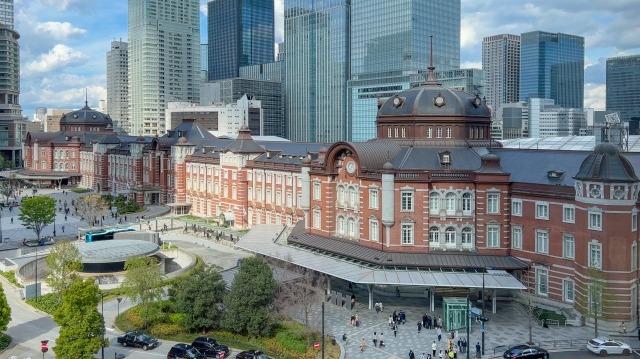
1. Tokyo Station
Appearing in a late scene where Suzume goes to meet Sota. The red brick station building serves as a backdrop, emphasizing the emotional conclusion and new departure of the journey.
Access: Tokyo Station Marunouchi South Exit
Recommended stay: About 30 minutes
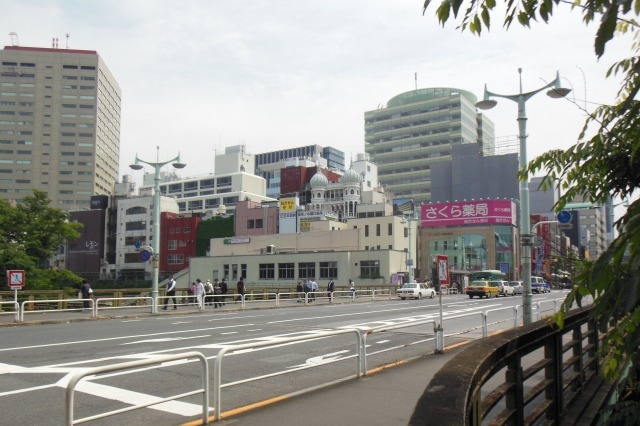
2. In front of Ochanomizu Station
The background model for the scene where Suzume gets into Serizawa’s car. The slope in front of the station and the structure under the railway closely resemble the scene in the movie.
Access: About 6 minutes by JR Chuo Line (Tokyo Station → Ochanomizu Station)
Recommended stay: About 20 minutes
3. Hijiribashi Bridge
The bridge is similar in structure to the backgrounds in scenes where Suzume searches for Sota and The Worm appears. It offers a very Tokyo-like view where river, railway, and buildings intersect.
Access: 2 minutes on foot
Recommended stay: About 10–15 minutes
4. New Metropolitan Footbridge
The background model for the climax scene where The Worm cover the sky. The open composition looking up at skyscrapers is impressive and lets you feel the tension of the film.
Access: About 12 minutes by JR Chuo Line (Ochanomizu → Shinjuku Station)
Recommended stay: About 20 minutes
5. Busta Shinjuku
The place Suzume arrives at the end of her journey to meet Sota again. It’s perfect for soaking in the afterglow while recalling the film’s last scene.
Access: About 5 minutes on foot (from Shinjuku L Tower)
Recommended stay: About 30 minutes
1. Tokyo Station
In the film’s finale, Tokyo Station appears in the scene where Suzume boards a train to meet Sota. The red brick Marunouchi station building is impressively depicted, symbolizing the journey’s endpoint and a new beginning.
Suzume’s quiet determination overlaps with Tokyo Station’s dignified presence, creating one of the film’s most serene and emotional moments. It’s a moment where the majestic architecture and flowing crowd reflect Suzume’s inner change.
When you visit the location, you can take photos in the same composition as the movie and fully immerse yourself in the story’s afterglow.
2. In front of Ochanomizu Station
In the middle part of the story, Ochanomizu Station appears as Suzume rushes to find Sota. Especially, it serves as the background for the scene where she gets into Serizawa’s car, using the elevated tracks, brick walls, and slopes around the Hijiribashi exit almost exactly.
Ochanomizu is an educational area with universities and hospitals, characterized by a calm yet urban atmosphere. This deeply overlaps with the theme of “the extraordinary within the ordinary” depicted in the work.
The Kanda River and Hijiribashi are also within walking distance, allowing you to really feel the movie’s atmosphere by strolling around the area.
3. Hijiribashi Bridge
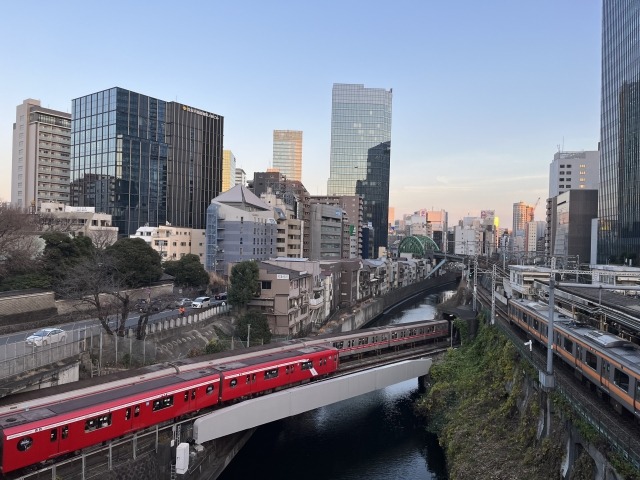
Close to Ochanomizu Station, Hijiribashi Bridge is said to be the background model for the scenes where Suzume searches for Sota. The train running on the elevated railway, Kanda River, and the multilayered city structure closely resemble the depiction in the film and has become a “sacred spot” among fans.
Additionally, the composition closely resembling the area around Hijiribashi is believed to be used in the scene where The Worm appear in Tokyo. Though not explicitly shown, perspectives from the riverbank looking up at the sky, and the landscape where railway and buildings intersect, match this area’s characteristics.
Standing on Hijiribashi Bridge, you’ll surely want to look up at the Tokyo sky just like Suzume.
4. New Metropolitan Footbridge
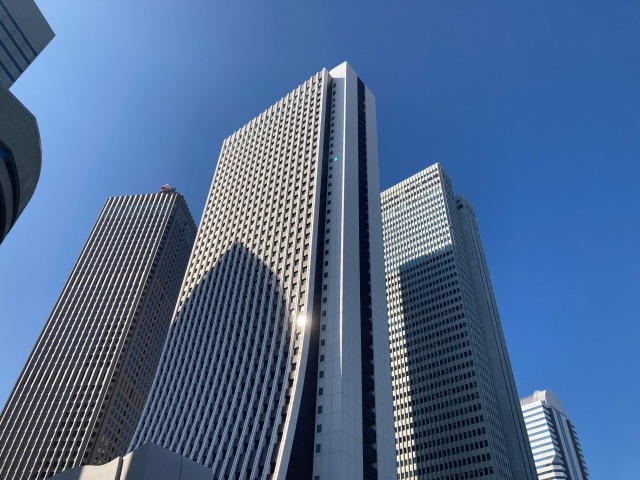
Located in Shinjuku West Exit area, the “New Metropolitan Footbridge” is considered the background model for the climax scene where The Worm cover the Tokyo sky. Surrounded by skyscrapers, this spot’s composition aligns perfectly with the scene where giant The Worm appear and people are astonished.
From the footbridge, you can overlook Shinjuku’s skyscraper cluster. The upward angle is impressive and reproduces the film’s tension and scale, earning it recognition as a sacred place among fans.
It is easily accessible from Shinjuku Station, and the surrounding scenery conveys the feel of the work.
5. Busta Shinjuku
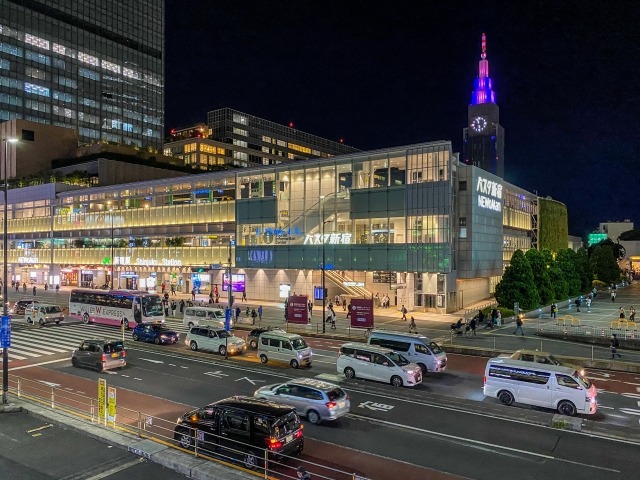
At the movie’s ending, Busta Shinjuku appears as the place where Suzume goes to meet Sota again. This huge bus terminal directly connected to Shinjuku Station South Exit is depicted as the journey’s end and a starting point for a new step.
The actual Busta Shinjuku has bus platforms on the 4th floor and waiting areas on the 3rd floor, where you can overlook Tokyo streets with a composition similar to the movie. It’s an impressive scene expressing Suzume’s quiet determination and relief returning to everyday life.
It’s a spot you definitely want to visit to feel the conclusion of the work.
In Conclusion
By visiting the Tokyo spots that served as the stage for "Suzume," you can have a special travel experience beyond mere sightseeing. The locations in the movie are not only tourist destinations but also places filled with the smells of real lives—places that leave lasting memories.
The majestic Tokyo Station building, the slopes of Ochanomizu, the multilayered urban scenery from Hijiribashi, and the skyscrapers of Shinjuku—all contributed to the important atmosphere of the work. Walking, tasting, and feeling these places is the greatest charm of “re-experiencing” the film.
Moreover, after seeing the same scenery as in the movie, the meals and sweets you enjoy in those neighborhoods will surely taste that much more special. After being emotionally moved by the film, why not savor the lingering feelings in the real streets of Tokyo? We hope your trip to Tokyo becomes a doorway connecting story and reality.
Search Restaurants by Destination
Search Restaurants by Popular Cuisines
Search Restaurants by Characteristics