What is Wagyu?
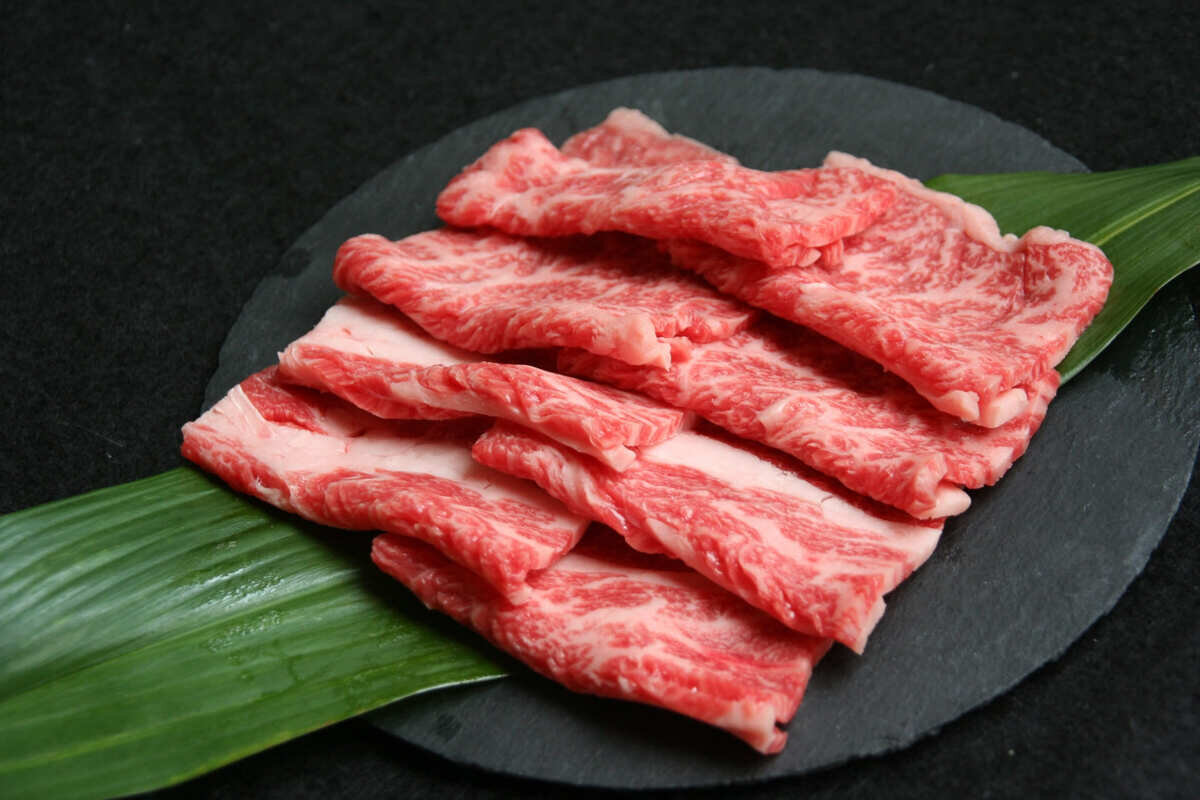
Wagyu (和牛) is Japan's world-renowned premium beef, celebrated for its unparalleled marbling, rich umami flavor, and melt-in-your-mouth texture. This high-quality beef has captivated food lovers across the globe, making it a must-try delicacy for any gourmet traveler visiting Japan.
One of the defining characteristics of Wagyu beef is its marbling—the intricate distribution of fine fat streaks within the meat. This marbling is responsible for Wagyu's exceptional tenderness and juiciness, setting it apart from other types of beef.
Why is Wagyu So Special?
Wagyu cattle are raised under strict conditions to ensure premium quality. Farmers provide them with high-nutrient feed, maintain a stress-free environment, and even employ unique techniques like massages or feeding them beer to stimulate appetite. These specialized care methods contribute to Wagyu’s exquisite texture and rich taste.
Among the most famous Wagyu brands are:
- Kobe Beef (Hyogo Prefecture)
- Matsusaka Beef (Mie Prefecture)
- Omi Beef (Shiga Prefecture)
Due to its meticulous breeding and rearing process, Wagyu is often regarded as a luxury food, with prices reflecting its exclusivity. However, in recent years, its popularity has expanded beyond high-end restaurants, making it more accessible in casual eateries as well.
The History of Wagyu
The history of Wagyu dates back centuries, but it gained prominence during the late 1800s when Western influence introduced meat consumption to Japan. Over time, Japan developed its own unique breed of cattle, selectively improving quality to create the Wagyu beef we know today.
Nowadays, Wagyu has gained global recognition, with exports increasing worldwide. While Japan remains the best place to enjoy authentic Wagyu, many restaurants overseas now serve premium Japanese Wagyu beef.
What Makes Wagyu Different from American Steak? A Deep Dive into Their Unique Qualities
Many visitors to Japan wonder:
“I’ve heard wagyu is delicious, but how is it different from regular beef?”
“Is it really that different from American steak?”
In this section, we’ll clearly explain the differences between Japanese wagyu, American steak (US beef), and the increasingly popular “American Wagyu” through the lenses of texture, taste, and aroma.
1. Texture: Melt-in-Your-Mouth Wagyu vs Chewy and Bold US Beef
- Wagyu: Its most recognizable feature is the fine, beautiful marbling (shimofuri) of fat. As soon as you put it in your mouth, the fat melts at body temperature, creating a rich, buttery texture. You barely need to chew—it melts on your tongue. This unique mouthfeel is the true charm of wagyu.
- American Steak (US Beef): Primarily lean and packed with muscle fibers, US beef is known for its firm bite and bold meatiness. It offers a hearty and satisfying chew with a robust, grilled character.
“Is Japanese beef really this soft!? It’s like butter!”
— This is a common reaction from international travelers.
2. Taste: Delicate Umami vs Juicy Meatiness
- Wagyu: The marbled fat is rich in oleic acid, which provides a sweet and savory umami flavor. It’s incredibly smooth and not at all greasy. The elegant richness that spreads in your mouth is what makes wagyu so special.
- US Beef: Since it’s mostly lean meat, it delivers a bold, juicy flavor, but lacks the sweet, melt-in-your-mouth fat that defines wagyu.
A good way to put it might be:
“Wagyu is delicious because of its fat; US beef is delicious because of its meat.”
3. Aroma: Rich “Wagyu Fragrance” vs Smoky US Style
- Wagyu: Thanks to the high quality of its fat, wagyu releases a rich and sweet aroma when cooked, often called the “wagyu fragrance.” It’s an inviting scent that gently rises and lingers pleasantly.
- US Beef: With its lean composition, the aroma tends to be lighter. Many people enjoy it grilled over charcoal to add a smoky, bold aroma.
The Difference Between Wagyu and “American Wagyu”
In recent years, American beef labeled as “Wagyu-style” has become popular. These are hybrid cattle, bred by crossing Japanese wagyu with other breeds. Well-known brands include American Wagyu and Snake River Farms.
However, there are several key differences from purebred Japanese wagyu:
- Bloodlines: Japanese wagyu is 100% wagyu lineage, while American Wagyu is a hybrid.
- Raising Methods: The farming environment and care techniques are entirely different.
- Fat Quality and Aroma: The richness, fragrance, and melt-in-your-mouth texture of Japanese wagyu are unmatched.
In short, while “American Wagyu” may look similar, the authentic wagyu experience can only be had in Japan.
Popular Ways to Enjoy Wagyu Beef
Wagyu is versatile and can be savored in various dishes. Here are some of the most popular ways to enjoy its exceptional flavor:
1. Wagyu Steak
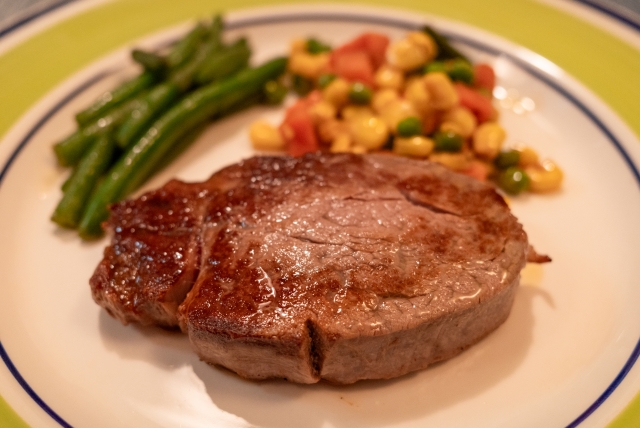
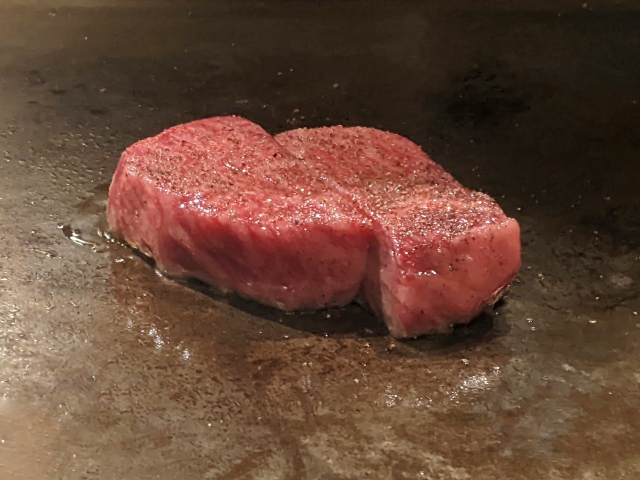
A simple yet luxurious way to experience Wagyu. The beef is often lightly seasoned with salt and pepper to highlight its natural richness. The high marbling ensures a juicy, buttery bite every time.
2. Shabu-Shabu (Japanese Hot Pot)
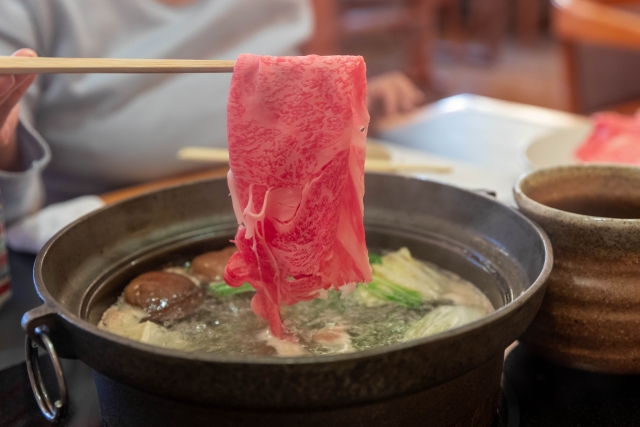
Thinly sliced Wagyu is swirled in boiling broth for just a few seconds before being dipped into ponzu (citrus soy sauce) or sesame sauce. This method enhances the beef’s delicate texture while keeping it light and flavorful.
3. Sukiyaki (Sweet Soy Sauce Hot Pot)
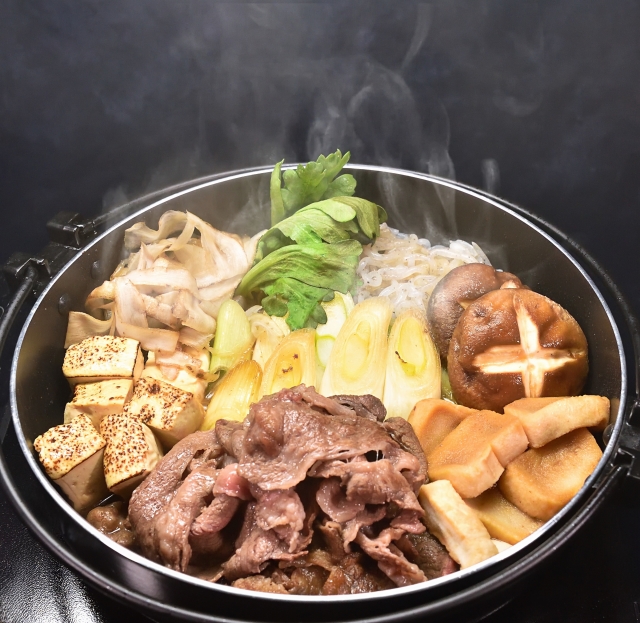
Wagyu beef is simmered in a sweet and savory soy-based broth along with vegetables, tofu, and noodles. The combination of premium Wagyu and sukiyaki sauce creates a rich, umami-filled experience.
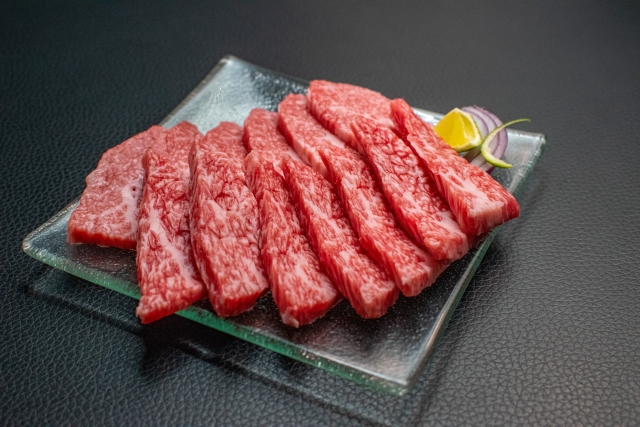
4. Yakiniku (Japanese BBQ)
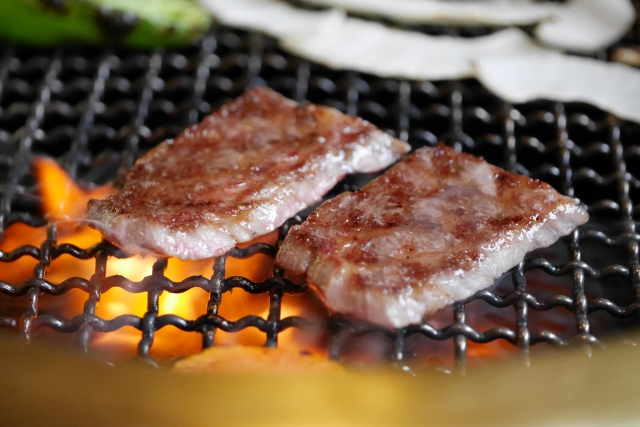
Grilled over charcoal or a gas flame, Yakiniku-style Wagyu develops a smoky aroma while maintaining its signature juiciness. Many yakiniku restaurants in Japan serve A5-grade Wagyu, allowing diners to grill their meat to perfection.
How is Wagyu Raised?
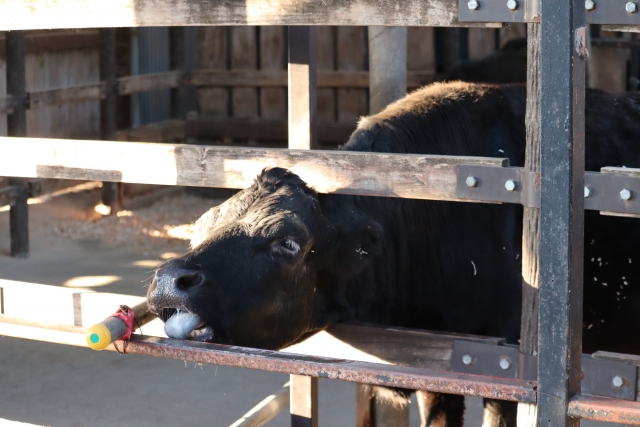
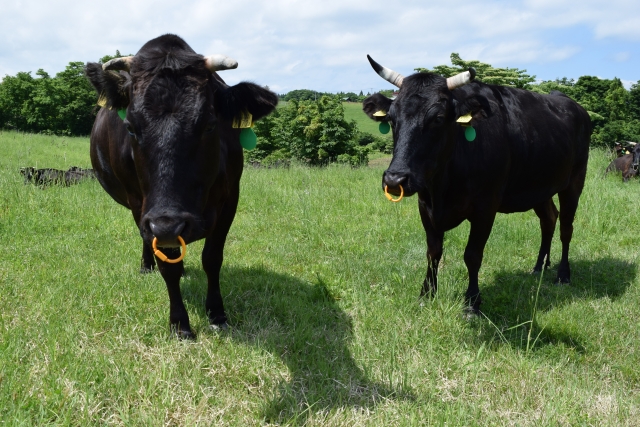
The quality of Wagyu beef is directly linked to how the cattle are raised. Wagyu farmers take extraordinary measures to ensure the best possible meat quality:
- High-Quality Feed: Wagyu cattle are fed a nutrient-rich diet, including rice bran, beer yeast, soybeans, and wheat.
- Stress-Free Environment: Stress negatively affects beef quality, so farmers maintain calm and quiet conditions.
- Longer Rearing Period: Compared to regular cattle, Wagyu are raised for a longer period to enhance marbling and flavor.
- Special Care: Some farmers provide beer to stimulate appetite and even play music to create a relaxing atmosphere.
Tips for Enjoying Wagyu Beef
To make the most of your Wagyu experience, keep these tips in mind:
1. Keep It Simple
Wagyu’s natural umami flavor is best highlighted with minimal seasoning. Stick to salt and pepper for steaks, or light dipping sauces for hot pot dishes.
2. Savor It in Small Portions
Due to its rich fat content, Wagyu is incredibly satisfying in small amounts. Enjoying smaller portions ensures you appreciate its luxurious taste without feeling overwhelmed.
3. Cook It Gently
Overcooking can diminish the tenderness of Wagyu. Low and slow cooking (such as lightly grilling or briefly boiling) preserves its delicate texture.
Conclusion
Wagyu beef is one of Japan’s most prized culinary treasures. Whether you enjoy it as a juicy steak, a delicate shabu-shabu slice, or an aromatic yakiniku bite, Wagyu delivers an unforgettable gourmet experience.
For those visiting Japan, trying authentic Wagyu in Tokyo’s top restaurants is an absolute must. Whether in a fine dining establishment or a casual eatery, you’re sure to experience the ultimate beef indulgence.
Ready to taste Japan’s finest Wagyu? Find the best Wagyu restaurants in Japan now:
People’s reaction when eating
Search Restaurants by Destination

Search Restaurants by Popular Cuisines