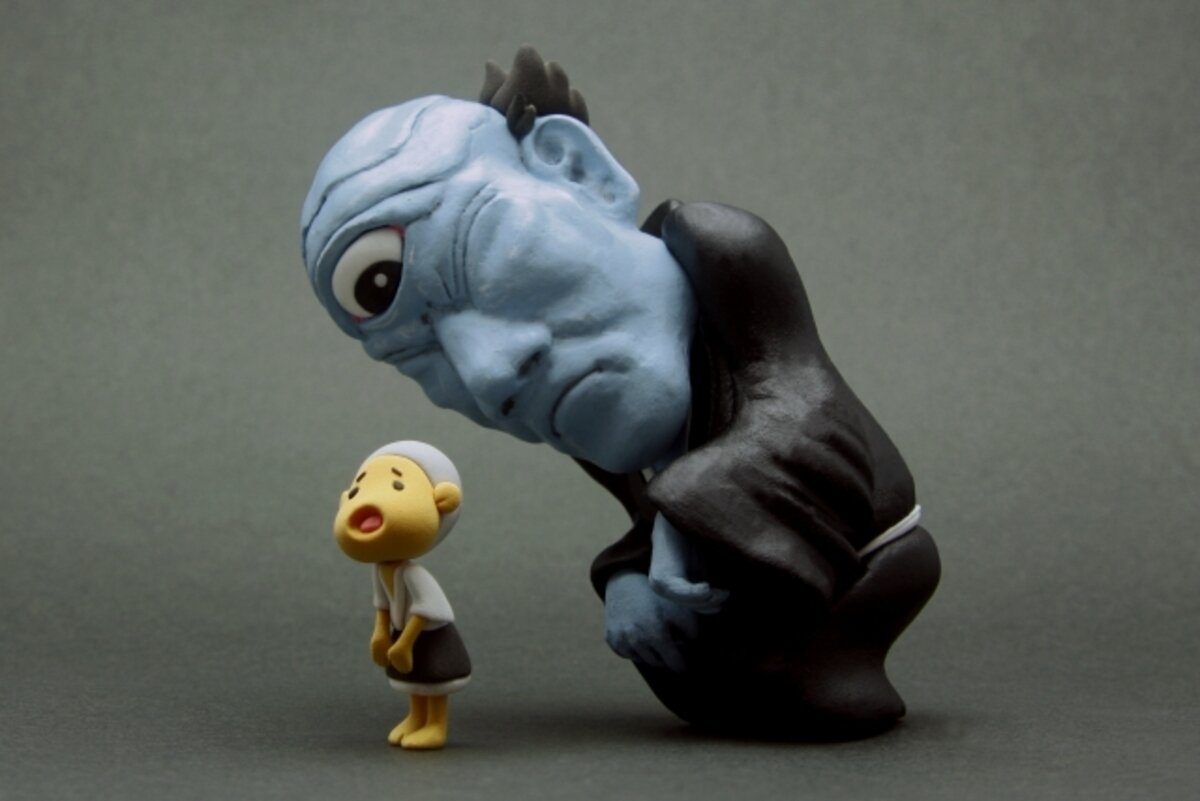
What comes to your mind when you hear the word "yokai"? A creepy existence? Something eerie and frightening? Or perhaps a somewhat humorous and charming character?
Japanese yokai are not merely "scary beings." Throughout history, they have reflected anxieties about nature and society, as well as human emotions, making them mysterious and profound beings. At the same time, they appear in modern anime and games, becoming known worldwide as part of the culture.
This article provides a systematic explanation of Japanese yokai culture. From the definition of yokai to representative entities, their connections to religion and history, and their ties to the modern era, the content is easy for beginners to understand while allowing for deep learning. It is especially recommended for those interested in Japanese culture, wanting to encounter yokai during their travels, or curious about the roots of anime and games.
*All images in this article are illustrations.
1. What Are Yokai?
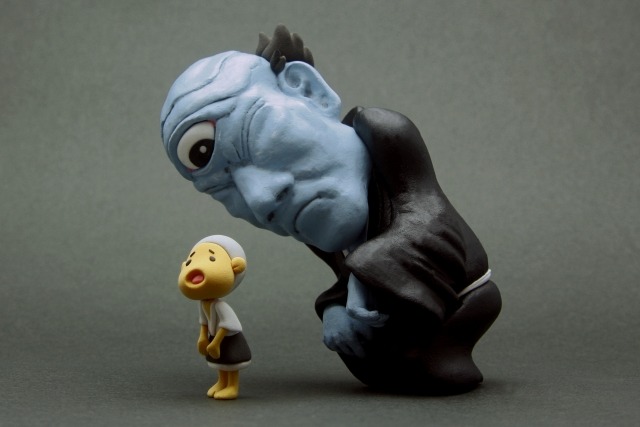
The term "yokai" seems to have a clear definition, but in reality, it is quite ambiguous. In traditional Japanese culture, yokai broadly refer to "mysterious beings that cannot be explained by human knowledge." They include spiritual beings like ghosts, transformed animals, entities behaving like natural phenomena, and even long-used tools that have gained life—showing a wide variety.
What they share in common is that they come from "outside the human world" and can be objects not only of fear but also of reverence and affection. Yokai sometimes threaten humans, sometimes help them, and at other times are simply observed.
Thus, yokai are multifaceted characters that do not fit into a simple framework of good and evil. This is precisely why they continue to captivate people's interest over many years.
2. What Kind of Yokai Are There?
Here, we introduce some of the most famous and unique yokai in Japan. Each yokai has regional legends and stories, and sometimes even becomes an object of worship.
・ Oni
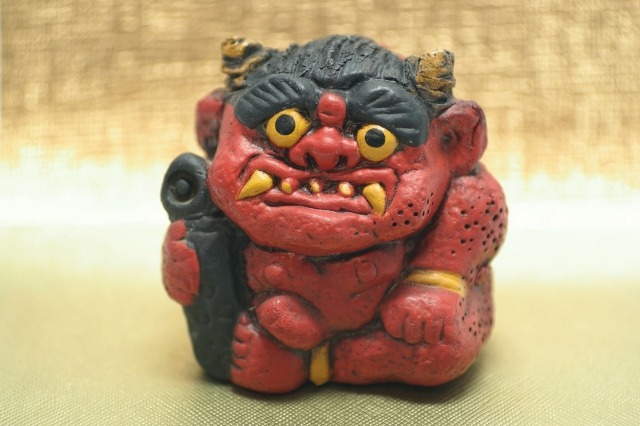
Oni are among the most symbolic yokai in Japan. The common image is of a being with red or blue skin, horns, and a kanabo (metal club). They are said to live in the mountains and come down to villages to attack people. In the Setsubun festival, they are the target of the phrase "Oni wa soto, fuku wa uchi," where beans are thrown to drive them away.
However, oni are not always villains. As depicted in the fairy tale "The Red Ogre Who Cried," there are kind-hearted oni as well. The concept of oni functions not just as monsters but also as symbols of "the anger and fear inside humans."
・ Tengu
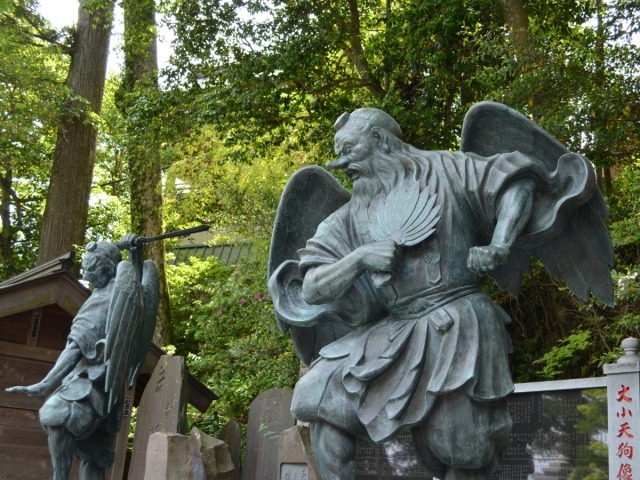
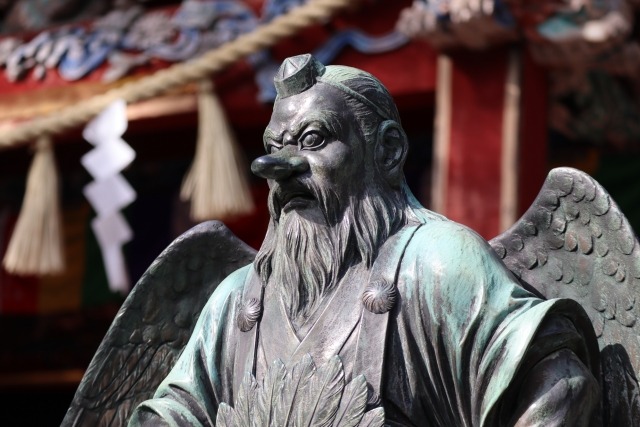
Tengu are supernatural beings living in the mountains, known for their red faces, long noses, and wings. They often wear clothes resembling ascetic monks, and are said to have powers like flying and using illusions.
In the past, tengu were considered dangerous beings that misled people, but since modern times, the image has gradually shifted toward "guardians of the mountains." Legends about tengu remain at places such as Mount Kurama in Kyoto.
・ Kappa
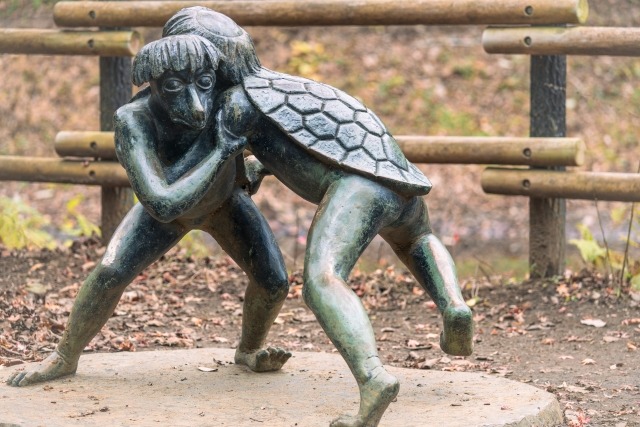
Water yokai living in rivers and ponds, kappa have a plate on their head filled with water and carry a shell on their back. They like sumo wrestling and cucumbers, which are their favorite foods. They are mischievous and can draw people into the water, but they also have a personality that values politeness. Their weakness is that if the water on the head plate spills, they lose their power.
Due to their humorous appearance, they are often turned into characters and are well-loved throughout Japan.
・ Zashiki-warashi
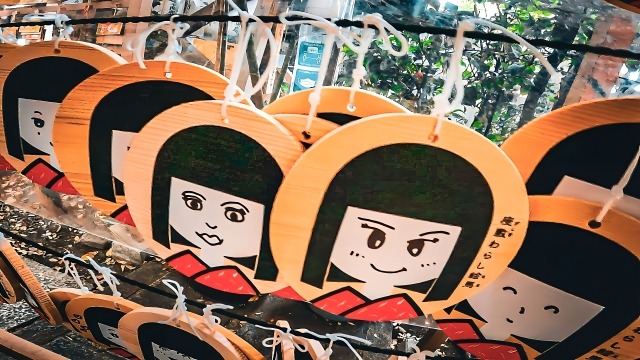
Zashiki-warashi are yokai in the form of children commonly told about in the Tohoku region. It is said that if one appears in a house, that house will prosper. Those who see them are said to be blessed with good fortune.
They do not directly attack or threaten people but cause phenomena such as sounds of playing or objects moving suddenly within the house.
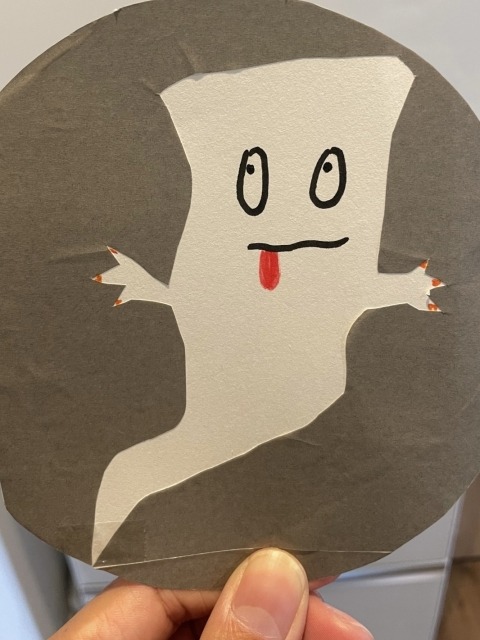
・ Ittan-momen
A yokai from Kagoshima Prefecture shaped like a cloth. It is said to fly through the air and wrap around people, suffocating them. However, its appearance is just a long white cloth, and in modern times it is treated as somewhat humorous.
・ Yuki-onna
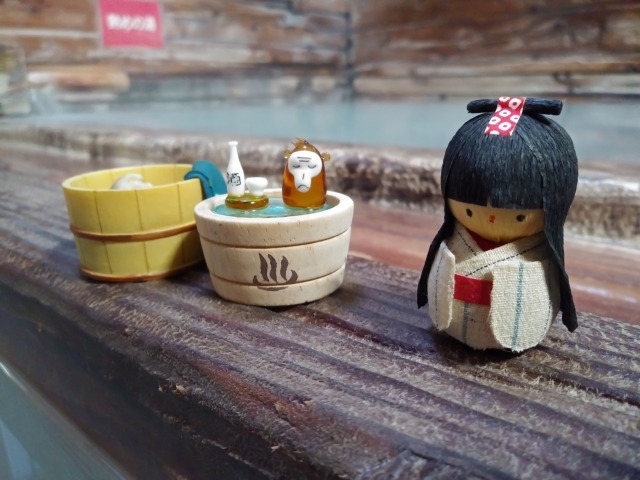
Yuki-onna is a yokai that appears on snowy nights in the form of a woman as beautiful as ice. She can freeze people or take their lives but also possesses a loving side. Her personality varies depending on the story.
The famous folktale "Yuki-onna" depicts a poignant story about a human man falling in love with her.
・ Karakasa-obake
A yokai formed from an umbrella, representative of the "tsukumogami" category of yokai, which are objects that gain spirits after long use—a distinctively Japanese faith.
It is memorable for hopping around on one leg and startling with its large tongue sticking out.
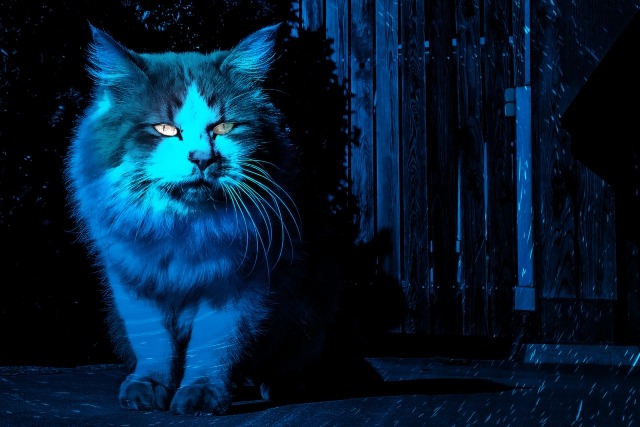
・ Bakeneko
A cat that has lived for many years and transformed into a yokai. It can speak human language, breathe fire, or take human form. The idea of a beloved pet becoming a yokai is somewhat scary but also fascinating.
They frequently appear in Edo-period ukiyo-e and inspire many stories.
・ Nurikabe
A yokai that appears as a huge, wall-like figure, blocking the path of people walking at night. Although it doesn’t physically attack, it evokes fear by preventing progress no matter how far one goes. This simple yet very impressive being remains memorable.
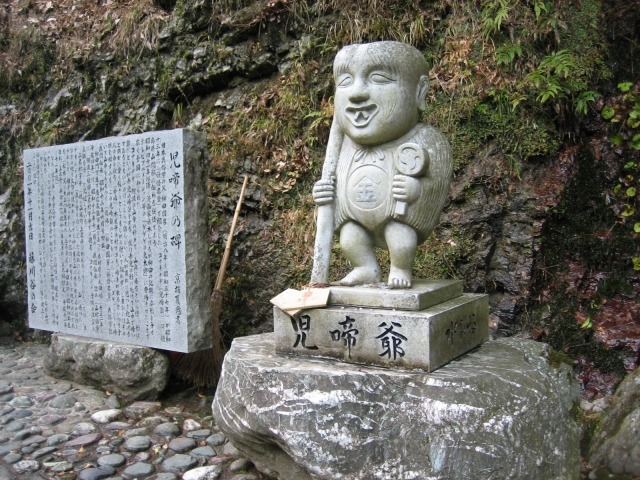
・ Konaki-jiji
Appearing as a baby, it cries as if asking for help on dark roads. When embraced, it suddenly becomes heavy and immovable. This yokai exploits human sympathy and can be seen as a very modern kind of monster.
3. The History of Yokai and Their Relationship with Religion
Japanese yokai are closely related to folk beliefs, Shinto, and Buddhism. For example, there has long been a belief that sacred beings dwell in nature such as mountains, rivers, and forests. These beliefs came to be told in the form of yokai.
Also, the idea of "tsukumogami," where long-used tools gain spirits, reflects animistic values. Buddhist concepts of hell and karma can also be seen in yokai, with many cautionary tales about "if you do bad things, yokai will attack you."
In this way, yokai are deeply rooted as part of Japanese spiritual culture and religious views.
4. Manga, Anime, Movies, and Games Featuring Yokai
Yokai also appear frequently in modern pop culture. Here are some representative works:
- "GeGeGe no Kitaro": A cornerstone of Japanese yokai manga. Features many yokai and teaches their characteristics and personalities.
- "Yo-kai Watch": A game and anime for children. Features friendly yokai characters arranged in a modern style.
- "Natsume's Book of Friends": Depicts the emotional interactions between yokai and humans with a touching story.
- "Spirited Away": A film by Studio Ghibli. Features many yokai and gods, set against traditional Japanese values.
Through these works, yokai culture has become widely known not only inside Japan but also overseas.
5. Differences Between Japanese Yokai and Foreign Ghosts
There are many ghosts and monsters overseas as well, but a major difference from Japanese yokai lies in their "character." Western ghosts are often divided sharply into "good or evil," whereas Japanese yokai tend to be ambiguous beings.
For example, kappa and tengu can play tricks but also help humans. There are beings like zashiki-warashi who bring good luck to those who see them. In other words, yokai are depicted not just as frightening but as entities coexisting with human society.
This flexible and ambiguous view of yokai symbolizes the depth of Japanese culture.
6. Modern Yokai
Yokai continue to live on in the present day. They appear in TV shows, anime, games, and even tourism campaigns, evolving with the times while remaining present in people’s hearts.
Also, works that satirize modern society from the perspective of yokai have increased. This stems from yokai originally embodying "distortions" and "fears" of human society.
Modern yokai are no longer merely legends but have taken root as "living culture" in the lives and consciousness of Japanese people.
7. Facilities in Japan Where You Can Learn About Yokai
Throughout Japan, there are unique places where you can actually experience and learn about yokai culture. Here are some representative spots that are attractive travel destinations.
Mizuki Shigeru Road (Sakaiminato City, Tottori Prefecture)
A tourist road created in the hometown of the yokai manga master Mizuki Shigeru, stretching over 800 meters with more than 177 bronze yokai statues lined up. Kappa, nurikabe, konaki-jiji, and other representative yokai of Japan welcome visitors along the street. At night, the area is illuminated, making it enjoyable day and night as a yokai sanctuary. Along the road are many shops selling yokai goods and themed cafes, allowing visitors to immerse themselves deeply in the yokai world while strolling.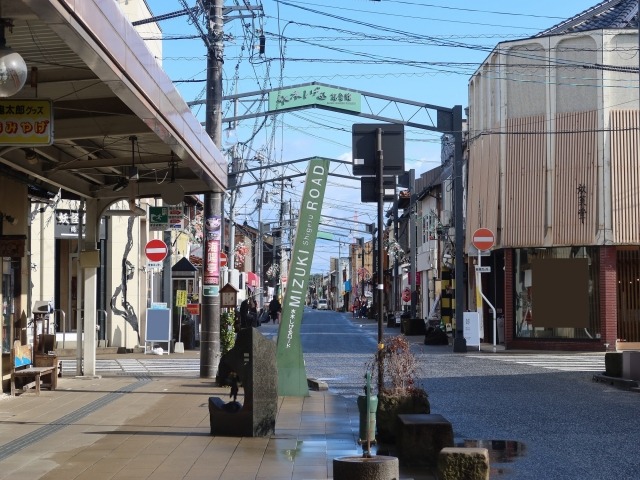
Japan Yokai Museum (Miyoshi Mononoke Museum / Miyoshi City, Hiroshima Prefecture)
Centered on the yokai collection of Goichi Yumoto, this museum allows for in-depth learning about Japanese yokai culture through ancient documents, picture scrolls, toys, and more. It offers many interactive exhibits and hands-on content, making it enjoyable for both children and adults. It is an extremely fulfilling facility for those interested in the origins and history of yokai.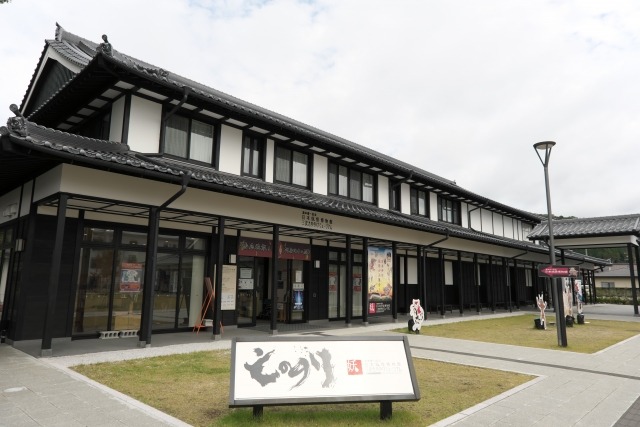
- Yokai Street (Ichijo-dori, Kamigyo Ward, Kyoto City, Kyoto Prefecture)
Centered around Ichijo-dori where the Heian period legend of the "Hyakki Yagyo" remains, this area features yokai-themed decorations and events. The shopping street is dotted with uniquely crafted yokai statues made by local people, giving the area a charming hand-crafted atmosphere. The annual summer "Ichijo Hyakki Yagyo" event includes a costume parade and night market, making it a popular yokai event among tourists.
In Conclusion
Japanese yokai have stimulated people’s imagination across ages and places from ancient times to the present. They are not just monsters or ghosts but are beings that speak to us about human societal anxieties, reverence for nature, and offer lessons and stories.
Yokai, appearing in modern pop culture in various forms, can be said to be part of our cultural identity. Learning about them provides clues to understanding Japanese values, history, religious views, and sensitivity to the "invisible" in everyday life.
When you encounter yokai on your travels, instead of just fear, please listen to the stories and culture behind them.
There, you will find the living traditions of Japan and the timeless form of human imagination.
Search Restaurants by Popular Cuisines