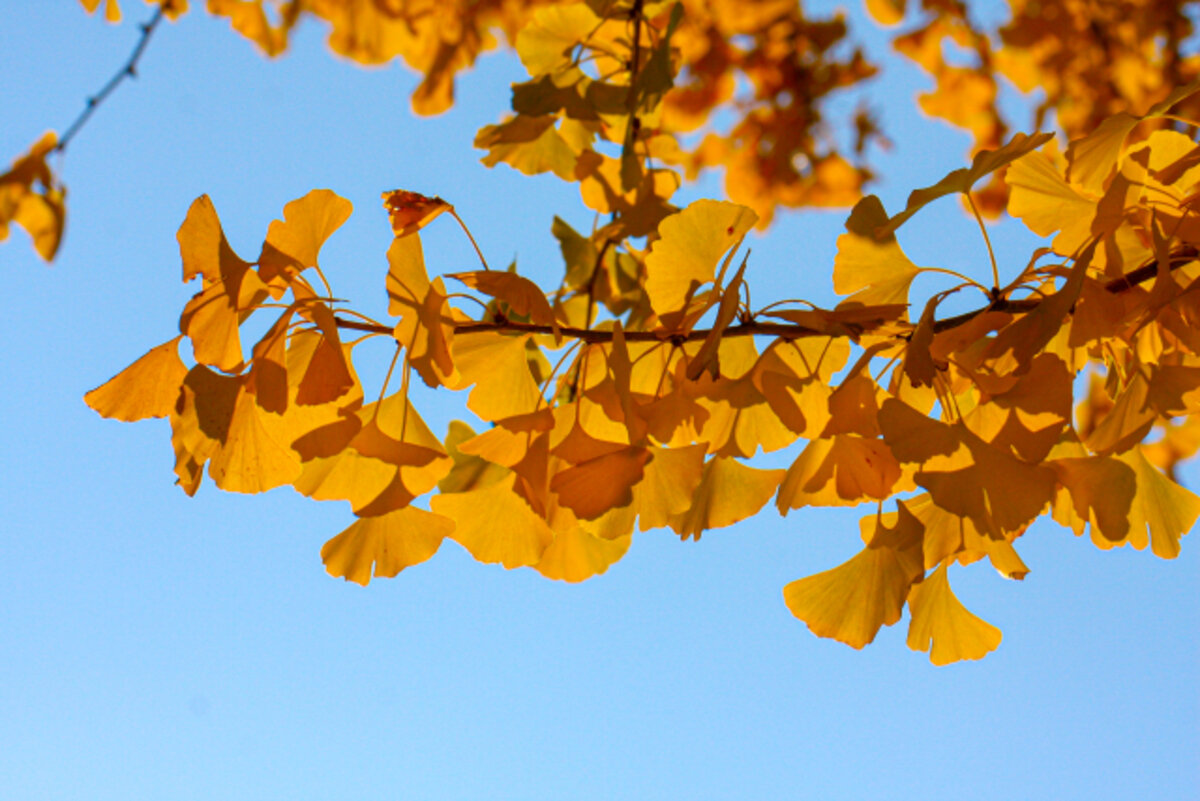
When you hear "Autumn in Japan," you probably picture the radiant red and orange maple leaves. While those vibrant colors are undeniably stunning, don't miss the golden glow of ginkgo trees turning yellow everywhere—from bustling city avenues to serene shrines and sprawling park promenades. The sight of these golden carpets stretching across Japan captivates travelers from around the world.
But it’s not just about breathtaking scenery; it’s a window into Japan’s deep connection with nature, a celebration of seasonal changes, and a way of weaving the beauty of the natural world into everyday life.
In this article, we’ll explore the ginkgo—the iconic symbol of Japanese autumn. From fascinating facts and the best viewing spots to cultural significance and unique Japanese traditions, get ready to enrich your autumn travel experience. Whether this is your first trip to Japan or you’re a seasoned visitor, the golden allure of ginkgo will surely steal your heart.

1. What is Ginkgo?
Known as a “living fossil,” Ginkgo (scientific name: Ginkgo biloba) has stood the test of time for around 270 million years. It’s the sole survivor of its family, instantly recognizable by its unique fan-shaped leaves. Growing up to 20-30 meters tall, some ginkgo trees live for over a thousand years, quietly witnessing history unfold.
Remarkably resilient, ginkgo trees thrive even in urban environments, resisting pollution and harsh conditions. That’s why they’re commonly planted along city streets and in parks across Japan, where in autumn, their leaves blaze into a brilliant golden spectacle that enchants locals and visitors alike.
Ginkgo trees are dioecious, meaning male and female trees grow separately. Female trees bear distinctive fruits called “ginnan,” enjoyed in Japanese cuisine, though their strong aroma can be divisive among palates.

2. Ginkgo in Autumn Leaves
While maple leaves, or momiji, steal the spotlight with their fiery reds and oranges, the golden yellow of ginkgo creates an equally captivating autumn palette. Together, the vibrant reds and mellow yellows paint Japan’s landscapes with a rich harmony of colors that truly must be seen to be believed.
The ginkgo’s flat, fan-shaped leaves form natural golden carpets when they fall, blanketing streets and parks in shimmering hues. This enchanting “beauty after shedding leaves” offers photogenic moments that draw crowds of photographers eager to capture the magic.
In some places, ginkgo-lined avenues are illuminated during special light-up events, transforming into glowing golden tunnels that radiate a magical atmosphere well into the evening—a breathtaking contrast to the daytime glow.

3. Best Viewing Times for Ginkgo
The ideal ginkgo viewing season varies depending on where you are in Japan, generally stretching from late October through early December. Because Japan spans a long north-south axis, autumn colors peak at different times across the regions.
In Hokkaido, anticipate golden vistas from mid to late October; in Tohoku and Kanto, early to mid-November; and in Kansai and western areas, mid-November to early December. Higher elevations and colder climates see color changes earlier, while warmer places experience them later.
Keep in mind that weather plays a crucial role—sudden drops in temperature can speed up color changes, while milder days may delay or dull the display. Before you pack, it’s wise to check local foliage forecasts posted by tourist boards, government sites, and social media.
For a more tranquil experience and clearer photos, try visiting popular spots early in the morning or on weekdays when crowds thin out.
4. Popular Ginkgo Viewing Spots
Japan boasts many beloved ginkgo viewing locations. Here are some must-visit spots that promise unforgettable autumn memories:
Meiji Jingu Gaien (Tokyo)
Stroll beneath the 146 towering ginkgo trees lining a 300-meter street in Tokyo's Aoyama area, where the overlapping golden leaves create a breathtaking tunnel. Don’t miss the annual "Jingu Gaien Ginkgo Festival," featuring delicious street food and lively events that celebrate the season.

Showa Kinen Park (Tokyo - Tachikawa)
Wander along two sweeping rows of ginkgo trees within this expansive park, where golden leaves contrast beautifully with traditional Japanese gardens and tranquil ponds—a perfect outing for families and nature lovers alike.

Odori Park (Hokkaido - Sapporo)
Enjoy an early glimpse of autumn as you explore Odori Park in Sapporo. The striking contrast between ginkgo yellows and maple reds offers a vivid spectacle even as crisp air settles in.

Kyoto Gyoen (Kyoto)
Kyoto Gyoen offers a serene setting where ginkgo trees grow naturally alongside historic buildings. Here, you can immerse yourself in the calm, timeless beauty of autumn in Japan’s ancient capital.

Osaka Castle Park (Osaka)
Discover ginkgo trees painting the vast grounds around Osaka Castle in brilliant gold, creating photo-worthy scenes that attract visitors from across Japan and beyond.

5. The Role of Ginkgo in Japanese Culture
Ginkgo is more than just a beautiful tree in Japan—it’s woven into the fabric of history and tradition, symbolizing resilience, prosperity, and longevity.
Connection to Shrines and Temples
Often found within shrine and temple grounds, ginkgo trees are valued as “fireproof trees” due to their resistance to fire. Their fan-shaped leaves, reminiscent of a wide folding fan, symbolize good fortune and a long life, making the trees a cherished spiritual emblem.
Ginnan in Japanese Cuisine
The ginkgo nuts, or ginnan, are an autumn delicacy in Japan, featured in dishes like roasted ginnan, chawanmushi (steamed egg custard), and oden. While beloved for their unique flavor, these nuts must be prepared carefully to avoid toxins—never eat them raw.
Motifs in Art and Family Crests
The elegant shape of the ginkgo leaf appears in traditional Japanese patterns, family crests, and architectural decorations, especially in Kyoto’s temples and shrines as well as kimono textiles—reflecting its cultural and aesthetic importance.
6. How Japanese Ginkgo Differs from Overseas Varieties
Although originally native to China, ginkgo trees have spread worldwide. However, Japan’s approach to appreciating ginkgo stands apart from other countries.
Ginkgo Overseas
In cities like New York, Paris, and London, ginkgo trees are valued mainly for their hardiness and pollution resistance, often planted as practical street trees. The focus tends to be on functionality rather than the aesthetic and cultural significance the tree holds in Japan.
Japan’s Unique Embrace of Ginkgo
In Japan, ginkgo trees are treasured cultural icons and autumn symbols. Rows of ginkgo trees often become celebrated tourist attractions, with seasonal festivals and nighttime illuminations that revive local communities and traditions.
In Conclusion
Ginkgo is much more than an autumn leaf in Japan—it’s a living symbol of the nation’s sensitivity to seasons, history, and nature’s beauty. Walking beneath ginkgo-lined streets, resting on parks adorned with golden carpets of leaves, or standing beneath ancient trees in historic shrines offers a uniquely Japanese experience that touches the heart.
Encountering ginkgo on your journey lets you connect deeply with Japan’s culture, climate, and people through a moment of breathtaking beauty that marks the arrival of autumn.
When you travel to Japan this autumn, be sure to seek out the ginkgo trees. That single golden leaf holds stories of a rich culture and a profound appreciation for the changing seasons—ready to inspire your own adventure.