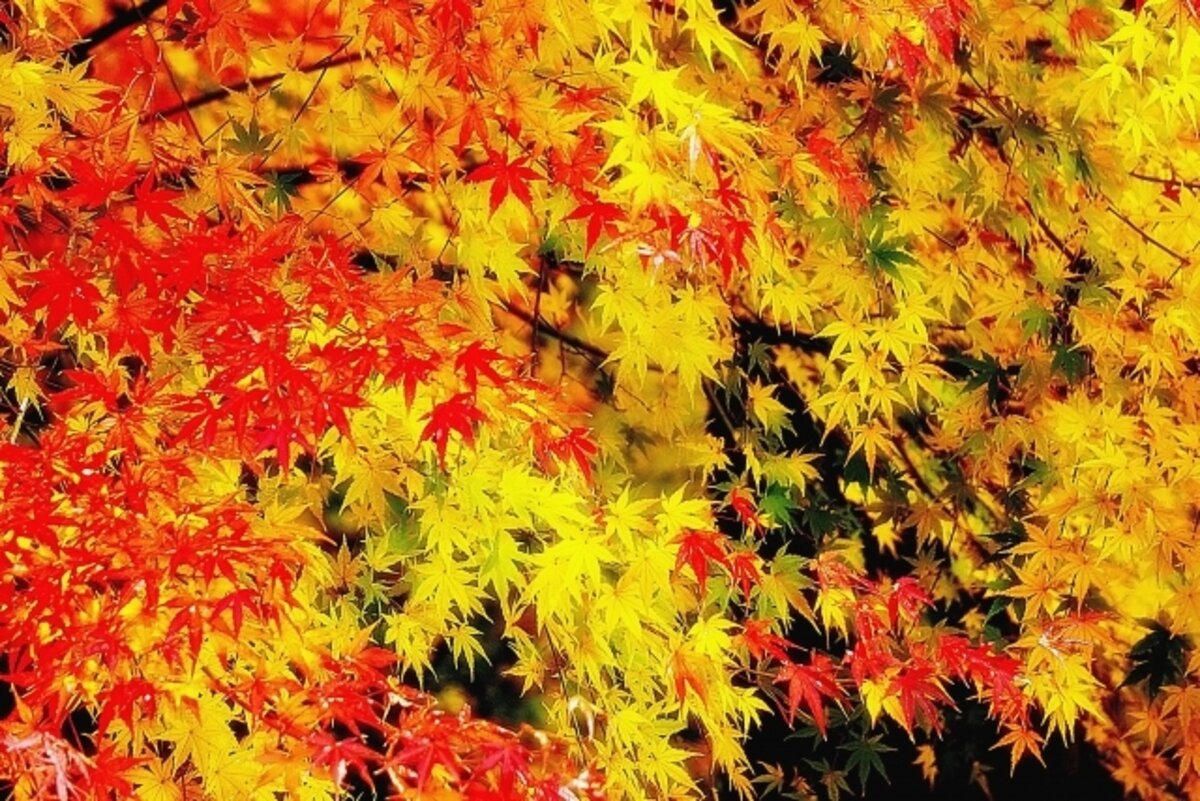
Autumn in Japan is a serene and deeply moving season. As the intense heat of summer fades, the air turns crisp, and gentle winds begin to whisper through the trees. The most breathtaking sight is the "koyo"—Japan's famous autumn foliage. Forests, temples, parks, and entire towns transform into vibrant tapestries of red, orange, and gold, painting landscapes that seem lifted from a dream. This timeless natural spectacle has enchanted people across generations in Japan.
Visiting Japan in autumn means experiencing one of nature's most celebrated phenomena, rivaling even the famous cherry blossoms. Imagine fiery leaves dancing in the breeze, floating along tranquil riverbanks, and settling gently on ancient temple roofs—each scene a perfect expression of delicate Japanese aesthetics and seasonal beauty.
In this article, you'll discover everything you need to know about koyo: what they are, which trees turn color, the optimal viewing times, top spots to visit, and their unique place in Japanese culture. We’ll also explore how Japan’s autumn foliage differ from those overseas, helping you fully appreciate this unforgettable seasonal experience during your autumn trip to Japan.

1. What Is Autumn Foliage?
"Koyo" refers to the stunning natural phenomenon where leaves turn vibrant shades of red and yellow in autumn. While English speakers call it "autumn leaves" or "fall foliage," the Japanese word "koyo" reflects a refined sensitivity to the seasonal transition and the transient beauty it represents.
This vivid change occurs as cooler temperatures and shortening daylight break down chlorophyll, the green pigment in leaves, revealing hidden reds and yellows from pigments like carotenoids and anthocyanins. The greater the difference between daytime and nighttime temperatures, the more striking and vivid the colors become.
Across Japan’s long archipelago, these colors gradually move from north to south, starting in Hokkaido and reaching Kyushu over several months. This natural progression lets visitors enjoy the spectacle over an extended period.
The tradition of savoring these colorful moments is known as "momijigari," or "autumn leaf hunting," a cherished pastime dating back centuries where people journey to scenic mountains and gardens to embrace the beauty of fall.

2. Types of Trees That Paint Autumn
Japan boasts a rich variety of trees that burst into color each autumn, each adding its own unique shade and texture to the seasonal canvas. Here are some of the most iconic trees you’ll encounter during koyo season.
Maple (Kaede, Momiji)
When you think autumn leaves in Japan, "momiji" is likely the first image that comes to mind. This term refers broadly to maples, including popular varieties like "Iroha Momiji" and "O Momiji," known for their finely serrated leaves that turn fiery red, bright orange, and golden yellow. Maples flourish in temple grounds, gardens, and along streets, adding vibrant splashes of color.

Ginkgo (Ichou)
The fan-shaped leaves of the ginkgo tree turn a dazzling yellow in autumn, creating golden avenues that feel like walking through sunshine. Tokyo’s Meiji Jingu Gaien boulevard is a spectacular site where ginkgo trees line the streets, and when the breeze stirs, a carpet of gold glistens underfoot amid the fragrance of fall.

Oak and Sawtooth Oak (Nara, Kunugi)
These trees produce acorns and boast leaves that glow in shades of rich brown and reddish hues. Their deep tones beautifully complement the brighter reds and yellows of maples and ginkgos, creating a layered, textured landscape.

Cherry Trees (Sakura)
While best known for their delicate spring blossoms, cherry trees also display stunning red hues in autumn, especially the Yamazakura variety, which offers a second, quieter season of beauty.

Wax Tree (Haze no Ki)
Known for its vivid crimson leaves, the wax tree adds vibrant reds to mountain roads and nature parks. Historically, it was also valued for candle-making materials.

3. Best Times to Experience Autumn Foliage
Japan’s diverse geography means autumn arrives at different times across regions, creating a seasonal journey from north to south. Let’s explore the prime koyo viewing seasons by area.
Hokkaido (Daisetsuzan, Sounkyo, etc.)
Discover vibrant colors from late September to early October—the earliest autumn foliage in Japan. Hokkaido’s clear mountain air and dynamic landscapes turn breathtaking shades that herald the season.
Tohoku Region (Oirase Stream, Lake Towada, etc.)
From early to late October, be enchanted by momiji and beech trees lining crystal-clear streams, their reflections doubling the reds and yellows for spectacular views perfect for nature lovers.
Kanto Region (Nikko, Hakone, etc.)
The season peaks from late October to mid-November. Close to Tokyo, Nikko’s Irohazaka and Hakone’s scenic lakes attract many visitors who come to stroll through stunning autumn panoramas.
Chubu Region (Kamikochi, Shirakawa-go, etc.)
Mid-October to early November offers spectacular views in Kamikochi, with colorful larch and rowan trees framing dramatic mountain rivers. Shirakawa-go’s thatched roofs set against autumn hues create timeless, postcard-perfect scenes.
Kinki Region (Kyoto, Nara, etc.)
From mid-November to early December, immerse yourself in the classic blend of historic temples and gardens awash in fiery leaves. Kyoto’s Eikando and Tofukuji, along with Nara’s Yoshinoyama, are must-visit spots boasting spectacular fall colors.
Kyushu Region (Yufuin, Kirishima, etc.)
Experience autumn late into the year—from late November to mid-December—where hot springs and colorful mountains shrouded in morning mist offer a uniquely soothing seasonal retreat.
4. Top Autumn Foliage Destinations
Japan is home to countless scenic spots famed for their koyo, but here are some exceptional places that draw visitors year after year.
Kyoto – Eikando
Known as "Maple Eikando," this temple’s grounds are graced by about 3,000 maple trees that explode into color in mid-November. The mesmerizing nighttime illumination casts an enchanting glow over the vibrant foliage.

Tokyo – Meiji Jingu Gaien
Find a peaceful fall haven right in the urban heart. The 300-meter-long ginkgo-lined avenue turns into a shimmering golden tunnel from mid to late November, offering a cinematic experience beloved by photographers and locals alike.

Nara – Yoshinoyama
While famed for spring cherry blossoms, Yoshinoyama transforms in autumn into a vibrant sea of red and yellow, perfectly complementing its shrines and temples in a breathtaking spectacle.

Gifu – Shirakawa-go
This World Heritage Site enchants with rustic thatched roof villages nestled among autumn-colored trees, evoking a peaceful, timeless atmosphere perfect for a quiet fall getaway.

Hiroshima – Miyajima (Itsukushima Shrine)
Witness the iconic torii gate seemingly floating on the sea, set against Mt. Misen’s fiery momiji. Momijidani Park, home to around 700 maple trees, bursts into vivid color—an unforgettable visual and spiritual experience.

5. The Cultural Heart of Autumn Foliage in Japan
Autumn foliage is more than a fleeting natural event; they are woven deeply into Japan’s cultural fabric and sense of beauty.
A Profound Sensitivity to the Seasons
The Japanese cherish the "four seasons," with autumn symbolizing quiet reflection and gentle melancholy. The changing leaves represent nature’s graceful cycle of transformation, evoking emotions of both beauty and impermanence.
Autumn Foliage in Literature
Since ancient times, koyo have inspired poetry and art. Classic works like the Hyakunin Isshu contain poems celebrating rivers painted crimson by leaves, capturing the delicate emotions tied to the season.
The Custom of Momijigari
Despite "gari" meaning "hunting," momijigari is not about picking leaves but about seeking peaceful enjoyment of autumnal beauty. Originating with nobles in the Heian period, this tradition remains a beloved seasonal pastime for families, couples, and friends.
6. How Japanese Autumn Foliage Differ from Overseas
Autumn foliage is admired worldwide, but Japan’s koyo offers a uniquely enchanting experience.
Subtlety and Delicacy of Colors
Unlike the vast, bold displays typical of North American forests, Japan’s autumn palette is nuanced with delicate gradients blending reds, oranges, yellows, and browns to create refined, painterly scenes.
Harmony Between Nature and Architecture
Here, autumn Foliage perfectly complement traditional temples, shrines, castles, and gardens, weaving natural beauty with cultural landmarks—a distinctive feature of Japanese aesthetics.
A Quiet, Reflective Viewing Experience
While active outdoor pursuits like hiking or scenic drives are common abroad, in Japan the emphasis is on peaceful contemplation and savoring the seasonal mood, inviting visitors to pause and connect emotionally with nature.
In Conclusion
Experiencing Japan’s autumn foliage is a journey through stunning natural colors, rich cultural history, and serene spirituality. The diversity of tree colors, region-specific timing, famous scenic spots, and deep cultural significance invite visitors to fully immerse in the essence of autumn.
In a country that treasures its four seasons, koyo symbolize living in harmony with nature’s rhythms. Taking time to enjoy these autumnal moments offers a chance to escape the rush of everyday life and nurture inner calm.
If you’re planning to visit Japan this autumn, don’t miss the chance to experience momijigari—an unforgettable immersion into the heart of Japan’s seasonal beauty that will enrich your travel memories forever.