If you visit Japan in winter, there is a particular ingredient you definitely want to try: the "Tarabagani" (King Crab). It is a large crab caught in cold regions such as Hokkaido and is overwhelmingly popular in Japan as a winter delicacy. Its large body, firm meat, and plump texture leave an unforgettable impact with just one bite. It truly is a "special dish" that can only be enjoyed in Japan.
That said, for those trying King Crab for the first time, questions like "Where should I eat it?", "What is the difference from Zuwai crab?", and "What price range is reasonable?" naturally arise. Also, freshness and cooking methods greatly affect its deliciousness. Therefore, in this article, we will comprehensively cover everything from the basics of King Crab, attractive ways to enjoy it, differences from other crabs, to how to choose it without fail.
By reading this article, you will surely discover the "true deliciousness" of King Crab and how to enjoy it during your trip to Japan.
1. What is King Crab
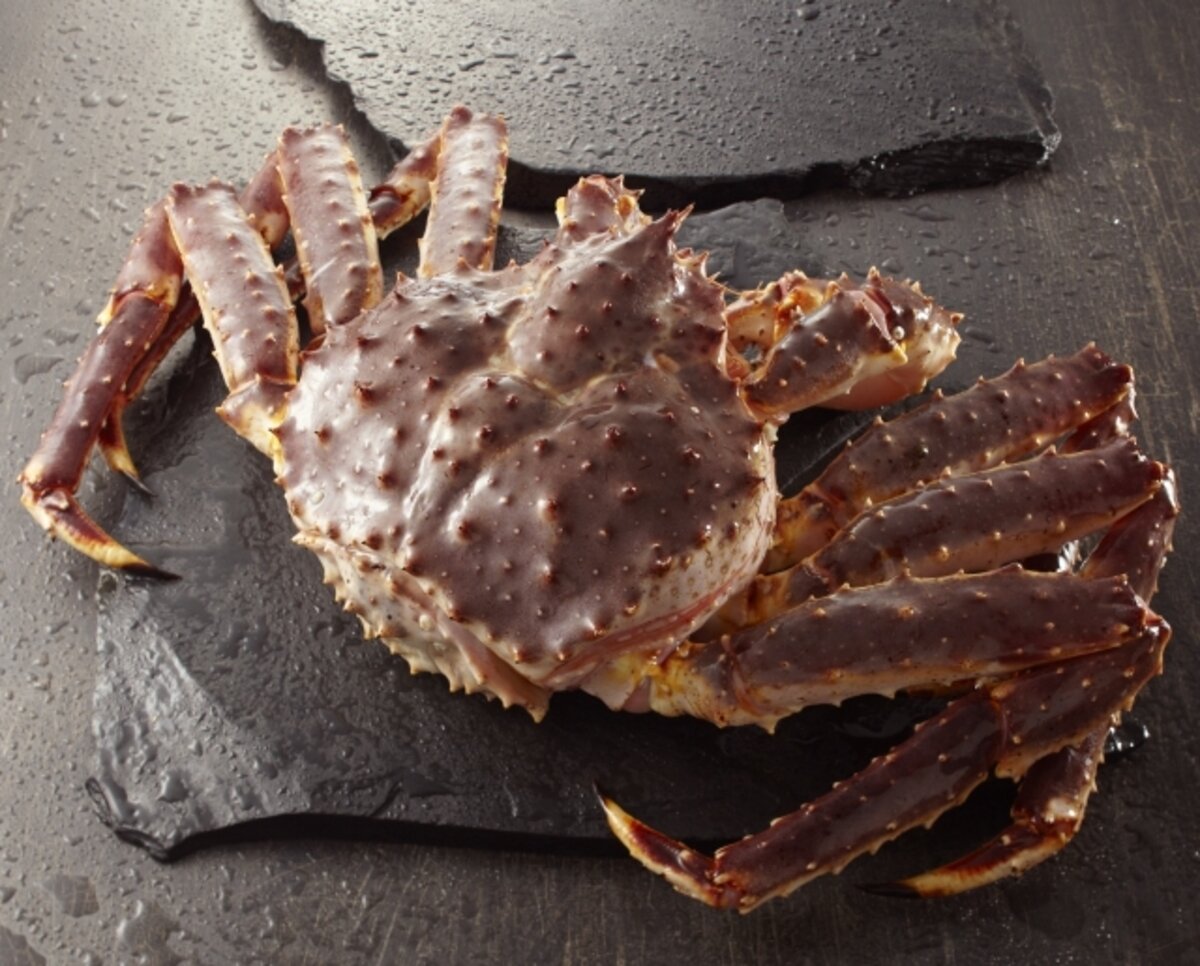
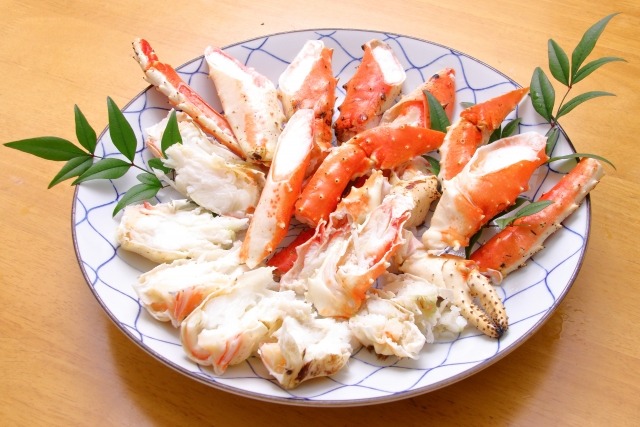
King Crab (written in kanji as 「鱈場蟹」) is a representative high-end crab in Japan. In English, it is called "King Crab," and as the name suggests, it boasts a majestic appearance and size. It mainly inhabits cold seas and is caught along the coast of Hokkaido in Japan, as well as in Russian and Alaskan waters.
The size of one individual is very large, and it is not uncommon for its leg span to exceed one meter. The white and beautiful meat packed tightly in each leg is sweet and elastic, offering excellent bite satisfaction.
When it appears on the dining table, its presence is overwhelming. Especially in the winter season, menus featuring King Crab are commonly found in tourist area restaurants and markets, making it a beloved winter tradition in Japan.
2. Features and Attractions of King Crab
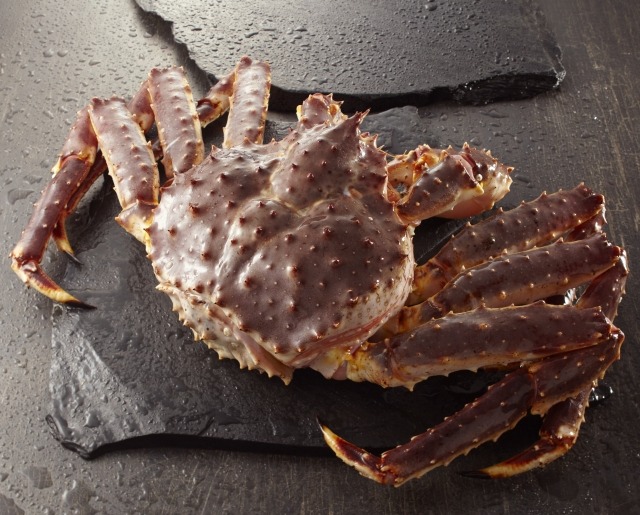
The reasons why King Crab captivates many people are its "size" and "texture." First and foremost, its size has an impressive impact. Compared to other crabs, the legs are thick and long, making its appearance strikingly luxurious.
The meat is firm and elastic, characterized by a thick texture with a satisfying chewiness. The flavor is mild and free of strong odors, with juicy umami spreading as you chew. Especially when grilled, its charm is brought out even more.
Moreover, its visual appeal is another attraction. The white, translucent meat that appears upon cracking the shell adds visual elegance to the dish.
With a perfect combination of satisfying texture, flavor, and appearance, King Crab exudes the presence befitting a premium winter ingredient in Japan.
3. King Crab Production Areas and Season
In Japan, the areas where many King Crab are landed are the coastlines of the Sea of Okhotsk in Hokkaido. Especially famous regions include Abashiri, Wakkanai, and Nemuro, where local markets and restaurants provide fresh King Crab.
However, the catch volume in Japanese coastal waters has been declining annually, so much of the supply relies on imports from Russia and Alaska. Imported crabs mainly circulate in frozen form and are offered in markets and restaurants nationwide.
The best season varies slightly by region but is generally from November to February. During this period, the crab meat is tightly packed and the flavor rich, making it the perfect timing for enjoying winter flavors.
In line with this season, crab festivals and seafood fairs are held in various locations, offering an exceptional experience as a memorable part of your journey.
4. Differences Between King Crab and Other Crabs
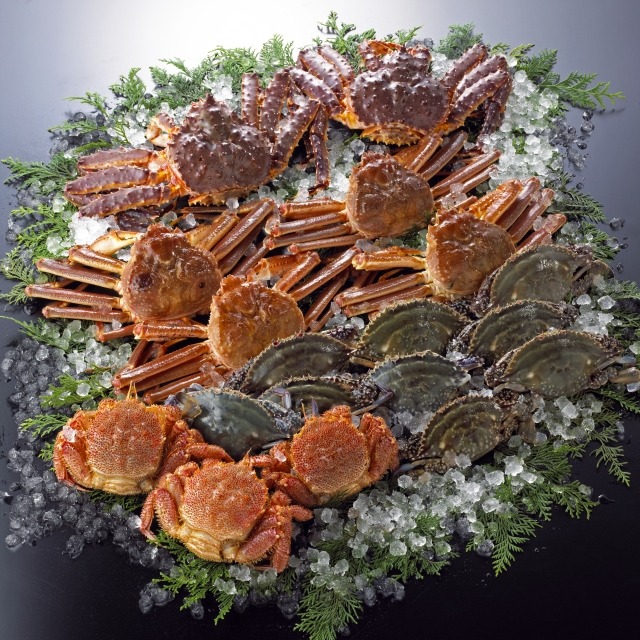
In Japan, besides King Crab, Zuwai crab and Kegani (hair crab) are also popular, each with distinct characteristics that divide preferences.
First, Zuwai crab is known for its delicate, sweet meat and produces a flavorful broth, making it ideal for hot pot dishes. Its meat is thinner than King Crab’s, offering an elegant taste. On the other hand, Kegani is small but features rich crab tomalley and strongly sweet meat, irresistible especially for fans of crab roe.
King Crab’s texture is firmer compared to Zuwai and Kegani, giving a stronger feeling of "eating crab." It suits those who seek volume and satisfaction over intense flavor.
Prices also differ. While Zuwai and Kegani can be relatively affordable, King Crab is generally set at a somewhat higher price, reflecting its large size and premium status.
5. Recommended Ways to Enjoy King Crab
King Crab is delicious as is, but its charm is greatly enhanced by various cooking methods. Here, we introduce representative ways to enjoy it commonly seen in Japan.
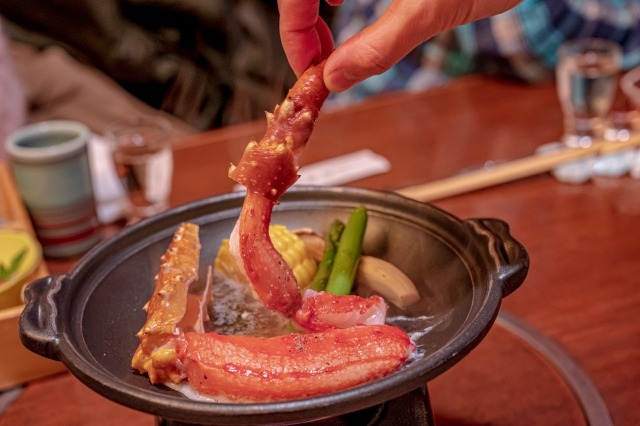
Grilled Crab (Yaki-gani)
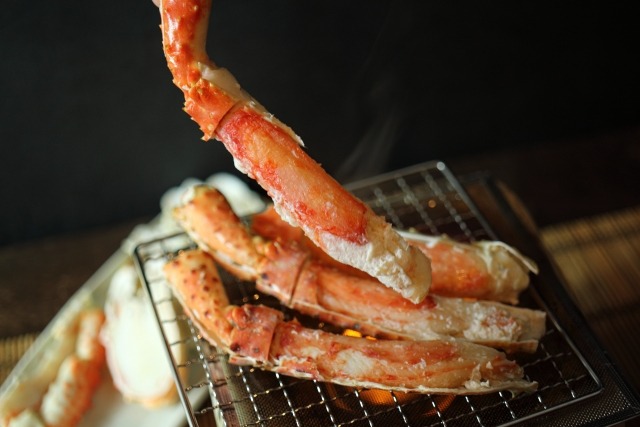
Lightly grilling over charcoal or a grill creates a steaming effect inside the shell, making the meat fluffy. The contrast between the fragrant surface and juicy interior is exquisite.
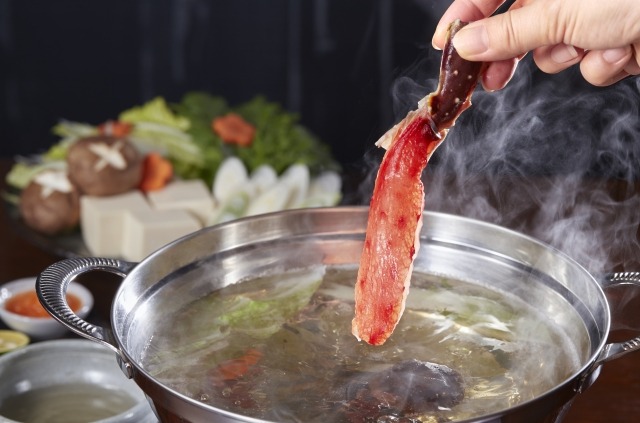
Crab Shabu-Shabu (Kani Shabu)
Thinly sliced King Crab meat is swished in hot dashi broth in a shabu-shabu style. The texture softens and the sweetness stands out.
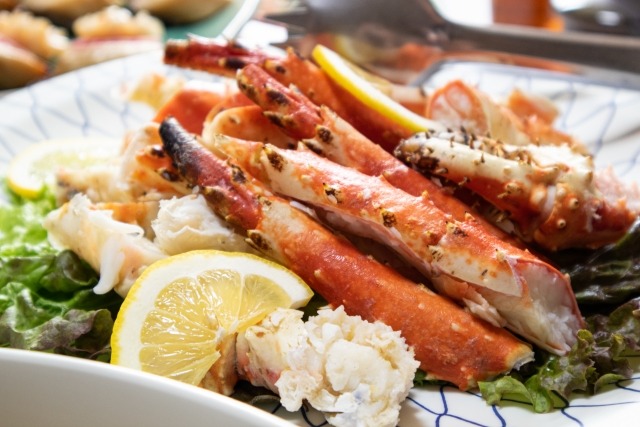
Steamed Crab (Mushi-gani)
Steaming with the shell on traps the umami, resulting in fluffy meat. Even a simple seasoning of salt is thoroughly delicious.
Crab Gratin (Kani Gratin)
Flaked meat from the shoulder or shell parts cooked in white sauce for a Western-style dish. The crab’s umami and creamy sauce are a perfect match.
Crab Sushi and Crab Rice Bowl (Kani Sushi/Kani Don)
Used as sushi toppings or rice bowls. The thick leg meat pairs well with rice and has a visually impactful appearance.
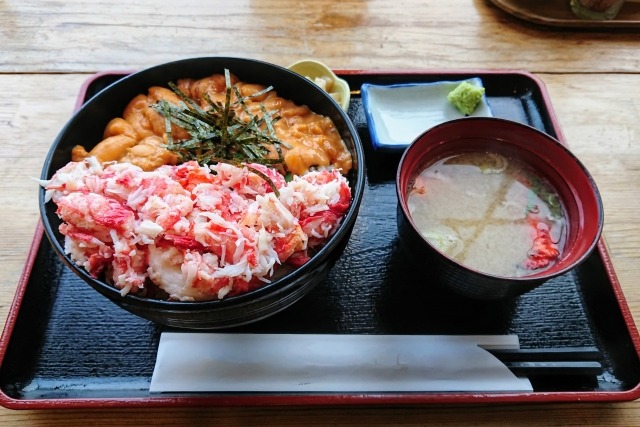
Depending on your preference, even simple cooking methods allow you to deeply enjoy the deliciousness that is King Crab’s charm.
6. King Crab Is Not a Crab?
This is a little-known fact, but biological classification shows that King Crab is not a "crab." It is actually classified as a type of "hermit crab."
The reason lies in the structure of its legs. Typical crabs (such as Zuwai and Kegani) have five pairs of legs, totaling ten legs. However, although King Crab appears similar at first glance, the last pair of legs is degenerated and unused. Therefore, in terms of leg number and body structure, it belongs to the hermit crab lineage rather than true crabs.
Nevertheless, its appearance is completely that of a crab, and its taste and way of eating are identical to crabs. Thus, generally it is treated as "crab," and most people do not notice the difference.
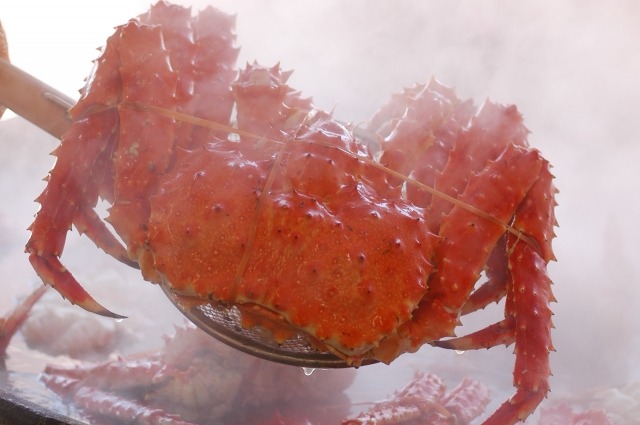
7. King Crab Is Distributed Frozen
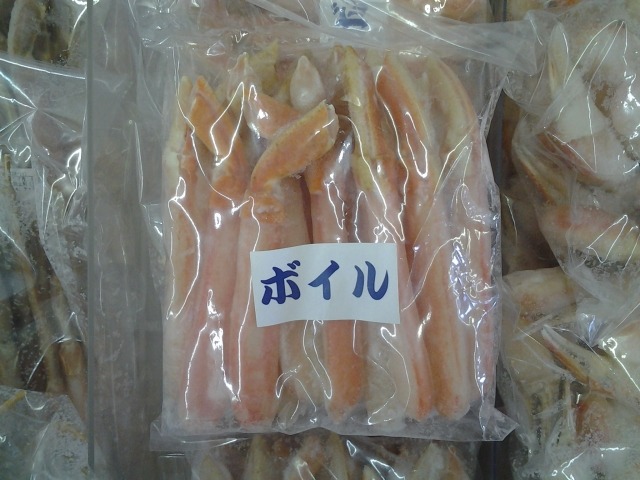
After being caught, most King Crab are immediately boiled (heated) and distributed frozen. This is because freshness deteriorates very quickly. Raw King Crab is challenging to preserve in quality and poses a risk of food poisoning, so freezing is the mainstream method for safety.
Although frozen, proper thawing barely diminishes its flavor. In fact, it offers the great advantage of stable quality year-round.
The key to delicious frozen King Crab is not to thaw it rapidly. Thawing slowly in the refrigerator prevents moisture loss and results in fluffy texture.
Frozen King Crab is also sold at markets and airports, with some offering shipping to homes or support for taking it abroad. When purchasing, it is reassuring to check the packaging quality and storage methods.
In Conclusion
King Crab is more than just a luxury ingredient. Behind it lies Japan’s winter culture, the history of fisheries, and the dedication of artisans to deliciousness. When King Crab graces the dining table, it brightens the mood and feels like the start of a special time. It has that mysterious charm.
The surprise when you first bite into its huge legs, the fragrant aroma rising from the grilled shell, and the plump texture spreading in your mouth — all these become unforgettable memories during your trip in Japan.
If you come to Japan, please experience the local gourmet food, and feel the taste, atmosphere, and culture of Japan. King Crab will surely be one of the most impressive dishes among those experiences. Please fully enjoy the taste of Japan’s winter.
Search Restaurants by Popular Cuisines

Search Restaurants by Characteristics