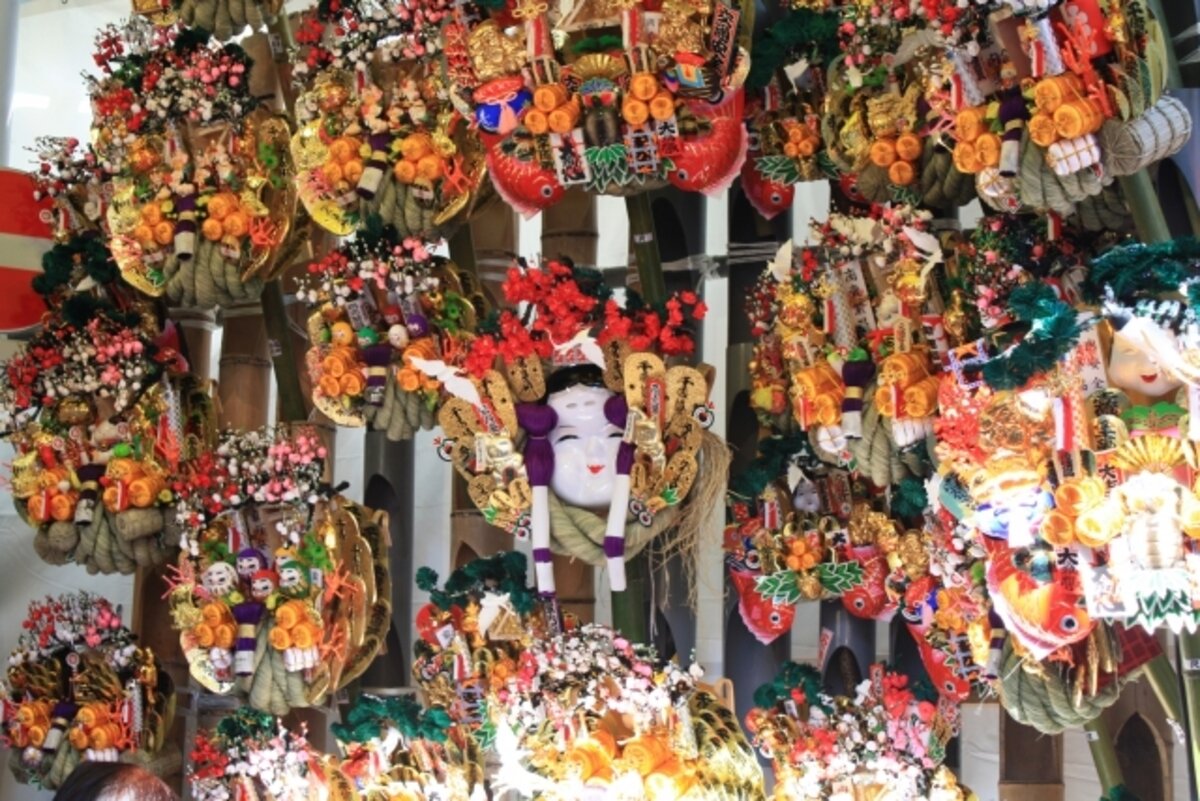
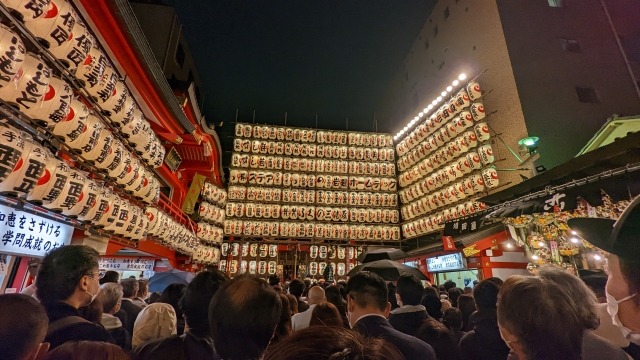
When twilight descends each November across Japan, a magical transformation happens: the lights of bustling food stalls ignite the night, vibrant cheers fill the air, and the lively spirit of Tori no Ichi comes alive. This beloved festival, celebrated at shrines throughout Tokyo and Osaka, draws crowds hoping to "rake in" good fortune and thriving business for the year ahead. Colorful wooden rake-shaped talismans adorned with lucky symbols shimmer under lantern light, while the rhythmic clapping and enthusiastic chants create an unforgettable atmosphere — a quintessential autumn experience in Japan.
Among Japan’s rich cultural traditions, Tori no Ichi uniquely embodies the vibrant hope and belief in luck that defines the season. Visitors are welcomed into a warm, spirited celebration that’s part market, part ritual, and entirely charming — perfect to include on your travel itinerary. This guide unpacks everything you need to know: the festival’s origins, dates and venues, how to join the joyful crowds, and tips for making your visit smooth and memorable.
If you’re visiting for the first time, don’t worry — we’ll walk you through practical details like how to get there, recommended attire, what to bring, and essential manners so you can soak in the magic of Tori no Ichi with confidence.
1. What is Tori no Ichi?
Every November on the "day of the rooster" according to the Chinese zodiac, shrines across Japan bustle with people gathering to wish for prosperous business, family safety, and good fortune. The name Tori no Ichi literally means "Rooster Market," and thanks to the rooster coming around once every 12 days, there are usually two or three celebrations throughout the month.
Central to the festival is the tradition of purchasing a "kumade" — a decorative bamboo rake believed to "rake in" fortune. This charming custom is especially important for business owners preparing for the new year, making the festival a must-see slice of Japanese culture filled with lively evening markets, festive stalls, and joyful rituals.
The event typically runs from dusk into the night, as the shrines and surrounding streets glow with lantern light and the scents of delightful street foods. It’s a vibrant, unforgettable way to experience authentic Japan.
2. What Are Good-Luck Charms?
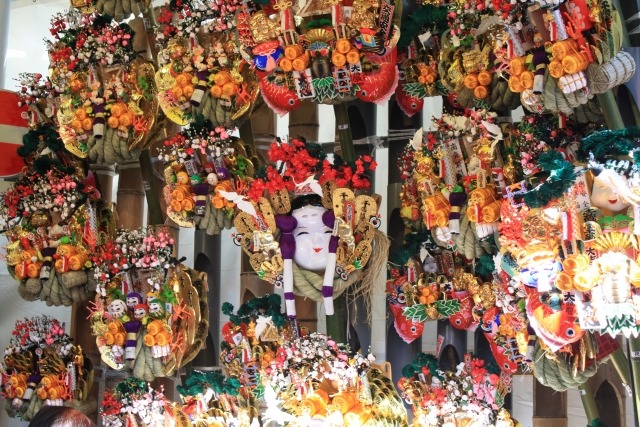
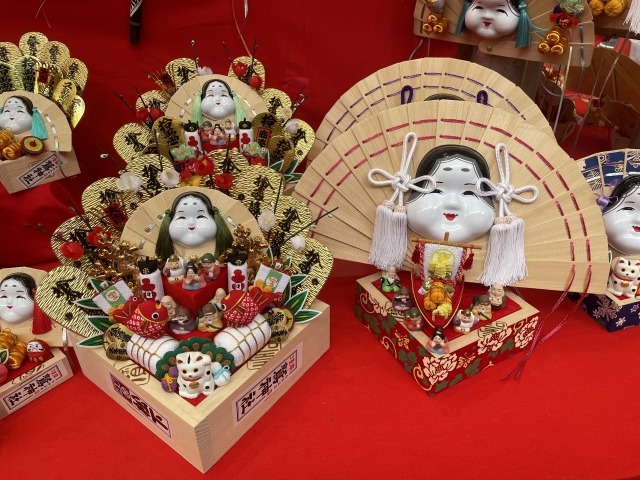
The shining stars of Tori no Ichi are the exquisite good-luck charms, especially the kumade. These come in sizes from delicate palm-sized bamboo or wood talismans to impressive, person-tall rakes, elaborately decorated with symbols like the Seven Lucky Gods, gold coins, rice bales, mallets, and treasure ships — each steeped in rich meaning.
Gold coins symbolize financial prosperity, rice bales represent abundance, and mallets invite the fulfillment of wishes. Kumade prices vary widely, ranging from a few thousand to over one hundred thousand yen, with the tradition that buying a larger kumade each year invites even more luck. When you buy one, the shop staff celebrates with spirited cries of "Bring the bamboo for prosperous business!" and a rhythmic ceremonial clap called "tejime," creating a festive bond between seller and buyer.
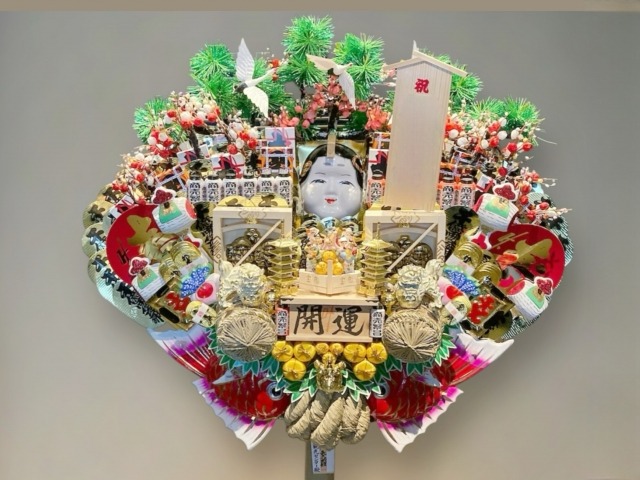
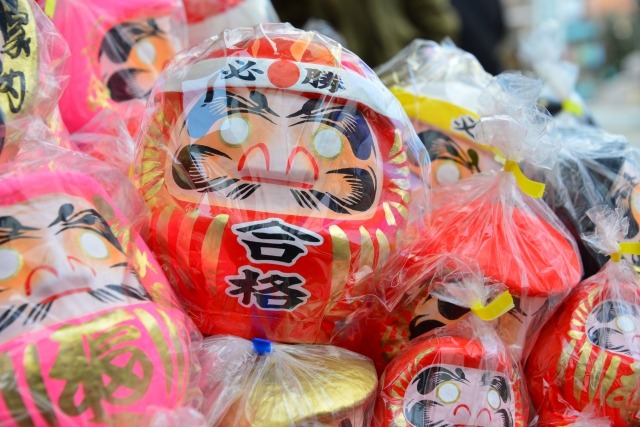
Beyond kumade, you’ll also find other traditional charms like "Okame" and "Daruma," their vivid colors and classic Japanese designs captivating visitors with their beauty and symbolic warmth.
3. Basic Information About Tori no Ichi
Event Dates
In 2025, the rooster days fall on the following dates, and Tori no Ichi festivals are held nationwide accordingly:
- First Rooster Day: Wednesday, November 12, 2025
- Second Rooster Day: Monday, November 24, 2025
Note: There will be no third rooster day in 2025.
Top Venues in Tokyo and Osaka
While Tori no Ichi festivals take place nationwide, the following four shrines are celebrated for their lively atmospheres and accessibility, making them ideal for travelers:
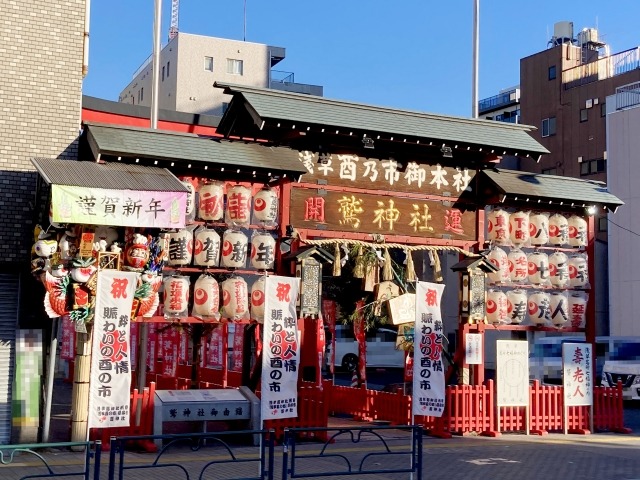
- Washi Shrine (Taito Ward, Tokyo / Asakusa)
- Hanazono Shrine (Shinjuku Ward, Tokyo)
- Okunitama Shrine (Fuchu City, Tokyo)
- Otori Taisha (Sakai City, Osaka Prefecture)
All are easy to reach and close to popular tourist spots — perfect for fitting into your sightseeing plans.
4. Highlights and What to Experience
The vibrant energy of Tori no Ichi is truly captivating. Rows of kumade stalls buzz with sellers calling out enthusiastically, "Bring the bamboo for prosperous business!" accompanied by lively ceremonial clapping. The air is filled with the tempting aromas of classic Japanese festival foods like takoyaki, yakisoba, taiyaki, and crispy karaage, offering a delicious culinary adventure.
As you wander, the glowing lanterns and festive decorations create a lantern-lit wonderland that bathes the shrine grounds in a magical glow. Some shrines also host traditional performances and sacred dances, enriching the festival with deep cultural flair and making your visit a truly immersive experience.
5. History and Origins
The roots of Tori no Ichi reach back to the early Edo period, when farmers and commoners gathered at Washi Shrine in Asakusa to celebrate a bountiful harvest and offer thanks to the gods. A popularly told legend also recounts how Minamoto no Yoritomo prayed here for victory in battle, cementing the shrine’s enduring cultural significance.
Over time, the ritual grew to include markets selling good-luck charms, evolving into today’s lively festival wishing for prosperous business. Once focused in Tokyo and the Kanto region, Tori no Ichi has blossomed into a nationwide emblem of autumn’s hopeful spirit.
6. Getting There (Shrine-by-Shrine)
Washi Shrine (Taito Ward, Tokyo / Asakusa)
- Closest stations: Tokyo Metro Hibiya Line "Iriya Station" (7-minute walk), JR "Uguisudani Station" (15-minute walk)
- Also within walking distance from Asakusa’s Sensoji Temple, making it easy to combine the visits.
Hanazono Shrine (Shinjuku Ward, Tokyo)
- Closest stations: Tokyo Metro Marunouchi Line "Shinjuku-sanchome Station" (2-minute walk), JR "Shinjuku Station" (7-minute walk)
- Located near central Shinjuku, ideal for stopping by amidst sightseeing or shopping.
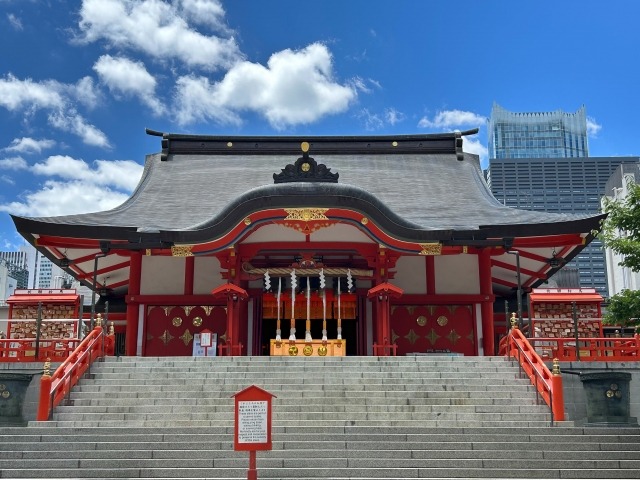
Okunitama Shrine (Fuchu City, Tokyo)
- Closest stations: Keio Line "Fuchu Station" (5-minute walk), JR Nambu Line / Musashino Line "Fuchu-Hommachi Station" (10-minute walk)
- About 30 minutes from central Tokyo, surrounded by peaceful natural scenery.
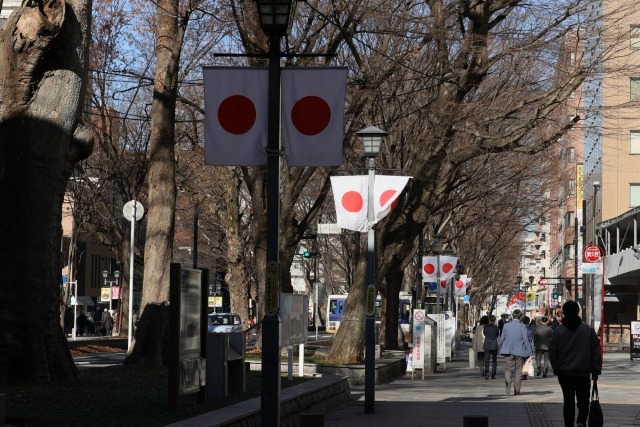
Otori Taisha (Sakai City, Osaka Prefecture)
- Nearest station: Nankai Koya Line "Sakaihigashi Station" (10-minute walk)
- About 30 minutes from Osaka city center, a beloved local festival with a welcoming, homey vibe.
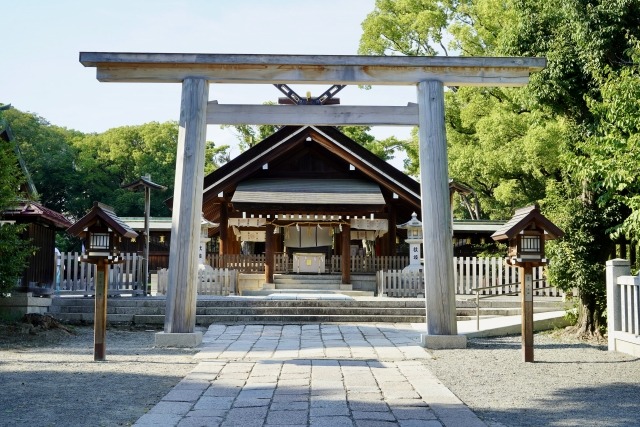
7. Tips for Enjoying Tori no Ichi
Recommended Venues
- Washi Shrine’s kumade stalls stay vibrant late into the night, especially around midnight when the festival buzzes with energy.
- Hanazono Shrine features lively street performances and entertainment within its grounds for a rich cultural experience.
Check official websites ahead for special events like "Kumade Contests" or traditional dances that may be scheduled during your visit.
What to Wear
November evenings in Japan can be chilly. Dress in layers — think long sleeves, a warm jacket or coat, and comfortable shoes to navigate the lively festival grounds filled with food stalls and crowds.
Essential Items to Bring
- Cash — most vendors prefer cash over cards or electronic payments.
- An eco-friendly bag to carry your purchases like small kumade charms.
- Extra mobile battery — the festival’s charm makes you want to capture plenty of photos, especially at night.
- Warm accessories such as gloves and scarves to stay cozy during chilly nights.
8. Etiquette and Important Reminders
Photography Tips
Respect the privacy and cultural significance of the festival. At kumade stalls and during shrine rituals, photography might be restricted. Always look for posted signs or politely ask vendors before taking photos. When photographing people, remember to seek their permission.
Managing Crowds
Peak hours usually fall between 7 p.m. and 10 p.m., especially on the first rooster day and Fridays or Saturdays. Venues can get very crowded, with some nearby stations managing heavy influxes. To enjoy a more relaxed experience, consider arriving early.
Navigating the Festivities
Avoid lingering in crowded areas and keep moving with the flow of people. Hold your kumade carefully to prevent bumping into others. If you’re with young children or elderly family members, visiting during less congested times is safer and more comfortable.
Cleanliness
Trash bins may be limited, so it’s best to take any food wrappers or drink containers home with you or dispose of them at your accommodation.
9. Nearby Attractions to Enhance Your Visit
Each festival venue is surrounded by wonderful sights, perfect for exploring before or after the festivities. Here are our top picks for easy add-ons to your itinerary:
Washi Shrine — Taito Ward, Tokyo / Asakusa
Sensoji Temple: Tokyo’s oldest temple, famous for its iconic Kaminarimon Gate and bustling Nakamise shopping street full of traditional snacks and souvenirs — a must-visit for any traveler.
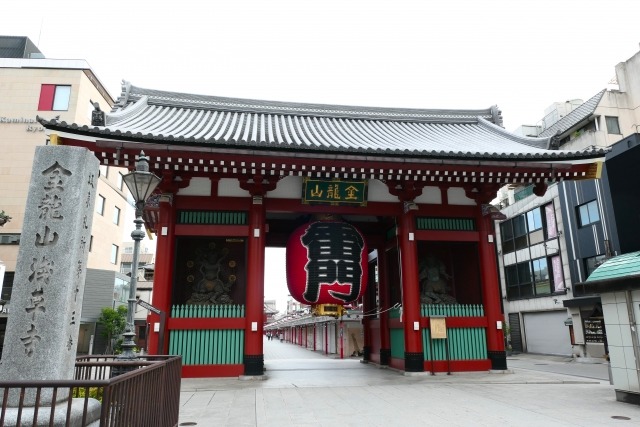
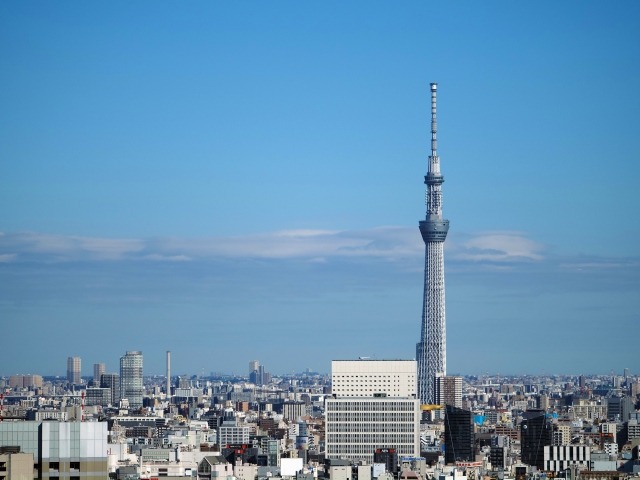
Tokyo Skytree: Japan’s tallest tower offers breathtaking panoramic views, especially stunning at night. It complements a visit to Tori no Ichi perfectly and is just a short walk or train ride away.
Hanazono Shrine — Shinjuku Ward, Tokyo
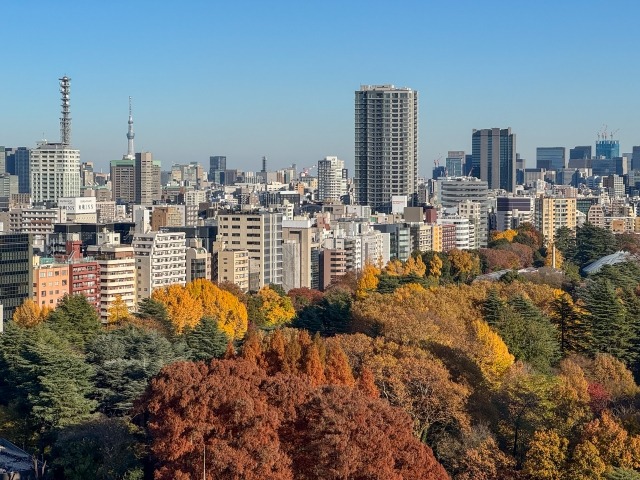
Shinjuku Gyoen: A peaceful green oasis in the heart of bustling Tokyo known for its breathtaking autumn foliage — an ideal place to unwind.
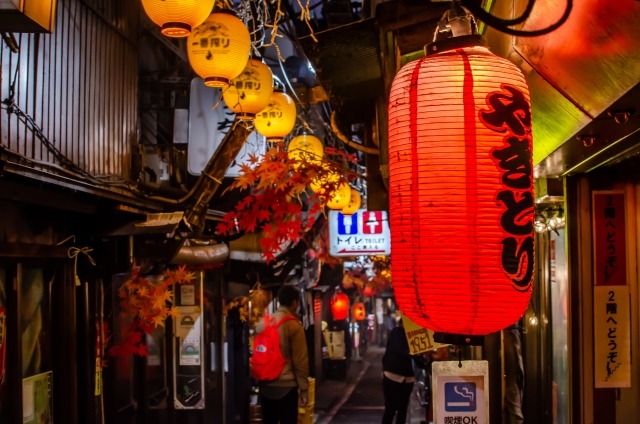
Omoide Yokocho: Step back in time in this charming street lined with tiny eateries serving yakitori and hearty motsuni stew — especially lively at night, it’s a great spot for authentic local flavors.
Okunitama Shrine — Fuchu City, Tokyo
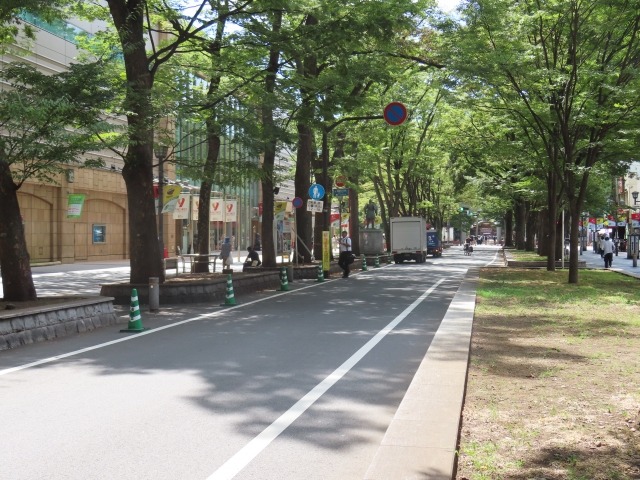
Keyaki Namiki Street: Enjoy a serene stroll through this golden avenue of autumn leaves — a perfect way to relax before or after witnessing the festival energy.
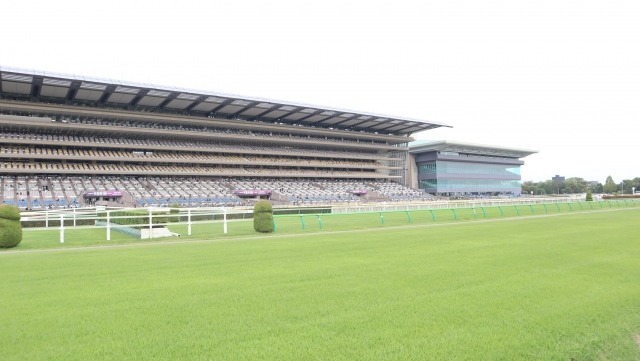
Tokyo Racecourse: Just a short walk away, catch exciting horse races or enjoy events and the diverse food stalls on race days — a fun cultural treat.
Otori Taisha — Sakai City, Osaka Prefecture
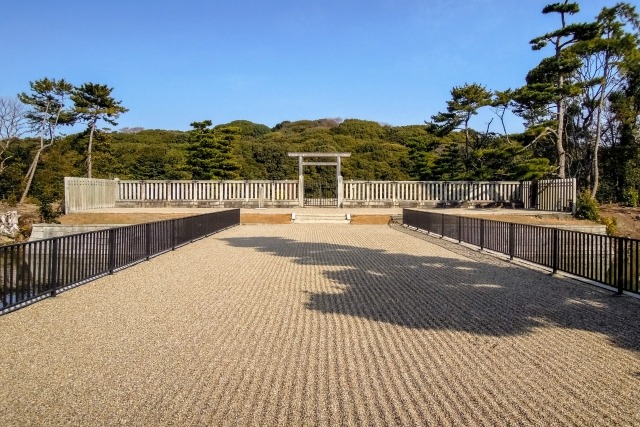
Emperor Nintoku’s Tomb (Daisen Kofun): Explore this vast ancient burial mound, a designated World Heritage Site, surrounded by informative exhibits and scenic viewpoints showcasing Japan’s rich history.
Sakai Traditional Industry Hall: Discover traditional crafts like Sakai knives and fragrant incense through interactive displays — a rewarding stop for unique souvenirs.
In Conclusion
Tori no Ichi offers an enchanting glimpse into Japanese culture — a festival alive with passion, hope, and tradition. From the dazzling kumade decorations and spirited rhythmic clapping to the glowing lantern-lit shrine grounds and the heartfelt wishes of visitors, it’s an experience resonating with warmth and meaning.
As the year draws to a close, why not embrace a little extra luck? Holding your own kumade and immersing yourself in this lively celebration could be the perfect way to welcome good fortune.
Vibrant, heartfelt, and uniquely Japanese — Tori no Ichi awaits you this autumn 2025. Don’t miss the chance to create unforgettable memories at one of Japan’s most captivating festivals.
Search Restaurants by Destination

Search Restaurants by Popular Cuisines