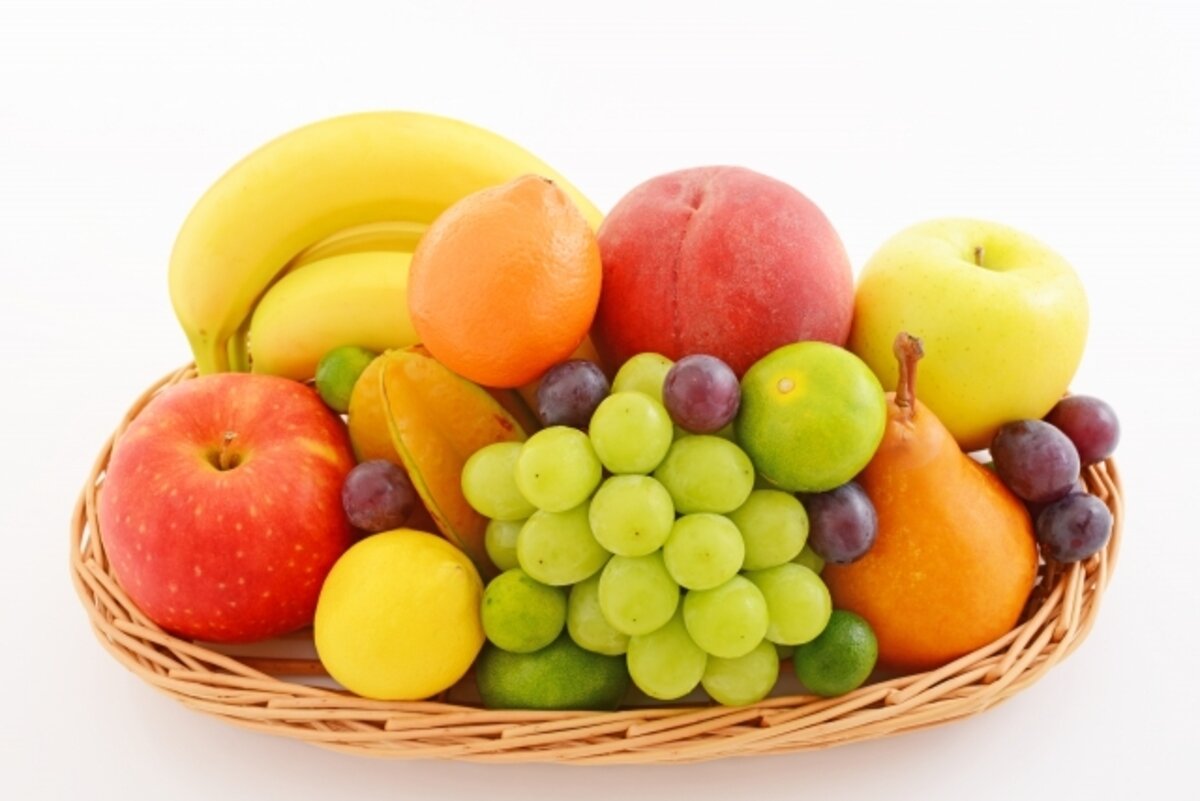
One of the unmissable delights when visiting Japan is undoubtedly its extraordinary fruits. From neatly arranged, jewel-like displays in department store basements and supermarkets to the unforgettable joy of picking your own fresh fruit at local farms, every aspect reflects Japan’s unique dedication to quality and the celebration of each season.
In this article, we dive deep into the fascinating cultural background of Japanese fruits, explore the distinctive characteristics of each variety, reveal their peak seasons and regions, uncover the secrets behind Japan’s luxury fruit market, and share the magic of fruit picking experiences. You’ll also learn how Japanese fruits truly stand apart from fruits around the world.
Among all the unforgettable culinary experiences you can savor during your travels, Japanese fruits promise to leave a lingering, extraordinary impression on your taste buds. To make your journey even sweeter, join us as we explore the world of fruits in Japan.
1. What Are Japanese Fruits?
In Japan, fruits transcend being just ingredients. Some are enjoyed as everyday treats, but many carry special meanings—as cherished gifts, rewards, or seasonal delights that celebrate the passage of time.
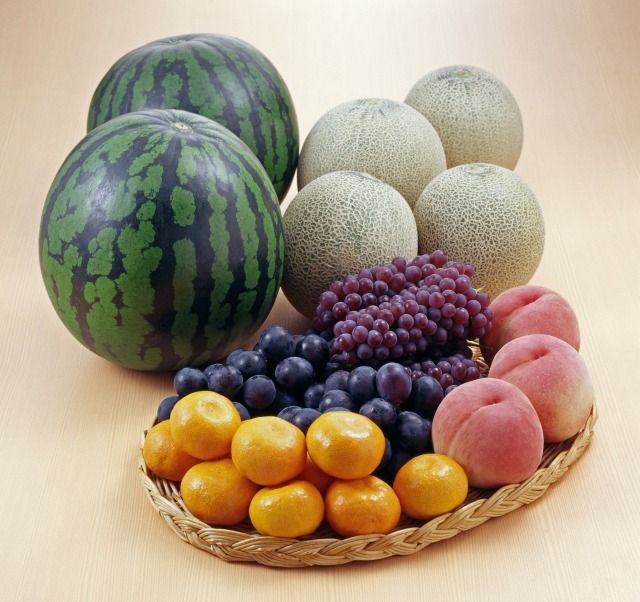
For example, premium melons and grapes are exquisitely packaged and given as elegant presents during year-end and mid-year gift-giving seasons. Japan’s four distinct seasons have fostered a rich culture that treasures the experience of savoring fruits at their absolute peak.
Moreover, the joyful experience of fruit picking—harvesting your own fresh fruit straight from the tree or vine—is a popular and immersive way to connect with Japan’s nature and food culture. Eating, seeing, and experiencing fruits firsthand offers a captivating gateway to truly understanding Japan.
2. Characteristics of Japanese Fruits
Japanese fruits are renowned for an unwavering commitment to outstanding quality. From meticulous farming techniques and innovative breeding to rigorous quality inspections at markets, every step is focused on delivering maximum deliciousness and visual perfection.
You’ll notice Japanese fruits are perfectly shaped, radiantly colorful, satisfyingly heavy, and bursting with aroma. When you take a bite, the sweetness and juiciness instantly flood your senses. This excellence is no accident but the result of dedicated practices:
- Care for each individual berry or bunch: For instance, grapes and cherries are deliberately limited in quantity per tree to boost sugar concentration.
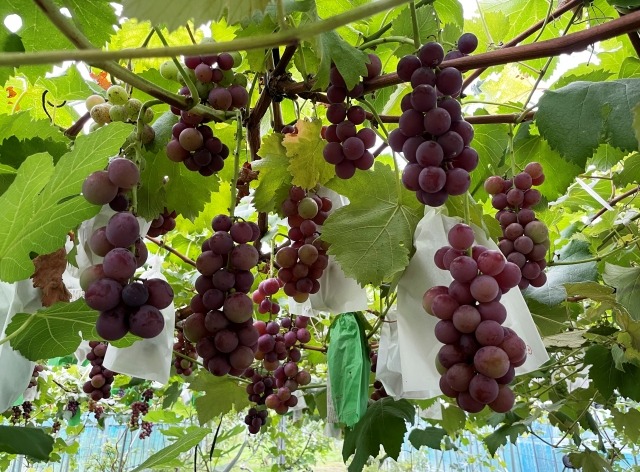
- Hands-on quality protection: Farmers often bag each fruit to shield it from wind, insects, and blemishes.
- Seasonal celebration: There is a strong tradition of enjoying fruits only at their true peak, making every bite special.
- Visual beauty matters: Especially for gift fruits, only specimens meeting the strictest shape and size standards reach the market.
Thanks to this dedication, Japanese fruits are prized for their superior quality—and often come with a higher price tag. Yet, for those yearning for a luxurious taste experience, they are truly worth every yen.
3. Types, Seasons, and Production Areas of Japanese Fruits
Let’s explore some of the iconic Japanese fruits, their unique features, when to enjoy them, and where they shine in Japan.
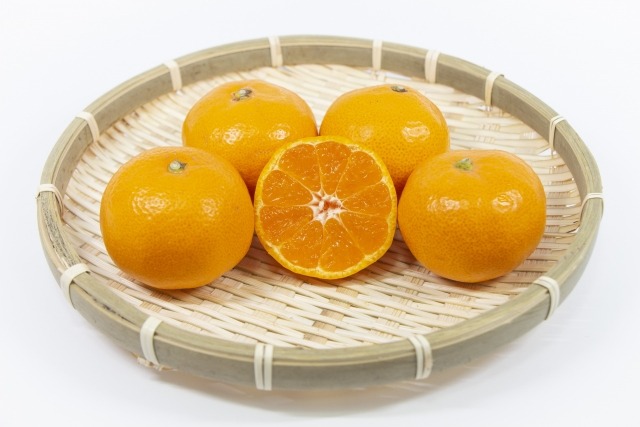
Mikan (Mandarin Orange)
- Peak season: November to January
- Main production areas: Wakayama, Ehime, Shizuoka
Mikan represents quintessential Japanese winter fruit, boasting a perfect harmony of sweetness and gentle tartness. Its thin, easy-to-peel skin makes it a favorite snack, with Wakayama's famous “Arita Mikan” celebrated nationwide.
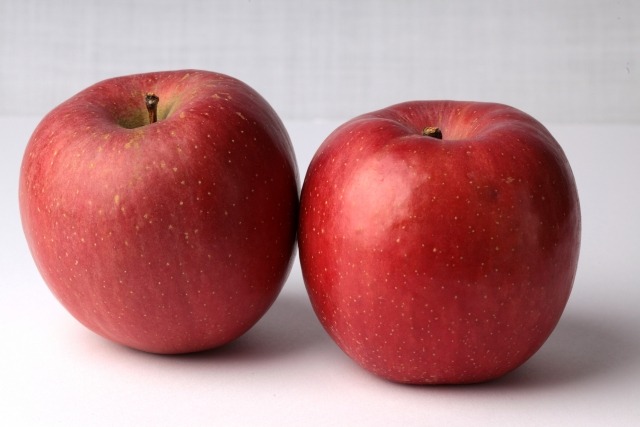
Apple
- Peak season: October to December
- Main production areas: Aomori, Nagano
Japanese apples are renowned for their crispness and distinctive flavor profiles that vary by variety. Aomori Prefecture produces over half of Japan's apples, including beloved varieties like “Fuji” and “Orin.”
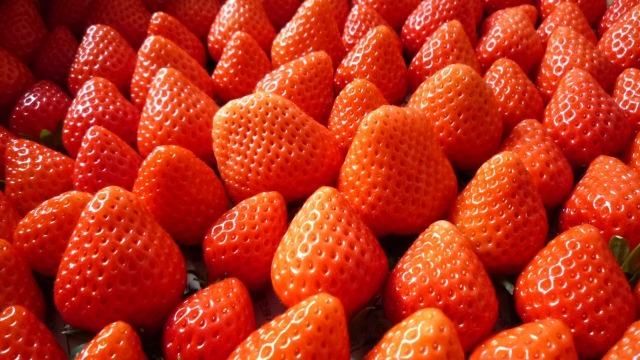
Strawberry
- Peak season: December to April
- Main production areas: Fukuoka (Amaou), Tochigi (Tochiotome), Shizuoka
Japanese strawberries stand out for their large size, intense sweetness, and charming appearance. The “Amaou” variety, rich in balanced sweetness and acidity, has earned international acclaim.
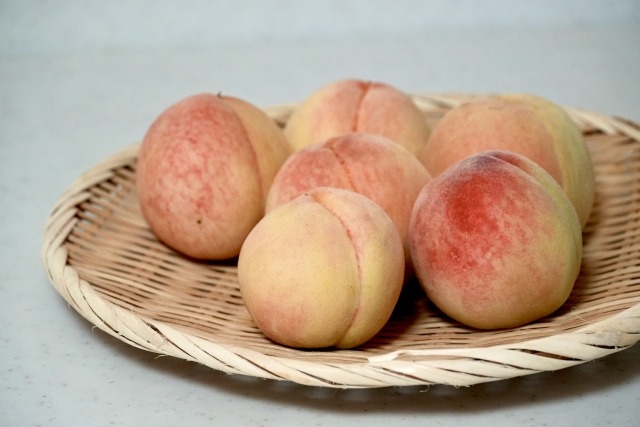
Peach
- Peak season: July to August
- Main production areas: Yamanashi, Fukushima, Okayama
Japanese peaches are known for their fragrant aroma and juicy sweetness. Yamanashi Prefecture, famous for varieties like “Hakuhou” and “Kawanakajima Hakuto,” offers peaches that literally melt in your mouth.
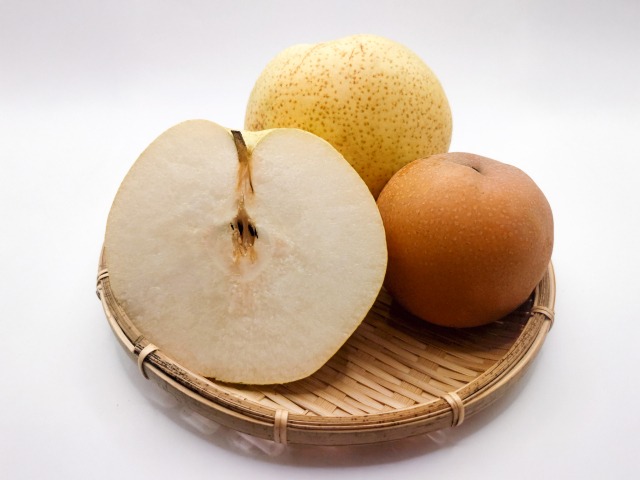
Pear
- Peak season: August to October
- Main production areas: Chiba, Tottori, Fukushima
Known locally as “Washi,” Japanese pears feature a crisp texture and are bursting with juice, perfect for refreshment during the warmer months.
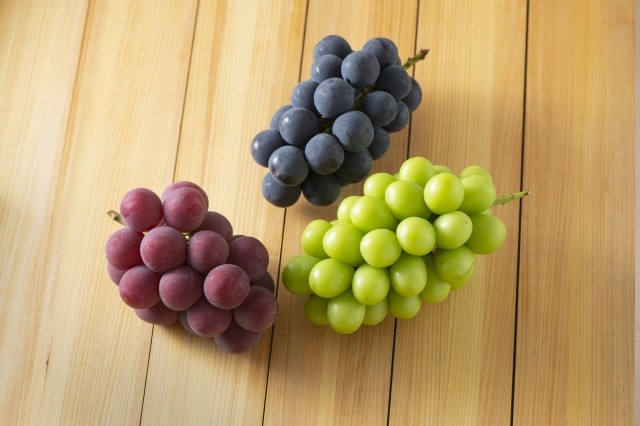
Grape
- Peak season: August to October
- Main production areas: Yamanashi, Nagano, Okayama
The recently trending “Shine Muscat” grapes, eaten with their skin and seedless, are prized for their exceptional sweetness. Varieties like “Kyoho” and “Pione” also remain popular choices, often featured in fruit-picking adventures.
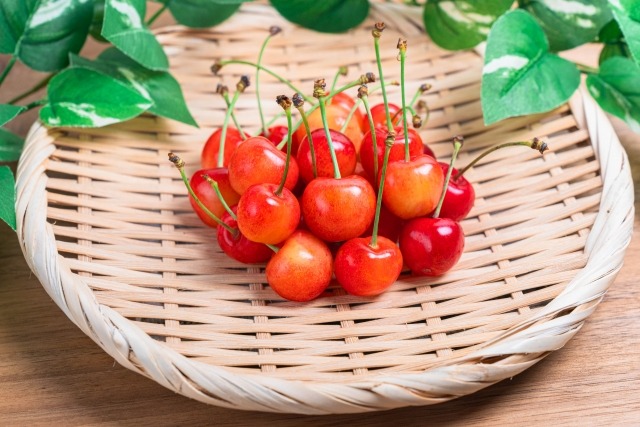
Cherry
- Peak season: June to July
- Main production area: Yamagata
Japanese cherries, especially the luxurious “Sato Nishiki” variety, shine like red jewels with a delicate balance of sweetness and tartness, making them favored gifts.
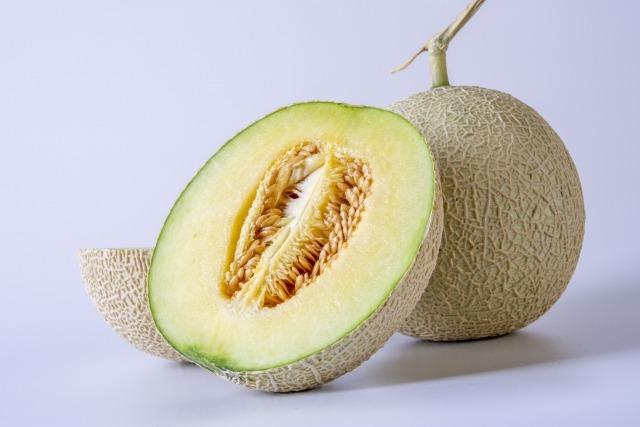
Melon
- Peak season: June to August
- Main production areas: Shizuoka, Ibaraki, Hokkaido
The famed “Crown Melon,” nurtured in carefully controlled greenhouses by growing only one fruit per tree, boasts an exquisitely creamy texture and rich fragrance—truly a luxury fruit.
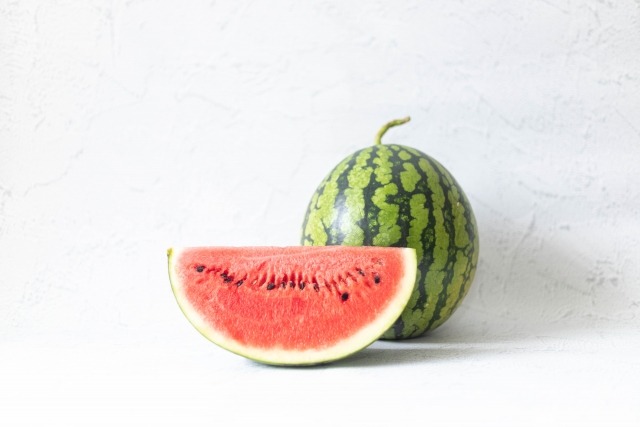
Watermelon
- Peak season: July to August
- Main production areas: Kumamoto, Tottori, Niigata
A summer icon, Japanese watermelons are celebrated for their intense sweetness and crisp bite. Remarkably, some farms even grow square watermelons, making for a fun souvenir.
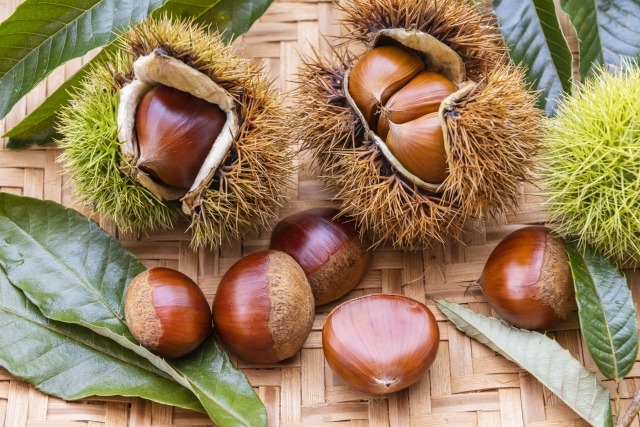
Chestnut
- Peak season: September to November
- Main production areas: Kumamoto, Ibaraki, Ehime
Beyond fresh fruit, chestnuts enrich Japanese sweets and cooking. Autumn-special “Rihei Chestnuts” are treasured luxury treats.
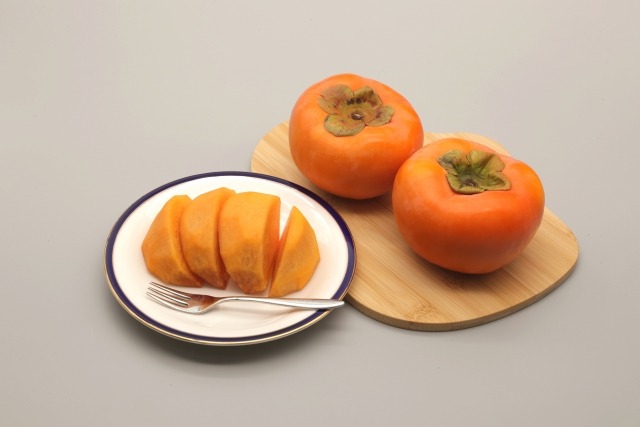
Persimmon
- Peak season: October to November
- Main production areas: Nara, Wakayama, Gifu
The seedless “Fuyu Persimmon,” eaten fresh, offers a soft texture and luscious sweetness—an iconic flavor of Japanese autumn.
4. Discovering Japanese High-End Fruits
What makes Japanese fruits true luxury items? It’s the extraordinary care in cultivation and a culture that respects and elevates fruit to art.
Some melons can cost over 10,000 yen each, and premium Shine Muscat grapes fetch prices of several thousand yen for just a handful. These fruits are gifts or meant for special celebrations and are aptly called “jewels of fruit.”
Luxury fruits impress not only with their dazzling appearance but also impeccable sweetness and flavor. Shipment occurs only when strict sugar content, size, and shape criteria are met, reflecting the devotion of their growers.
You’ll find these exquisite treasures beautifully packaged and displayed in department store basements and specialty fruit boutiques, where they captivate shoppers like works of fine art.
5. The Joy of Japanese Fruit Picking
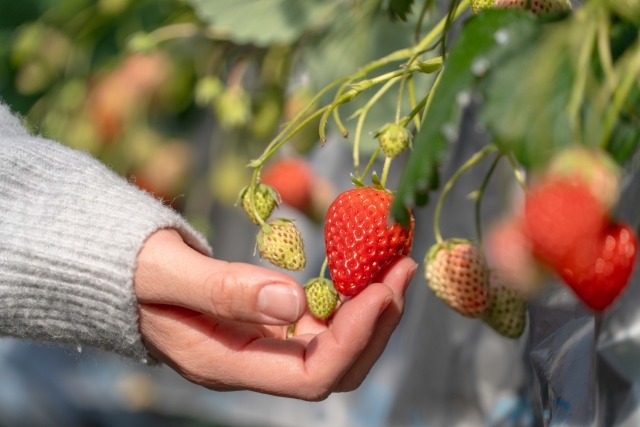
Japan offers a unique opportunity to not just enjoy fruits but also handpick them yourself. Strawberry, grape, and apple picking are popular seasonal activities attracting locals and travelers alike.
The thrill of selecting ripe, juicy fruit straight from the tree and savoring it on-site is unmatched. Many farms add to the fun with all-you-can-eat plans, sweet treats, and family-friendly activities.
Reservations are often needed, but increasingly there are farms offering foreign language support and easy online bookings, especially in rural tourist spots. Fruit picking is a perfect, memorable activity to enrich your Japan travel experience.
6. How Japanese Fruits Differ from Overseas Fruits
While fruits can be found worldwide, Japanese varieties have evolved with unique qualities that set them apart.
Japan's fruits are celebrated for their flawless appearance and consistently high quality. Careful cultivation and stringent selection mean each piece looks picture-perfect with minimal variation.
A special emphasis on sweetness drives farming techniques like thinning fruit and optimal sunlight exposure to maximize sugar content, resulting in distinctively flavorful produce.
Moreover, whereas fruits in many countries are everyday staples, in Japan they occupy a cherished place in gift-giving and luxury markets—reflecting a cultural reverence that elevates their value.
Taste, quality, price, and cultural significance combine to give Japanese fruits a unique and alluring identity on the global stage.
7. Where to Enjoy Fruits in Japan?
Wondering where to taste these delightful fruits during your trip?
Japan offers many wonderful spots to enjoy fruits—whether you want to buy and savor them fresh, indulge in exquisitely prepared fruit desserts, or pick them yourself straight from the source.
Choosing the right place to experience fruits will enrich your travel adventure and satisfy your fruit cravings.
Department Stores & Luxury Fruit Specialty Shops
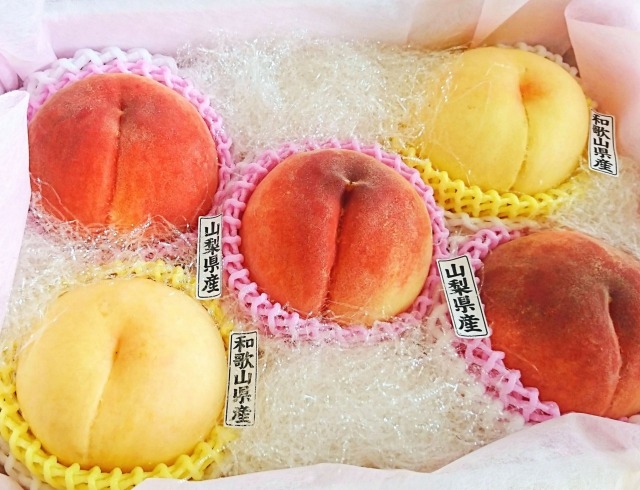
In cities like Tokyo and Osaka, department store basements (“depachika”) showcase luxury fruits arranged like precious jewels. Notable stores such as “Sembikiya” and “Takano Fruit Parlor” offer a genuine taste of Japan’s refined fruit culture.
These fruits make exquisite gifts, and you can also purchase carefully packaged cut pieces to enjoy or take home with peace of mind.
Supermarkets & Convenience Stores
For everyday fruit enjoyment, supermarkets are great, especially in rural areas where you can find fresh, local, and seasonal fruits at affordable prices. Easy-to-eat cut fruits and fruit jellies are perfect for a quick treat at your hotel.
Convenience stores also carry a variety of fruit-based desserts, sweets, and juices, making it simple and convenient to experience Japanese fruit flavors anytime.
Fruit Parlors, Cafés & Hotel Buffets
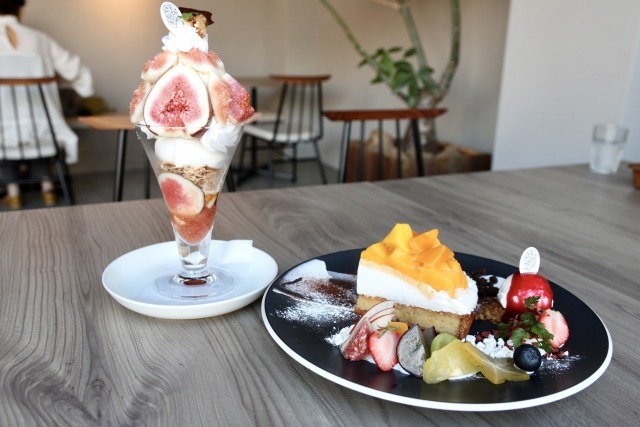
If you want to indulge in beautifully crafted fruit desserts, specialty fruit parlors and cafés are your go-to spots. Seasonal delights like strawberry parfaits, melon shortcakes, and tarts offer a feast for both the eyes and palate.
Don’t miss limited-time seasonal menus that perfectly match the timing of your visit. High-end hotel buffets frequently highlight regional fruits, giving you a chance to taste an impressive variety of high-quality fruits in one setting.
Fruit Farms (Fruit Picking)
During fruit seasons, many farms welcome visitors to pick fruits themselves and enjoy them fresh on-site. Strawberry, grape, and apple picking are especially popular, with some offering all-you-can-eat plans to satisfy your sweet tooth.
In rural tourist areas, experiential tours that combine fruit picking with cultural activities are growing in popularity, making for unforgettable travel memories. Many farms now provide English and other language support, and online reservations are easier than ever.
Roadside Stations & Direct Sales Shops
If you’re driving through Japan's countryside, roadside stations and local farmer’s markets are treasure troves for freshly harvested fruits sold at bargain prices. You might even find rare, regional varieties here.
Fruits often come labeled with the grower’s name, making it easy to appreciate the pride and care behind your purchase. These spots are ideal for those who want to savor authentic local flavors.
Airport and Train Station Souvenir Shops
As your trip winds down, pick up delicious fruit souvenirs at airports or Shinkansen stations. Items like dried fruits, fruit jellies, and fruit-based sweets are easy to pack and last longer.
Because fresh fruits often face strict export regulations, double-checking before purchasing fresh produce ensures hassle-free travel home.
In Conclusion
Japanese fruits offer much more than just delightful flavors. They embody the blessings of every season, the intimate culture of each region, and the heartfelt dedication of passionate farmers.
The painstaking care lavished on each fruit, the evolving flavors with the seasons, and the joy of harvesting your own—these experiences become treasured memories that stay with you long after your journey ends.
Be sure to enjoy the freshest local fruits wherever your travels take you in Japan, and consider taking some exquisite favorites home as tasteful souvenirs. Within each fruit lies not just flavor, but a story of Japanese culture and heartfelt craftsmanship.
Experience the harmony of Japanese fruit culture and nature through all of your senses—your adventure awaits!
Search Restaurants by Popular Cuisines