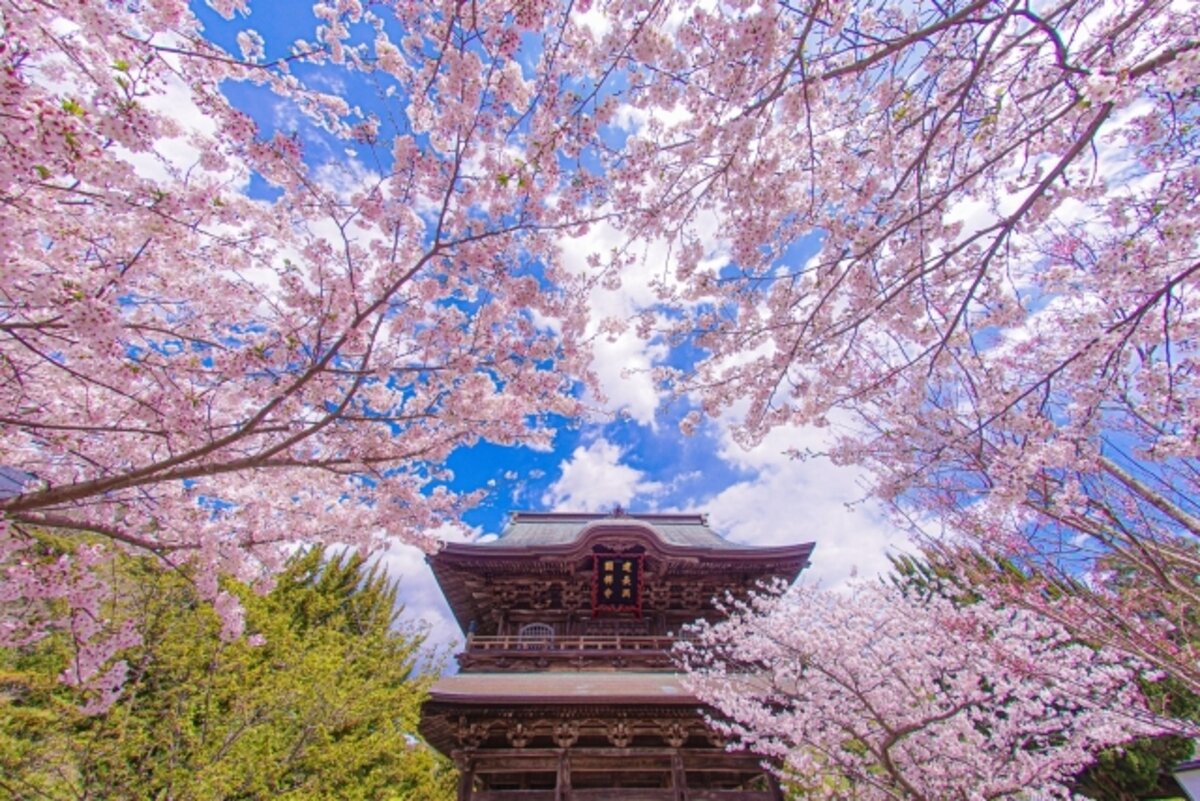
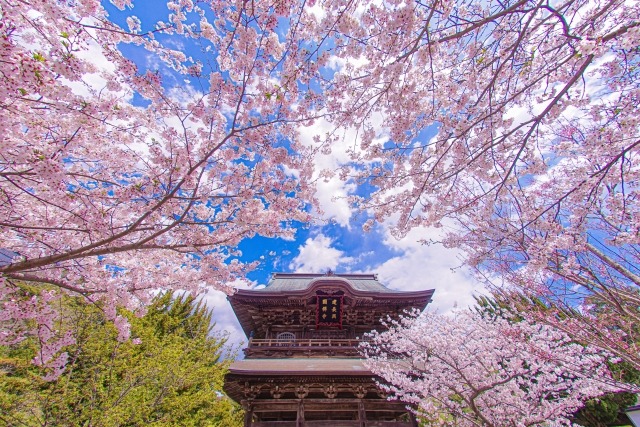
Spring in Kamakura is the season when Japanese history and natural beauty harmonize most perfectly. While maintaining the tranquility of the ancient city, cherry blossoms bloom profusely throughout the temples, mountains, sea, and streets, offering visitors a peaceful and profound experience of springtime. The greatest charm of Kamakura’s cherry blossoms lies not only in their brilliance but also in the atmosphere rooted in samurai culture and the Japanese aesthetic sense that coexists with nature. This article comprehensively introduces Kamakura’s origins, reasons to enjoy the cherry blossoms, representative cherry blossom spots, and practical points for visiting.
1. What kind of place is Kamakura?
Kamakura is located in the southern part of Kanagawa Prefecture and became the center of Japan’s first samurai government when Minamoto no Yoritomo established a shogunate there at the end of the 12th century. While serving as the political core, its geography, surrounded on three sides by mountains and open to the sea in the south, made it easy to defend against external enemies and allowed a lifestyle deeply connected to nature.
Today, Kamakura is about an hour by train from Tokyo but maintains a calmness different from the hustle and bustle of the city. Historic shrines and temples are scattered in the town center, and a short trip reveals bamboo groves, hiking courses, and coastlines such as Yuigahama and Zaimokuza. These environments make Kamakura a special destination to experience the natural beauty of each season.
2. Reasons to enjoy cherry blossoms in Kamakura
The reason Kamakura’s cherry blossoms are special is not simply because there are many of them. It is the places where the cherry blossoms bloom and the cultural and scenic backgrounds that create an extremely Japanese harmony.
First is the combination with historical buildings. Cherry blossoms have always been planted close to places of people’s prayers and faith, such as shrine approach paths, temple gates, and precincts surrounding Buddhist statues. Second is the unity with natural terrain. Cherry blossoms are scattered not only on flat land but also on mountain slopes and terrains called yatō, showing different expressions from various viewpoints.
Furthermore, Kamakura’s cherry blossoms evoke quietness more than flamboyance. Unlike the culture centered around night cherry blossom viewing and parties, the main experience is walking, praying, and receiving cherry blossoms as part of the landscape. This modest and introspective way of enjoyment makes Kamakura’s spring special.
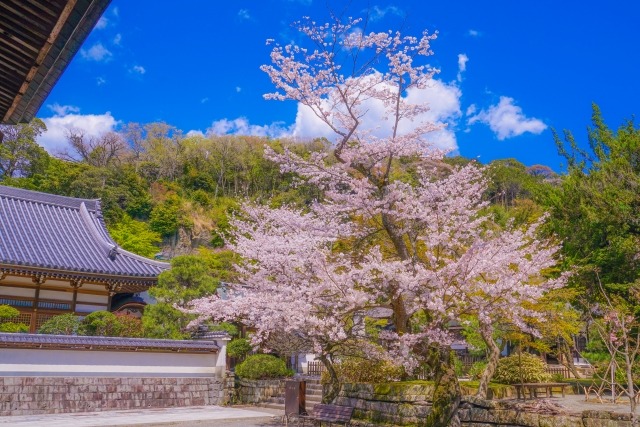
3. Cherry blossom spots in Kamakura
・Tsurugaoka Hachimangu Shrine
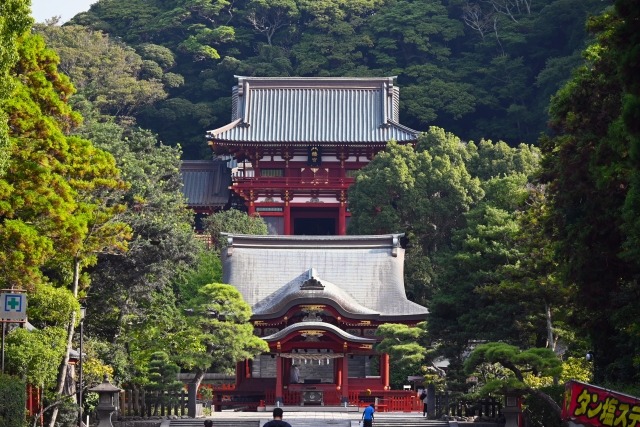
This shrine symbolizes Kamakura and is the most famous cherry blossom spot. Especially, the approach path called Dankazura in the center of Wakamiya-Oji becomes a tunnel of cherry blossoms in spring, allowing you to fully feel Japanese spring just by walking slowly. As you proceed to the main shrine, the view opens up, creating a spiritual uplift along with the cherry blossoms.
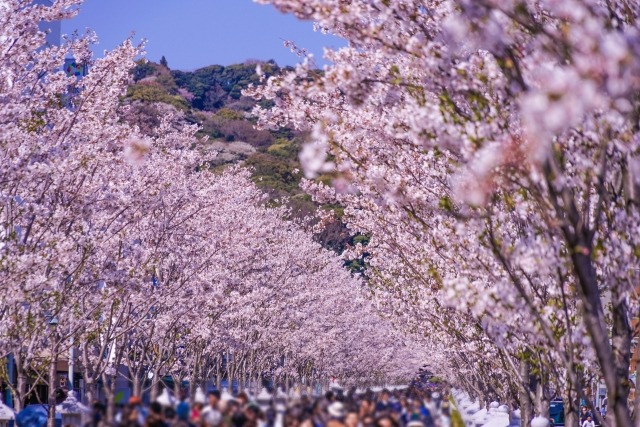
・Kōtoku-in (Great Buddha Hall)
At Kōtoku-in, known for the Great Buddha of Kamakura, the cherry blossoms blooming around the enormous statue are impressive. Against the blue sky, the quietly seated Buddha and the pale cherry blossom pink create a unique scenery not seen elsewhere. The precincts are relatively open, allowing you to enjoy Kamakura-like spring scenery even during a short visit.
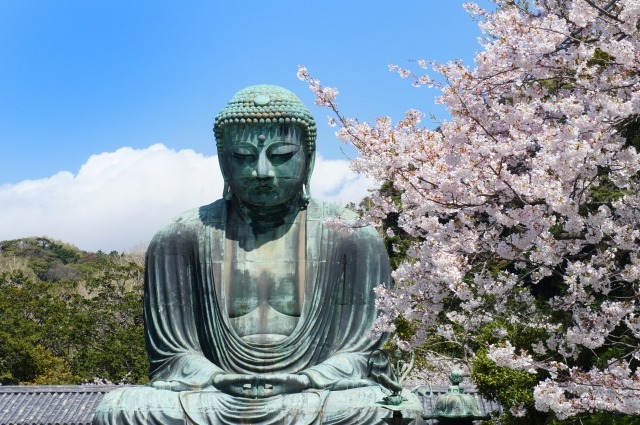
・Hasedera Temple
Known as the "flower temple," Hasedera shows a variety of expressions in the cherry blossom season. The precincts have height differences, and you can overlook Sagami Bay from above. The characteristic feature is enjoying the cherry blossoms and the sea simultaneously, emphasizing visual expansiveness and openness. The route around the precinct itself is completed as a spring walking path.
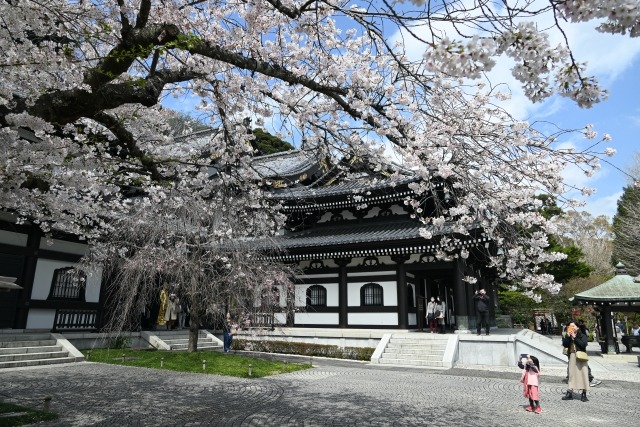
・Genjiyama Park
Located a little away from the city, Genjiyama Park is suitable for those who want to enjoy cherry blossoms in nature. As you advance along the mountain path, the view opens up, and you arrive at a plaza surrounded by cherry blossoms. This adds a small adventure element to your trip. It offers a rustic and wild hanami experience different from urban parks.
・Kōsoku-ji Temple
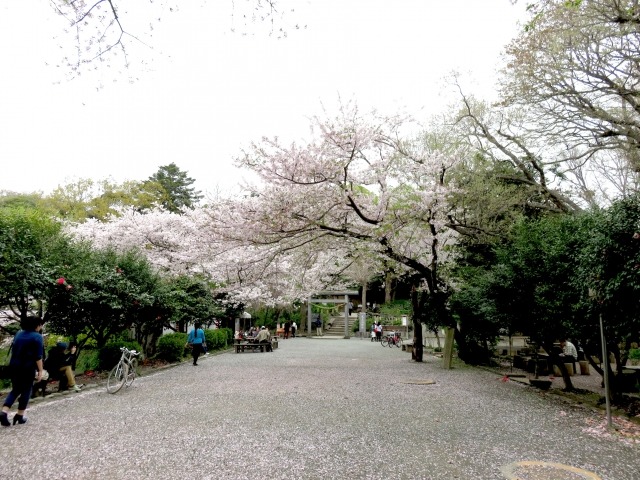
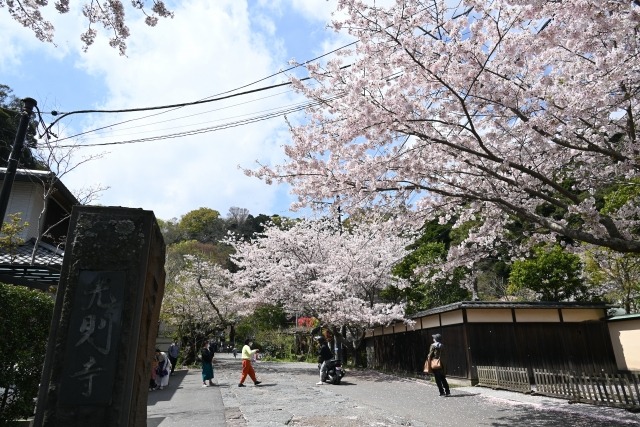
A small temple located in the Hase area, it is a place where you can enjoy cherry blossoms relatively quietly. Without flashy decorations, the garden, buildings, and cherry blossoms blend naturally. It is suitable if you want to feel spring slowly, one step away from the crowds.
4. Points when visiting Kamakura
・Best timing
Kamakura’s cherry blossoms usually reach their best viewing period from late March to early April. Since weekends tend to be crowded, visiting on weekdays or early mornings is recommended if possible. Cherry blossoms viewed in the soft morning light have exceptional color and atmosphere.
・What to bring
Since you often walk long distances, comfortable shoes are essential. Because temperatures can vary greatly in early spring, a light jacket is helpful. Also, when visiting temples and shrines, it is important to have a mindset that respects the quiet environment, which is also an important preparation.
・Recommended activities
During the cherry blossom season, combining sightseeing at famous spots with breaks at cafes or walks along hiking courses can make for a truly Kamakura-like day. Walking with cherry blossoms in the background offers deep satisfaction the longer you take your time.
5. Access information
The most common way to get to Kamakura from Tokyo is by using the JR Yokosuka Line or Shonan-Shinjuku Line. Starting from Kamakura Station, you can reach many cherry blossom spots on foot or by using the Enoden train. Traveling by Enoden itself becomes a sightseeing experience, and the scenery along the line is full of spring vibes.
6. Hanami manners
When enjoying cherry blossoms in Kamakura, it is essential to respect the calm atmosphere unique to the area. Kamakura is not only a tourist destination but also a town where people’s lives and faith continue, and many cherry blossoms bloom near temples, shrines, residential areas, and local roads. Therefore, a mindset different from general hanami in public parks is required.
At many Kamakura cherry blossom spots, hanami aimed at parties is not expected. It is preferable to refrain from spreading leisure sheets for long stays or gatherings involving food and drinks. Especially in temple and shrine precincts, cherry blossoms are treated as part of the sacred space, and quiet appreciation is fundamental.
Attention is also required when taking photographs. Avoid blocking pathways or entering restricted areas, and always check local guidance about tripod usage. When photographing people, consideration for those around you is necessary.
Regarding trash, taking it home is basic. There are few trash cans in Kamakura from the perspective of preserving the scenery, and individual awareness is important to protect the landscape where petals flutter. Near cherry blossom rows close to residential areas, be mindful of noise early in the morning and late in the evening, and take care not to disturb daily life in the community.
7. Recommended sightseeing spots in Kamakura
If you visit Kamakura during the cherry blossom season, combining cherry blossom spots with nearby sightseeing sites allows you to experience Kamakura’s charm more three-dimensionally. Below are representative places that match well with cherry blossom viewing.
Yuigahama
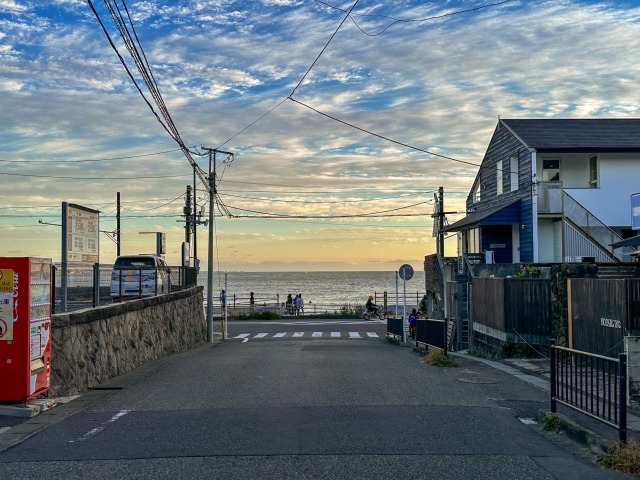
A seaside area you want to visit after enjoying the cherry blossoms. A stroll along the calm sea and sandy beach in spring offers the openness unique to Kamakura.
Hokoku-ji Temple
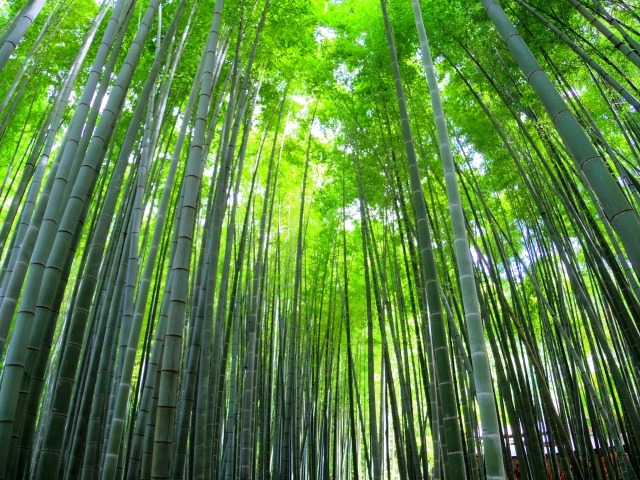
A temple with bamboo groves contrasting with the cherry blossoms. It is popular as a place that adds quietness and depth to Kamakura in spring.
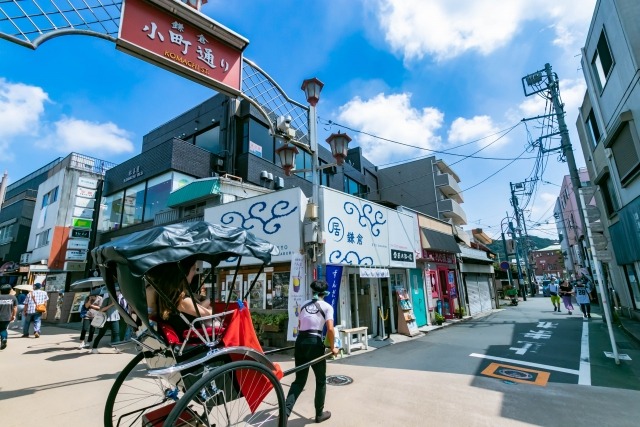
Komachi Street and surrounding alleys
An area where you can enjoy seasonal wagashi (Japanese sweets) and desserts. Since it tends to get crowded, choosing the time of day allows for a relaxed walk.
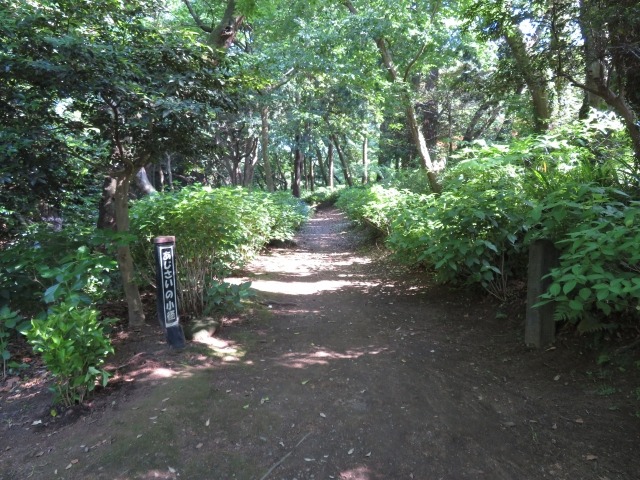
Hiking courses (around Genjiyama)
Routes where you can enjoy cherry blossoms and fresh greenery while walking in nature. The charm lies in experiencing the tourist area not as points but as a line.
Combining these spots with cherry blossom viewing allows Kamakura’s nature, culture, and daily life to connect gently, providing a more impressive springtime experience.
In Conclusion
Kamakura’s cherry blossoms are not merely a seasonal spectacle but a cultural experience where Japan’s history, faith, and views on nature overlap. Their restrained presence naturally slows your walking pace and gives you time to engage with the scenery. Feeling the quiet aesthetic cultivated by the land of Kamakura through the spring cherry blossoms becomes a valuable experience for understanding Japan as a country.
Search Restaurants by Destination

Search Restaurants by Popular Cuisines