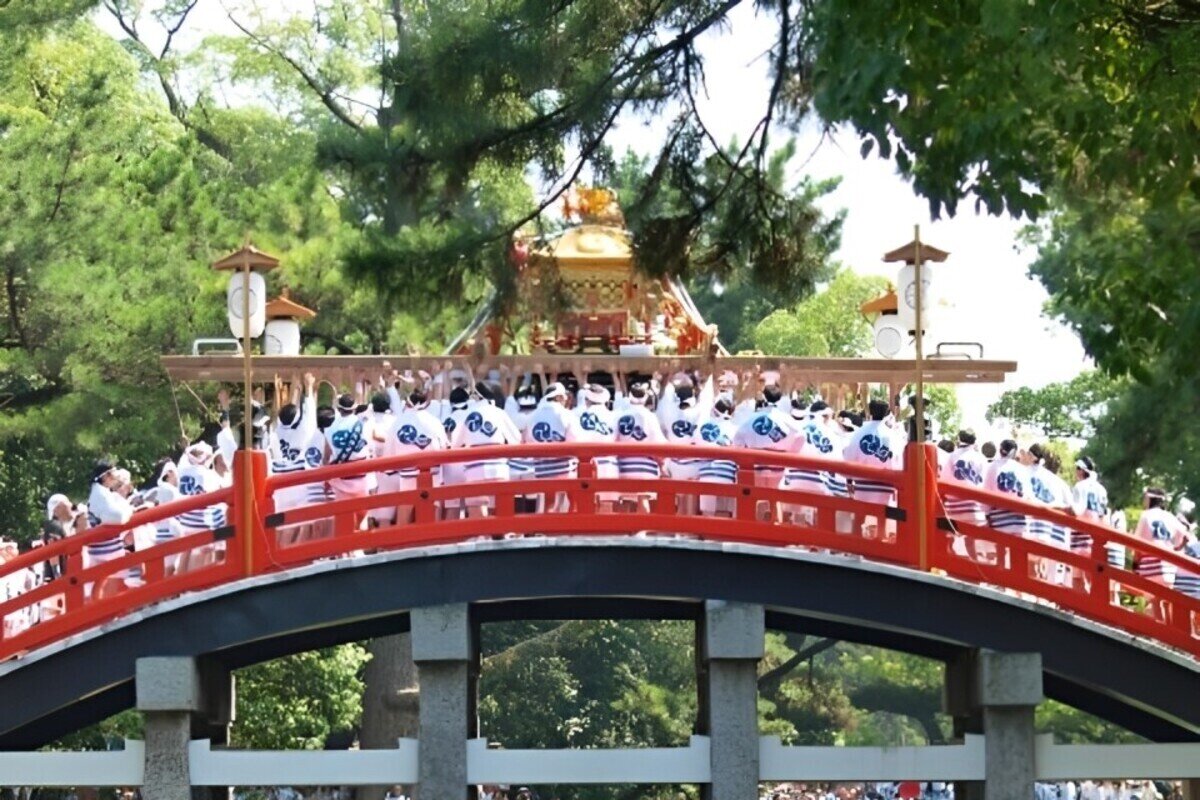
The Sumiyoshi Festival (Sumiyoshi Matsuri) is one of the iconic summer events in Osaka. Set at the historic Sumiyoshi Taisha Shrine, which boasts a legacy of over 1,000 years, this festival blends sacred Shinto rituals with lively local participation. It's not only a meaningful event for local residents but also a perfect opportunity for international visitors to immerse themselves in authentic Japanese culture. With more than 200,000 attendees every year, the festival showcases Japan's traditions and energy through portable shrine processions, formal rituals, and parades.
This article offers a comprehensive and easy-to-understand guide to the 2025 Sumiyoshi Festival, covering highlights, historical background, access details, and tips for enjoying the event — especially for foreign visitors.

1. What Is the Sumiyoshi Festival?
The Sumiyoshi Festival is a grand annual summer festival held at Sumiyoshi Taisha in Osaka's Sumiyoshi Ward. It is one of the "Three Great Summer Festivals of Osaka," alongside the Tenjin Festival and Aizen Festival, and is known for its dignified atmosphere.
A defining feature of the Sumiyoshi Festival is the majestic mikoshi togyo (portable shrine procession) and the series of sacred rituals held over several days. The highlight is the grand mikoshi procession on August 1, where a nearly two-ton portable shrine is carried by many participants across the Yamato River to Tonogū in Sakai City.
This festival is more than entertainment—it functions as a citywide oharai (purification ritual), symbolically cleansing Osaka and protecting the region.
※Sumiyoshi Taisha: The head shrine of over 2,300 Sumiyoshi shrines across Japan, located in Osaka's Sumiyoshi Ward. Revered as a protector of maritime safety and travel, it is known for its historic architecture, including a main hall designated as a national treasure.
※Mikoshi: A sacred palanquin that temporarily houses a Shinto deity. Carried through the streets during festivals, it purifies the area and is believed to bestow divine protection.
※Oharai: A Shinto purification ritual that removes spiritual impurities from people, objects, and places to ward off misfortune. During the Sumiyoshi Festival, the entire Osaka area is symbolically purified.
2. Basic Information About the Sumiyoshi Festival
Festival Dates (2025):
- July 21 (Mon): Mikoshi Washing Ceremony
- July 30 (Wed): Eve of the Grand Festival
- July 31 (Thu): Main Festival & Nagoshi Harae Ritual
- August 1 (Fri): Tonogu Festival & Mikoshi Procession
Venue: Sumiyoshi Taisha (2-9-89 Sumiyoshi, Sumiyoshi-ku, Osaka)
Sumiyoshi Taisha Google Maps: https://maps.app.goo.gl/WHNF4aHZ5di3CAUD6
Weather Considerations: Rituals will proceed even in rain, but may be changed or canceled in severe weather. Please check the official website in advance for updates.
Official Website: https://www.sumiyoshitaisha.net/events/special.html#anchor02
3. Highlights of the Sumiyoshi Festival
Grand Festival (Reitaisai)
Held on July 31, this is the most solemn and significant ritual of the festival. It features offerings of sacred dance and prayers for a bountiful harvest and national peace, creating a serene and sacred atmosphere.
Mikoshi Procession (Mikoshi Togyo)
The highlight of the entire event. On August 1, the grand mikoshi departs from Sumiyoshi Taisha and is carried about 4.6 km to Tonogu in Sakai City. The scene of the mikoshi crossing the Yamato River is particularly breathtaking and draws cheers from spectators along the route.

Nagoshi Harae Ritual
Also held on July 31, this ritual involves walking through a large ring made of kaya grass to cleanse oneself of half-year’s impurities and pray for good health. Anyone can participate, making it a popular hands-on tradition.
※Chinowa (Ring of Grass): A large ring made from kaya grass, used in summer purification rites. Passing through it symbolizes the removal of impurities and prayer for health, seen in many shrines across Japan during summer.
Mikoshi Washing Ceremony
This ritual marks the beginning of the festival. The grand mikoshi is purified with seawater from Osaka Bay to imbue it with divine power. The ceremony draws early visitors and has a solemn yet welcoming vibe.
4. History and Origins of the Sumiyoshi Festival
The origins of the Sumiyoshi Festival trace back to the Heian period, over a thousand years ago. It began as a sacred Shinto ritual to cleanse the entire Osaka region with divine power.
Sumiyoshi Taisha itself has long been revered as a guardian of the sea and safe voyages. From the Sengoku through the Edo period, the local population enthusiastically participated, believing the mikoshi procession would dispel evil spirits.
Today, this spirit continues through the careful organization of the festival by local residents.
5. Access Information
Location:
Sumiyoshi Taisha (2-9-89 Sumiyoshi, Sumiyoshi-ku, Osaka)
Nearest Stations and Access:
- Nankai Main Line "Sumiyoshi Taisha Station": approx. 3 min walk
- Hankai Tramway "Sumiyoshi Torii-mae Station": immediate access
- Nankai Koya Line "Sumiyoshi-Higashi Station": approx. 5 min walk
Note: Expect traffic control and crowding during the festival. Use public transportation if possible.
6. How to Enjoy the Sumiyoshi Festival
Recommended Events and Times:
- July 31: Nagoshi Harae Ritual—purification ceremony with chinowa ring. Open to all.
- August 1: Mikoshi Procession—the climax of the festival, held from afternoon to evening. The river crossing scene is highly photogenic.
What to Wear:
Late July to early August is extremely hot in Osaka. Wear light, comfortable clothing. Yukata is a great choice for the festive feel, but wear comfortable footwear.
What to Bring:
- Water or drinks for hydration
- Sunscreen and a hat
- Towel
- Mobile battery
- Camera (use respectfully)
7. Tips and Etiquette
Photography Etiquette:
Be considerate of others when taking photos, especially in shrine areas. Avoid flash during rituals and follow guidance from shrine staff.
Crowded Times and Areas:
The mikoshi procession on August 1 in the afternoon sees heavy crowds, particularly near the starting point and Yamato River. Arrive early and plan your route in advance.
Behavior During Crowds:
Stay in line, avoid pushing, and be especially mindful of children and the elderly nearby.
8. Nearby Attractions
Sumiyoshi Taisha:
The main stage of the festival, featuring the nationally treasured main hall and a famous arched bridge.

Sumiyoshi Park:
A relaxing place to rest, perfect for families and couples to stroll and unwind.

Tonogu Shrine in Sakai City:
The final destination of the mikoshi procession. With historical charm, it pairs well with a broader visit to Sakai.
In Conclusion
The Sumiyoshi Festival is more than just a summer event—it’s a profound traditional celebration filled with Osaka’s history, faith, and local pride. Witnessing the powerful mikoshi procession and solemn rituals up close will deepen your appreciation for Japanese culture.
Make the 2025 summer unforgettable by attending the Sumiyoshi Festival and experiencing the real essence of Osaka. It’s sure to be a memory you'll cherish forever.

Search Restaurants by Destination
Search Restaurants by Popular Cuisines