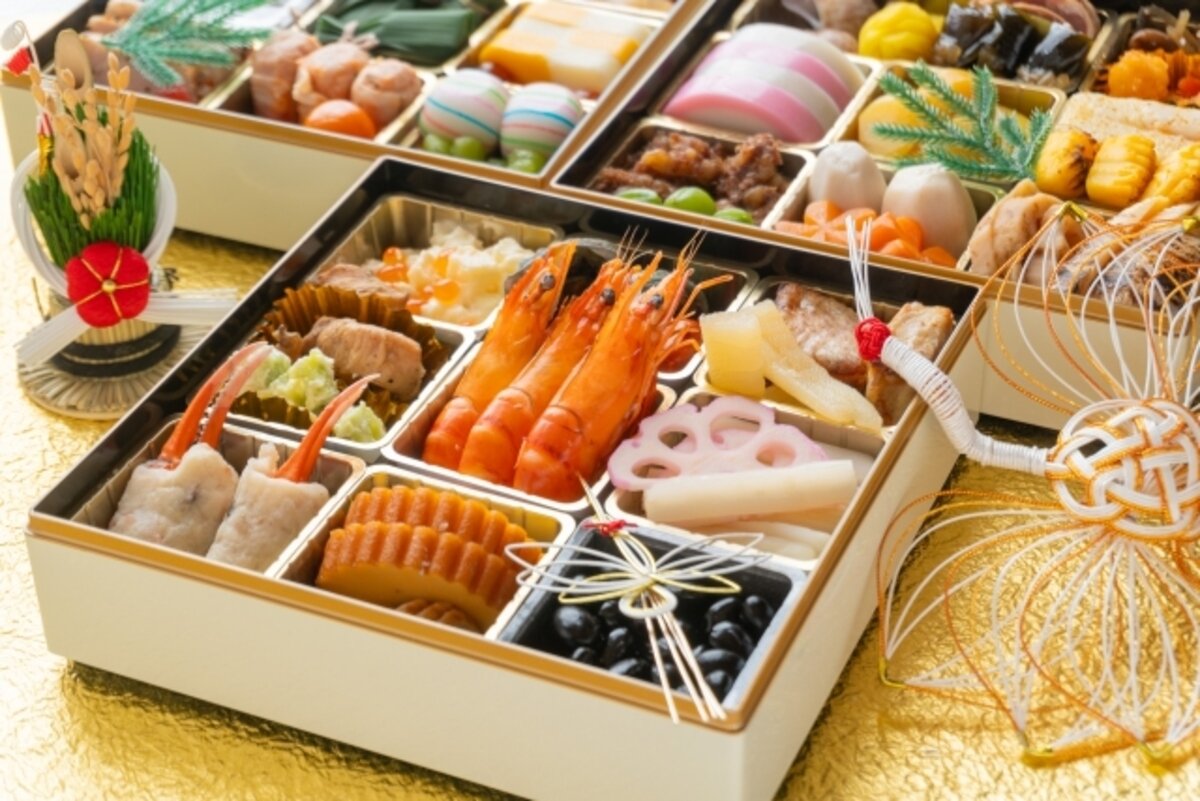
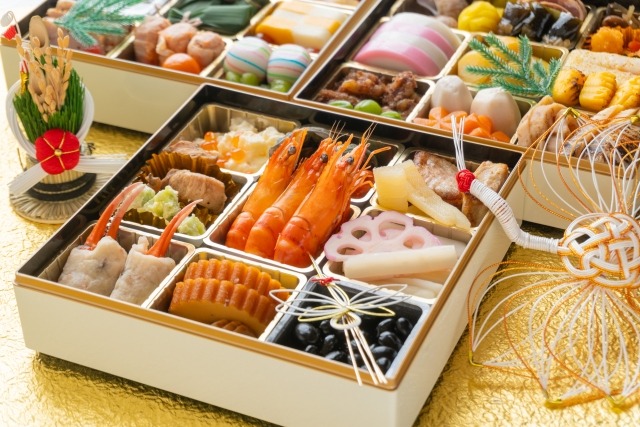
Special dishes are served on the dining table during New Year in Japan. Those colorful and beautifully packed dishes in tiered boxes are called "OSECHI ryori," symbolizing Japanese traditional culture.
When visiting Japan during the year-end and New Year holidays, many people might wonder, "What is this colorful dish?" or "Why do people eat this?" Actually, each OSECHI ryori has its own meaning, and there is a tradition about when to eat them.
In this article, for those who want to experience Japan's New Year culture, we will introduce the basics, origins, modern enjoyment, and places where you can eat OSECHI ryori in an easy-to-understand and thorough manner. For those who want to deeply savor Japanese food culture, this cuisine will become an indispensable presence.
1. What is OSECHI Ryori
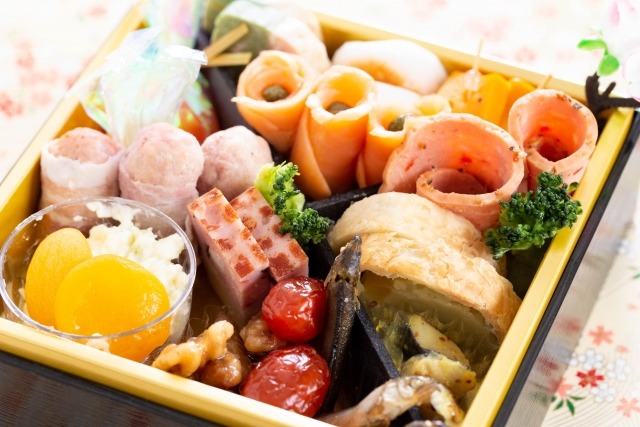
OSECHI ryori is a special meal eaten during New Year in Japan. Colorful dishes are beautifully packed in square lunch boxes called jubako.
The name comes from "Osechiku," which originally referred to dishes offered to gods at seasonal turning points. However, nowadays it generally means dishes eaten especially during New Year.
A characteristic of this cuisine is that each ingredient or dish has a meaning. For example, Black Wagyu beans symbolize "working diligently and staying healthy," and kazunoko (herring roe) represents a wish for "prosperity of descendants."
Moreover, OSECHI ryori is meant to be eaten during the first three days of New Year (January 1-3), so it is made to be preserved for a few days. In the past, when refrigerators didn't exist, enhancing preservation was an important point.
2. The Origin and History of OSECHI Ryori
The history of OSECHI ryori is very old, said to date back to the Yayoi period. During that time, people had a custom of offering food to gods to express gratitude for harvests.
In the Heian period, court events called "Sechie" began to be held, and at seasonal turning points called sekku, special dishes were served. From there, "OSECHI" gained the meaning of a special meal.
During the Edo period, the culture of OSECHI ryori spread among common people. From this time, the style of packing dishes into jubako became established and developed into its current form.
Also, one reason why OSECHI is eaten during New Year is related to the "Toshigami-sama" (year god). Toshigami-sama is revered as a god who brings abundant harvests and family safety in the new year, and the custom of preparing dishes to welcome this god and eating together as a family was born.
Tracing this history shows that OSECHI ryori is not just food but a culture deeply connected with Japanese beliefs and wishes.
3. Basic Composition of OSECHI Ryori
OSECHI ryori is generally offered in boxes called "jubako," with dishes arranged in layers. This style carries the auspicious meaning of "stacking" happiness, with three-tiered or four-tiered jubako commonly used.
Here, using the common three-tiered jubako as an example, we introduce the role of each tier and representative dishes, including the characteristics and meanings of ingredients, taste, and appearance.
First Tier (Celebratory side dishes and small appetizers)
This tier emphasizes auspiciousness especially. It mainly contains appetizers to celebrate New Year and features many sweet-flavored dishes.
Black Beans (kuromame)
Large black beans simmered sweetly with sugar and soy sauce. Fluffy and tender with a slight roasted aroma.
Meaning: "To work diligently" and "to stay healthy and energetic."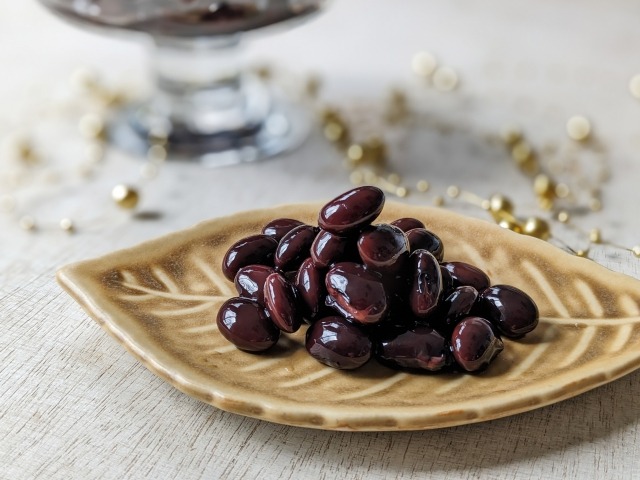
Kazunoko (herring roe)
Herring eggs desalinated and soaked in broth, characterized by a popping texture.
Meaning: "Prosperity of descendants" and "many children."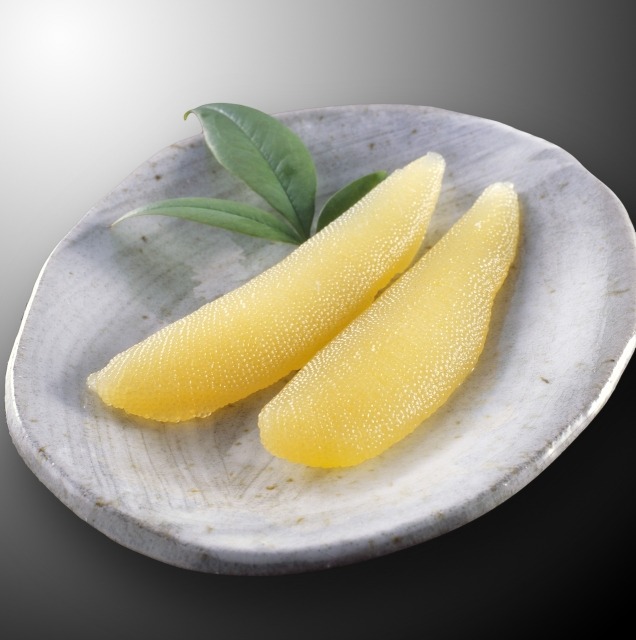
Tazukuri (gomame)
Small dried sardines roasted and coated with a sweet savory sauce. Crunchy and aromatic flavor.
Meaning: "Abundant harvest of five grains" and wish for a bountiful harvest.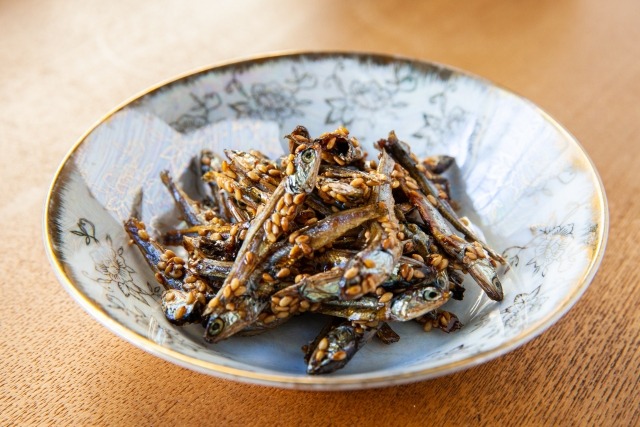
Kurikinton
Sweet dish made by adding candied chestnuts to mashed sweet potatoes, displaying a vivid golden color. Can be eaten as a dessert.
Meaning: "Increase in money luck" and "wealth attraction."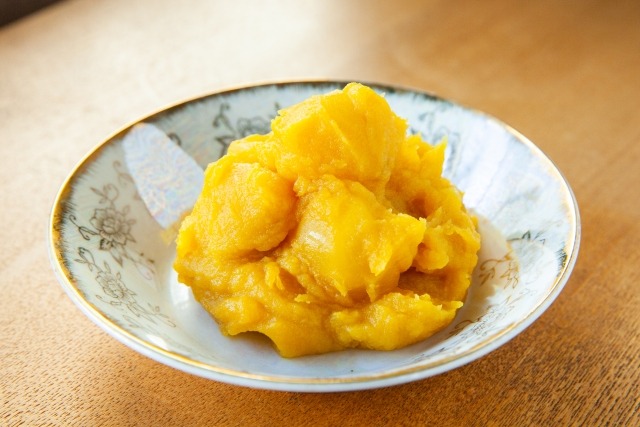
Datemaki
A fluffy sweet rolled omelet made by mixing eggs and fish paste, rolled into a thick roll shape.
Meaning: Derived from its scroll shape meaning "knowledge," "academic development," and "scroll = books."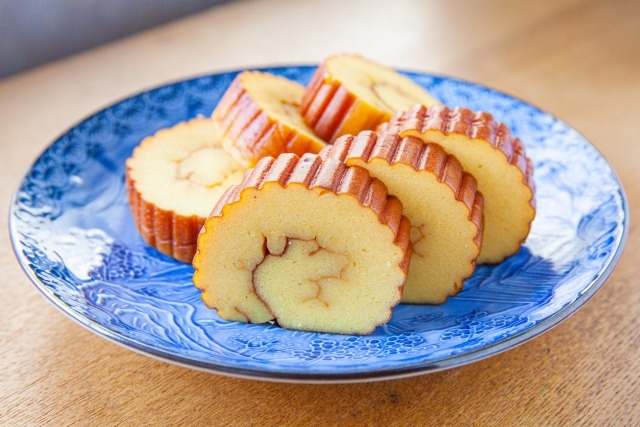
Second Tier (Grilled dishes)
This tier mainly contains dishes with festive and colorful appearances suitable for celebration. It includes grilled seafood and meat dishes with rich flavors.
Salt-grilled sea bream
Sea bream grilled whole with head and tail. It is a white fish with a light taste.
Meaning: A good luck item punning on "medetai" (auspicious). A classic celebration dish.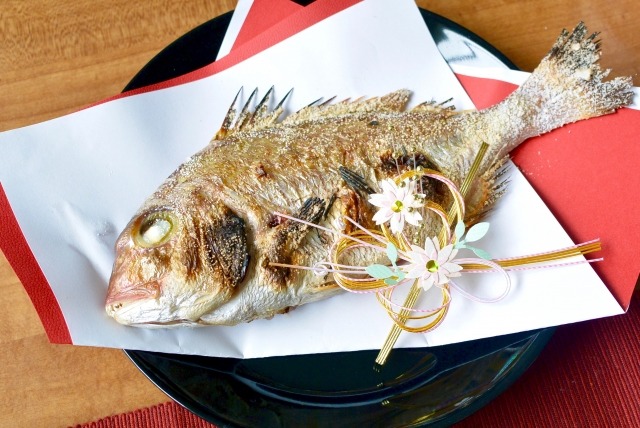
Teriyaki yellowtail (buri)
Yellowtail grilled with sweet and savory soy sauce glaze. It is fatty and juicy.
Meaning: Yellowtail is a "success fish" that changes names with growth, symbolizing "career advancement" and "promotion."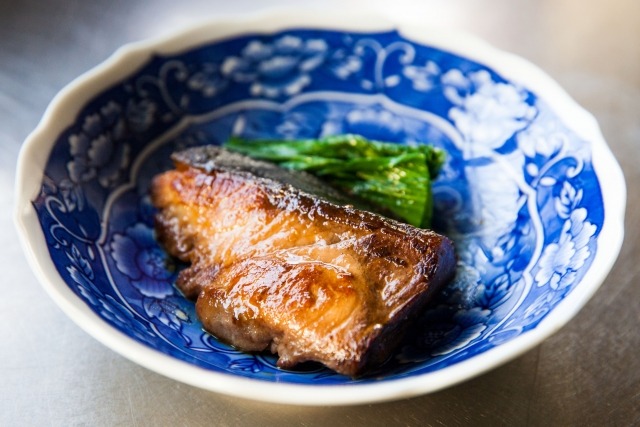
Sweet simmered shrimp
Shrimp with shell simmered sweet and savory with sugar, soy sauce, and mirin. It has a gentle seasoning that tastes good even when cold and a glossy appearance.
Meaning: A wish for long life "until the back is bent."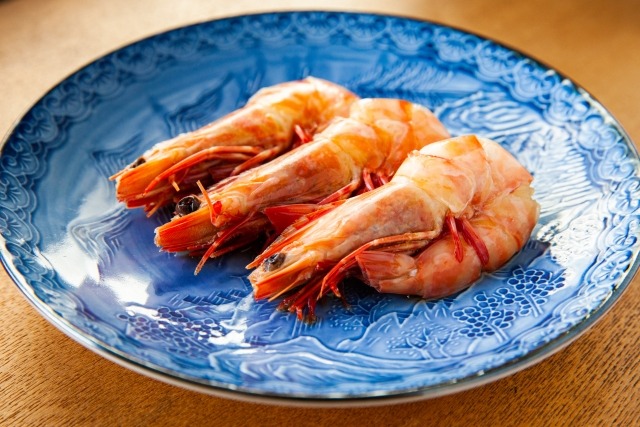
Red and white kamaboko
Steamed fish paste. The red and white colors are considered to bring good luck.
Meaning: Red for "warding off evil," white for "purity." An essential color combination for celebrations.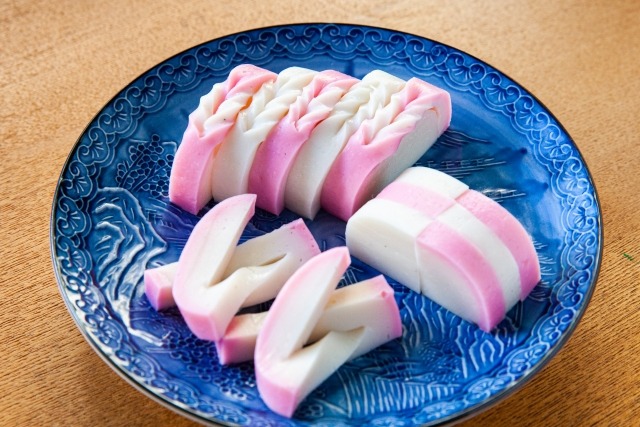
Third Tier (Simmered dishes)
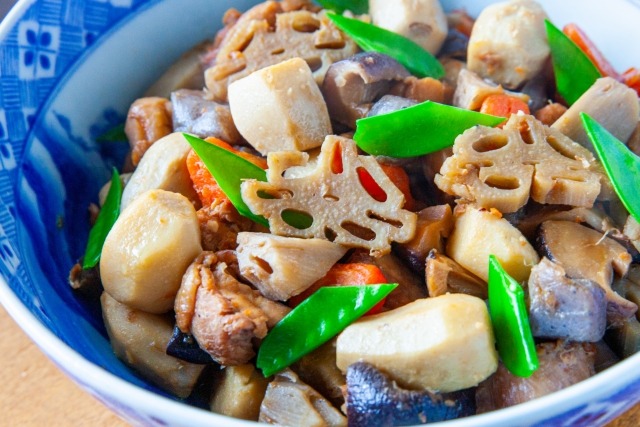
This tier mainly contains simmered root vegetables. Many ingredients symbolize family stability, prosperity, and family bonds. The taste is gentle with well-seasoned broth.
- Lotus root
Because it has holes, it is considered a food symbolizing "good foresight." Used sliced thinly in simmered dishes.
The taste is mild, with a crunchy texture as an attraction. - Taro (satoimo)
From one parent taro many child taros grow, symbolizing "prosperity of descendants." It has a soft and gentle taste. - Burdock root
Its straight and long root grown underground symbolizes "a firm foundation of the home." It has a strong earthy aroma, and the texture can be cooked from crunchy to soft depending on preferences. - Konnyaku
Has elasticity and low calories, adding a textural accent when used in simmered dishes.
Its meaning symbolizes flexibility and perseverance as "able to adapt even while changing shape." - Bamboo shoot
Because it grows quickly and straight, it has meanings of "future prospects" and "growth." A popular dish with a crisp texture.
These simmered dishes are often served as home-style dishes called chikuzen-ni or nishime, where multiple vegetables and chicken are simmered together.
In this way, OSECHI ryori is not just a collection of dishes, but a story-rich cuisine filled with meanings and wishes for each ingredient. By feeling those meanings while eating, you can gain a deeper understanding of Japanese culture.
4. Meanings of OSECHI Ryori
The biggest feature of OSECHI ryori is that each dish contains a "wish." Not simply enjoying delicious food, but knowing the meanings behind them gives insight into Japanese values and life perspectives.
Below are representative dishes and their meanings.
- Black beans: "To be able to work diligently." Symbol of health and diligence.
- Kazunoko: Meaning "prosperity of descendants" due to many eggs.
- Tazukuri (gomame): From the old custom of using sardines as fertilizer in fields, meaning "abundant five grains harvest."
- Kurikinton: Written as "golden mound," a dish inviting financial and wealth luck.
- Datemaki: Its scroll shape symbolizes "knowledge" and "culture."
- Shrimp: Wish for "longevity" so you live until your back is bent.
Thus, every dish has positive meanings intertwined with Japan’s "kotodama" (power of words) culture. The attention to appearance and puns related to names also expresses a uniquely Japanese aesthetic sense.
5. Modern OSECHI Ryori
OSECHI ryori has diversified along with changes in times. While it used to be mainly homemade, today it is common to order from department stores, restaurants, or through online shopping.
Modern OSECHI ryori has the following variations.
- Japanese-Western fusion OSECHI ryori: Traditional Japanese dishes combined with Western menu items like roast beef and terrine.
- OSECHI ryori supervised by famous chefs: Dishes supervised by chefs from luxury hotels or famous restaurants, with focus on both taste and visual appeal.
- Allergy-friendly and vegetarian OSECHI ryori: Special menus mindful of religion or health.
- Character OSECHI ryori: Fun designs collaborating with anime or game characters.
Also, "casual osechi" served on single plates without jubako and individual "mini osechi" have appeared. New forms that suit lifestyles are increasing year by year, broadening ways to enjoy New Year.
6. Where Can You Buy OSECHI Ryori?
OSECHI ryori can be purchased or experienced at the following places. Basically, you need to make reservations in advance at stores.
Hotels and Ryokan Restaurants
Accommodation facilities open during year-end and New Year may offer special meals including OSECHI ryori. As many require reservations, it's recommended to check early.
Department Stores
Reservations generally start around November, with pickup at the end of December. Wide variety ranges from luxurious three-tiered boxes to single servings.
Convenience Stores and Supermarkets
Casual OSECHI sets and individual side dishes appear at year-end. Prices are reasonable, making it an easy choice even for short-term visitors.
Online Shopping
Rakuten Ichiba, Amazon, and specialty shops allow ordering OSECHI ryori from famous shops nationwide. Delivered frozen, you can enjoy it slowly at home or accommodation.
Cooking Experience Events
In some areas or cooking studios, "OSECHI ryori experience classes" for foreigners are held. By actually making it yourself, you can understand the culture more deeply.
In Conclusion
OSECHI ryori is a food culture symbolizing the Japanese New Year. Its beauty packed in jubako, the meaning residing in every dish, and the warmth of family enjoying it together—all these make OSECHI ryori special.
This cuisine is not just about appearance or taste but also about savoring the "wishes" and "history" together. It contains far too much meaning to simply be dismissed as New Year food.
Encountering these dishes during your travels will allow you to feel the values and cultural depth cherished by Japanese people. And this will surely enrich your travel memories.
Experiencing Japan's tradition and spirit at the beginning of the new year—
this is a real cultural experience that cannot be gained by just sightseeing.
Search Restaurants by Popular Cuisines