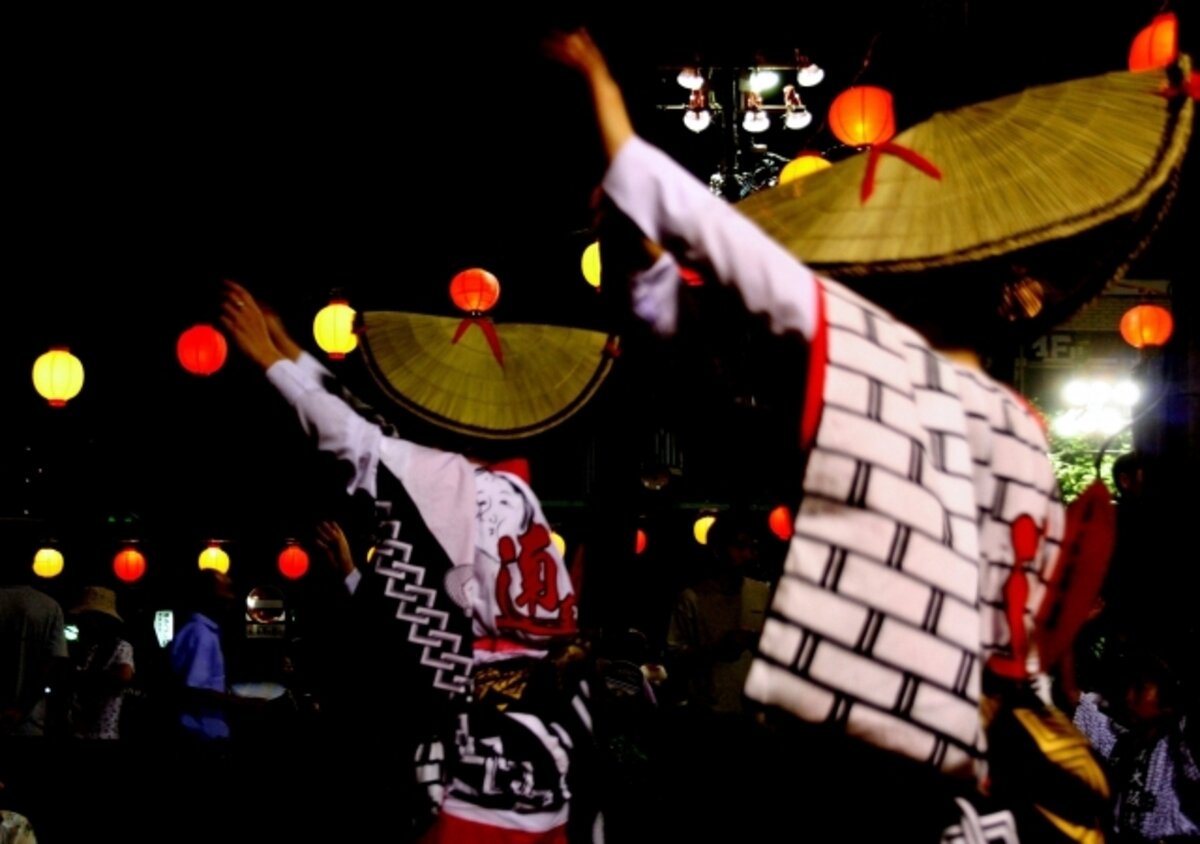
"Isn't it just a dance festival?"
Do you think that way?
That’s a common impression of Awa Odori. But once you step into the summer nights of Tokushima, that perception melts away. The vibrant beats of drums and shamisen resonate in your ears, the energy of the dancers electrifies the air, and the crowd’s spirited calls of "Dancing fools and watching fools" envelop you. What emerges is not merely a dance, but a heartfelt celebration—a lively experience bursting with culture, joy, and connection.
In this article, we’ll explore "THE AWAODORI," set to take place in Tokushima City in 2026. Our aim is for even first-time visitors to delve deeply into the magic of this festival. We’ll cover everything from must-see highlights to practical access information, traditional attire, and essential etiquette. Discover for yourself why embracing your inner fool at least once in your life is a rite of passage in Tokushima!

1. What is THE AWAODORI (Tokushima City Awa Odori)?
What is Tokushima City Awa Odori?
Tokushima City Awa Odori represents the vibrant Bon dance tradition of Japan, celebrated each August in Tokushima City, Tokushima Prefecture. Its roots dig deep, tracing back over 400 years to a spiritual gathering meant to honor ancestors during Obon. Evolving over the centuries, it blossomed into a joyous spectacle attracting more than a million visitors each year from both Japan and beyond.
One of Awa Odori’s unique features lies in the dynamic coordination of dance groups, known as "ren," harmonizing with instruments like shamisen, drums, gongs, and flutes. Expect both powerful male dances and graceful female movements, presenting a delightful display of talent that welcomes participants of every age and background.
What truly sets Awa Odori apart is its participatory nature—a festival where everyone can join in the exuberant dance, not merely spectate. With the spirited message, "Dancing fools and watching fools. If you're going to be a fool, you might as well dance," the festival embodies the joy of spontaneity and enjoyment, free from rigid formalities.
Today, Awa Odori enthusiasts can find similar events in various locations across Japan, but the heart of it beats strongest in Tokushima City.

What is THE AWAODORI?
"THE AWAODORI" is the official title for the original Awa Odori in Tokushima City, introduced in 2023. This rebranding aims to elevate the festival’s status as an international tourist destination while preserving the essence of Awa Odori itself.
This change is more than cosmetic; it represents a commitment to enhancing the festival's brand and global recognition. The name "THE AWAODORI" incorporates an English element, aiming to amplify its international appeal while also highlighting that Tokushima’s Awa Odori is the genuine, original festival.
With strong backing from Tokushima City, tourism groups, local organizations, and businesses, "THE AWAODORI" continually evolves, refining everything from performances to safety protocols and visitor experiences.
Why the shift from "Awa Odori" to "THE AWAODORI"?
The motivation behind this name shift was to boost the festival’s brand strength and global visibility. While "Tokushima City Awa Odori" was recognized domestically, it lacked the international allure necessary for broader recognition.
By adopting the term "THE AWAODORI," the festival conveys the unique essence of this authentic gathering, ensuring it stands out on the global stage.
To complement the new name, the festival has revamped its operational structures, incorporating sustainability and diversity while fostering an inclusive environment for tourists to engage in seeing, dancing, and feeling the festival’s spirit.
2. What does "Aho" mean?
A key term in Awa Odori is "Aho." Traditionally a word with negative connotations, in the context of the festival, "Aho" takes on a much brighter significance.
"Dancing fools and watching fools, if you’re the same fool, you might as well dance."
Here, "Aho" is a grand compliment—one reserved for those who relish the joys of life. It symbolizes abandoning societal constraints to joyously dance and laugh, and those who partake in this happiness are celebrated as true "Aho," alongside onlookers who share in the moment.
In essence, calling someone "Aho" at Awa Odori is an invitation to embrace unrestrained enjoyment, reminding everyone to open their hearts and simply be themselves.
3. Basic Information about THE AWAODORI
Event Dates
August 11 (National Holiday) - August 15 , 2026
Every day from around 18:00 to 22:00 (exact times vary by performance venue).
Location
Downtown Tokushima City (around the city hall, shopping district, and performance venues).
Notable performing venues include:
- Minami-Uchicho Performance Venue (fee required)
Google Maps: https://maps.app.goo.gl/Z6XWVkkvW4MJTD128 - Ryogoku Honcho Performance Venue
Google Maps: https://maps.app.goo.gl/yVh5UHrVP4FvSvmW9 - Konyamachi Performance Venue
Google Maps: https://maps.app.goo.gl/4baUHyysdzxzRtyC8 - Awa Odori Hall Front Square
Google Maps: https://maps.app.goo.gl/gvNBVNULhStVXMuA7 - Shinmachi Bridge East Park Stage
Google Maps: https://maps.app.goo.gl/XtDtGYwW3tHwqjZx9 - Aiba Hama Performance Venue (fee required)
Google Maps: https://maps.app.goo.gl/Cup4y5heDE4XRNZo6 - Asti Tokushima (fee required)
Google Maps: https://maps.app.goo.gl/kBEUAwA3CvBBUnqUA - Awagin Hall (fee required)
Google Maps: https://maps.app.goo.gl/oW5s31ByXricacnv6
Dancing will erupt simultaneously in various locations throughout the city, creating an atmosphere where you can embrace the spirit of Awa Odori at every turn.
Some performance venues charge a fee, and there’s a ticket sales site for inbound tourists.
Ticket sales site: https://ticket.pia.jp/piasp/inbound/awaodori26eng.jsp
Event Continuation in Rainy Weather
The festival will continue in light rain, but may be canceled in severe weather. For the latest event status, check the official website or social media on the day.
Official Website
https://www.awaodorimirai.com/
4. Highlights and Features of THE AWAODORI
THE AWAODORI is packed with unique charms that set it apart from other summer festivals.
Primarily, the array of performances by dance teams known as "ren" (連) captivates the audience with their intricate choreography, lively music, exquisite costumes, and expressive movements. Seeing the famed "ren" perform is truly mesmerizing—each dance tells a story.
While performances at designated venues are choreographed, spontaneous "nagashi odori" dances can erupt in the streets, offering delightful surprises throughout your evening.
Moreover, beginner-friendly groups like "niwaka ren" (にわか連) encourage tourist participation without requiring prior sign-up or costumes, making it easy for everyone to immerse themselves in the thrill of Awa Odori. The blend of observation and active participation is what makes THE AWAODORI so special.

5. History and Origins of THE AWAODORI
The origins of Awa Odori are steeped in folklore. One popular tale suggests that the celebrations began after Tokushima Castle’s completion in 1586, when feudal lord Hachisuka Masanobu permitted commoners to revel and dance freely through the night.
This festive spirit carried through generations, merging with memorial dances during Obon, ultimately giving rise to the Awa Odori we recognize today. Unique dances flourished in various towns during the Edo period, leading to its establishment as a cherished regional custom by the Meiji era. Post-WWII, Awa Odori gained national traction as an attractive tourism destination, blossoming into the grand event it is now.
Modern THE AWAODORI thrives as a "performing art" that embraces contemporary elements like sound, lighting, and costume design while preserving its roots as an open festival where everyone is invited to participate.
6. Access Information
Getting to downtown Tokushima City, the heart of THE AWAODORI festivities, is easy with various travel options including planes, shinkansen, buses, and ferries.
By Air
- Fly from Tokyo (Haneda Airport) to Tokushima Awa Odori Airport (about 1 hour and 15 minutes).
- From the airport, catch a limousine bus to Tokushima Station (about 30 minutes), which is within walking distance to the Awa Odori venues.
By Shinkansen or Train
- Travel from Tokyo, Nagoya, or Osaka to "Okayama Station" by shinkansen.
- Then take the JR Limited Express Uzushio to "Tokushima Station" (approximately 2.5 hours).
* Note there is no shinkansen directly serving Tokushima Prefecture, necessitating a transfer to local transport.
By Highway Bus
- Direct buses connect major cities like Tokyo, Osaka, Kobe, and Kyoto.
- Particularly from the Kansai region, bus service is frequent, providing a cost-effective travel option.
By Ferry
- Wakayama Port → Tokushima Port (Nankai Ferry / about 2 hours).
- Access the city center from the ferry terminal via bus or taxi.
7. Ways to Enjoy THE AWAODORI
Recommended Events and Tips for Enjoyment
THE AWAODORI features a variety of performances and interactive experiences during the festival. A must-see is the "pre-festival," taking place the night before the main event (August 11), where renowned dance groups gather to exhibit their top-notch performances. Even newcomers will be mesmerized by the intensity and artistry on display!
From August 12 to 15, enjoy the main events across various venues in Tokushima City. Each venue boasts its own atmosphere and dance styles, so depending on your mood, feel free to wander from one to another. Popular spots like Minami-Uchicho and the city hall front are known for the impressive dances performed by skilled groups.
Experience ren and niwaka ren are beginner-friendly groups welcoming spontaneous participation from tourists. Just register at each stage and let the friendly staff guide you through joining the dance—no prior experience necessary!

Attire
- Comfortable clothing (T-shirts and shorts work well!)
- Yukata or jinbei add to the festive spirit.
- Bring a light jacket, as temperatures may drop in the evening.
As you may stand for long periods at performance venues, wearing comfortable shoes is advisable.
What to Bring
- Towel (for sweat management)
- Drinks (water or sports drinks to keep hydrated)
- Mobile battery (great for smartphone photography and navigation)
- Rain gear (like a foldable umbrella or raincoat)
- Cash (many stalls don’t accept cashless payments)
8. Points of Caution and Etiquette
While Awa Odori welcomes all, following some basic etiquette will ensure a smooth experience for everyone.
Photography Etiquette
- Flash photography is generally not allowed (as it can disrupt performances).
- Seek permission if you want to take close-up photos of dancers.
- Be mindful not to obstruct pathways with tripods or selfie sticks.
Busy Times and Areas
- Peak crowds are typically from 19:00 to 21:00.
- Areas around the city hall and Minami-Uchicho can be particularly bustling.
- Families with children or elderly members may want to arrive early to secure a seating option.
Conduct During Busy Times
- If in a group, establish a "meeting point" in case anyone gets separated.
- Keep backup power for smartphones for communication.
- Stay hydrated (hats, fluids, and salt can help prevent heatstroke).
Miscellaneous
- Take your garbage home or dispose of it properly in designated bins.
- Smoking is only allowed in designated areas.
- Be considerate with food consumption, avoiding stopping to eat in congested areas.
9. Nearby Tourist Attractions
Here are some must-visit spots in and around Tokushima City that complement your Awa Odori experience.
Bizan Ropeway
This mountain, rising majestically in the heart of Tokushima City, offers astonishing views over the landscape, the Yoshino River, and the Kii Channel. A favorite spot for evening vistas.

Awa Odori Hall
At this facility, you can delve into the history and culture surrounding Awa Odori. Mini performances occur throughout the year, allowing visitors to appreciate Awa Odori beyond the festival season.

Naruto Whirlpools (Naruto City)
A globally renowned natural marvel. You can witness these breathtaking whirlpools up close aboard a sightseeing boat—only about an hour's drive or bus ride from Tokushima City.

Otsuka Museum of Art (Naruto City)
An art museum showcasing replicas of acclaimed artworks in their original sizes, perfect for any weather since it’s indoors.
Shikoku 88 Sacred Sites (1st Temple: Ryozenji Temple)
Known as the starting point of the Shikoku Pilgrimage, Tokushima is steeped in pilgrimage culture. This spiritual spot is definitely worth a visit if time permits.

In Conclusion
THE AWAODORI is far more than just a summer festival.
It serves as a grand canvas where 400 years of tradition intertwine with the modern world, connecting people through shared laughter and joy. As the drums pulse with rhythm, you realize you’ve become an "Aho"—immersed in the festival's essence.
This article has gathered key information to ensure your enjoyment of THE AWAODORI in 2026.
With all the details regarding access, attire, participation methods, etiquette, and sightseeing spots, the only decision left is whether to dance or not!
"Dancing fools and watching fools. If you're the same fool, you might as well dance."
Will you join in and experience the joy of dancing freely in Tokushima this summer?