Many people who visit Japan surely want to try authentic ramen at least once. Among them, "tori paitan ramen," characterized by its white and creamy soup, has particularly attracted attention in recent years.
The rich and mellow flavor condensed from the umami of chicken is a must-experience bowl to understand Japan's ramen culture. Moreover, its beautiful appearance makes it very photogenic, so many travelers upload pictures on SNS as a memorable souvenir.
This article introduces the basics of tori paitan ramen, its charm, history, eating manners, and recommended shops to visit and taste, all explained clearly even for beginners.
1. What is Tori Paitan Ramen?
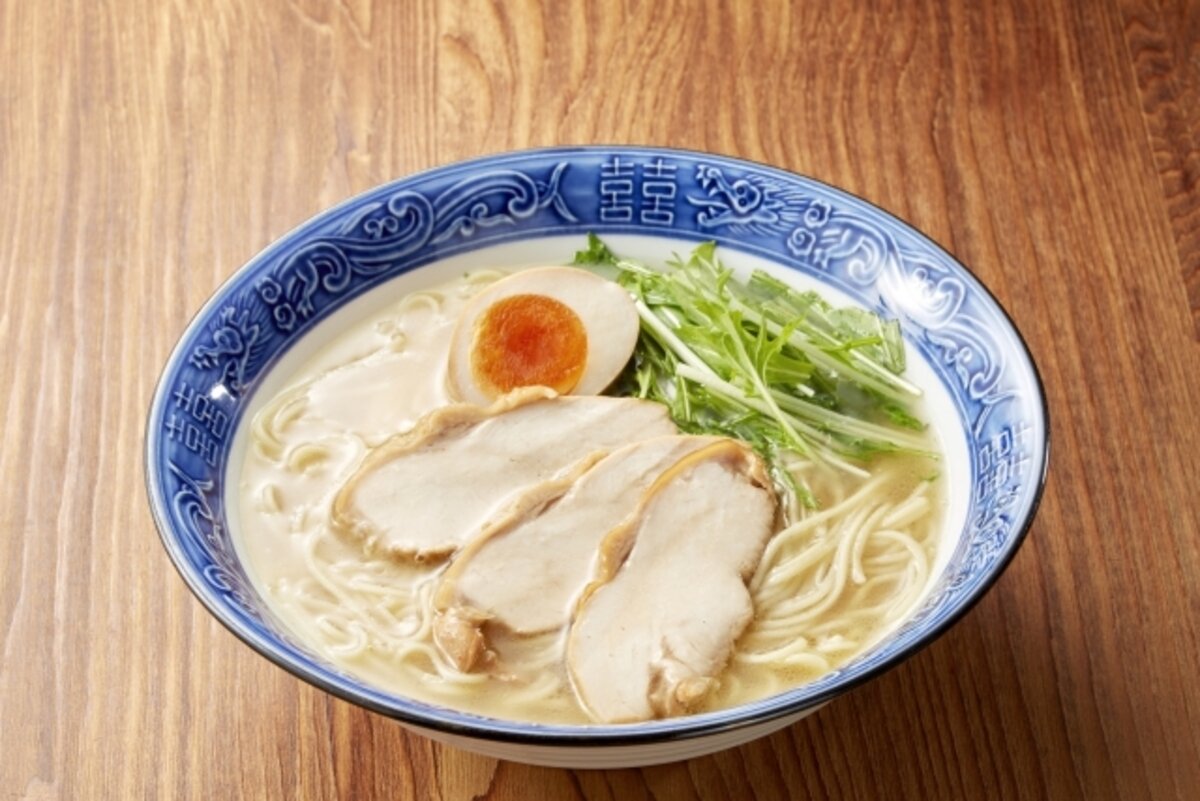
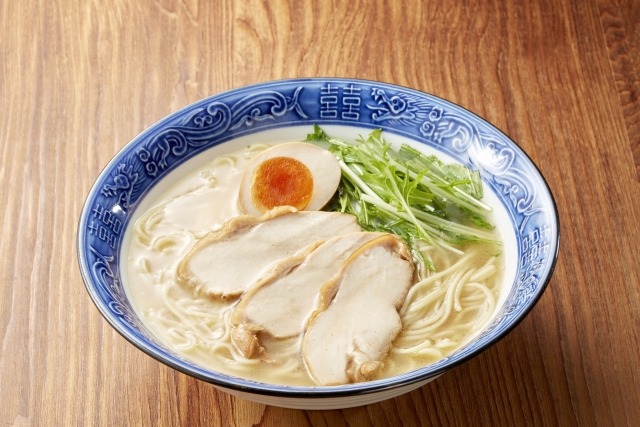
Tori paitan ramen is a ramen with a white, cloudy soup made from chicken as the base. "Paitan" is a reading derived from Chinese, referring to white cloudy soup. In other words, tori paitan means “soup made white and cloudy using chicken.”
This ramen is made by simmering chicken bones, chicken meat, and sometimes chicken feet (momiji) for hours to extract the umami and collagen from the bones, skin, and meat. As a result, the soup turns milky white, giving it a visibly rich and creamy appearance.
Just from the name, one might think it is rich and heavy, but in reality, it has little greasiness or unpleasant odor and features a well-balanced taste with the gentle flavor of chicken spreading throughout. It's not as heavy as tonkotsu ramen, yet not too light, offering a ramen that perfectly balances both.
2. Features of the Soup
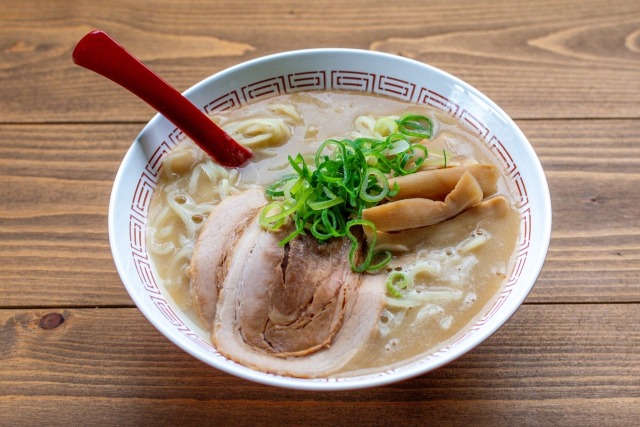
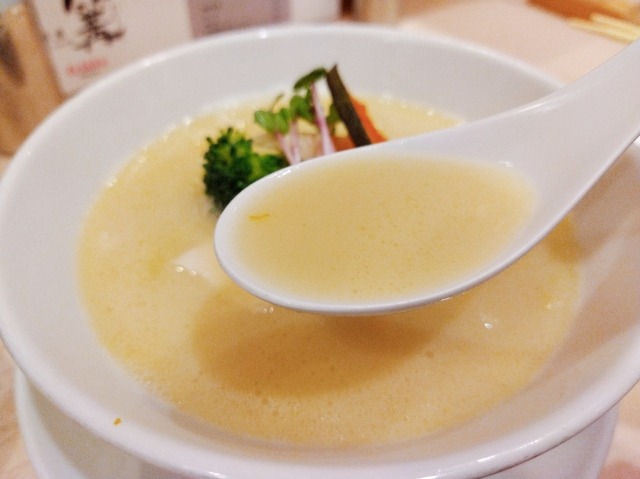
The greatest feature of tori paitan ramen is undoubtedly its soup. When you take a sip of the soup, you first notice its thickness and the rich umami of chicken. A mellow flavor spreads in your mouth, allowing you to enjoy a smoothness like creamy soup.
This thickness in the soup comes from the collagen that melts out from chicken bones and skin. By simmering for a long time, the gelatinous substances emulsify, resulting in a concentration resembling a stew. However, since it lacks the heaviness of animal fat, it is gentle on the stomach.
The flavor is adjusted by combining with salt- or soy sauce-based tare, but it's rare for the saltiness to be too strong or for the spices to be overpowering. The chicken flavor is the star, and the soup is crafted to enhance that natural umami.
The visually beautiful soup is popular on SNS such as Instagram. A bowl with milky white soup topped with pink low-temperature cooked chashu and green mizuna looks stunning and makes you want to capture a photo.
3. Differences Between Tori Paitan Ramen and Other Ramen
There are several representative types of ramen soups in Japan, each with distinct features. To understand how tori paitan ramen differs, comparing the "color of the soup," "taste tendencies," and "main ingredients" of each ramen makes it easier.
Below are the main types of ramen and their characteristics.
● Tori Paitan Ramen (とりぱいたん)
Milky white soup.
Mellow and creamy, with a clear and gentle chicken umami.
Made by long simmering chicken bones, chicken meat, and chicken feet.
High collagen content, popular among those conscious of beauty and health.
● Tonkotsu Ramen (とんこつ)
Milky white soup.
Rich, punchy, with strong pork fat depth and aroma.
Made by simmering pork bones for hours, resulting in a heavy and impactful taste.
Favored by those who love rich and hearty flavors.
● Shoyu Ramen (しょうゆ)
Brown-colored soup.
Light but sharp saltiness and the savory aroma of soy sauce.
Often uses chicken bone or seafood broth.
Known as the “traditional ramen,” beloved throughout Japan.
● Shio Ramen (しお)
Clear to slightly pale golden soup.
The lightest taste, delicate, highlighting ingredient flavors.
Uses chicken or seafood-based broth.
Recommended when you want a refreshingly light meal.
● Miso Ramen (みそ)
Dark brown soup.
Richness and sweetness of miso, sometimes with a spicy kick.
Often includes stir-fried vegetables, providing a hearty volume.
Especially popular in cold regions and winters.
From this comparison, tori paitan ramen can be seen as a ramen with a perfect balance—“not as heavy as tonkotsu, not as light as shio or shoyu.”
Furthermore, for those who dislike the odor and greasiness particular to tonkotsu ramen, tori paitan ramen often provides a comfortable alternative.
In particular, the creamy and mild soup is very approachable and easy to eat, even for those trying Japanese ramen for the first time.
4. History of Tori Paitan Ramen
Tori paitan ramen is actually not a very old ramen style. The boom began in the late 2000s. Tokyo’s popular shops like Menya Itto and Kagari were pioneers, gaining attention as a new ramen style.
Before that, mainstream Japanese ramen was mostly tonkotsu, shoyu, miso, and shio, and tonkotsu overwhelmingly dominated the white cloudy soups. The innovative idea of "making white cloudy soup with chicken" brought a fresh breeze to the ramen industry.
Moreover, with shop designs and menu development targeting women and young people, tori paitan ramen reshaped the image of ramen as a “man’s food.” Stylish interiors and photogenic presentations made it appealing to trend-sensitive groups as well.
5. Recent Trends of Tori Paitan Ramen
In recent years, tori paitan ramen has evolved not only in taste but also in appearance and service. For example, some shops use low-temperature cooked chicken chashu as a topping, and the ramen is served in stylish spaces resembling cafes.
Also, attention from overseas is increasing, with more ramen shops offering tori paitan ramen not only within Japan but also in cities across Asia and the West. It’s becoming a global ramen category rooted in Japanese food culture.
Furthermore, tori paitan is popular at ramen events and department store fairs, where many shops add their unique twists to the base soup. Creative bowls featuring truffle oil or the refreshing aroma of yuzu or lemon are continuously emerging.
6. Manners When Eating Ramen
There are some manners to observe when eating ramen. While these are everyday matters for Japanese people, foreigners might be surprised and wonder, "Are there rules?" Here, we answer some common questions.
・Is it OK to slurp?
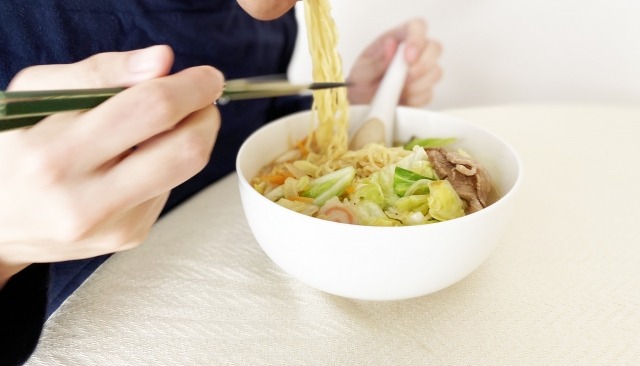
In Japan, making noise by slurping ramen or soba noodles is considered normal. In fact, slurping serves as a way to express that the food is delicious.
However, it’s not necessary to forcefully make loud noises; natural slurping is perfectly fine. Since everyone around you in a ramen shop usually slurps similarly, you don’t need to worry about it.
・Is it proper manners to drink all the soup?
It’s not required to finish all the soup. Of course, if you find it delicious and want to drink it all, that is fine. But many people are mindful of health or salt intake, so leaving some soup is not considered rude.
Also, some ramen bowls have messages like "Thank you" written at the bottom, and some enjoy finishing the soup completely to see the message.
7. Recommended Tori Paitan Ramen Shops
Here are recommended tori paitan ramen shops.
Menya Sugo - Tori no Toriko / 麺屋周郷 鶏のとりこ
Tokyo, Shimbashi
Google Maps: https://maps.app.goo.gl/kXmoK1zniR9Bo3uk8
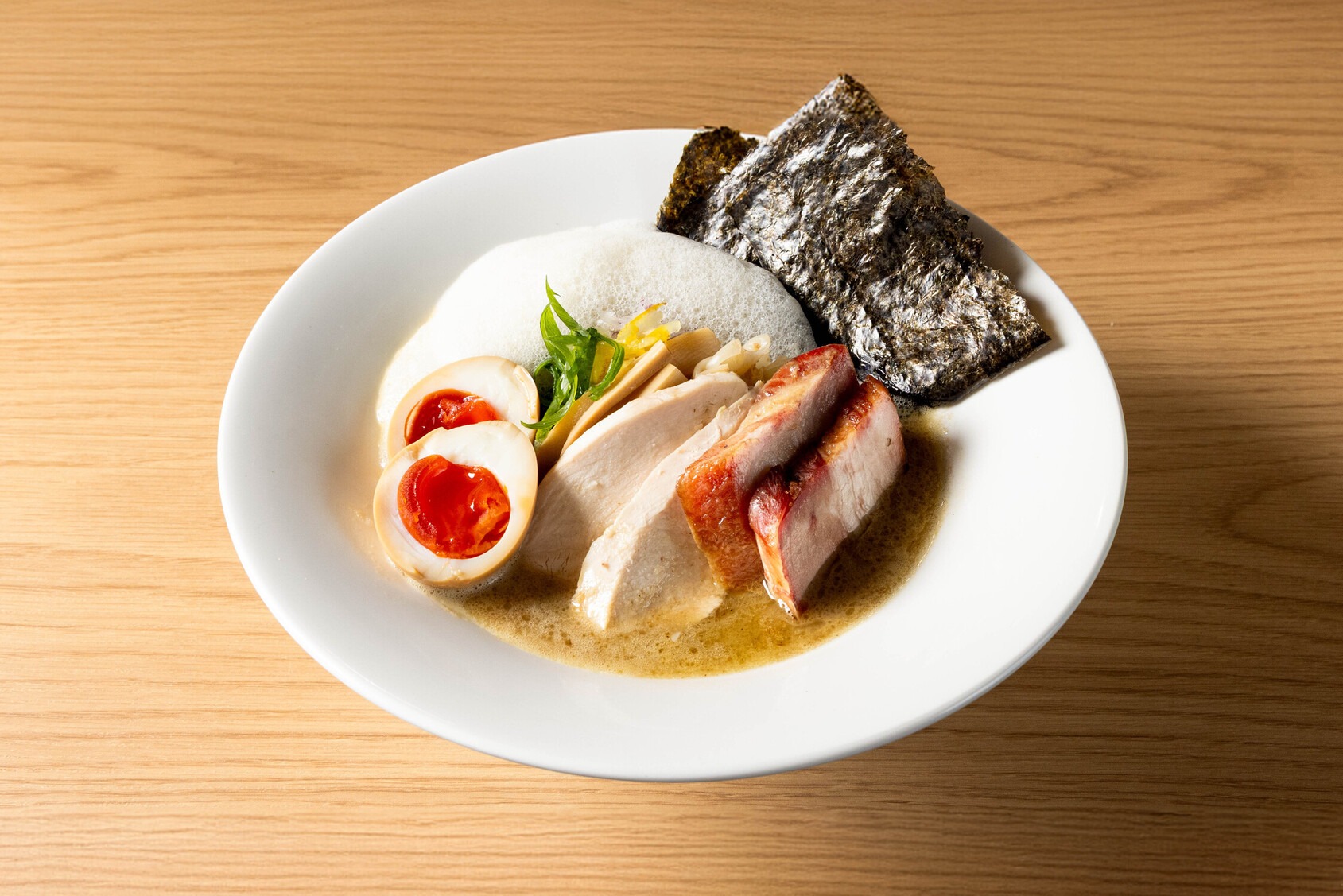
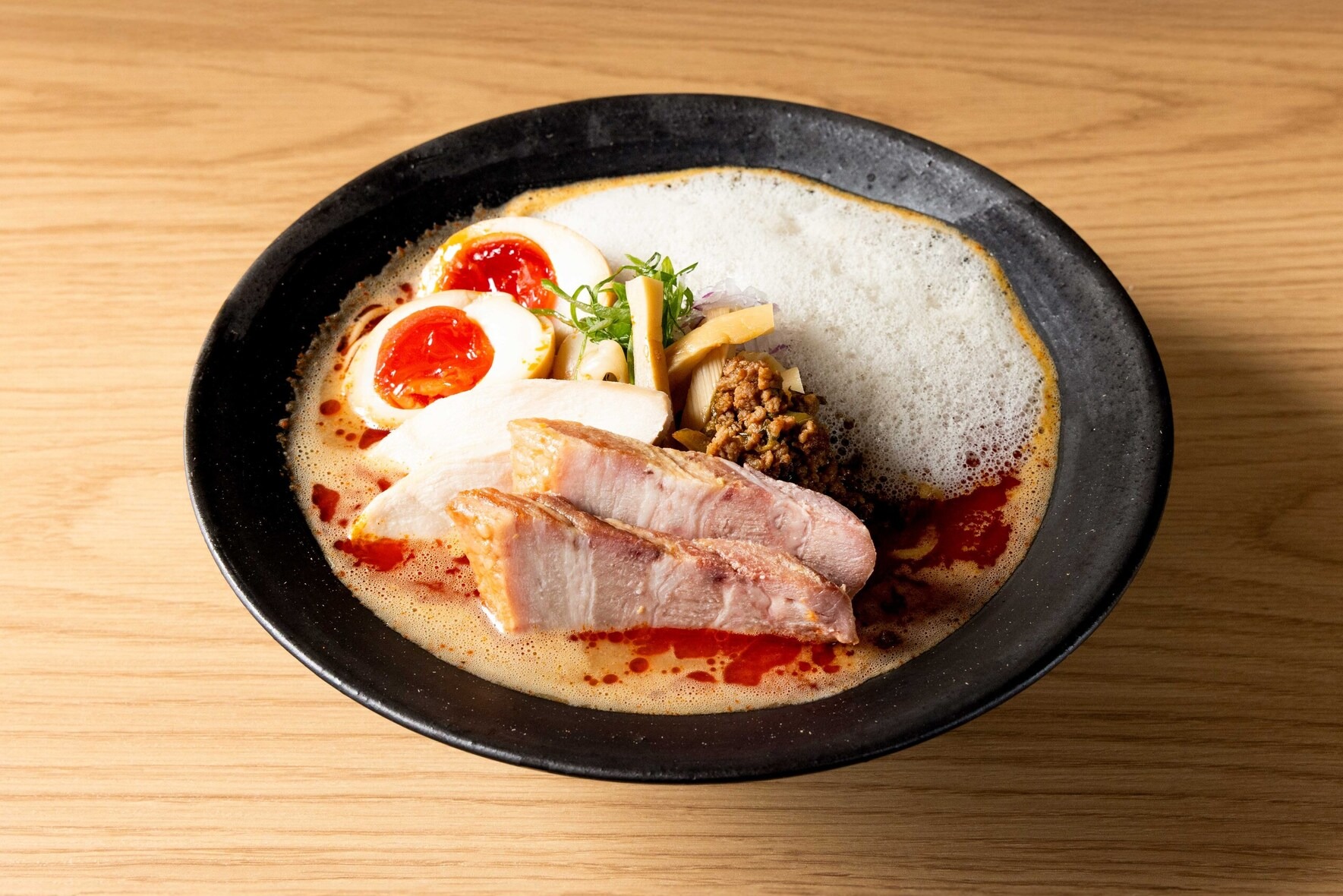
A few minutes’ walk from Shinbashi Station, in a corner of a building district, this shop quietly serves ramen that has mastered the umami of chicken.
Here you can enjoy two distinct bowls—creamy "white" and spicy "red."
The "white" features a rich tori paitan soup made by high-pressure cooking chicken and seafood. While thick, the soup has a light mouthfeel and a perfect blend of mellow chicken umami and sharpness from seafood.
The "red" is based on that white soup, with a unique blend of spicy meat added. It has a deep richness within the spiciness, designed so you can enjoy changing flavors as you eat.
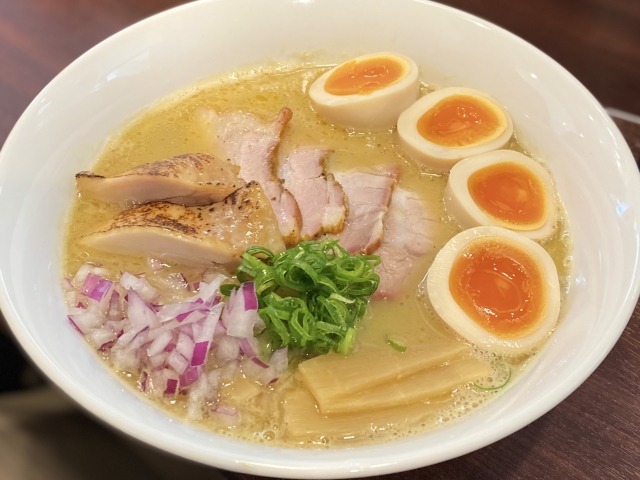
Both come with grilled hanging-style chashu and moist chicken breast chashu, providing satisfying taste and texture. Toppings such as ajitama, ginger foam, menma, and citrus add color, and the straight noodles blend well with the soup.
After the main bowl, the popular "aedama" with black vinegar is a delight—noodles and ingredients are well-flavored and offer the satisfaction of another ramen bowl.
If you want to taste a highly refined chicken ramen full of ingenuity and care, this place is worth a visit.
- Price: ¥900~
- Business Hours: 11:30~15:30, 17:30~22:00
- Regular Holiday: None
- Feature: Highly Rated
Information as of January 9, 2026.
In Conclusion
Tori paitan ramen is now one of the representative pillars of Japanese ramen culture. Its soup is condensed with chicken umami, visually beautiful, mellow in taste, and easy to eat.
While pork bone and soy sauce have long been the ramen staples, tori paitan has created a new trend and gained support from various groups. Especially for health-conscious people or those who like rich flavor but find it too heavy, this ramen is perfect.
During your stay in Japan, while touring sightseeing spots, please try tori paitan ramen at least once. Knowing how to choose shops and eating manners will allow you to enjoy its taste and culture more deeply.
Furthermore, by not only eating but also learning about how it was born and how it has evolved, your understanding of Japanese food culture will deepen further. Tori paitan ramen is a bowl that lets you feel not only delicious flavor but also the spirit of Japan today.
Search Restaurants by Popular Cuisines