Egg Dishes in Japan
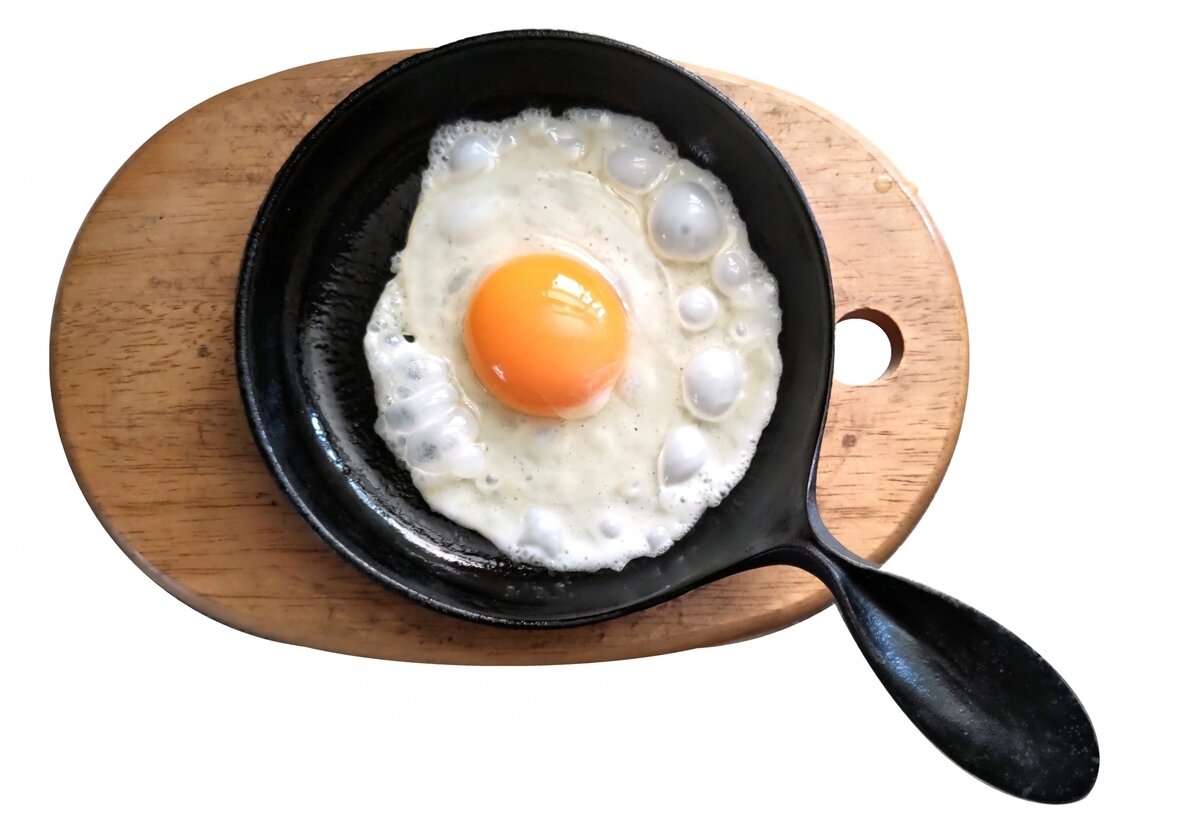
Egg dishes are among Japanese food culture's most diverse and fascinating parts.
Although egg dishes are loved worldwide, Japan has unique variations and ways to enjoy them.
Japanese egg dishes appeal to many for their variety and unique ways of cooking.
For example, they vary widely from fluffy omelets to simple but flavorful dashimaki tamago (rolled omelets) and luxurious dishes made with raw eggs.
History of Japanese Egg Dishes
Egg dishes became popular in Japan during the Edo (1603–1868) and Meiji eras (1868–1912).
In this period, chicken eggs began to be widely distributed, and different cooking methods were attempted.
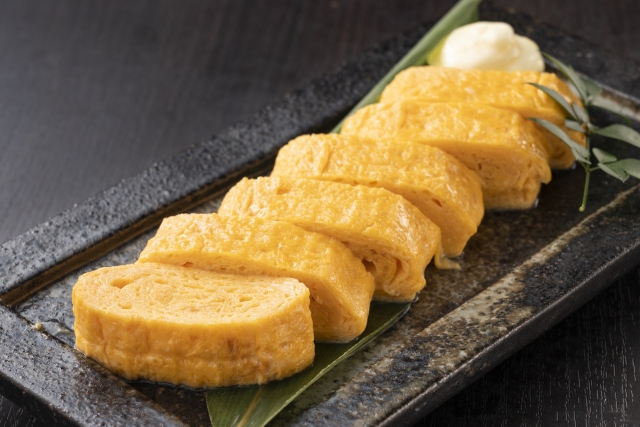
Dashimaki tamago became especially popular in Kyoto in the late Edo era and is still loved by many people and restaurants today.
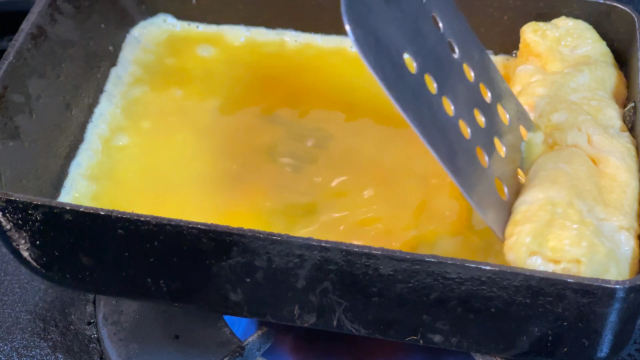
Unique seasonings and cooking methods have contributed greatly to the development of egg dishes in Japan.
For example, the dashi (broth) used in dashimaki tamago is made from kombu (kelp) and katsuobushi (bonito flakes) and enhances the flavor of the egg.
After theMeiji era, new egg dishes such as omu-rice (rice omelet) and custard pudding appeared, influenced by Western cuisine, enriching the Japanese diet.
Recent Trends
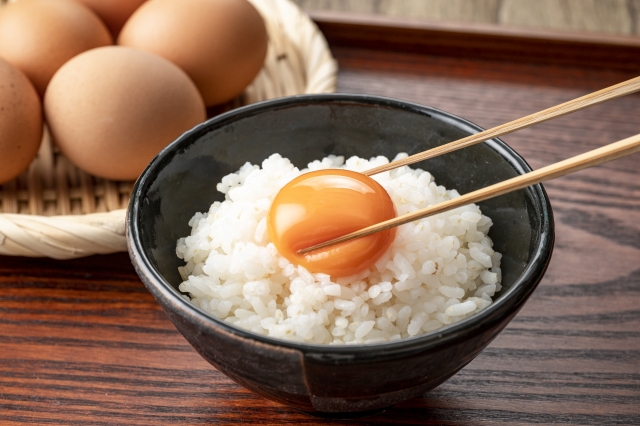
Tamago kake gohan (raw egg rice) and omu-rice have recently been trending on social media like Instagram and gaining popularity, especially among young people.
Restaurants and cafes specializing in egg dishes are also on the rise and have become very popular with tourists.
Omu-rice, in particular, has won the hearts of many Instagram users with its beautiful appearance and wide variations.
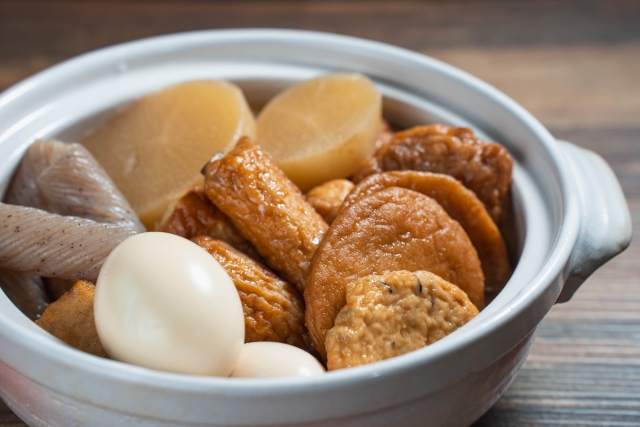
Moreover, eggs' high-protein, low-calorie nature has gained interest as consumers become more health conscious.
The demand for eggs as a food to help build muscle and lose weight is growing.
Since the quality control of chicken eggs is strictly regulated, eggs can be safely consumed raw in Japan, preserving their nutritional value, which is highly appreciated.
Why Are Japanese Eggs Safe to Eat Raw?
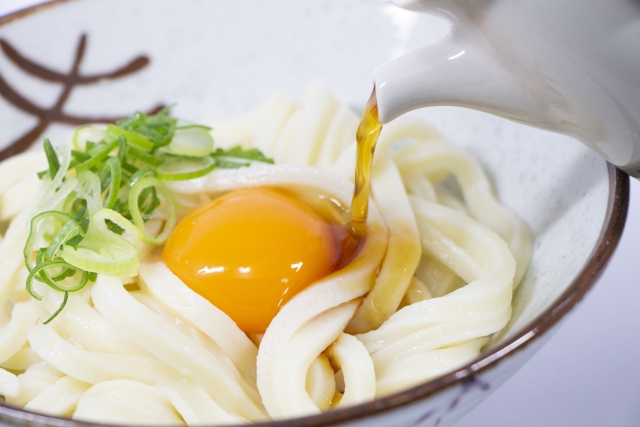
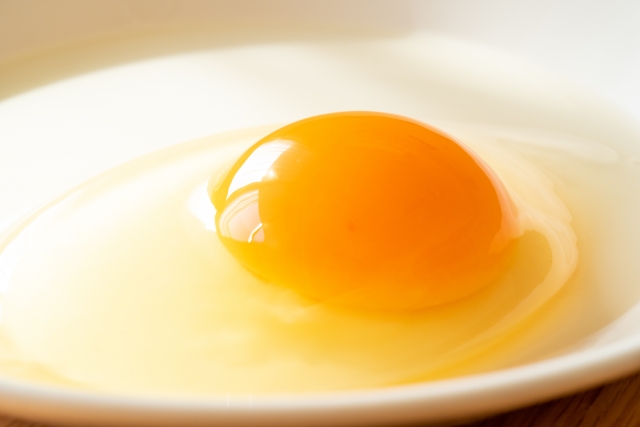
In Japan, a long-standing food culture of eating eggs raw has taken root over the years.
Dishes such as tamago kake gohan, sukiyaki, and raw egg used as a dipping sauce allow eggs to be enjoyed without cooking, and these styles of eating are not considered unusual on the Japanese dining table.
Behind this widely accepted practice lies Japan’s uniquely strict food safety and hygiene management system.
At Japanese poultry farms, detailed standards are set for the breeding environment, feed, and water used for chickens, creating a system designed to minimize risks such as salmonella as much as possible.
After being laid, eggs are promptly washed and sanitized, then distributed under carefully controlled low-temperature conditions.
This combination of speed and strict temperature control throughout the distribution process is a key factor that makes raw consumption possible.
In addition, Japanese eggs clearly display an expiration date.
This date is generally set based on the period during which the egg can be safely eaten raw, and consumption within this timeframe is considered appropriate for raw use. In many other countries, expiration dates are typically based on the assumption that eggs will be cooked, making this a notable difference for visitors from abroad.
Through the close coordination of production, distribution, and labeling, eggs intended for raw consumption are routinely available in Japan.
Understanding Japan’s egg culture also offers insight into the country’s strong commitment to food safety and quality.
Five Typical Japanese Egg Dishes
Tamago Kake Gohan
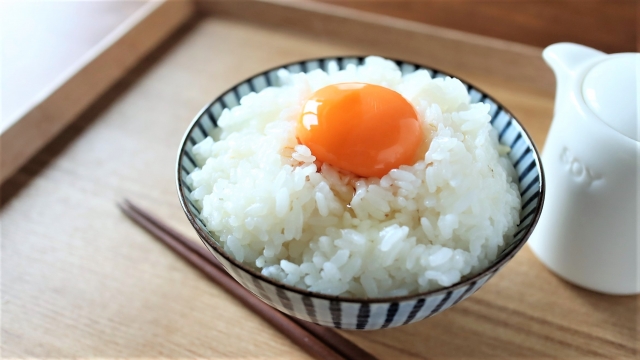
Simple but delicious, tamago kake gohan is a dish of warm rice topped with a raw egg and a dash of soy sauce.
Because it is easy to prepare, the dish is popular as a busy breakfast or light meal.
The raw egg's creamy texture and the soy sauce flavor complement the rice's sweetness.
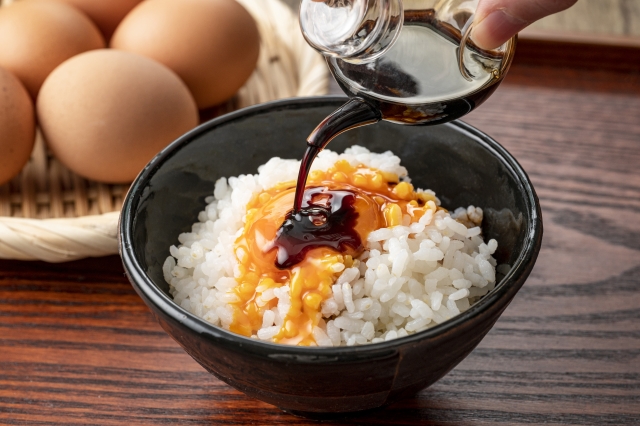
You can enjoy variations of tamago kake gohan with different toppings.
For example, adding nori (seaweed sheet), green onions, sesame seeds, or natto (fermented soybeans) will make it even more flavorful.
You can also buy a special soy sauce for tamago kake gohan, which enhances the flavor even more.
Dashimaki Tamago
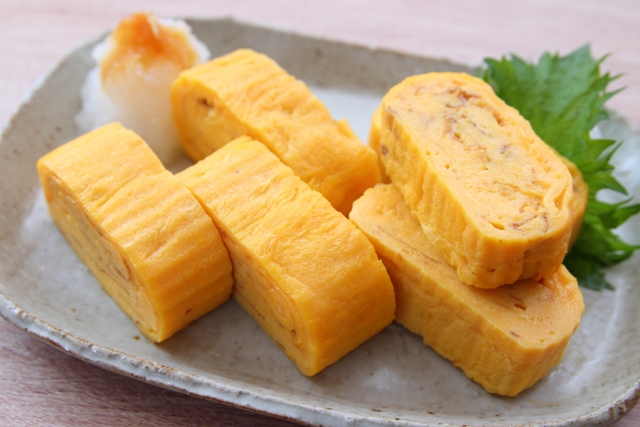
This dish is prepared by cooking egg mix with dashi (broth) until light and fluffy.
This soft omelet with Japanese dashi broth is ideal for lunch boxes and snacks.
To make it, add dashi broth, soy sauce, and mirin (sweet rice wine) to the eggs, mix, and carefully cook the mixture in a pan.
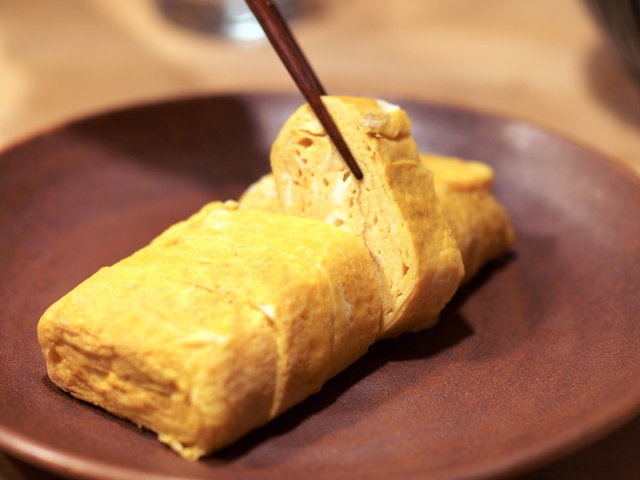
The secret to delicious dashimaki tamago lies in the dashi broth.
The dashi broth made from kombu kelp and katsuobushi flakes enhances the eggs’ natural sweetness and creates a rich flavor.
To roll the cooked eggs properly, roll them in layers for a fluffy and juicy texture.
Omu-rice

This Western-style egg dish consists of chicken fried rice wrapped in a fluffy omelet.
It is often seasoned with ketchup or demi glace sauce and is a popular home-style dish.
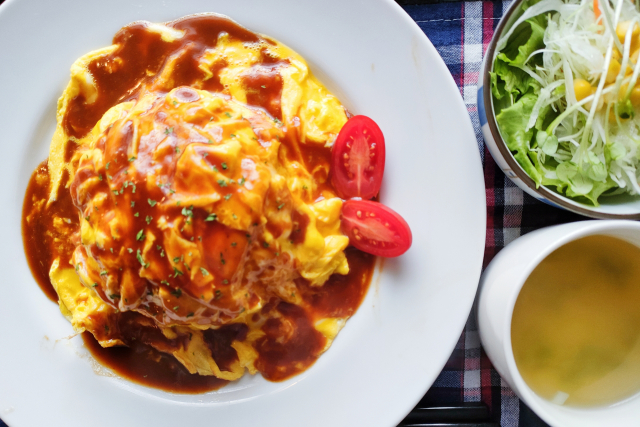
One of omu-rice’s charms is its wide variations.
In addition to basic ketchup fried rice, the dish comes in many other styles, including curry-flavored, with added cream sauce, and healthy versions made with tomatoes and herbs.
The omelet is cooked to perfection and can be a half-cooked, creamy omelet or a fully cooked omelet, depending on your preference.
Oyakodon
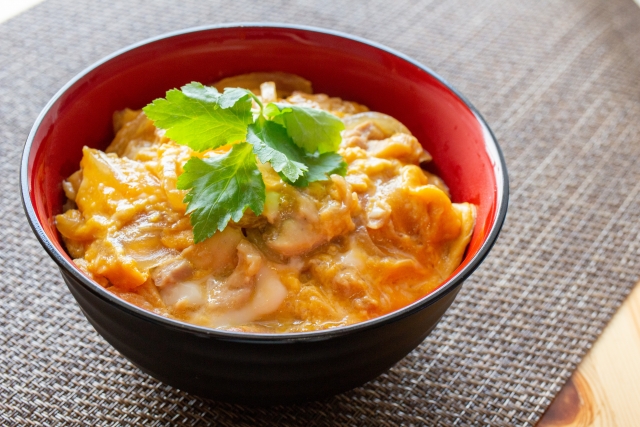
Oyakodon is a rice bowl topped with chicken and onions simmered in a sweet, salty broth and covered with beaten eggs.
The eggs' melt-in-your-mouth texture and the chicken's savory flavor are a perfect match.
To prepare the dish broth, simmer chicken and onions in soy sauce, mirin rice wine, sugar, and dashi.
Then, add beaten eggs and cook lightly.
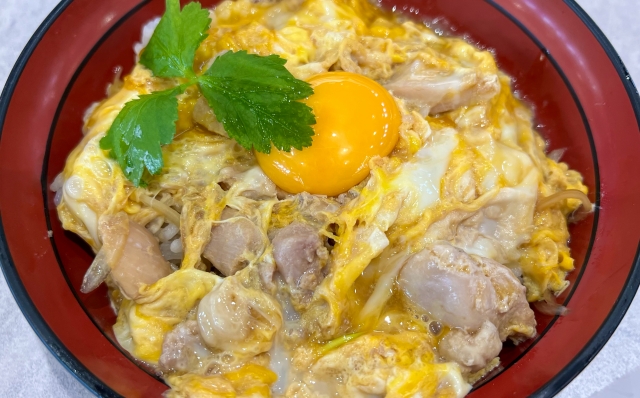
The name oyakodon comes from the fact that "oya (parent: chicken) and ko (child: egg)" are cooked together.
Its simple yet profound flavor makes it a comforting, home-style dish for many Japanese people.
The key to making a delicious oyakodon lies in the precise timing of adding the eggs and heat control.
Cooking the eggs half-done creates a melt-in-your-mouth texture.
Chawanmushi
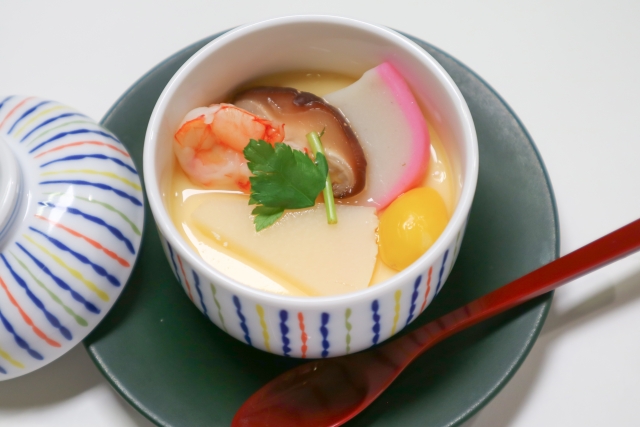
Chawanmushi is a traditional Japanese dish made by steaming a mixture of dashi broth and eggs in a steamer.
The dish has a smooth texture and uses ingredients including chicken, shiitake (mushrooms), and kamaboko (fish cakes).
It is often decorated with mitsuba (wild parsley) and yuzu (aromatic citrus) peels, making it a visually appealing dish.
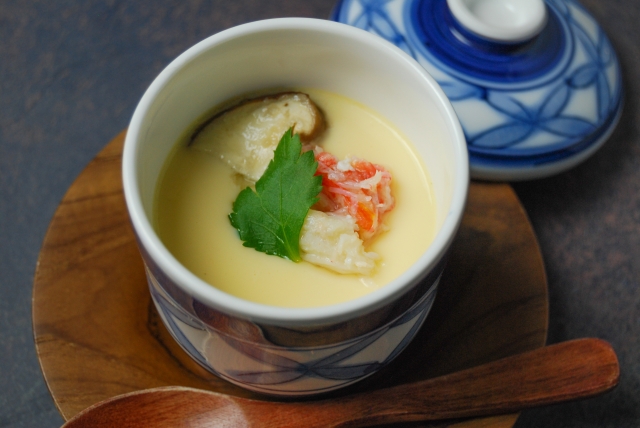
Chawanmushi is typically served as an appetizer for special meals because of its beautiful appearance and elegant taste.
Despite its simple process, scraping the egg mixture carefully is essential to achieve a smooth finish.
Proper steaming time and temperature control are also key to a creamy, even texture.
The Culture of Sweets and Desserts Made with Eggs
In Japan, eggs play an essential role not only in meals but also in the world of sweets and desserts. The gentle sweetness, richness, and smooth texture of eggs pair exceptionally well with the delicate flavors preferred in Japanese cuisine, supporting a wide range of confectionery traditions.
One of the most representative examples is pudding. Japanese pudding is made from simple ingredients—eggs, milk, and sugar—yet is known for its remarkably smooth and light texture. From melt-in-your-mouth soft puddings to traditional firmer styles, the variety of textures is part of the enjoyment.
Baked sweets such as castella, roll cakes, and chiffon cakes, all made with generous amounts of eggs, are also beloved throughout Japan. Japanese cakes are often crafted with restrained sweetness, allowing the natural flavor of the eggs to shine through. Their refined appearance and delicate finish further reflect Japan’s distinctive dessert culture.
In recent years, an increasing number of specialty shops and cafes have emerged, focusing on high-quality eggs or desserts made with eggs delivered directly from local farms. These sweets are widely appreciated as a way to experience the high quality and safety of Japanese eggs in a sweet form.
Experiencing Japan’s egg culture through desserts, as well as through savory dishes, is one of the unique culinary pleasures found in Japan.
Summary
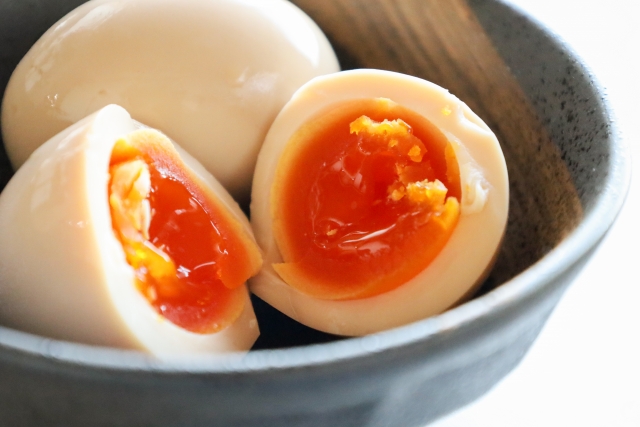
Japanese egg dishes attract many people with their wide variety and unique flavors.
In particular, the fact that raw eggs can be safely consumed represents a part of Japan's unique food culture.
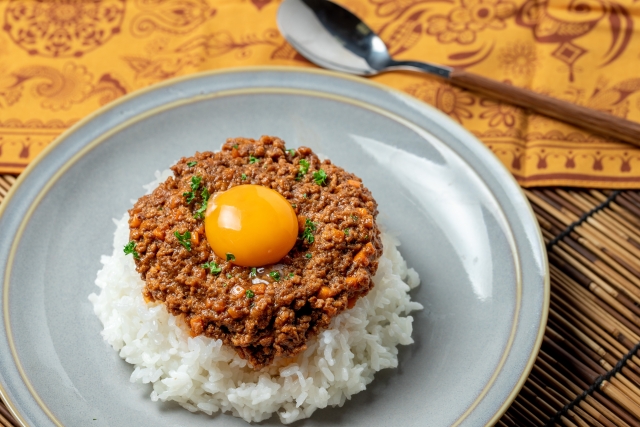
All the egg dishes introduced in this entry are must-tries in Japan.
Each one has its own delicious and unique flavor that symbolizes Japanese food culture, and we hope you discover their charms during your visit to Japan.
We are sure you will relish the depth and charms of the egg dishes widely loved in Japan.