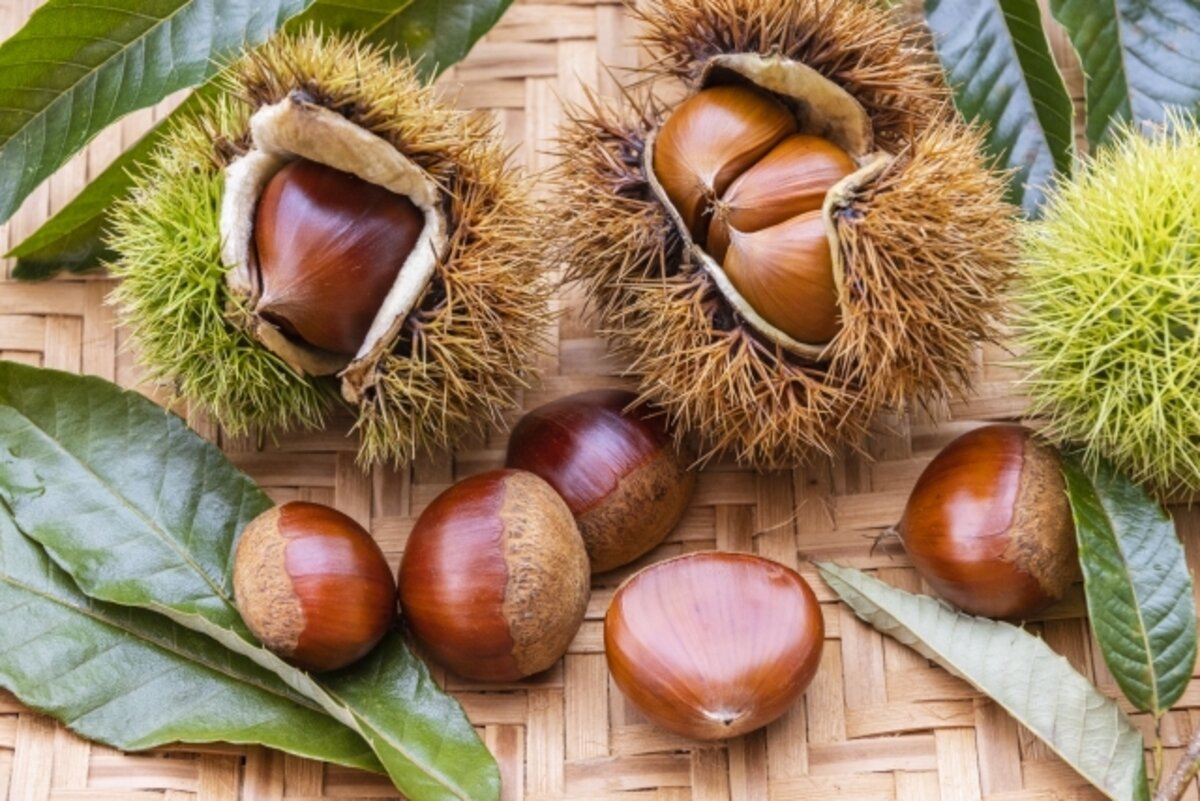
As the crisp air of autumn sweeps across Japan, a beloved seasonal treasure emerges: the delightful chestnut. From the cozy aroma of roasted chestnuts on street corners to the sweet indulgence of Mont Blanc desserts and the comforting warmth of kuri kinton, chestnuts paint a delicious portrait of Japanese autumn.
What makes Japanese chestnuts, or “Waguri,” truly special? Compared to their overseas cousins, they boast a distinct large size, a fluffy texture, and a gentle, natural sweetness that make every bite memorable. Beyond taste, chestnuts hold a cherished place in Japan’s culinary traditions and cultural heart.
In this guide, we’ll explore everything you need to know about Japanese chestnuts: their varieties, where to find them, peak seasons, mouthwatering dishes, and the festivals that celebrate them. Whether you’re a foodie, a culture enthusiast, or planning your autumn trip to Japan, discovering chestnuts will add a rich new flavor to your journey.

1. What is Chestnut?
Chestnut, or "kuri," is the fruit of the deciduous broadleaf Castanea tree, recognized as a staple in Japanese diets since ancient times. The native variety, "Waguri," offers the perfect balance of size, sweetness, and texture, inviting you to savor autumn’s bounty in a uniquely Japanese way.
Imagine peeling away the spiny burr and hard shell to reveal a golden nut with a delicate, fluffy texture and natural sweetness—as comforting as the crisp autumn breeze rustling through Japan’s forests.

2. What is Waguri (Japanese Chestnut)?
"Waguri," native Japanese chestnuts, grow wild and have become beloved for their large size and gentle sweetness. Unlike European or Chinese chestnuts, their thick skin makes peeling a treasured seasonal ritual—a moment to connect with tradition and family during autumn.
From comforting chestnut rice to the golden kuri kinton, chestnuts flavor Japan’s autumn and festive tables alike.

3. Types of Chestnuts Eaten in Japan
Japan’s regions grow delightful chestnut varieties, each with its own special character and flavor. Whether it’s the widely loved Tanzawa, the sweet Tsukuba, or the luxurious Ginyose, tasting these during your travels adds a unique, delicious layer to your journey.
Tanzawa (たんざわ)
A balanced, easy-to-find variety known for its perfect nut size and flavor.
Tsukuba (つくば)
Sweet, large nuts that shine in desserts and roasting.
Ginyose (ぎんよせ)
A historic, large variety prized as a luxury gift.
Rihei (りへい)
Sweet, rare, and beloved by loyal fans.
Tanba (たんば)
Renowned for large nuts, central to Kyoto and Hyogo’s wagashi artisans.
Shopping for these varieties at local markets can become a delightful seasonal adventure.
4. Chestnut Production Areas in Japan
Across Japan, chestnut cultivation regions each bring their own flavors and traditions. Visiting farms and local festivals offers an immersive taste of autumn culture.
Ibaraki Prefecture
Known for “Kasama no Kuri,” a top-class chestnut brand featuring vibrant chestnut fairs to celebrate the harvest.
Kumamoto Prefecture
Kyushu’s largest producer, offering rich-flavored chestnuts perfect for roasting and candying.
Gifu Prefecture
Home to “kuri kinton” specialties where sweets and chestnuts unite in harmony.
Nagano Prefecture
The “chestnut town” Obuse is famed for dense, sweet chestnuts and exquisite confections.
Kyoto & Hyogo Prefectures (Tanba)
Known nationwide for premium Tanba chestnuts, cherished by traditional wagashi makers.
Sampling chestnuts directly from their home regions is a must for any traveler seeking authentic flavors.
5. Peak Season of Japanese Chestnuts
Chestnut season blossoms from mid-September through October, when farmers' markets brim with fresh, fragrant nuts and street stalls offer warm roasted delights inviting you to explore.
Some farms open their gates for chestnut picking experiences — a memorable way to connect with Japan’s autumn rhythm and bring home fresh souvenirs.
While chestnut sweets can be found year-round, nothing compares to tasting these seasonal treasures fresh from Japan’s bountiful harvest.
6. Differences Between Japanese Chestnuts and Overseas Chestnuts
Japanese chestnuts stand out for their large, rounded shapes, fluffy texture, and natural sweetness, differing from smaller, flatter European chestnuts and the distinct flavors of Chinese varieties.
Their culinary uses differ too — while overseas enjoy chestnuts mainly as ingredients in fillings or soups, Japan celebrates the nut itself in both savory and sweet dishes, providing a genuine taste of its autumnal charm.
7. Recommended Ways to Eat Chestnuts
Enjoy chestnuts in classic and creative ways during your visit. Here are must-try dishes that tell the story of autumn in Japan.
Roasted Chestnuts
Simple yet irresistible, roasted chestnuts on the street fill the air with a warm, smoky sweetness—perfect for an autumn stroll.

Chestnut Rice
A hearty dish where fluffy rice and sweet chestnuts blend with subtle sake seasoning—a homely taste of autumn.

Kuri Kinton
Golden sweet chestnuts simmered simply with sugar, symbolizing good fortune in New Year's celebrations.

Candied Chestnuts
Glazed with syrup, these glossy chestnuts are as beautiful as they are delicious—a favorite treat year-round.

Mont Blanc
While this dessert has French roots, Japanese Mont Blancs feature rich chestnut paste that melt in your mouth—found in cafes and wagashi shops across the country.

Don’t miss the chance to treat yourself to these chestnut delicacies during your autumn trip—they’re a sweet reminder of Japan’s seasonal charm.
8. The Position of Chestnuts in Japanese Culture
Chestnuts carry meanings beyond flavor—they embody good fortune, seasonal beauty, and community spirit woven into Japan’s cultural fabric.
Chestnuts as Auspicious Items
Kuri kinton, a golden chestnut dish featured in New Year’s osechi ryori, symbolizes prosperity and bright futures—a delicious wish for the year ahead.

Chestnuts as Seasonal Words
In poetry, chestnuts symbolize autumn’s bounty and connection with nature—echoed in haiku and tanka through vivid images like “collecting chestnuts.”
Relationships with Seasonal Events
Chestnut festivals and harvest celebrations invite locals and travelers alike to appreciate the season’s gifts, creating joyful community moments and cultural immersions.
In Conclusion
Japanese chestnuts are more than autumnal treats—they are living stories of culture, history, and the changing seasons. From the first bite of a roasted Waguri nut to the elegant sweetness of kuri kinton, chestnuts invite you to savor Japan’s unique flavors and traditions.
Plan your visit during the chestnut season this autumn to experience the warmth, taste, and heartfelt hospitality that make Japan’s autumn foods truly unforgettable.
Embrace the magic of Japanese chestnuts and let the flavors of autumn inspire your journey.