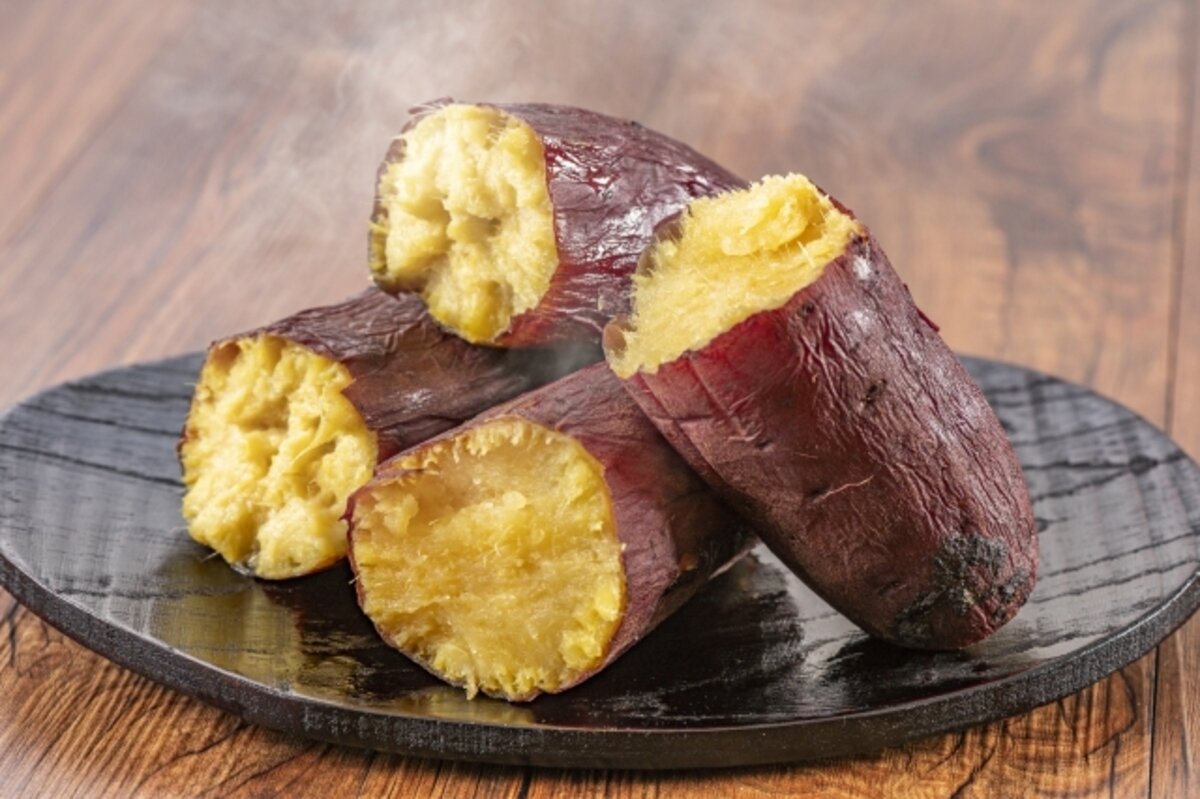
In winter in Japan, a sweet and savory aroma wafts in from nowhere—that signals the arrival of the "yakiimo" season. Holding a warm, fluffy sweet potato allows you to forget about the cold, spreading a sense of comfort. From traditional yakiimo sold from light trucks to the evolved versions rearranged as modern sweets, Japan has a rich variety and culture surrounding this one food called "yakiimo."
In this article, I will comprehensively introduce the charm of yakiimo in Japan, covering basic information, cultural background, varieties and cooking methods, and the latest trends in sweets—all sure to entice your palate and inspire your travel plans.

1. What is Yakiimo
"Yakiimo" is a simple yet profoundly delicious dish made by slowly roasting sweet potatoes with the skin on to really bring out their natural sweetness. In Japan, it is celebrated as a seasonal delicacy from autumn to winter, readily available at convenience stores, supermarkets, specialty shops, and even popular food trucks.
One notable feature is that this gentle roasting process increases the sugar content, allowing you to enjoy a moist texture and rich sweetness in every bite. Particularly in recent years, "netto-ri-kei," referring to sweet potato varieties with exceptionally high sugar content, has become popular, resulting in yakiimo that tastes almost like decadent desserts.

2. The Surprising "Yakiimo Culture" for Tourists
Many foreigners are surprised and captivated by the unique yakiimo culture in Japan. Here are some of the elements that make yakiimo so irresistible.
Yakiimo Enjoyed as a "Snack" or "Sweets"
In Japan, yakiimo is a cherished light meal, snack, or dessert rather than just a side dish. Children often indulge in it after school, and many enjoy it on winter strolls, perfectly integrating it into daily life. Its natural sweetness has turned it into a beloved "healthy sweet," needing no added sugars or butter.
Moreover, the popular high-sugar "netto-ri-kei" sweet potatoes produce varieties so sweet they practically ooze "nectar" when roasted. These yakiimo are not just ordinary snacks; their rich flavors have earned them a delightful status akin to desserts, enchanting the taste buds of many.
Light Truck "Ishi Yakiimo Ya"
When you hear the distinctive shout of "Ishi yakiimo" from a slowly moving light truck through wintery streets, many people can't help but turn around in anticipation. This unique mobile selling style in Japan offers sweet potatoes roasted in a stone oven setup in the truck’s cargo area.
This nostalgic sight has gained popularity on social media as a quintessential winter scene in Japan, attracting everyone from locals to tourists looking for a heartwarming treat.

Convenience Store Accessibility
Major convenience store chains like Seven-Eleven and FamilyMart offer yakiimo seasonally during winter. These warm delights are heated in hot cases near the registers, providing an easy way to indulge in authentic flavors. Their reasonable pricing and convenience make them even more attractive on chilly days.
Moreover, stores like "Don Quijote" often sell yakiimo year-round, featuring particularly sweet and gooey varieties that have taken social media by storm.
High-End Yakiimo at Department Stores and Airports
Recently, high-end varieties such as "brand sweet potatoes" and "aged yakiimo" have emerged. At souvenir shops in airports and food sections (depachika) in department stores, beautifully packaged yakiimo can be found, making them a popular choice for souvenirs.
The Secret of Delicious Yakiimo: "Slow Cooking at Low Temperatures"
One reason Japanese yakiimo achieves such sweetness is the unique low-temperature cooking method. Roasting at around 60-80°C for several hours allows the starch in sweet potatoes to convert to sugar, creating a rich sweetness that's hard to resist. This concept of "cultivating sweetness while aging" rather than just "roasting" reflects the depth and tradition of Japanese yakiimo culture.
3. Types of Sweet Potatoes
The deliciousness of yakiimo widely varies depending on the type of sweet potato used. Japan boasts a multitude of sweet potatoes with diverse flavors and textures due to active breeding. Here, I will introduce four representative types that you must try.
Beniharuka
This variety is known for its high sugar content, yielding "nectar" when roasted. With a moist and sticky texture, it's currently one of the most sought-after varieties.

Annou Imo
Renowned for its production in Tanegashima, Kagoshima Prefecture, it turns a vivid orange when cooked. This varietal is famous for its custard-like rich sweetness and creamy texture.
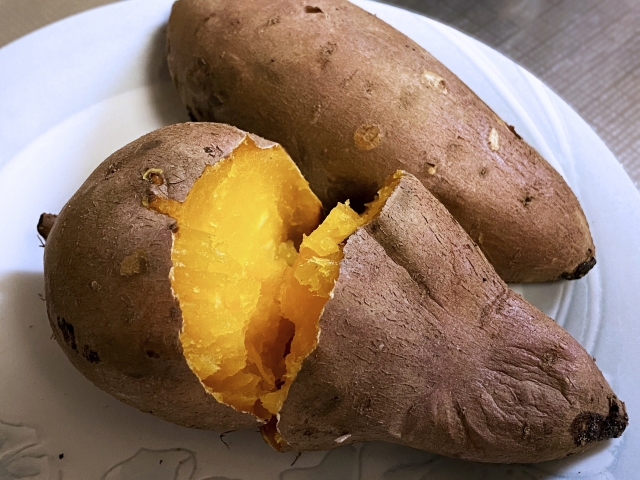
Silk Sweet
As implied by its name, this variety is cherished for its silky smooth texture and refined sweetness, making it a popular choice for home baking.

Beni Azuma
A quintessential representative of the fluffy variety, Beni Azuma offers a firm fibrous texture, making it an excellent choice for those who wish to savor the traditional taste of yakiimo.

At specialty yakiimo shops, you can find menus that allow you to compare these varieties, making for a delightful tasting experience—a perfect memory for visitors looking to indulge their senses.
4. Commitment to the Cooking Method
The deliciousness of yakiimo is deeply rooted in its "cooking method." Here are some of the common techniques used in Japan.
Stone Roasting
The most traditional method involves thoroughly roasting sweet potatoes over heated small stones. This method ensures heat is evenly distributed, enhancing the natural sweetness while keeping the inside moist and tender. The result is a fragrant exterior that adds to the overall experience.

Pot Roasting
This method involves suspending sweet potatoes in a ceramic pot and slow-roasting them over charcoal. The infrared effect concentrates and amplifies the sweetness, leading to a beautifully crisp skin. Pot-roasted sweet potato shops are becoming increasingly popular, offering a unique experience.

Oven Roasting / Home Grill
At home, sweet potatoes can be easily roasted using an oven or a fish grill. Wrapping the sweet potatoes in newspaper and aluminum foil beforehand yields a wonderfully steamed result.
In specialty kitchens dedicated to quality, roasting times may exceed 90 minutes, allowing for an astonishing level of sweetness achieved through slow cooking at low temperatures.
5. Evolved Yakiimo Sweets
In Japan, yakiimo-based sweets are increasingly popular. Here are some exciting adaptations that you should try.
Yakiimo Brulee
Imagine crisping up the surface of yakiimo with a sprinkle of sugar, caramelized to perfection—creating a delightful contrast between moist and crispy textures.

Yakiimo Mont Blanc
This treat features yakiimo paste shaped like Mont Blanc, often paired with the sweet potato itself or ice cream, creating a dessert that’s as beautiful as it is delicious—an Instagram-worthy delight!
Yakiimo Ice Cream / Parfaits
A menu item that brilliantly combines chilled yakiimo with ice cream, offering a refreshing contrast of sweetness and temperature that’s a delight, even in summer.

Yakiimo Cheesecake
Combining yakiimo with cream cheese creates a rich flavor profile that makes for a truly indulgent dessert. An adult twist that highlights the yakiimo's natural sweetness.
These sweets are readily available at cafes and specialty shops in tourist hotspots such as Asakusa in Tokyo, Arashiyama in Kyoto, and Shinsaibashi in Osaka. Be sure to seek them out during your visit!
In Conclusion
Yakiimo in Japan is far more than just "roasted sweet potatoes." It embodies a tapestry of flavors, cooking techniques, and cultural significance that conjures warmth in the winter months. Experience the depth of different varieties, the commitment to traditional cooking methods, and the exciting modern sweet adaptations that make this treat a must-try.
Enjoying a hot yakiimo on a cold winter day captures the very essence of Japan’s warmth. When tempting aromas lead you to a vendor during your travels, know that you’ve stumbled upon a delightful aspect of Japanese culture.
So when you come to Japan, don’t miss the chance to savor the simple yet profound flavors of "yakiimo" – an unforgettable experience awaits!

Search Restaurants by Popular Cuisines