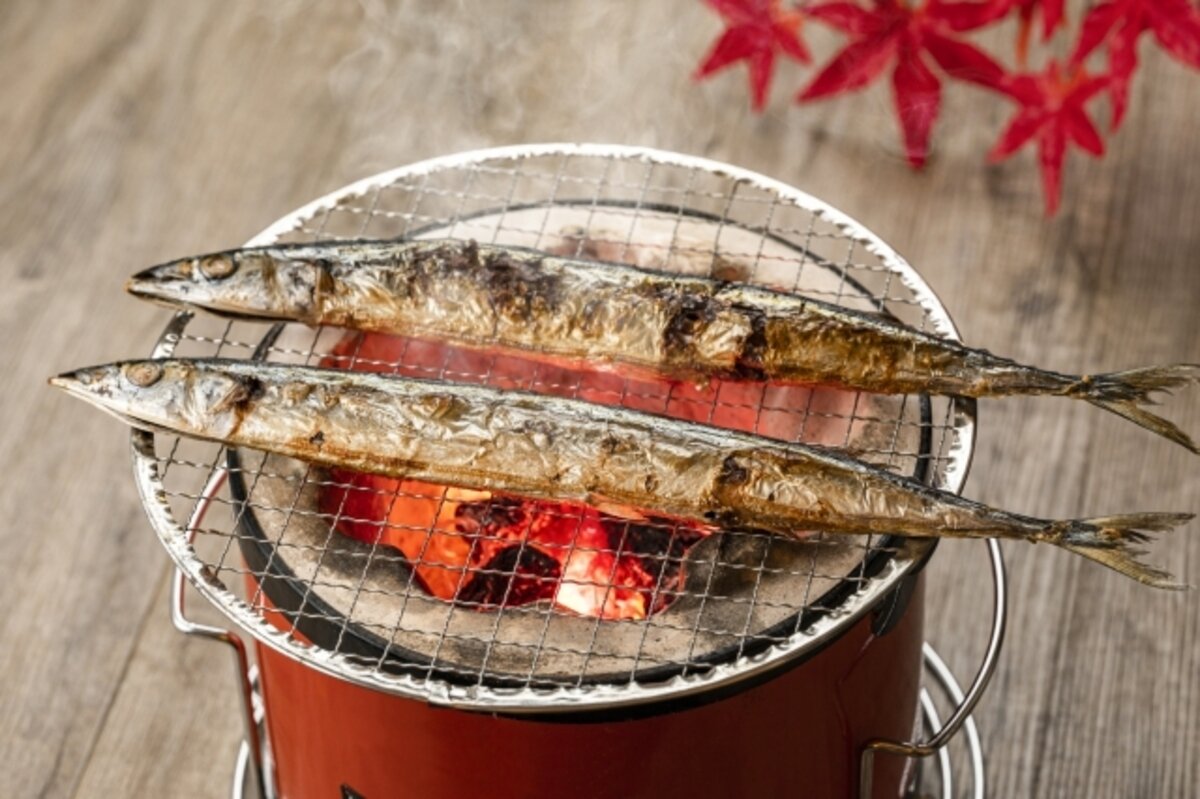
When autumn arrives in Japan, slender silver fish called "Sanma"(Pacific saury) begin to appear at the entrances of supermarkets and restaurants across the country. The irresistible aroma of Sanma grilled over glowing charcoal is revered as the very scent of fall in Japan. While cherished in Japanese homes for centuries, Sanma has recently caught the attention of travelers eager to savor Japan's authentic seasonal flavors and cultural traditions.
Though often seen simply as grilled fish, Sanma offers a fascinating story—its life cycle tied closely to Japan's seas and climate, a food culture uniquely different from abroad, and a rich, fatty taste that can only be enjoyed in autumn. This article invites you to explore everything about Sanma, from the basics to local customs and the latest insights.
If you want to experience the true taste of Japanese autumn or create an unforgettable "Sanma moment" during your travels, this guide has you covered.
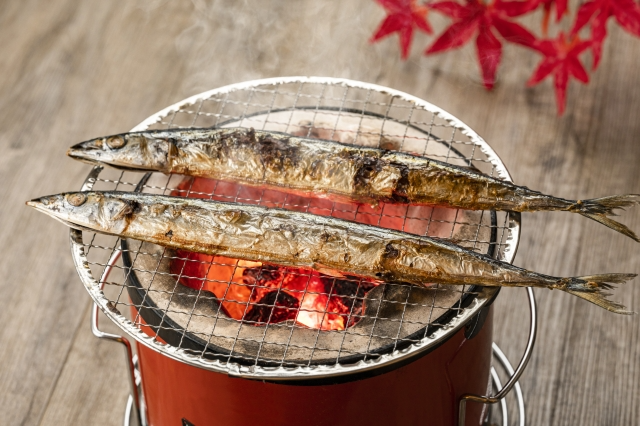
1. What is Sanma?
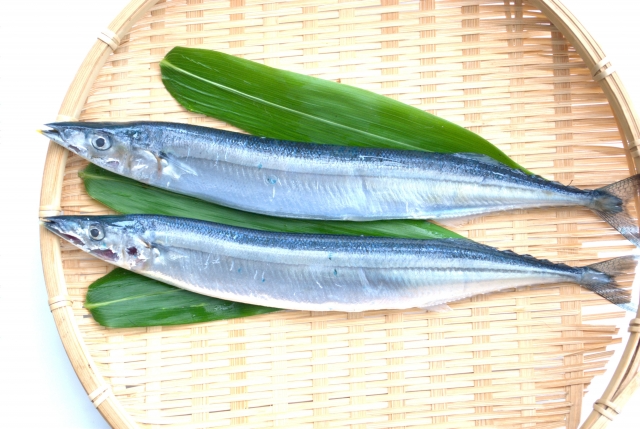
Sanma, written as "秋刀魚" in kanji, is one of Japan's most beloved saltwater fish. Its name reflects both its autumn catch season and its long, sword-like shape. Scientifically known as Cololabis saira and called "Pacific Saury" in English, Sanma measures about 30 centimeters, with sleek silver-blue coloring. Its sharp teeth and pointed mouth help it feed on small crustaceans and plankton.
Sanma’s most prized quality appears in autumn — its flesh becomes richly fatty, delivering a captivating aroma when grilled. Crispy skin and juicy, tender meat combine for a truly mouthwatering experience. Thanks to its simple preparation and delicious taste, Sanma is enjoyed from humble family meals to refined dining in Japan.
2. How Japanese Sanma Differs from Its Overseas Counterparts
Sanma is found not only in Japan but also along the Pacific coasts of China, Korea, Taiwan, and Russia. Yet Japanese Sanma stands apart in freshness, flavor, and handling.
Because Japan’s culinary culture embraces raw fish, only the freshest Sanma can satisfy local palates. That's why Japanese fishermen chill and store Sanma immediately after catching to keep it sashimi-ready. Elsewhere, Sanma is often frozen or processed, mostly grilled or canned.
What really sets Japanese Sanma apart is its high fat content during autumn. This richness creates an extraordinary texture and aroma, unmatched by varieties abroad, which sacrifice fat for easier distribution.
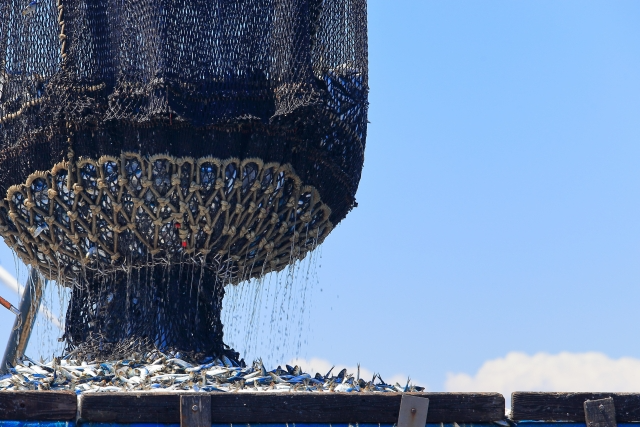
Fishing methods also differ. Japan’s traditional "bouukeami" (stick trap nets) gently capture Sanma without harming the flesh, preserving quality. In contrast, large-scale trawl fishing common overseas can damage the fish, reducing freshness.
These factors combine to make Japanese Sanma a superior delicacy renowned for its freshness, flavor, and care.
3. Fishing Grounds for Japanese Sanma
Japan’s Sanma fisheries are primarily located along the Pacific coast from Hokkaido down to the Tohoku region. Notable fishing ports like Hanasaki in Nemuro City, Hokkaido, Kesennuma in Miyagi Prefecture, and Ofunato in Iwate Prefecture become bustling hubs of activity each September.
Sanma are migratory, spending spring and summer offshore east of Japan, then migrating southward in autumn to feed along the archipelago. This autumn migration is when the largest catches occur.
Rising sea temperatures and foreign fishing pressures have shifted Sanma fishing grounds northwards in recent years. Where once Sanma thrived near Sanriku and Kanto, they’re now more abundant off Hokkaido’s coast.
Visitors to these ports early in the morning can enjoy fresh Sanma displays and even taste freshly grilled fish at local stalls or sample sashimi at specialized restaurants—offering a genuine dive into Japan’s fishing culture.
4. The Sanma Season in Japan
The best time to enjoy Sanma in Japan is without doubt autumn—especially from September to November. During these months, Sanma builds up rich fat to survive winter, resulting in incredibly flavorful, melt-in-your-mouth flesh when grilled.
Seasonal Sanma are visibly different too: plump bodies, glossy, shiny skin, firm to the touch, bright clear eyes, and full bellies signal top quality.
Though recent years saw smaller catches and higher prices, 2025 brought a bounty of Sanma—double the usual amounts—making large, fatty fish more readily available than before.
If you visit Japan during this period, be sure to indulge in fresh seasonal Sanma—it’s a quintessential taste of fall.
5. How to Enjoy Sanma
Sanma can be savored in many ways across Japan, but here are some must-try preparations:
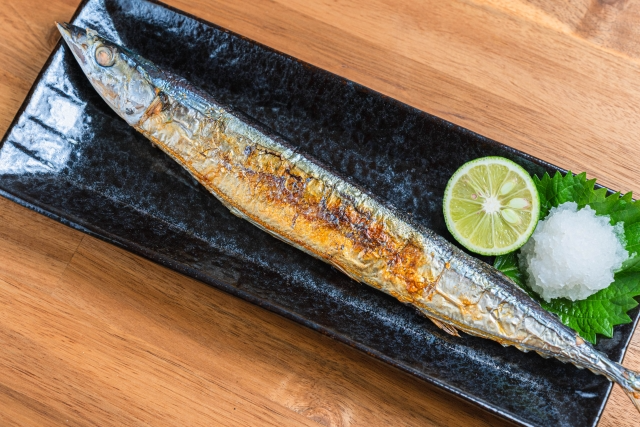
Salt-Grilled (Shioyaki)
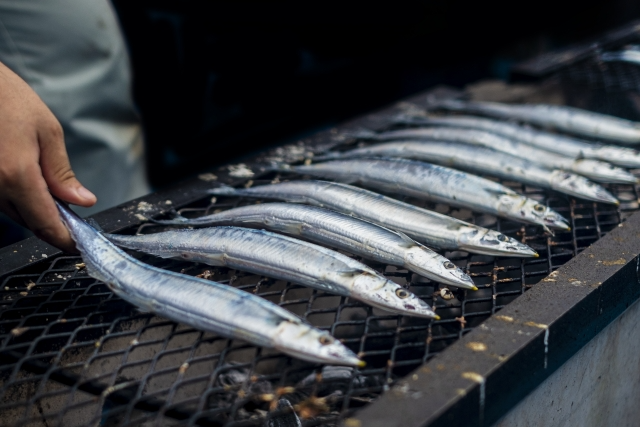
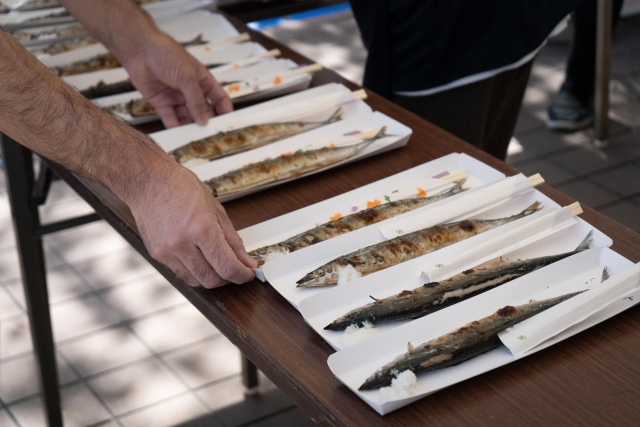
The classic way in Japanese homes—sprinkled with salt and slowly grilled over charcoal. Served with grated daikon radish and soy sauce, the crispy skin and juicy meat fully reveal the umami of its rich fat.
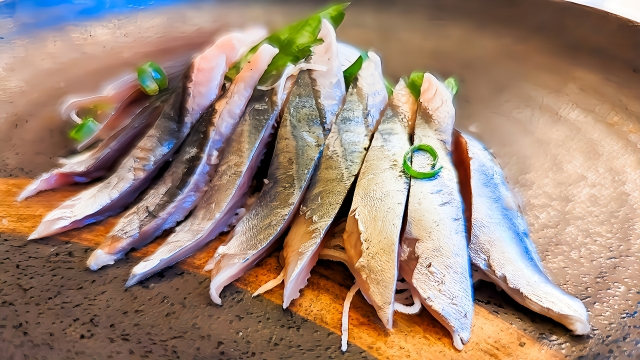
Sashimi
A luxurious way to enjoy the freshest Sanma raw, tasting the sweet fat and delicate texture that melts in your mouth. Due to freshness requirements, savor sashimi mostly in fishing port areas or specialty shops.
Namero
A traditional fisherman's dish involving finely chopped Sanma mixed with miso, ginger, green onions, and more. It pairs perfectly with sake or rice.
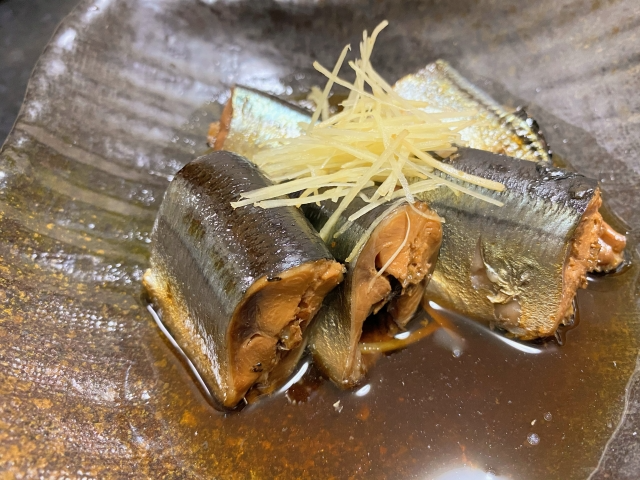
Simmered Sanma
Sanma slowly simmered in a sweet-savory blend of soy sauce, sugar, and mirin, softening the bones for easy eating. Ideal alongside rice.
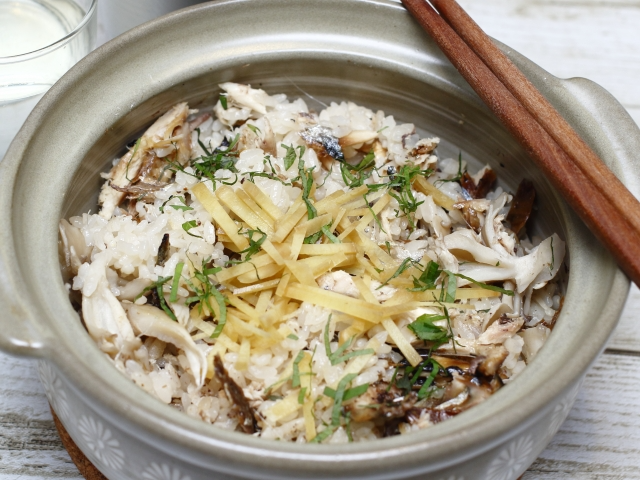
Takikomi Gohan (Seasoned Rice)
Rice cooked with Sanma and its bones, locking in rich umami and boosting nutrition. A beloved autumn delicacy in Japan.
6. Sanma’s Role in Japanese Culture
Sanma is far more than just food; it’s woven deeply into the fabric of Japanese life and culture.
Each autumn, "Sanma Festivals" across Japan offer free salt-grilled Sanma, drawing crowds eager to celebrate the season. The Meguro Sanma Festival in Tokyo is especially famous, inspired by the Edo-period rakugo tale "Meguro no Sanma," connecting food with history and storytelling.
Sanma also stars in Japanese literature, music, and film, symbolizing autumn’s arrival and evoking seasonal moods.
It is even a staple in school lunches, making Sanma a familiar and heartfelt symbol of autumn for many Japanese people.
In Conclusion
Japanese Sanma perfectly captures the harmony between nature, culture, and daily life. Within its slender body lie the rich umami of autumn’s bounty and the warmth of Japanese traditions.
Whether grilled, enjoyed raw, simmered, or cooked into rice, Sanma offers countless ways to experience Japan’s four seasons and regional cultures. This culinary journey will leave a lasting impression, making your autumn visit truly unforgettable.
If you have the chance to visit Japan in autumn, don’t miss tasting authentic Sanma — a truly special experience that will delight all your senses.
Search Restaurants by Popular Cuisines

Search Restaurants by Characteristics