Spring in Japan is a special time when everyone feels that "the season has changed" with the blooming of cherry blossoms(Sakura). The city's air softens a little, and when the riversides, parks, temple and shrine precincts, castle ruins, and tree-lined streets turn a pale pink, people naturally go outside to walk, eat, take photos, and enjoy the nighttime illumination. cherry blossoms is not just a flower but a symbol of spring that influences Japan’s landscapes, culture, food, and even people's behavior.
This article carefully introduces basic knowledge about cherry blossoms, tips on how to enjoy it, and famous spots mainly with easy access in urban areas. Focusing on Tokyo, as well as representative spots in Osaka and Kyoto, it is designed so that even first-time visitors to Japan's spring will not get lost. While the best viewing time for cherry blossoms is short and places tend to be crowded, simply adjusting your timing and walking routes can make the experience surprisingly comfortable. To increase satisfaction even during a short stay, this guide includes how to think about travel, photo spots, rainy day alternatives, and manners. Please use it as a practical guide that you can directly apply when making your spring itinerary.
1. Characteristics of Japanese Cherry Blossoms
The charm of cherry blossoms in Japan lies not only in the beauty of the flowers themselves but also in their "ephemeral nature" and "spread." The most common variety in many regions is Somei Yoshino, which tends to bloom quickly from budding to full bloom and also has a short period from full bloom to the start of falling. Cherry blossoms is enjoyed as an entire experience including the beauty of full bloom, the scattering petals dancing in the air, and the sight of petals accumulating on the ground or water surface. When Japanese say "the cherry blossoms are beautiful," they often do not mean just the full bloom alone.
Moreover, Japan’s geography stretches long from north to south, with diverse terrains such as coastal areas, basins, and mountainous regions, causing large variations in the best viewing times within the same country. Generally, the "cherry blossoms front" moves from the warmer regions gradually towards the north and higher altitudes with a slight delay. This allows travelers to enjoy cherry blossoms in multiple cities by adjusting travel timing during spring. Major cities like Tokyo and Osaka are convenient hubs for transportation and offer many famous spots, making it easy to include cherry blossoms experiences even during short stays.
Furthermore, the enjoyment of cherry blossoms in Japan is not limited to just the flower's appearance. During the cherry blossoms season, seasonal wagashi sweets, drinks, cherry blossom-flavored sweets, and dishes using spring ingredients line the streets. Some parks have food stalls, allowing visitors to enjoy spring flavors while walking. Stations and commercial facilities are decorated in spring themes, transforming the entire city into a seasonal event space. The high level of completeness in cherry blossoms as an "urban tourism resource" is a distinctive strength unique to Japan.
While many people enjoy cherry blossom, issues such as crowding and securing spots do arise. However, with a slight change in perspective, cherry blossoms are not only "something to view" but also "something to savor by walking." The scenery changes depending on the place — riverside promenades, benches on tree-lined streets, stone walls of castle ruins, combinations of modern architecture and cherry blossoms, etc. Choosing where and what kind of cherry blossoms to see directly affects the quality of the travel memories.
2. How to Enjoy Japanese Cherry Blossoms – Recommended Spots
To maximize enjoyment of cherry blossoms, the main points are divided into four: "timing estimations," "time of day," "travel planning," and "types of experiences." Regarding timing, cherry blossoms bloom vary even within the same city, depending on factors such as sunlight exposure, wind, proximity to water, and elevation. For example, in Tokyo, riversides are vulnerable to wind which can scatter petals easily, while secluded areas inside gardens might retain blossoms a bit longer. Checking local bloom information in addition to weather forecasts and flexibly choosing places with the best viewing conditions are key.
The time of day influences the comfort of the experience. Popular spots tend to get crowded from early afternoon to evening, making photos more likely to have people in them. Morning light is softer, crowds are fewer, and flower colors are beautifully captured. At night, places with illumination offer an atmosphere completely different from daytime. Combining daytime sightseeing with nighttime cherry blossoms viewing allows two kinds of cherry blossoms experiences in one day.
Planning your travel routes is very important for a cherry blossoms trip. cherry blossomsspots are scattered, but even in central Tokyo, parks, riversides, gardens, and historic areas cluster within short distances. For example, you can quietly enjoy cherry blossoms in a garden in the morning, shop in commercial areas in the afternoon, and then visit riverside night cherry blossoms viewing in the evening. It's better not to overload the travel with too much movement, instead focusing on areas you can walk or take short train rides around to avoid fatigue and have more time to enjoy the flowers.
Regarding the types of experiences, there are several ways to enjoy cherry blossoms. Walking and enjoying "tree-lined street style"; relaxing and gazing on a bench or lawn in a "park style"; enjoying the water reflections in a "waterside style"; combining cherry blossoms with castles or historic buildings in a "landmark style"; and experiencing illuminated cherry blossoms at night in a "night cherry blossoms style." Decide which type you want most to simplify spot selection.
In Tokyo, cherry blossoms experiences attract with the convenience and diversity of the city. Meiji Jingu Gaien, Shinjuku Gyoen, around the Imperial Palace, Hibiya Park, Yoyogi Park, Sumida Park, and Meguro River are easily accessible via public transportation and surrounded by many sightseeing and dining options. In the Kansai region, Osaka Castle Park offers a majestic landscape, and areas like the Sewaritei district of Yodogawa Riverside Park near Kyoto impress visitors with scale by cherry blossom-lined streets. This article will sequentially introduce these famous spots with detailed highlights and walking tips to help you avoid confusion on site.
Temperature differences are large during the cherry blossom season; it may be warm in the day but chilly at night. Besides a light jacket, bringing an outer layer to block wind is recommended when planning night cherry blossoms viewing. On rainy days, petals fall easily, but the ground turns pale pink, allowing for moody photos. If you dislike crowds, visiting on weekday mornings or deliberately after rain can offer a surprisingly comfortable experience.
Manners are also important in cherry blossoms viewing. Simply following basics such as not entering prohibited areas, not pulling branches, taking trash home or discarding it in designated places, and not stopping too long on crowded sidewalks is sufficient. In Japan, some enjoy quiet contemplation, others dining with friends; ways to spend time vary. Please enjoy spring at your own pace while considering those around you.
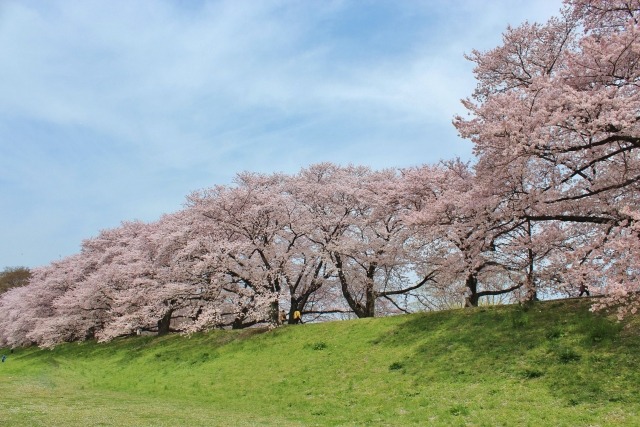
3. Shinjuku Gyoen
Shinjuku Gyoen is one of Tokyo's most complete cherry blossoms gardens. It has multiple garden styles within its vast grounds, with carefully designed arrangements of lawns, ponds, and trees, so the scenery is beautiful no matter where you walk. There are many trees and varieties of cherry blossoms, and the expression changes by the timing, which is a major appeal. Since there are varieties blooming a little later besides Somei Yoshino, you can enjoy cherry blossoms even if your timing is somewhat off.
The strength of Shinjuku Gyoen lies in being suitable for "slowly viewing" cherry blossoms. While lively hanami parties are fun, here, just sitting on a bench or the lawn watching cherry blossoms swaying in the wind is a luxurious experience. There are moments when it feels incredibly quiet for a place in the middle of the city, making it excellent for recovering from travel fatigue. For photos, instead of close-ups of flowers, including the green lawn and the vast sky captures the scale typical of Shinjuku Gyoen.
The recommended time is in the morning. Not only is it less crowded, but the light is soft and the flower colors show naturally. Afternoons bring more picnickers and liveliness around the lawns. Although the atmosphere is fun and springlike, early entry suits those seeking a quiet cherry blossoms experience. If visiting in the afternoon, walking toward the edges of the garden will find comparatively calm spots.
For travel planning, it’s advantageous that you can easily combine this with shopping, observation spots, and dining in Shinjuku. You can spend the day seeing cherry blossoms in the garden and then return to the city to enjoy nighttime illuminations elsewhere. Since cherry blossom’s best viewing period is short, securing beautiful flowers in the garden during the day and then seeing night cherry blossoms by the river makes for a highly satisfying itinerary.
As a caution, the garden is a public natural space with rules from the perspective of plant protection. Please follow local guidance and avoid entering prohibited lawns or shrubbery. Touching branches to get closer photos can cause flowers to fall or be damaged. Taking photos from a slight distance keeps the images neat and is gentler on cherry blossoms.
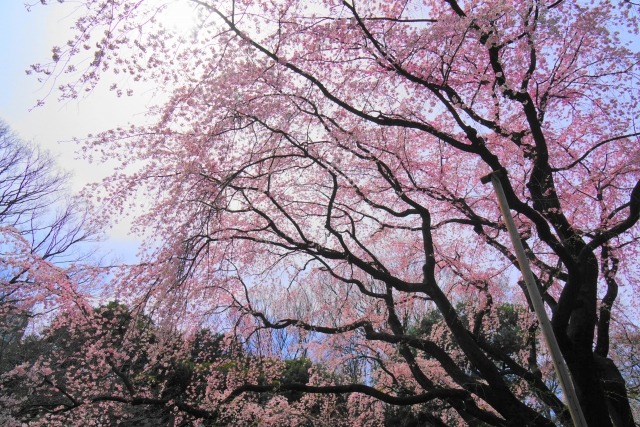
4. Ginza Sakura Street & Yaesu Sakura Street
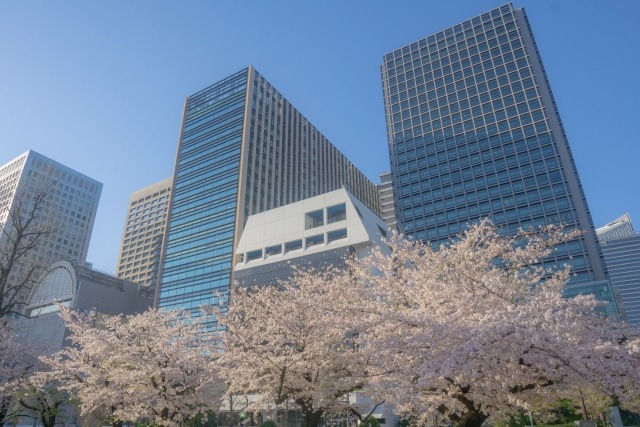
Ginza Sakura Street and Yaesu Sakura Street differ from typical large park hanami; they are cherry blossoms viewing spots in "urban streets." With high-rise buildings and sophisticated cityscapes blooming with cherry blossoms, you can enjoy a unique urban spring atmosphere characteristic of Tokyo. Their greatest charm is being easy to drop in for a short time and easy to incorporate into shopping and dining routes.
The way to enjoy this area is less about making cherry blossoms the main destination, more about choosing "the sakura street" while strolling the city. Walking slowly on the sidewalks, you can enjoy the combination of store windows, street lamps, building facades, and cherry blossoms. For photos, including urban elements rather than only close-ups of cherry blossomscreates a unique image of this place. The contrast of cherry blossoms and cityscape is a memorable travel theme.
Recommended times are morning until late morning or late afternoon. The daytime sees many pedestrians, making photography difficult. Although there are many commuters in the morning, a little timing adjustment can bring comparative calm. Evening introduces city lights mixing with cherry blossoms and neon, giving a unique atmosphere. There is no excessive nighttime illumination, but city lights themselves create a stage and add depth to photographs.
Moreover, the Ginza and Tokyo Station areas offer many choices for food and shopping. After viewing cherry blossoms, enjoying wagashi, matcha sweets, or spring-limited desserts is recommended. During cherry blossoms season, not only "seeing flowers" but also "trying spring flavors" raises satisfaction. Look for seasonal menus while walking around.
As a caution, these streets are also residential roads, so avoid standing still too long as you may block traffic flow. When taking photos, stay to the sides and keep it quick. Avoid stepping onto the roadway for shots as it is dangerous. Safety and consideration for surroundings are especially important when enjoying cherry blossoms within the city.
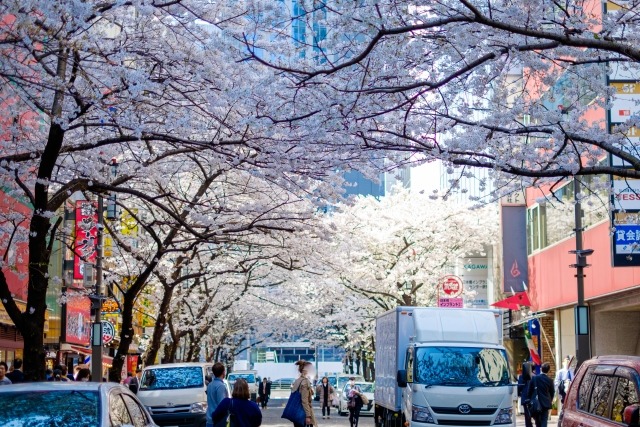
5. Imperial Palace
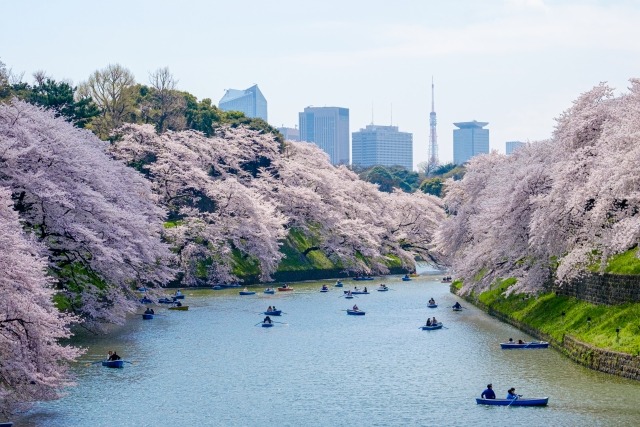
The area around the Imperial Palace is centrally located in Tokyo yet rich in water and greenery, allowing you to enjoy cherry blossoms and the atmosphere of history simultaneously. The combination of moat water surfaces, stone walls, wide sky, and cherry blossoms leaves a strong impression as a very Japanese landscape. Because it is a remnant of a castle, unlike ordinary parks, you can sense layers of time in the background, which is another attraction.
Viewing cherry blossoms around the Imperial Palace is suited for a walking experience. Wide sidewalks and running courses are well maintained, making strolls easy, but popular times are crowded. Morning is recommended. The air is clear, moat reflections are beautiful, and photo contrasts naturally emerge. The pale colors of cherry blossoms can be washed out by strong sunlight, so soft morning light matches especially well.
In terms of travel planning, proximity to areas like Tokyo Station allows easy combination with art museums, historic spots, and shopping. You can walk for cherry blossoms in the morning and then move to Marunouchi or Nihonbashi in the afternoon to use your day efficiently. Also, as a city center area, many streets are easy to navigate even without local knowledge, adding peace of mind for walkers.
For photography, the classic composition is cherry blossoms in the foreground with moats and stone walls in the background. For a fresh approach, try focusing on the colors reflected on the moat's surface. The reflection is more beautiful on windless days. When crowded, instead of going directly under cherry blossoms, shooting from a distance to include the entire view reduces people appearing in pictures.
As a caution, the Imperial Palace area is public but also adjacent to busy roads. Crosswalks are limited, so avoid unsafe shortcuts and follow directions. Many runners use the area, so avoid stopping abruptly in the middle of sidewalks and stay at the edges when taking photos for safety.
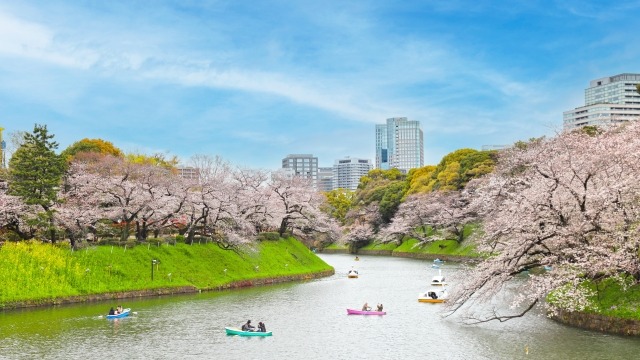
6. Hibiya Park
Hibiya Park is an urban oasis, close to office districts, where a calm atmosphere flows inside the park. It is not an overwhelming giant cherry blossoms spot but is chosen for its "easy access" and "comfort." Surrounded by many sightseeing and dining options, it allows you to feel spring even during short spare times.
Cherry blossoms in Hibiya Park offers the fun of discovering while strolling. There are squares, ponds, and benches inside, and the scenery changes depending on the route you take. Looking up near cherry blossom trees, you can see the outlines of buildings overlapping with cherry blossoms, enjoying a spring urban landscape. Sitting on a park bench and watching cherry blossoms and people flow helps regulate the pace of the journey.
Recommended time is from morning until just before noon. It gets busier at lunch in the business district, but Hibiya Park rarely becomes overwhelmingly crowded. Even if you encounter busy times, the park is spacious enough that going a little deeper finds calm spots. On rainy days, it's relatively easy to walk, and viewing cherry blossoms with an umbrella suits the ambiance.
Nearby there are theaters and commercial facilities, making it easy to combine cherry blossoms with cultural experiences. For example, strolling around the Imperial Palace in the morning, resting in Hibiya Park in the afternoon, then shopping or dining afterwards is an efficient flow with little wasted movement. You can also plan to see night cherry blossoms elsewhere, using Hibiya as a transit base, making the overall travel smooth.
As a caution, various users are present in the park. Avoid monopolizing benches or playing loud music, and be considerate. When taking photos, be aware of camera directions especially near benches where others rest. The refined, quiet atmosphere is the park’s charm, so savoring that vibe is best.
8. Yoyogi Park
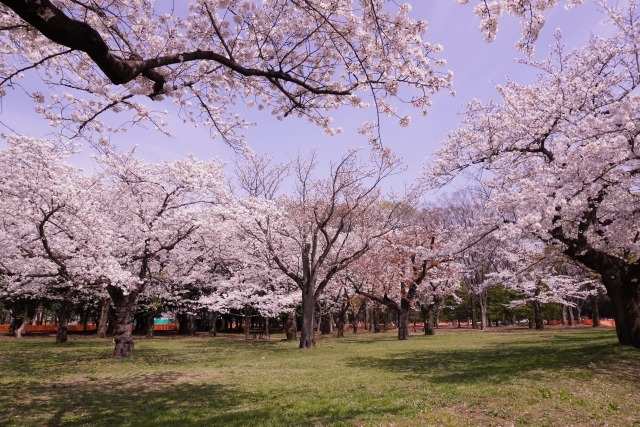
Yoyogi Park is a quintessential Tokyo park where wide skies, lawns, and the energy of diverse people blend. During cherry blossom season, a festive spring picnic mood heightens, and just walking there feels like a "spring festival." Unlike the quiet garden type, this spot suits those who want to enjoy lively, social cherry blossoms viewing.
The charm of Yoyogi Park is that you can experience spring holidays themselves, not just the purpose of seeing cherry blossoms. People sit on the grass eating light meals, walk, or enjoy music and performances. The park’s openness easily comes through in photos, allowing natural expressions and wide backgrounds under cherry blossom branches to be captured. It’s a great place to leave the “atmosphere of the place” in your travel photos.
Morning is recommended. As noon approaches, people increase and lawns become crowded. The morning let you walk quietly, checking trees’ positions and light directions while leisurely choosing spots. If you visit in the afternoon, walking routes a little distant from the main plaza find relatively spacious scenery.
Because Yoyogi Park is close to popular areas like Harajuku and Shibuya, it is easy to combine with shopping and city strolls. You can enjoy cherry blossoms in the park in the morning, then move to Harajuku or Omotesando in the afternoon, and enjoy Shibuya’s nightscape in the evening, creating a city-style spring day. On days with much movement through crowded areas, adding slow walks in the park helps avoid travel fatigue.
As a caution, weekends especially can be crowded, with more people stopping at popular spots. For safety, avoid blocking pathways and do photography quickly watching traffic flow. Also, when relaxing on the grass, manage your garbage properly and consider surroundings. The pleasant park atmosphere is preserved by many people observing manners.
9. Sumida Park
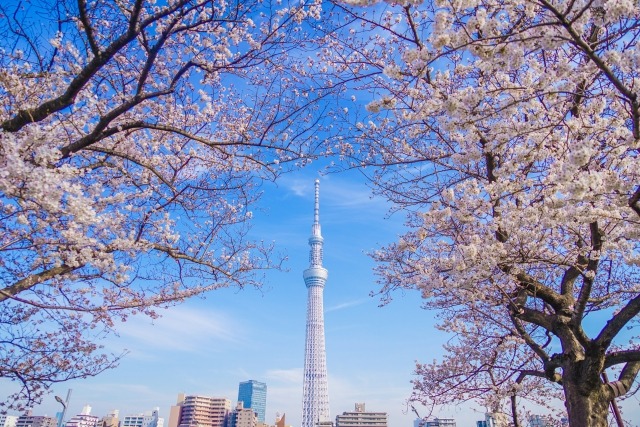
Sumida Park is a representative "waterside type" cherry blossoms spot where cherry blossoms lines the riverside, allowing you to enjoy a typical Tokyo landscape all in one place. Cherry trees overlap the flow of the Sumida River and the promenade, filling the view with spring the moment you walk there. Another big attraction is that you can capture both cherry blossoms and Tokyo Skytree in one frame. The soft pinks of cherry blossoms and the towering silhouette of the Skytree create a contrasting composition, producing a memorable photo that tells the story of "Tokyo in spring."
The recommended way to enjoy is to walk one way along the river, then return by a different route or use public transport partway back. This way, you can enjoy changing scenery on the move rather than repeating the same views. The classic photo composition is cherry blossoms in the foreground with the Skytree behind; zooming in 2 to 3 times on a smartphone helps emphasize the main subjects. When it’s crowded, rather than filling the frame with cherry blossoms, leaving them at the edges and making space for sky and Skytree reduces people appearing in photos.
Of course, scenes including water surfaces are unique to Sumida Park. On calm days, reflections on the water are clear and sometimes tenderly mirror the scenery. Windy days create movement on the water, making petals drift and evoking a spring atmosphere. When petals start falling, you can even see them floating on the water, offering a beauty different from full bloom.
Caution: The riverside promenade gets very crowded at certain times, especially on weekends and at peak bloom, reducing walking speed and limiting places to stop. To avoid the crowd, visit in the morning or target the beauties of falling petals after peak. Cherry blossoms provide changing views even beyond full bloom, so focusing excessively on the peak can lessen your overall experience.
10. Meguro River
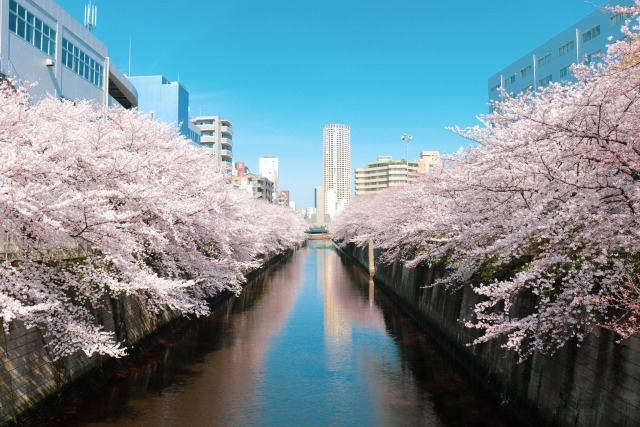
Meguro River is one of Tokyo’s most famous cherry blossoms spots, symbolized by the "cherry blossoms tunnel" formed by cherry trees lining the riverside. The branches extend over the water, creating a continuous soft pink landscape that strengthens its impression as you walk. During the day, you enjoy the flower density, while from evening to night, lights and city illumination change the atmosphere entirely. Even a short visit leaves a sense of accomplishment that you have been here.
Recommended visiting times focus on timing. Because Meguro River is very popular, daytime tends to be crowded with many people and photos filled with passersby. If possible, weekday mornings offer the most comfortable experience. The air by the river feels clear, and flowers appear calm. Evening onwards offers a pleasant atmosphere but more people, so if you want to enjoy the night scene, starting your walk a little earlier is advised.
The recommended walking method is to avoid starting a long walk at once. First find the section you think is the most beautiful and focus on walking back and forth there. The viewing perspective changes along the river as widths and nearby buildings vary. In crowded areas, don't try forcing photo shots; instead concentrate on walking and experiencing the place, which reduces stress.
Photo tips involve using the river line as a natural guide in your composition. Including the river stretching into the distance creates a natural leading line in photos. Place cherry blossoms at the top of the frame and reflections or petals on the water near the bottom to add a sense of depth unique to Meguro River. For night photos, since lights can be bright, slightly lowering exposure on smartphones prevents flower colors from being overexposed.
The area around Meguro River has many small shops and cafes, making it convenient to take breaks when tired. Since the cherry blossom season is busy, it's good to pre-select several rest spots. The riverside walk can be surprisingly tiring, so stopping for a warm drink also helps counteract evening chill.
Caution: Some walking paths along the Meguro River are narrow, making stopping difficult during crowds. Take photos quickly and watch the flow of people. Especially be careful on bridges and intersections. Since the area is a residential and shop district, avoid loud voices and lingering late to maintain a quiet atmosphere and enjoy spring mutually.
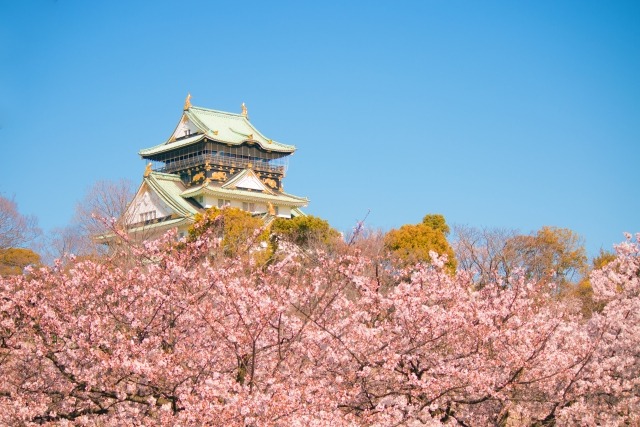
11. Osaka Castle Park
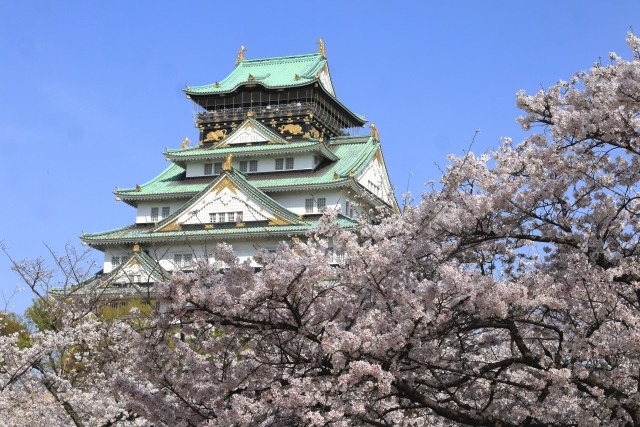
Osaka Castle Park is an essential spot to enjoy cherry blossoms in Kansai. The dramatic presence of the castle adds “storytelling” and “power” to the cherry blossoms landscape. Cherry blossoms, the castle tower, stone walls, moat, and the large park greenery overlap, leaving a strong impression in photos and memories. Despite being in the city center, the park is vast, allowing enjoyment of diverse views from various angles while walking.
The recommended way to enjoy is to head toward the castle while detouring to areas dense with cherry blossoms. Since Osaka Castle Park has many scattered highlights, walking around the castle as a center using a map helps prevent getting lost. The combination of moat water and cherry blossoms are particularly beautiful. The classic photo composition includes the castle tower in the background. Taking photos from a bit farther captures both the castle’s scale and cherry’s softness.
The recommended time is the morning. Crowds increase from noon on, and popular shooting spots get busy. Morning light is soft, highlighting the white parts of the castle and the pale cherry blossoms colors beautifully. Evening changes the sky colors, making the castle and cherry blossoms dramatic. Nighttime illumination varies by presence and timing, so checking local guidance before visiting is recommended.
As for travel itinerary, visiting Osaka Castle Park in the morning and then continuing to city strolls or food experiences in Osaka increases satisfaction. After enjoying spring scenery in the park, dining in shopping or gourmet areas creates a layered experience in one day. Cherry blossoms are a “nature experience,” while the city is a “cultural experience,” offering a well-balanced combination.
Cautions: The park’s large size means walking distances can be long, so wear comfortable shoes and take breaks. During crowded periods, restaurants suffix lines; securing water and snacks early is advised. When engrossed in castle and cherry blossoms photography, be especially careful on stone steps and uneven surfaces.
12. Yodogawa Riverside Park Sewaritei Area
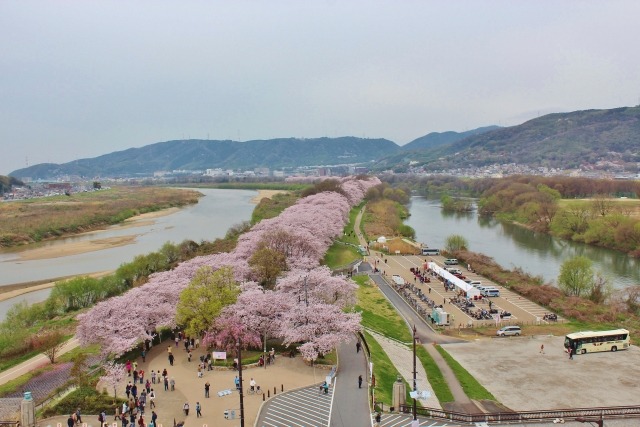
Yodogawa Riverside Park Sewaritei Area strongly recommended for those wanting to be impressed by the "scale of cherry blossoms-lined streets." On the embankment dividing the rivers, a long tunnel of cherry blossoms continues, providing a sense of openness different from urban parks. With wide views, there are moments where sky and cherry blossoms seem to become one, offering an experience of being enveloped by spring just by walking.
The charm here is the rhythm created by the straight cherry blossoms-lined street. Every frame is picture-worthy, but as you walk, the scenery changes along with lighting, flower density, and even the feeling of the wind. Photos that emphasize the depth of the street are especially suitable. Focus on the central line of the road to capture the cherry blossoms arches continuing far, expressing the scale characteristic of Sewaritei.
Recommended times are from morning to just before noon. Although it is a wide area, peak bloom attracts many visitors. Arriving early lets you stroll through the cherry blossoms tunnel comfortably. After noon, more people arrive and photos often include people, but this is also part of the spring liveliness. If crowds bother you, shooting photos a little away from the center of the street with wide views of cherry blossoms and sky gives calmer images.
To enjoy fully, plan on walking long distances. The full stroll can be longer than expected, so deciding a turning point helps. While walking, find places to sit and spots sheltered from wind to preserve energy. Riverbanks can be windy, lowering the perceived temperature even in spring, so light cold protection is comfortable.
The nearby travel route advantage is that it lies between Kyoto and Osaka, making it easy to include in your trip. Adding a place with such impressive natural scale alongside urban sights creates a good balance in the trip. Mixing Sewaritei’s "wide sky and cherry blossoms" into temple/shrine and city stroll-centered trips makes for a richer spring experience.
Cautions: The embankment sees concentrated pedestrian flow, with bicycles and runners passing sometimes. Watch surroundings and walk safely by moving aside when stopping. As it’s also a natural environment, respecting basic manners such as not leaving trash and not damaging plants is important. To ensure everyone enjoys spring comfortably, please observe those basic rules.
In Conclusion
Japan’s cherry blossoms show a rich range of expressions in a short season, including not only the splendor of full bloom but also falling petals, petals floating on water, and pale colors translucent in evening light. In Tokyo, you can select different ways to enjoy cherry blossoms within the same city: the quiet serenity of Shinjuku Gyoen, urban spring feeling on Ginza Sakura Street and Yaesu Sakura Street, historical and waterside scenery around the Imperial Palace, and riverside cherry blossoms experiences like Sumida Park and Meguro River. In Kansai, the imposing Osaka Castle Park landmark and the overwhelming scale of the Yodogawa Riverside Park Sewaritei district’s cherry blossoms-lined street will leave strong impressions for your spring journey.
What is important in a cherry blossoms trip is not to perfectly match the peak bloom day, but to create your own spring experience by adjusting the time of day and walking styles. Quiet viewing in the soft morning light is good, as is enjoying the city lights with cherry blossoms at dusk and night. Spring is a season when weather and temperature change easily, so the sky’s expression and the scent of the wind combine to produce cherry blossoms views unique to each day. Please enjoy cherry blossoms not only as a "destination" but also as a "spring stage" enriching your entire travel time.
Search Restaurants by Destination


Search Restaurants by Popular Cuisines