The Charm and Culture of Oden: A Winter Delight to Deeply Savor the Taste of Japan
When winter chills the air, the nostalgic sight of steam rising from street corners signals it’s oden season. For those living in Japan, oden is more than just a dish—it’s a beloved winter tradition that warms both the body and soul. Enjoying each ingredient slowly soaked in savory broth is an experience that transcends mere eating; it’s a heartfelt ritual.
At first glance, the unfamiliar brown broth with floating eggs and fish cakes might seem puzzling. But with the very first bite, you’ll be captivated by its gentle, comforting flavor.
This article invites you to discover what oden truly is, why it’s cherished across Japan, and how its unique regional variations reflect Japan’s rich culinary culture. Step into the world of oden—a profound and delicious slice of Japanese life.
1. What is Oden?
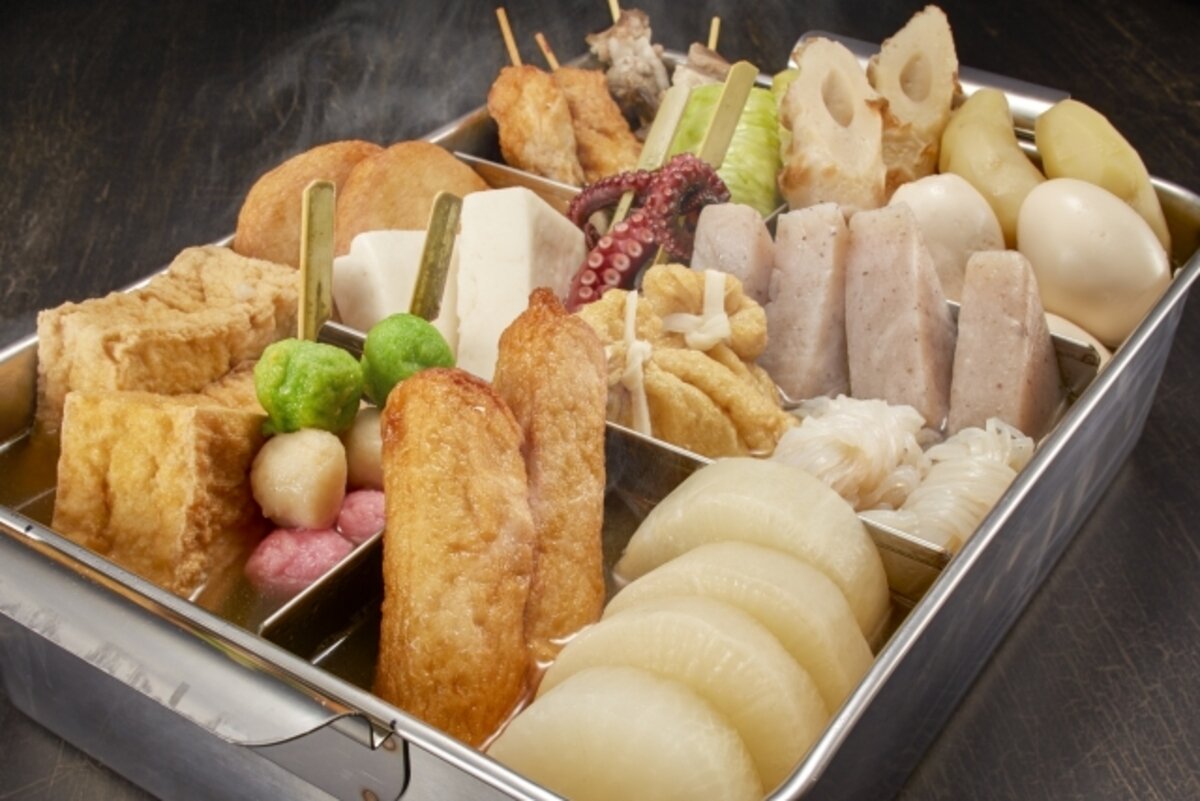
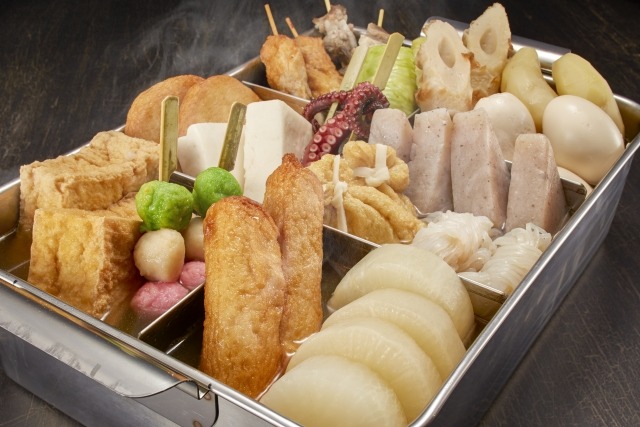
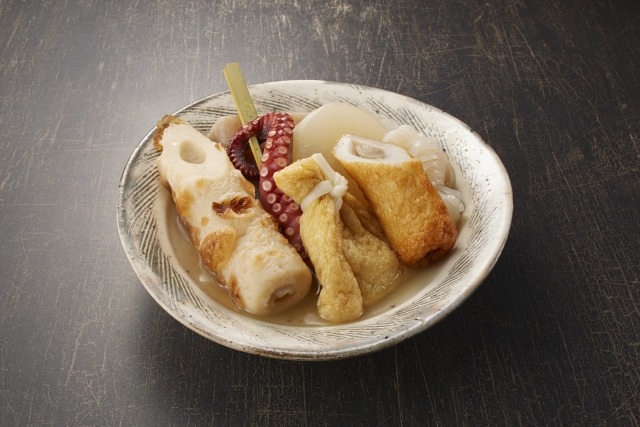
Oden is a traditional Japanese simmered dish featuring a variety of ingredients slowly stewed in a flavorful broth. Common components include daikon radish, eggs, konnyaku, chikuwa, ganmodoki, kelp, tofu, and more—each pot reflects regional tastes and family traditions.
Every ingredient absorbs the broth’s rich umami, and as you savor each bite, the comforting harmony of flavors unfolds—that moment is the true magic of oden.
In Japan, oden is a winter staple found not only on home dining tables but also at convenience stores, cozy izakayas, and bustling food stalls.
2. The Charm of Oden
Oden’s charm lies in its gentle warmth and deep, layered flavors.
First, the aroma: the steam carries inviting scents of bonito flakes and kelp that whet your appetite and bring a soothing sense of comfort.
Next is the careful preparation: daikon is parboiled to remove bitterness; eggs are boiled and peeled with care; konnyaku is sliced to soak up flavors—all crafted with a tender touch that speaks of home and warmth.
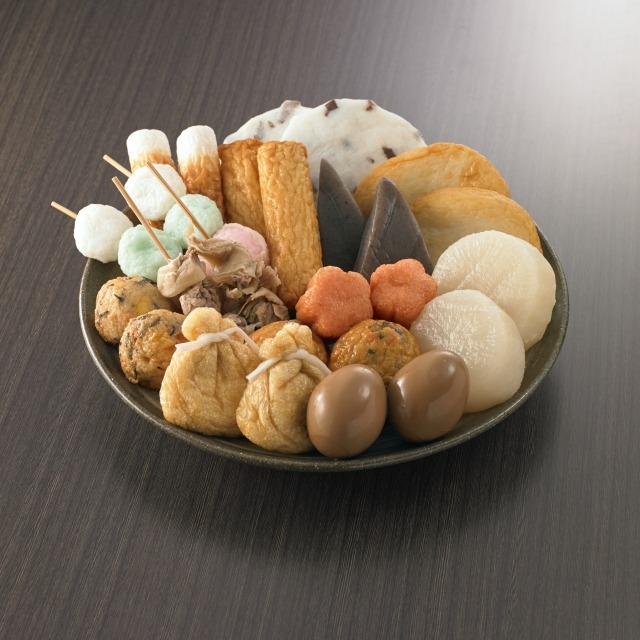
Finally, the variety within a single pot is captivating. The sweet softness of daikon, savory fish cakes, rich eggs, and the springy bite of konnyaku each bring unique textures and tastes, yet harmonize beautifully in the broth. This balance exemplifies the exquisite "aesthetic of harmony" at the heart of oden.
3. The History of Oden
Oden’s roots trace back to "dengaku" in the Muromachi period (14th–16th centuries), where skewered tofu or konnyaku were broiled with miso on top. Back then, miso was the main flavor.
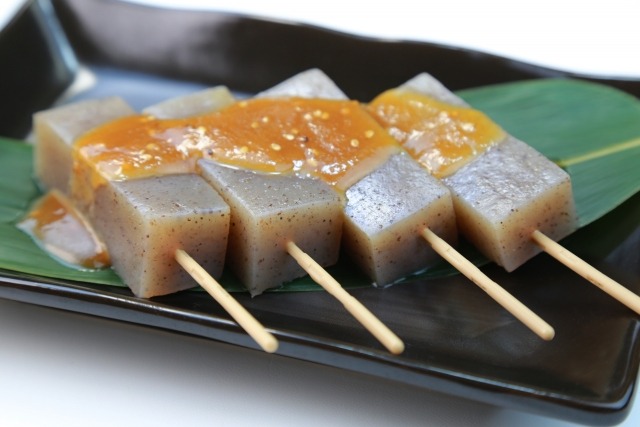
During the Edo period, the skewered style evolved as ingredients began simmering in broth, known as "nikomi dengaku" or "kanto-daki," paving the way for today’s oden.
From the Meiji period onward, soy sauce became popular, and simmering ingredients in broth became widespread, with the name "oden" gaining popularity nationwide.
Today, oden delights diners all over Japan, with variations in taste and style making it a uniquely regional treasure that tells stories of local culture and history.
4. Typical Ingredients of Oden
Oden boasts a diverse range of ingredients; here are some common favorites:
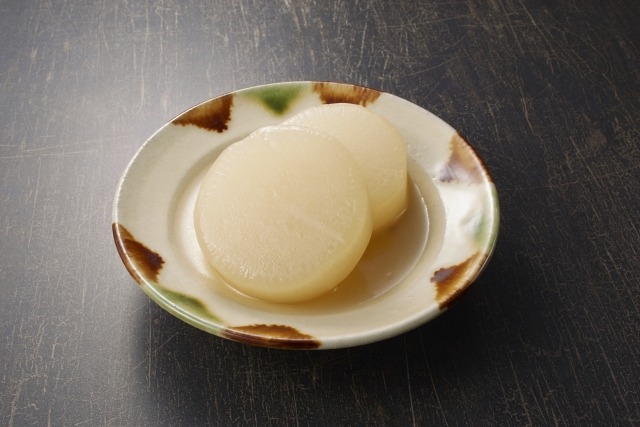
Daikon: The winter king, simmered soft to soak up savory broth.
Boiled eggs: Absorbing broth deeply, packed with rich flavor.
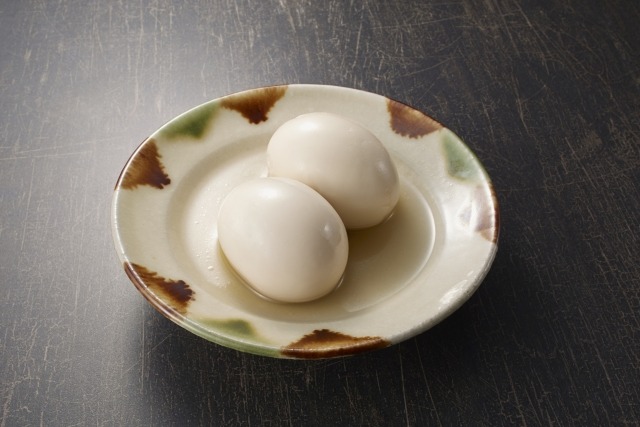
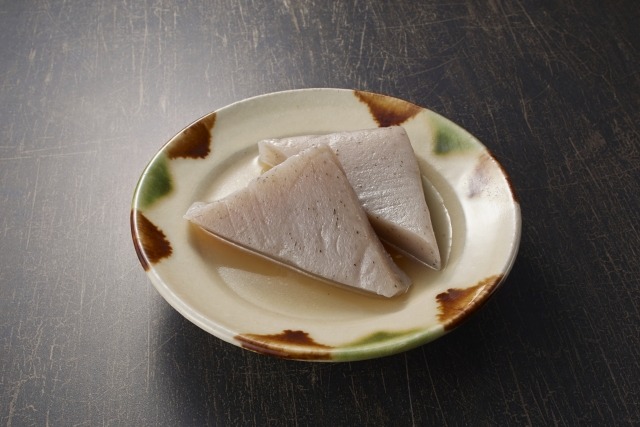
Konnyaku: A healthy, chewy texture that adds delightful contrast.
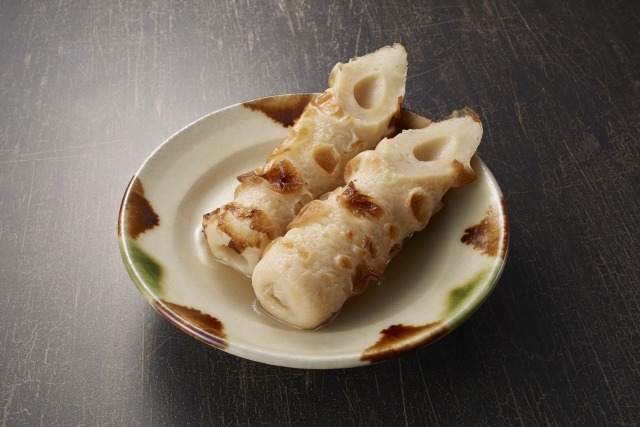
Chikuwa, hanpen, satsuma-age: Fish cakes that lend their rich umami to the pot.
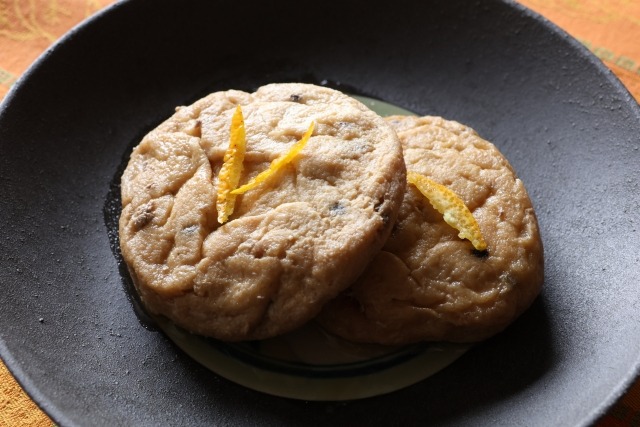
Ganmodoki: Tofu mixed with vegetables, offering a hearty, comforting bite.
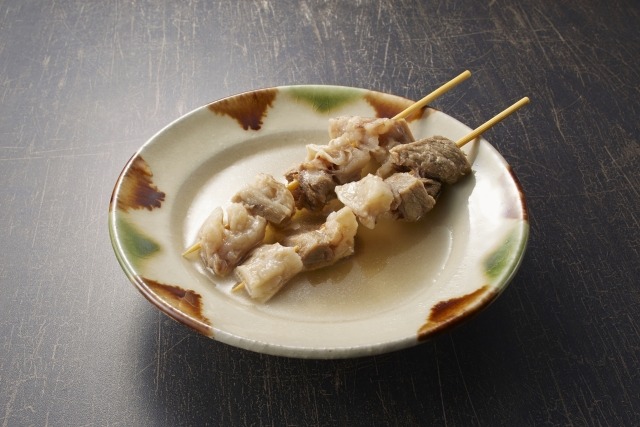
Beef tendon: A Kansai favorite, rich and flavorful, releasing taste with every chew.
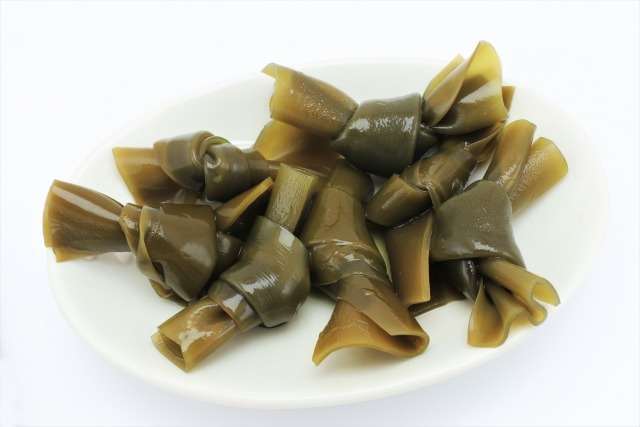
Kelp: Imparts the distinctive depth of Japanese cuisine.
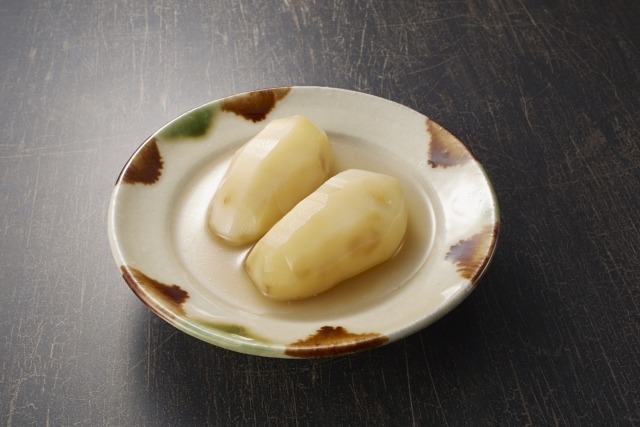
Potatoes: Their fluffy texture perfectly complements the savory broth.
These are just the classics—across Japan, you’ll find delightful regional twists featuring octopus, cabbage rolls, mochi pouches, and more, reflecting local tastes that are a joy to explore as you travel.
5. Types of Oden Broth
Dashi, or broth, defines oden’s soul. Seasoning and preparation differ widely across regions, with a few key styles:
- Kanto style: Bold and slightly stronger flavor with dark soy sauce, built on bonito flakes and kelp.
- Kansai style: Light and subtle, using light soy sauce to enhance the natural ingredient flavors.
- Nagoya style (Miso oden): Rich and robust, featuring a dark, flavorful broth from Hatcho miso.
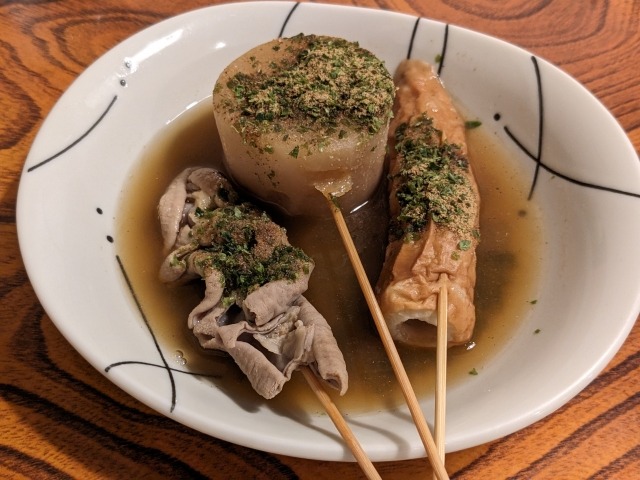
- Shizuoka style: Characterized by a black soup, served with aonori (green seaweed) and a sprinkle of dashi powder.
Because of its simplicity, even slight differences in dashi preparation dramatically affect oden’s character, showcasing the artistry behind Japanese cuisine.
6. Regional Differences of Oden
Across Japan, oden styles vary so distinctly that it almost feels like tasting different dishes:
In Shizuoka, oden comes in a striking black broth with ingredients skewered and topped with aonori and dashi powder—loved by locals as soulful comfort food.
Nagoya’s miso oden offers a hearty, rich flavor simmered in red miso, giving every bite a bold taste.
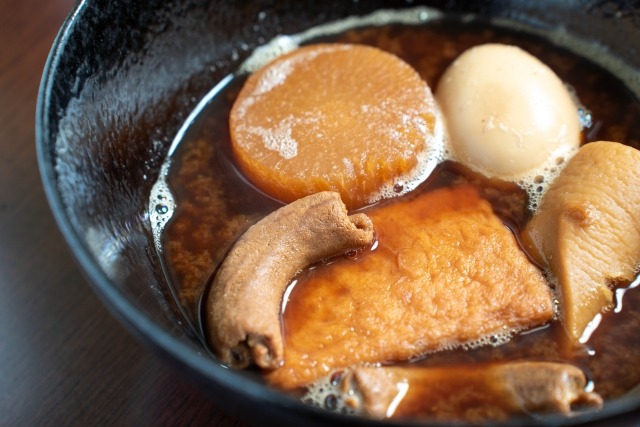
Kansai favors a clear, kelp-based broth with tender ingredients like daikon, potatoes, and octopus.
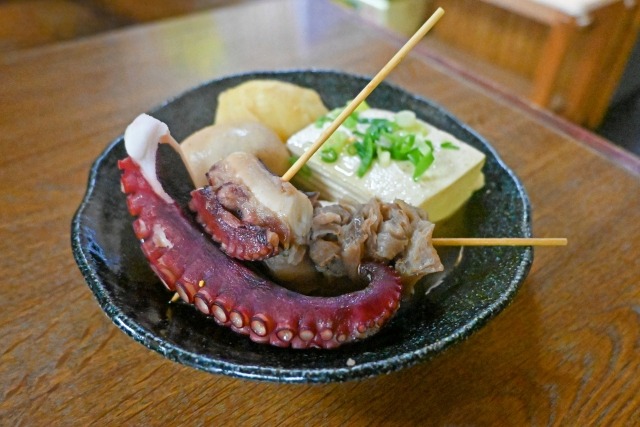
In Hokkaido and Tohoku, local favorites like salmon milt and scallops add unique flavors, enhancing the joy of discovery for travelers.
7. The Culture of Oden
Oden is more than just winter food; it’s a living symbol of Japanese life and connection.
At home, families gather around the simmering pot, sharing warmth and conversation as the comforting aroma fills the room.
On the streets, oden at convenience stores and food stalls invites you to pick your favorite pieces from steaming pots—a simple everyday act turned special.
Izakayas offer another dimension: pairing oden with sake for a relaxing, intimate evening out.
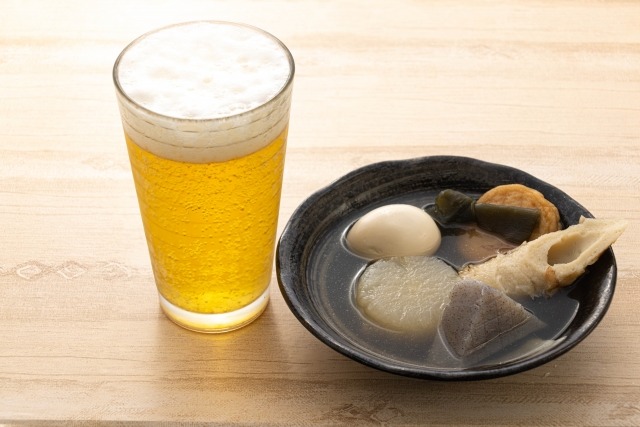
You’ll also find oden at winter festivals and community events, coloring moments with its cozy warmth—perfect experiences for travelers eager to dive into authentic Japanese culture.
In Conclusion
Oden is more than a simple winter stew—it’s a heartwarming expression of Japan’s culinary heritage, reflecting regional flavors and mindful living.
From rich broths to unique ingredients and shared dinners, oden reveals the thoughtful care the Japanese place in their food and daily life.
Even if you have thought of it as just humble simmered fare, once you explore its history and diversity, oden takes on a new, special meaning.
If you find yourself visiting Japan in winter, don’t miss tasting local oden—this simple dish promises to warm your heart and offer a genuine taste of Japan’s welcoming spirit.
Search Restaurants by Popular Cuisines