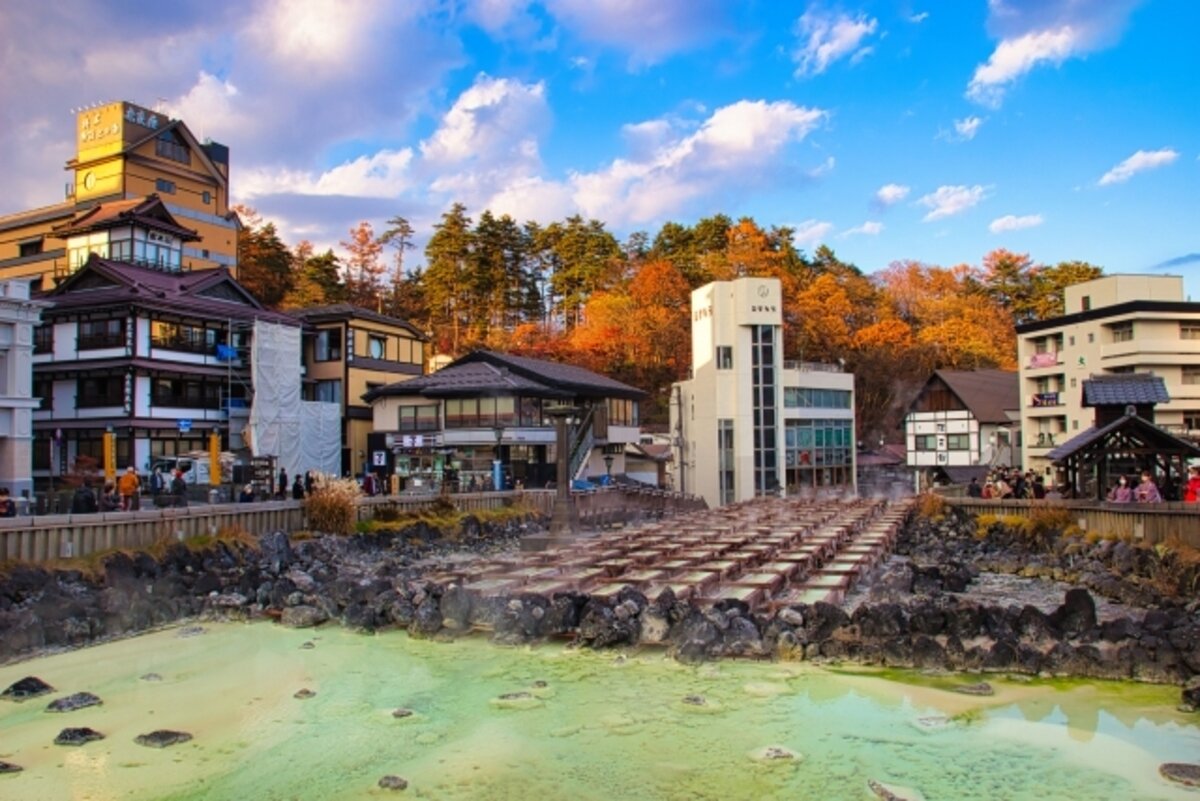
Japan boasts many enchanting hot spring resorts, but none shine quite like Kusatsu Onsen. Nestled in a serene mountain valley at 1,200 meters elevation, Kusatsu beautifully preserves Japan’s traditional hot spring culture amid lush natural surroundings. Whether you're a first-time visitor or a seasoned onsen lover, you can soak here with peace of mind, while the breathtaking seasonal landscapes create unforgettable memories that will linger long after your trip to Japan ends.
Whether your journey seeks relaxation or immersion in vibrant culture, Kusatsu Onsen offers a perfect blend to satisfy both desires. This article serves as your comprehensive guide—detailing essential info, access tips, must-see sights, and delectable local cuisine. Dive in and let Kusatsu Onsen draw you deeper into the heart of Japanese hot spring tradition.
1. What is Kusatsu Onsen
Kusatsu Onsen stands proudly as one of Japan’s most iconic hot spring resorts, nestled in Kusatsu Town, Agatsuma District, Gunma Prefecture. Celebrated as one of Japan’s "three famous hot springs" alongside Arima and Gero, Kusatsu has drawn visitors since the Edo period seeking therapeutic healing. Today, its timeless charm endures, welcoming countless travelers eager to relax and explore.
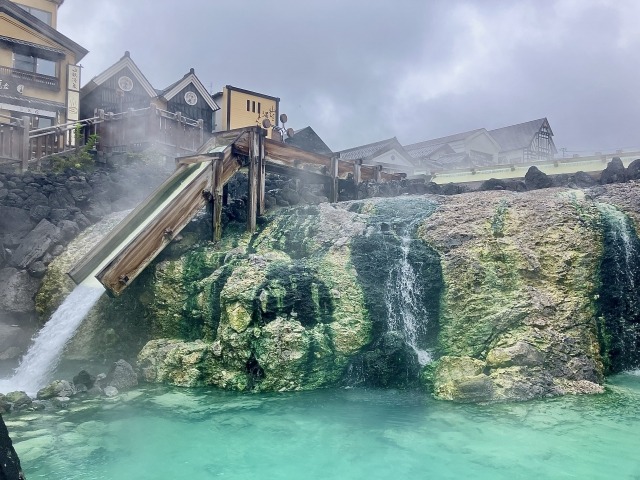
What truly sets Kusatsu apart is its incredible natural hot water flow—over 32,000 liters gush forth every minute, arguably the largest volume in all of Japan. Thanks to nature's mighty power, the water is pure and potent without needing dilution or extra heating. Local ryokans, public baths, and soothing foot baths alike make generous use of this treasure, wrapping visitors in warmth that soothes both body and soul.
2. Characteristics of Kusatsu Onsen
One defining highlight of Kusatsu Onsen is its uniquely strong spring quality. The water is an acidic sulfur spring, boasting a pH of about 2.1—indicating powerful acidity. This invigorating hot spring is famed for its sterilizing effects and is traditionally believed to help with skin conditions, joint pain, sensitivity to cold, and contribute to radiant skin.
Many locals and visitors alike cherish Kusatsu’s healing waters so deeply that they say "any ailment can be cured here." While not all claims are scientifically verified, the feeling of warmth penetrating from within and skin softening is truly tangible when you soak in the spring.
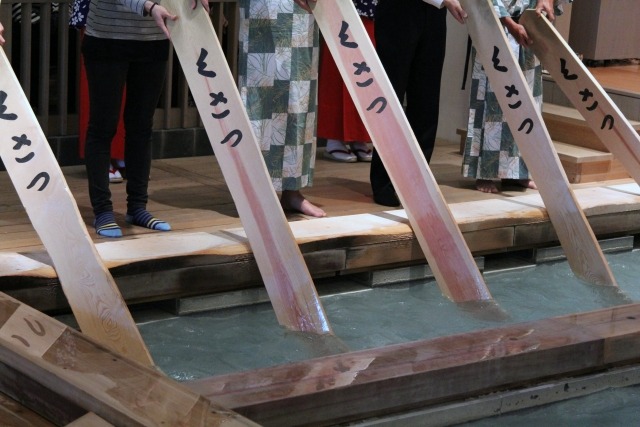
Kusatsu also treasures its unique tradition called “Yumomi,” where wooden boards stir the hot water to cool it naturally without dilution. Visitors can watch mesmerizing Yumomi performances or even try their hand at this cultural craft—adding a lively, interactive layer to the onsen experience.
3. Tips for Enjoying Kusatsu Onsen
Kusatsu Onsen offers so much more than just hot spring baths. Start your visit at the iconic “Yubatake” in the town center—an expansive wooden hot water field where steam gracefully rises, creating a captivating landscape. At night, this spot glows with illuminating lights, enveloping visitors in a magical atmosphere perfect for evening strolls.
Then, explore Sai no Kawara Park, where natural hot springs flow freely through a spacious open-air bath setting. This charming spot showcases stunning views across all seasons—whether fiery autumn leaves or pristine snowy winters, it’s a paradise for photographers and nature lovers alike.
Plus, don’t miss out on the numerous foot baths dotted around town, ideal for a relaxing pause during your walk. These communal spots offer delightful opportunities to interact warmly with friendly locals and fellow travelers.
Finally, a quick note on Japanese bathing etiquette: nudity is the norm in onsens, and swimsuits are typically not allowed. Be sure to wash thoroughly before entering and avoid placing towels in the water. Embracing these customs leads not just to a better experience but a deeper connection with Japan’s rich culture.
4. Access Information to Kusatsu Onsen
Nearest Station
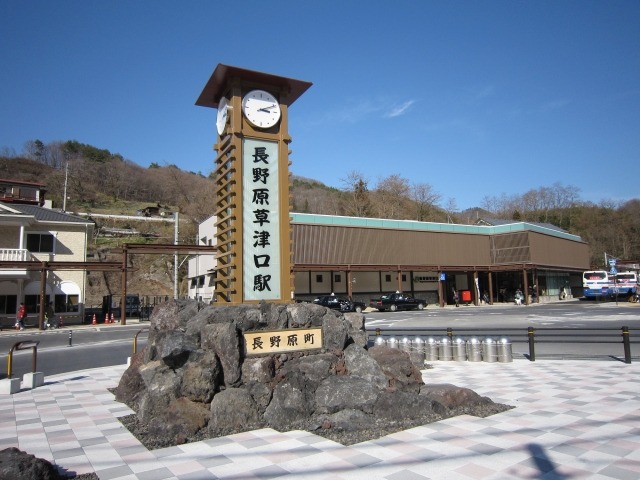
The closest station is Naganohara-Kusatsuguchi on the JR Agatsuma Line. From there, it’s a scenic 25-minute bus ride to Kusatsu Onsen. Travelers using the Shinkansen can alight at Karuizawa Station, which also offers convenient bus connections to Kusatsu.
How to Access
Getting there from Tokyo is straightforward: take the Shinkansen to Karuizawa, then hop on a bus bound for Kusatsu. Alternatively, you can ride the JR Agatsuma Line from Ueno Station to Naganohara-Kusatsuguchi, followed by a bus transfer.
For even easier travel, direct highway buses run from Shinjuku and Shibuya, taking about four to five hours without transfers—ideal for those carrying lots of luggage or preferring a seamless journey.
If driving, anticipate approximately 90 minutes from Shibukawa-Ikaho IC on the Kan-etsu Expressway. Remember, Kusatsu's elevated location means winter brings snow—don’t forget snow tires or chains to ensure a safe trip.
5. Nearby Sightseeing Spots
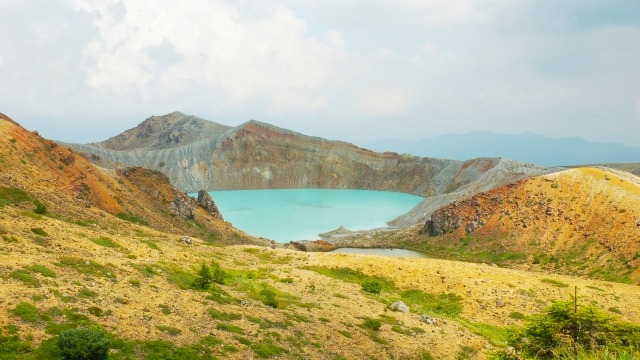
While in Kusatsu, venture out to nearby attractions like Mount Shirane. This majestic peak showcases stunning seasonal transformations—from vibrant alpine blooms in summer to fiery autumn colors and serene winter snowscapes, offering fresh wonders with every visit.
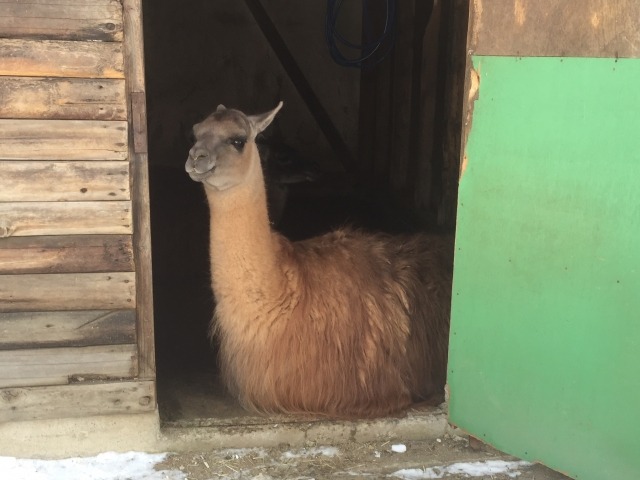
Another must-see is Kusatsu Tropical Wonderland, where tropical plants and animals thrive thanks to the natural heat of the springs. This family-friendly attraction delights guests of all ages with its exotic charm.
History and culture enthusiasts will enjoy strolling Kusatsu’s quaint streets, visiting old shrines and engaging museums. Many attractions are within easy walking distance, allowing you to savor the relaxed pace and rural charm of Japan.
6. Nearby Gourmet Food
No journey is complete without tasting the local flavors. Kusatsu Onsen’s cuisine highlights fresh seasonal ingredients from the region, offering a delicious window into Gunma Prefecture’s rich culinary heritage.
Expect dishes featuring local vegetables, wild plants, and the famous konnyaku—perfect for health-conscious travelers. For meat lovers, Joshu beef and local pork dishes provide hearty and satisfying meals.
Winter menus include warming hot pots and savory oden, while summer offers refreshing cold soba noodles and crisp wild plant tempura. Sampling these seasonal specialties lets you taste Kusatsu’s climate and culture in every bite.
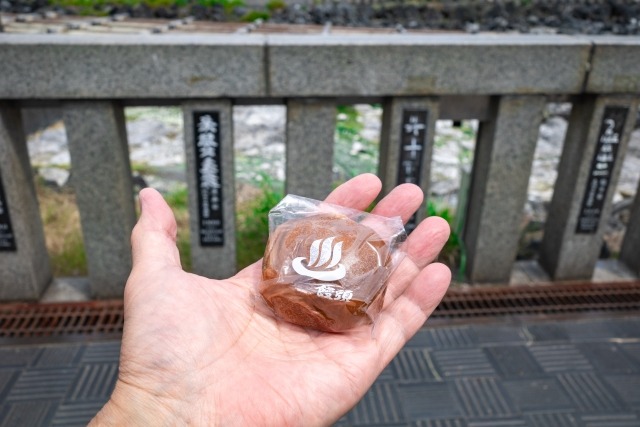
Don’t forget to indulge in onsen sweets like soft, steamed manju and rich puddings crafted from local milk—ideal treats during a leisurely stroll around town.
In Conclusion
Kusatsu Onsen is much more than a tourist destination—it is a gateway to experiencing Japan’s nature, culture, history, and heartfelt hospitality. With its abundant, naturally powerful acidic hot springs, the town offers a uniquely rejuvenating escape you won’t find anywhere else. Simply wandering the charming streets and breathing in the crisp mountain air will soothe your soul and slow time.
Immerse yourself in steaming baths, marvel at nature’s wonders, savor delicious local cuisine, and take quiet moments for reflection—Kusatsu Onsen promises an unforgettable journey for anyone longing to truly connect with Japan. Start planning your trip and discover the magic waiting in this extraordinary hot spring town.
Search Restaurants by Popular Cuisines