Imagine strolling through a peaceful shrine garden in the heart of Tokyo, where thousands of hydrangeas shimmer with raindrops like jewels under a gray sky. This is the magic of the Bunkyo Hydrangea Festival—a rare chance to experience Japan’s rainy season at its most beautiful. Held around Hakusan Shrine, the event is a rare opportunity to experience traditional culture, natural beauty, and warm local hospitality all at once—drawing attention from both domestic and international visitors. This guide introduces all the highlights of the 2025 festival, perfect for first-time attendees.

1. What Is the Bunkyo Hydrangea Festival?
The Bunkyo Hydrangea Festival is held annually in June at Hakusan Shrine and neighboring Hakusan Park in Tokyo’s Bunkyo Ward. It’s a flower festival celebrating the seasonal bloom of hydrangeas, with around 3,000 bushes bursting into full color and transforming the tranquil shrine grounds into a floral paradise. During the festival, visitors can enjoy food stalls, art exhibitions, and interactive events, making it a lively, family-friendly celebration.

2. Festival Basics
- Dates: June 7 (Sat) – June 15 (Sun), 2025
Subject to slight changes depending on weather and blooming conditions - Location:
Hakusan Shrine (5-31-26 Hakusan, Bunkyo-ku, Tokyo)
& adjoining Hakusan Park - Official Website:
https://www.city.bunkyo.lg.jp/b014/p003948.html - Google Maps:
https://maps.app.goo.gl/UvpB9bPMqwcX1xSw9
3. Highlights of the Bunkyo Hydrangea Festival
- Shrine Grounds & Park with 3,000 Blooming Hydrangeas
Enjoy a wide variety of species including lacecap, Annabelle, and oakleaf hydrangeas, creating a colorful and layered landscape.

- Photogenic Contrasts with Stone Steps and Torii Gates
Popular spots for beautiful, Instagram-worthy photos. Special Opening of Fujizuka (Mini Mt. Fuji)
A sacred mound usually closed to the public is accessible during the festival.※Fujizuka:
A man-made mound created for those who could not physically climb Mt. Fuji, based on the religious practice of Mt. Fuji worship. These symbolic mountains were built during the Edo period and served as objects of popular devotion. Climbing a Fujizuka was believed to bring the same spiritual benefits as climbing the actual Mt. Fuji.- Community-Centered Events
Includes sketching contests, boccia activities, and dental health blessings—offering fun for all ages.
4. Festival History & Origins
The Bunkyo Hydrangea Festival began in 1984 as part of a community revitalization effort. It is one of the “Five Great Flower Festivals of Bunkyo” and has grown into a beloved annual tradition that showcases the area’s beauty and pride. The unique blend of hydrangea-filled nature and the shrine’s historic atmosphere during the rainy season continues to enchant visitors year after year.

5. About Hakusan Shrine
Founded in 948, Hakusan Shrine enshrines Shirayamahime-no-Okami, brought from Kaga Province (present-day Ishikawa Prefecture). The shrine is widely revered as a guardian of love, household harmony, and safe childbirth—especially popular among women. It was also deeply respected by the Tokugawa family and samurai class during the Edo period.
※Shirayamahime-no-Okami:
The principal deity of Hakusan Shrines, worshipped since ancient times as a goddess of matchmaking, household safety, and the blessings of water. She is enshrined at sacred Mount Hakusan in what is now Ishikawa Prefecture and is venerated at Hakusan Shrines across Japan.
※Tokugawa Family:
The ruling shogunate of Japan during the Edo period (1603–1868), founded by Tokugawa Ieyasu and lasting through 15 generations until Tokugawa Yoshinobu. They maintained a stable government for over 260 years, centered in Edo (now Tokyo), and actively supported cultural development and the preservation of shrines and temples.
The serene grounds feature atmospheric elements like stone paths and torii gates that blend harmoniously with seasonal foliage. As one of the “Ten Tokyo Shrines,” it is an important spiritual site. When hydrangeas bloom, the fusion of flowers and tradition draws photographers and travelers alike.

6. What Are Hydrangeas?
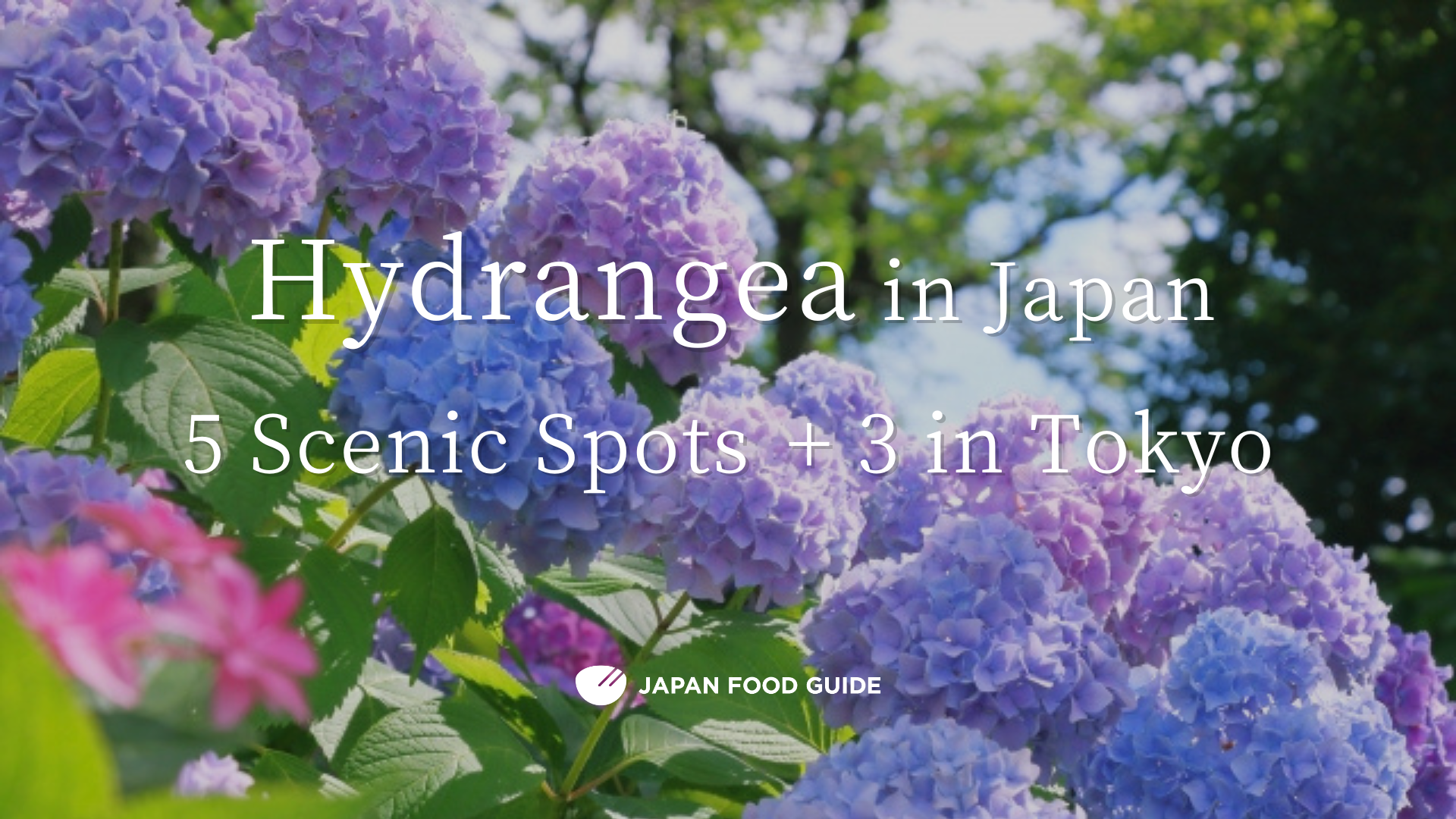
Hydrangeas, or ajisai in Japanese, are native to Japan and bloom during the rainy season (June to July). Their most fascinating trait is that the flower color changes based on soil pH—blue in acidic soil and pink to red in alkaline conditions. This transformation has earned them the nickname “seven transformations,” and a single bush can bear multiple colors at once.
At the Bunkyo Hydrangea Festival, visitors can see diverse varieties like lacecap, Annabelle, and oakleaf hydrangeas. The flower has long been featured in Japanese poetry and ukiyo-e art, symbolizing the refined aesthetics of Japanese culture. In recent years, hydrangeas have also gained popularity overseas as a symbol of the beauty of Japan’s rainy season.
※Ukiyo-e:
A traditional Japanese art form that flourished during the Edo period, consisting of woodblock prints and paintings. Reflecting the tastes of the urban commoners, ukiyo-e featured themes such as landscapes, beautiful women, kabuki actors, and sumo wrestlers. It had a profound influence on Western art, particularly the Impressionist movement.

7. Access Information
- Nearest Stations:
- Toei Mita Line: Hakusan Station (Exit A3), approx. 3-minute walk
- Tokyo Metro Namboku Line: Hon-Komagome Station (Exit 1), approx. 5-minute walk
Also easily accessible via transfers from JR Sugamo and Komagome Stations
IC cards (Suica, PASMO) accepted
8. How to Enjoy the Festival
Recommended Events & Activities
- Local Food Stalls (Yakisoba, Takoyaki, Japanese Sweets)
- Dates: June 7–8, 14–15 (Sat & Sun)
- Time: Sat 10:00–17:00 / Sun 10:00–16:00
Sample local specialties prepared by popular eateries and community groups. Available for dine-in or takeout.
- Hydrangea Mikoshi Parade
- Date: June 15 (Sun)
- Time: 10:00–12:00 (Cancelled if it rains)
A traditional parade featuring a mikoshi (portable shrine) decorated with hydrangeas, carried through the shrine area with lively chants.
- Dental Health Blessing
- Dates: June 8 (Sun) & June 15 (Sun)
- Time: 11:00–11:10
Known for blessings against toothaches, Hakusan Shrine holds a special ritual during the festival. The first 100 participants receive a free toothbrush.
- Boccia Activity
- Date: June 14 (Sat)
- Time: 10:00–15:00
Experience this inclusive sport suitable for all ages and abilities. Great for families and first-timers.
- Hydrangea Concerts (Music, Dance, Taiko Drumming)
- Dates: June 7–8, 14–15 (Sat & Sun)
- Time: Sat 10:00–17:00 / Sun 10:00–16:00
Performances by local schools and community groups—including music, dance, and Japanese taiko drumming—create a festive mood on the special stage.
Photo Spots
- Hydrangea-lined stone steps

- Striking contrast of torii gates and flowers
- Panoramic view from Fujizuka over the shrine grounds
What to Wear
- Raincoats and waterproof shoes are recommended due to rainy season
- Visiting in a yukata enhances the experience
What to Bring
- Smartphone or camera
- Folding umbrella or other rain gear
- Towel, drinks, small change (for offerings or food stalls)
9. Tips & Etiquette
- Photo Manners
- Be considerate of other visitors
- Limit the use of tripods and selfie sticks
- Shrine Etiquette
- When praying: two bows → two claps → one bow
- Purify hands and mouth at the water basin before worship
- Avoiding Crowds
- Weekends are crowded—weekday mornings are best
- Don’t block pathways when stopping to take photos
10. Nearby Attractions
- Koishikawa Botanical Garden: A lush natural space with seasonal plants
- Nezu Shrine: Famous for its azaleas and deep history
- Rikugien Garden: A tranquil stroll garden with a central pond

- Former Iwasaki Residence Garden: A blend of Meiji-era Western and Japanese architecture

- Hongo Street Area: Great for exploring secondhand bookstores and traditional Japanese-style cafes
In Conclusion
If you’re looking for a quiet moment of beauty amid the buzz of Tokyo, the Bunkyo Hydrangea Festival is the perfect escape. Imagine wandering through lush paths lined with rain-kissed hydrangeas, the scent of earth in the air, and the soft chime of shrine bells in the background. This is where Japan’s nature and spirit bloom together. In 2025, don’t just read about it—feel it. Let Hakusan Shrine be your gateway to a side of Tokyo you’ll never forget.
What is Hydrangea?
Search Restaurants by Destination
Search Restaurants by Popular Cuisines