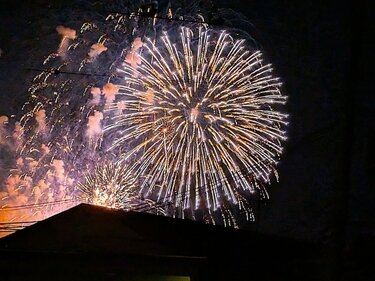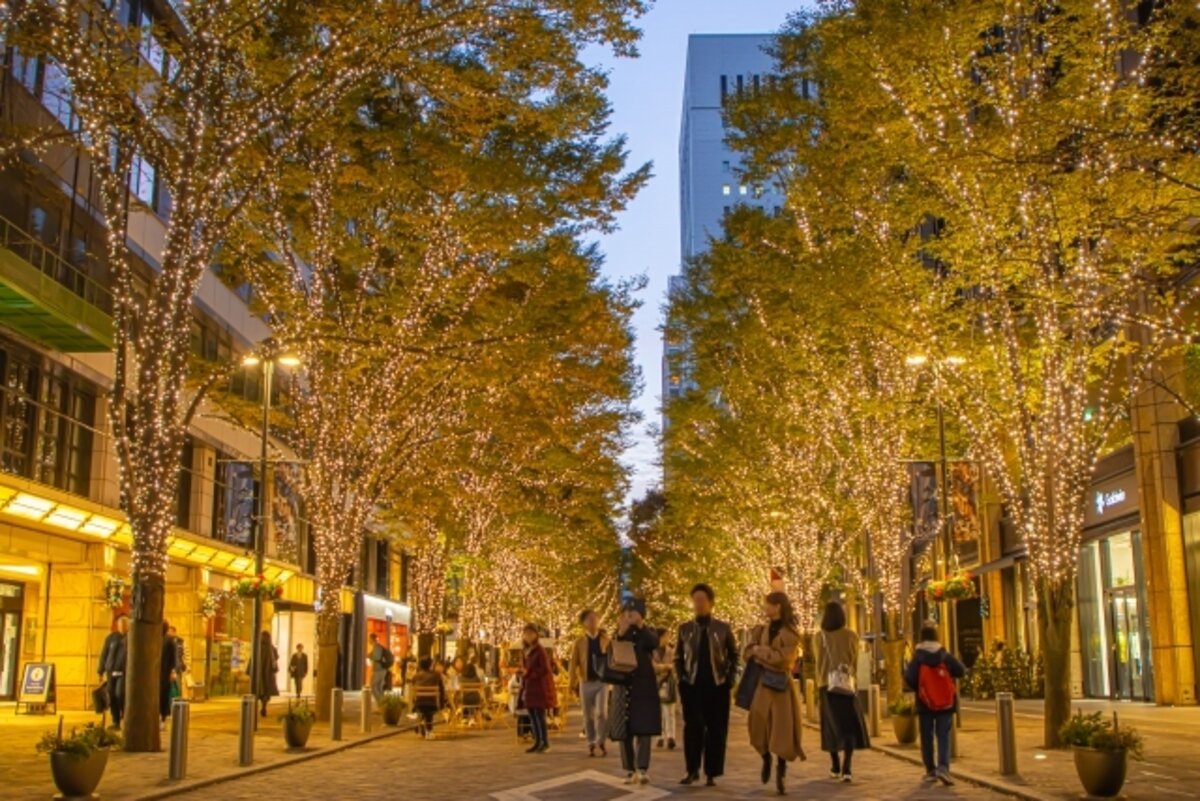
For travelers visiting Japan in winter, one dazzling spectacle often steals the show: "Illuminations."
Across city buildings, parks, historic sites, and even theme parks, enchanting light displays transform the nightscape into a magical wonderland, offering a mesmerizing contrast to the daytime scenery.
"I simply must witness this magical scene in person."
"I couldn’t believe those breathtaking views I saw on social media were actually in Japan!"
Such sentiments are common—Japanese winter illuminations have become a highlight that captivates visitors year after year.
This comprehensive guide will unveil how to fully enjoy these luminous festivals, making your winter trip to Japan unforgettable.
From the cultural origins and distinct features to top destinations and practical tips, reading on will ignite your wanderlust and enrich your travel experience.
*Please note: Photos in this article are either past event images or illustrative.
1. What Are Japanese Illuminations?
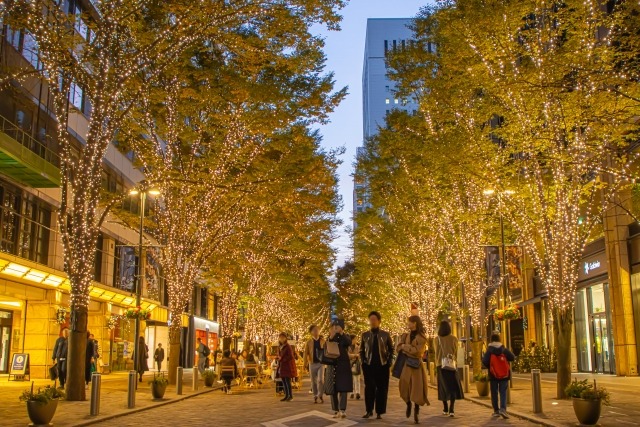
Illuminations are nighttime light displays that artistically illuminate various spaces.
In Japan, especially between November and February, these events glow in harmony with Christmas and New Year, lighting up cities and popular tourist spots nationwide.
While inspired by Western Christmas traditions, in Japan the religious undertones are subtle. Instead, illuminations serve as joyous entertainment and social gatherings, drawing families, couples, and friends who stroll beneath radiant streets, savor street food, and snap photos in their own unique styles.
2. Unique Charm of Japanese Illuminations
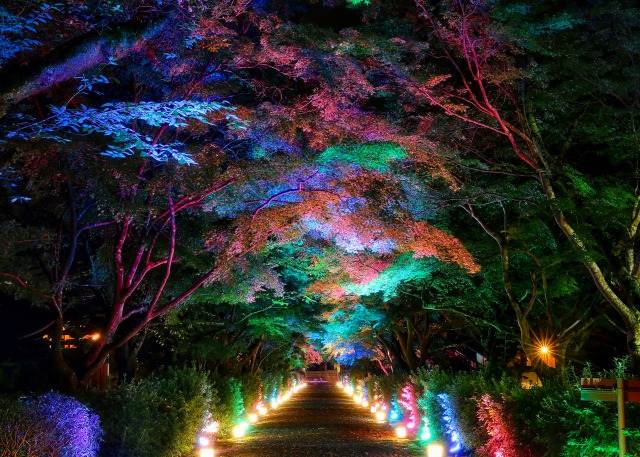
Japanese winter illuminations stand apart with captivating characteristics you won’t find elsewhere.
Rich, Thoughtful Themes
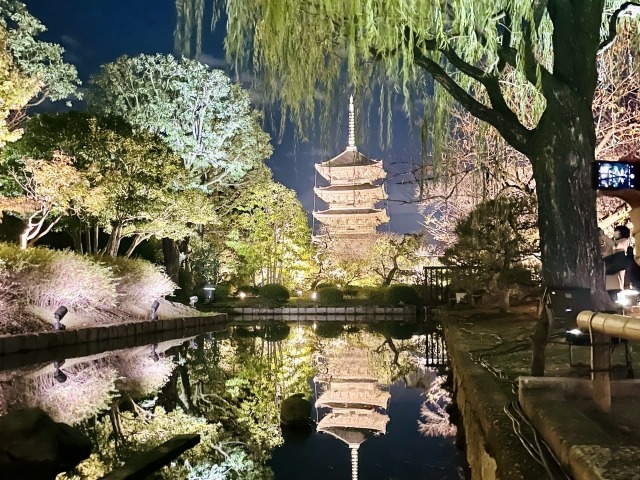
Each location crafts an atmosphere with distinctive themes—from serene "Japanese Light" motifs featuring bamboo and traditional lanterns to futuristic, sci-fi inspired displays that transport visitors to outer space—ensuring each visit offers a fresh and immersive experience.
Highly Photogenic Setups
With social media deeply woven into daily life, many illuminations are designed to dazzle on camera. Heart-shaped arches, mirror reflections of twinkling lights, and interactive corridors invite you to capture moments destined to enchant your followers.
Impeccable Quality and Detail
Japanese creators meticulously orchestrate colors, rhythms, and lighting sequences—often synchronized with music and projection mapping—to stimulate all five senses. Their precision and artistry consistently earn international acclaim.
Accessible and Safe Experiences
Many illumination events take place near train stations or tourist hubs, making them easy to reach. Thoughtful signage, security staff, and safe, well-lit paths offer peace of mind for solo travelers and families alike, even during late evening hours.
3. How Are Japanese Illuminations Different from Those Abroad?
While "illumination" is a universal term, its cultural meaning and presentation vary worldwide.
Here’s how Japanese illuminations uniquely stand apart:
Cultural Contexts
In many Western countries, illuminations are deeply tied to Christian Christmas traditions, adorning churches, homes, and entire towns with religious symbolism.
Japan embraces Christmas more as a festive winter celebration, where illuminations serve as entertainment, romantic outings, and family enjoyment rather than religious observance.
Scale and Style
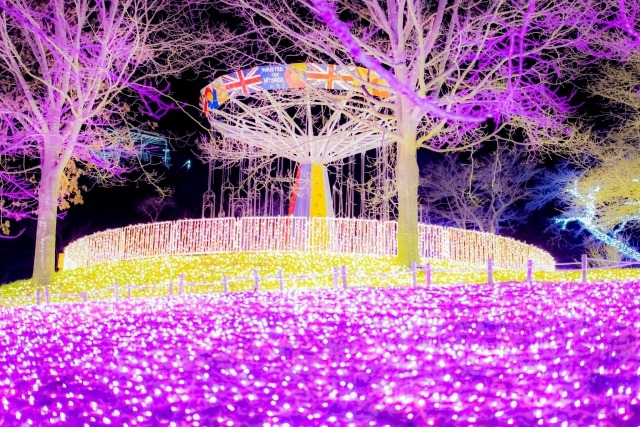
European and American illuminations often blanket entire neighborhoods with lights, sometimes featuring friendly competition between households. In Japan, large-scale, professionally curated events by corporations or local governments emphasize spectacular shows, often enhanced with cutting-edge technology like AR, music synchronization, and projection mapping.
Economic Aspects
While Western decorations are mostly individual endeavors bearing personal costs, many Japanese illumination festivals are sponsored, making them free or affordable attractions that boost local tourism.
4. Tips for Fully Enjoying Japanese Illuminations
If your winter travels bring you to Japan, immersing yourself in illuminations is an absolute must. Here are some insider tips to make the most of your experience:
1. Plan Ahead by Checking Event Schedules
Illumination periods vary by location, typically from mid-November through mid-February. Some end just after Christmas, so verify dates and times on official websites before you go.
2. Dress Warmly for Outdoor Winter Nights
Japan’s winter can be chilly, with temperatures dropping below freezing in many regions. Pack gloves, scarves, and heat-retaining layers to stay cozy during these outdoor events.
3. Check Transportation Options and Avoid Crowds
Popular displays may attract large crowds. Research the nearest train stations, bus routes, and parking to streamline your visit. Many urban lights stay on late, allowing relaxed pacing without time pressure.
4. Capture Stunning Photos
Smartphones can do a great job, especially with night mode. For extra sharp photos, bring a tripod. To beat the crowds, try visiting on weekday early evenings or just before closing.
5. Pair Illuminations with Local Attractions and Cuisine
Many illumination sites are near other tourist spots and eateries. Combining sightseeing, dining, and a leisurely illuminated walk lets you soak in Japan’s winter culture more deeply.
5. Must-See Japanese Illumination Spots
Here are select iconic illuminations across Japan, each showcasing unique magic in their respective cities.
Tokyo Midtown (Tokyo)
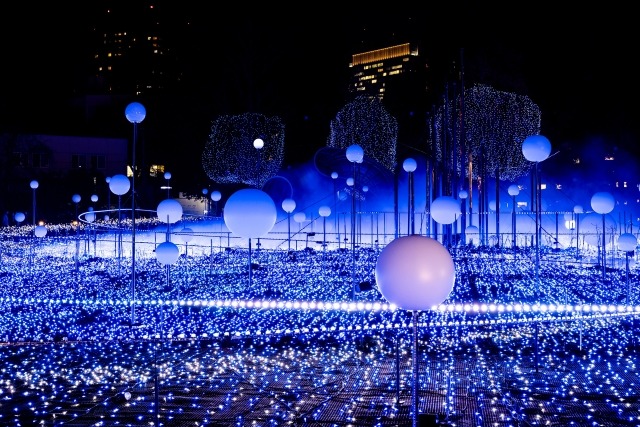
Set in Tokyo’s trendy Roppongi district, this urban spectacle features music-synchronized lights cascading over a sprawling lawn plaza, framed by the striking skyline—an irresistible blend of nature and metropolis.
Midosuji Illumination (Osaka)
Stretching about 4 km through central Osaka’s Midosuji boulevard, this vibrant light show offers a colorful stroll from Umeda to Namba, perfect for combining shopping, dining, and sightseeing.
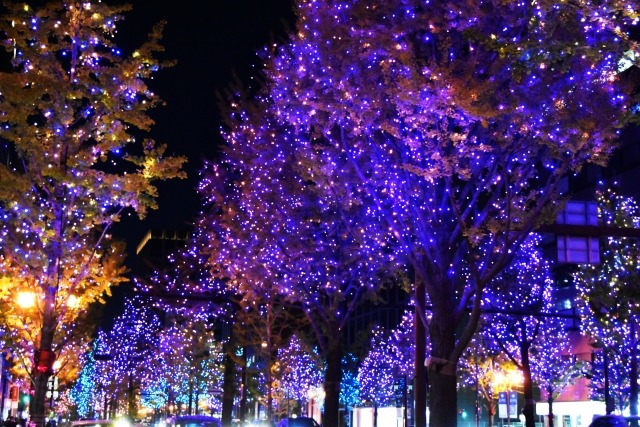
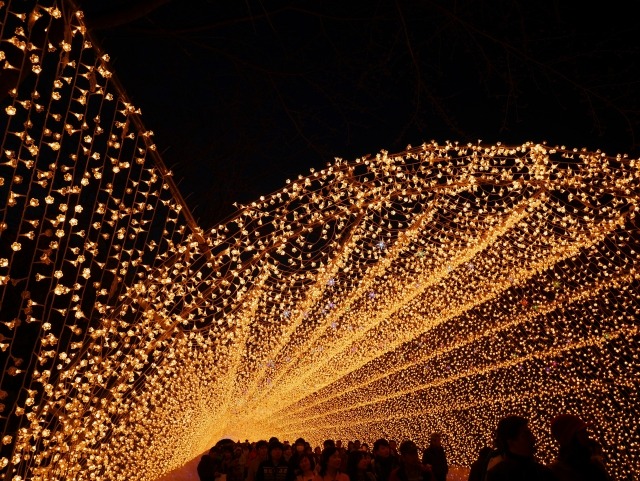
Nabana no Sato (Mie Prefecture)
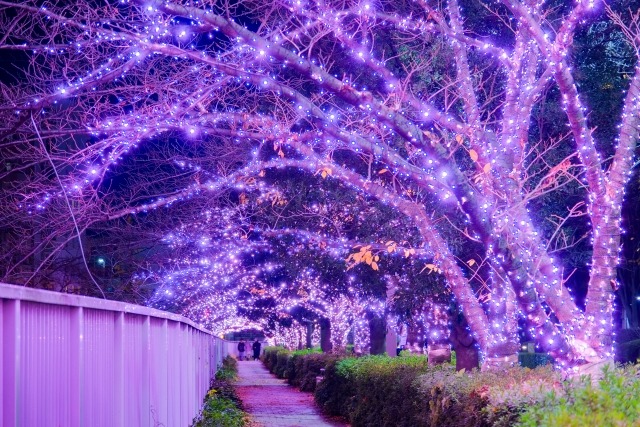
Known for its breathtaking “Tunnel of Light” spanning several hundred meters, Nabana no Sato wows with displays intertwined with seasonal flowers—hailing as an internationally acclaimed fusion of nature and illumination. Relax with hot springs and savor local cuisine onsite for a full sensory escape.
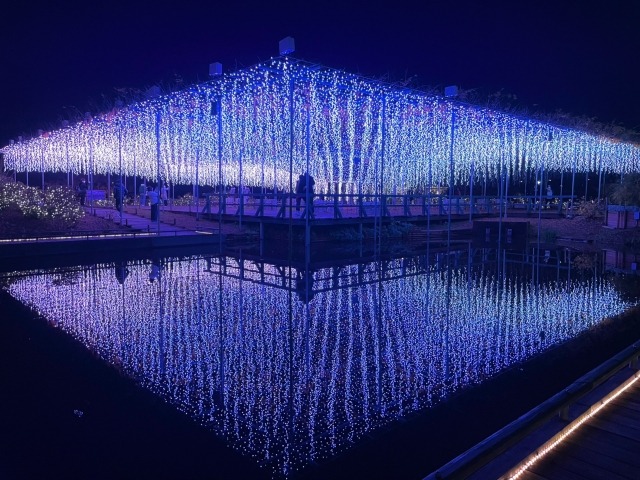
Ashikaga Flower Park (Tochigi Prefecture)
One of Japan’s top three illumination sites, Ashikaga Flower Park is famed for spectacular shows blending radiant flowers and lights. The expansive park invites a leisurely exploration, where every corner bursts with color and artistry.
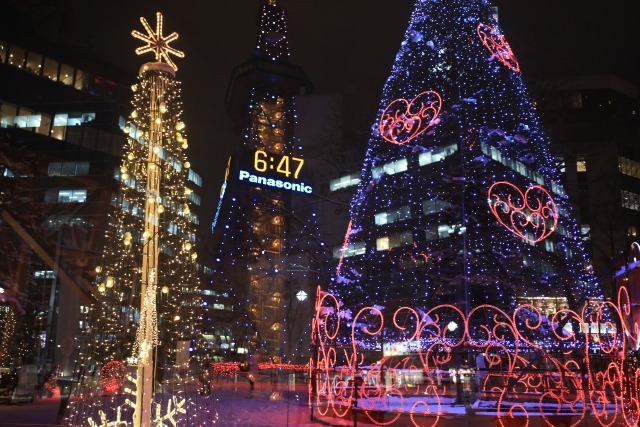
Sapporo White Illumination (Hokkaido)
A rare and magical winter event, Sapporo’s white illumination combines pristine snow and sparkling lights, creating an immersive, enchanting frozen wonderland unlike anywhere else in Japan.
Conclusion
In Japan, winter nights become canvases painted with delicate lights—the art of illumination transforming cities into breathtaking dreamscapes.
This luminous beauty reflects Japan’s meticulous attention to detail, aesthetic elegance, and heartfelt hospitality.
Beyond simply marveling at the lights, it’s about experiencing their warmth, capturing memories, and sharing the magic with loved ones.
These enchanting illuminations promise to make your winter trip truly unforgettable.
Let this seasonal celebration of light deepen your love for Japan’s winter—a radiant journey you’ll cherish forever.
Amid twinkling streets and shimmering skylines, may your adventure shine bright in your heart for years to come.
Search Restaurants by Destination
Search Restaurants by Popular Cuisines