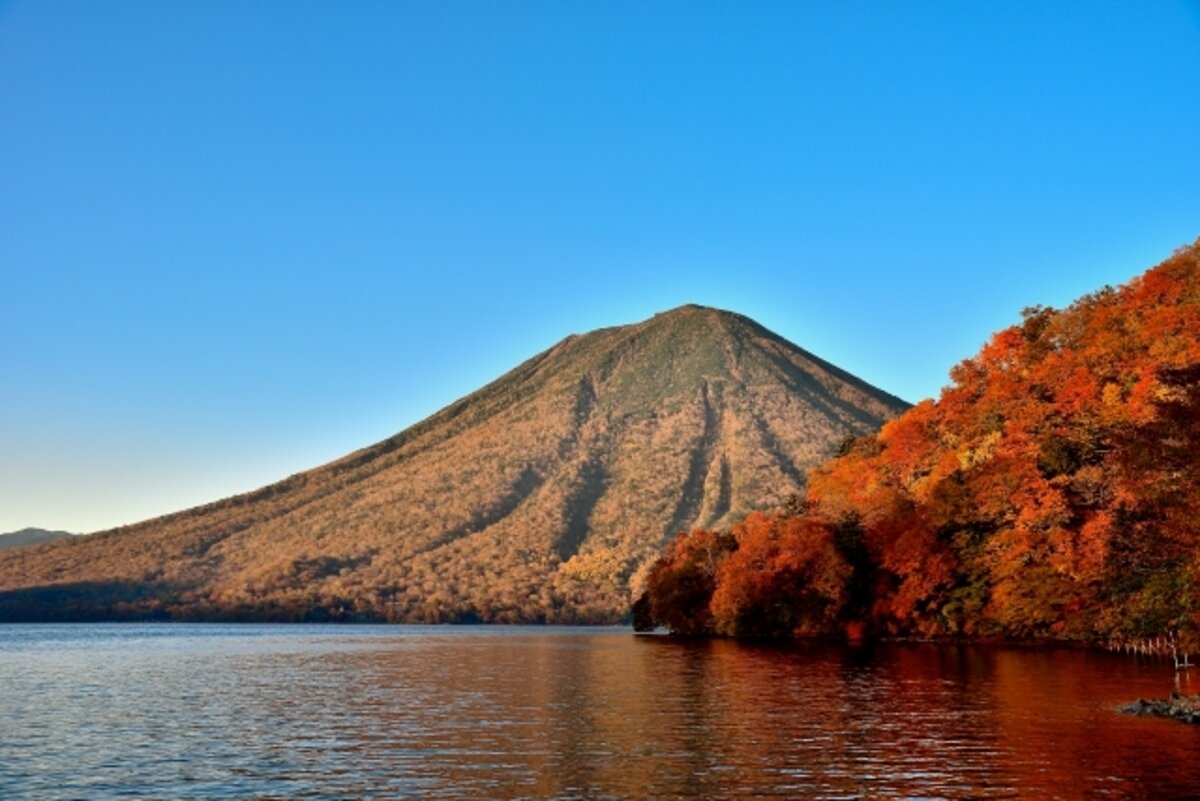
If you visit Japan in autumn, be sure not to miss the spectacular autumn foliage. Imagine mountains ablaze with vibrant reds and golds; the serene temples and shrines perfectly framed by colorful leaves; and the crisp, refreshing air heightening your senses—Japan's autumn weaves a magical tapestry of nature and culture.
Among these breathtaking scenes, Nikko stands out as a truly special destination where historic architecture nestles harmoniously amidst magnificent natural beauty. From the ornate World Heritage Site of Nikko Toshogu Shrine to diverse autumn foliage spots that unfold across varying altitudes, and with seamless access from Tokyo, Nikko is perfect for first-timers seeking a day trip or a rejuvenating overnight stay.
This article serves as your comprehensive OMAKASE guide to experiencing Nikko's autumn foliage at their finest. Discover key highlights, the best viewing times, transportation tips, and nearby sightseeing spots—everything you need to plan an unforgettable trip.
1. Characteristics of Nikko's Autumn Foliage
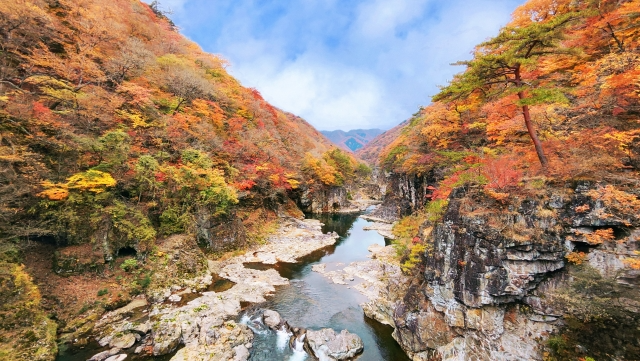
One of Nikko's standout features is its extended autumn foliage season. The leaves begin their fiery transformation from the high altitudes, gradually descending to the valleys—allowing you to savor a breathtaking spectrum of colors for over a month.
Here, dynamic mountain vistas contrast beautifully with tranquil lakes and cascading waterfalls. When combined with centuries-old shrines and temples adorned by autumn hues, each location reveals a uniquely enchanting scene.
As the crisp air cools, vibrant maples, beeches, and oaks burst into shades of crimson and gold, painting the mountainside. Sunlit days illuminate the leaves against the deep blue sky, creating picture-perfect moments that beckon photographers and nature lovers alike.
Beyond nature’s grandeur, Nikko offers a window into Japan’s rich history through its architectural marvels—making your autumn visit a truly immersive experience blending culture and the outdoors.
2. Nikko's Autumn Foliage Attractions & Best Viewing Periods
Nikko is dotted with renowned autumn foliage spots, each showcasing distinct beauty depending on when you visit. Below are must-see locations along with their peak viewing times:
Senjogahara
Best viewing: Early to mid-October
At an altitude of 1,400m, this highland marshland dazzles with red grasses that carpet the landscape. Strolling along wooden boardwalks, you’ll be embraced by expansive skies and vivid mountainside colors—all in a peaceful, almost meditative atmosphere.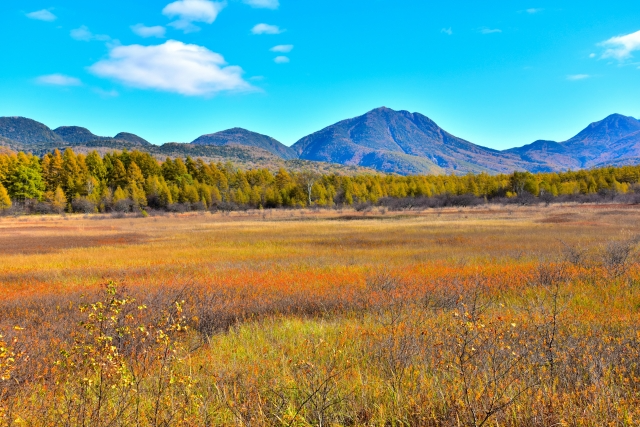
Ryuzu Falls
Best viewing: Early to mid-October
The waterfall is framed by trees glowing in shades of fiery red and golden yellow, creating a stunning contrast with the crystal-clear flowing water below. Nearby, a quaint teahouse invites you to relax and soak in the serene autumnal ambiance.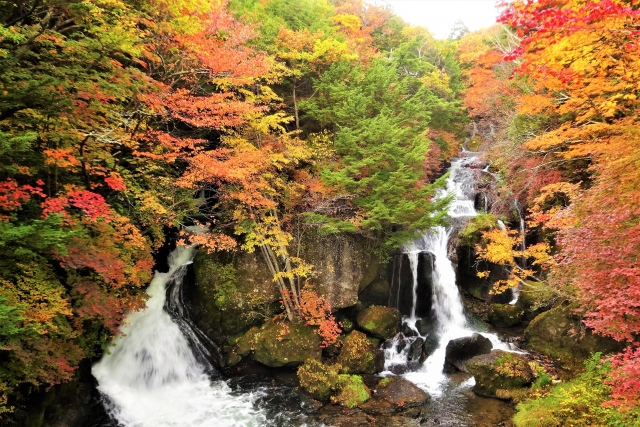
Lake Chuzenji
Best viewing: Mid to late October
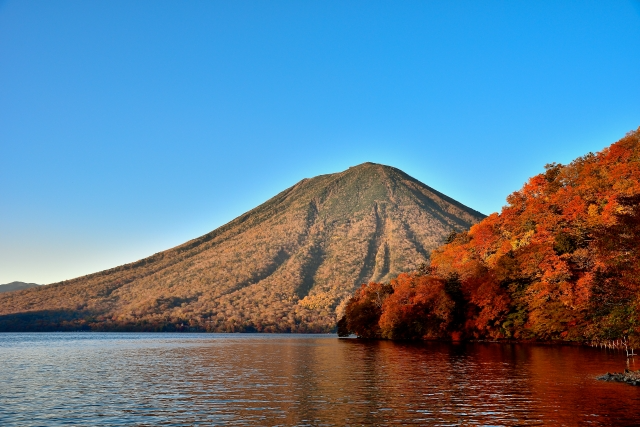
The tranquil lake mirrors autumn’s vibrant palette beautifully. Taking a pleasure boat ride offers spectacular views of surrounding wooded hills ablaze with color, while gentle lakeside walking paths provide peaceful moments surrounded by nature.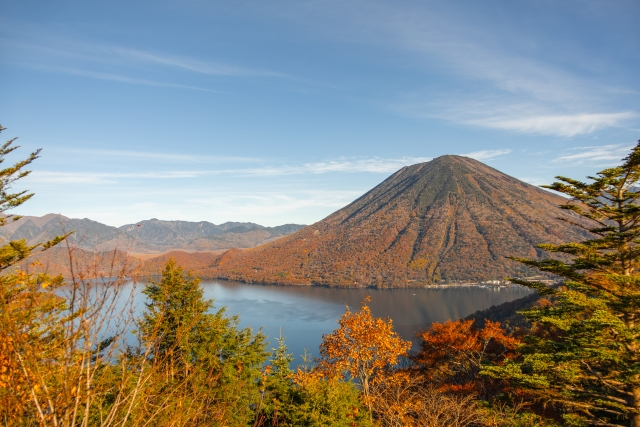
Kegon Falls
Best viewing: Mid to late October
Experience the thrill of a 97-meter cascading waterfall set amidst a backdrop of radiant autumn foliage. Take the elevator down to the base for an awe-inspiring perspective that captures nature’s raw power and seasonal beauty.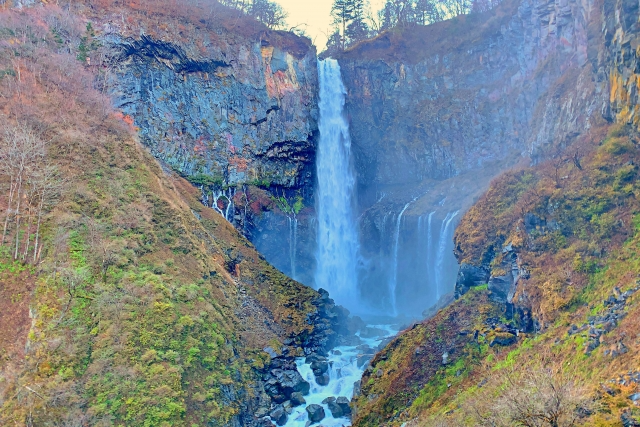
Irohazaka
Best viewing: Mid to late October
Drive along this winding mountain road, where the panoramic bursts of vivid reds and oranges fill your windows at every curve. It’s one of the most scenic and popular autumn routes in Japan.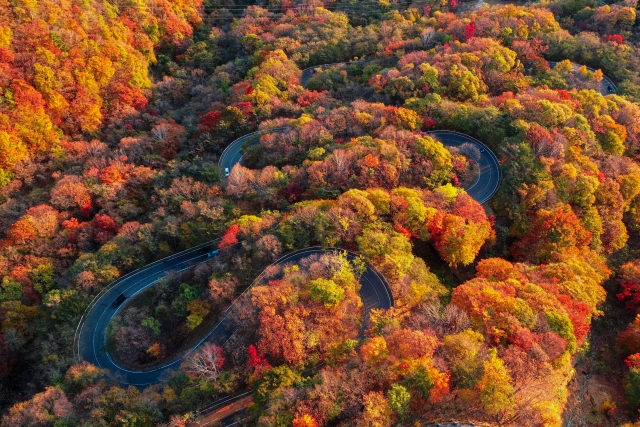
Around Toshogu Shrine & Futarasan Shrine
Best viewing: Early to mid-November
Nestled in Nikko city, the stone-paved paths and wooden architecture are bathed in autumn colors, offering a stunning blend of culture and nature. Photographers and culture lovers will find themselves enchanted by these timeless scenes.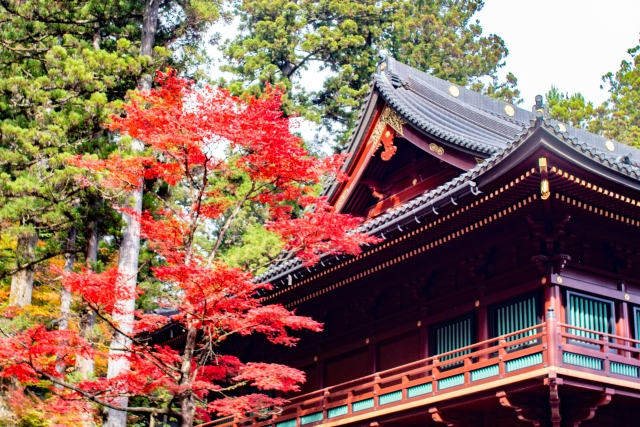
3. Tips for Enjoying Nikko's Autumn Foliage
To fully immerse yourself in Nikko's autumn beauty, keep these handy tips in mind for a comfortable and memorable experience:
- Visit in the morning
With the sun low on the horizon, autumn leaves glow more vibrantly and cast enchanting shadows. Mornings are also quieter, giving you a peaceful atmosphere to savor the scenery. - Choose weekdays for your visit
Weekends and holidays can get crowded, especially on the Irohazaka road. For a more relaxed and intimate experience, plan your outing during the weekdays. - Dress warmly and in layers
Temperatures in Nikko often dip below 10°C in the early mornings and evenings during autumn. Pack scarves, jackets, and other warm clothes to stay comfortable. - Wear sturdy, comfortable footwear
Many foliage spots involve walking on uneven or natural paths. Sneakers or trekking shoes are ideal to keep you steady and energized. - Utilize public transportation
Taking trains and buses can help you avoid traffic jams common during peak season. Extra buses operate during autumn, so check schedules ahead for smooth travel.
4. Access Information to Nikko
Nearest Stations
Two main stations serve as gateways for Nikko sightseeing:
- Tobu Nikko Station
Operated by Tobu Railway, it offers convenient limited express trains "Spacia" and "Liberty" from Tokyo and Asakusa. - JR Nikko Station
Accessible via JR lines from Shinjuku and Tokyo, typically with a transfer at Utsunomiya Station.
Both stations are centrally located, providing easy access to Nikko's top attractions on foot or by bus.
Access Methods (From Tokyo)
- By Train
- About 2 hours direct via Tobu limited express from Asakusa Station.
- About 2 hours on the JR "Nikko-go" limited train from Shinjuku (seasonal).
- Approximately 2 hours via Shinkansen to Utsunomiya, then JR Nikko Line transfer.
- By Highway Bus
- Direct buses from Tokyo and Shinjuku (2.5 to 3 hours).
- Allow extra time during peak traffic periods.
- From Airports
- From Narita/Haneda: transfer in Tokyo, then train to Nikko (common route).
- Haneda to Asakusa via Keikyu Line offers smooth transfers to Tobu trains.
5. Nearby Sightseeing Spots
Nikko's allure extends beyond autumn foliage. Combining these sights with foliage viewing enriches your journey:
Nikko Toshogu Shrine
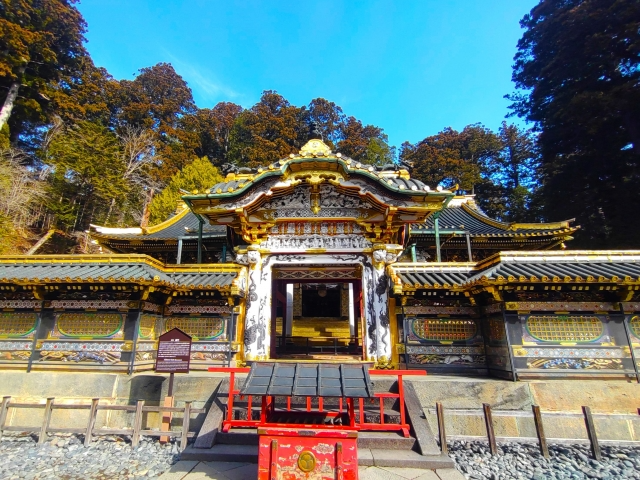
Dedicated to Tokugawa Ieyasu, this World Heritage Site captivates with ornate carvings like the Three Wise Monkeys and Sleeping Cat. In autumn, the vibrant foliage contrasts beautifully with the historic shrine buildings, easily reachable from the station.
Kinugawa Onsen
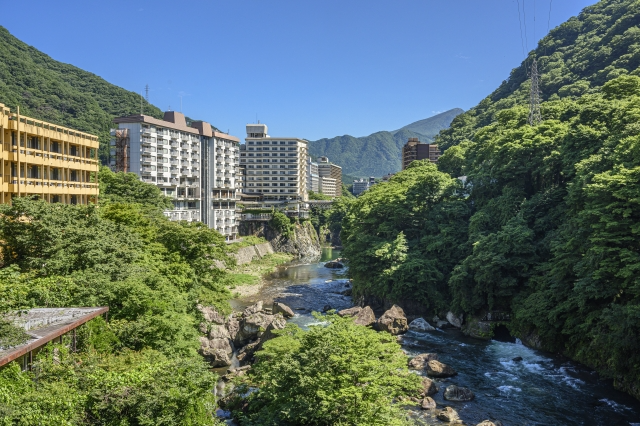
Relax in open-air hot spring baths surrounded by colorful autumn mountains. Kinugawa Onsen offers easy day trips, perfect for a casual and rejuvenating escape.
Yumoto Onsen
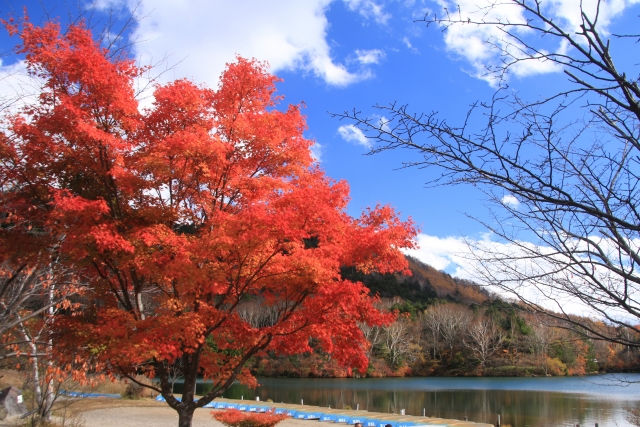
This historic hot spring nestled in Oku-Nikko offers a serene highland atmosphere where you can unwind while soaking in autumn’s vibrant hues.
Edo Wonderland Nikko Edomura
Step back in time at this theme park showcasing the Edo period’s townscapes and culture. Enjoy interactive activities like kimono dress-up and thrilling ninja performances for a fun cultural immersion.
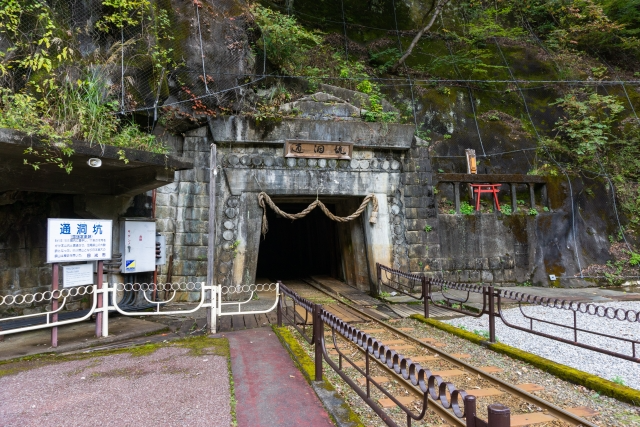
Ashio Copper Mine
Explore Japan’s largest former copper mine on a trolley train tour. This unique site blends industrial history with stunning autumn scenery for a memorable visit.
In Conclusion
Nikko’s autumn foliage showcase an extraordinary experience shaped by the harmonious blend of nature and heritage. From the highlands to the city streets, the colors shift and dazzle, offering fresh wonders each time you visit.
Thanks to excellent transportation and helpful guidance, even first-time visitors can easily navigate and enjoy a smooth, memorable trip.
For travelers eager to immerse themselves in the essence of Japan's autumn, Nikko stands as the ideal destination. Create unforgettable memories by relishing breathtaking foliage alongside rich history, soothing hot springs, pristine nature, and delectable local cuisine.