"I want to experience a traditional Japanese event right in front of my eyes, even just once."
With such thoughts in mind, I wholeheartedly recommend the "Gozan Okuribi" to those visiting Kyoto.
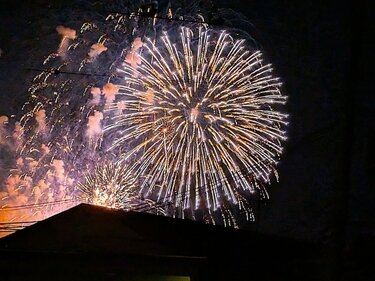
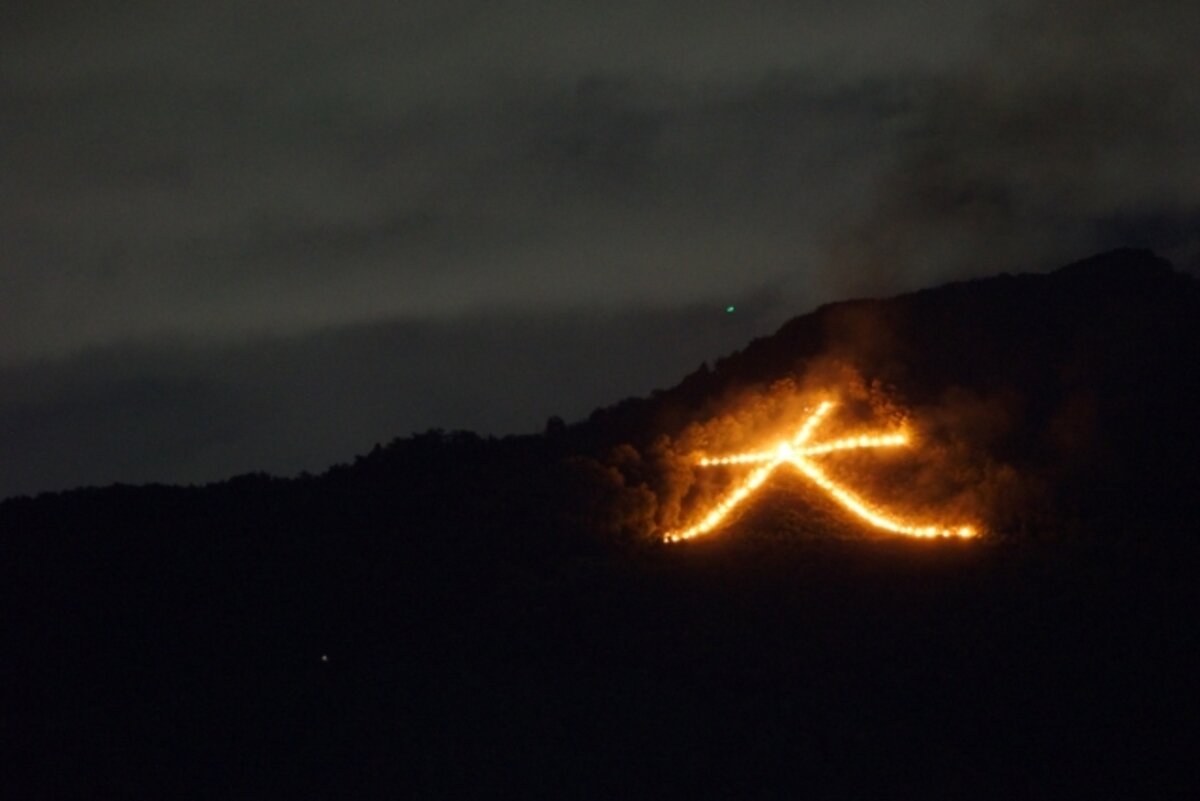
Every year on the night of August 16, the spectacle of enormous fiery characters dances across the sky of Kyoto, creating an unforgettable sight. The serenity that envelops the city during this time, accompanied by the "fire of prayer" illuminating the horizon, symbolizes the profound spiritual culture of Japan.
In this article, we will carefully explore the details of Gozan Okuribi 2026, including access information, highlights, cultural etiquette, and historical significance. Our aim is to ensure that even if you are a first-time visitor, you can immerse yourself in this magical experience with complete peace of mind.
Join us as we convey the true essence and beauty of Gozan Okuribi, creating cherished memories that will stay with you long after your journey.

1. What is Gozan Okuribi?
Gozan Okuribi is a traditional event that wraps up the Obon festival in Kyoto, a time when Japanese families gather to honor their ancestors.
At the close of this sacred period, the "Okuribi" is ignited to gently send the spirits back to the other world, a heartfelt gesture of gratitude.
In Kyoto, these Okuribi flames take the shape of various characters on five different mountains, each symbolizing something special.
The characters include:
"Dai" character (Higashiyama)
"Myō" and "Hō" (Matsugasaki)
"Funakata" (Nishigamo)
"Hidaridai" (Daikuhiyama)
"Torii-gata" (Saga)


The fiery creations of summer embody the very essence of invisible "prayers." It is a mysterious experience that prompts reflection amidst the modern hustle and bustle.
2. Basic Information about Gozan Okuribi
Date and Time
- Date: Sunday, August 16, 2026
- Start of ignition: Lighting begins at 8 PM
- Scheduled times for each character:
- Dai character (Nyoigatake)…20:00
- Myō and Hō (Matsugasaki)…20:05
- Funakata (Nishigamo)…20:10
- Hidaridai (Daikuhiyama)…20:15
- Torii-gata (Mandara-yama)…20:20
- The lighting duration is approximately 30 minutes for each fire
Location
- Five mountains in Kyoto City
- Held in Higashiyama, Matsugasaki, Nishigamo, Daikuhiyama, and Saga Mandara-yama
Rainy Weather Decision
- Proceeding in light rain
- Severe weather may result in cancellations or changes in ignition times
- Check the latest information on the day from Kyoto Tourist Navi
Official Information Site
3. Highlights and Features of Gozan Okuribi
The greatest charm of Gozan Okuribi is the enormous fire characters soaring in the night sky over Kyoto. Each character ignites on the mountainside, gracefully etched against the backdrop of the starry night, conveying a sense of strength harmonized with tranquility.
The "Dai" character stands as a symbolic figure, visible from multiple city locations. The moment it ignites, witness the crowd's shared sense of awe, as the beauty of the moment resonates within each heart. "Myō" and "Hō"—two characters that embody Buddhist teachings—ignite in succession, ushering in a collective moment of reflection.
"Funakata" symbolizes the journey of sending ancestral souls on a boat, leaving a gentler impression compared to the other characters. In contrast, "Hidaridai" presents a visually balanced beauty, as the character "Dai" lights symmetrically, showcasing harmony and grace.
Finally, the last character to be lit, "Torii-gata," mimics the iconic Torii gate of Shinto. When viewed from the serene shores of Hirosawa Pond in Saga, the fire reflects beautifully on the water's surface, conjuring a scene that feels almost otherworldly.
These fiery tributes to the spirits are meticulously organized by local communities, embodying the "beauty of Japan" that quietly permeates our hearts. Rather than viewing it merely as a tourist attraction, I encourage you to immerse yourself in this heartfelt event, where the prayers and spirits of the people truly come alive.
4. History and Origin of Gozan Okuribi
The history of Gozan Okuribi is ancient, though its exact origins remain a mystery. Historical records indicate that it was celebrated as far back as the early Edo period. The tradition of "Okuribi" has also existed across various regions of Japan, with Kyoto's version emerging as a notable large-scale event steeped in deep religious significance.
This ritual ignites not just flames but embodies a "symbol of prayer"—a heartfelt message entrusted to the fire. The essence of Japanese sensitivity is beautifully expressed within Gozan Okuribi.
Among its many symbols, the famed "Dai" character features a unique custom where individuals write their wishes or the names of departed loved ones on wooden plaques known as Gomagi, which are then offered to the fire. This practice is a cherished part of the event, with many participating in this deeply personal ritual.
The preparation of the fire site is a labor of love carried out by local residents, who meticulously check the arrangements multiple times before the night arrives. From the stacking of firewood to the carefully timed ignitions, the techniques and care involved reflect years of tradition and community dedication.
For visitors, what may seem like a fleeting spectacle is woven with the sentiments and connections of people across centuries.
5. Access Information
As Gozan Okuribi unfolds across multiple mountains within Kyoto City, knowing the best access routes for each character is essential. Viewing locations and nearest stations differ slightly depending on where you plan to watch the fireworks.
Dai (Nyoigatake)
- Viewing spot: Kamo River riverbank (Marutamachi Bridge to Goyon Bridge)
Marutamachi Bridge Google Maps: https://maps.app.goo.gl/e18654kLnkufzJgy5 - Nearest station: Keihan "Jingu Marutamachi Station"
- Approximately a 5-minute walk from the station
- This area offers a relatively open view, easily visible from the city center.
Myō and Hō (Matsugasaki)
- Viewing spots: "Myō" is located along Kitayama Street, while "Hō" can be found along the Takano River
Kitayama Street Google Maps: https://maps.app.goo.gl/Cvi5uUY5uhJsn9gU8
Matsugasaki Bridge Google Maps: https://maps.app.goo.gl/Rf7rgamrwicF35LE7 - Nearest station: Subway Karasuma Line "Matsugasaki Station"
- Easy access from the station
Funakata (Nishigamo)
- Viewing spot: Along the Kamo River between Kitayama Ohashi and Nishigamo Bridge
Nishigamo Bridge Google Maps: https://maps.app.goo.gl/5rQPizJ3fW4yWeuu5 - Nearest station: Take the city bus from "Kitaōji Station" on the subway
- A serene area where you can sit along the riverbank to enjoy the view
Hidaridai (Daikuhiyama)
- Viewing spot: Along Nishiōji Street, near Kinkaku-ji and around Enmachi
Nishiōji Street Google Maps: https://maps.app.goo.gl/GQgx8suABfQzWeFD7 - Nearest bus stop: City bus "Kinkaku-ji-do" station
- It can get crowded, so arrive early!
Torii-gata (Mandara-yama)
- Viewing spot: Hiroshawa Pond, Togetsu Bridge, Matsuo Bridge area
Hiroshawa Pond Google Maps: https://maps.app.goo.gl/RA5ELt2Z2FYaPGzJ7 - Nearest stations: JR "Saga Arashiyama Station" and Hankyu "Matsuo Taisha Station"
- A breathtaking spot where reflections of the fire on the pond create a mesmerizing display
6. How to Enjoy Gozan Okuribi
Gozan Okuribi allows for enjoyment not just by watching the flames but by immersing yourself in the atmosphere before and after the ignitions. It’s a unique opportunity to appreciate Japan’s "quiet beauty" in its purest form.
Recommended Ways to Spend Your Time
- Arrive at your chosen location around 6 PM to secure a good spot.
- Spread out a leisure sheet and unwind by the riverside or near the pond.
- Enjoy light snacks from nearby convenience stores or vendors, creating a delightful picnic atmosphere.
- As the ignition begins, take in the tranquil shift in the ambiance, letting the magic envelop you.
Clothing Advice
- Kyoto in mid-August can be hot during the day, but temperatures drop at night, so dressing in layers is recommended.
- A light jacket over your short sleeves can keep you comfortable.
- Expect to move around a bit, so comfy sneakers are ideal.
- A handy backpack or body bag will help keep your hands free.
Checklist of Items to Bring
- Hydrate – bring drinks to prevent heatstroke!
- A leisure sheet to secure a comfy spot.
- A portable or hand fan for cooling off.
- Towels for wiping away sweat.
- Consider a portable toilet or tissues for convenience in crowded areas.
- A compact flashlight for safe walking post-ignition.
7. Points of Caution and Manners
Gozan Okuribi represents a significant aspect of Kyoto's spiritual culture, so it's essential to observe proper etiquette while enjoying the event.
Photography Guidelines
- Flash photography is strictly prohibited as it disrupts others' experiences.
- Avoid using tripods or selfie sticks due to crowding and safety issues.
- Focus on the moment—watch with your eyes rather than through your smartphone.
Trends in Crowding Times and Locations
- Crowds begin to swell around 5 PM, peaking after 7 PM.
- Well-frequented spots like Kamo River and Hirosawa Pond fill quickly, so arrive early.
- Consider delaying your departure slightly after the event to avoid a hasty exit.
Behavioral Points
- Always heed the guidance of security and event staff.
- For those with children or seniors, plan accordingly to accommodate their needs.
- Respect personal space and be mindful of the flow of foot traffic.
Other Manners
- Climbing the mountains where the fires are lit is prohibited.
- Please take your trash home, as there are no bins available.
- Keep conversations low and avoid drinking; quietly savoring the experience is the Japanese way.
8. Nearby Tourist Spots
Before and after Gozan Okuribi, consider visiting nearby attractions. A lovely way to unwind until the ignition time is to explore these local gems leading up to the "fire ceremony" at night.
- Ginkaku-ji: Close to the start point of "Dai," this shrine features a tranquil garden and the beautiful Philosopher's Path.
Shimogamo Shrine: UNESCO World Heritage Site located near the "Myō and Hō" viewing area, offering historical significance.
Arashiyama Bamboo Grove: A mystical night stroll across Togetsu Bridge after watching "Torii-gata" is a memorable experience.
Kyoto Gyoen: Conveniently situated for both "Dai" and "Myō and Hō," it's perfect for a pleasant evening stroll.
Demachiyanagi Area: Relax at the Kamo River delta and soak in the local atmosphere.


In Conclusion
Gozan Okuribi is more than just a summer event; it symbolizes the spiritual essence of the Japanese culture, as the people of Kyoto send their ancestors off with reverence.
This "time of prayer" invites mental alignment and reflection.
As the city unites to send heartfelt messages into the sky through fire, it evokes deep emotions and gratitude in all who witness it.
If you wish to truly connect with Japan's serene beauty,
make plans to embrace this magical night in Kyoto during the summer of 2026.
When the fire characters are set ablaze, something profound will surely ignite within your heart as well.

Search Restaurants by Destination

Search Restaurants by Popular Cuisines